Where to Catch Crappie on Upper Red Lake
Upper Red Lake can feel like a vast, intimidating expanse when you're targeting crappies. Many anglers arrive with high hopes only to find themselves endlessly searching, wondering where these elusive panfish hide in such a colossal body of water. This guide is here to cut through the confusion, offering proven insights and specific locations to help you pinpoint crappie on Upper Red Lake, no matter the season.
Understanding Upper Red Lake's Unique Crappie Fishery
Upper Red Lake isn't just any lake; it's a massive, relatively shallow basin that has seen incredible transformations in its fishery over the years. Knowing a bit about its history and geology helps immensely when trying to figure out where the crappies might be biting.
The Crappie Comeback Story
For a long time, Upper Red Lake was primarily known as a walleye factory, and rightfully so. The walleye population here is phenomenal, attracting anglers from all over. However, in recent years, the crappie population has absolutely exploded, offering a fantastic secondary target for those willing to learn its nuances. This comeback is largely attributed to careful management and environmental factors that created ideal spawning and growth conditions. It's truly a testament to how quickly a fishery can rebound and thrive, offering new and exciting opportunities for anglers. Many locals remember when crappies were an afterthought, but now, they're a legitimate draw, often growing to impressive sizes.
General Lake Characteristics Affecting Crappie Location
Upper Red Lake is often described as a "giant puddle" due to its large surface area and relatively shallow average depth, often less than 15 feet. This means crappies here behave a bit differently than in deeper, more structured lakes. They're less reliant on dramatic drop-offs or deep basins and more influenced by subtle changes in depth, weed growth, and bottom composition. The lake bottom is generally soft, with significant areas of sand and mud, but scattered patches of submerged vegetation, especially wild rice and coontail, become crucial hiding spots. The vastness also means that wind can play a huge role, pushing baitfish and, consequently, crappies to certain areas. Understanding these broad strokes is the first step to successful crappie hunting here.
Key Crappie Hotspots on Upper Red Lake
Pinpointing crappies on Upper Red Lake requires understanding their seasonal movements and preferred habitat. While specific GPS coordinates are hard to give (and always shifting!), knowing the general types of areas to focus on will give you a significant advantage.
Early Ice and Spring Locations
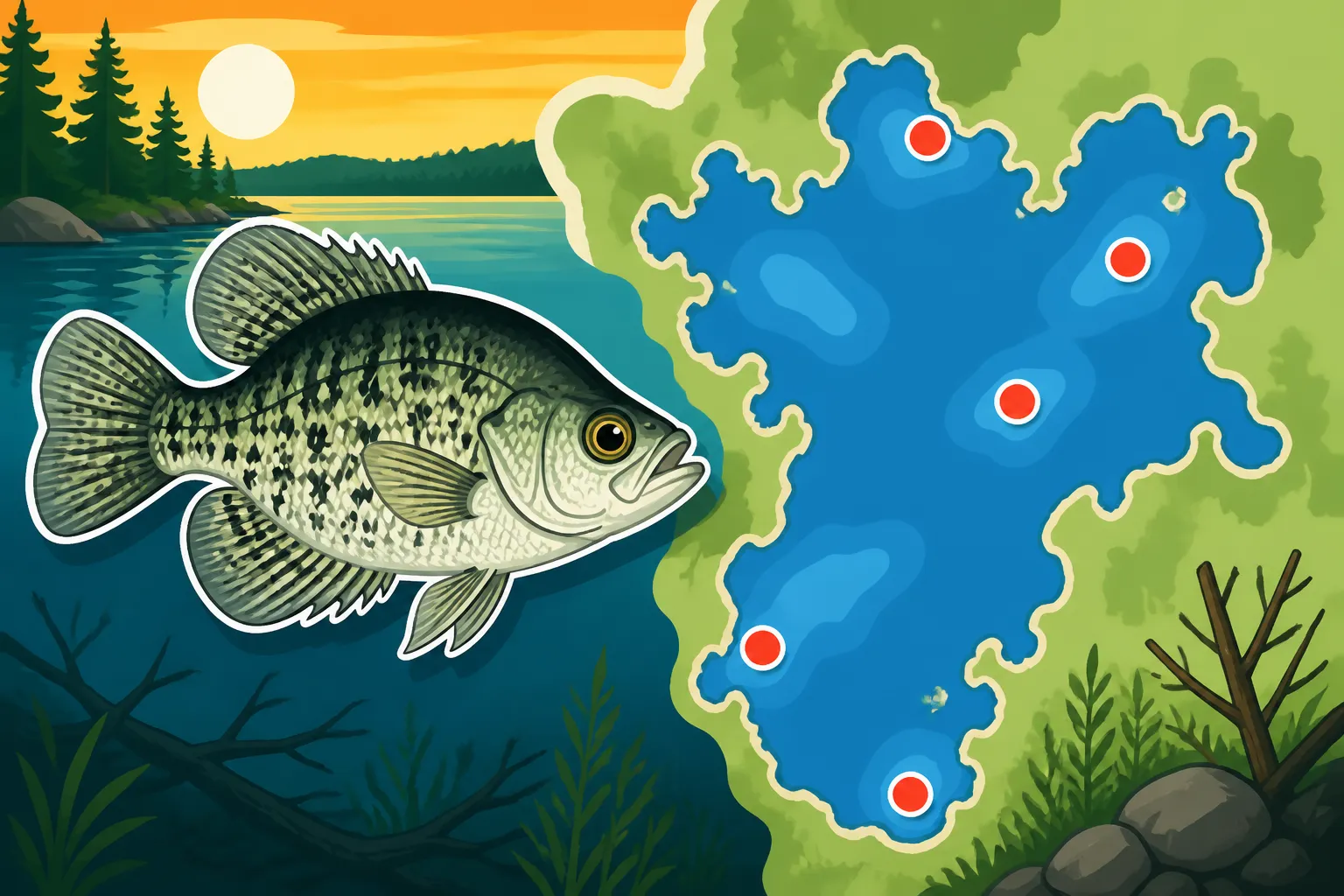
When the ice first forms, or as the ice begins to break up in spring, crappies on Upper Red Lake tend to be found in relatively shallower water, often near the main lake points and inside turns that offer easy access to deeper water. Areas close to the bays and mouths of smaller tributaries like the Tamarac River can be golden. These zones are usually the first to warm up or stabilize in early season, attracting baitfish and then crappies looking for an easy meal. For early ice, look for depths of 8-12 feet near these transition areas. In spring, as ice recedes, the northern bays, particularly those that receive sunlight and warm up quickly, will concentrate crappies preparing for their spawn. It's a time when you can often find them in schools, aggressively feeding. Many anglers utilize shallow-running crankbaits or jigs with small plastics during the open water spring season.
Mid-Winter and Summer Structure
During the colder, darker days of mid-winter, crappies often pull away from the immediate shorelines and suspend over deeper flats. While Upper Red Lake is shallow overall, there are still areas that are a few feet deeper than the surrounding expanse, perhaps 12-15 feet. Look for crappies suspending anywhere from 5-10 feet down in these deeper flat areas. They're often cruising in loose schools, following baitfish that are also suspending. This is where a good fish finder, like a Vexilar or Humminbird flasher, becomes indispensable for locating them. Similarly, in the heat of summer, crappies will often relate to the deepest available water in the main lake, still suspending, but perhaps a bit tighter to subtle structural changes on the bottom, like a slight elevation or a harder patch amidst the mud. Remember that the wind can push schools around, so staying mobile is key. If you're looking for guidance or a charter that knows these deeper spots, sometimes booking through platforms like FishingBooker can connect you with experienced local guides who know the nuanced movements of these fish.
Fall Transitional Zones
As fall sets in and water temperatures begin to drop, crappies on Upper Red Lake start to transition. They'll move out of their deeper summer haunts and begin to school up more tightly, often relating to the edges of remaining green weed beds, particularly those wild rice stands that haven't completely died back. The mouths of bays and channels become critical funnels as crappies move between shallow feeding areas and slightly deeper holding patterns. Depths of 6-10 feet are a good starting point. This is a fantastic time for active fishing, as crappies are bulking up before winter. They're usually quite cooperative and can be found in large schools, making for some exciting fishing. This is a prime time to target crappie, as they often exhibit aggressive feeding behavior. You might find some useful tips in our guide to "Seasonal Fishing Patterns in Minnesota" for more general transitional advice.
Here's a quick reference table for crappie locations on Upper Red Lake:
| Season | Primary Location | Typical Depth (feet) | Key Features to Look For |
|---|---|---|---|
| Early Ice/Spring | Main lake points, bay mouths, shallow breaks | 8-12 | First ice, warming water, access to deeper areas |
| Mid-Winter | Deeper main lake flats, slight bottom contours | 10-15 (suspending) | Large, open areas, subtle depth changes, baitfish schools |
| Summer | Deepest available flats, scattered weed clumps | 10-15 (suspending) | Cooler water pockets, oxygenated areas, ambush points |
| Fall | Edges of green weed beds, bay mouths, channel entries | 6-10 | Schooling behavior, pre-winter feeding, structure changes |
Crappie Fishing Techniques Specific to Upper Red Lake
Successfully catching crappies on Upper Red Lake isn't just about finding them; it's about presenting your bait or lure effectively to entice a bite. Given the lake's characteristics, some techniques shine brighter here than others.
Best Baits and Lures
Crappies on Upper Red Lake, like many panfish, are not overly picky, but certain presentations definitely outperform others. For live bait, small minnows (like fatheads or shiners) on a plain hook or under a bobber are always a classic and highly effective choice. Leeches can also work well, especially in open water during summer. When it comes to artificials, small jigs are king. Think 1/32 to 1/16 ounce jigs tipped with plastic tails or even just a wax worm or euro larva. Colors like chartreuse, white, pink, and glow are consistently productive, especially when fishing "Best Tungsten Jigs for Panfish" through the ice or in low-light conditions. Small spoons and jigging raps, fished with a subtle lift-and-drop retrieve, can also be incredibly effective, particularly when crappies are suspending. Vary your jigging cadence until you find what the fish prefer on any given day.
Essential Gear and Electronics
Given the vastness and often subtle nature of Upper Red Lake's crappie spots, having the right gear can make all the difference. A medium-light to light action rod with a sensitive tip is crucial for detecting those notoriously soft crappie bites. Pair it with a small spinning reel spooled with 2-4 pound monofilament or fluorocarbon line. When ice fishing, a good ice auger is essential for drilling many holes quickly. More importantly, reliable electronics are non-negotiable. A flasher or an LCD fish finder will help you locate schools of crappies, see your bait, and observe how fish react to your presentation. Brands like Vexilar, Humminbird, and Garmin offer excellent portable units that are perfect for navigating the expansive flats. Consider bringing an "Ice Fishing in Minnesota: Complete Beginner-to-Pro Guide" for those venturing out for the first time. For those looking for lodging or guided services, especially for a large group, you might explore options on FishingBooker which often lists local resorts and guides familiar with the lake's specific needs.
Navigating and Accessing Spots
Upper Red Lake is huge, and while it's relatively shallow, finding specific spots can still be a challenge, especially in adverse weather conditions. For open water fishing, having a boat equipped with GPS and detailed lake maps (like Navionics or LakeMaster) is highly recommended. Pay close attention to subtle depth changes, weed lines, and areas where baitfish are congregating. When ice fishing, snowmobiles or ATVs are the preferred mode of transport, allowing you to cover vast distances quickly. Always exercise extreme caution on the ice, checking thickness regularly. Public access points are available around the lake, but many anglers opt to stay at one of the resorts along the shore, like those around Waskish or JR's Corner, which often provide plowed roads on the ice and local fishing reports. Some resorts even offer sleeper house rentals, perfect for extended crappie pursuits. For more detailed insights on lake access and amenities, a full "Upper Red Lake Fishing Guide" can be an invaluable resource.
Crappie Regulations and Conservation on Upper Red Lake
Minnesota is passionate about its fisheries, and Upper Red Lake, in particular, has seen significant management efforts to sustain its incredible fishing opportunities. It's vital for every angler to understand and adhere to the regulations to ensure these resources remain healthy for future generations.
Current Bag Limits and Size Restrictions
The Minnesota Department of Natural Resources (DNR) regularly adjusts fishing regulations based on scientific assessments to maintain healthy fish populations. Crappie limits, like "Minnesota Crappie & Sunfish Limits," on Upper Red Lake can vary, so it's absolutely crucial to check the most current Minnesota fishing regulations before heading out. Typically, there's a daily bag limit, and sometimes a possession limit, on crappies, and there may even be special size restrictions in place to protect larger spawning fish. For instance, some lakes implement a protected slot limit, meaning fish within a certain size range must be released. While Upper Red Lake historically has had generous limits for crappies due to their abundance, it's never safe to assume. Always consult the official DNR fishing regulations PDF, or check the specific lake page on the DNR website, for the most up-to-date information before you hit the water. This ensures you're fishing legally and contributing to the conservation efforts that make this fishery so great.
Practicing Catch and Release Effectively
While crappies are excellent table fare, practicing selective harvest and proper catch and release is important for sustaining the fishery, especially for those trophy-sized slabs. When you've caught your limit or are targeting larger fish for photos, knowing how to safely release them increases their chances of survival. Minimize the time the fish is out of the water. Handle crappies gently, ideally with wet hands to protect their slime coat, which acts as their first line of defense against disease. Use de-barbed hooks or circle hooks, especially when using live bait, to facilitate easy hook removal and reduce internal injury. If a fish is deeply hooked, it's often best to cut the line as close to the hook as possible rather than trying to rip the hook out, which can cause more damage. Quickly return the fish to the water, allowing it to swim away on its own power. These simple practices, outlined in "Catch and Release Best Practices in Minnesota," ensure that the amazing crappie fishery on Upper Red Lake continues to thrive, providing enjoyment for countless anglers.
Disclaimer
Fishing regulations, conditions, and fish behavior can change rapidly. Always consult the most current Minnesota Department of Natural Resources (DNR) regulations before fishing. Ice conditions are never 100% safe; exercise extreme caution and check ice thickness regularly. This guide provides general information and recommendations, but personal safety and adherence to local laws are always your responsibility.