Lake Winnibigoshish Fishing Report & What’s Biting
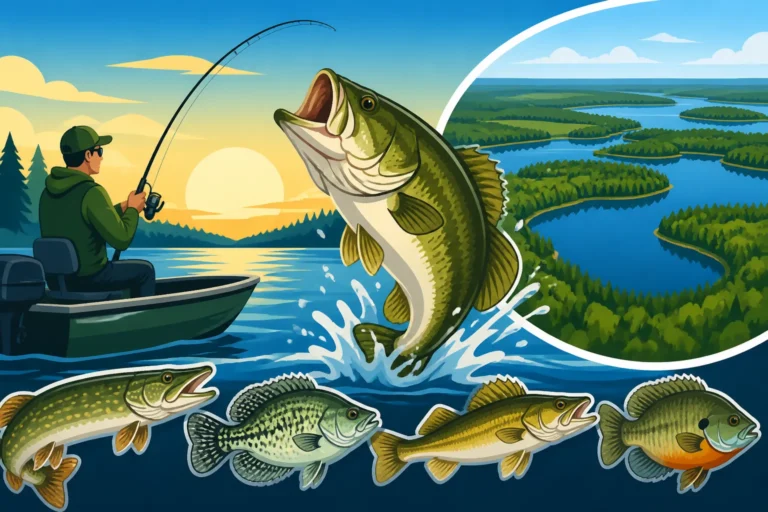
The walleye bite on Lake Winnibigoshish can be a real head-scratcher sometimes, especially when you roll up to this massive lake without any recent intel. You might be wondering, "Are they still shallow after the spawn?" or "Are the crappies finally on their beds?" It’s a completely valid frustration to spend precious fishing time searching instead of catching. That's why this guide is here to give you the freshest insights into what's biting on Lake Winnibigoshish right now, along with the best ways to put fish in the boat.
What's Biting on Lake Winnie Right Now? (Early Summer 2026 Update)
As we transition from late spring into the heart of early summer, typically around mid-May through mid-June, Lake Winnibigoshish truly begins to wake up. The water temperatures are steadily climbing, setting off a chain reaction in fish activity across the lake. Many anglers are reporting a really strong, consistent bite for several key species, making it a fantastic time to hit the water. It’s that sweet spot after the initial post-spawn lull but before the full summer deep-water patterns totally dominate.
Walleye Action: Post-Spawn Recovery and Early Summer Habits
Right now, the walleye bite on Lake Winnibigoshish is really starting to hit its stride as the fish recover from the spawn and settle into their early summer patterns. Water temperatures across much of the main lake basin are holding in the upper 50s to low 60s, which really gets these fish feeling more aggressive. You'll find a mixed bag of walleyes: some still relating to the shallower breaks and emerging weed lines in 6-12 feet of water, especially during low light, while others are starting to push out towards the expansive mud flats.
The shallower bite is strongest during dawn, dusk, or on overcast days. Look for rocky points and the edges of the first significant weed growth in areas like the Cutfoot Sioux connection or near the south shore. Casting jigs tipped with a lively shiner or a half of a nightcrawler has been very effective in these spots. As the sun gets higher, many anglers are transitioning to the mud flats where walleyes are cruising the edges and top side of the flat, often in 18-25 feet of water, feeding on schools of baitfish.
For the mud flat walleyes, a classic Lindy rig or a simple plain hook and split shot with a large leech or a full nightcrawler is the ticket. Drift slowly, keeping your bait just off the bottom. Remember, the walleyes on Winnie can be notoriously finicky, so sometimes a slow, subtle presentation is far more effective than an aggressive jigging motion. Don't be afraid to experiment with different speeds and bait sizes until you dial in what they want on any given day. Always be mindful of the current Minnesota Walleye Limit & Size Rules for Winnibigoshish, as they can sometimes have specific slot limits to protect the population.
Aggressive Northern Pike in the Shallows
If you're looking for some fast-paced action and a strong fight, the northern pike are absolutely on fire in the shallow, developing weeds and along transition areas. Following their own spawn, these toothy predators are incredibly hungry and actively patrolling for an easy meal. This time of year, you don't need to work too hard to find them; they're often right where you'd expect.
Focus your efforts in bays with significant weed growth, around submerged timber, and along the edges of larger weed beds in 4-10 feet of water. Areas near shore that warm up quickly and offer plenty of cover are prime locations. Pike are not picky right now, readily attacking a variety of lures. Spinnerbaits in white or chartreuse, shiny spoons (like a classic Daredevil or Five of Diamonds), and even larger crankbaits are all producing well.
For a true adrenaline rush, try throwing topwater baits like a Zara Spook or a Whopper Plopper over the weed tops during calm mornings or evenings. The explosive strikes from a big northern pike are something you won't soon forget! Be sure to use a steel leader or heavy fluorocarbon leader to prevent bite-offs; a lost lure is one thing, but leaving a lure in a fish's mouth is something we all want to avoid. You can find more detailed information on Northern Pike in Minnesota: Identification & Where to Catch to improve your pike game.
Panfish Bonanza: Crappies and Sunfish Heating Up
The panfish bite, particularly for crappies and sunfish, is really strong as they push into their pre-spawn and early spawning phases. This means they are actively feeding and holding in predictable, shallower locations. For families or those just looking for consistent action, this is a fantastic time to target these delicious fish.
Crappies are congregating in larger schools in bays and protected areas with emergent reeds, submerged wood, or brush piles. Look for them suspending just above the structure or along weed lines in 5-10 feet of water. Small jigs tipped with a tiny plastic grub, a small minnow, or even a wax worm under a bobber are exceptionally effective. Light line, like 4-pound test, will greatly increase your bite ratio. A slip bobber rig is incredibly useful for presenting your bait at a precise depth, which can be key when crappies are finicky.
Sunfish (primarily bluegills and other sunfish species) are also moving into the shallows, often found closer to shore in protected pockets with heavy vegetation or docks. They'll readily take small jigs, worms, or even tiny pieces of corn. While perhaps not as glamorous as walleye, a mess of Winnie sunfish makes for an incredible meal, and they offer constant entertainment for anglers of all ages. For more nuanced tactics, check out Crappie & Panfish Fishing Techniques.
Navigating Lake Winnibigoshish: Key Structure and Hotspots
Lake Winnibigoshish is one of Minnesota's largest lakes, often affectionately called "Big Winnie," and its vastness can be intimidating. However, understanding its primary structural features is the key to consistently finding fish. Unlike some lakes dominated by rocky reefs, Winnie's character is defined by sprawling mud flats, distinct sand breaks, and extensive weed beds. This unique topography creates diverse habitats that attract different species throughout the season.
Understanding Winnie's Unique Structure: Mud Flats and Sand Breaks
Lake Winnibigoshish is famously known for its enormous, relatively featureless mud flats that cover a significant portion of its basin. These aren't just barren expanses; they are incredibly productive feeding grounds for walleyes, perch, and even large northern pike. Walleyes will often cruise the edges of these flats, especially where the soft bottom transitions to slightly firmer sand or gravel, or where subtle changes in depth create current breaks. They're following schools of tullibee and perch, which use the mud flats for foraging. Learning to read your electronics to identify the "lip" or edge of a mud flat, or even baitfish schools over the top of it, is paramount.
Interspersed with these flats are distinct sand breaks and humps. These firmer bottom areas, often rising from deeper water, act as critical waypoints and ambush points for walleyes and smallmouth bass (though smallmouth are less prevalent on Winnie than other lakes, they do exist). During colder water periods or after major weather fronts, fish will often stack up on these firmer structures. Key areas like the Muskie Bar, Sugar Bar, and those around Star Island are examples of these important structural elements. Don't be afraid to put your boat down and explore; sometimes the most productive spots are the subtle ones that don't jump out on a map but hold a pocket of baitfish. A great resource for a deeper dive into the lake's layout is the comprehensive Lake Winnibigoshish Fishing Guide.
Locating Fish with Electronics and Local Knowledge
Modern fishing electronics are absolutely invaluable on a lake the size of Winnie. A good fish finder with GPS mapping, like units from Humminbird or Garmin, is almost essential for efficiently covering water and pinpointing subtle structures. Look for contour lines that indicate breaks, especially where a flat drops into a deeper trough or basin. Side imaging can help you spot isolated rock piles or wood that might not show up on traditional 2D sonar. Pay close attention to baitfish schools, as predatory fish are rarely far behind. Many experienced anglers also rely on detailed lake maps, such as those found on Navionics or LakeMaster chips, which highlight these underwater features with incredible precision.
Beyond the technology, nothing beats local knowledge. Speaking with resort owners, bait shop employees, or even hiring a local guide, especially through services like FishingBooker, can give you a massive head start. These folks are on the water constantly and often have real-time reports and insights into current fish movements that can save you hours of searching. Even if it's just for a half-day trip, a guided outing can teach you the nuances of Winnie's patterns and specific hotspots that might take years to discover on your own. Many guides offer specialized trips targeting walleye, crappies, or pike, giving you direct access to their expertise.
Top Techniques and Baits for Winnie's Current Bite
Fishing Lake Winnibigoshish successfully often comes down to matching your technique and bait to the fish's current mood and location. While many methods can catch fish here, a few stand out as perennial favorites and are particularly effective during the early summer transition. Understanding when and how to deploy these different strategies will significantly increase your success rate.
Walleye Wonders: Jigs, Lindy Rigs, and Slip Bobbers
For walleyes on Winnie, these three techniques are the bread and butter. Each has its specific time and place. Jigging, especially with a 1/8 to 1/4 ounce jig tipped with a shiner minnow or a soft plastic, is excellent for working breaks, points, or the edges of weed lines. The vertical presentation allows you to effectively present bait in small areas or where fish are holding tight to structure. A slow, subtle lift-and-drop is often more productive than aggressive jigging. This is a technique that shines during low light conditions or when fish are concentrated. For more in-depth jigging strategies, check out Walleye Fishing Techniques: Complete Minnesota Guide.
The Lindy rig (or similar live bait rig) is arguably the most iconic walleye presentation on Winnie, especially when fishing the sprawling mud flats. This involves a walking sinker, a swivel, a long leader, and a snelled hook. The key is to drift or motor-troll very slowly, allowing the sinker to tick along the bottom while your live bait (a leech, nightcrawler, or large shiner) floats enticingly just above the bottom. This method is incredibly effective for covering large areas of the flats and presenting a natural offering to cruising walleyes. Vary your leader length to keep the bait at different heights off the bottom, adjusting based on how active the fish are.
Finally, slip bobbers are fantastic for presenting live bait over specific submerged features, weed pockets, or around timber where fish might be suspended. They allow you to precisely control your bait's depth and keep it in the strike zone longer. A slip bobber with a leech or a piece of nightcrawler fished on the outside edge of emerging cabbage weeds can be deadly for walleyes that are reluctant to chase. It's also a wonderfully simple and effective method for younger anglers or those who prefer a more relaxed approach. You can learn the step-by-step setup in How to Use a Slip Bobber for Walleye & Crappie. Always remember to use the freshest possible bait, as a lively leech or shiner is often what seals the deal on a finicky walleye; explore options in Best Live Bait for Walleye (Leeches, Minnows, Crawlers).
Targeting Pike and Panfish with Lures and Live Bait
When it comes to northern pike, they are generally less finicky than walleyes and will readily strike a variety of presentations. Casting spoons like the classic Johnson Silver Minnow or a vibrant Five of Diamonds, especially in gold or red/white patterns, are irresistible to pike lurking in the weeds. Spinnerbaits are also incredibly effective, allowing you to cover water quickly and fish through moderate weed growth without snagging. For trophy pike, don't shy away from larger bucktails or glide baits, particularly around deeper weed edges. Remember to use a strong leader to prevent bite-offs!
For crappies and sunfish, finesse is the name of the game. Tiny jigs (1/32 to 1/16 ounce) tipped with a small plastic such as a tube, a grub, or even just a micro-finesse plastic, are deadly. Colors like black, white, chartreuse, or pink are often top producers. When panfish are particularly aggressive, a small minnow on a plain hook under a bobber will also get plenty of action. For sunfish, a small piece of nightcrawler or a wax worm works wonders. Light spinning gear with 2-4 pound test line is ideal for maximizing sensitivity and getting those tiny baits out effectively. Many anglers use ultra-light rods and reels for this, often pairing them with a quality line. If you're looking for a new setup, consider exploring options for Best Walleye Rods & Reels – many of these brands offer excellent lighter tackle options for panfish too.
Essential Tips for a Successful Winnie Trip
Planning a fishing trip to Lake Winnibigoshish means more than just knowing what's biting; it also involves being prepared for the conditions, understanding the rules, and equipping yourself properly. A little forethought can make a huge difference between a frustrating day and a memorable one on the water. Winnie is a fantastic lake, one of the Best Fishing Lakes in Minnesota, but its size and exposure can also present challenges.
Check the Regulations and Weather
Before you even launch your boat, make sure you're up to date on all the current fishing regulations for Lake Winnibigoshish. The Minnesota Department of Natural Resources (DNR) frequently adjusts limits and slot sizes for species like walleye, northern pike, and even panfish to manage populations and ensure sustainable fishing. These rules can change from year to year, so relying on old knowledge is a recipe for trouble. For instance, the walleye slot limit on Winnie might vary, so it's critical to know the exact numbers for your trip. Always consult the official DNR regulations handbook or website; you can find general information on Minnesota Fishing Seasons & Opener Dates (2026) and specific details on Minnesota Walleye Limit & Size Rules. Ignorance of the law is no excuse, and wardens patrol these waters regularly.
Secondly, always, always check the weather forecast. Lake Winnibigoshish is a large, relatively shallow body of water, meaning it can get very rough, very quickly, with strong winds. What starts as a calm, beautiful morning can turn into whitecaps and dangerous conditions in a matter of hours. Pay attention to wind direction and speed, and have a plan for safe navigation and refuge if the weather turns. Dressing in layers is always a good idea, as temperatures can fluctuate wildly, especially in spring and fall. Being prepared for anything will ensure your safety and comfort, allowing you to focus on the fishing.
Planning Your Trip: Guides and Gear
For anglers new to Lake Winnie, or those looking to maximize their time, considering a professional fishing guide is a smart move. A guide will not only put you on fish but will also teach you the nuances of fishing this specific lake, from reading the subtle breaks on the mud flats to understanding seasonal movements. Services like FishingBooker make it incredibly easy to find and book experienced local guides for Lake Winnibigoshish, ensuring you get an expert who knows the lake inside and out. They provide all the necessary gear, which means less hassle for you and a focus on learning and catching. It’s an investment that often pays dividends in knowledge and fish.
As for your own gear, ensure it's up to par. For walleye and pike, medium-light to medium-heavy spinning or baitcasting rods are generally suitable, paired with reels spooled with quality monofilament or braided line. For panfish, ultralight setups are ideal. Beyond rods and reels, essential gear includes a good landing net, pliers for hook removal (especially for toothy pike), a measuring board, and a cooler with ice for your kept fish. Don't forget your fishing license! A good pair of polarized sunglasses will help you spot shallow structure and cruising fish. And if you're serious about fishing Winnie, a reliable fish finder with detailed mapping capabilities will be your best friend for understanding the underwater terrain. You can find excellent advice on setting up your tackle in guides like Best Fishing Gear for Beginners in Minnesota (By Budget).
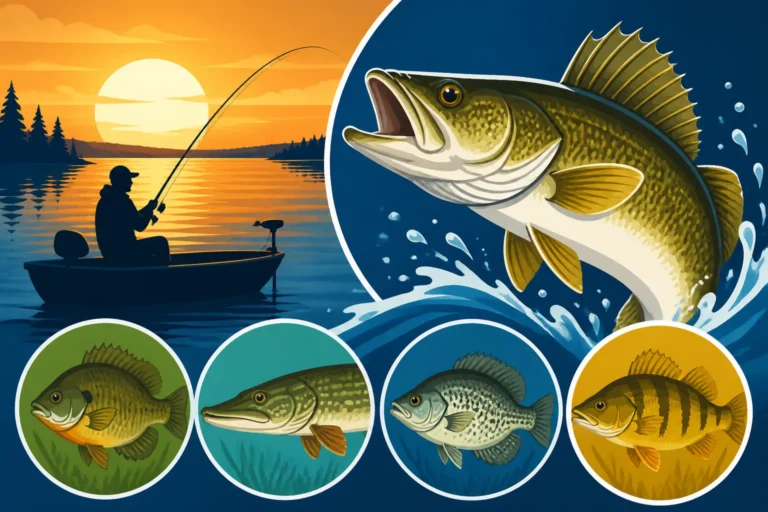
Here's a quick overview of what's biting on Lake Winnibigoshish:
| Species | Current Activity (Early Summer 2026) | Primary Locations | Recommended Techniques & Baits |
|---|---|---|---|
| Walleye | Post-spawn, active. | Shallow breaks (6-12 ft), Mud flats (18-25 ft) | Jigs (shiners/plastics), Lindy rigs (leeches/crawlers) |
| Northern Pike | Very aggressive, hungry. | Shallow weeds (4-10 ft), weed edges, docks | Spinnerbaits, Spoons, Large crankbaits, Topwater |
| Black Crappie | Pre-spawn/early spawn, schooling. | Bays, emergent reeds, submerged wood (5-10 ft) | Small jigs (plastics/minnows), Slip bobbers (minnows/wax worms) |
| Sunfish (Bluegill) | Pre-spawn/early spawn, shallow. | Protected pockets with vegetation, docks (3-8 ft) | Small jigs (worms/wax worms), Bobber fishing |
| Yellow Perch | Active, often schooling. | Mud flats (15-25 ft), weed edges | Small jigs (plastics/minnows), Dropshot rigs, plain hooks (worms) |
Disclaimer
Fishing conditions, regulations, and fish behavior can change rapidly due to weather, water levels, and seasonal shifts. This report is based on current trends and general knowledge for early summer 2026 but should be used as a guideline. Always verify current Minnesota DNR regulations before fishing.