Rainy Lake Fishing Report & What’s Biting
Rainy Lake can be an absolute paradise for anglers, but its vastness and ever-changing conditions can also make it incredibly challenging to know where the fish are biting and what tactics are currently effective. You're not alone if you've ever felt overwhelmed trying to piece together fragmented reports or just hoping for the best. This guide is dedicated to breaking down what you can expect when fishing Rainy Lake, giving you the knowledge to interpret fishing reports, find the hot spots, and understand the dynamic patterns of its incredible fishery.
Understanding Rainy Lake's Dynamic Fishery
Rainy Lake, straddling the border between Minnesota and Ontario, is a truly immense body of water, offering incredible diversity for anglers. Its sheer size – over 220,000 acres with countless islands, bays, and intricate structures – means that fishing conditions can vary dramatically from one end of the lake to another, or even from one bay to the next. It’s not just a lake; it's an inland sea, and treating it as such is the first step toward understanding its dynamic fishery. This isn't your average local pond; it's a world-class destination that demands respect and a good strategy.
The lake’s unique geology, with deep Canadian Shield rock formations contrasting with shallower, more fertile areas, creates diverse habitats for a multitude of fish species. From the rugged, pine-lined shores to expansive open water and intricate island chains, every corner holds potential. What's working in one part of the lake might be completely useless a few miles away, which is why a nuanced understanding of its seasonal rhythms and species-specific patterns is crucial.
Seasonal Fishing Trends on Rainy Lake
Fishing on Rainy Lake isn't a static affair; it's a constantly evolving dance with the seasons. What works in May will likely be ineffective in July, and completely different in October. Understanding these broader seasonal shifts is your fundamental roadmap to success.
Spring: Post-Spawn Feasts and Shallow Action
As the ice finally recedes, usually in late April or early May, Rainy Lake bursts into life. This is a highly anticipated time, especially for walleye anglers. After the spawn, walleye are hungry and often aggressive, moving into shallower areas to feed. Look for them congregating around rocky points, current areas, and the mouths of feeder creeks where baitfish are plentiful. Water temperature is the major driver here; as it slowly creeps up, fish become more active. Northern Pike are also very active in the shallow, warming bays, often recuperating from their own earlier spawn. Smallmouth Bass will start to move shallower too, though their peak activity and spawn happen a bit later in late spring to early summer. Early spring crappie fishing can also be phenomenal in the shallows, particularly in protected bays that warm up faster. Remember, the early season can also bring unpredictable weather, so be prepared for anything Mother Nature throws your way.
Summer: Deep Water and Structure Fishing
As summer fully sets in and water temperatures rise, many of the lake's prime game fish, especially walleye, will transition to deeper, cooler waters. This means focusing on main lake points, sunken islands, humps, and structural elements like reefs and rock piles. You'll often find them suspended over deeper water or tight to breaks where they can ambush schools of tullibee and cisco. Trolling with crankbaits or using bottom bouncers with crawler harnesses become go-to techniques. Smallmouth Bass will be active around rocky shorelines, reefs, and points, often chasing baitfish. Northern Pike can be found in weed beds in larger bays or deep breaks, still actively feeding. Crappies will also move deeper, often schooling around submerged timber or cribs. Summer fishing on Rainy Lake is often characterized by stability, but requires good electronics and an understanding of how fish relate to deep structure.
Fall: Aggressive Feeding and Shallow Returns
Autumn is a magnificent, though often fleeting, time on Rainy Lake. As water temperatures begin to drop, fish sense the approaching winter and enter an aggressive feeding period. Many species, particularly walleye and northern pike, will move shallower again, gorging themselves in preparation for the cold months. Big schools of walleye can be found on main lake reefs, points, and even some shallower flats. Trolling large crankbaits or casting jigs with big plastics can be incredibly effective for larger fish. Muskie fishing also peaks in the fall, with these apex predators becoming more active and willing to strike larger baits. Smallmouth bass will be packing on the pounds, often schooling up on rocky main lake structure. The fall bite can be some of the most rewarding fishing of the year, but the weather can be fickle, with strong winds and cold fronts requiring adaptability.
Key Fish Species to Target
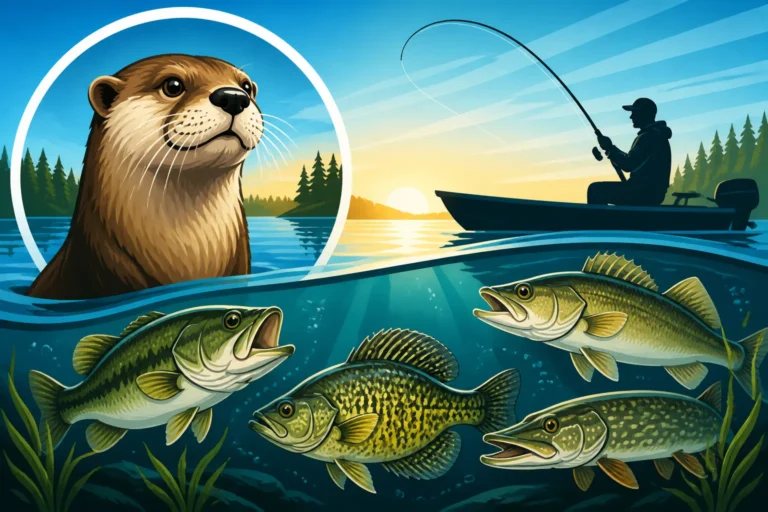
Rainy Lake is a multi-species angler's dream, offering fantastic opportunities for several popular game fish. Each has its own habits, preferred habitats, and best times to target.
Walleye: The Golden Prize
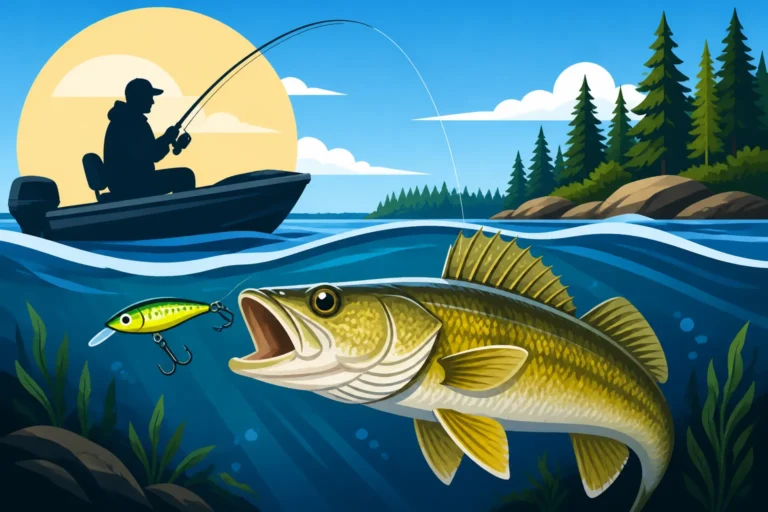
Walleye are undoubtedly the star of Rainy Lake, drawing anglers from across the globe. Known for their delicious white flesh and challenging fight, they are abundant throughout the system. They prefer cooler, clear to moderately stained water and relate heavily to structure. You’ll find them on rocky points, reefs, humps, along breaks, and sometimes suspended in open water. Live bait rigs with minnows, leeches, or nightcrawlers are always effective, as are jigs tipped with plastics or minnows. Trolling crankbaits at various depths is also a highly productive method, especially when covering large areas or targeting suspended fish. For detailed tactics, you might want to read our guide on Walleye Fishing Techniques: Complete Minnesota Guide.
Northern Pike: The Water Wolves
Northern Pike are a prevalent and aggressive species in Rainy Lake, often reaching impressive sizes. They are ambush predators, preferring to hide in or near weed beds, fallen timber, and along sharp breaks where they can dart out to attack prey. Early season sees them in very shallow, warming bays. As summer progresses, larger pike often patrol deeper weed lines or even suspend in open water chasing baitfish. Spinnerbaits, spoons, large crankbaits, and even live suckers are all effective baits. They offer a powerful fight and are a blast to catch, making them a great target, especially when the walleye bite is tough.
Smallmouth Bass: Pound-for-Pound Fighters
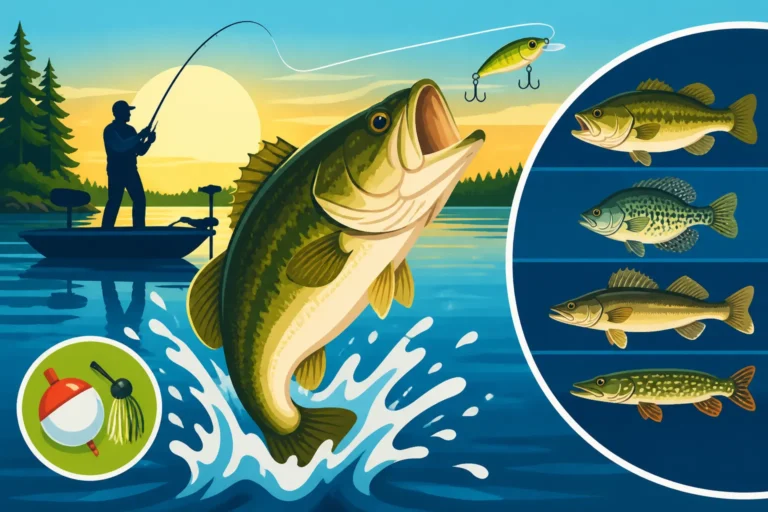
Rainy Lake boasts an exceptional smallmouth bass fishery, with many anglers considering it one of the best in Minnesota. These bronze beauties thrive in the lake's rocky habitat, preferring areas with boulders, gravel, and steep rock walls. They are known for their strong, acrobatic fights and can be incredibly fun to catch. Topwater lures, jerkbaits, tube jigs, and Ned rigs are all highly effective, especially when fished around points, shoals, and islands. Their peak activity often aligns with warmer summer temperatures. If you're looking to explore techniques for these tenacious fighters, check out our piece on Smallmouth & Largemouth Bass in Minnesota.
Crappie and Panfish: A Delicious Diversion
While walleye and pike often grab the headlines, Rainy Lake also offers excellent opportunities for Crappie and other panfish like Bluegill and Yellow Perch. Crappies often school in specific bays, around submerged timber, or along deep weed edges. They can be found shallower in spring and fall, moving deeper in summer. Small jigs tipped with minnows or plastics under a slip bobber are classic crappie presentations. Perch are more widespread and can be found nearly anywhere, often accompanying walleye schools, making them a nice bonus catch. Understanding Crappie & Panfish Fishing Techniques can really boost your success.
Current Fishing Report: What's Biting Now
Getting a truly real-time, minute-by-minute fishing report for a lake as massive and diverse as Rainy Lake is tough, but by understanding the seasonal patterns and knowing where to look for up-to-date information, you can get a very accurate picture of what's currently biting. Local resorts, bait shops, and fishing forums are your best friend for the most current intel.
Generally, anglers can expect a dynamic bite influenced by recent weather patterns, water temperatures, and baitfish movements. For instance, a sudden cold front can push walleye deeper or make them less active, while a stable period of warm weather can ignite an aggressive bite.
Walleye Hotspots and Tactics
For walleye, the action on Rainy Lake can be phenomenal, but you need to know where to look. In late spring and early summer, some of the most consistent bites are often found around the myriad islands and rocky points in the central and eastern portions of the lake. Areas like the vicinity of Campfire Island, the points leading into Black Bay, or the reefs near Grassy Narrows are perennial producers. Jigging with a 1/4 or 3/8 ounce jig tipped with a live minnow, especially a shiner, is a classic and deadly technique. Chartreuse, orange, and white are often reliable jig colors. As summer progresses, walleye move to the deeper main lake structure. Look for humps and submerged reefs in 25-40 feet of water. Trolling crankbaits like Rapala Shad Raps or Berkley Flicker Shads in natural perch or silver/black patterns can be incredibly effective when covering these deeper areas. A good fish finder is indispensable here to locate structure and baitfish. Always be mindful of the Rainy Lake Walleye Limit & Slot, as regulations are crucial for maintaining a healthy fishery.
Pike and Bass Action
Northern Pike are usually quite cooperative on Rainy Lake, offering consistent action. In the warmer months, target the expansive weed beds in bays like Sand Point Lake (which is connected) or the shallower arms of the main lake. Casting large spinnerbaits (like a classic Mepps Musky Killer or a brightly colored Johnson Silver Minnow spoon) into and along the edges of these weeds will often draw explosive strikes. For bigger pike, try trolling large crankbaits or even live suckers on quick-strike rigs around deeper weed lines or rocky points that drop off quickly into deeper water.
Smallmouth Bass, on the other hand, are true rock lovers. They'll be found throughout the lake's abundant rocky structure. Target main lake points, rocky island shorelines, and humps. During peak summer, topwater action can be incredible in low light conditions – casting poppers or walking baits (like a Heddon Super Spook) near rocky outcrops in the morning or evening is exhilarating. During the day, switch to tube jigs, Ned rigs, or drop-shots fished slowly along the bottom. Natural colors like green pumpkin or watermelon tend to be very effective. Look for areas with current breaks or wind-blown rocky points for some of the most aggressive smallmouth.
Panfish Opportunities
Crappies on Rainy Lake can be a fantastic bonus, particularly in late spring and early summer, and again in the fall. Focus on the shallower, protected bays with plenty of submerged wood or brush piles, especially those with darker bottoms that warm up faster. The Black Bay area or some of the smaller, interconnected lakes often hold good crappie populations. Small jigs, 1/16 or 1/32 ounce, tipped with a small minnow or a soft plastic grub (chartreuse or pink are popular) fished under a slip bobber are hard to beat. As the water warms in summer, crappies will often move to deeper timber or cribs, sometimes suspending over deeper water. Vertical jigging small spoons or blade baits can be effective then. Yellow Perch are ubiquitous and often caught incidentally while targeting walleye, but they can be targeted specifically with small jigs or pieces of nightcrawler on the bottom.
| Species | Best Time of Year | Typical Depth (Seasonal) | Go-To Baits/Lures | Key Locations on Rainy Lake |
|---|---|---|---|---|
| Walleye | Spring, Fall, Summer | 10-40 feet | Jigs & Minnows, Crawler Harnesses, Crankbaits | Rocky points, reefs, humps, current areas |
| Northern Pike | Spring, Summer, Fall | 5-30 feet | Spinnerbaits, Spoons, Large Crankbaits | Weed beds, shallow bays, deep breaks |
| Smallmouth Bass | Summer, Fall | 5-25 feet | Topwaters, Tube Jigs, Jerkbaits, Ned Rigs | Rocky shorelines, shoals, islands, humps |
| Crappie | Spring, Fall | 5-20 feet | Small Jigs & Minnows/Plastics (Slip Bobber) | Submerged timber, brush piles, protected bays |
| Yellow Perch | Year-round | 5-30 feet | Small Jigs, Worms | Widespread, often with walleye schools |
Navigating Rainy Lake: Tips for Success
Rainy Lake’s sheer scale and remote nature require a strategic approach. It's not a place for the unprepared, but with a little planning and respect for its wild beauty, it offers unparalleled fishing experiences.
Importance of Local Guides and Resorts
For newcomers to Rainy Lake, or even seasoned anglers looking to quickly get on the fish, leveraging local expertise is invaluable. Fishing guides who operate on Rainy Lake live and breathe its intricacies. They know the subtle nuances of the current bite, specific spots that are producing, and how to adapt to changing conditions. Many experienced guides can be found through local resorts or by using reputable booking platforms. For example, platforms like FishingBooker allow you to browse available local guides, read reviews, and find someone who specializes in the species you want to target and the style of fishing you prefer. Hiring a guide for even a half-day can dramatically shorten your learning curve and put you on fish faster, making your trip much more enjoyable and productive. Resorts on the lake, like those near International Falls or Fort Frances, also often have their own guides or can recommend trusted local experts. These guides can truly elevate your experience, providing insights into everything from proper lure presentation to understanding the complex Border Water Fishing Rules (Minnesota-Ontario, Wisconsin).
Reading the Water and Weather
Rainy Lake's vastness makes it particularly susceptible to rapidly changing weather conditions. A calm morning can quickly turn into a windy, white-capped afternoon, making navigation challenging and dangerous. Always check the marine forecast before heading out, and be prepared to adjust your plans if conditions deteriorate. Understanding how wind affects fish behavior is also key: often, a "walleye chop" (a moderate ripple on the water) can turn on the bite, as it breaks up light penetration and disorients baitfish. However, too much wind can make boat control impossible and shut down the bite in exposed areas. Pay attention to water clarity too; some bays might be stained from recent rains, while main lake areas remain clear, influencing lure color and presentation choices. Safety is paramount on such a large body of water, so always let someone know your float plan and carry all necessary safety gear.
Planning Your Rainy Lake Adventure
A successful trip to Rainy Lake involves more than just knowing what fish are biting; it requires meticulous planning, the right gear, and an understanding of the local regulations.
Essential Gear and Bait
Given the diverse fishing opportunities, it's wise to bring a versatile array of gear. For walleye, medium-light to medium power spinning rods with fast action are ideal for jigging and slip bobber fishing. Consider a heavier baitcasting setup if you plan on doing a lot of deep-water trolling with larger crankbaits or heavy bottom bouncers. For northern pike and muskie, heavier action rods and reels with stout line are essential. Good quality braided line (like PowerPro or Berkley X5) with a fluorocarbon or monofilament leader is a solid choice for most applications due to its sensitivity and strength.
When it comes to bait, live minnows (especially shiners or fatheads), leeches, and nightcrawlers are always productive for walleye and panfish. You can often purchase these at local bait shops near the lake, such as those in International Falls or Ranier. For artificials, a selection of jigs (1/4 to 1/2 ounce in various colors), crankbaits (both shallow and deep diving), spinnerbaits, spoons, and soft plastics should cover most bases. Don't forget tackle for smallmouth bass if you plan to target them, including tubes, jerkbaits, and topwater lures. Having a good GPS unit loaded with detailed lake maps (like Navionics or LakeMaster) is absolutely critical for navigation on Rainy Lake.
For specific bait recommendations, our guide on the Best Live Bait for Walleye (Leeches, Minnows, Crawlers) offers excellent insights.
Regulations and Border Considerations
Fishing Rainy Lake means navigating both Minnesota and Ontario regulations, as it's a border water. This can feel a bit complex, but it's crucial to get it right. Generally, if you are fishing on the Minnesota side, you need a valid Minnesota Fishing License: Cost, Types & How to Buy (2026). If you venture into Canadian waters, even just to cast a line, you must have an Ontario fishing license and an Outdoors Card. There are specific rules regarding where you can launch, what side of the border you can fish, and how to transport fish across. Always carry your passport or enhanced driver's license if you plan to cross into Canadian waters.
Beyond licenses, familiarize yourself with species-specific limits, slot limits, and season dates for both jurisdictions. These can differ significantly, particularly for walleye. The Minnesota DNR website and the Ontario Ministry of Natural Resources and Forestry (MNRF) website are your official sources for the most up-to-date regulations. Furthermore, be acutely aware of Aquatic Invasive Species (AIS) Rules for Boaters. Rainy Lake is a beautiful, healthy fishery, and preventing the spread of AIS is a collective responsibility. Always clean, drain, and dry your boat and gear.
Final Thoughts on Rainy Lake Fishing
Rainy Lake is a true gem of the North, offering an incredible diversity of fishing experiences. While it can be intimidating due to its size and border water status, the rewards for those who put in the effort are immense. Whether you're chasing trophy walleye, battling aggressive northern pike, or enjoying the tenacious fight of a smallmouth bass, Rainy Lake provides a wilderness fishing adventure unlike any other. By staying informed on seasonal patterns, leveraging local knowledge, being prepared for the elements, and always respecting the regulations, you're set for a memorable and successful trip. Don't hesitate to consult with local outfitters or book a guide through services like FishingBooker to make the most of your adventure – they are an invaluable resource for navigating the nuances of this magnificent fishery.
Disclaimer
Please remember that fishing conditions, regulations, and reports can change rapidly. Always consult the most current Minnesota Department of Natural Resources (DNR) and Ontario Ministry of Natural Resources and Forestry (MNRF) regulations before heading out. Safety on the water is your responsibility; always wear a life jacket, check weather forecasts, and inform someone of your travel plans.