Gull Lake Fishing (Brainerd Lakes Area)
Gull Lake. Just the name conjures images of pristine waters, towering pines, and, if you're like me, the tantalizing thought of a trophy walleye or a hard-fighting smallmouth. But let's be real, a lake as massive and popular as Gull can feel incredibly daunting when you're staring out at its seemingly endless expanse, wondering where the heck to even start. This isn't some small pond where you can just cast anywhere and hope for the best; Gull Lake demands a plan. This guide is going to strip away the mystery, giving you a deep dive into successfully fishing this iconic Brainerd Lakes Area gem, no matter the season or your target species.
An Introduction to Gull Lake and the Brainerd Lakes Area Fishery
Gull Lake isn't just a lake; it's a destination, the crown jewel of the Brainerd Lakes Area. We're talking about roughly 10,000 acres of water, boasting over 30 miles of shoreline and depths reaching up to 80 feet in some spots. It's connected to several smaller lakes like Upper Gull, Love Lake, and a few others through navigable channels, creating an even larger complex fishery. This isn't just a vacation hotspot for recreation; it's a serious fishery, managed by the Minnesota Department of Natural Resources (DNR) to maintain healthy populations of popular game fish.
The Brainerd Lakes Area, in general, is renowned for its diverse fishing opportunities. While Gull Lake certainly draws the most attention, the surrounding region offers countless smaller lakes, rivers, and streams, each with its own unique character and fish populations. This interconnectedness means that understanding the patterns on Gull can often give you a leg up on nearby waters, too. However, Gull's sheer size and varied bottom structure make it a unique challenge and reward for anglers.
The Dynamics of Gull Lake's Ecosystem
Gull Lake's ecosystem is a vibrant one, supporting a wide variety of fish. It's classified as a mesotrophic lake, meaning it has a moderate level of nutrients, leading to good productivity without being overly fertile. This balance contributes to healthy weed growth in shallower areas, crucial for panfish and young game fish, alongside expansive open water and deep holes favored by walleye and lake trout (though lake trout are less common here). The lakebed itself is a mosaic of sand flats, gravel bars, rock humps, and soft bottom areas, providing diverse habitats.
This diverse structure is key to understanding where fish will be throughout the year. Forage fish, like cisco (tullibee) and yellow perch, thrive in this environment, providing a rich food source for apex predators such as walleye, northern pike, and muskie. The presence of abundant natural forage means that fishing can sometimes be challenging, as fish aren't always looking for your bait. It requires anglers to "match the hatch" or present something truly irresistible.
The Brainerd Lakes Area: A Fishing Hub
The Brainerd Lakes Area isn't just a collection of lakes; it's a complete angling ecosystem. Beyond Gull, you've got lakes like Pelican Lake, the Whitefish Chain, North Long Lake, and countless others, each offering different experiences. This region is dotted with bait shops, resorts, guides, and outfitters, all catering to anglers. It means you're never far from expert advice, the right bait, or a friendly face willing to share a tip or two (though maybe not their secret spot!).
This concentration of resources is a huge advantage for anglers. If one lake isn't producing, you can easily shift to another. If you're struggling to crack the code on Gull, a local guide service found through platforms like FishingBooker can provide invaluable insights, taking years off your learning curve. These guides spend hundreds of days a year on these waters and know the nuances of the changing seasons and fish movements better than anyone.
Targeting Gull Lake's Premier Fish Species
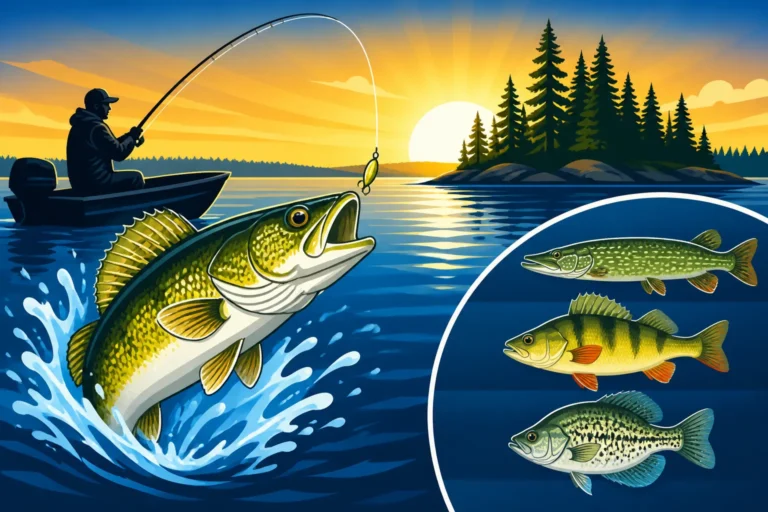
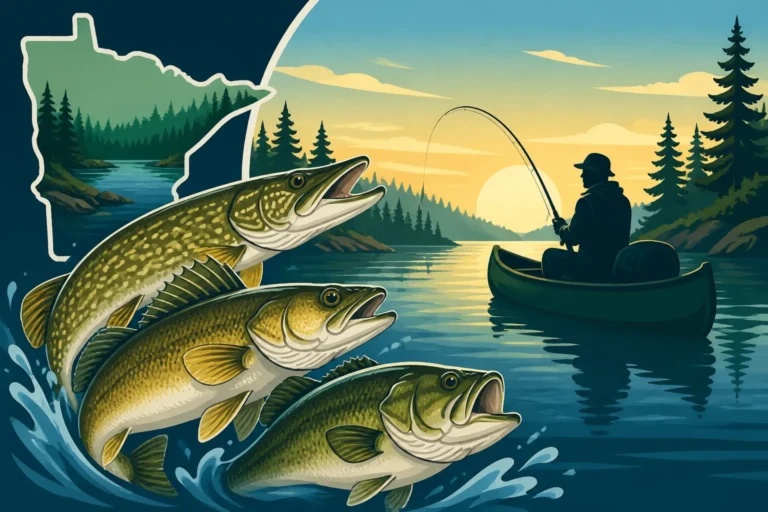
Gull Lake is a multi-species angler's dream, but it's undoubtedly famous for a few key species that draw anglers from across the state and beyond. Understanding each species' preferred habitat and behavior is crucial to success.
Walleye: The Golden Prize of Gull Lake
Ah, the walleye. Minnesota's state fish, and the one that brings most people to Gull Lake. Walleye here are known for their strong fighting spirit and, of course, their delectable fillets. While Gull can be a challenging walleye fishery at times due to its size and forage base, it consistently produces good numbers of fish, including some real trophies. They relate strongly to structure and low-light conditions.
In Gull Lake, walleye will often be found near deeper breaks, humps, and points, especially those with access to deep water. They prefer gravel and rock bottoms where their primary forage, like perch and cisco, also congregates. During the day, they'll often hold tight to the bottom in deeper water, only moving shallower to feed during dawn, dusk, or under cloudy skies. Presentation is key; subtle approaches often outfish aggressive ones. You'll want to be familiar with the nuances of Walleye Fishing Techniques: Complete Minnesota Guide to truly excel here.
Smallmouth and Largemouth Bass: A Growing Reputation
Gull Lake has quietly, or not so quietly, developed into one of Minnesota's premier smallmouth bass fisheries. These bronze bombers thrive in Gull's rocky structures and clear waters, offering incredible battles. Largemouth bass are also present, preferring the shallower, weedier bays and channels. Both offer fantastic sport and are often less pressured than walleye.
Smallmouth bass on Gull are typically found on rocky reefs, points, and along drop-offs in the main lake basin. They are aggressive feeders and will readily strike crankbaits, jerkbaits, and soft plastics like tubes and swimbaits. Look for them around areas where rock transitions to sand or weeds. For largemouth, focus on the abundant cabbage beds and lily pads in areas like Steamboat Bay or around the various islands. Spinnerbaits, plastic worms, and topwater lures are deadly for these green giants. Learning Bass Fishing Techniques for Minnesota Lakes will definitely give you an edge.
Northern Pike: The Apex Predator
Northern pike are abundant in Gull Lake and offer consistent action, often acting as a fantastic fallback if other species aren't biting. While smaller "hammer handle" pike are common, Gull also holds some true trophy-sized fish, especially in deeper, cooler waters. They are ambush predators, known for their aggressive strikes and powerful runs.
You'll find pike throughout Gull Lake. Smaller pike tend to relate to the edges of weed lines and shallower bays where they can ambush baitfish. Larger pike, however, often prefer deeper water during summer, congregating around points, submerged humps, and the deeper edges of weed beds where they can find cooler water and larger forage. Trolling large crankbaits or casting big spinnerbaits and spoons are effective methods. If you're ice fishing, setting up a few tip-ups with large shiners or suckers can yield impressive results for bigger pike.
Panfish: Crappie and Sunfish for Family Fun
Gull Lake's panfish populations, primarily black crappie and bluegill (sunfish), provide excellent opportunities for anglers of all ages, especially families or those looking for a relaxing day on the water. While they might not get the same press as walleye or bass, a cooler full of Gull Lake crappies or sunfish makes for a fantastic fish fry.
Crappie are typically found in bays with standing timber, brush piles, or along the edges of weed beds, especially in spring and fall. Look for them suspending over deeper water adjacent to structure. Small jigs tipped with minnows or plastics are incredibly effective. Bluegills, on the other hand, are often found tight to weed lines, docks, and submerged brush in shallower water throughout the warmer months. Worms, small jigs, and even tiny dry flies are excellent choices for bluegill. Areas like Steamboat Bay and near the channels connecting to smaller lakes are excellent starting points for panfish. For more detailed tips, check out our guide on Crappie & Panfish Fishing Techniques.
Seasonal Fishing Patterns on Gull Lake
Fishing Gull Lake successfully means adapting to the seasons. The lake transforms dramatically from the open water of spring and summer to the frozen expanse of winter, and fish behavior changes right along with it. Understanding these patterns is key to being in the right place at the right time.
Spring Fishing: Post-Spawn Feasts and Shallow Water Action
Spring on Gull Lake, particularly right after ice-out and through the walleye opener, is a time of transition and often, incredible fishing. Fish are recovering from the spawn and are hungry, often moving into shallower water as it warms up.
Immediately after ice-out, walleye will often be found in relatively shallow water, especially near spawning grounds like rocky points and shorelines. As the water warms, they'll move to the first breaks and weed lines adjacent to these areas. This is a prime time for jigging with minnows or pitching crankbaits in depths of 8-15 feet. Smallmouth bass will also begin to move shallow, staging on rocky points before their spawn later in the spring. Crappie and sunfish will congregate in the shallowest, warmest bays, often accessible from shore or by small boat, making them easy targets for early season anglers. This period can offer some of the hottest action of the year, but also some of the most unpredictable weather. Remember to check Minnesota Fishing Seasons & Opener Dates (2026) for exact dates.
Summer Fishing: Deep Water Structure and Low-Light Bites
Summer is peak recreation season on Gull Lake, with boat traffic, swimmers, and pleasure craft aplenty. This often pushes game fish into deeper, less disturbed areas during the day, making low-light conditions or quiet mid-week fishing trips particularly effective.
As water temperatures rise, walleye will generally move to deeper humps, main lake points, and deep break lines, often holding in 20-40 feet of water. Trolling with crankbaits or spinner rigs with nightcrawlers is highly effective during this time. Lindy rigs with leeches or crawlers are also deadly when fished slowly on bottom transitions. Smallmouth bass will be found on offshore rock piles and gravel bars. Largemouth will be buried in the thickest weed beds. Night fishing for walleye can be incredibly productive during the summer, as they move up onto shallower flats and humps under the cover of darkness. This is when their large, light-sensitive eyes give them a distinct advantage. Don't forget to understand Summer Walleye Patterns: Deep Structure if you want to master this season.
Fall Fishing: The Feed Before the Freeze
Fall is a favorite season for many serious Gull Lake anglers. The boat traffic dwindles, the leaves turn vibrant colors, and fish enter a pre-winter feeding frenzy, bulking up before the ice sets in. This can lead to some of the year's biggest fish.
Walleye, bass, and pike all become incredibly aggressive in the fall. Walleye will often move back to shallower breaks and main lake points, often in the 15-25 foot range, where they aggressively feed on schools of baitfish. Trolling large crankbaits or casting hefty jerkbaits can be very effective. Jigging with shiners or larger minnows is also a classic fall tactic. Muskie anglers also flock to Gull Lake in the fall, as these giants are putting on weight and can be found on distinct structure or following schools of cisco. Look for baitfish schools on your electronics; the game fish won't be far behind. Fall turnover, typically in late September to early October, can briefly make fishing tough, but once the lake stabilizes, the bite can be incredible.
Winter Ice Fishing: Hardwater Havoc
When Gull Lake freezes over, a whole new world of fishing opens up. Ice fishing is a massive pastime in the Brainerd Lakes Area, and Gull Lake is a prime destination for permanent and portable ice shelters alike.
Walleye are the primary target through the ice. Early ice, typically in December, sees walleye often in similar locations to late fall – on main lake points, humps, and break lines in 15-30 feet of water. As winter progresses, they might move to deeper basin areas or suspend over baitfish schools. Jigging spoons, Jigging Raps, and deadsticking with shiners are go-to tactics. Crappie and sunfish will hold in deeper basins or near submerged wood and weeds in bays. Perch can be found on large, flat areas. Always prioritize safety on the ice, checking conditions carefully, especially early and late season. Make sure you're up to speed on Minnesota Ice Fishing & Shelter Rules before heading out, especially regarding shelter removal deadlines. You might even consider booking a guided ice fishing trip through FishingBooker for a comfortable and productive outing.
Best Fishing Techniques for Gull Lake
Gull Lake's varied structure and diverse fish populations mean that a range of techniques will come into play. Being versatile and knowing when to switch tactics is a hallmark of successful Gull Lake anglers.
Open Water Techniques: From Trolling to Jigging
When the ice is out, you'll see everything from fast-paced trolling to subtle jigging on Gull Lake. The conditions and target species will dictate your approach.
Trolling: This is a highly effective method for covering water and finding active walleye, especially during summer and fall. Long-lining crankbaits like the Rapala Shad Rap or Berkley Flicker Shad, or using planer boards to spread out your lines, allows you to present baits at specific depths. Leadcore line can also be invaluable for reaching deeper fish without heavy weights. Pay close attention to your electronics, looking for baitfish schools or marked fish, and adjust your speed and lure depth accordingly. Trolling can also be deadly for larger northern pike.
Jigging: Whether you're vertically jigging over a deep hump for walleye or casting to a weed line for bass, jigs are indispensable on Gull Lake. A 1/8 to 1/4 oz jig tipped with a minnow, leech, or plastic grub is a classic for walleye on breaks and points. For smallmouth bass, snap-jigging heavier jigs or casting tubes can be incredibly effective on rocky structures. For panfish, tiny tungsten jigs with plastics or wax worms are often the ticket. Mastering techniques like Jigging for Walleye: Jig & Minnow Basics will prove highly beneficial.
Slip Bobber Fishing: For precise presentations in specific areas, especially around weed edges or over submerged structure, slip bobbers are fantastic. They allow you to suspend live bait (minnows, leeches, nightcrawlers) at a precise depth, keeping it in the strike zone longer. This is particularly effective for walleye, crappie, and even larger bluegill. It's a more relaxed approach, perfect for soaking bait in a productive area.
Ice Fishing Tactics: Hole Hopping and Deadsticking
When the lake turns to solid ice, your tactics shift dramatically, but the goal remains the same: find and catch fish.
Hole Hopping: This aggressive approach involves drilling numerous holes across a piece of structure (a point, hump, or flat) and quickly checking each one with a flasher like a Vexilar or MarCum. If you don't see fish within a few minutes, move to the next hole. This is a great way to locate active walleye, perch, or crappie. Portability is key, so a good portable shelter and a powerful ice auger (like a StrikeMaster Lithium 40V) are essential.
Deadsticking: Often used in conjunction with active jigging, deadsticking involves setting up a second line (where legal) with a live minnow suspended under a bobber or on a rattle reel. The subtle movements of the minnow can entice wary walleye or large crappie that might be put off by aggressive jigging. This is especially effective in permanent ice houses where multiple lines can be deployed.
Spoon and Jigging Rap Presentations: For active jigging, small to medium-sized jigging spoons (like a Northland Buck-Shot Rattle Spoon) or Jigging Raps are excellent for walleye and aggressive perch. For crappie, tiny tungsten jigs tipped with plastics or a single crappie minnow are usually best. Experiment with different colors and retrieve styles – a subtle lift-drop can be deadly, but sometimes an aggressive rip-and-fall is what triggers the bite. To truly optimize your ice fishing experience, read our guide on How to Catch Walleye Through the Ice in Minnesota.
Key Fishing Spots and Structure on Gull Lake
Gull Lake is enormous, and trying to fish the entire lake at once is a recipe for frustration. Breaking it down into key areas and understanding the types of structure that hold fish will drastically improve your success.
Famous Reefs and Humps
Gull Lake is famous for its numerous offshore reefs and humps, which act as magnets for walleye and smallmouth bass. These submerged islands rise dramatically from deeper water and provide essential feeding and staging areas.
Narrows Reef: Located in the central part of the lake, this large reef system comes up from deep water, offering extensive breaks and rock piles. It's a perennial favorite for walleye, especially during summer and fall. Smallmouth bass also frequent its rocky edges.
Grassy Point: While not a "reef" in the traditional sense, the deep break lines and extended points around Grassy Point offer prime walleye habitat. The transition from weeds to hard bottom here is a key factor.
Pillsbury Reef: Situated in the north-central part of Gull, Pillsbury is another prominent reef system that holds fish year-round. It has a combination of rock and gravel, attracting both walleye and smallmouth. These offshore structures are often best fished by using your electronics to locate fish and bait, then either vertically jigging or slowly trolling adjacent break lines. Often, you can find local fishing reports or even guides on FishingBooker that specifically mention the productivity of these famous reefs at different times of the season.
Shallow Bays and Weed Beds
While the main lake is excellent for walleye and smallmouth, the shallower, weedier bays are hotspots for largemouth bass, northern pike, and panfish. These areas provide cover, food, and warmer water.
Steamboat Bay: One of Gull Lake's most iconic and largest bays, Steamboat offers extensive weed beds, docks, and residential areas. It's a fantastic spot for largemouth bass, northern pike, crappie, and bluegill. Early in the season, the shallows warm quickly, drawing panfish in. Later, the deep weed lines and scattered emergent vegetation hold bass and pike throughout summer.
The Channels (Connecting Lakes): The channels leading to smaller, interconnected lakes like Upper Gull Lake or Love Lake are often overlooked gems. These moving water areas concentrate baitfish and, consequently, predator fish. They can be excellent for pike and bass, and often hold schools of crappie. Fishing the mouths of these channels, where the current meets the main lake, can be particularly productive.
Sylvan Lake Channel Area: The area leading into Sylvan Lake offers more shallow, weedy cover. This is a classic largemouth bass haven, with plenty of submerged weeds, lily pads, and fallen timber. Spinnerbaits, frogs, and Texas-rigged plastics are the way to go here.
Understanding Gull Lake Fishing Regulations
Before you even think about dropping a line in Gull Lake, you absolutely need to be familiar with Minnesota's fishing regulations. These rules are put in place by the Minnesota DNR to protect the fishery and ensure its sustainability for future generations. Ignoring them can lead to hefty fines and loss of fishing privileges, which nobody wants!
License Requirements and General Rules
First and foremost, everyone 16 years of age or older needs a valid Minnesota fishing license. There are different types of licenses available, including resident, non-resident, annual, and short-term options. You can easily purchase a license online through the Minnesota DNR website, at most bait shops, or even at sporting goods stores like Cabela's or Fleet Farm. I highly recommend getting familiar with the specifics laid out in our comprehensive guide, Minnesota Fishing License: Cost, Types & How to Buy (2026).
Beyond the license, there are some general rules that apply to all Minnesota waters, including Gull Lake:
- Number of Lines: You can typically use up to two lines when fishing open water. During ice fishing, this usually increases to two lines, but always double-check the current regulations as these can sometimes vary.
- Aquatic Invasive Species (AIS): This is a huge deal in Minnesota. Before leaving Gull Lake, you must remove all weeds and drain all water from your boat, livewells, and bait buckets. The AIS drain plug law is strictly enforced. It's a critical step to prevent the spread of harmful species like zebra mussels, which are present in Gull Lake, to other pristine waters. Learn more about Aquatic Invasive Species (AIS) Rules for Boaters.
- Measuring Fish: Always measure fish from the tip of the nose to the tip of the tail, with the tail compressed. This is important for ensuring your fish meet any minimum or maximum size requirements.
Specific Gull Lake Regulations and Limits
While Gull Lake falls under statewide regulations for most species, it's always crucial to check the specific regulations for the current year, as they can change annually based on DNR assessments of fish populations. You can find these details in the official Minnesota Fishing Regulations booklet, available online or at license vendors.
Walleye: Gull Lake typically falls under the general statewide walleye regulations, though sometimes special regulations can be implemented. For 2026, the statewide possession limit is generally six walleye, with specific size restrictions that may include a protected slot limit (e.g., no walleye between 17-26 inches can be kept) and only one over a certain size (e.g., one over 26 inches). Always confirm the current year's regulations. For instance, knowing the current Walleye Season & Limit in Minnesota is non-negotiable for anglers on Gull.
Northern Pike: Minnesota has a zone-based regulation system for northern pike: North, Central, and Southern zones. Gull Lake is located in the Central Pike Zone. For 2026, the Central Zone often has a more liberal possession limit (typically 10 pike) but with a protected slot (e.g., no pike between 22-26 inches can be kept) and only two over a certain size (e.g., two over 26 inches). This is designed to manage pike populations and encourage harvest of smaller, more abundant fish while protecting larger breeding stock. Always refer to the official DNR regulations for the most up-to-date information on Minnesota Northern Pike Limits by Zone.
Bass (Largemouth & Smallmouth): Both largemouth and smallmouth bass usually fall under general statewide regulations, often with a combined possession limit (e.g., 6 bass total) and a common size restriction (e.g., only one over 17 inches). The bass opener often has a catch-and-release period. Check the specifics, especially for Minnesota Bass Season (New 2026 Catch-and-Release).
Panfish (Crappie & Sunfish): Panfish limits have seen significant changes in recent years, with a trend towards lower possession limits on many individual lakes to protect these popular species. While the statewide limits might be higher, many lakes, especially popular ones like Gull, often have reduced sunfish and crappie limits (e.g., 10 sunfish and 10 crappie). It is absolutely vital to check the special regulations for Gull Lake specifically as these limits can vary from the statewide default.
| Species | Typical Open Water Season | General Statewide Limit (Confirm for Gull Lake) | Common Depth/Habitat on Gull Lake | Best Bait/Lure Examples |
|---|---|---|---|---|
| Walleye | May – February | 6 (with slot/size restrictions) | Deep humps, main lake points, breaks (15-40 ft) | Jigs & minnows/leeches, crankbaits, Lindy rigs |
| Smallmouth Bass | May – February | 6 (with slot/size restrictions) | Rocky reefs, points, deep transitions (10-30 ft) | Crankbaits, jerkbaits, tubes, swimbaits |
| Largemouth Bass | May – February | 6 (with slot/size restrictions) | Weed beds, lily pads, docks in bays (3-15 ft) | Spinnerbaits, plastic worms, topwater, frogs |
| Northern Pike | Continuous | 10 (Central Zone: with slot/size restrictions) | Weed lines, deep breaks, structure (5-30 ft) | Spoons, spinnerbaits, large crankbaits, suckers |
| Black Crappie | Continuous | 10-20 (Check lake-specific limits) | Submerged timber, brush piles, deep weed edges (8-25 ft) | Small jigs & minnows/plastics, slip bobbers & waxies |
| Bluegill | Continuous | 10-20 (Check lake-specific limits) | Shallow weeds, docks, brush (2-12 ft) | Small jigs & worms/plastics, crickets |
Note: All regulations are subject to change. Always consult the current Minnesota DNR Fishing Regulations booklet before fishing.
Planning Your Gull Lake Fishing Adventure
Gull Lake is a fantastic place to fish, but a little planning goes a long way. From choosing where to stay to deciding if you need a guide, having a strategy ensures a more enjoyable and successful trip.
Access Points, Resorts, and Lodging
Gull Lake is surrounded by numerous resorts, public access points, and lodging options, making it easy to find a base for your fishing adventure. Many resorts cater specifically to anglers, offering boat rentals, bait shops, and even guided services.
For boat access, there are several public launches around the lake, including popular ones like the DNR access near Gull Lake Dam or the one in Steamboat Bay. If you're staying at a resort, many offer private access and dock space. Resorts like Cragun's Resort on Gull Lake or Madden's on Gull Lake are well-known institutions that have been hosting anglers for generations, providing everything from lodging to golf to fishing charters. When selecting a resort, consider its proximity to the fishing spots you plan to target and whether it offers amenities like fish cleaning stations and ample boat parking.
Hiring a Local Fishing Guide
For many anglers, especially those new to Gull Lake or seeking to maximize their time on the water, hiring a local fishing guide is an excellent investment. A good guide doesn't just put you on fish; they teach you how to read the lake, understand seasonal patterns, and master specific techniques. They provide all the necessary gear, bait, and knowledge, often including cleaning your catch.
Platforms like FishingBooker make it incredibly easy to find and book reputable guides on Gull Lake. You can read reviews, compare prices, and see what species each guide specializes in. I've always found that a half-day or full-day trip with a seasoned veteran can accelerate your learning curve exponentially, turning a potentially frustrating trip into a highly productive one. They know which specific humps are producing, what baits are hot, and how to navigate the ever-changing bite.
Essential Gear and Local Bait Shops
You don't need the absolute top-of-the-line gear to catch fish on Gull Lake, but having the right tools for the job certainly helps. A medium-light to medium power spinning rod and reel combo with 6-10 lb test line will cover most walleye and bass fishing. For northern pike, you might want a slightly heavier setup.
For bait, minnows (shiners, fatheads, rainbows), leeches, and nightcrawlers are staples for walleye and panfish. Local bait shops are invaluable resources for fresh bait and up-to-the-minute fishing reports. Places like S & W Bait & Guide Service or Nisswa Bait & Tackle are mainstays in the Brainerd Lakes Area. Not only do they have the freshest bait, but the folks behind the counter often have an uncanny ability to tell you what's biting, where, and on what. Don't be shy about asking for tips – it's part of the local fishing culture!
Disclaimer
The information provided in this guide is for general informational purposes only and is subject to change. Fishing regulations, season dates, and limits are determined by the Minnesota Department of Natural Resources (DNR) and can be updated annually or even mid-season. It is the angler's sole responsibility to consult the most current official Minnesota Fishing Regulations booklet before engaging in any fishing activities. We are not responsible for any violations or consequences resulting from reliance on this information. Always prioritize safety and environmental stewardship when on the water.