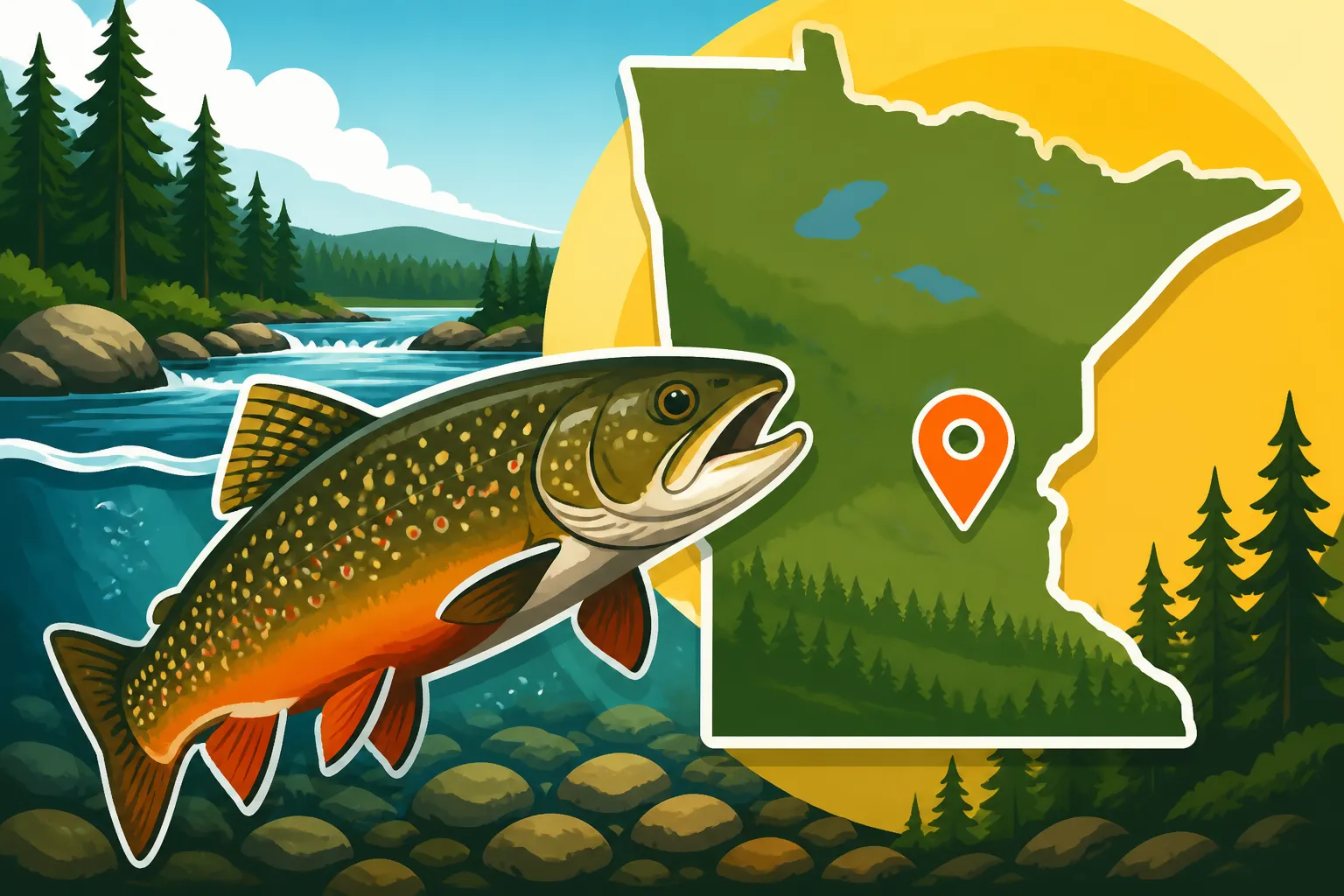
Where to Catch Brook Trout in Minnesota
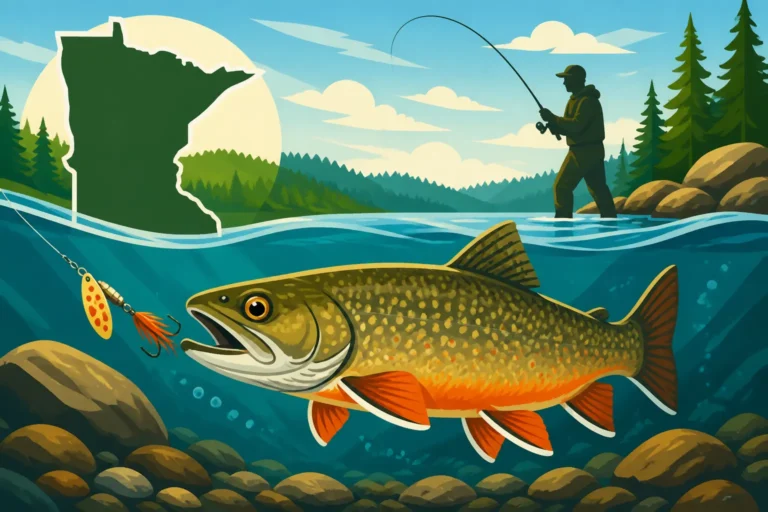
The thrill of chasing brook trout in Minnesota is unlike any other fishing experience. These vibrant, elusive fish thrive in cold, pristine waters, often tucked away in serene, breathtaking landscapes that feel a million miles from the daily grind. But if you've ever found yourself wondering where exactly to find these beautiful fish, you're not alone. This guide will walk you through the prime locations, habitats, and essential tips to help you successfully target brook trout across the diverse waters of Minnesota.
Understanding Brook Trout Habitat in Minnesota
Brook trout, or "brookies" as many of us affectionately call them, aren't just any fish. They are finicky, preferring specific environmental conditions that make finding them both a challenge and a reward. Understanding their preferred habitat is the first step to unlocking successful fishing adventures.
The Allure of Minnesota's Brook Trout Streams
There's something incredibly special about a brook trout stream in Minnesota. It often means crystal-clear, cold water, dense overhanging vegetation providing ample shade, and a landscape that forces you to slow down and appreciate the quiet beauty of nature. These streams aren't typically wide, slow-moving rivers; instead, imagine smaller, often spring-fed creeks, tumbling riffles, and shaded pools. The allure isn't just the fish; it's the entire immersive experience of being in these wild places.
Brookies thrive in water temperatures generally below 68°F, which is why you'll often find them in higher elevations, spring-fed systems, or northern latitudes. They need clean, well-oxygenated water, often flowing over gravel bottoms where they can successfully spawn. Pollution and habitat degradation are major threats to these sensitive species, making their presence a good indicator of a healthy ecosystem. This also means you'll usually be bushwhacking a bit to get to the best spots, adding to the sense of wilderness adventure. For a broader look at where these cold-water gems fit into the state's angling opportunities, check out our guide on Trout Fishing in Minnesota: Streams & Lakes.
Key Environmental Factors for Brook Trout Survival
Several crucial factors dictate where brook trout can not only survive but truly flourish. These elements are what you should be looking for when scouting new potential fishing grounds.
First and foremost is water temperature. Brook trout are extremely sensitive to warm water. They seek out spring-fed sections, cold tributaries, and areas with dense canopy cover that keeps the sun from heating the water. If the water feels lukewarm to the touch, you're likely in the wrong spot for brookies.
Secondly, cover and structure are paramount. These fish are ambush predators, and they need places to hide from overhead predators and strong currents. Think fallen logs, undercut banks, deep pools, large boulders, and thick overhanging brush. When you approach a stream, try to identify these features; that's where the fish will be holding.
Lastly, spawning habitat is critical for a self-sustaining population. Brook trout need gravelly streambeds with clean, flowing water for successful reproduction. Many of Minnesota's brook trout fisheries are wild, naturally reproducing populations, making the preservation of these spawning grounds incredibly important. Understanding their needs helps us appreciate why certain areas are managed specifically for these precious fish.
Prime Regions for Brook Trout Fishing in Minnesota
Minnesota offers a few distinct regions where brook trout fishing can be exceptionally rewarding. Each area presents its own unique challenges and opportunities, from rugged wilderness to picturesque valleys.
The North Shore's Rugged Rivers and Tributaries
When most anglers think of brook trout in Minnesota, their minds immediately go to the North Shore of Lake Superior. And for good reason! The vast expanse of state forests, national forests, and wilderness areas along Lake Superior's coast offers a network of cold, clear streams that tumble down bedrock canyons and through dense forests. These rivers and their countless tributaries provide ideal conditions for brook trout.
The terrain here is often steep, rocky, and requires a good deal of hiking and bushwhacking. Access can be challenging, but the reward is often pristine, unpressured waters holding beautiful native brookies. Many of these streams are relatively small, especially in their upper reaches, making them perfect for stealthy approaches and accurate casting. Be sure to be aware of the specific rules for different species and areas; regulations for different trout species and general stream trout seasons are important, so you’ll want to review the Stream Trout Season & Limit in Minnesota before you head out. These North Shore waters are a significant part of what makes North Shore Fishing: Lake Superior & Tributaries so legendary.
Exploring the Southeastern Driftless Area
Moving to a completely different landscape, Minnesota's southeastern corner holds another treasure trove of brook trout waters: the Driftless Area. This unique geological region, untouched by glaciers, features deeply carved valleys, limestone bluffs, and countless cold-water springs that feed an extensive network of pristine trout streams. The Driftless Area is famous not just for its brown trout, but also for its healthy populations of wild brook trout.
The streams here tend to be smaller, often meandering through agricultural lands and state forests, but they retain their cold, clear characteristics thanks to the constant influx of spring water. Access is generally easier than on the North Shore, with many designated public fishing easements and state forest lands providing entry points. However, don't let the easier access fool you; these fish are still wild and wary, requiring careful presentation and a stealthy approach. This region is a true gem for anglers, and for more specific guidance on this unique area, consider exploring resources on Driftless Area Trout Streams (Southeast Minnesota). For those new to fly fishing in this area, there's even a guide on Fly Fishing the Driftless Area: A Beginner's Guide.
Wilderness Brookies of the Boundary Waters (BWCA)
For the adventurous angler seeking true solitude and a backcountry experience, the Boundary Waters Canoe Area Wilderness (BWCA) and adjacent Superior National Forest hold remote lakes and streams that are home to native brook trout. These aren't your typical stream fish; some BWCA lakes have self-sustaining populations of brook trout that can grow to impressive sizes, especially in waters with limited fishing pressure and abundant forage.
Reaching these waters requires a canoe or portaging, often deep into the wilderness. This commitment to travel means fewer anglers and a more pristine fishing environment. Many of these lakes and ponds are managed specifically for brook trout, often with special regulations to protect their populations. While challenging to access, the reward of catching a beautifully colored brook trout against a backdrop of untouched wilderness is unparalleled. For comprehensive planning, a Boundary Waters (BWCA) Fishing Guide is an invaluable resource.
Specific Waters to Target for Brook Trout
Knowing the regions is one thing, but pinpointing specific spots takes your fishing plan to the next level. While giving away exact "secret spots" isn't the brook trout angler's way, I can point you toward some highly regarded areas that offer excellent opportunities.
North Shore Gems: Specific Rivers and Creeks
Along the North Shore, many rivers flowing into Lake Superior hold brook trout in their upper reaches, above any natural or artificial barriers that might prevent lake-run species from accessing. Think of rivers like the Lester River and Amity Creek near Duluth, the Knife River, Stewart River, Gooseberry River, Split Rock River, and the Baptism River. Further north, streams like the Temperance River, Poplar River, and the Cascade River are also worth exploring.
It's often the small, unnamed tributaries feeding these larger rivers that hold the most undisturbed brook trout populations. You'll need to consult a good map, look for public access points, and be prepared to hike upstream away from the more heavily fished sections. Focus on areas with dense canopy cover, rocky bottoms, and small plunge pools. These fish are usually not large on the North Shore, often ranging from 6 to 10 inches, but their vibrant colors and wild spirit make every catch memorable. Always check the current Brook Trout Season & Limit in Minnesota before you go, as regulations can vary.
Driftless Area Hotspots: Hidden Springs and Runs
In the Driftless Area, the names of productive streams are a bit more commonly shared, though the best specific runs are still for you to discover! Look for streams such as Hay Creek near Red Wing, Rush Creek and South Fork Whitewater River in the Whitewater Wildlife Management Area, Trout Run (a popular spot with various access points), and Camp Creek near Preston. The Root River system, with its numerous spring-fed tributaries, is another excellent area to explore.
These streams are often characterized by gravelly runs, undercut banks, and healthy aquatic vegetation. The best approach is often to walk upstream, carefully casting into every promising pocket and bend. Many of these streams are regularly stocked by the Minnesota DNR, ensuring a healthy population, but wild brook trout also thrive in the coldest, most secluded sections. Local bait shops in towns like Preston, Lanesboro, or Winona are fantastic resources for up-to-date information on stream conditions and hot spots.
BWCA Lakes and Remote Ponds
Identifying specific BWCA lakes for brook trout is a bit trickier because the experience is often about the journey and the discovery. However, look for lakes that are more remote, often requiring multiple portages to reach, and that have cold, clear water with good depths. Many of these lakes are relatively small, sometimes just large ponds.
The Minnesota DNR manages several lakes in the BWCA specifically for brook trout, often through stocking efforts. You can find information on these lakes, usually accessible through official DNR lake finder tools, which list the fish species present and stocking history. Examples might include lakes in the Greenwood Lake, Alton Lake, or Winchell Lake areas, though precise recommendations often change and require current research. The key here is isolation; the harder a lake is to get to, the better the chances of finding unpressured brookies.
Essential Gear and Tactics for Minnesota Brook Trout
Catching brook trout is less about brute force and more about finesse and presentation. The right gear and a thoughtful approach can make all the difference, whether you're fly fishing or using ultralight spinning tackle.
Fly Fishing for Brook Trout
Fly fishing is arguably the most popular and effective method for brook trout, especially in the smaller, brushy streams they call home. A lightweight fly rod, typically a 2 or 3-weight between 6 and 7.5 feet, is ideal for tight quarters and delicate presentations. You'll want a matching reel and a weight-forward floating line.
For flies, simplicity often reigns supreme. Dry flies like Elk Hair Caddis, Parachute Adams, or small ** terrestrials** (ants, beetles, grasshoppers) work wonders when fish are looking up. Nymphs such as Hare's Ear, Pheasant Tail, and Prince Nymphs in sizes 14-20 are deadly subsurface. Don't forget small streamers like a Woolly Bugger in black or olive, especially for those larger brookies in deeper pools or larger rivers. When casting, accuracy is more important than distance. Focus on getting your fly into those little pockets, undercuts, and eddies where brook trout love to hide. Learning How to Catch Stream Trout: Nymphs & Dries will greatly enhance your success.
Many anglers also carry a small, collapsible landing net, which is particularly useful for handling these delicate fish with minimal stress, especially if you plan on releasing them. You can find a wide array of quality fly fishing gear, from entry-level combos to more advanced setups, readily available on Amazon, often with detailed reviews to help you choose.
Ultralight Spinning Gear Considerations
If fly fishing isn't your style, or if the stream conditions (like heavy brush or strong winds) make it impractical, ultralight spinning gear is a fantastic alternative. A sensitive ultralight rod, typically 5-6 feet long, paired with a small spinning reel spooled with 2-4 pound test monofilament or fluorocarbon line, is perfect. The light line allows for long, accurate casts with tiny lures and baits.
This setup offers excellent feel for those subtle brook trout bites and makes playing these feisty fish a joy. The main advantage is the ability to cast a wider variety of small lures and natural baits, which can be very effective in certain situations. Again, you can find excellent ultralight spinning rods and reels on Amazon, suitable for any budget.
Best Baits and Lures for Brook Trout
When it comes to tempting brook trout, smaller presentations are key.
- Live Bait: Small red worms, wax worms, or mealworms fished under a tiny float or directly on the bottom with minimal weight are highly effective. A single split shot a foot or so above a small hook (size 10-14) is often all you need.
- Spinners: Classic ultralight spinners like Mepps Aglia (sizes #00, #0, #1), Rooster Tail, or Panther Martin in black, gold, or silver blades with small dressed hooks are incredibly popular. Their flash and vibration can trigger aggressive strikes.
- Small Spoons: Tiny casting spoons like the Kastmaster or P-Line Lazer Minnow can also work, especially in larger pools or wider sections of streams.
- Soft Plastics: Micro jigs tipped with small soft plastics (like Berkley Gulp! Minnows or tiny grub tails) can be surprisingly effective, especially when jigged through deeper holes.
Remember, brook trout are often in clear water and can be easily spooked. Use a stealthy approach, wear subdued clothing, and avoid heavy footsteps on the bank. Cast upstream and let your bait or lure drift naturally downstream into likely holding spots. For a more comprehensive look at what to throw, consult our guide on Best Lures & Baits for Minnesota by Species. Many of these effective lures are easily found and purchased on Amazon, providing convenience for stocking your tackle box. For more in-depth advice on techniques, our article on Best Stream Trout Fishing Tactics in Minnesota is a great resource.
Here’s a quick overview of prime brook trout locations and recommended tackle:
| Region | Typical Habitat | Recommended Tackle | Best Season | Special Considerations |
|---|---|---|---|---|
| North Shore Streams | Small, rocky, fast-flowing, forested | Light Fly Rod (2-3 wt), Ultralight Spin | Spring, Early Summer, Fall | Steep terrain, often requires hiking, check special regs |
| Driftless Area Streams | Spring-fed, clear, gravelly, meandering | Light Fly Rod (2-4 wt), Ultralight Spin | Spring, Early Summer, Fall | Public easements, wary fish, agricultural surroundings |
| BWCA Remote Lakes/Ponds | Cold, clear, deeper, wilderness, isolated | Ultralight Spin, Fly Rod | Summer (access dependent), Fall | Portaging required, fewer anglers, solitude, specific DNR managed lakes |
Conclusion
Chasing brook trout in Minnesota is an adventure that offers not just the thrill of the catch, but the profound beauty of being immersed in some of the state's most pristine natural environments. Whether you find yourself meticulously stalking a small stream in the Driftless Area, navigating the rugged terrain of the North Shore, or paddling deep into the quiet solitude of the BWCA, the reward of a brilliantly colored brook trout in hand is truly something special. These fish are a testament to healthy waters and wild places, and the pursuit of them reminds us why protecting these precious resources is so incredibly important. So grab your gear, consult your maps, and go find your own piece of brook trout paradise in Minnesota.
Disclaimer
Fishing regulations, seasons, and limits are subject to change. Always consult the most current Minnesota Department of Natural Resources (DNR) fishing regulations handbook or website before planning your fishing trip to ensure compliance. This guide is for informational purposes only and does not constitute legal advice.