Salmon in Lake Superior (Coho, Chinook, Pink)
There's a special kind of excitement that bubbles up when you think about fishing Lake Superior, especially for something as magnificent as salmon. Many anglers dream of battling a strong, silver fish, but often feel overwhelmed by where to start, which species they're even targeting, or how the heck to actually catch one in such a massive body of water. This comprehensive guide is here to demystify salmon fishing on Minnesota's North Shore, breaking down everything you need to know about Coho, Chinook, and Pink salmon, so you can transform those dreams into a thrilling reality.
Understanding Lake Superior Salmon Species in Minnesota
When we talk about salmon in Lake Superior, it's not quite the same picture as the Pacific Northwest or Alaska. These are typically stocked fish, or their descendants, that thrive in the cold, clear waters of the largest Great Lake. Each species has its own unique characteristics, habits, and prime fishing opportunities, and knowing the difference is key to a successful outing.
Coho Salmon: The Silver Bullet of the North Shore
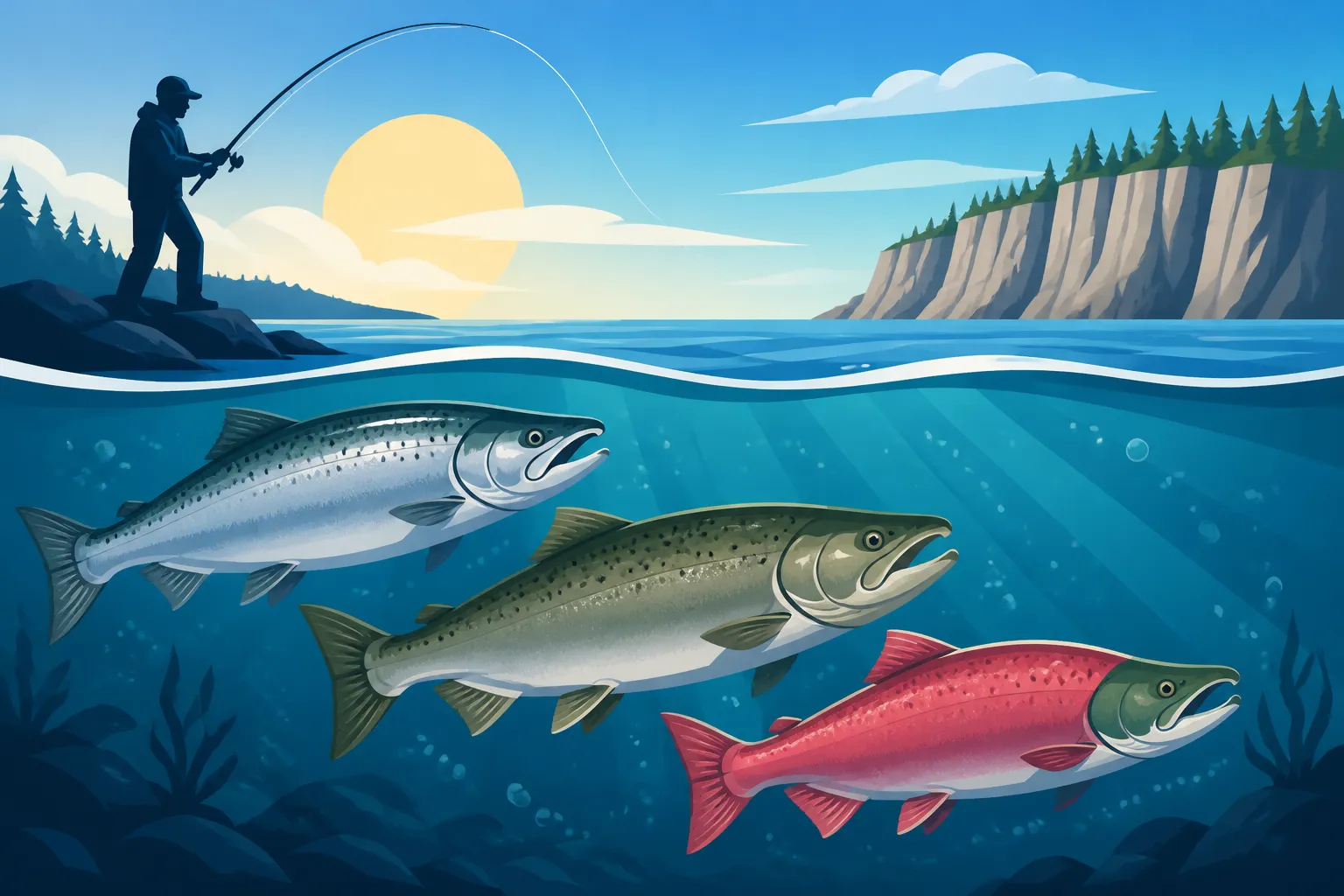
Coho salmon, often called "silver salmon," are incredibly popular among Minnesota anglers. They're known for their acrobatic fights and delicious table fare. Cohos typically spend 1-2 years in the lake before returning to tributary streams to spawn.
These fish are characterized by their silvery sides and a slightly forked tail. Inside their mouth, they usually have white gums with black spots on the tail fin that are larger and more irregular than those on a Chinook. Their average size in Lake Superior is usually between 2 to 6 pounds, but you can certainly hook into bigger ones, especially during their mature runs. They are often found cruising the upper water column, particularly in spring and early summer, making them a fantastic target for nearshore trolling. Their willingness to strike a variety of lures and their fighting spirit make them a favorite for many, from seasoned veterans to those just learning the ropes of big lake fishing.
Chinook Salmon: King of the Great Lakes
The Chinook salmon, affectionately known as "King salmon," is the largest and most powerful of the Pacific salmon species introduced into the Great Lakes. Hooking into a King is an experience you won't soon forget, as they are renowned for their brutal runs and sheer strength.
Chinooks are identified by their dark back, silver sides, and black spots covering their entire tail fin. A key identifying feature is their mouth: both the gums and tongue are typically black. While their average size in Lake Superior can range from 10 to 20 pounds, trophy-sized Kings pushing over 30 pounds are caught every year. These fish spend 3-5 years maturing in the lake before their spawning migration. They tend to be found in deeper, colder water during the peak summer months, often near thermal breaks or baitfish schools, requiring specialized deep-water trolling techniques. When a big Chinook hits, be prepared for a fight that will test your tackle and your stamina.
Pink Salmon: The Small but Mighty Humpy
Pink salmon, often called "humpies" due to the pronounced hump developed by males during spawning, are the smallest and most numerous of the salmon species in Lake Superior. They have a unique two-year life cycle, meaning you’ll generally find strong runs every other year. In Minnesota, the even-numbered years (like 2026) typically see larger returns.
Pinks are characterized by their small scales, large spots on their back and tail, and a light-colored mouth, often with white gums and a black tongue. They usually weigh between 1 to 3 pounds, making them a fun, light-tackle target, especially for families. While not as large as Cohos or Kings, they are aggressive biters and can provide fast action. They thrive in colder water and are often found in the nearshore areas and tributary streams, particularly during late summer and fall when they begin their spawning runs. Don't underestimate these little powerhouses; they might be small, but they fight hard and are a blast to catch on appropriate gear.
Here's a quick comparison of the three main salmon species you'll encounter on Minnesota's Lake Superior:
| Species Name | Common Name | Typical Size (Lake Superior) | Key Identification Features | Primary Habitat/Habits |
|---|---|---|---|---|
| Oncorhynchus kisutch | Coho Salmon | 2-6 lbs (up to 12+ lbs) | Silvery sides, slightly forked tail, white gums, spots only on upper tail. | Nearshore, upper water column; acrobatic fighters. |
| Oncorhynchus tshawytscha | Chinook Salmon | 10-20 lbs (up to 30+ lbs) | Dark back, silver sides, black spots on entire tail, black gums and tongue. | Deeper, colder offshore waters; powerful, hard-fighting. |
| Oncorhynchus gorbuscha | Pink Salmon | 1-3 lbs | Small scales, large oval spots on back/tail, light mouth (white gums, black tongue), distinct male hump in fall. | Nearshore, cold water, tributary streams; aggressive, biennial runs (even years). |
Where to Find Salmon in Minnesota's Lake Superior
Lake Superior is immense, and simply "going fishing" without a plan can feel like searching for a needle in a haystack. Understanding where salmon tend to congregate, whether it's near the shore or out in the depths, and knowing the key tributary streams, is crucial for improving your odds.
Nearshore vs. Offshore Tactics
The vastness of Lake Superior means that fishing strategies often diverge based on proximity to shore. Nearshore fishing, generally within a few miles of the coastline, is often more accessible for smaller boats and shore anglers. Here, you'll find salmon, particularly Cohos and Pinks, as they forage for baitfish that hug the warmer, more fertile waters close to land. In the spring, the warmer runoff from rivers attracts baitfish and, consequently, salmon into these shallower zones. Anglers often troll with planer boards to cover wide swaths of water, or cast spoons and stickbaits from shore and piers. Tributary mouths, particularly after a rain, can be hotspots as runoff dislodges insects and brings nutrients that attract small baitfish, creating an easy meal for hungry salmon.
Offshore fishing takes you further out into the big lake, sometimes 5 to 10 miles or more from shore. This is where you typically find the larger, deeper-dwelling Chinook salmon during the summer months. These fish follow temperature breaks and schools of cisco and other baitfish in the colder, open water. Offshore tactics often involve elaborate trolling setups with downriggers, Dipsy Divers, and lead core line to present lures at specific depths where the fish are holding. This type of fishing usually requires larger, more capable boats equipped with reliable electronics to locate temperature changes, baitfish, and the salmon themselves. The feeling of being miles out on Lake Superior, with nothing but open water around you, adds another layer of adventure to the pursuit of these majestic fish. If you're planning a trip, be sure to check out our guide on North Shore Fishing: Lake Superior & Tributaries for more detailed location insights.
Key Tributaries and River Systems
While many salmon spend the majority of their lives in the expansive waters of Lake Superior, their life cycle dictates a return to freshwater rivers and streams to spawn. This is where many anglers, particularly those without large boats, can target them effectively. The North Shore is crisscrossed with numerous rivers and streams that flow into Lake Superior, and many of these host annual salmon runs.
Rivers like the Knife River, the French River, the Lester River, and the Brule River are well-known hotspots. During the spring, Cohos and even some early Kings might venture into the lower stretches of these rivers, especially during periods of higher water flow. However, it's in the fall when the tributary action really heats up. As the days shorten and water temperatures drop, mature Coho, Chinook, and Pink salmon begin their upstream migrations. Anglers can find success casting spoons, spinners, and flies in the deeper pools, current breaks, and riffles of these rivers. It’s a truly unique experience to target these powerful fish in a river setting, often sight-fishing them as they navigate upstream. Remember that river fishing, especially during spawning runs, requires careful attention to regulations, including specific seasons and tackle restrictions that might differ from lake fishing. You'll find similar guidelines apply when considering Trout Fishing in Minnesota: Streams & Lakes.
Seasonal Strategies for Catching Lake Superior Salmon
Just like with any other fish, understanding the seasonal patterns of salmon in Lake Superior is paramount to success. Their movements and feeding habits change drastically throughout the year, driven by water temperature, spawning urges, and baitfish availability.
Springtime Runs and Nearshore Action
Spring on Lake Superior is a truly special time for salmon anglers. As the ice recedes and the days lengthen, the warming nearshore waters, fed by snowmelt and river runoff, become magnets for baitfish. This, in turn, draws hungry Coho and some Chinook salmon closer to the Minnesota shoreline. Typically, from late April through June, you'll find excellent opportunities for these "silver bullets."
During this period, the warmer surface temperatures create a "thermal barrier" that often traps baitfish and salmon in the upper layers and closer to shore, making them accessible to a wider range of anglers. Trolling with spoons like "Little Cleos," "Michigan Stingers," or "Challenger Spoons" in bright, flashy colors like orange, pink, or chartreuse can be incredibly effective. Planer boards are essential for spreading out your lines and covering more water, especially when fish are scattered. Many anglers target areas around river mouths, harbors, and shallow reefs where baitfish concentrate. Shore anglers can also find success casting similar lures from piers and rocky points, especially during low light conditions or after a good rain. This early season action is often some of the most consistent and exciting salmon fishing of the year.
Summer Offshore Trolling for Kings and Cohos
As the summer sun heats up the region, Lake Superior's surface waters warm, and the salmon, especially the larger Chinook salmon, tend to move to deeper, cooler, offshore waters. From July through early September, this is prime time for chasing those trophy Kings and robust Cohos in the vast expanse of the big lake. This period is less about casting from shore and more about sophisticated trolling strategies.
To find these fish, you’ll be looking for thermal breaks – areas where cold, deep water meets warmer surface water – which create invisible walls that baitfish and salmon follow. Downriggers are indispensable for precisely presenting lures at specific depths, sometimes 50 to 100 feet down or more. Large spoons, flasher-fly combinations, and even plug baits are popular choices for Chinook. For Coho, they often remain in the top 30-50 feet, making them accessible with lead core lines or Dipsy Divers that run shallower than downriggers. Good electronics, like a reliable fish finder, are absolutely critical for identifying baitfish schools and temperature inversions. This type of fishing often requires a commitment to long hours on the water, but the reward of a screaming reel and a powerful Chinook on the other end is simply unmatched. Understanding Seasonal Fishing Patterns in Minnesota can help you fine-tune your approach for all species, not just salmon.
Fall Spawning Runs and River Opportunities
The arrival of autumn brings a dramatic shift in salmon activity, as the mature fish heed the call of their spawning instincts and begin their migration into tributary rivers. From late September through November, depending on water levels and temperatures, the North Shore rivers become alive with Coho, Chinook, and especially Pink salmon. For many, this is the most anticipated time to fish for salmon from shore or small craft.
As salmon enter the rivers, they undergo physiological changes; their bodies darken, and males develop the characteristic humps and hooked jaws. While they become less focused on feeding, they will still strike out of aggression or instinct. Techniques shift from trolling to casting spoons, spinners, and egg imitations in river pools, runs, and current seams. Fly fishing with egg patterns, streamers, and nymphs can also be incredibly productive for these migrating fish. Remember, while the thrill of the fight is undeniable, these fish are on a mission to reproduce. Practicing catch and release with care, especially for spawning fish, helps ensure healthy populations for future years. Always be aware of specific river regulations, which might include special tackle restrictions or closed seasons in certain areas. For those curious about the specifics, checking the Minnesota Fishing Seasons & Opener Dates (2026) and Minnesota Fishing Limits: Bag & Possession (2026) is always a smart move.
Essential Gear and Techniques for Salmon Success
Having the right tools for the job can make all the difference, especially when you’re dealing with hard-fighting fish like salmon in an environment as challenging as Lake Superior. From your rod and reel setup to the lures you tie on, a thoughtful approach to gear will greatly increase your chances of success.
Rods, Reels, and Line Choices
When it comes to salmon fishing, your gear needs to be robust enough to handle powerful runs and the often-harsh conditions of Lake Superior. For trolling, which is a primary method for Cohos and Chinooks, a medium-heavy to heavy action trolling rod, typically 8 to 10 feet long, is ideal. These longer rods help absorb shock, spread out lines, and manage large fish. Paired with these are levelwind or baitcasting reels, like those from Shimano or Daiwa, capable of holding a substantial amount of line – think 200-300 yards of 15-25 lb monofilament or braided line. The smooth drag system on these reels is non-negotiable; a sticky drag means lost fish, especially with the headshakes of a big King.
For river fishing or casting from shore, a medium to medium-heavy spinning rod, 7 to 9 feet in length, offers the versatility and casting distance you’ll need. A good quality spinning reel with a strong drag, spooled with 8-12 lb monofilament or 15-20 lb braided line with a fluorocarbon leader, provides an excellent balance of power and sensitivity. Braided line offers superior sensitivity for detecting subtle bites and incredible strength, while a fluorocarbon leader adds invisibility and abrasion resistance in clear water conditions. Don’t forget to check out our general guide on Best Walleye Rods & Reels for some crossover recommendations that might work for salmon too.
Lures, Baits, and Presentation Tips
Salmon are predatory fish, and they respond well to lures that imitate their natural forage. Spoons are arguably the most iconic and effective lures for Lake Superior salmon. Brands like Little Cleo, Michigan Stinger, and Warrior Lures offer a vast array of colors and sizes. Flashy metallic colors like silver, gold, and brass are always good starting points, but don't shy away from vibrant pinks, oranges, and chartreuses, especially in stained water or on overcast days. Size matters too; smaller spoons often work best for Cohos and Pinks, while larger spoons or plugs are preferred for big Chinooks.
For trolling, the presentation is everything. Using downriggers, Dipsy Divers, or lead core line allows you to present your spoons or flashers (often paired with a fly or squid imitation) at the precise depth where salmon are feeding. Experiment with trolling speeds, typically between 2.0 and 3.5 mph, and vary your turns to create erratic lure action. In rivers, casting spinners like Mepps or Blue Fox, or small spoons like Kastmasters, can trigger aggressive strikes. For Pinks, small, flashy lures are often key. Sometimes, even a simple spawn sack or an egg imitation will entice a strike, especially during the fall run. Remember that live bait isn't commonly used for salmon in Lake Superior, as they are primarily attracted to the action and flash of artificials. Our guide on Trolling for Walleye: Crankbaits & Leadcore offers some foundational trolling concepts that can be adapted for salmon.
Navigating Regulations and Conservation Efforts
Fishing for salmon in Lake Superior isn't just about the thrill of the catch; it's also about being a responsible angler and understanding the rules that help protect these valuable resources. Minnesota, like all Great Lakes states, has specific regulations designed to manage fish populations and ensure sustainable fishing for generations to come.
Minnesota DNR Salmon Regulations
The Minnesota Department of Natural Resources (DNR) sets the rules for salmon fishing in the state's portion of Lake Superior and its tributaries. These regulations cover everything from daily limits and possession limits to size restrictions and seasonal closures. For example, there are specific seasons for salmon in Lake Superior proper and distinct rules for fishing in the tributary streams. It’s crucial to consult the most current Minnesota Fishing Regulations handbook, available online on the DNR website or at any license vendor, before you head out. These rules can change from year to year based on population assessments and management goals.
Pay close attention to details like what constitutes a "salmon" for regulation purposes – sometimes steelhead (which are rainbow trout) and splake (a hybrid of lake trout and brook trout) might fall under similar, but not identical, rules. Knowing the difference between a Chinook, Coho, Pink, and Steelhead on Minnesota's North Shore is paramount. Failing to adhere to these rules can result in hefty fines and the loss of your fishing privileges, so always err on the side of caution. If you're unsure, ask a local bait shop owner or a DNR officer. Ignorance of the law is never an excuse.
Protecting Salmon Populations and the Ecosystem
Beyond simply following the rules, responsible salmon fishing involves a commitment to conservation. The salmon in Lake Superior are a stocked fishery, heavily reliant on DNR efforts to raise and release healthy fingerlings into the lake. Anglers play a vital role in maintaining this fragile ecosystem.
Practicing catch and release with care, especially for any fish you don't intend to keep for consumption, is essential. Use appropriate landing nets with rubberized mesh to minimize harm to fish, and handle them as little as possible. If a fish is bleeding heavily or deeply hooked, it's often best to keep it if it's within legal limits, rather than releasing it only for it to perish. Also, be mindful of your impact on the environment. Don't leave trash or fishing line behind, and be aware of aquatic invasive species (AIS) protocols, especially if you're launching a boat in different bodies of water. The health of Lake Superior and its vibrant salmon fishery depends on every angler doing their part. By respecting the resource and fishing ethically, we ensure that the thrilling pursuit of salmon remains a possibility for future generations.
Disclaimer
Please remember that fishing regulations, seasons, and limits can change. Always consult the most current Minnesota Department of Natural Resources (DNR) fishing regulations before heading out on the water. This guide provides general information and recommendations, but it is the angler's responsibility to know and follow all applicable laws.