Are Whitefish Good to Eat?
It's a question many Minnesota anglers ask, often with a raised eyebrow: "Are whitefish actually good to eat?" In a state where walleye and crappie reign supreme, whitefish sometimes get overlooked, perhaps seen as less glamorous or simply a bycatch. But I'm here to tell you, as a veteran lifestyle blogger and an avid angler, that if you're skipping whitefish, you're missing out on some truly delicious, healthy table fare. This comprehensive guide will dispel the myths, dive into the unique qualities of Minnesota whitefish, and show you exactly why and how to make them a star on your dinner plate.
Understanding Minnesota Whitefish: Beyond the Angler's Stereotype
When you think of fishing in Minnesota, chances are walleye, northern pike, or maybe a bucket of panfish come to mind first. Whitefish, despite being abundant in many of our pristine waters, often fly under the radar. This is a shame because these fish are not only ecologically important but also incredibly tasty. It's time to give them the culinary respect they deserve.
Identifying Whitefish Species in Minnesota
In Minnesota, when we talk about whitefish, we're primarily referring to two species: the Lake Whitefish and the Cisco (often called Tullibee). While they share many characteristics, there are some subtle differences that anglers might notice.
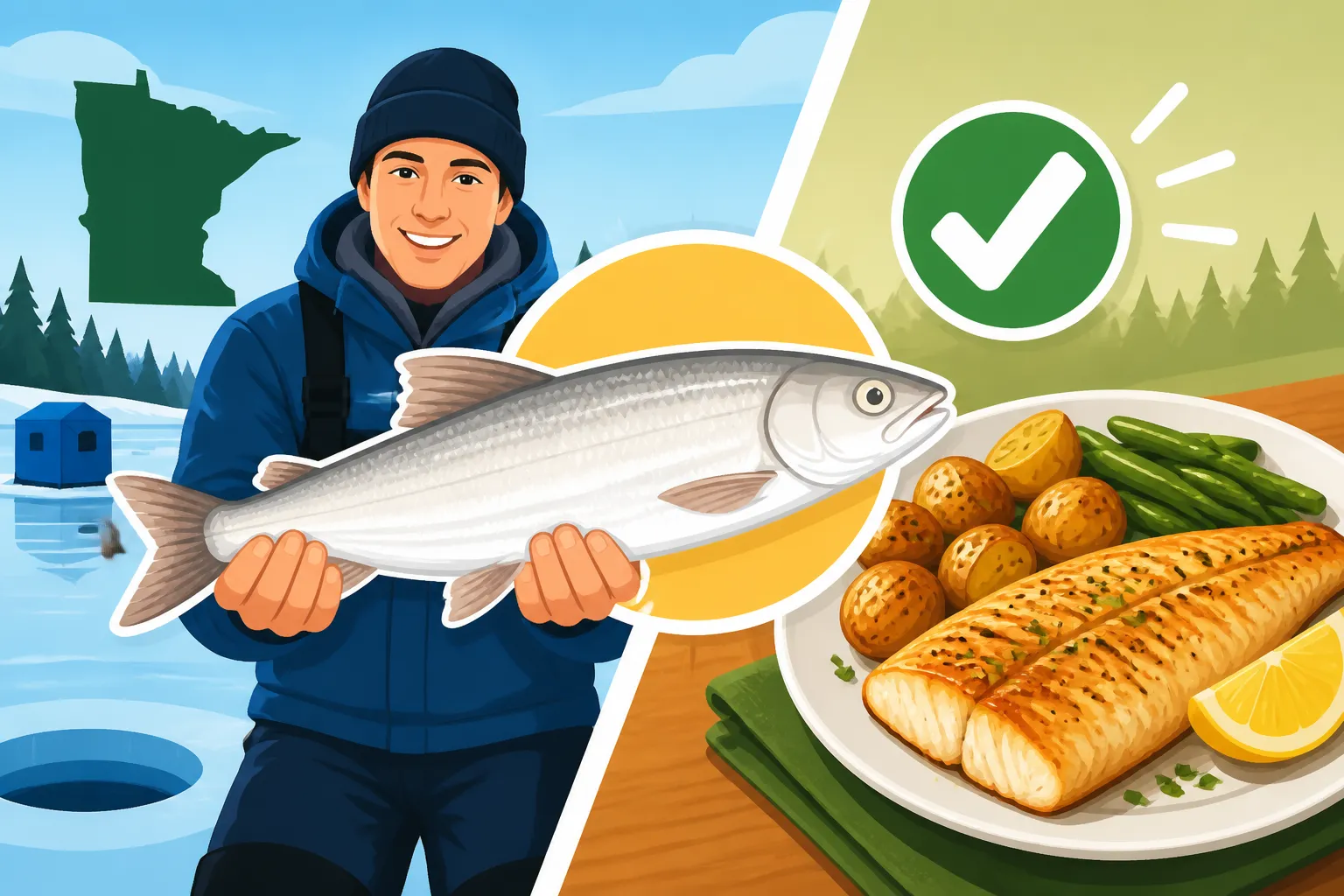
Lake Whitefish are known for their relatively small mouths, silvery scales, and a distinct forked tail. They prefer deep, cold, oxygen-rich waters and are often found in larger, deeper lakes. They can grow to impressive sizes, sometimes exceeding 20 pounds, though common catches are usually in the 2-5 pound range. Their bodies are typically stout and elongated. If you're looking for a comprehensive overview of the different species you might encounter, check out our guide on Minnesota Fish Species: Identification Guide.
Cisco, or Tullibee, are a close relative, often mistaken for herring. They are generally smaller and more slender than Lake Whitefish, with a more streamlined body. Like their larger cousins, Ciscos thrive in cold, deep waters and are a crucial forage fish for many predatory species in our lakes. Both species belong to the Salmonidae family, which should give you a hint about their quality as food fish – think trout or salmon, but with a milder, less "fishy" flavor. They are often found in similar habitats, making it common to catch both if you're targeting whitefish. For more detailed information on these specific species, our post on Whitefish & Tullibee (Cisco) in Minnesota offers a deeper dive.
Where Whitefish Thrive in Our Lakes
Whitefish are coldwater species, meaning they seek out the deepest, coolest parts of a lake, especially during the warmer months. This is why you'll find them in abundance in Minnesota's larger, deeper, and more oligotrophic (nutrient-poor, clear water) lakes.
Lake Superior, for instance, is a prime whitefish fishery, with commercial and recreational anglers regularly pulling in impressive catches. The immense depth and consistently cold water of Lake Superior provide an ideal habitat. But you don't have to venture to the North Shore to find them. Many large inland lakes also boast healthy whitefish populations. Think of iconic fisheries like Lake of the Woods, where the vastness and cold depths support thriving whitefish populations. Other notable lakes include Leech Lake, Lake Vermilion, Ten Mile Lake, and some of the deeper lakes in the Brainerd Lakes Area. These lakes are known for their clear, cool waters and abundant natural forage, which contribute to the excellent quality of the fish found there. Understanding Seasonal Fishing Patterns in Minnesota can significantly improve your chances of locating these deepwater dwellers throughout the year.
The Culinary Case for Whitefish: Flavor, Texture, and Versatility
Let's cut right to the chase: whitefish are absolutely delicious. If you've ever had a fresh fish fry in the Upper Midwest, there's a good chance you've enjoyed whitefish without even realizing it. They hold a revered status in many fishing communities, particularly along Lake Superior and Lake Michigan, where they are a staple.
What Makes Whitefish Taste So Good?
The delicate flavor and firm, flaky texture of whitefish are directly linked to their habitat. Because they live in cold, clean, deep waters and feed primarily on invertebrates like insect larvae, freshwater shrimp, and small zooplankton, their flesh is incredibly clean-tasting.
Here's a breakdown of what makes them stand out:
- Mild Flavor: Unlike some fish that can have a strong, "fishy" taste, whitefish have a wonderfully mild, slightly sweet flavor. This makes them incredibly versatile and appealing even to those who claim not to be big fish eaters. It’s a clean taste that absorbs seasonings beautifully without being overpowered.
- Firm, Flaky Texture: When cooked, whitefish develops a tender, yet firm texture that flakes easily. It's not mushy, nor is it overly tough. It holds its shape well, whether baked, grilled, or pan-fried, making it a joy to eat. The flesh is white and opaque.
- Healthy Fats: While not as oily as salmon, whitefish contain a good amount of healthy omega-3 fatty acids, particularly the Lake Whitefish from colder waters. These fats contribute to both the flavor and the tender texture. They are certainly among the Best Eating Fish in Minnesota Lakes.
Common Misconceptions About Eating Whitefish
Despite their culinary merits, whitefish often face a few misconceptions that deter anglers from keeping them. Let's tackle those head-on.
One common concern is "boniness." While whitefish do have fine bones, similar to trout, they are generally quite easy to manage. When cooked properly, the bones become soft and can often be eaten without issue, or they are large enough to be easily removed with a fork. Unlike a northern pike with its notorious Y-bones, whitefish present a much simpler filleting and eating experience. A good fillet knife and a little practice will make quick work of them.
Another misconception is that they're somehow "inferior" to walleye. This is purely a matter of preference and tradition. While walleye certainly hold a special place in Minnesota, whitefish offer a different, equally delightful culinary experience. Think of it like comparing apples and oranges – both delicious, just different. If you're looking for new species to target for the dinner plate, don't let the popularity contest sway you from trying a truly fantastic fish. You might even find yourself adding "Are Whitefish Good to Eat?" to the list of questions you confidently answer with a resounding "Yes!"
Catching and Handling Whitefish for the Table
Alright, now that your taste buds are piqued, let's talk about getting these delicious fish from the lake to your kitchen. Catching whitefish can be a unique and rewarding experience, especially if you're used to targeting other species.
Best Times and Methods for Catching Whitefish
Whitefish are primarily bottom feeders, and because they inhabit colder, deeper waters, your tactics will differ from typical shallow-water fishing.
- Fall Fishing: This is arguably the best time to target whitefish. As lake temperatures drop, whitefish become more active and often move into shallower depths to spawn. During the fall, you can find them congregating around rocky reefs, humps, and submerged points. Anglers often have success jigging with small spoons, soft plastics, or even a simple minnow or waxworm on a small hook near the bottom. Trolling with small crankbaits or spoons can also be effective, especially in larger bodies of water like Lake Superior.
- Ice Fishing: Whitefish are a popular ice fishing target, particularly for those with electronic fish finders. They remain active under the ice, often schooling in deep basins or cruising over underwater structures. Small jigging spoons (like a Northland Forage Minnow or a Swedish Pimple) tipped with a minnow head or a few waxworms are incredibly effective. A common setup involves using two lines (where legal) – one aggressive jigging rod and one deadstick with live bait. For a step-by-step guide on techniques, check out How to Catch Whitefish in Minnesota (Step by Step). You'll often find yourself fishing in 30-80 feet of water, so a good flasher or sonar unit is invaluable for locating schools and detecting bites.
- Open Water (Summer): Catching whitefish in summer can be more challenging due to their preference for extreme depths. Downriggers or lead core lines are often needed to get lures deep enough. Look for them in areas with plenty of oxygen and colder water, such as deep humps, drop-offs, and thermoclines. They will still respond to small spoons, jigs, and live bait presented near the bottom.
Regardless of the season, patience and a good understanding of lake contours are key. Whitefish can be subtle biters, so pay close attention to your rod tip or electronics.
Proper Handling from Lake to Kitchen
Just like any fish destined for the table, proper handling of whitefish is crucial to maintaining its quality and delicious flavor. This is especially true for whitefish, which benefit greatly from being kept cold immediately after being caught.
- Immediate Icing: As soon as you land a whitefish, get it on ice. A cooler full of ice is your best friend. This rapid cooling slows down spoilage and keeps the flesh firm and fresh. Don't just toss them in a bucket with a little water; bury them deep in ice.
- Bleeding: If you want to go the extra mile, bleeding your whitefish immediately after catching can improve the flavor and appearance of the fillets. Simply make a cut under the gills to sever the main artery, and let the fish bleed out in a bucket of water before putting it on ice. This removes blood from the flesh, resulting in whiter, cleaner-tasting fillets.
- Timely Processing: While icing buys you time, it's best to clean your whitefish as soon as possible after your fishing trip. The fresher you clean them, the better the final product will be. Filleting them when they are still firm from the ice makes the process much easier. If you're new to filleting, there are many excellent tutorials online, and the basic principles apply to most fish, similar to learning How to Fillet a Walleye (Step by Step).
Preparing and Cooking Minnesota Whitefish
Now for the best part – cooking! Whitefish is incredibly versatile, and its mild flavor lends itself well to a wide array of preparations. Whether you prefer baking, grilling, frying, or smoking, whitefish will shine.
Essential Preparation Tips
Before you start cooking, a few basic steps will ensure your whitefish fillets are perfect.
- Filleting: After you've caught your whitefish and kept it cold, the first step is filleting. Use a sharp, flexible fillet knife. Whitefish have a straightforward bone structure, and with a little practice, you can get clean, boneless fillets. Make sure to remove any dark red meat along the lateral line, as this can sometimes have a stronger flavor. Many anglers also choose to remove the skin, though baked or grilled with the skin on can add a nice crispiness.
- Rinsing and Patting Dry: After filleting, rinse the fillets under cold water to remove any scales or stray bits of flesh. Then, and this is crucial, pat them thoroughly dry with paper towels. Excess moisture can prevent a good sear or crispy crust, which is often desirable when cooking fish.
- Seasoning: Whitefish is so delicately flavored that it doesn't need much. Simple seasonings often work best. Salt, freshly ground black pepper, a squeeze of lemon juice, and a sprinkle of fresh herbs like dill, parsley, or chives are often all you need to highlight its natural taste. Of course, don't be afraid to experiment with your favorite fish rubs or marinades if you're feeling adventurous.
Popular Cooking Methods and Recipes
Here are some of the most popular and delicious ways to prepare Minnesota whitefish:
Pan-Frying or Sautéing: A Classic for a Reason
This is arguably one of the most popular ways to cook whitefish, creating a beautifully crispy exterior and a tender, flaky interior.
Method:
- Season your fillets with salt, pepper, and a touch of paprika.
- Dredge them lightly in seasoned flour, cornmeal, or a panko breadcrumb mixture for extra crispiness.
- Heat a skillet over medium-high heat with a combination of butter and olive oil (the oil prevents the butter from burning too quickly).
- Once the butter is melted and sizzling, carefully place the fillets in the pan, skin-side down first if leaving the skin on.
- Cook for 3-5 minutes per side, depending on thickness, until golden brown and the fish flakes easily with a fork.
- Serve immediately with lemon wedges and your favorite tartar sauce.
Baking: Healthy and Flavorful
Baking is a fantastic option for a hands-off approach and a very healthy meal. It allows the fish to cook evenly and retain its moisture.
Method:
- Preheat your oven to 400°F (200°C).
- Place whitefish fillets in a lightly oiled baking dish.
- Brush with melted butter or olive oil, then season with salt, pepper, garlic powder, and a generous sprinkle of fresh dill or parsley. You can also add thin lemon slices on top.
- Bake for 12-18 minutes, or until the fish is opaque and flakes easily. Overcooking will dry out the fish, so keep an eye on it.
Grilling: For a Smoky Summer Treat
Grilling whitefish adds a wonderful smoky char and is perfect for summer evenings. Thicker fillets work best to prevent them from falling through the grates.
Method:
- Preheat your grill to medium-high heat. Clean and oil the grates thoroughly to prevent sticking.
- Brush fillets with olive oil and season generously with salt, pepper, and your favorite grilling spices. A little Cajun seasoning or a simple garlic-herb rub works wonders.
- Place fillets directly on the hot grill grates. Grill for about 4-6 minutes per side, turning carefully with a wide spatula, until cooked through and nicely charred. Using a fish basket can make flipping easier.
Smoking: A True Delicacy
Smoked whitefish is an absolute delicacy, especially popular in the Great Lakes region. The subtle smokiness complements the fish's mild flavor beautifully.
Method:
- Brine your fillets for a few hours (or overnight) in a solution of water, salt, brown sugar, and any desired spices (garlic, onion powder, bay leaves).
- Pat the brined fillets thoroughly dry and let them air dry for an hour or two until a pellicle (a slightly tacky surface) forms. This helps the smoke adhere.
- Smoke at a low temperature (around 180-225°F or 82-107°C) using mild wood chips like alder, apple, or cherry for 2-4 hours, or until the fish reaches an internal temperature of 140-145°F (60-63°C) and has a beautiful golden-brown color.
- Smoked whitefish is fantastic on its own, flaked into salads, or made into a delicious spread.
No matter how you prepare it, fresh whitefish from Minnesota waters will undoubtedly become a favorite on your menu. If you're interested in more localized information about where to find these fish, our guide on Where to Catch Whitefish in Minnesota could be a great resource.
Here’s a quick comparison of whitefish to some other common Minnesota table fare:
| Feature | Whitefish | Walleye | Crappie | Northern Pike |
|---|---|---|---|---|
| Flavor Profile | Mild, slightly sweet, clean | Mild, delicate, subtle | Mild, sweet, very tender | Mild to medium, can be "gamey" if not properly handled |
| Texture | Firm, flaky, moist | Firm, flaky, moist | Very tender, almost melts in your mouth | Firm, lean |
| Bones | Fine bones, easily managed or dissolved | Minimal large bones, easy to fillet | Minimal large bones, easy to fillet | "Y-bones" present, requires special filleting technique |
| Fat Content | Moderate (good Omega-3s) | Low | Low | Low |
| Typical Size | 2-5 lbs (Lake Whitefish), <2 lbs (Cisco/Tullibee) | 1-3 lbs | 0.5-1.5 lbs | 2-8 lbs (often larger) |
| Best Cooked | Pan-fried, baked, grilled, smoked | Pan-fried, baked, deep-fried, grilled | Pan-fried, deep-fried | Baked, grilled, filleted and chunked, patties |
The Verdict: Should You Eat Minnesota Whitefish?
Absolutely, without a shadow of a doubt, you should be eating Minnesota whitefish!
For too long, these delicious and abundant fish have been overlooked in favor of more "glamorous" species. But the truth is, a fresh whitefish from Minnesota's cold, clean waters offers a culinary experience that rivals any other fish on the table. Their mild, sweet flavor, combined with a firm, flaky texture, makes them incredibly versatile and appealing to a wide range of palates. From a simple pan-fry to a gourmet smoked delicacy, whitefish performs exceptionally well.
Beyond their fantastic taste, whitefish are also a healthy choice, rich in lean protein and beneficial omega-3 fatty acids. They represent a sustainable and often underutilized resource in many of our lakes, offering an exciting target for anglers looking to expand their horizons.
So, the next time you're out on one of Minnesota's beautiful, deep lakes, and you hook into a Lake Whitefish or a Tullibee, don't just release it thinking it's not worth keeping. Bring it home, treat it with care, and prepare to be pleasantly surprised by one of Minnesota's best-kept culinary secrets. You might just find your new favorite fish!
Disclaimer
Please remember that fishing regulations, including possession limits and legal fishing methods, can change. Always consult the most current Minnesota Department of Natural Resources (DNR) fishing regulations before heading out on the water. Fish consumption advisories are also issued by the Minnesota Department of Health, and it's always wise to check for any specific advisories related to the lake you are fishing.