Where to Catch Muskie in Minnesota
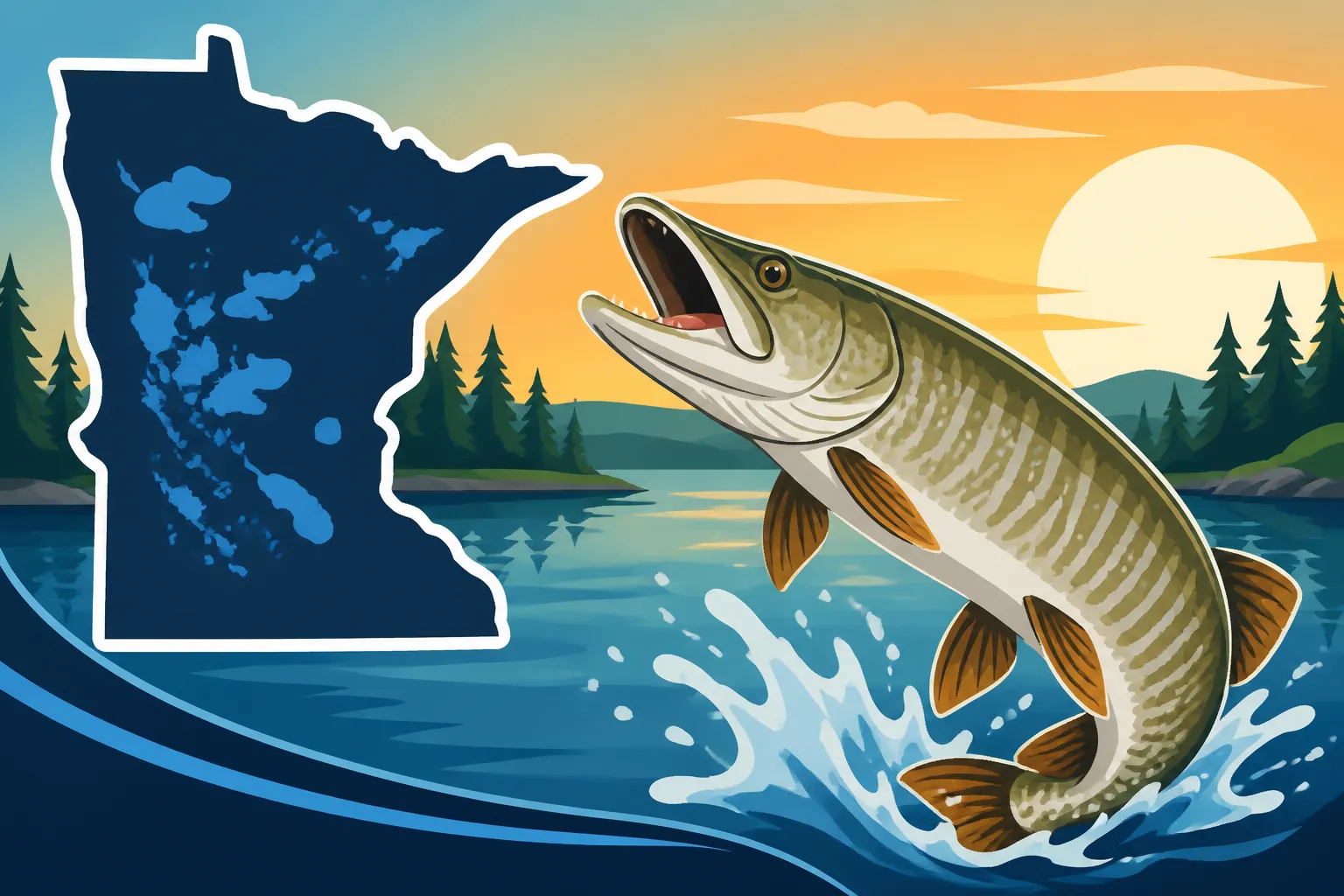
If you've ever chased muskies in Minnesota, you know the feeling: the endless casts, the heart-pounding follows, and the sheer elusiveness of these apex predators. It’s a challenge that hooks anglers for life, but a big part of the battle is simply knowing where to even begin looking. Minnesota boasts an incredible array of muskie waters, but not all lakes are created equal, and understanding the nuances of each can dramatically improve your chances of finally landing that fish of 10,000 casts. This guide will take a deep dive into Minnesota's premier muskie destinations, helping you pinpoint the best spots to pursue these freshwater giants.
Understanding What Makes a Lake a Muskie Haven
Muskellunge are true ambush predators, and their habitat preferences are very specific. They are territorial and require plenty of cover, structure, and a robust forage base to thrive. Minnesota's diverse waters offer a variety of these conditions, making certain lakes and river systems stand out as prime muskie fisheries.
Key Characteristics of Prime Muskie Habitats
Muskies aren't just swimming around aimlessly; they are actively seeking out locations that offer them a strategic advantage for hunting and protection. Understanding these preferences is the first step in finding them. Look for areas that combine several of these elements, as that's often where the biggest fish will hold.
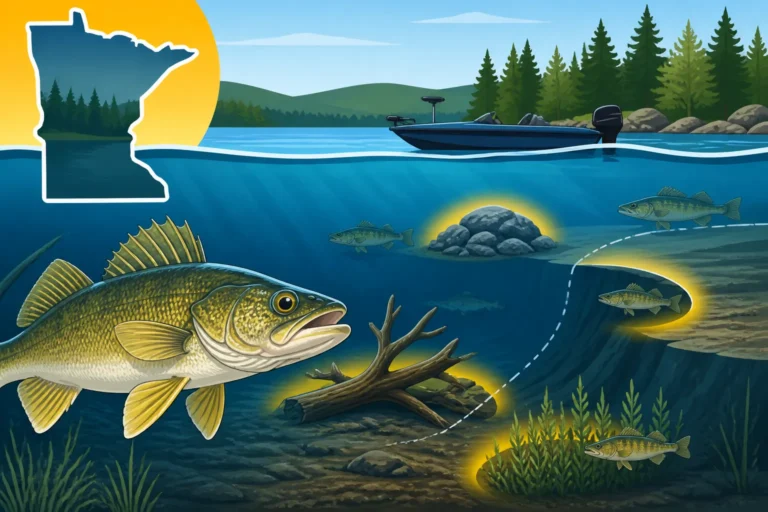
First and foremost, muskies love cover. This can be dense weed beds, submerged timber, fallen trees along shorelines, or even large rock piles. These spots provide excellent ambush points from which they can dart out and surprise unsuspecting prey like ciscoes, suckers, or even smaller walleye. Think about bays with expansive lily pads or thick cabbage patches on a flat. The thicker, the better for muskie, even if it means you're frequently snagging up your expensive bucktails. The trick is to fish through and around these areas, not just over them.
Beyond cover, structure is paramount. Muskies are often found near changes in depth, points, humps, saddles, and sharp breaks. These structural elements can funnel baitfish and provide excellent patrolling routes for muskies. A classic example would be a long, tapering point that drops into deeper water, especially if it has some isolated rock piles or weed clumps on it. These are highway systems for muskie, allowing them to move between shallow feeding grounds and deeper resting areas with minimal effort. Don't forget submerged islands or even old roadbeds, which create subtle yet significant structure.
Finally, a healthy forage base is non-negotiable. Lakes with abundant populations of larger baitfish like cisco (tullibee), whitefish, suckers, and even larger perch tend to grow bigger, healthier muskies. These calorie-rich meals fuel the rapid growth of these predators. A lake that has a strong cisco population, for instance, is almost always a good candidate for trophy muskies, as these oily baitfish provide the energy necessary for growth. The size of the forage often dictates the size of the muskie's diet, and consequently, their potential size.
Types of Muskie Lakes in Minnesota
Minnesota's muskie waters vary significantly, from vast wilderness lakes to bustling metro-area fisheries. Each type presents unique challenges and rewards. Understanding these distinctions helps you tailor your approach and gear.
Many of Minnesota’s trophy muskie lakes are expansive, deep, and often clear-water bodies. These lakes, like Lake Vermilion or Leech Lake, typically feature abundant deep-water structure, diverse forage bases, and miles of complex shorelines. Fishing these requires covering a lot of water, often with heavy tackle and specialized electronics. You might be targeting offshore humps, vast rock reefs, or deep weed lines, requiring precision boat control and powerful trolling motors. The clear water means muskie can be spooky, demanding longer casts and stealthy approaches.
In contrast, some excellent muskie lakes are shallower and more stained, often with extensive weed growth. Lakes like some of the larger reservoirs or river-fed systems fall into this category. Here, muskies might relate more to broad flats, dense cabbage beds, and fallen timber rather than deep rock. Visibility is lower, which can make muskies more aggressive and less wary, sometimes allowing for closer approaches. This can be a fantastic environment for casting large bucktails and topwater lures over vast weed fields.
River systems, such as the Mississippi and St. Croix Rivers, offer a completely different challenge. Muskie in these waters often relate to current breaks, wing dams, oxbows, and slower-moving channels. The constant flow means baitfish are always moving, and muskie position themselves strategically to intercept them. You'll often find these fish tucked into eddies, behind submerged trees, or along the edges of current seams. Adapting to current and understanding river structure is key for success here.
Top Minnesota Lakes for Muskie Fishing
Minnesota is rightly famous for its muskie fishing, boasting some of the best waters in North America. When you're dreaming of a true freshwater leviathan, these lakes are often at the top of the list.
North Central Region Giants
The heart of Minnesota's muskie country often lies in its vast north-central lakes, known for producing both numbers of fish and legitimate trophies. These are the lakes that muskie anglers pilgrimage to each season.
Leech Lake: This massive body of water near Walker, Minnesota, is legendary for its muskie fishery. Leech is known for its "Leach Lake Muskie Strain Explained", a unique genetic population that contributes to its reputation. Anglers often focus on its numerous large bays, expansive weed beds (especially cabbage and coontail), and rocky points. Popular spots include Agency Bay, Portage Bay, and Walker Bay, as well as the numerous islands and reefs scattered throughout the main lake. Early in the season, shallower bays with new weed growth are hot, while as summer progresses, muskies move to deeper weed lines and offshore structure like the famous Pipe Island or the numerous humps. Fishing around the wild rice beds in late summer can also be incredibly productive.
Cass Lake and Lake Bemidji: Part of the Cass Lake chain, these two lakes in the Bemidji area are fantastic muskie producers. Cass Lake itself is known for its excellent structure, including large flats, deep breaks, and plenty of submerged timber. Lake Bemidji, while smaller, also holds a strong population, with fish often relating to its extensive weed beds and the edges of its deeper basin. Anglers often target the larger bays and the channels connecting to other lakes in the chain. These lakes offer a good balance of numbers and quality, making them exciting destinations for serious muskie anglers.
Lake Winnibigoshish (Winnie): Affectionately known as "Winnie," this large, relatively shallow lake is another cornerstone of Minnesota muskie fishing. While famous for its walleye, Winnie's muskie population is robust, with fish often found lurking in its extensive weed beds, especially cabbage and broadleaf pondweed. Look for areas with deeper weeds near shallower flats or along the edges of the various "points" and "fingers" that extend into the lake. Its stained water can make muskies aggressive, and it’s a great lake for throwing large, noisy topwater baits on calm evenings.
Northeast Minnesota's Wild Waters
Venturing further north and east brings you to lakes with a more rugged, wilderness feel, yet still home to incredible muskie fishing, often with a focus on truly giant fish.
Lake Vermilion: Located near Tower, Lake Vermilion is arguably Minnesota's premier trophy muskie lake. Its complex structure—hundreds of islands, reefs, bays, and intricate shorelines—provides endless prime habitat. The clear water, deep basins, and abundant ciscoes allow muskies to grow to immense sizes. Popular areas include the countless rocky points, vast weed beds (especially in the east end bays), and offshore humps. Targeting suspended fish over deep water with large crankbaits is also a common and effective tactic here. The sheer size and wild beauty of Vermilion make every muskie encounter feel like a true wilderness experience. For those also interested in other species, Lake Vermilion Walleye & Muskie provides more detailed insights.
Voyageurs National Park Lakes (Kabetogama, Namakan, Rainy): These border lakes, forming part of Voyageurs National Park, offer a unique, remote muskie fishing adventure. Lakes like Kabetogama, Namakan, and Rainy Lake Fishing Guide are sprawling bodies of water with countless islands, rocky shorelines, and vast expanses of wild territory. The muskie here are typically less pressured and can grow very large, feeding on abundant cisco and whitefish. Access can be more challenging, often requiring longer boat rides, but the reward of hooking a true wilderness muskie in these pristine waters is unparalleled. Focus on areas where current flows between islands, along deep rocky shorelines, and near large baitfish schools.
Metro Area and Southern Gems
You don't always have to drive hours north to find quality muskie fishing. The Twin Cities metro area and surrounding southern Minnesota have some fantastic, and often overlooked, muskie opportunities.
Lake Minnetonka: Surprisingly, this bustling urban lake is a world-class muskie fishery, consistently producing trophy-sized fish, including some in the 50-inch class. Its complex structure of islands, bays, deep holes, and extensive weed beds makes it an ideal muskie habitat. Anglers on Minnetonka target everything from deep weed lines and rocky points to open-water trolling presentations. Popular bays include Wayzata Bay, Gideon Bay, and Halsted's Bay, but muskies can be found throughout its many interconnected sections. The sheer amount of boat traffic means fishing early mornings, late evenings, or during less crowded weekdays can be more productive. Learn more in our Lake Minnetonka Fishing: Metro Trophy Water guide.
White Bear Lake: Another strong metro-area muskie lake, White Bear Lake offers excellent fishing with the convenience of being close to civilization. Known for its clear water and good weed growth, muskies here often relate to the deep weed lines and rocky transitions. The lake has undergone significant management efforts to enhance its muskie population, and it regularly kicks out quality fish. While not as large as Minnetonka, it provides a more intimate muskie experience with plenty of good access points.
Other Notable Lakes: Lakes like Prior Lake, Lake Waconia, and Lake Elmo in the broader metro and southern regions also hold respectable muskie populations. These lakes often have good clarity and healthy forage, making them worthwhile options for local anglers. Always check the current regulations for specific lakes, as slot limits and special regulations can vary.
River Systems and Flowage Muskies
While lakes get most of the attention, Minnesota's river systems provide a dynamic and often challenging environment for muskie anglers, holding some truly magnificent fish.
Mississippi River
The mighty Mississippi River, as it flows through Minnesota, offers diverse muskie fishing opportunities across its various pools and segments. Unlike lake fishing, river fishing demands an understanding of current, eddies, and specific riverine structure.
In the upper reaches of the Mississippi, particularly the pools downstream from the Brainerd area and through the St. Cloud region, muskies relate heavily to current breaks, submerged timber, and deep holes. Look for them tucked behind wing dams, rock piles, or in the slack water adjacent to strong current. The river’s flow provides a constant conveyor belt of forage, and muskies are opportunistic feeders. Fishing large spinnerbaits, crankbaits, and even topwater lures in these current-seamed areas can be very effective.
Further downstream, into the pools bordering Wisconsin (such as Lake Pepin Fishing Guide), the river widens, and muskies might be found in sprawling backwaters, sloughs, and channels. These areas often have extensive weed beds and plenty of woody cover. The fish in these sections can grow quite large, benefiting from the abundant shad and other baitfish populations. Our "Minnesota River Fishing: Mississippi, Minnesota & St. Croix" article can provide more context on these river systems.
St. Croix River
The St. Croix River, forming part of the border with Wisconsin, is another exceptional muskie fishery, especially its lower reaches. Known for its scenic beauty and relatively clear water, the St. Croix offers a blend of lake-like conditions in its wider pools and distinct river characteristics in its flowing sections.
Muskies on the St. Croix are often found along steep shorelines, rocky points, and expansive flats with good weed growth. The numerous bays and backwaters provide sanctuary and feeding grounds. Trolling large crankbaits in the wider sections, particularly around the Prescott and Afton areas, is a popular and productive tactic. Casting bucktails and glide baits around prominent points and submerged timber can also yield results. The St. Croix is known for producing heavy, healthy muskies, making it a favorite among experienced river anglers.
Seasonal Muskie Movements and Where to Find Them
Muskies are creatures of habit, but their habits change dramatically with the seasons. Understanding these "Seasonal Fishing Patterns in Minnesota" is critical to consistently finding and catching these elusive fish. Knowing when and where to fish can make all the difference in your muskie pursuits.
Springtime Ambush Points
As soon as the ice melts and water temperatures begin to climb, muskies become more active, albeit still somewhat sluggish. This early season, right after the "Muskie Season & Limit in Minnesota" opener, is a fantastic time to target them in shallower, warmer water.
Muskies will often be found in relatively shallow bays, especially those with dark bottoms that absorb sunlight and warm up quickly. Look for the first signs of new weed growth, like emergent lily pads or developing cabbage patches, as these areas attract baitfish. The northernmost bays or shallow points exposed to direct sunlight are prime locations. Muskies are typically ambushing prey here, so slow-moving baits like glide baits, large jerkbaits, or even slower-rolled spinnerbaits can be very effective. They might not chase a fast retrieve, but a bait lingering in their strike zone can trigger a reaction. Don't be afraid to cast right into heavy cover, using weedless presentations when necessary.
Summer Deep Water and Structure
As summer progresses and water temperatures rise, muskies often move to deeper, cooler water, but they will still relate to structure and cover. This can be one of the most challenging times to find them, as they might be suspended or relating to less obvious offshore features.
During mid-summer, focus your efforts on deep weed lines (15-25 feet), offshore humps, rock reefs, and submerged islands. These structures provide both cooler water and access to deep-dwelling forage like ciscoes. Muskies may also suspend over deeper water, following schools of baitfish. Trolling large crankbaits with lead core or deep-diving models is a highly effective way to cover water and target these suspended or deep-holding fish. When casting, work the edges of deep cover with oversized bucktails, large soft plastics, and heavy jerkbaits. Many anglers use advanced electronics like Garmin LiveScope or Humminbird MEGA Live to pinpoint these deep-water giants. Remember that even in deep water, a muskie will often hold near some kind of anomaly or cover.
Fall Feeding Frenzy
Autumn is often considered the best time to catch a trophy muskie, as these fish enter a pre-winter feeding frenzy to pack on weight. The cooler water temperatures make them incredibly aggressive and willing to chase larger baits.
As lake turnover occurs and water temperatures drop, muskies will often push into shallower to mid-depth areas, following baitfish that are also moving into these zones. Look for them on prominent points, along vast rock reefs, and in large, dying weed beds. They are typically less shy and more willing to chase. This is the prime time for "Muskie Figure-8 Technique" at the boat and for throwing the biggest baits in your arsenal. Oversized crankbaits, large soft plastics, and heavy bucktails are the go-to lures. Don't overlook slower, more deliberate presentations as the water gets colder, such as large jerkbaits with long pauses or live bait rigs if allowed in specific waters. The fall bite can be intense, offering the best chance to tangle with a true behemoth. If you're looking to stock up on these specialized lures, check out the vast selection available on Amazon.
Remember, persistence is key when chasing muskies. Even on the best lakes, they are still known as the "Fish of 10,000 Casts." But by focusing your efforts on these prime locations and understanding their seasonal movements, you significantly increase your odds of success.
Here's a quick overview of some top muskie lakes:
| Lake Name | Region | Key Characteristics | Typical Habitat Focus | Avg. Muskie Size (inches) | Trophy Potential |
|---|---|---|---|---|---|
| Lake Vermilion | Northeast | Deep, clear, complex structure, abundant forage | Islands, rock reefs, deep weed lines, suspended fish | 40-55+ | Excellent |
| Leech Lake | North Central | Large, diverse, unique muskie strain | Large bays, extensive weed beds, rocky points, humps | 38-52+ | Very Good |
| Cass Lake | North Central | Good structure, clear to stained | Flats, deep breaks, submerged timber, weed edges | 38-50+ | Good |
| Lake Winnibigoshish | North Central | Large, relatively shallow, stained | Extensive weed beds, points, shallow flats | 36-48+ | Good |
| Lake Minnetonka | Metro | Urban, complex, clear, high pressure | Islands, deep weed lines, rock, open water trolling | 38-52+ | Excellent |
| St. Croix River | East Border | Riverine, clear, current-related, scenic | Current breaks, points, deep holes, weed beds | 36-50+ | Very Good |
| White Bear Lake | Metro | Clear, good weeds, managed fishery | Deep weed lines, rocky transitions | 36-48+ | Good |
| Rainy Lake | North Border | Wilderness, vast, deep, abundant forage | Islands, rocky shorelines, current seams, suspended bait | 40-55+ | Excellent |
This table highlights some of the most popular and productive muskie lakes in Minnesota. Each lake offers a unique challenge, but all share the potential for an unforgettable muskie encounter. Equip yourself with the right gear, like some robust muskie rods and reels found on Amazon, and embark on your quest!
Disclaimer
Fishing conditions and regulations in Minnesota can change. Always consult the latest Minnesota Department of Natural Resources (DNR) fishing regulations before heading out on the water. This guide is for informational purposes only and does not constitute legal advice. Adherence to all local, state, and federal regulations is the responsibility of the angler.