When Does Muskie Season Open in Minnesota?
It can be incredibly frustrating trying to keep up with Minnesota's fishing regulations, especially when you're geared up and ready to hit the water for a specific species like Muskie, only to realize the season might not even be open yet. The feeling of anticipation for that first cast for a true monster is palpable, but jumping the gun can lead to fines and harm the very fish we love to chase. This comprehensive guide is here to clear up exactly when Muskie season opens in Minnesota, including those tricky border water nuances, so you can plan your legendary hunt with confidence and stay on the right side of the rules.
The General Statewide Opener
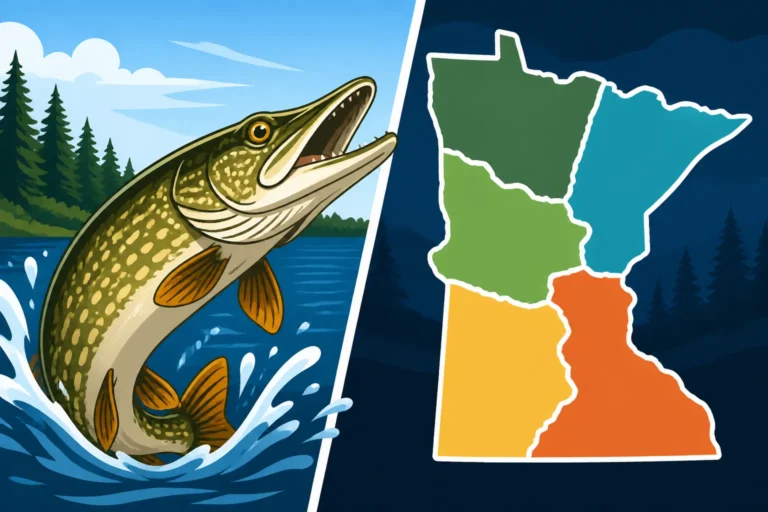
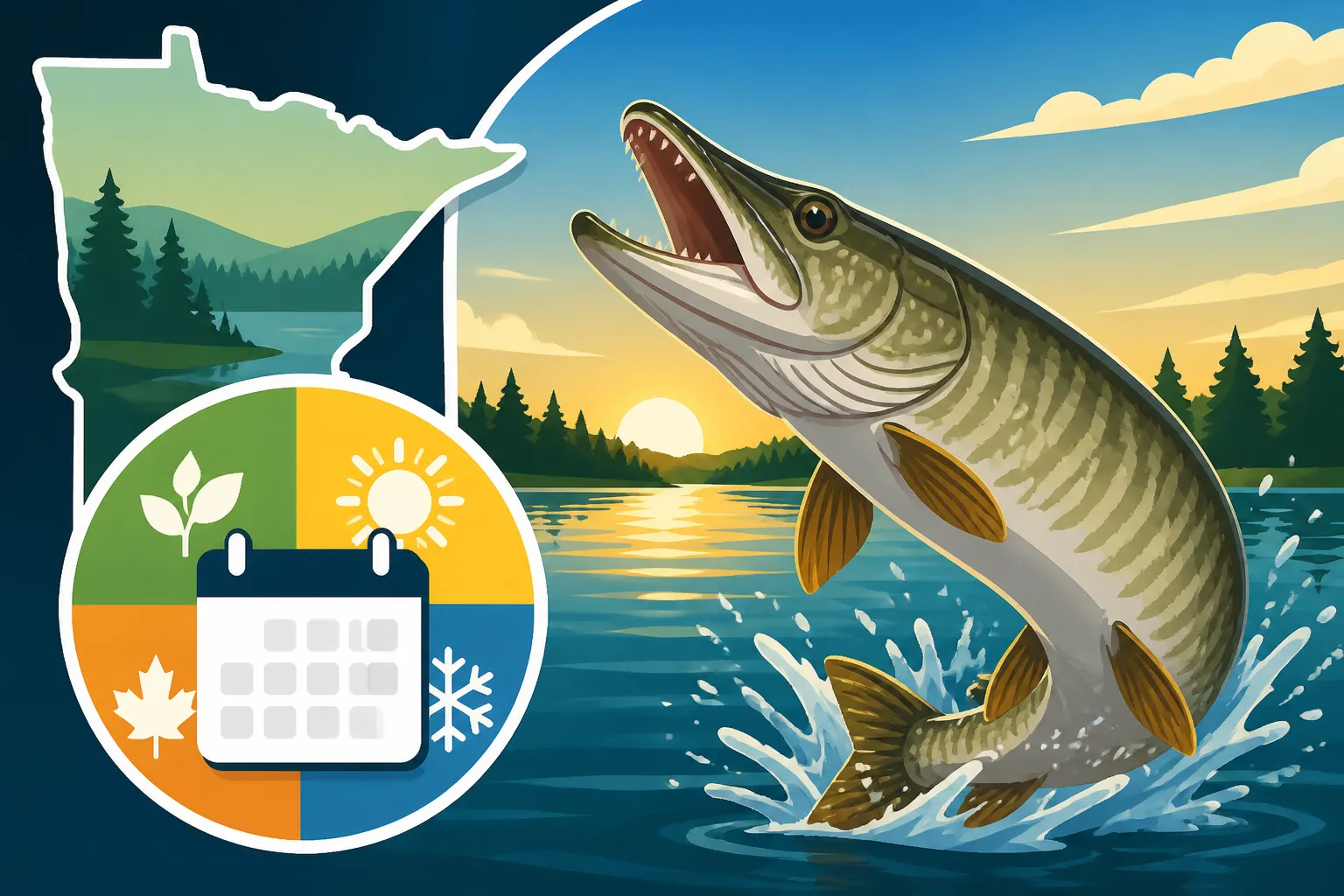
For the vast majority of lakes and rivers within Minnesota's borders, the Muskie season generally kicks off on the first Saturday in June. This is a date etched into the minds of dedicated Muskie anglers across the state, marking the official start of their quest for the "fish of 10,000 casts." This consistent opener allows anglers to prepare and anticipate, knowing that come early June, the waters will officially be open for targeting these apex predators. It's a cherished tradition, signaling the true arrival of summer fishing for many.
The Minnesota Department of Natural Resources (DNR) sets this date with careful consideration for the Muskie's life cycle. Specifically, it's designed to protect Muskie during their crucial spawning period. Muskie typically spawn in late spring, usually from April into May, in shallow, vegetated areas of lakes and rivers. By delaying the opener until June, the DNR ensures that these fish have ample time to complete their spawning rituals undisturbed, allowing for successful reproduction and the long-term health of the Muskie population. This conservation measure is vital for maintaining Minnesota's reputation as a premier Muskie fishing destination.
Special Regulations for Border Waters
While the statewide opener is straightforward for most of Minnesota, things get a little more complex when it comes to border waters. These unique areas, shared with neighboring states or Canada, often have their own specific regulations that can differ from the general Minnesota rules, requiring anglers to pay extra close attention to avoid any misunderstandings.
One of the most notable exceptions is the Lake Superior and its tributaries. For the Minnesota portion of Lake Superior, the Muskie season actually opens later, on July 1st. This later date is primarily due to the colder water temperatures of Lake Superior, which can delay Muskie spawning activities compared to inland lakes. Similarly, for the border waters shared with Canada, such as Rainy Lake, Lake of the Woods, and Namakan Lake, the Muskie season also opens later, on the third Saturday in June. These specific dates are often harmonized with the regulations of the adjacent jurisdiction (Ontario, in this case) to simplify compliance for anglers who might fish both sides of the border. If you're planning a trip to these fantastic fisheries, always double-check the specific regulations for that body of water, as even small differences can impact your trip. Understanding the nuances of Border Water Fishing Rules (Minnesota-Ontario, Wisconsin) is key for a successful outing.
Why Muskie Season Dates Matter
The establishment of specific opening dates for Muskie season isn't just an arbitrary decision; it's a critical component of conservation and sustainable fishing practices. These dates are carefully determined to protect the future of this magnificent species and enhance the overall angling experience.
Protecting Spawning Fish
The primary reason for a delayed Muskie opener is to safeguard their reproductive cycle. Muskie are powerful, long-lived fish, but their spawning period is a vulnerable time. They move into shallow, vegetated bays and marshy areas, often becoming less wary and more susceptible to angling pressure. If anglers were allowed to target them during this sensitive period, it could disrupt spawning, lead to stress or injury to the breeding adults, and ultimately reduce the number of successful hatches. This would have a detrimental effect on the future generations of Muskie.
By ensuring the season opens after the peak spawning activity, the Minnesota DNR allows these fish to complete their crucial reproductive process undisturbed. This not only protects the adult fish but also gives the newly laid eggs and fry a better chance of survival, contributing directly to a healthy and robust Muskie population for years to come. It’s a classic example of responsible fisheries management, ensuring there are plenty of Minnesota Fish Species: Identification Guide for future anglers.
The Thrill of the Opener
For many Muskie anglers, the opening day of the season is more than just another fishing trip; it's an event. There's an almost palpable excitement that builds up in the weeks leading to the first Saturday in June. This anticipation makes that first cast, the first follow, and the first strike all the more thrilling. It’s a testament to the dedication of Muskie enthusiasts, who often spend countless hours perfecting their Muskie Fishing Techniques for Beginners.
Muskie fishing is largely a catch-and-release sport, and the opener emphasizes this philosophy. While some trophy Muskie are kept, the vast majority are carefully released to fight another day. Anglers relish the challenge of finding and hooking these elusive fish, but the true reward often lies in the encounter itself. The delayed opener also means that by the time the season arrives, water temperatures are generally more favorable, and Muskie have often dispersed from their spawning grounds, making them more active and willing to chase baits, which leads to better fishing opportunities and a more rewarding experience for anglers focused on Muskie Fishing in Minnesota: The Fish of 10,000 Casts.
Planning Your Muskie Opener Trip
Getting ready for Muskie opener is a ritual for many, a chance to shake off the rust from winter and prepare for the exhilarating battles ahead. A well-planned trip increases your chances of success and, more importantly, ensures you're compliant with all the regulations.
Checking the Official Regulations
Even if you're a seasoned angler, it's absolutely crucial to always consult the official Minnesota fishing regulations before heading out for Muskie season, especially since regulations can change annually. The Minnesota DNR website is your best friend here, offering the most up-to-date information on statewide regulations, as well as specific rules for individual lakes and rivers. You can easily find the comprehensive Minnesota Fishing Regulations PDF: Where to Find It online or pick up a physical copy wherever fishing licenses are sold.
Don't just rely on what you remember from last year or what your buddy told you. Regulations can vary slightly from one year to the next, sometimes due to environmental factors, population assessments, or specific management goals for certain bodies of water. For instance, while the general opener is the first Saturday in June, a specific lake might have a special catch-and-release only rule or different size limits that you need to be aware of. Staying informed about Minnesota Fishing Regulations Changes for 2026 ensures you're always fishing legally and responsibly.
Gear and Preparation for Early Season Muskie
Early season Muskie fishing can present its own unique challenges and opportunities. While the general Muskie season opens in June, water temperatures might still be on the cooler side, especially in larger, deeper lakes. This can influence Muskie behavior, often making them more lethargic than they would be in the heat of summer. Therefore, your gear and approach should be tailored to these conditions.
Heavy-duty baitcasting setups are the standard for Muskie, capable of handling large lures and powerful fish. You'll want a stout rod, a robust reel with a good drag system, and strong braided line, typically 80-100 pound test. When it comes to lures, consider options that work well in cooler water, such as large jerkbaits, glide baits, and slower-moving bucktails or inline spinners. You might also find success with larger soft plastics fished slowly. Remember, Muskie Fishing Tips for Minnesota Anglers often emphasize persistence and presentation.
Having a good quality landing net designed for Muskie is non-negotiable for safe handling and release. These nets have large hoops and knotless, rubberized mesh to protect the fish's fins and slime coat. A long pair of jaw spreaders and heavy-duty, long-nosed pliers are also essential for hook removal, minimizing stress on the fish. Since catch-and-release is so paramount in Muskie fishing, knowing Catch and Release Best Practices in Minnesota is incredibly important.
Here's a quick summary of the key Muskie season opening dates in Minnesota:
| Water Body Type | Muskie Season Opening Date (2026) | Notes |
|---|---|---|
| Inland Waters | First Saturday in June | This covers the vast majority of lakes and rivers within Minnesota. |
| Lake Superior | July 1st | Later opening due to colder water and delayed spawning. |
| Border Waters (Canada) | Third Saturday in June | Includes lakes like Lake of the Woods, Rainy Lake, Namakan Lake, harmonized with Ontario. |
Remember, while these dates are generally consistent, it's always best practice to consult the current year's Minnesota DNR fishing regulations for the most precise and up-to-date information for your specific fishing destination. Happy hunting, and may your Muskie opener be filled with thrilling follows and hard strikes!
Disclaimer
Please note that fishing regulations, including season dates, can change. Always consult the official Minnesota Department of Natural Resources (DNR) website or the most current Minnesota Fishing Regulations handbook before you go fishing to ensure you have the most up-to-date and accurate information. This article is for informational purposes only and should not be considered a substitute for official DNR publications.