Lower Red Lake Fishing Regulations (2026)
Trying to keep up with fishing regulations can feel like navigating a constantly shifting maze, especially when you're looking to hit a trophy lake like Lower Red Lake. With its unique co-management, the rules here can be a bit different from your typical Minnesota hotspot, leaving many anglers scratching their heads about what's actually legal to keep. This comprehensive guide is here to cut through the confusion, breaking down the fishing regulations specifically for Lower Red Lake, so you can focus on catching fish, not fines.
Understanding Lower Red Lake's Unique Status
Lower Red Lake isn't just another beautiful body of water in Minnesota; it's a critical fishery with a distinct management approach that directly influences its fishing regulations. It's a place steeped in history and natural bounty, making understanding its specific rules paramount for any angler.
A Shared Fishery and Management
What makes Lower Red Lake truly unique is its shared management. Unlike most lakes entirely overseen by the Minnesota Department of Natural Resources (DNR), the Red Lake Nation, in conjunction with the DNR, co-manages the walleye fishery on the main body of Lower Red Lake. This means that a significant portion of the lake falls under the jurisdiction of the Red Lake Band of Chippewa, specifically the Red Lake Fisheries Department. This cooperative effort is designed to ensure the long-term sustainability and health of the walleye population, which is not only culturally significant but also an economic cornerstone for the Red Lake Nation. When you're out on the water, it's not always obvious where one jurisdiction ends and another begins, which can understandably be a source of confusion for many anglers. This shared responsibility is why the rules on Lower Red Lake often diverge from the statewide Minnesota Fishing Limits: Bag & Possession (2026) you might find elsewhere.
Why Regulations Can Be Different
The distinct regulations on Lower Red Lake are born from a deep understanding of its ecology and the cultural heritage tied to its waters. The Red Lake Nation has a long history of managing these waters sustainably, drawing on traditional ecological knowledge alongside modern scientific approaches. The primary goal is conservation, particularly of the walleye, which faced significant challenges in the past. These regulations are not arbitrary; they are carefully crafted to allow the walleye population to thrive, ensuring that future generations can enjoy the same incredible fishing experiences we do today. This includes considering factors like spawning success, forage availability, and overall ecosystem health. Because the Red Lake Nation manages its portion of the lake differently than the state's general regulations, it's crucial for anglers to stay informed about these specific, often more protective, rules.
Lower Red Lake Walleye Regulations 2026
When most people think of Lower Red Lake, they think of walleye. It's truly a walleye factory, and the specific regulations for this prized species are probably what you're most interested in. These rules are designed to maintain that incredible fishery for years to come.
The Walleye Bag and Possession Limit
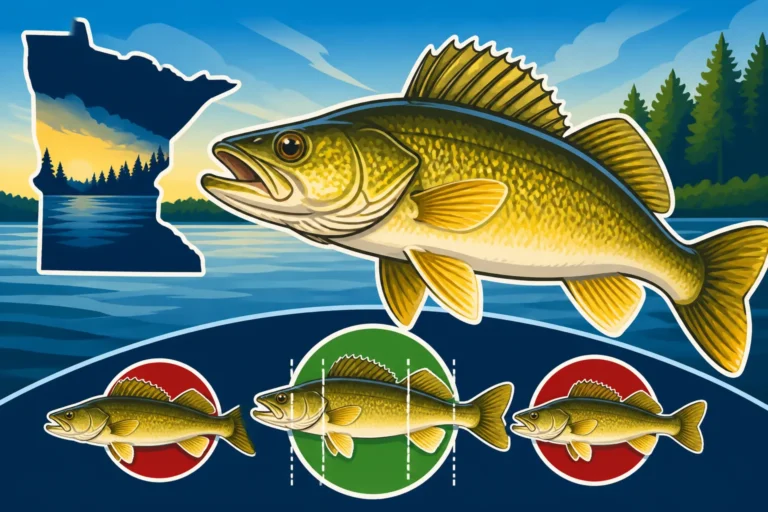
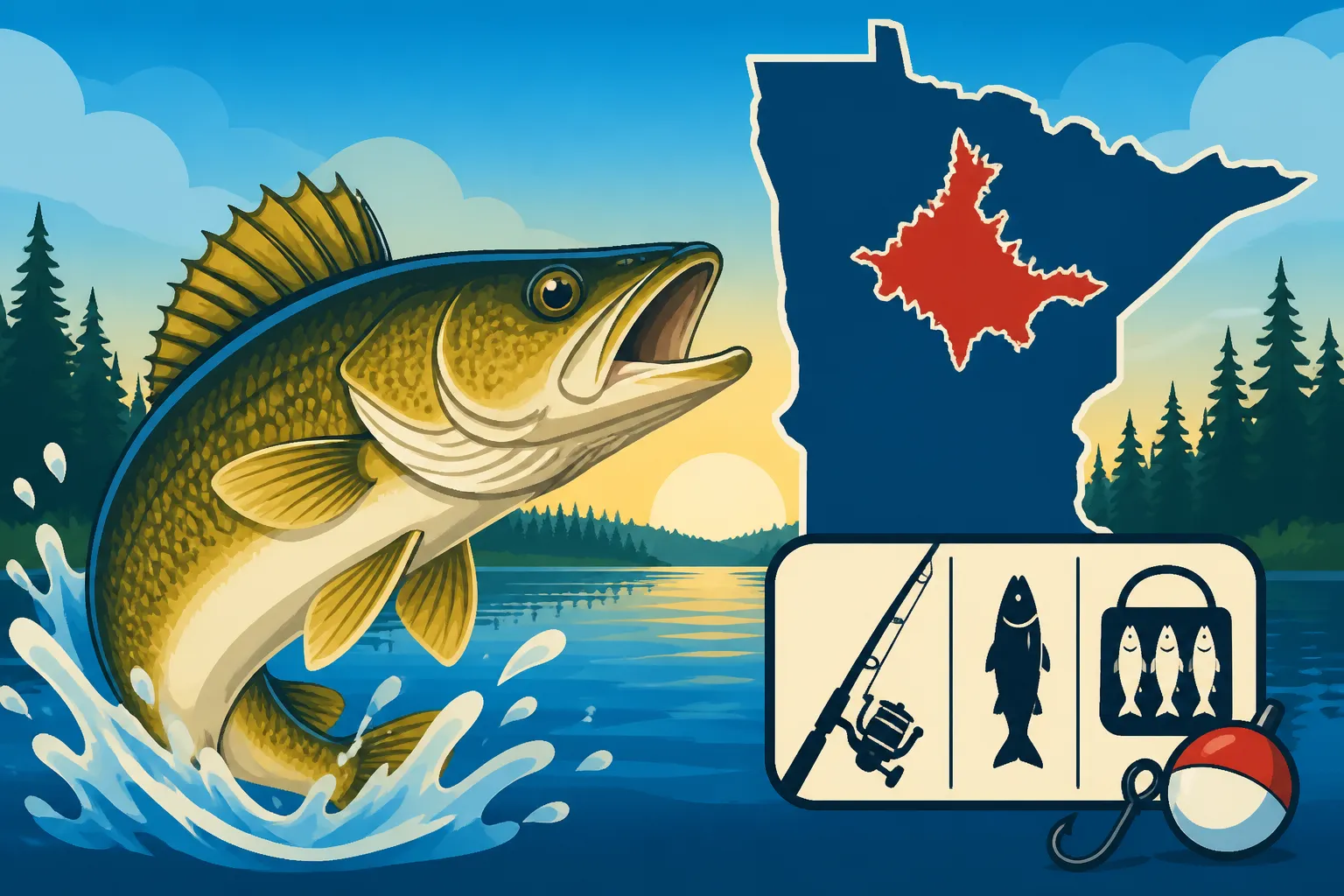
For 2026, anglers fishing the state waters of Lower Red Lake will typically follow a specific walleye limit. The general regulation for walleye on Lower Red Lake is usually a bag limit of three, with a possession limit of three, and all walleye between 17 and 27 inches must be immediately released. You can keep one walleye over 27 inches. This is a critical detail to remember. So, imagine you've landed a beautiful 20-inch walleye – that fish needs to go right back into the water. If you happen to catch a true monster over 27 inches, that's your trophy to keep, but it counts as one of your three. This specific slot limit is a powerful tool to protect the prime breeding stock, allowing those productive middle-aged fish to continue spawning and contributing to the lake's health. The aim is to balance angler opportunity with strong conservation.
Important Dates and Season Information
The walleye season on Lower Red Lake generally opens around the same time as the statewide Minnesota Fishing Seasons & Opener Dates (2026), which is typically the second Saturday in May. For 2026, this would mean the season is expected to kick off on May 10, 2026. However, it's always, always, always a good idea to double-check the latest official Minnesota DNR fishing regulations well before your trip, as dates can occasionally shift due to unforeseen circumstances or management decisions. The season usually runs continuously through the winter ice fishing season, often closing the last day of February or early March before the spring spawning period. So, whether you're casting crankbaits in the summer or jigging through the ice in winter, the walleye season has you covered for much of the year, provided you adhere to the specific limits.
The Slot Limit Explained
That 17- to 27-inch protected slot limit on walleye is one of the most vital rules on Lower Red Lake. It means that any walleye you catch that measures within that range – say, 18 inches, 22 inches, or 26 inches – must be released immediately and unharmed. The DNR and Red Lake Nation biologists have found that protecting these fish helps to ensure there are plenty of mature walleye in the system to reproduce, keeping the fishery robust. This is quite different from some other lakes where you might just have a straight bag limit or a different slot. For example, the Mille Lacs Walleye Regulations (2026) have historically featured extremely dynamic and often very restrictive limits based on the year's assessment. On Lower Red Lake, the consistent slot limit is a cornerstone of their successful management strategy. Always carry a reliable tape measure or a measuring board in your boat or ice shelter, and know how to quickly and safely release fish, especially those you're required to let go. Practicing Catch and Release Best Practices in Minnesota is essential here.
Other Key Species Regulations on Lower Red Lake
While walleye might be the star, Lower Red Lake also offers excellent fishing opportunities for other species. It's easy to get caught up in walleye fever, but don't overlook the potential for some fantastic pike or panfish action.
Northern Pike Rules
Northern pike populations in Minnesota are managed by zones, and Lower Red Lake typically falls under specific regulations tailored to its productive waters. For 2026, while specific zone rules might be in play for other parts of the state as outlined in Minnesota Northern Pike Limits by Zone, Lower Red Lake often has a relatively generous pike limit to help manage their numbers, as they are prolific predators. Anglers usually find a bag limit of 10 northern pike, with only one over 30 inches. This type of regulation encourages the harvest of smaller pike, which can become overpopulated and stunt in growth if not kept in check, while still offering the chance to keep a larger trophy fish. This is a great lake to target some eater-sized pike, which are fantastic on the table if you know how to fillet them properly (hello, Y-bones!).
Crappie and Panfish Limits
Lower Red Lake can also be a surprisingly good spot for panfish, especially crappies. Many anglers come for the walleye but stay for the plentiful crappie and sunfish. When it comes to panfish, regulations are usually more consistent across lakes, but it's still crucial to confirm. For crappie and sunfish, the typical statewide regulations, which usually apply to Lower Red Lake, involve a combined possession limit. Often, you can keep a total of 10 crappies (either black or white crappie) and 20 sunfish (including bluegill, pumpkinseed, and green sunfish) daily. These limits are subject to change, so always consult the most current Minnesota Crappie & Sunfish Limits. These populations can fluctuate based on factors like winterkill or spawning success, so state managers keep a close eye on them. Knowing these limits ensures you're helping maintain a healthy panfish population for everyone.
Essential Rules for All Anglers on Lower Red Lake
Beyond the species-specific limits, there are overarching rules that every angler must follow when fishing Lower Red Lake, just like any other body of water in Minnesota. These are crucial for the safety of our lakes and the sustainability of the sport.
Minnesota Fishing License Requirements
First and foremost, if you're over 16 and under 90 years old, you'll need a current Minnesota Fishing License: Cost, Types & How to Buy (2026) to fish on Lower Red Lake, unless you're participating in one of the Free Fishing Weekends in Minnesota. This applies to both residents and Nonresident Fishing in Minnesota: Licenses & Rules. You can purchase your license easily online through the DNR website, or at many bait shops and sporting goods stores across the state. Remember, conservation efforts are largely funded by license sales, so it's a small investment that pays huge dividends for our fisheries. Always carry proof of your license while fishing, as conservation officers do patrol the lake and will check.
Aquatic Invasive Species AIS Prevention
The threat of Aquatic Invasive Species (AIS) is real and present in Minnesota, and Lower Red Lake is no exception. It is absolutely critical that every boater and angler follows the AIS rules for boaters to prevent the spread of harmful organisms like zebra mussels, spiny waterfleas, and Eurasian watermilfoil. The "Clean, Drain, Dry" mantra is not just a suggestion; it's the law.
Here's what you MUST do every time you leave Lower Red Lake:
- Clean: Remove all visible aquatic plants, mud, and prohibited invasive species from your boat, trailer, and all fishing equipment.
- Drain: Drain all water from your boat, bilge, livewell, and bait bucket before transporting it. This includes removing the drain plug. The Minnesota AIS Drain Plug Law Explained is strictly enforced.
- Dispose: Dispose of unwanted bait in the trash, not in the lake or on shore.
- Dry: Ideally, allow your boat and equipment to dry completely for at least 5 days before using it in another body of water.
These steps are incredibly important for protecting not just Lower Red Lake but all of Minnesota's precious waters. Ignoring these rules can lead to significant fines and, more importantly, irreversible damage to our aquatic ecosystems.
Ice Fishing Specifics
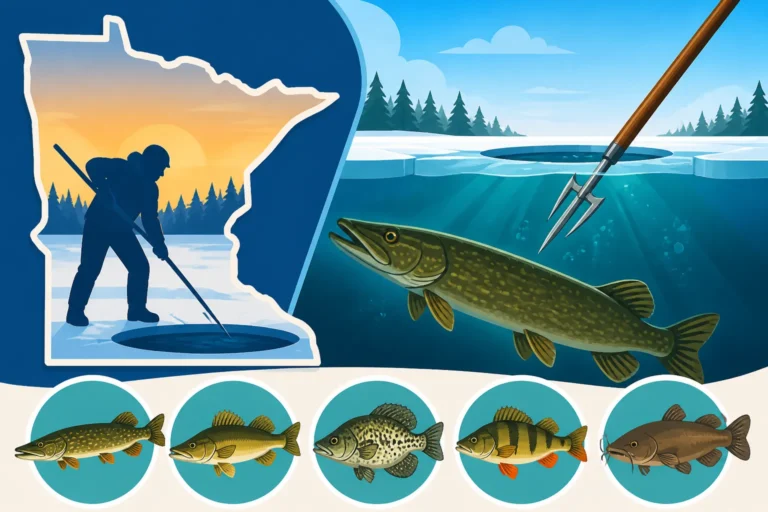
Lower Red Lake is a renowned ice fishing destination, drawing thousands of anglers each winter. If you're planning to brave the cold, you'll need to be aware of Minnesota Ice Fishing & Shelter Rules. This includes knowing when ice shelters need to be removed from the lake. Generally, shelters must be removed by the last day of February on waters south of Highway 169 and by March 15 on waters north of Highway 169. Lower Red Lake typically falls into the later March 15 removal deadline category, but always confirm the exact Ice Shelter Removal Deadlines in Minnesota for the current year, as these dates are firm. Failing to remove your shelter can result in fines and charges for removal costs. Additionally, while ice fishing, you are generally allowed to use two lines, but again, always check the current regulations as the "How Many Lines Can You Fish in Minnesota?" rule can sometimes vary by waterbody or specific conditions.
Here's a quick summary table of the key 2026 Lower Red Lake fishing regulations:
| Species | Daily Bag Limit | Possession Limit | Size Restrictions | Notes |
|---|---|---|---|---|
| Walleye | 3 | 3 | All fish 17-27 inches must be immediately released. One fish over 27 inches allowed. | Subject to change based on Red Lake Nation/DNR co-management. Check official rules. |
| Northern Pike | 10 | 10 | Only one over 30 inches. | Encourages harvest of smaller pike to manage population. |
| Crappie | 10 | 10 | None statewide, but local changes can occur. | Combined with White Crappie. |
| Sunfish | 20 | 20 | None statewide, but local changes can occur. | Includes Bluegill, Pumpkinseed, Green Sunfish. |
Always consult the official Minnesota DNR fishing regulations for the most current and authoritative information before heading out on the water.
Disclaimer
Please remember that fishing regulations, season dates, and limits are subject to change. While we strive to provide the most accurate and up-to-date information, it is the angler's responsibility to verify all current rules and regulations with the Minnesota Department of Natural Resources (DNR) before fishing. This guide is for informational purposes only and should not be considered legal advice.