Smallmouth Bass Season & Limits in Minnesota
It can be incredibly confusing trying to keep up with fishing regulations in Minnesota, especially when it comes to popular species like smallmouth bass. The rules for season dates and limits aren't always straightforward, and nobody wants to accidentally break the law or harm the fishery. This guide will cut through the confusion, giving you a clear understanding of Minnesota's smallmouth bass seasons and limits so you can fish confidently and responsibly.
The Allure of Minnesota Smallmouth Bass
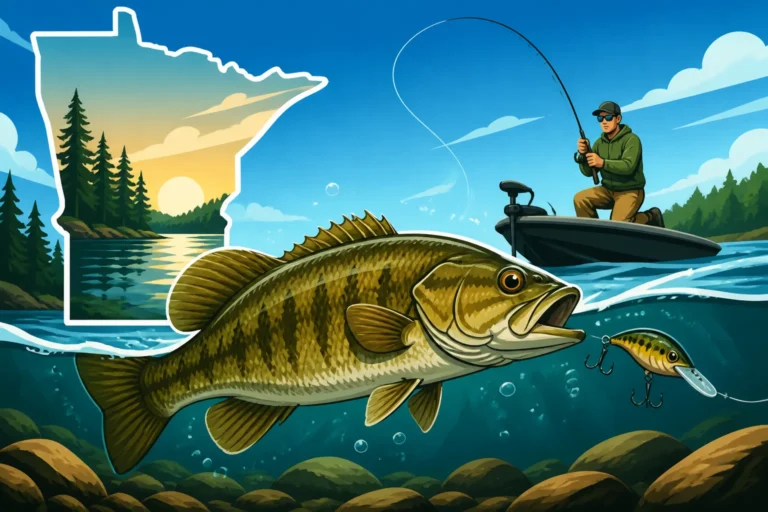
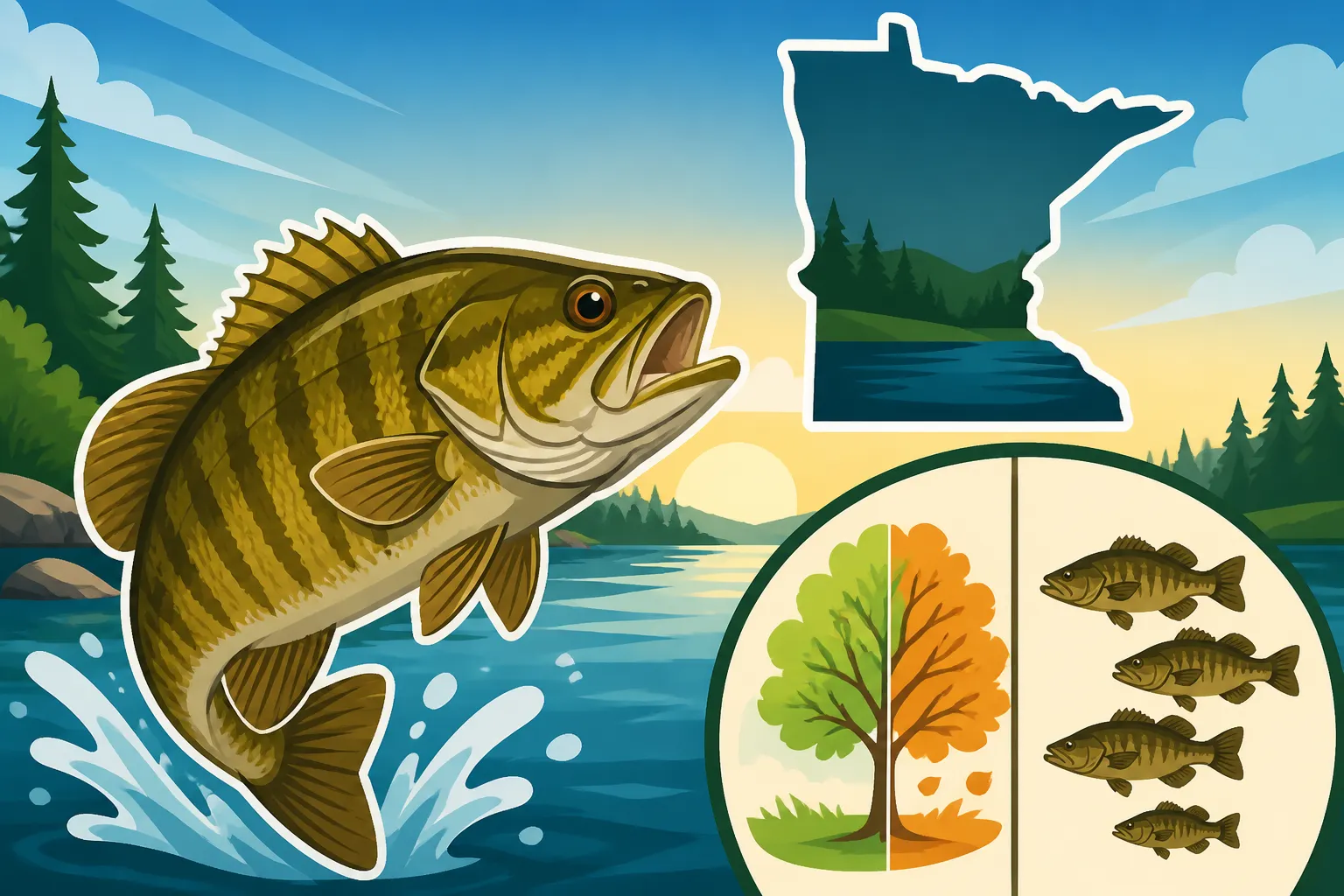
Smallmouth bass hold a special place in the hearts of many Minnesota anglers, and for good reason! These fish are absolute feisty fighters, often leaping out of the water and putting up an incredible battle that can rival much larger species. They thrive in Minnesota's clear, rocky lakes and rivers, often found patrolling the edges of points, humps, and current breaks. Their aggressive strikes and acrobatic displays make them a blast to target, whether you're a seasoned angler or just starting out. Many consider Minnesota's smallmouth fishery to be world-class, especially on lakes like Mille Lacs and Leech Lake.
They're not just fun to catch, either; smallmouth bass are also a vital part of the aquatic ecosystem. Their predatory nature helps keep other fish populations in check, contributing to the overall health of our waters. However, because they are such prized game fish, and their spawning patterns can make them vulnerable, strict regulations are absolutely essential to ensure these magnificent bronzebacks continue to thrive for future generations. Understanding these rules is not just about avoiding a ticket; it's about being a responsible steward of Minnesota's incredible natural resources.
Understanding the Statewide Smallmouth Bass Season
Navigating the fishing calendar in Minnesota can sometimes feel like solving a complex puzzle, especially with different openers for various species. For smallmouth bass, the general statewide season typically opens at the same time as walleye and northern pike, which is usually the Saturday two weeks prior to the Saturday of Memorial Day weekend. This timing is carefully chosen by the Minnesota Department of Natural Resources (DNR) to protect the bass during their crucial spawning period, helping to ensure successful reproduction and a healthy population.
However, it’s not as simple as "open season" from day one. In many areas, the initial weeks of the season are designated as "catch-and-release only" for smallmouth bass. This is a critical period where you can enjoy the thrill of catching these hard fighters, but you must release them immediately and carefully back into the water. This vital measure allows bass to complete their spawning rituals undisturbed, protecting both the parent fish and the future generations they represent. After this initial catch-and-release phase, the season then transitions into a full harvest period where anglers can keep a limited number of fish, provided they adhere to specific size and bag limits. Always double-check the current Minnesota Fishing Seasons & Opener Dates (2026) before you head out, as these dates can sometimes see minor adjustments.
Catch-and-Release Only Periods
The concept of a "catch-and-release only" period for smallmouth bass is incredibly important for conservation. Imagine you're out on the lake in late May, the water warming up, and you're casting near some rocky shoreline. You hook into a beautiful smallmouth, and as you bring it in, you notice it's a male diligently guarding a nest of eggs. During these sensitive times, even a brief removal from the water for a photo, or the stress of being caught, can be detrimental to the spawn. The male bass guards the nest from predators, and if he's absent, even for a few minutes, other fish like panfish or suckers can quickly devour the eggs.
That's why the DNR mandates these periods. It allows anglers to still enjoy the excitement of fishing for smallmouth right after the opener, but with the explicit understanding that every fish must be returned unharmed. It's a fantastic way to enjoy the sport while actively contributing to the sustainability of the fishery. Make sure you're using proper catch-and-release techniques during this time, like wet hands and minimizing air exposure, as detailed in our guide on Catch and Release Best Practices in Minnesota. This ensures that when the full harvest season opens, there are plenty of healthy fish to go around. You'll find these specific dates clearly laid out in the official Minnesota Fishing Regulations booklet, often available as a handy PDF online or in print at local bait shops.
Special Regulations and Border Waters
While there's a general statewide season, Minnesota fishing regulations are rarely one-size-fits-all. Some individual lakes and rivers, especially those with unique population dynamics or specific management goals, will have special smallmouth bass regulations that supersede the statewide rules. For example, a lake known for producing trophy smallmouth might have a slot limit designed to protect larger fish, or an even stricter catch-and-release period to enhance its fishery. This is why always checking the specific regulations for the body of water you plan to fish is non-negotiable.
Additionally, if you're venturing to border waters, such as Lake Superior or shared waters with Wisconsin or Canada, the rules can be significantly different. Fishing on the St. Croix River, for instance, involves understanding regulations agreed upon by both Minnesota and Wisconsin. These "border water rules" can affect everything from season dates to bag limits and even methods of fishing. Our guide on Border Water Fishing Rules (Minnesota-Ontario, Wisconsin) delves into these complexities. Always consult the specific border water regulations in the DNR booklet, as they are often separate sections and can be quite detailed. Ignorance of the law is never an excuse, and a quick check can save you a lot of headache and potential fines.
Minnesota's Smallmouth Bass Limits: Daily and Possession
Once the full harvest season for smallmouth bass is open, anglers are allowed to keep a certain number of fish. However, this isn't just a free-for-all. There are two crucial numbers you need to understand: the daily bag limit and the possession limit. Confusing these two is a common mistake that can lead to penalties, so let's clear it up.
The daily bag limit is the maximum number of smallmouth bass you can keep in a single day, from midnight to midnight. So, if the daily limit is three fish, and you catch and keep three smallmouth by noon, you cannot keep any more fish of that species for the rest of that day, even if you continue fishing. The possession limit refers to the maximum number of smallmouth bass you can have in your possession at any given time, whether they are fresh, frozen, or stored at your cabin or home. Typically, the possession limit is the same as the daily bag limit, but on some lakes or for certain species, it can be higher (e.g., two or three times the daily limit), especially if you're on an extended fishing trip. For smallmouth bass in Minnesota, the statewide daily and possession limits are generally quite conservative to ensure sustainable populations. It's always best to check the current Minnesota Fishing Limits: Bag & Possession (2026) before your trip.
Statewide Bag and Possession Limits
For most of Minnesota's lakes and rivers, the statewide daily bag limit for smallmouth bass is typically set at three fish. This means you can keep up to three smallmouth bass per day. The possession limit often mirrors this, also standing at three fish. This limit is designed to allow anglers to enjoy a fresh meal while still leaving plenty of fish in the water to sustain the population.
However, the statewide limit is also usually accompanied by a size restriction. Often, this means that all smallmouth bass between a certain size range must be immediately released. For example, a common statewide regulation might state a daily and possession limit of three, with only one fish over 17 inches allowed, and all fish between 12-17 inches must be released. This is known as a "protected slot limit" and it's a powerful tool for fisheries management. It allows anglers to keep smaller fish (which might be more abundant and better tasting) and larger trophy fish (which are often less frequent catches and can be harvested responsibly), while protecting the critical breeding-size fish in the middle. Always refer to the most recent DNR regulations for the precise numbers, as these can change year to year based on surveys and population health.
| Regulation Type | Statewide Smallmouth Bass Rule (Typical) |
|---|---|
| Season Opener | Saturday two weeks before Memorial Day |
| Initial Season | Catch-and-Release Only |
| Full Harvest Season | After C&R period, usually June onwards |
| Daily Bag Limit | 3 fish |
| Possession Limit | 3 fish |
| Size Restriction | All fish 12-17 inches must be released; only 1 over 17 inches allowed (Check specific lake rules) |
| Winter Season (Ice) | Closed (Check specific lake rules) |
Note: These are typical statewide regulations for most waters. Always consult the official Minnesota DNR Fishing Regulations for specific dates, exceptions, and lake-specific rules, as they are subject to change annually.
Lake-Specific Slot Limits and Special Rules
This is where fishing regulations can get a little tricky, but it’s also where some of Minnesota's most exciting fishing opportunities are managed. Many of our premier smallmouth bass fisheries, particularly those known for producing true giants or those under intense fishing pressure, will have special regulations that differ from the statewide limits. These often take the form of slot limits or reduced bag limits. A slot limit, as mentioned, protects fish within a certain size range, allowing anglers to keep fish below or above that slot. This approach ensures that a healthy population of breeding-size fish remains in the lake, contributing to future generations. For a deeper dive into this, check out our article on Minnesota Slot Limits: Which Lakes & Why.
For instance, a famous lake like Mille Lacs, known for its incredible smallmouth fishery, might have a strict "no harvest" rule for smallmouth or a highly specific slot where only very small or very large fish can be kept. These rules are put in place after extensive scientific research and public input to maintain the health and quality of that particular fishery. When you're planning a trip to one of the Best Bass Lakes in Minnesota, it's paramount to check the specific regulations listed under that lake in the DNR booklet or on their website. It’s frustrating to get all your gear ready, head to the lake, and then realize you misunderstood a critical rule. Don't rely on word-of-mouth; always get the official word!
Responsible Angling for Smallmouth Bass
Catching smallmouth bass is an exhilarating experience, but being a responsible angler is just as rewarding. With their incredible fighting ability, smallmouth can sometimes exhaust themselves during a prolonged battle, making proper handling and release crucial for their survival, especially during warmer months or the catch-and-release only periods.
Beyond just releasing fish that fall within a protected slot, adopting best practices for every fish you catch ensures that you're contributing to the health and longevity of the fishery. This includes having the right tools on hand and understanding the immediate impact of your actions. A little preparation and mindful action go a long way in ensuring these beautiful fish continue to thrill anglers for years to come.
Best Practices for Catch and Release
Even if you intend to keep a smallmouth bass within the legal limits, it’s beneficial to know how to handle them responsibly, as you might hook into fish you need to release. When practicing catch and release, the goal is to minimize stress and injury to the fish. First, use tackle appropriate for the fish size you're targeting; don't underpower your setup, as longer fights exhaust fish. If you need new gear, you can often find suitable bass rods and reels on Amazon that are designed for quick, efficient fights.
Always wet your hands before touching the fish; dry hands can remove the protective slime layer, making the fish susceptible to disease. Avoid holding smallmouth bass vertically by the jaw if they are large; instead, support their belly to protect their internal organs and jaw structure. Use a dehooking tool or needle-nose pliers to remove hooks quickly and gently. If a fish is deeply hooked, it’s often best to cut the line as close to the hook as possible rather than tearing tissue trying to remove it. Releasing the fish gently, headfirst into the water, and allowing it to swim off on its own power, ensures the highest survival rate. For more detailed instructions, consult our guide on Catch and Release Best Practices in Minnesota.
Gear Considerations for Ethical Fishing
Having the right gear isn't just about catching more fish; it's also about fishing more ethically and within regulations. For smallmouth bass, using single, barbless hooks can significantly reduce damage to a fish's mouth, making releases quicker and less harmful. If your favorite lures come with treble hooks, consider replacing them with single hooks, or at least pinching down the barbs with pliers. This simple modification can make a huge difference in fish survival, especially during those catch-and-release segments of the season.
Additionally, carrying a good quality net with a rubberized, knotless mesh is a game-changer. These nets are much gentler on fish scales and slime coats compared to traditional knotted nylon nets. You can often find a wide variety of these on Amazon, making it easy to upgrade your tackle. A reliable pair of long-nosed pliers or a dedicated hook remover is also essential for quickly and safely extracting hooks. Some anglers even carry a small, portable measuring board to verify fish length accurately before deciding to keep or release, ensuring they stay within those critical Smallmouth Bass Season & Limit in Minnesota guidelines. Responsible gear choices are an investment in the future of our fisheries.
Conservation Beyond the Regulations
While understanding and adhering to the published regulations is the baseline for responsible fishing, true conservation often goes beyond the letter of the law. Think about the impact of your actions on the entire ecosystem. For instance, consider using artificial lures more often, especially in heavily fished areas or during spawning season, to minimize the ingestion of hooks by fish that might not be targeted. Live bait can sometimes lead to deeper hooking, which is harder on the fish.
Another crucial aspect of conservation is preventing the spread of Aquatic Invasive Species (AIS). Before moving your boat or gear from one lake to another, take the time to clean, drain, and dry everything thoroughly. This simple act prevents the transfer of unwanted plants, mussels, and other organisms that can wreak havoc on native fish populations and habitats. Learn more about preventing their spread in our article on Aquatic Invasive Species (AIS) Rules for Boaters. By being mindful of our impact, educating fellow anglers, and actively participating in conservation efforts, we can all contribute to ensuring Minnesota's smallmouth bass fishing remains exceptional for generations to come. These proactive steps are an extension of our passion for the sport and our love for Minnesota's pristine waters.
Disclaimer
The information provided in this guide is for general informational purposes only and is subject to change. While we strive to offer accurate and up-to-date content, fishing regulations are dynamic and can be revised by the Minnesota Department of Natural Resources (DNR) at any time. It is the responsibility of every angler to consult the official, current Minnesota Fishing Regulations booklet or the DNR website before fishing to ensure compliance with all applicable laws and rules.