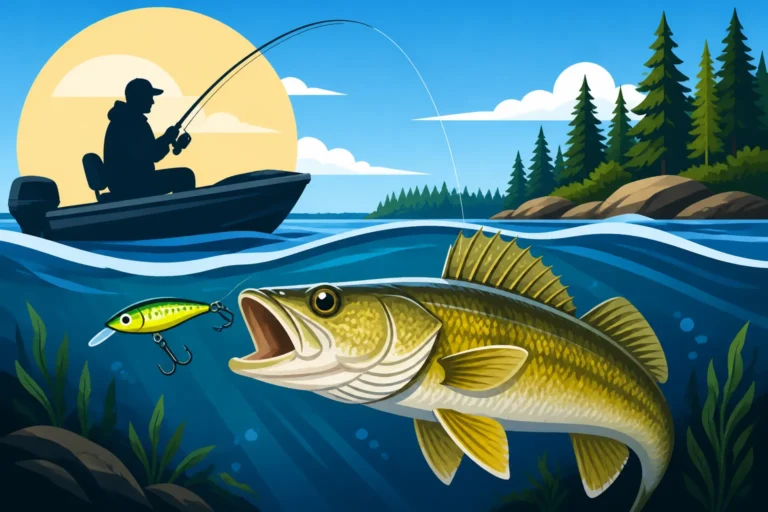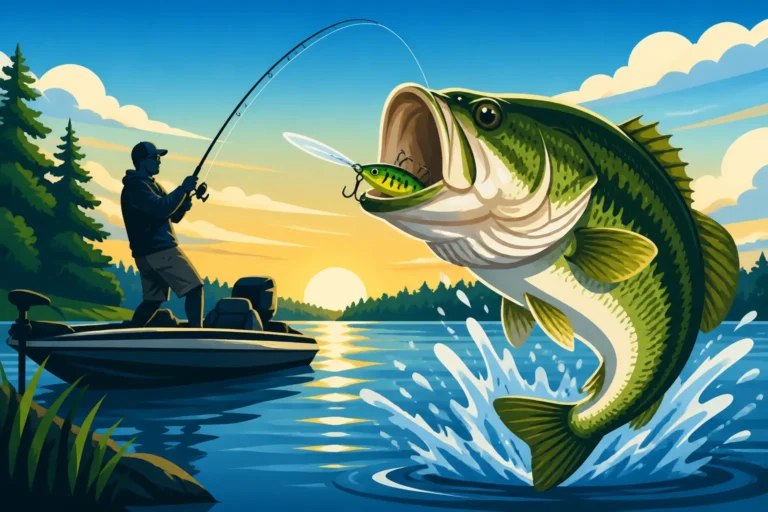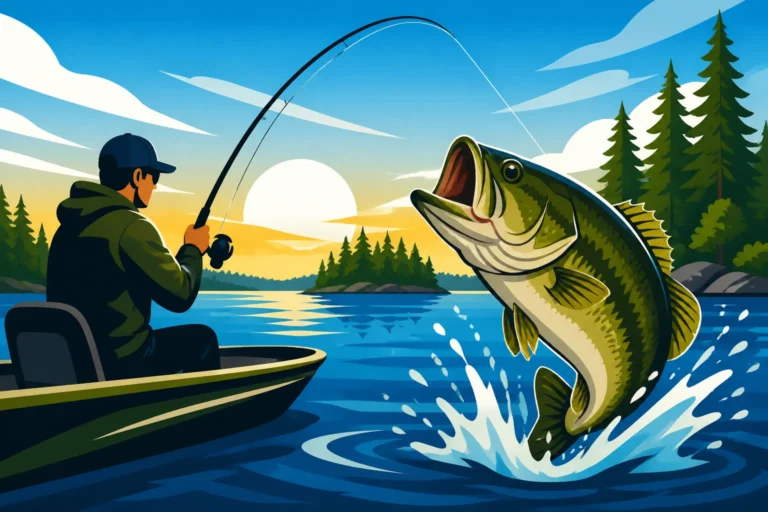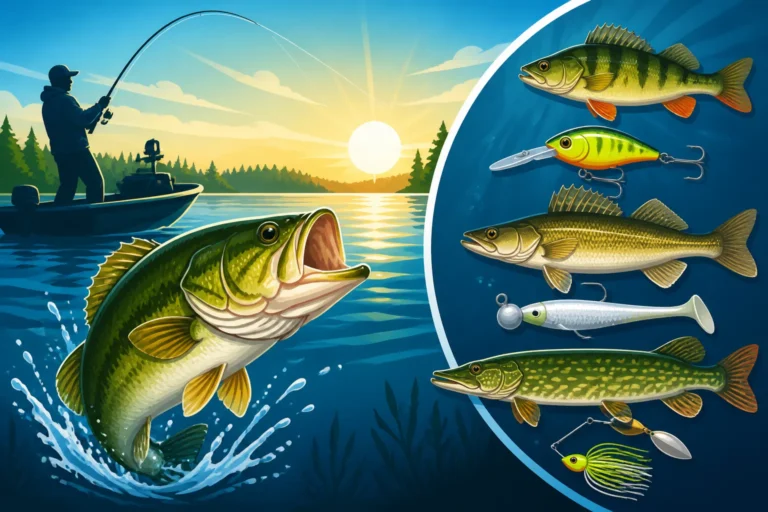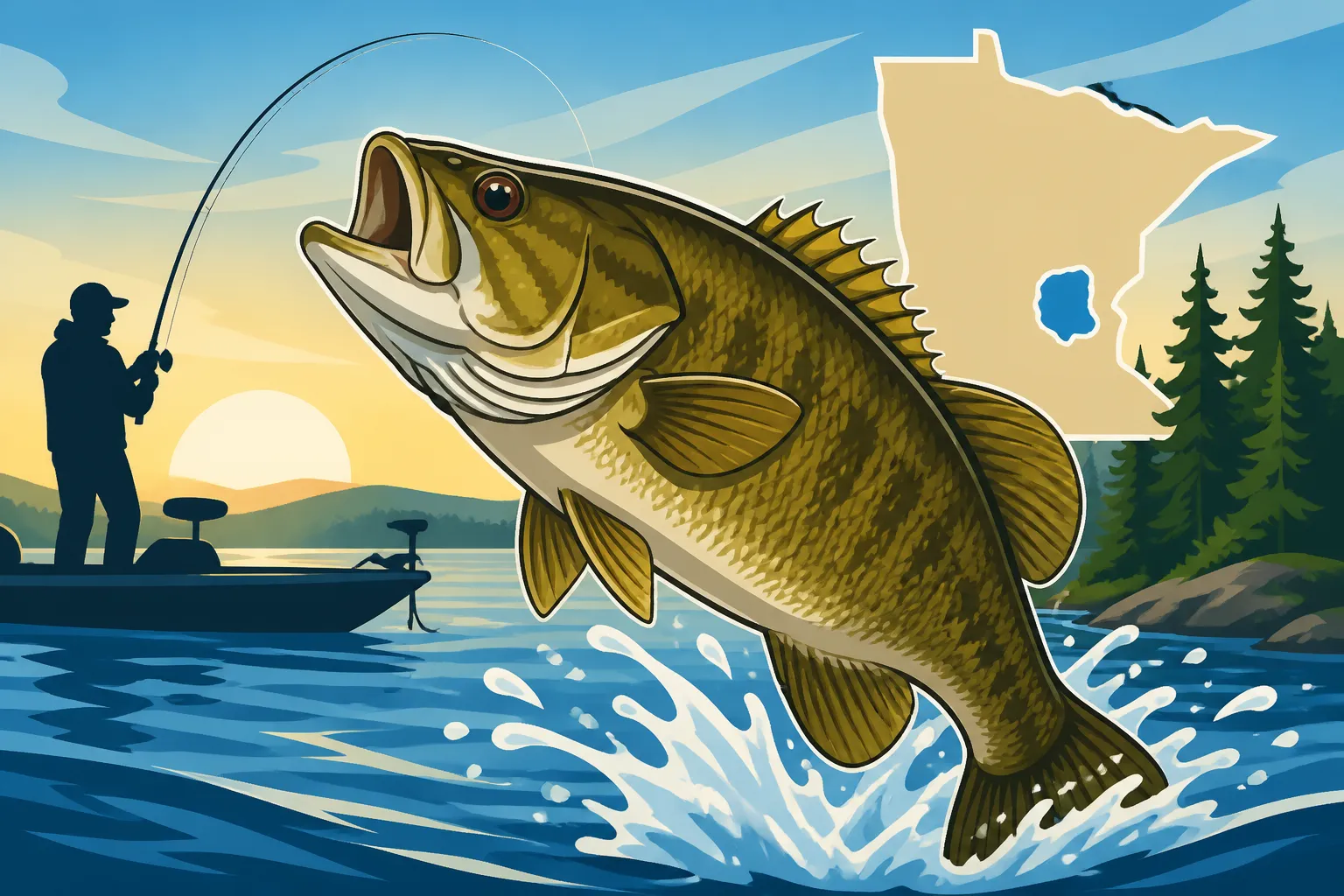
Mille Lacs Smallmouth Bass: World-Class Fishery
It's easy to get caught up in the legendary walleye bite on Mille Lacs Lake, isn't it? For so long, that golden-finned marvel has been the undisputed king, and frankly, it's deserved the hype. But for years, many anglers, myself included at times, overlooked a truly spectacular fishery lurking beneath the surface: the world-class smallmouth bass of Mille Lacs. If you've felt like you were missing out on another side of this incredible lake, or perhaps you're tired of chasing only walleye, you're in for a treat. This guide is dedicated to unlocking the secrets of Mille Lacs' smallmouth, revealing why this lake isn't just good, but truly one of the best smallmouth bass destinations on the planet.
Why Mille Lacs Stands Out for Smallmouth Bass
When we talk about Mille Lacs Lake, the conversation almost always drifts to walleye. But to ignore the smallmouth bass here is to miss out on an incredible, high-action fishing experience. This lake isn't just "good" for smallmouth; it's genuinely a world-class destination, consistently producing both high numbers and truly trophy-sized fish. The unique characteristics of Mille Lacs have created a perfect storm for these bronze warriors, allowing them to thrive in ways few other lakes can match.
Diverse Structure and Abundant Forage
Mille Lacs is an incredibly diverse lake, and that's precisely what makes it such a powerhouse for smallmouth. It's not just a big bowl; it’s a complex underwater landscape. You've got vast areas of rocky reefs, large gravel beds, scattered boulders, deep rock piles, and even stretches of sandy points and emergent vegetation in certain bays. This variety of structure provides smallmouth with countless ambush points and sheltered areas, offering them protection from predators and prime hunting grounds.
Think about it: a smallmouth loves to relate to hard structure. On Mille Lacs, they have miles and miles of it. From the expansive rock reefs that stretch for hundreds of yards to isolated boulder fields that rise sharply from the basin, there’s always somewhere a smallmouth can hide and wait for its next meal. This isn't your typical shallow, weedy bass lake; this is a deep, clear water smallmouth paradise. The diversity means you can fish different patterns and techniques depending on the conditions, always finding fish relating to something.
Coupled with this phenomenal habitat is an incredibly rich forage base. Mille Lacs is absolutely teeming with preferred smallmouth prey. Crayfish are abundant, scuttling among the rocks and gravel, providing a crucial food source that helps these bass grow big and strong. Perch, various shiners, and even young tullibee (cisco) also make up a significant portion of their diet, offering a high-protein buffet that fuels rapid growth. This consistent availability of high-quality food, combined with excellent habitat, is the fundamental reason why Mille Lacs bass are so robust and numerous. They simply have everything they need to flourish.
Trophy Potential and Fishing Pressure
The sheer size of the smallmouth bass you can encounter on Mille Lacs is what truly elevates it to world-class status. It's not uncommon to hear stories or see photos of 4-, 5-, and even 6-pound smallmouth. These aren't just rare occurrences; they're a legitimate possibility on any given outing, especially if you know where and how to look. The lake has consistently produced some of the largest smallmouth in Minnesota, and many anglers travel from across the country specifically to target these giants. For context, a 5-pound smallmouth is a true trophy anywhere, and on Mille Lacs, you have a real shot at it. This lake has even held state records in the past. If you're looking for an unforgettable fight from a truly massive bronze beast, Mille Lacs is your arena.
What's fascinating is how the fishing pressure for smallmouth compares to that for walleye. While Mille Lacs sees an immense amount of walleye fishing, the smallmouth fishery, though increasingly popular, still receives comparatively less pressure. Many anglers are so focused on the walleye bite that they overlook the incredible smallmouth opportunities. This means that while certain popular smallmouth spots might see activity, there are vast stretches of equally productive water that remain relatively undisturbed. The smaller population of dedicated smallmouth anglers, combined with robust catch-and-release practices encouraged by the Minnesota Department of Natural Resources (DNR), means that these fish have a high survival rate and continue to grow to impressive sizes. This somewhat lower pressure, especially during peak walleye times, allows the smallmouth population to thrive and maintain its trophy potential year after year.
Understanding Mille Lacs Smallmouth Behavior and Habitat
To consistently catch smallmouth on Mille Lacs, you need to think like a smallmouth. These aren't lazy fish; they're aggressive, nomadic predators that react strongly to seasonal changes and forage availability. Understanding their movements and preferred hangouts throughout the year is key to unlocking the lake's incredible potential.
Seasonal Movements and Patterns
Smallmouth bass on Mille Lacs are highly migratory throughout the year, much like the walleye, constantly adapting to water temperatures and food sources.
- Spring (Post-Spawn): After the ice melts and the water starts to warm, smallmouth move into shallower, rocky areas to spawn. This typically happens when water temperatures reach the upper 50s to low 60s Fahrenheit, usually late May to mid-June. They'll often seek out gravelly points, protected bays with scattered rock, or the shallow edges of main lake reefs. Once spawning is complete, they might stay in these shallower areas for a while, recovering and feeding aggressively before starting their migration to summer grounds. This early season can be incredibly productive, as the fish are hungry and often less wary. Check out our guide on "Smallmouth Bass Season & Limit in Minnesota" for specific dates.
- Summer: As the lake warms up in July and August, smallmouth will generally move deeper, though not always to extreme depths. They'll often relate to the deeper edges of main lake reefs, offshore rock humps, vast gravel flats, and transition areas where rock meets sand or mud. They might move up onto the tops of reefs during low light conditions (dawn, dusk, cloudy days) to feed, then retreat to deeper water when the sun is high. Some big fish will also cruise open water, chasing schools of tullibee. This is a prime time for finding active fish, but you need to be willing to explore various depths and structures.
- Fall: As water temperatures begin to drop in September and October, smallmouth embark on their "fall migration." They'll often gather in large schools on deep, rocky main lake points, major rock reefs, and large gravel flats adjacent to deep water. They become incredibly aggressive, putting on the feedbag in preparation for winter. This can be one of the most exciting times to fish, as you can often find massive schools of active, big fish. They're often found shallower than in mid-summer but still relate to substantial structure. Eventually, they’ll move to their deepest wintering holes, often large, deep flats or basins with some scattered rock or debris.
Preferred Forage and Feeding Habits
The smallmouth in Mille Lacs are opportunistic feeders, but they definitely have their favorites, and knowing these helps you "match the hatch" with your lure selections.
- Crayfish: Without a doubt, crayfish are a primary food source for Mille Lacs smallmouth. These crustaceans are abundant across the lake's rocky bottom, making them an easy and nutritious meal. Bass will actively root around rocks and gravel to find them. This explains why many bottom-contact baits that mimic crayfish, like jigs, tubes, and Ned Rigs, are so effective. If you're fishing a rocky area, chances are a crayfish imitation will get bit.
- Perch and Shiners: Schools of yellow perch and various shiner species are also a significant part of the smallmouth diet. These baitfish provide a fast-food option for bass, especially when they're actively feeding in open water or along the edges of structure. When smallmouth are busting bait on the surface or you're seeing schools of baitfish on your electronics, throwing baits that imitate these minnows – crankbaits, jerkbaits, or swimbaits – can be deadly.
- Tullibee (Cisco): While adult tullibee are too large for most smallmouth, the juveniles are a high-energy meal. Tullibee are cold-water fish that spend most of their time in the deeper, cooler parts of the lake. However, young-of-the-year tullibee can be found in various parts of the water column and are a prime target for larger smallmouth, particularly during the summer and fall when bass are migrating deeper. This is when larger profile baits, or those fished deeper, can really shine.
Understanding what these bass are eating at different times of the year and in different locations will help you select the most effective lures and techniques, moving beyond just random casting to a more strategic approach.
Essential Gear and Techniques for Mille Lacs Smallmouth
You wouldn't bring a butter knife to a steak dinner, right? The same goes for fishing Mille Lacs smallmouth. These are powerful fish, and having the right gear and techniques is crucial for success and enjoyment. While a casual angler can certainly catch fish, if you're serious about tackling this world-class fishery, you'll want to be prepared.
Top Lures and Baits
Mille Lacs smallmouth are aggressive, but they can also be finicky. Having a diverse tackle box is essential.
- Tube Jigs: If there's one bait synonymous with Mille Lacs smallmouth, it's the tube jig. Mimicking a crayfish perfectly, tubes in greens, browns, and black variations (e.g., green pumpkin, smoke with black flake) are deadly. Rig them on an internal jig head, typically 1/4 to 3/8 ounce, for a subtle, spiraling fall. Fish them by casting out, letting them sink to the bottom, then giving short hops or dragging them slowly over rocky structure. Brands like Strike King and Gulp! have excellent options.
- Ned Rigs: The Ned Rig has exploded in popularity for good reason – it catches fish, especially smallmouth. A small, buoyant soft plastic bait (like a Z-Man TRD) rigged on a mushroom-style jig head (1/8 to 1/4 ounce) stands up off the bottom, presenting an irresistible, subtle profile. It's fantastic for pressured fish or when the bite is tough. Its simplicity and effectiveness make it a must-have for fishing slower, deeper presentations.
- Jerkbaits: When smallmouth are chasing baitfish or holding suspended off structure, jerkbaits are phenomenal. Hard-bodied jerkbaits like the Rapala X-Rap, Lucky Craft Pointer, or the iconic Megabass Vision 110 are excellent choices. Suspending models are key, allowing you to pause the bait in the strike zone. Work them with a "twitch, twitch, pause" retrieve, varying the pause length until you find what triggers bites. Silver, perch, or ghost patterns are often effective, mimicking shiners or young tullibee.
- Drop Shots: For precision fishing on deep structure or when fish are holding tight to cover, the drop shot rig is unparalleled. This technique allows you to present a small, soft plastic bait (like a Z-Man Finesse Worm or a Berkley Gulp! Minnow) at a specific depth above a weight, keeping it in the strike zone longer. It's especially effective when you can see fish on your electronics and need a subtle, vertical presentation.
- Swimbaits: When smallmouth are actively feeding on perch or tullibee, a swimbait can be incredibly effective. Both paddle-tail soft plastics rigged on jig heads (e.g., Keitech Swing Impact Fat) or hard-bodied swimbaits can work. Cast them out and retrieve steadily, or slow roll them near the bottom, trying to imitate a fleeing baitfish. These are great for covering water and targeting larger, more aggressive fish.
- Topwater Lures: Don't forget the thrill of a topwater strike! Poppers, walking baits (like a Heddon Super Spook), and prop baits can be deadly during low-light conditions or on calm days, especially in shallower areas during spring and fall. The explosive strikes are unforgettable.
Rod, Reel, Line, and Electronics
Your gear setup can make a huge difference in sensitivity, hook-setting power, and landing those Mille Lacs bruisers.
- Rods: For most smallmouth techniques, a medium-light to medium power spinning rod, 6'6" to 7'3" in length, with a fast action, is ideal. This provides the sensitivity for feeling subtle bites with jigs and Ned Rigs, while still having enough backbone to handle a strong fighting smallmouth. For jerkbaits, some anglers prefer a slightly shorter, more moderate action rod to allow the bait to work more effectively. If you’re throwing heavier swimbaits or larger topwater, a medium-heavy casting rod might be more appropriate.
- Reels: A high-quality spinning reel in the 2500-3000 size is perfect for most smallmouth applications. Look for a smooth drag system and a good retrieve ratio. Brands like Shimano and Daiwa offer excellent options that can withstand the rigors of frequent use. For casting setups, a fast retrieve ratio baitcasting reel is preferred for quickly taking up line after a long cast or when fighting a fish.
- Line: For spinning setups, 8-15 pound braided line is often preferred for its sensitivity and strength, especially in rocky environments. You'll typically tie on an 8-12 pound fluorocarbon leader (6-10 feet long) for invisibility and abrasion resistance. Fluorocarbon is also great for its low stretch, which enhances sensitivity. For casting, 12-17 pound fluorocarbon is a common choice, again for its abrasion resistance around sharp rocks. Our guide on "Best Fishing Line for Walleye (Braid vs Mono vs Fluoro)" offers more insights into line types.
- Electronics: This is where modern technology truly shines on Mille Lacs. A quality fish finder with GPS and detailed mapping is almost essential. Units from brands like Humminbird (Helix series) or Garmin (Echomap series) with side imaging and down imaging will help you locate structure like rock piles, gravel beds, and schools of baitfish, as well as mark individual fish. Forward-facing sonar, like Garmin LiveScope or Lowrance ActiveTarget, has become a game-changer for many smallmouth anglers, allowing them to see fish and their reactions to baits in real-time, greatly increasing their efficiency. Don't underestimate the power of a good GPS map chip (e.g., LakeMaster or Navionics) to navigate the vast lake and pinpoint those crucial contour lines and hidden structures. You'll also want a reliable Minn Kota trolling motor with spot-lock to hold your position precisely on those productive spots, especially on windy days.
Navigating Regulations and Conservation for Smallmouth
Fishing on a world-class lake like Mille Lacs means we all have a responsibility to protect its resources. Understanding and adhering to the fishing regulations, particularly for smallmouth bass, is critical. The Minnesota DNR manages this fishery to ensure its health for generations to come, and our collective actions make a huge difference.
Current Regulations and Special Rules
Always, always, always check the current Minnesota fishing regulations before you head out on the water. Regulations can change annually based on scientific data and management goals. For Mille Lacs Lake, there are often specific regulations that differ from statewide rules, especially concerning walleye, but sometimes for other species too.
Generally, for smallmouth bass in Minnesota, there's a statewide daily bag limit, but specific lakes, like Mille Lacs, might have special slot limits or reduced possession limits to protect the trophy potential of the fishery. For instance, sometimes there might be a "protected slot" where fish within a certain size range must be immediately released, allowing them to grow to larger sizes and contribute to the spawning population. There might also be a reduced daily bag limit, perhaps only one or two fish, and a maximum size limit on what you can keep. These rules are put in place for a reason – to ensure the sustainability of the population and the quality of the fishing experience. Ignoring them can lead to significant penalties, including fines and license revocation. Always carry a copy of the regulations, either physical or on your phone, and make sure you understand the rules for Mille Lacs before you even launch your boat. You can find detailed information in the official "Mille Lacs Lake Fishing Regulations (2026)" guide.
Best Practices for Catch-and-Release
The "world-class" status of Mille Lacs smallmouth is largely due to the widespread practice of catch-and-release, especially for larger fish. Smallmouth bass are incredibly resilient, but proper handling is crucial to ensure their survival after release.
- Minimize Handling Time: The less time a fish is out of the water, the better. Have your camera ready if you plan to take a photo, and quickly get the fish back in the water.
- Wet Hands: Always wet your hands before touching a fish. Dry hands can remove the fish's protective slime coat, making it vulnerable to disease.
- Support the Fish: When holding a large smallmouth, support its body horizontally with one hand under the belly and the other gently gripping the lower jaw. Avoid holding a large fish vertically by just the jaw, as this can damage its internal organs and spine.
- Use Barbless Hooks: Consider crimping down the barbs on your hooks. This makes hook removal much faster and causes less damage to the fish, especially deep-hooked ones.
- Proper Hook Removal: Use needle-nose pliers or a hook remover tool to quickly and carefully extract the hook. If a fish is deeply hooked and removing the hook would cause significant trauma, it's often better to cut the line as close to the hook as possible.
- Revive Gently: If a fish seems sluggish after being caught, gently hold it in the water, supporting its belly, and facing it into any current until it swims away on its own. Don't just toss it back; make sure it's strong enough to orient itself and swim off actively.
These practices, detailed further in resources like "Catch and Release Best Practices in Minnesota", are not just suggestions; they are vital to maintaining the health and trophy potential of the Mille Lacs smallmouth population. Every fish you release properly contributes to the future of this incredible fishery.
Planning Your Mille Lacs Smallmouth Adventure
Mille Lacs Lake is a massive body of water, and planning your trip, whether for a day or a week, can feel a bit daunting. But with a little foresight, you can make the most of your time chasing those incredible smallmouth.
Best Times to Visit
While you can catch smallmouth throughout the open water season, certain periods offer peak action for different reasons.
- Late Spring (Mid-May to June): This is prime time for many anglers. The water is warming, and smallmouth are moving into shallower, accessible areas for spawning and aggressive post-spawn feeding. The fish are often concentrated and very active. You can often find them in less than 10 feet of water, making them easier to target. However, fishing during the actual spawn should be done with extreme care, or avoided, to allow the fish to reproduce undisturbed.
- Summer (July to Mid-August): Don't overlook summer! While the fish generally move deeper, they are still very catchable. This is often when you'll find large schools on offshore structure. Early mornings and late evenings can offer explosive topwater action, while daytime fishing might require deeper presentations with jigs, drop shots, or even trolling deep-diving crankbaits. The warmer weather also makes for a more comfortable day on the water.
- Fall (Late August to October): Many consider fall the absolute best time for trophy smallmouth on Mille Lacs. As the water cools, smallmouth go on a major feeding binge, bulking up for winter. They school heavily and become incredibly aggressive. While the weather can be unpredictable, the fishing can be truly epic, with multiple big fish days possible. They'll often be found on deep main lake points, major reefs, and rocky transitions. If you're looking for sheer numbers of big fish, target September and early October.
Finding a Guide and Booking Lodging
Given the size and complexity of Mille Lacs, especially if it's your first time, hiring a local guide can be an invaluable investment.
- Why a Guide? A professional guide lives and breathes Mille Lacs. They understand the seasonal patterns, know the hot spots, and can quickly adapt to changing conditions. They'll also provide all the necessary gear, teach you effective techniques, and ensure you're fishing legally. For specific insight into catching these amazing fish, check out our guide on "How to Catch Smallmouth Bass on Mille Lacs" to pair with your guided trip. This is particularly helpful if you're targeting big fish or want to learn the lake quickly. A guide can put you on fish faster than days of searching on your own. You can often find reputable guides through local resorts or by searching online on platforms like FishingBooker, which lists experienced Mille Lacs guides who specialize in smallmouth.
- Lodging: Mille Lacs Lake is surrounded by numerous resorts, cabins, and hotels catering to anglers. From full-service resorts with boat ramps and fish cleaning stations to rustic cabin rentals, there's something for every budget and preference. Many resorts are geared towards fishing, offering guided trips, boat rentals, and even fish freezing services. Popular areas for lodging include Garrison, Isle, and Wahkon, offering good access to various parts of the lake. Booking in advance, especially for peak season, is highly recommended. Some great options can be found through searching for "Best Fishing Resorts in Minnesota" or by checking out local tourism websites for the Mille Lacs area.
Public Access and Boat Ramps
Mille Lacs has numerous public access points and private resorts that offer boat launching services, making it relatively easy to get on the water.
- DNR Ramps: The Minnesota DNR maintains several well-maintained public boat ramps around the lake. These are typically free or require a small daily or annual state park pass. Popular DNR ramps include those at Father Hennepin State Park, Cove Bay, and Wealthwood, among others. These often have ample parking for trucks and trailers.
- Resort Launches: Many resorts around the lake offer launch services, sometimes for a fee, and often have additional amenities like bait shops, gas, and docking. These can be very convenient, especially if you're staying at the resort.
Regardless of where you launch, always practice good aquatic invasive species (AIS) prevention. Remember to drain your livewell, bilge, and engine before leaving the access, and remove any weeds or debris from your boat and trailer. Following these simple steps protects Mille Lacs and other Minnesota waters. You can learn more about these critical practices in "Aquatic Invasive Species (AIS) Rules for Boaters" and "How to Decontaminate Your Boat (AIS)" to ensure you're doing your part.
Table: Mille Lacs Smallmouth Seasonal Tactics
Here's a quick overview of primary tactics and gear recommendations for different seasons on Mille Lacs:
| Season | Primary Locations & Depths | Key Baits/Lures & Presentations | Line & Rod Recommendations | Notes |
|---|---|---|---|---|
| Late Spring | Shallow rocks, gravel points, protected bays (5-15 ft) | Tube jigs (crawfish colors), Ned rigs, jerkbaits (suspending), swimbaits | 8-10 lb braid to 8-10 lb fluorocarbon leader; M/ML spinning rod. | Post-spawn aggression. Focus on transition areas. Topwater possible in low light. |
| Summer | Deep reef edges, offshore humps, gravel flats (10-30 ft) | Drop shot (worms, minnows), tube jigs, deep jerkbaits, hair jigs, topwater (low light) | 10-15 lb braid to 8-12 lb fluorocarbon leader; M spinning/casting. | Fish can suspend or be tight to structure. Mornings & evenings for shallow bite. |
| Fall | Deep main lake points, major rock reefs, deep flats (15-40 ft) | Jerkbaits (aggressive cadence), swimbaits, deep-diving crankbaits, tubes, A-Rigs | 12-17 lb fluorocarbon (jerkbaits); 15-20 lb braid (swimbaits/A-Rigs); M/MH casting/spinning. | Aggressive feeding bite. Fish school up. Look for baitfish on electronics. Prepare for cold weather. |
This table provides a generalized guide, and specific conditions will always dictate the best approach. Don't be afraid to experiment!
Disclaimer
Fishing regulations, species populations, and environmental conditions can change. Always consult the official Minnesota Department of Natural Resources (DNR) website for the most current rules and advisories before planning your fishing trip. This guide is for informational purposes only and does not constitute legal advice.