Best Fishing Boats for Minnesota: Lund, Ranger & More
Choosing the right fishing boat in Minnesota can feel like navigating a maze of endless options, each promising to be "the best." It’s a genuinely frustrating challenge, isn't it? Our diverse waters, from the vast expanse of Lake Superior and Mille Lacs to countless small, intimate lakes and winding rivers, demand different things from our vessels. This guide is here to cut through the noise, offering an in-depth look at the best fishing boats for Minnesota, helping you find the perfect rig to match your angling dreams and the unique demands of the Land of 10,000 Lakes.
Understanding Minnesota's Diverse Fishing Landscape
Minnesota’s fishing opportunities are as varied as the seasons themselves, and what works on one lake might be completely impractical on another. It's not a "one size fits all" situation, and recognizing this diversity is the first step in finding your ideal fishing machine. Trying to fish a giant fiberglass bass boat in a shallow, stump-filled backwater is just as inefficient as trying to brave a big, windy day on Lake of the Woods in a small aluminum tiller.
Lakes Big and Small: From Mille Lacs to Local Ponds
Minnesota boasts an incredible range of water bodies, each presenting its own set of challenges and requirements for boaters. On one end of the spectrum, you have the giants like Lake Superior, Mille Lacs, and Lake of the Woods – vast, open expanses where the weather can change in an instant, kicking up serious waves that demand a boat built for big water. These lakes aren't to be trifled with; a sudden squall can turn a calm morning into a harrowing experience if you're under-boated. Anglers targeting these waters often prioritize stability, seaworthiness, and a smooth, dry ride.
Then there’s the other end of the spectrum: the thousands of smaller, often shallower, inland lakes and the winding river systems like the Mississippi River Fishing: Mississippi, Minnesota & St. Croix. These waters might have stumps, rocks, or extensive weed beds that can wreak havoc on a deep-V hull or a lower unit. Here, maneuverability, a shallower draft, and lighter weight become critical. A smaller, more nimble boat allows you to access tight spots, navigate narrow channels, and launch from less-developed ramps. Thinking about the actual size and character of the water you'll spend most of your time on is absolutely paramount, not just for comfort, but for safety and effective fishing.
Shallow Weeds to Deep Structure: Adapting to Habitat
The type of fishing you love to do most directly influences the kind of boat that will serve you best. Are you a deep-water walleye fanatic, spending your days jigging structure or trolling open water? Or perhaps you're a bass angler who lives for flipping frogs into thick lily pads and pitching jigs into dense cattails? These distinct approaches require different boat characteristics. A dedicated Walleye Fishing in Minnesota: Complete Guide angler might prioritize large livewells, ample rod storage for multiple trolling setups, and high-tech electronics mounting options. They'll appreciate a stable platform for fighting fish in chop and a powerful bow-mount trolling motor for precise boat control over contour lines.
Conversely, someone who enjoys Crappie & Panfish Fishing Techniques in shallow bays or stalking Muskie Fishing in Minnesota: The Fish of 10,000 Casts in weed-choked flats needs a boat that can get into those skinny water areas without getting stuck or damaging the propeller. They might value a spacious casting deck, abundant tackle storage, and perhaps even a poling platform for sight fishing. Understanding your primary target species and preferred fishing style upfront will help you avoid the common pitfall of buying a boat that's great in theory but ill-suited to your actual fishing reality.
Seasonality: From Open Water to Ice Fishing Considerations
While Minnesota is famously known for its extensive Minnesota Ice Fishing & Shelter Rules, this guide will primarily focus on open water fishing boats, but it's worth a brief mention of how seasonality still plays a role. An open-water fishing boat is usually put away for the winter, meticulously cleaned and winterized to protect it from the harsh Minnesota cold. Proper winterization is not just a suggestion; it's a critical annual ritual that prevents costly damage to the engine, plumbing, and hull.
However, some anglers seek multi-season versatility. While most fishing boats aren't truly "year-round" in Minnesota due to the ice, the type of open-water boat you choose can still impact your entire year. For instance, a lighter aluminum boat is easier to pull out earlier in the spring for the Minnesota Fishing Seasons & Opener Dates (2026) and put away later in the fall, extending your open water season. Some adventurous souls even use smaller, rugged utility boats for late-season hunting or trapping endeavors, demonstrating that a boat's utility can stretch beyond just fishing. Think about your overall outdoor lifestyle and how a boat fits into it throughout the year, not just during the peak summer months.
Key Factors to Consider When Choosing a Fishing Boat
Alright, let's get down to the brass tacks of boat ownership. Beyond the romantic notion of cruising across a glassy lake, there are practical considerations that will profoundly impact your experience. Skipping these crucial steps often leads to buyer's remorse, and nobody wants that. It's about finding the right balance between desire and practicality.
Budgeting for Your Dream Rig and Beyond
This is where many dreams meet reality. When you start dreaming about a new boat, it’s easy to focus solely on the sticker price, but savvy Minnesota anglers know that the initial purchase is just the tip of the iceberg. You need to consider the total cost of ownership. Beyond the boat itself, you'll be looking at the cost of a trailer, which can add thousands. Then there's registration, which is mandatory in Minnesota, and insurance, which is highly recommended to protect your investment from accidents, theft, or damage.
But the spending doesn't stop there. Factor in fuel costs, which can quickly add up, especially with larger engines. Maintenance, both routine (oil changes, spark plugs, lower unit fluid) and unexpected repairs, needs to be part of your budget. Don't forget storage – whether it’s a spot in your garage, a dedicated storage unit, or a seasonal slip at a marina. Outfitting your boat with essential gear, from life jackets and safety equipment to the latest Minn Kota Terrova vs Ulterra vs Ultrex trolling motor and Best Fish Finders & Electronics for Minnesota Fishing, also adds significant expense. Looking at the big picture upfront can prevent financial headaches down the line, whether you're eyeing a brand-new Lund from a dealer or a used Alumacraft from a private seller.
Primary Target Species and Fishing Style
We touched on this briefly, but it deserves a deeper dive because it truly dictates the design and features of your ideal boat. If your heart beats for Walleye Fishing in Minnesota: Complete Guide, particularly on larger lakes, you'll likely want a deep-V hull that can handle choppy water, a spacious main deck for trolling, and a secure place for multiple rod holders. A well-designed livewell is crucial for keeping those tasty walleye fresh until you get them to the cleaning station. Features like a kicker motor for quiet trolling and precise boat control are often high on the list for dedicated walleye anglers.
However, if you're obsessed with Bass Fishing Techniques for Minnesota Lakes, especially largemouth in weedy cover, your priorities shift dramatically. You'll want a boat with a wide, stable casting deck, often with built-in storage for dozens of rods and tackle boxes. A powerful electric trolling motor is essential for silently maneuvering into tight spots, and a shallow draft allows access to areas where other boats can't go. Muskie Fishing in Minnesota: The Fish of 10,000 Casts demands something else entirely – a very large casting deck, substantial rod storage for those long, heavy muskie rods, and often an open layout to facilitate the figure-eight retrieve boatside. Don't buy a boat that forces you to adapt your fishing style; buy one that enhances it.
Portability, Storage, and Towing Capacity
For many Minnesota anglers, a fishing boat isn't permanently docked at a cabin or marina. It's trailered from home to various lakes throughout the season, and stored in a garage or driveway during the off-season. This makes portability a massive consideration. How easily can you launch and retrieve the boat by yourself or with minimal help? The overall weight of the boat and trailer combination is critical, as it directly impacts what kind of tow vehicle you need. If you have a smaller SUV, a large fiberglass walleye boat might be out of the question due to towing capacity limitations.
Storage is another big one. Do you have enough space in your garage or driveway for the boat? Remember to measure not just the length, but also the height with the top up or down, and the width with the trailer. Many anglers also factor in the logistics of moving the boat around their property. Lighter aluminum boats are generally easier to manage and store than heavier fiberglass models. Consider if you'll need a boat lift for your cabin, or if you'll be pulling it out after every trip. Thinking about these logistical factors upfront will save you a lot of backaches and headaches later.
Aluminum Fishing Boats: The Minnesota Workhorses
When you look across a Minnesota lake, especially during walleye opener, you'll notice a clear majority: aluminum boats. There's a reason for their overwhelming popularity – they're practical, tough, and perfectly suited to the diverse and sometimes challenging conditions our state throws at us.
Why Aluminum Dominates the Scene
Aluminum boats have earned their stripes in Minnesota for a multitude of reasons. First and foremost is their legendary durability. They can take a beating from shallow rocks, stumps, and dock rash that would send a fiberglass boat to the repair shop. This ruggedness makes them ideal for exploring the countless lakes with undeveloped shorelines or navigating rivers where hidden hazards are common. They are truly built to be "workhorses."
Secondly, aluminum boats are significantly lighter than their fiberglass counterparts of comparable size. This translates directly to easier towing, requiring a smaller tow vehicle and saving on fuel. It also makes for easier launching and retrieving, especially on less-than-ideal ramps. Maintenance is generally simpler too; scratches and dings are part of the character, and significant repairs are often less complex and costly than with fiberglass. Finally, their shallower draft means you can get into thinner water, opening up more fishing spots that might be inaccessible to heavier boats. For the pragmatic Minnesota angler, aluminum often simply makes more sense.
Top Aluminum Brands and Their Offerings
When it comes to aluminum fishing boats in Minnesota, a few names consistently rise to the top, becoming almost synonymous with fishing itself. These brands have built their reputations on quality, innovation, and an understanding of what anglers truly need.
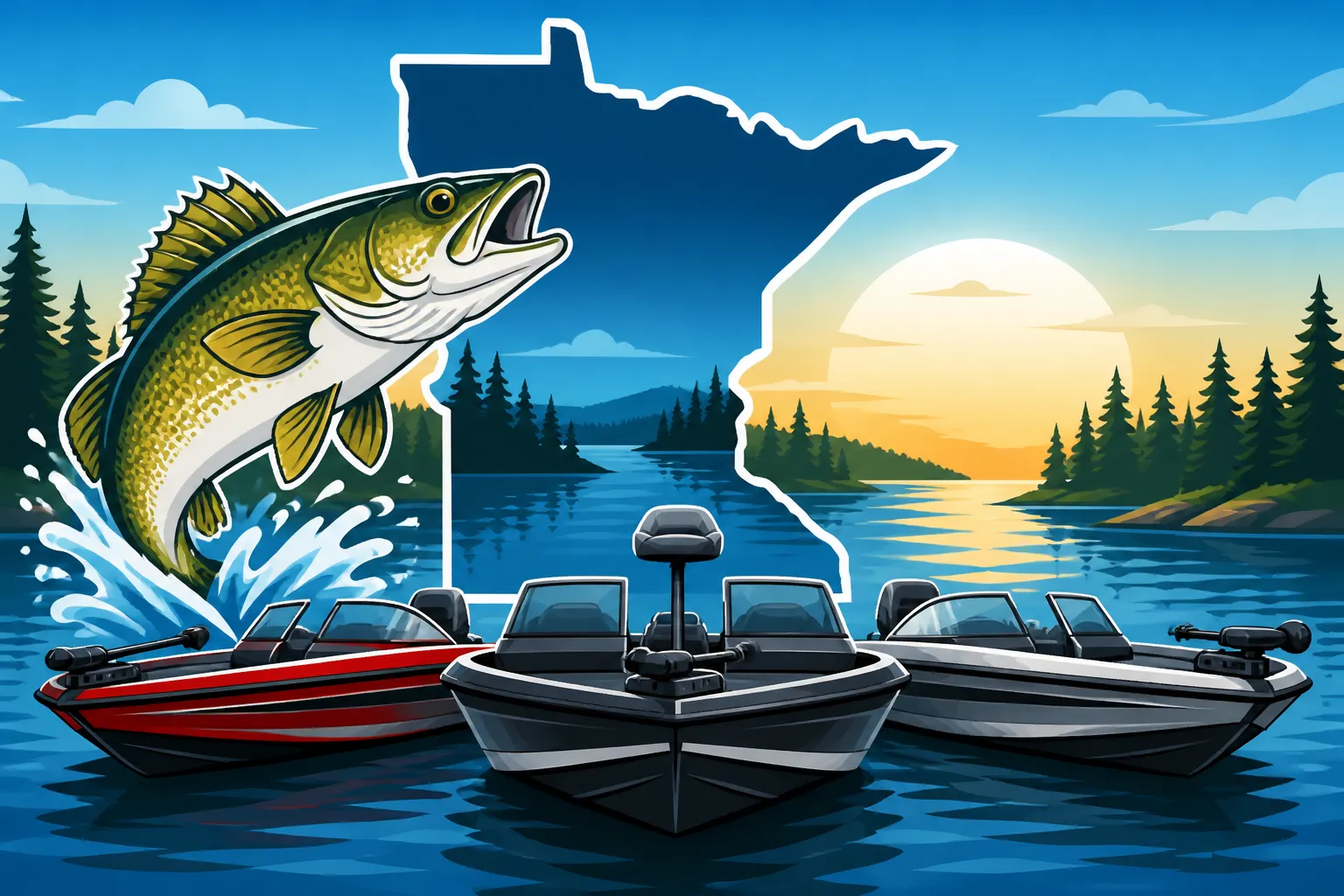
- Lund: Often considered the gold standard in Minnesota, Lund Boats, based right here in New York Mills, Minnesota, are iconic. Their IPS (Integrated Power Strake) hull design is famous for a smooth, stable ride and excellent maneuverability. Lund offers a huge range, from the versatile Impact and Crossover series to the legendary Pro-V models, which are tournament-ready machines. They are renowned for their fit and finish, robust construction, and angler-centric layouts. You'd be hard-pressed to find a serious Minnesota angler who hasn't either owned or dreamt of owning a Lund.
- Alumacraft: Another proud Minnesota-based company (St. Peter, MN), Alumacraft is a fierce competitor to Lund, known for its durable 2XB hull system, which features a double-plated bow for extra strength. Models like the Competitor, Edge, and Trophy series are popular choices, offering excellent stability, thoughtful layouts, and great value. Alumacraft boats are often praised for their spacious interiors and solid construction, making them a fantastic option for families and serious anglers alike.
- Crestliner: Based in Otsego, Minnesota, Crestliner is a major player known for its all-welded aluminum hulls, which some argue offer superior strength and integrity compared to riveted designs. Their Fish Hawk, Super Hawk, and Kodiak series are well-regarded for their open layouts, deep-V performance, and robust fishing features. Crestliner boats are built to withstand tough conditions and offer a secure, dry ride.
For a deeper dive into the nuances between these titans of aluminum boat building, you might find our article on Alumacraft vs Crestliner vs Lund: Aluminum Boats particularly insightful. Each brand brings its unique strengths to the table, and your personal preference for hull design, layout, and specific features will guide your choice.
Pros and Cons of Aluminum Boats
Like any choice, opting for an aluminum fishing boat comes with its own set of advantages and disadvantages. It’s important to weigh these carefully against your priorities.
Pros of Aluminum Boats:
- Durability and Resilience: They can withstand bumps, scrapes, and impacts with hidden underwater obstacles better than fiberglass. This makes them less prone to catastrophic damage from minor mishaps.
- Lighter Weight: Easier to tow, requiring a smaller tow vehicle, and more fuel-efficient on the road. Also simplifies launching, retrieving, and moving the boat around your property.
- Cost-Effective: Generally more affordable than comparable fiberglass boats, both in initial purchase and potential repairs.
- Shallower Draft: Their lighter weight often means they sit higher in the water, allowing access to shallower backwaters and minimizing prop damage in skinny water.
- Versatility: Many aluminum models are designed as multi-species boats, adaptable to various fishing techniques and conditions, making them a great all-around choice for Minnesota.
Cons of Aluminum Boats:
- Rougher Ride in Chop: While modern aluminum deep-V hulls have greatly improved, they typically don't cut through heavy waves as smoothly or quietly as heavier fiberglass boats. This can lead to a wetter, bumpier ride on big, windy days.
- "Tin Can" Sound: They can be noisier on the water, especially when hitting waves, sometimes described as a "tin can" effect. Some manufacturers have improved sound dampening, but it's still a common characteristic.
- Potential for Dents: While durable, aluminum can dent from significant impacts, which can be cosmetic or, in severe cases, affect hull integrity.
- Limited Customization: While layouts are excellent, the ability to mold complex shapes and highly customized features is more limited than with fiberglass construction.
- Less Stable at Rest (sometimes): While many modern designs are very stable, some older or smaller aluminum boats can feel a bit tippier at rest compared to wide-beamed fiberglass boats, especially with multiple anglers moving around.
Fiberglass Fishing Boats: Performance and Comfort
While aluminum boats are the undisputed champions of practicality, fiberglass rigs represent the pinnacle of performance, comfort, and often, luxury in the fishing world. For those who prioritize a smooth ride, speed, and refined features, fiberglass is often the material of choice.
When Fiberglass is the Right Choice
If you find yourself frequently fishing the expansive, sometimes unforgiving waters of Mille Lacs Lake Fishing Guide, Lake of the Woods, or even Lake Superior, a fiberglass fishing boat truly shines. Their inherent weight and hull design allow them to cut through heavy chop with remarkable smoothness, providing a drier and more comfortable ride even when conditions get gnarly. This means less pounding on your body and your gear, allowing you to fish longer and more effectively. The quietness of a fiberglass hull also translates to less water slap, which can be a real advantage in stealthy fishing situations.
Beyond comfort, fiberglass boats often deliver superior performance in terms of speed and handling. They're built for precision and can track beautifully, whether you're running wide open across a lake or making subtle adjustments with your trolling motor. If you're a tournament angler where every minute counts, or simply someone who appreciates the finer things in boating, the performance attributes of fiberglass are a major draw. Their molded construction also allows for incredibly intricate designs, built-in features, and sleek aesthetics that turn heads on the water.
Leading Fiberglass Boat Manufacturers
Just like with aluminum, a few key players dominate the fiberglass fishing boat market, each bringing their own engineering philosophy and reputation to the fore.
- Ranger Boats: A legendary name, particularly among bass and multi-species anglers, Ranger Boats are synonymous with quality, innovation, and an exceptional ride. Known for their "Ranger Ride" and incredibly stable platforms, models like the Ranger Reata and Fisherman series are popular for walleye and other species, while their Z-Comanche bass boats are revered by tournament pros. Rangers are meticulously crafted with attention to detail, offering superior fit and finish, advanced features, and often, impressive resale value.
- Skeeter Boats: Another highly respected brand, Skeeter produces high-performance fiberglass boats primarily for bass and walleye fishing. Their FX series bass boats and WX series multi-species boats are known for their speed, responsiveness, and ability to handle rough water. Skeeter is celebrated for its innovative hull designs that provide exceptional stability and a dry ride, making them a favorite among competitive anglers.
- Warrior Boats: Gaining significant traction in the Midwest, Warrior Boats are purpose-built for big-water walleye fishing. These boats are designed with an emphasis on ruggedness and handling rough conditions, often featuring deep-V hulls and high freeboard. Their V-series models are known for their incredibly stable and dry ride in heavy chop, making them a serious contender for anglers who frequently brave challenging waters.
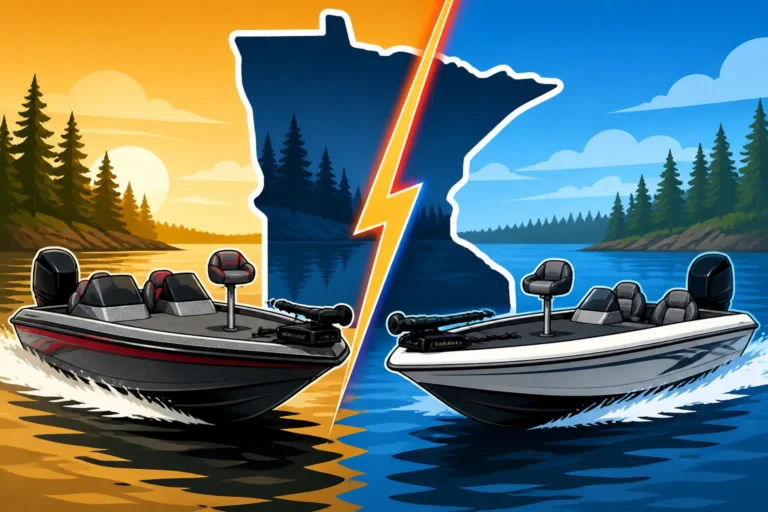
When comparing a fiberglass option like a Ranger to a top-tier aluminum boat, there are distinct differences that appeal to different priorities. Our article on Lund vs Ranger Fishing Boats provides an excellent comparative analysis if you're wrestling with that classic decision.
Pros and Cons of Fiberglass Boats
Understanding both the advantages and disadvantages of fiberglass construction is key to making an informed decision about this premium boat type.
Pros of Fiberglass Boats:
- Superior Ride in Rough Water: The heavier weight and hydrodynamically optimized hull designs of fiberglass boats allow them to cut through waves more smoothly, providing a drier and more comfortable ride in choppy conditions.
- Enhanced Stability: Generally, fiberglass boats, especially those designed for fishing, offer exceptional stability at rest, which is ideal when multiple anglers are moving around the deck or fighting a fish.
- Speed and Performance: Fiberglass hulls can be molded into incredibly efficient shapes, leading to higher top-end speeds and more precise handling, which can be a significant advantage in tournaments or covering large bodies of water.
- Quieter Operation: The density of fiberglass tends to absorb sound better, resulting in a quieter ride with less "slapping" noise from waves, which can be less disruptive to fish.
- Aesthetics and Customization: Fiberglass allows for complex curves, integrated components, and a high-gloss finish, often leading to a more aesthetically pleasing boat with more built-in features and customization options.
Cons of Fiberglass Boats:
- Higher Cost: Fiberglass boats are almost always more expensive than comparable aluminum models, both in initial purchase and potentially in insurance and repair costs.
- Heavier Weight: Their increased weight means they require a larger, more capable tow vehicle, consume more fuel when towing, and are harder to launch, retrieve, and store without assistance.
- More Susceptible to Damage: While strong, fiberglass can chip, crack, or suffer significant damage from impacts with rocks or stumps, which can be costly and complex to repair. Gel coat scratches are common.
- Maintenance: While the gel coat looks great, maintaining its shine requires regular waxing and polishing. Repairs often require specialized fiberglass work.
- Shallower Access Limitations: Due to their heavier weight and often deeper draft, fiberglass boats might struggle to access very shallow areas where lighter aluminum boats can easily go.
Specialty and Niche Fishing Boats for Minnesota
While multi-species aluminum and fiberglass boats dominate the Minnesota fishing scene, there are fantastic specialty options designed for specific purposes, budgets, or fishing styles. Sometimes, the best boat isn't the biggest or most expensive, but the one that perfectly fits a niche need.
Jon Boats and Utility Boats: Simplicity and Affordability
For the angler who prioritizes simplicity, affordability, and access to out-of-the-way spots, jon boats and utility boats are unsung heroes. These no-frills vessels are typically flat-bottomed or modified-V aluminum boats, designed to be lightweight, stable in calm water, and extremely durable. They're the kind of boats you might see duck hunters using or tucked away at a remote cabin on a small, quiet lake.
Their primary advantage lies in their shallow draft and rugged construction. You can easily navigate stump fields, rocky rivers, and extremely shallow backwaters where a deeper-V boat would be out of its element. They are often powered by small outboard motors or even electric trolling motors, making them very economical to operate. While they aren't built for speed or rough water, they excel at getting you to those hard-to-reach honey holes for panfish, northern pike, or river walleye. They're also incredibly easy to launch, retrieve, and store, often fitting into smaller garages or simply being parked on the side of a property. For those on a tight budget or with limited space, a jon boat or utility boat offers fantastic access to fishing without the hefty investment.
Fishing Kayaks and Canoes: Stealth and Accessibility
For a truly intimate fishing experience, where stealth and accessibility are paramount, fishing kayaks and canoes have exploded in popularity. These human-powered vessels allow you to slip silently into untouched coves, navigate narrow channels, and fish shallow, sensitive areas without disturbing the environment or the fish. They are the ultimate tools for minimalist anglers or those seeking to explore the quiet corners of Minnesota's vast waterways, including many no-motor or restricted-motor lakes.
Modern fishing kayaks, especially, are purpose-built for angling. They feature incredibly stable designs (often wide and with "tunnel" hulls), built-in rod holders, tackle storage, and sometimes even pedal drives (from brands like Hobie or Old Town) that allow for hands-free propulsion, leaving your hands free to cast. You can easily transport them on top of a car or in the bed of a truck, and launch them from almost any shoreline. For exploring smaller lakes, calm rivers, or even targeting specific species like smallmouth bass in rocky river stretches, a fishing kayak offers an unparalleled connection to the water. Our guide on Best Fishing Kayaks for Minnesota Lakes delves deeper into choosing the right one, and you can often find great options for these at retailers like Bass Pro Shops or even online through Amazon.
Pontoon Fishing Boats: Family Fun and Stability
Pontoons have come a long way from being just "party barges." Today's fishing pontoons offer incredible stability, vast deck space, and ample seating, making them an ideal choice for family-friendly fishing trips or for those who prioritize comfort and social angling. While they won't win any speed races and aren't designed for heavy chop, they excel in providing a stable platform for multiple anglers, especially kids or those with mobility challenges.
Many modern fishing pontoons come equipped with dedicated fishing features like swivel chairs, livewells, rod holders, and even built-in cutting boards. Their wide, flat decks are perfect for moving around comfortably, setting up multiple lines, or simply enjoying the scenery while waiting for a bite. If your primary goal is to get the whole family out on the lake, enjoy leisurely days, and do some casual fishing in a comfortable, safe environment, a pontoon is a fantastic option. They are particularly popular on medium to large inland lakes where a smooth, relaxed experience is more valued than high-performance angling.
Essential Boat Features and Rigging Considerations
Once you've narrowed down the type of boat, it's time to think about the crucial features that will truly make your fishing experience productive and enjoyable. The "bones" of the boat are important, but the "nervous system" and "organs" are what bring it to life on the water.
Livewells, Rod Storage, and Deck Layout
These three elements are the heart of any effective fishing boat. A well-designed livewell is paramount for keeping your catch healthy, whether you're practicing catch-and-release, participating in a tournament, or just planning to take fish home for the fryer. Look for insulated, aerated livewells with rounded corners to minimize stress on the fish. The capacity should match your typical catch size and legal possession limits.
Rod storage is often an overlooked feature until you've got rods scattered all over the deck, getting stepped on or tangled. Secure, easily accessible rod lockers, often lockable, are invaluable for protecting your expensive gear. Some boats offer in-floor storage, while others have side-wall tubes or vertical racks. Consider the length of your rods and how many you typically bring. Finally, the overall deck layout is critical for flow and function. Can multiple anglers cast comfortably without bumping into each other? Is there enough open space for landing fish? Are there dedicated areas for tackle storage, coolers, and other essentials? A thoughtful layout maximizes efficiency and minimizes frustration on the water.
Trolling Motors and Electronics
In modern Minnesota fishing, a high-quality bow-mount trolling motor and advanced electronics aren't just luxuries; they're essential tools that significantly increase your success. A good electric trolling motor, like those from Minn Kota (a Minnesota-based company!), allows for silent, precise boat positioning, whether you're creeping along a weedline, holding over a piece of deep structure, or navigating a tight cove. Features like GPS anchoring (e.g., Spot-Lock on Minn Kota models) have revolutionized boat control, allowing you to stay on a spot hands-free, even in wind and current. Understanding the differences between models like the Minn Kota Terrova vs Ulterra vs Ultrex can help you choose the right power and feature set for your needs.
Paired with a powerful trolling motor, modern fish finders and chartplotters are your eyes beneath the surface. Brands like Humminbird and Garmin offer incredible technologies like Side Imaging, Down Imaging, and even forward-facing sonar (e.g., Garmin LiveScope). These tools help you locate fish, identify structure, understand bottom contours, and navigate safely. Integrating these electronics effectively into your boat's console and bow area is crucial. Our guide on Best Fish Finders & Electronics for Minnesota Fishing offers a deep dive into choosing the right setup for your angling style and budget.
Outboard Motors: Horsepower and Reliability
Your outboard motor is the muscle of your fishing boat, responsible for getting you to your spots quickly and safely. Choosing the right horsepower is a balance between performance, fuel efficiency, and cost. While maxing out the horsepower rating for your boat usually provides the best performance, it also comes with a higher price tag and increased fuel consumption. For many recreational anglers, a motor in the middle of the boat's rated horsepower range offers a great balance.
Reliability is paramount, especially when you're miles from the nearest ramp. Top brands like Mercury, Yamaha, Suzuki, and Honda have built strong reputations for dependable outboards. Most modern outboards are four-stroke, offering quieter operation, better fuel economy, and lower emissions compared to older two-stroke models. Consider factors like warranty, dealer support in your area, and available features like power trim and tilt, remote steering, and fuel injection. A kicker motor (smaller secondary outboard) is also a popular addition for many Minnesota walleye anglers, offering quiet trolling, fuel efficiency at slow speeds, and a crucial backup in case your main motor experiences trouble.
Buying Your Fishing Boat: New vs. Used, Dealers vs. Private Sale
The journey to boat ownership involves a significant decision: whether to buy new or used, and from a dealer or a private seller. Each path has its own set of advantages and potential pitfalls, and understanding them will help you navigate the process with confidence.
The New Boat Experience: Perks and Pitfalls
Buying a new fishing boat is an exciting prospect. You get the latest technology, an unblemished hull, and the peace of mind that comes with a full manufacturer's warranty on the boat, motor, and often the trailer. Dealers typically offer various financing options, making the purchase more manageable, and they handle all the paperwork, registration, and initial setup. You get to customize your boat with your choice of electronics, trolling motors, and other accessories, ensuring it's rigged exactly to your specifications from day one. Reputable dealers, like those you might find at Bass Pro Shops, also provide excellent after-sales support, service, and parts availability.
However, the main pitfall is the cost. New boats come with a premium price tag, and like a new car, they experience significant depreciation the moment they leave the showroom. You're paying for that new smell, the latest features, and the warranty. If budget is a primary concern, the depreciation hit might make a new boat less attractive, even with all its perks. It's a balance between having the absolute latest and greatest with full factory backing versus getting more boat for your buck by going used.
Navigating the Used Boat Market
The used boat market can be a treasure trove for savvy buyers looking to maximize their investment. You can often get a larger, more fully equipped boat for the same price as a smaller, new entry-level model. The major depreciation hit has already occurred, so your investment holds its value better over time. However, this path also comes with higher risks. You're buying a boat with an unknown history, and potential hidden problems can quickly turn a "deal" into a money pit.
When looking at used boats, whether through a private seller on Facebook Marketplace or a used inventory at a dealership, thorough inspection is absolutely critical. Always check the hull for cracks, dents, or signs of extensive repair. Inspect the transom for rot (especially on older boats) and ensure the motor runs smoothly, starts easily, and shifts well. Ask for maintenance records, check the compression on engine cylinders, and inspect the trailer for rust, tire wear, and proper lighting. Don't be afraid to walk away if something feels off. Patience and due diligence are your best friends in the used boat market.
Pre-Purchase Inspections and Test Drives
No matter if you're buying new or used, from a dealer or a private party, a pre-purchase inspection and a test drive are non-negotiable steps. For a new boat, this is your opportunity to ensure everything is rigged correctly, all electronics are functioning, and there are no cosmetic flaws before you sign off. For a used boat, these steps are even more critical.
During the inspection, check every system: lights, bilge pump, livewell pumps, gauges, horn, and steering. If buying used, consider hiring a certified marine mechanic to perform a thorough engine inspection, including a compression test and diagnostic scan, especially for larger outboards. This small investment can save you thousands down the road. The test drive is where you assess the boat's on-water performance. Does the engine run smoothly at all RPMs? Does the boat track straight? Are there any unusual noises or vibrations? How does it handle in chop? Does the trolling motor work as expected? A good test drive will confirm if the boat truly meets your expectations and needs. Don't let excitement cloud your judgment; be thorough and realistic.
Maintenance and Ownership Tips for Minnesota Boaters
Owning a fishing boat in Minnesota isn't just about launching and fishing; it's about responsible stewardship and consistent care. Our state's unique climate and environmental concerns make certain maintenance practices not just good ideas, but absolute necessities.
Winterization and Storage
For any open-water boat in Minnesota, proper winterization is non-negotiable. Freezing temperatures can cause catastrophic damage to your engine, plumbing, and other systems if not prepared correctly. This typically involves stabilizing the fuel, fogging the engine cylinders, changing the lower unit oil, draining water from the livewell and bilge pumps, and ensuring all lines are clear. Batteries should be removed, cleaned, and kept on a trickle charger in a warm place. You can either perform this detailed process yourself if you're handy, or have a reputable marine service center do it.
Equally important is where and how you store your boat for the winter. Indoor storage, while more expensive, offers the best protection from the elements. If storing outdoors, invest in a high-quality, custom-fit cover that sheds snow and water, and ensures proper ventilation to prevent mold and mildew. Removing valuable electronics and personal items also deters theft. Skipping winterization or using inadequate storage can lead to expensive repairs come spring.
Routine Checks and Cleaning
Regular maintenance isn't just for major annual services; it's a continuous process that ensures reliability and longevity. Before each trip, do a quick visual inspection: check oil levels (if applicable), ensure prop is free of debris, and confirm trailer lights are working. After each trip, a thorough cleaning is highly recommended. Wash down the exterior to remove lake grime, bugs, and especially zebra mussel larvae. Clean out livewells and bilge areas to prevent odors and biological growth.
On a periodic basis, check your battery terminals for corrosion, inspect trailer tires for proper inflation and wear, and test your bilge pump and livewell pumps. Regularly check for loose fasteners, frayed wires, or anything that looks out of place. Keeping your boat clean and well-maintained not only extends its life but also makes it a more enjoyable and reliable vessel for countless fishing adventures.
Adhering to Minnesota Boating Regulations
Being a responsible Minnesota boater means staying informed and compliant with all state regulations. This includes ensuring your boat is properly registered with the Minnesota Department of Natural Resources (DNR), and that you have all required safety equipment on board, such as life jackets for every occupant, a fire extinguisher, a sound-producing device (whistle or horn), and navigation lights if operating after sunset. You can find comprehensive details on obtaining your Minnesota Fishing License: Cost, Types & How to Buy (2026) and understanding specific regulations for various species and seasons in our other guides, such as Minnesota Fishing Seasons & Opener Dates (2026).
One of the most critical aspects of Minnesota boating is adherence to Aquatic Invasive Species (AIS) Rules for Boaters. This is not just a suggestion; it's the law, and vital for protecting our precious waterways. Before leaving any body of water, you must clean all visible aquatic plants and prohibited invasive species from your boat, trailer, and fishing gear. You must drain all water from your boat, including the bilge, livewell, and baitwells. And you must keep your drain plug out while transporting your boat on public roads. These rules are in place to prevent the spread of devastating invasives like zebra mussels and Eurasian watermilfoil, and non-compliance carries significant penalties. By following these rules, you play a crucial role in preserving Minnesota's incredible fishing heritage for generations to come.
Disclaimer
Please remember that fishing regulations, boat requirements, and product specifications can change. Always consult the official Minnesota Department of Natural Resources (DNR) website for the most current rules and regulations before heading out on the water. Brand mentions are for informational purposes and do not constitute an endorsement. Always exercise caution and practice safe boating.