When Does Bass Season Open in Minnesota?
There’s nothing quite like the anticipation of bass season in Minnesota, is there? You’ve been dreaming of those explosive topwater strikes and powerful fights all winter, only to get confused when you start looking up dates. Is it open for catch-and-release already? Can I keep them, or do I have to wait? This split season can be a real head-scratcher, especially with new regulations sometimes coming into play. Don't worry, you're not alone in feeling a bit lost! This comprehensive guide is here to clarify exactly when bass season opens in Minnesota, both for catch-and-release and for harvest, so you can plan your fishing adventures without any last-minute surprises or accidental rule-breaking.
Decoding Minnesota's Bass Season: Catch-and-Release vs. Harvest
Minnesota’s bass fishing regulations are designed to provide anglers with ample opportunities while also protecting the fish during their most vulnerable periods. This means we have a two-tiered opening for bass, distinguishing between simply catching them for sport and keeping them for a delicious meal. It’s a system that works incredibly well to ensure healthy populations for years to come, but it does require a little understanding on our part as anglers.
The Statewide Catch-and-Release Bass Opener (Early Spring Excitement)
For many eager anglers, the statewide catch-and-release bass opener is like the unofficial start of spring fishing for these spirited fighters. Typically, this period begins on the same day as the statewide walleye and northern pike opener, which usually falls on the Saturday two weeks before Memorial Day weekend. For 2026, this means you can generally expect the catch-and-release bass season to kick off around Saturday, May 9th.
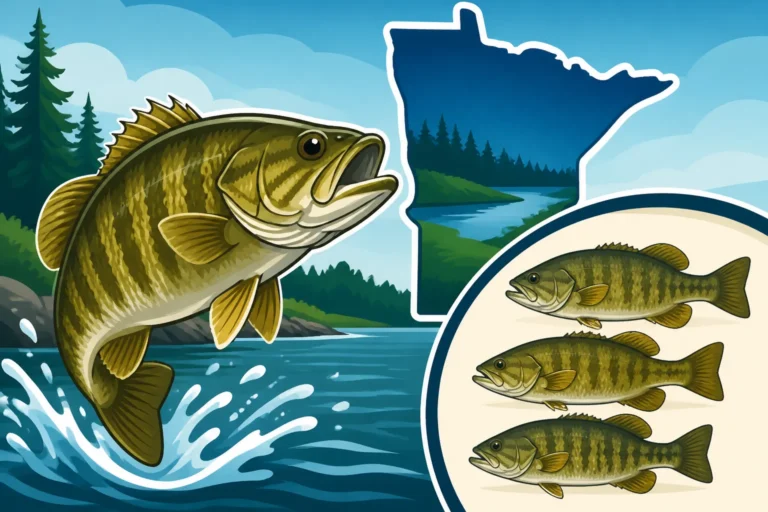
During this early season, you can cast your lines, target those aggressive pre-spawn and early-spawn bass, and enjoy the thrill of the fight. However, every bass you catch, whether it’s a monster smallmouth or a feisty largemouth, must be immediately returned to the water unharmed. This regulation is crucial for allowing bass to complete their spawning rituals without added stress or removal from their nests. Imagine you've been cooped up all winter, dreaming of that first big bass hit. You head out on a crisp May morning, the lake just shedding its icy memory. You find a shallow, sun-drenched bay, and wham! A beautiful largemouth smashes your spinnerbait. You get it to the boat, admire its vibrant colors, snap a quick photo, and gently release it back into the clear water. That’s the magic of the catch-and-release opener – pure sport, pure connection, and a promise to the fish that they’ll be there for another generation of anglers. It’s a fantastic opportunity to shake off the winter rust and hone your skills without impacting the spawning process. You can learn more about Minnesota Bass Season (New 2026 Catch-and-Release) for specific details.
When You Can Keep Your Catch: The Bass Harvest Season
While the catch-and-release opener offers great sport, there comes a time when many anglers want the option to keep a few bass for the frying pan. This is where the bass harvest season comes in, and it typically opens later, aligning with the general statewide fishing opener for many other species, usually the Saturday of Memorial Day weekend. So, for 2026, you can anticipate the harvest season for both largemouth and smallmouth bass to open around Saturday, May 23rd.
This delay isn’t arbitrary; it's a carefully considered conservation measure. By the time the harvest season opens, most bass in Minnesota's inland waters have had a chance to complete their spawning. This means that removing a few fish for consumption won't have as significant an impact on the overall reproductive success of the population. Think about planning a summer cabin trip to a lake in the Brainerd Lakes Area in late May. You've got the whole family, the grill is ready, and everyone's hoping for a fresh fish dinner. Knowing the harvest opener allows you to time your trip perfectly so you can not only enjoy the fantastic fishing but also bring home a couple of delicious bass to share. It's about striking that balance between angler enjoyment and ecological responsibility, ensuring that our lakes continue to be abundant. For a broader look at all the angling opportunities, check out the Minnesota Fishing Seasons & Opener Dates (2026).
Navigating Specific Dates and Regional Variations for 2026
While the general dates give you a good idea of when to expect the bass season openers, it's vital to remember that regulations can sometimes have nuances, and official dates are the ultimate authority. Always double-check with the Minnesota Department of Natural Resources (DNR) before heading out.
General Dates for Inland Waters
For the vast majority of Minnesota's inland lakes and rivers, the typical pattern described above holds true. The statewide regulations apply across these waters, ensuring a consistent approach to bass management.
Expected 2026 Minnesota Bass Season Dates (Inland Waters)
| Season Type | Expected Opening Date (2026) | Expected Closing Date (2026) | Key Rule |
|---|---|---|---|
| Catch-and-Release | Saturday, May 9th | Friday, May 22nd | All bass caught must be immediately released. |
| Harvest Season | Saturday, May 23rd | Last day of February 2027 | Daily & possession limits apply (e.g., 6 total). |
Note: These dates are based on typical DNR patterns and should be confirmed with the official Minnesota DNR fishing regulations for 2026 when they are released.
It’s easy to get caught up in the excitement of a new fishing season, but a quick check of the official DNR regulations each year is non-negotiable. While these dates are highly probable, slight adjustments can occur. You don't want to be the angler who thinks they're doing everything right, only to find out a minor change in the rules has put you on the wrong side of the law. Keeping an eye on any Minnesota Fishing Regulations Changes for 2026 is always a smart move.
Border Water Rules: When State Lines Change Everything
One of the trickiest parts of fishing in Minnesota, especially if you live near the edges of the state, is dealing with border water regulations. Lakes and rivers that form a boundary with another state or country often have their own unique set of rules, which can differ significantly from Minnesota's inland water regulations. These aren't just minor tweaks; sometimes the seasons, limits, and even allowed gear can be entirely different.
Consider the Mississippi River, particularly the stretches that border Wisconsin. Wisconsin's bass season might open earlier or later, or have different length and possession limits. The same goes for the St. Croix River. Even Lake Superior, shared with Wisconsin and Michigan, has its own complex set of rules, often managed by a multi-state or provincial agreement, where fish like smallmouth bass are treated with specific, often more conservative, regulations. Then there’s the international border with Ontario, Canada, on waters like Rainy Lake or Lake of the Woods. These international waters also have their own regulations, which you must adhere to, depending on which side of the invisible line you're fishing. If you're planning a trip to these fantastic but often complex areas, researching Border Water Fishing Rules (Minnesota-Ontario, Wisconsin) is an absolute must. You need to know if you're fishing under Minnesota's jurisdiction or that of a neighboring state or province. Failing to do so can lead to hefty fines and a ruined fishing trip, even if you had the best intentions.
The Conservation Story: Why Minnesota Protects Spawning Bass
The split bass season in Minnesota isn't about making things complicated for anglers; it's a calculated strategy rooted in sound fisheries management and a deep commitment to conservation. It's all about ensuring that the vibrant bass populations we enjoy today continue to thrive for future generations.
Spawning Cycles and Vulnerability
Both largemouth and smallmouth bass have distinct spawning cycles that occur in late spring and early summer in Minnesota. Largemouth bass typically spawn when water temperatures reach the mid-60s Fahrenheit, often in shallow, weedy areas. Smallmouth bass prefer rockier bottoms and spawn at similar temperatures. During this period, male bass build nests, typically in shallow water, and guard the eggs and newly hatched fry aggressively. They become incredibly territorial and will strike at almost anything that approaches their nest, making them relatively easy to catch.
This aggressive, nest-guarding behavior makes them highly vulnerable to angling pressure. If an angler catches a male bass guarding a nest and removes it from the water, even for a short time, predators like sunfish, crappies, or other opportunistic fish can quickly move in and devour the eggs or fry. Even if the male is released, the disruption can sometimes lead to nest abandonment. By delaying the harvest season until later in May or early June, the Minnesota DNR provides a critical window for bass to complete their spawning and for the young-of-the-year fish to disperse from the nests, significantly increasing their survival rates. This protective measure, combined with practicing Catch and Release Best Practices in Minnesota during the early season, contributes greatly to the health of our fisheries.
Ensuring Healthy Bass Populations for Future Generations
The benefits of this conservation-focused regulation are clear: healthier, more robust bass populations. By protecting bass during their spawning period, Minnesota helps ensure a consistent recruitment of young bass into the system each year. This, in turn, leads to more stable populations, a higher likelihood of encountering larger, trophy-sized bass, and generally better fishing experiences for everyone.
Think about the world-class smallmouth bass fishing available on lakes like Mille Lacs. While Mille Lacs has its own specific regulations, the underlying principle of protecting spawning fish contributes to its reputation as a premier bass fishery. Without these protective measures, it would be far too easy for anglers to inadvertently deplete a generation of bass, leading to a noticeable decline in fishing quality within just a few years. It's a testament to long-term planning and understanding the ecological needs of these magnificent fish, allowing anglers to enjoy plentiful opportunities for years to come. This commitment to sustainable fishing is part of what makes Minnesota the "Land of 10,000 Lakes" a true angler's paradise.
Maximizing Your Bass Fishing Opportunities in Minnesota
Knowing when the bass season opens, both for catch-and-release and for harvest, empowers you to plan your outings strategically. Each period offers unique challenges and rewards, and by adapting your tactics, you can maximize your success throughout the spring and early summer.
Tactics for Early Catch-and-Release Success
During the early catch-and-release season, which usually starts around May 9th, bass are often in their pre-spawn or early-spawn phases. They might be staging on secondary points near spawning flats, seeking warmer water, or actively on beds. This means slower, more deliberate presentations are often key. Soft plastics like Texas-rigged worms, Senkos, or creature baits worked slowly along the bottom can be incredibly effective. Spinnerbaits retrieved slowly through submerged cover can also draw strikes from aggressive fish.
Think about areas that warm up quickly, like shallow, dark-bottomed bays, channels, or protected coves with some emergent vegetation. These spots will attract bass looking for comfortable water and potential spawning grounds. Precision casting to visible cover or likely staging areas is crucial. Since you're not keeping fish, focus on enjoying the fight and practicing careful handling to ensure a healthy release. These early season opportunities are fantastic for those who relish the hunt and the challenge of enticing a bite. For more ideas on how to target them, explore various Bass Fishing Techniques for Minnesota Lakes.
Post-Spawn and Summer Strategies for Harvest Season
Once the harvest season opens, typically around May 23rd, bass patterns start to shift as they move into their post-spawn recovery and then into their summer haunts. They become more scattered and often relate to deeper structure or dense cover as water temperatures rise. This is when you can start to incorporate more aggressive tactics and faster retrieves. Crankbaits, jigs, and topwater lures become highly effective.
Look for bass relating to offshore humps, weed lines, rock piles, and submerged timber. Early mornings and evenings can be prime for topwater action, using lures like poppers, frogs, or walking baits to draw exciting blow-ups. During the heat of the day, pitching jigs or flipping creature baits into thick cover can produce big bites. If you're looking for where to find some of the best bass action once harvest season is in full swing, you might want to consult a guide like Best Bass Lakes in Minnesota. Don't forget, mastering specific presentations, like using Topwater Bass Fishing in Minnesota tactics, can be incredibly rewarding during this time.
Important Reminders for Every Angler
Beyond just knowing the dates, being a responsible and successful angler in Minnesota means always staying informed and respecting the regulations. The rules are there to protect the resource we all love, and a little diligence goes a long way.
Always Consult the Official Minnesota DNR Regulations
I can't stress this enough: while this guide provides general information and expected dates, the official Minnesota DNR Fishing Regulations are the ultimate source of truth. Regulations can change annually due to biological assessments, environmental factors, or public input. Always, always, get your hands on a current copy of the regulations booklet, either in print from a license vendor or by downloading the PDF from the DNR website. It’s your responsibility as an angler to know and follow the rules. This ensures you're fishing legally and contributing to the sustainability of Minnesota's incredible fishing heritage. You can often find the Minnesota Fishing Regulations PDF: Where to Find It online for easy access.
Understanding Your Specific Lake's Regulations
While statewide regulations provide a baseline, many individual lakes in Minnesota have special or experimental regulations that supersede the general rules. These might include specific slot limits (e.g., all bass between 14-18 inches must be immediately released), reduced possession limits, or even catch-and-release only rules for certain species or entire lakes. These lake-specific rules are often implemented to address unique population dynamics, protect trophy fisheries, or rebuild struggling stocks.
Before you head to a new lake, or even one you haven't fished in a while, take a few minutes to check its specific regulations. These are clearly listed in the DNR regulations booklet, often in a dedicated section by county or lake name. Imagine landing a gorgeous 17-inch smallmouth, only to realize the lake has a 14-18 inch slot limit, meaning you had to release that perfect fish you thought you could keep! It's frustrating, but completely avoidable with a quick check. Knowing about Minnesota Slot Limits: Which Lakes & Why is crucial, as is understanding general rules like How Many Lines Can You Fish in Minnesota?. Being informed is the best way to ensure an enjoyable and lawful day on the water.
Disclaimer
Please note that fishing regulations are subject to change. While this guide provides information based on current patterns and expected dates for 2026, it is imperative to consult the official Minnesota Department of Natural Resources (DNR) fishing regulations for the most accurate and up-to-date information before engaging in any fishing activity. Always verify specific dates, limits, and rules for the body of water you intend to fish.