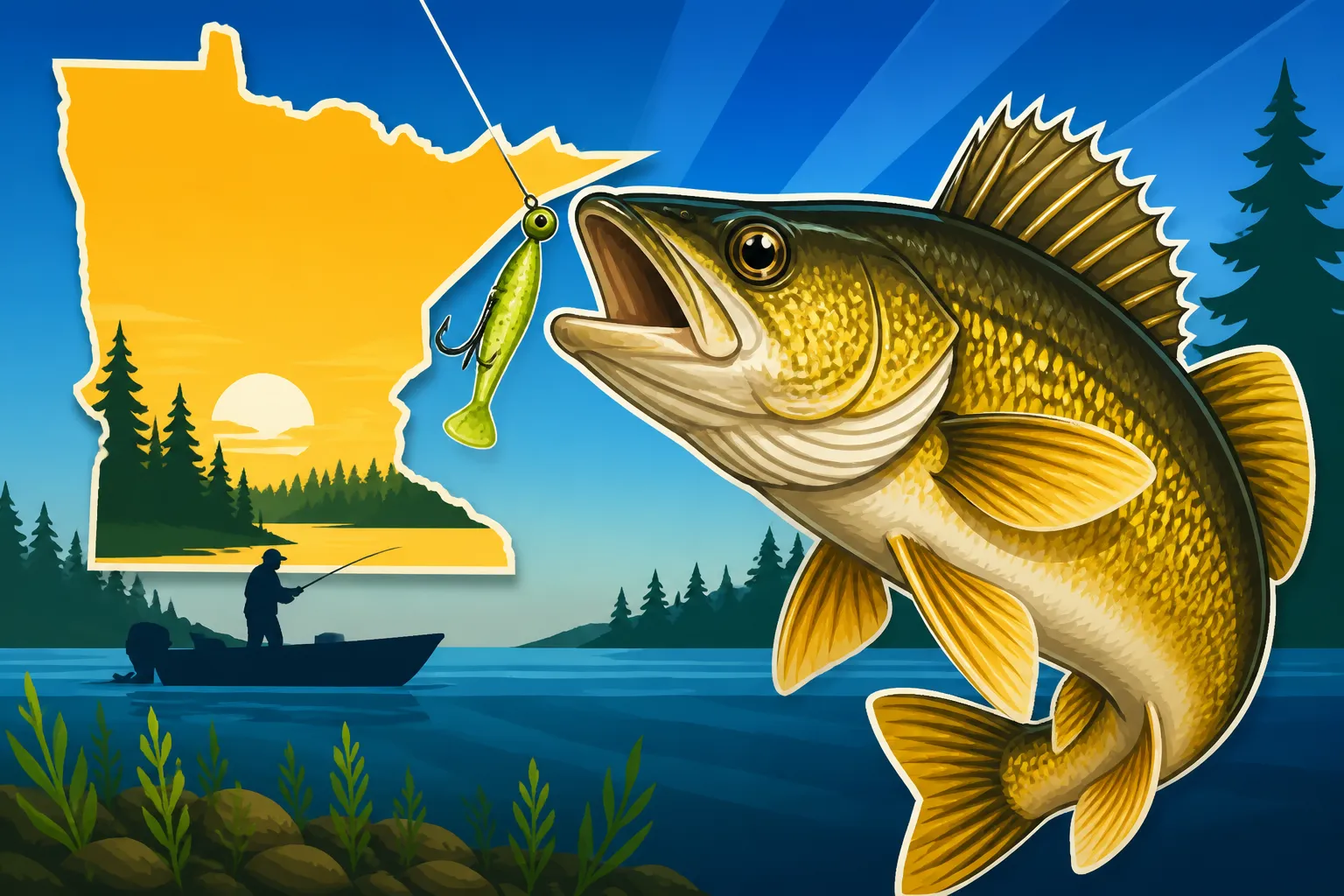
How to Catch Walleye in Minnesota
It's a familiar scene for so many of us in Minnesota: you've got your gear ready, you're out on the water (or ice), and you know walleye are in there somewhere, but for the life of you, you just can't get them to bite. It’s frustrating when you put in the time and effort only to come up short. If you're tired of guessing and want to consistently put Minnesota walleye in the boat (or on the ice), this comprehensive guide is for you. We're going to break down exactly how to target and catch these elusive, delicious fish, giving you the real-world strategies that veteran anglers use every day.
Understanding the Walleye's World in Minnesota
Walleyes are Minnesota's state fish for a reason – they're sought after, they're challenging, and they're incredibly rewarding when you finally figure them out. But to catch them, you first need to understand them. These aren't just any fish; they have distinct habits and preferences that, once you learn to recognize, will drastically improve your success rate on any of our beautiful lakes and rivers.
Light Sensitivity and Feeding Habits
Walleyes are notoriously light-sensitive. Their large, reflective eyes are designed to see in low-light conditions, giving them a significant advantage over their prey during dawn, dusk, and even completely dark nights. This is why you often hear about the "walleye chop" – a bit of wave action on the surface that breaks up the light penetration, making walleye feel more comfortable moving into shallower feeding areas during the day. On bright, calm days, they'll typically retreat to deeper, darker waters or seek cover under heavy structure.
Their feeding habits are also influenced by available forage. In lakes abundant with tullibee or cisco, walleye might suspend over deeper water, chasing baitfish schools. In lakes with more perch or minnows, they'll stick closer to the bottom, often ambushing prey near structure. Understanding what they're likely eating on a particular lake is key to selecting the right bait and presentation. They're opportunistic predators, but they can also be incredibly finicky, sometimes preferring a slow, subtle presentation, while other times aggressively chasing down fast-moving lures.
Preferred Habitat and Structure
Walleyes are structure-oriented fish. They love edges, breaks, humps, points, and anything that provides a transition in depth or cover. Think of it from their perspective: structure offers ambush points for prey, protection from predators, and a comfortable place to hang out away from bright light. In Minnesota, this could mean anything from rocky reefs in a massive lake like Mille Lacs to submerged weed lines in a shallower basin lake.
During different seasons, their preferred depth and specific type of structure will change. In spring, after the spawn, they'll often be shallower, relating to warmer waters and new weed growth. As summer progresses, many walleye move to deeper main-lake humps, rock piles, and distinct drop-offs. Come fall, they might transition back to shallower feeding flats before moving to even deeper basins for winter. Knowing how to interpret a lake map and identify these key structural elements is a critical skill for any serious walleye angler.
Essential Gear and Bait for Minnesota Walleye
You don't need a tackle shop's worth of gear to catch walleye, but having the right tools for the job certainly makes a difference. From your rod and reel setup to the baits you tie on, choosing wisely can turn a slow day into a memorable one.
Rod and Reel Combinations
For walleye, a medium-light to medium power spinning rod, typically 6'6" to 7'6" in length, is a fantastic all-around choice. This rod action provides enough backbone to set the hook firmly but has a soft enough tip to detect subtle bites. A fast or extra-fast action rod is usually preferred for jigging, allowing for quick hooksets. For trolling, a slightly softer, moderate-fast action rod can be beneficial, absorbing the shock of a strike and preventing hooks from pulling out.
Pair your rod with a reliable spinning reel in the 2000-3000 size range. This size offers a good balance of line capacity and smooth drag. Brands like Shimano and Daiwa are popular choices among serious anglers, known for their durability and consistent performance. Spool your reel with 6-10 pound test braided line, which offers superior sensitivity and casting distance. To this, add a 6-10 pound fluorocarbon leader (around 3-6 feet long) for its invisibility in the water and abrasion resistance. Braided line will help you feel even the lightest tap, while the fluorocarbon leader disappears, making your bait look more natural. If you're looking for recommendations, our guide on the Best Walleye Rod for Jigging or the Best Walleye Rod for Trolling can help narrow down your choices.
Lures and Live Bait Options
When it comes to lures, the options are endless, but a few standbys consistently produce walleye in Minnesota. Jigs are arguably the most versatile, especially when tipped with live bait like minnows or leeches. Consider jigs in 1/8 to 3/8 ounce sizes, with colors like chartreuse, orange, white, and natural baitfish patterns being very effective. Jigging for Walleye: Jig & Minnow Basics is a great resource if you're new to this technique.
Crankbaits are another powerhouse, particularly for trolling or casting over expansive flats. Shad Raps, Flicker Shads, and Husky Jerks are iconic choices that mimic baitfish and dive to various depths. The specific model and size you choose will depend on the depth you're targeting and the water temperature. Trolling for Walleye: Crankbaits & Leadcore goes into much more detail on how to effectively use these. Spinner rigs, often referred to as "crawler harnesses," are deadly when pulled slowly behind a bottom bouncer, especially in summer. They present a tempting nightcrawler, combined with flash and vibration, irresistible to hungry walleye.
However, don't underestimate the power of live bait. In many situations, particularly when walleye are finicky, live bait is king. Minnows (shiners, fatheads, rainbows) are fantastic for jigging or under a slip bobber. Leeches are a summer favorite, especially on a Lindy Rig or slip bobber, known for their lively action. Nightcrawlers are excellent on spinner rigs or simply drifted on a plain hook. Check out our detailed guide on the Best Live Bait for Walleye (Leeches, Minnows, Crawlers) for more insights on when and how to use each.
Top Techniques for Walleye Fishing
Now that you understand where walleye live and what gear to use, let's talk about the "how." Minnesota anglers have perfected several techniques over the years, each suited to different conditions and preferences. Mastering a few of these will make you a much more adaptable and successful angler.
Jigging Presentations
Jigging is perhaps the most fundamental walleye fishing technique, and it's incredibly effective year-round, including through the ice. The beauty of jigging is its versatility; you can vertical jig directly over fish you mark on your electronics, or cast and retrieve to cover broader areas.
When vertical jigging, the goal is to keep your jig just above the fish or structure. A subtle lift-drop motion, barely moving the jig off the bottom, is often all it takes. Sometimes a more aggressive snap-jigging approach can trigger a reaction strike, especially when fish are more active. Always be mindful of line slack; most walleye bites are incredibly subtle, feeling like a slight "tick" or just added weight. You might not even feel a classic "thump" – often, your line will just go slack, or you'll feel pressure.
Casting jigs allows you to cover weed lines, shallow flats, and shorelines. Cast your jig out, let it sink to the bottom, and then use a series of short hops, drags, or sweeps to bring it back. Vary your retrieve until you find what the walleye prefer that day. Tipping your jig with a live minnow, a gulp minnow, or a soft plastic grub can significantly increase your bites.
Trolling Strategies
Trolling is a highly efficient way to cover large expanses of water and find active walleye, especially on bigger lakes or when fish are scattered. It involves dragging lures behind a boat at a specific speed, covering different depths and structures.
The most common trolling method involves crankbaits. Matching the diving depth of your chosen crankbait to the depth where walleye are holding is crucial. Speed is another critical factor; walleye often prefer crankbaits trolled between 1.5 and 2.5 mph, but sometimes a slight speed increase or decrease can make all the difference. Experiment with different colors and sizes until you find a pattern. You can use planer boards to spread out your lines and cover a wider trolling path, especially when targeting walleye relating to open water baitfish schools.
Another effective trolling strategy is using spinner rigs (crawler harnesses) with bottom bouncers. This setup is excellent for covering depths from 10 to 30 feet and effectively presents live nightcrawlers. The bottom bouncer keeps your bait near the lakebed without snagging as much as a traditional weight, while the spinner adds flash and vibration. Trolling speed for bottom bouncers and crawlers is typically slower, around 0.8 to 1.5 mph. If you want to dive deeper into techniques, our comprehensive guide on Walleye Fishing Techniques: Complete Minnesota Guide can provide even more insights.
Slip Bobber Fishing
For those days when walleye are holding in specific areas, especially around weed edges, rock piles, or submerged timber, slip bobber fishing is an exceptionally effective and often overlooked technique. It allows for a very natural, controlled presentation of live bait at a precise depth.
A slip bobber rig consists of a bobber stop (a small piece of string or rubber that slides on your line), a bead, the slip bobber itself, a weight (split shot or a small bullet sinker), and a hook. The beauty of the slip bobber is that you can set your bait to suspend at any depth, from just a few feet under the surface to 30 feet down, simply by adjusting the bobber stop. This is perfect for targeting walleye that might be suspending off the bottom or holding tight to structure where direct jigging might get snagged.
Typically, you'll bait a small jig or a plain hook with a lively leech, minnow, or a piece of nightcrawler. Cast it out, let the weight pull your line through the bobber until the bobber stop hits the bobber, and your bait will be presented at the desired depth. Watch the bobber closely; a walleye bite can be a subtle dip, or the bobber might simply lay flat. This technique is often more relaxing and very productive when walleye are feeding tentatively. Learning how to Use a Slip Bobber for Walleye & Crappie is a game-changer.
Seasonal Strategies and Prime Locations
Walleye patterns change dramatically with the seasons in Minnesota. What worked in May won't necessarily work in August. Understanding these transitions is crucial for consistent success.
Spring Walleye Fishing After the Opener
Ah, the Minnesota Walleye Opener! It's practically a holiday around here. After the ice melts and the spawning ritual is complete, walleye are often hungry and somewhat predictable. They'll typically be found in shallower waters, often in bays, points, or river mouths that warm up fastest. Look for them in depths of 5 to 15 feet, especially near new weed growth or rocky transitions.
During this post-spawn period, water temperature is a major factor. Focus on the warmest waters available. Jigging with a minnow or slow-trolling shallow-diving crankbaits are highly effective methods. They're recovering from the spawn and often looking for an easy meal. This is a prime time to catch good numbers of fish, sometimes even from shore in certain areas. To truly excel right after the ice-out, make sure you're up to date on the specific regulations, as they can sometimes change annually. Our guide on Early Season Walleye After the Opener will provide more granular advice.
Summer Walleye Patterns
As summer progresses and water temperatures rise, walleye often make a significant move to deeper, cooler water. This is when main-lake humps, deep rock piles, mid-lake points, and expansive mud flats become prime real estate. Walleyes will use these structures as their summer homes, moving up to the tops of humps or edges of flats to feed during low light and retreating to deeper breaks during the day.
Targeting these deep structures requires a good fish finder. Look for "bait balls" and individual fish arches on your electronics. Trolling crankbaits with leadcore line to get them deep enough, or employing bottom bouncers with spinner rigs, are classic summer tactics. Jigging spoons or heavy jigs can also be effective when fish are concentrated. On some of our larger lakes, like Leech Lake or Lake of the Woods, fish will often suspend over open water, chasing schools of cisco or tullibee, which means you need to adjust your presentation to match their depth. Our article on Summer Walleye Patterns: Deep Structure offers deeper insights.
Fall and Winter Walleye
Fall walleye fishing can be phenomenal as the fish gorge themselves in preparation for winter. As water temperatures cool and lakes undergo "turnover," walleye will often move back to shallower flats and points before eventually settling into deeper basin areas. This can be a time for trophy fish, as they are actively feeding. Trolling large crankbaits and jigging with larger minnows (like redtails) are excellent strategies.
Once the ice sets in, walleye fishing takes on a whole new dimension. They're still active, and with the right approach, you can have incredible success. Ice fishing for walleye often involves jigging with spoons or specialized ice jigs tipped with minnow heads, or setting up deadsticks with live minnows. Look for deep weed edges, humps, and structural elements similar to fall fishing. Your approach will depend heavily on whether you're in a heated portable shelter or a more permanent ice house. For those who love the hard water, don't forget to check out our guide on How to Catch Walleye Through the Ice in Minnesota.
Finding Prime Minnesota Walleye Lakes
Minnesota boasts an incredible array of walleye lakes, each with its unique characteristics. Some of the most famous destinations include:
- Lake of the Woods: Known as the "Walleye Capital of the World," this massive border water offers year-round opportunities, from river mouths to vast open water.
- Mille Lacs Lake: A true trophy walleye factory, famous for its mud flats and rock reefs. While regulations can be complex here, the potential for big fish is always present. You can learn more about its specific rules in our Mille Lacs Walleye Regulations (2026) guide.
- Leech Lake: Renowned for its abundant walleye and classic structure, offering fantastic jigging and trolling experiences.
- Lake Vermilion: A beautiful, expansive lake with a mix of deep rocky structure and weed lines, holding both walleye and trophy muskie.
- Upper Red Lake: A shallower, fertile lake known for its incredible walleye numbers, particularly popular for ice fishing.
Beyond these giants, countless other lakes across the state, from the Brainerd Lakes Area to the Detroit Lakes Area, offer outstanding walleye fishing. Always consult the Minnesota DNR's fishing regulations for specific lake limits and special regulations before heading out. And remember, knowing the current Minnesota Fishing Seasons & Opener Dates (2026) is always a good starting point. For a broader look, our Best Walleye Lakes in Minnesota article is a great read.
| Technique | Ideal Conditions | Preferred Bait/Lures | Key Considerations |
|---|---|---|---|
| Jigging | Varying depths, structure, slow bite | Jigs (1/8-3/8 oz), Minnows, Soft Plastics | Feel for subtle bites, vertical or cast-and-retrieve. |
| Trolling Crankbaits | Large open water, active fish | Shallow-to-deep diving crankbaits | Speed, lure depth matching fish depth, planer boards. |
| Bottom Bouncing | Moderate depths (10-30 ft), bottom-oriented fish | Crawler harnesses, nightcrawlers | Slow boat speed, keeping bouncer on bottom, feel for taps. |
| Slip Bobber | Concentrated fish, specific depth | Leeches, Minnows, Nightcrawlers | Precise depth control, light tackle for delicate bites. |
No matter which lake you choose or what time of year you go, always remember that persistence and adaptability are your best friends when targeting walleye. Sometimes, it’s about changing one small thing—a lure color, a trolling speed, or the depth of your presentation—that makes all the difference.
Final Thoughts on Your Walleye Journey
Catching walleye in Minnesota is more than just a pastime; it's a deep-rooted tradition, a connection to the natural beauty of our state, and a constant learning experience. It’s okay to have days where the fish just aren't biting; every angler, no matter how seasoned, experiences them. But by understanding their behavior, equipping yourself with the right gear, and deploying proven techniques, you'll dramatically increase your odds of success.
Remember to always fish responsibly, respect our natural resources, and adhere to all Minnesota Fishing Limits: Bag & Possession. Practice catch and release when appropriate, especially for larger breeding fish, to ensure these incredible fisheries remain healthy for generations to come. The journey of becoming a successful walleye angler in Minnesota is a rewarding one, full of beautiful sunrises, exciting battles, and, eventually, a delicious meal. Keep learning, keep experimenting, and most importantly, keep enjoying your time on the water.
Disclaimer
Fishing regulations, seasons, and limits are subject to change. Always consult the current Minnesota Department of Natural Resources (DNR) fishing regulations handbook or website before heading out on the water. This guide is for informational purposes only and does not constitute legal advice regarding fishing regulations.