How to Fish Crankbaits for Walleye
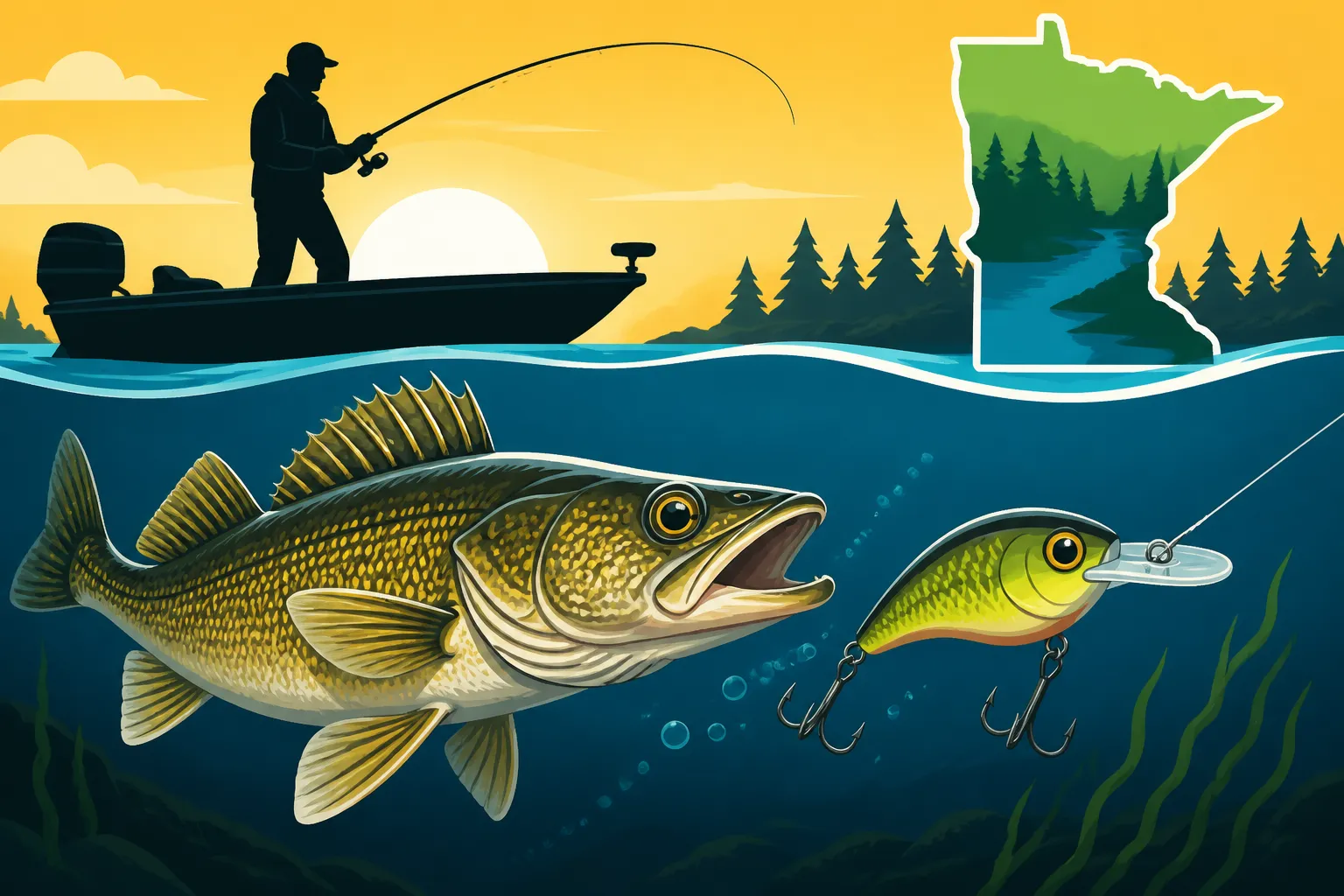
Trying to pin down elusive walleye, especially when they're scattered across vast lakes or holding in unexpected depths, can feel like a never-ending puzzle. It's frustrating to run your usual jig-and-minnow patterns only to come up empty, leaving you wondering how to cover more water and present something truly enticing. This comprehensive guide is here to unravel the mystery of fishing crankbaits for walleye, showing you how these versatile lures can be your secret weapon for finding and catching more fish in Minnesota's diverse waters.
Why Crankbaits Are a Walleye Angler's Best Friend
Crankbaits are often seen as a trolling tool, but their versatility goes far beyond that. They’re fantastic for covering water, mimicking baitfish, and triggering aggressive strikes from walleye that might ignore other presentations. If you've ever felt like you're only catching the "easy" fish, crankbaits can help you unlock a whole new dimension of walleye fishing, allowing you to adapt to changing conditions and fish behavior.
The Allure of Artificial Presentation
Think about it: walleye are predators, constantly on the lookout for an easy meal. Crankbaits, with their vibrant colors, erratic wobbles, and sometimes built-in rattles, perfectly imitate the distressed movements of a baitfish. This natural-yet-provocative action can trigger an instinctual strike, even when walleye aren't actively feeding. Unlike live bait, which can be delicate or require constant tending, a crankbait is ready to go, cast after cast, troll after troll. This means you spend more time presenting an attractive lure to fish and less time rebaiting. Plus, the sheer variety available, from subtle to aggressive, silent to rattling, means you can fine-tune your presentation to match the mood of the fish and the conditions of the water.
When Crankbaits Shine Brightest
Crankbaits truly come into their own when walleye are active and feeding, but they're also indispensable for searching. If you're on a big lake like Leech Lake or Lake of the Woods and need to locate scattered schools of fish, trolling crankbaits allows you to systematically explore large areas of water, covering multiple depth ranges and breaking through unproductive zones quickly. They're also superb when walleye are suspended in the water column, perhaps chasing schools of tullibee or perch in open water. During the post-spawn period or late summer, when fish are more spread out and aggressive, a well-placed crankbait can be far more effective than trying to pinpoint individual fish with vertical presentations. When the sun is high and fish are deeper, a deep-diving crankbait trolled along a breakline can often outfish a jig. You can learn more about general walleye tactics in our Walleye Fishing Techniques: Complete Minnesota Guide.
Decoding Crankbait Types and Selection
Stepping into a tackle shop and seeing the dizzying array of crankbaits can be overwhelming. There are so many shapes, sizes, colors, and dive curves that it’s easy to feel lost. But understanding a few key characteristics will help you make informed choices and build a versatile arsenal. It's not about having every single one, but having the right ones for the situation.
Dive Deep or Stay Shallow: Understanding Lip and Profile
The most noticeable feature on a crankbait is its lip, or bill. This little piece of plastic (or sometimes metal) is the engine that dictates how deep the lure will dive and what kind of action it will have.
- Shallow-diving crankbaits typically have small, short lips that are nearly perpendicular to the body. These are your go-to for working weed edges, shallow flats, around docks, or over submerged rock piles in 2-8 feet of water. Their shallower dive means they won't constantly snag in heavy cover, making them ideal for casting presentations in skinny water.
- Medium-diving crankbaits feature a larger, more angled lip, allowing them to reach depths of 8-15 feet. These are incredibly versatile, excellent for trolling along breaklines, fishing points, or exploring humps. They strike a great balance between depth and manageability for both casting and trolling in moderate depths.
- Deep-diving crankbaits are characterized by their long, prominent, often steeply angled lips. These are designed to get down deep, often 15-30+ feet or even more with sufficient line out, making them essential for open water trolling or when walleye are holding tight to deep structure during mid-summer.
Beyond the lip, consider the body profile. Slender, minnow-shaped crankbaits are perfect for mimicking shiners or smelt, while fatter, more rounded profiles replicate perch or other panfish. You can often find a good selection of various diving depths and profiles on platforms like Amazon.
Color Theory and Walleye Preferences
Ask ten walleye anglers about their favorite crankbait color, and you'll likely get ten different answers. While personal preference and confidence play a role, there are some general guidelines based on water clarity and light conditions.
- Natural Patterns: In clear water, especially on lakes like Vermilion or Gull Lake, walleye often prefer natural forage patterns. Think subtle silver and black (shiner), gold and black (perch), or dark green and white (smelt). These colors blend in and don't spook wary fish. Match the predominant baitfish in the lake you're fishing.
- Bright and Bold Patterns: When the water is stained or murky, or during low light conditions like dawn, dusk, or overcast days, bright and contrasting colors can be incredibly effective. Firetiger (bright green, yellow, orange), chartreuse, and hot pink stand out in reduced visibility, making it easier for walleye to see and track the lure. Sometimes, even in clear water, a "reaction strike" can be triggered by an unnatural, flashy color.
- Metallic Finishes: Chrome, gold, or holographic finishes can add flash and shimmer, especially on sunny days, mimicking the glint of scales on a fleeing baitfish.
Experimentation is key. Start with what seems logical for the conditions, but don't be afraid to try something completely different if the bite is slow.
Action and Vibration
Beyond color and depth, the action of a crankbait—how it moves through the water—is paramount.
- Tight Wobble: Lures with a tight, subtle wobble are often best in colder water or when fish are less aggressive. They present a more natural, less threatening profile.
- Wide Wobble: Crankbaits with a wide, aggressive wobble displace more water and create more vibration, which can be excellent in warmer water or for drawing strikes from active fish. They're also easier for walleye to detect in murky conditions.
- Rattles vs. Silent: Many crankbaits contain internal BBs or weights that create noise. Rattles can be fantastic for calling in fish from a distance, especially in stained water or at night. However, sometimes walleye become conditioned to noisy lures, or are particularly wary, and a silent crankbait might be the ticket. It's always a good idea to have both options available in your tackle box. For a deeper dive into all your lure options, check out our guide on Best Walleye Lures: Jigs, Cranks & Spinners.
Mastering Crankbait Techniques: Casting and Trolling
While trolling is often the first thing that comes to mind with crankbaits, casting them can be incredibly effective in certain situations. Both techniques demand a good understanding of presentation and gear to maximize your success.
Precision Casting for Structure and Cover
Casting crankbaits for walleye is a highly active and rewarding technique, especially in areas with distinct features. Picture yourself on a windy point on Lake Minnetonka, casting a shallow-diving crankbait parallel to the shore. The goal here is to hit specific targets: rock piles, submerged timber, transition zones between weeds and open water, or breaks where walleye might be ambushing prey.
- Targeting: Focus your casts on areas where walleye are likely to be hiding or feeding. This could be the edge of a submerged weed bed, a rocky drop-off, or even near isolated boulders.
- Retrieve Speed: Vary your retrieve speed. Sometimes a steady, slow crank is all it takes, other times a faster, more erratic retrieve will trigger a strike. Experiment with short pauses during your retrieve; often, a walleye will hit a crankbait as it suspends or slowly rises after a pause, thinking it's an injured baitfish.
- Contact: Don't be afraid to let your crankbait occasionally tick the bottom or bump into cover. This often creates a deflection, mimicking a fleeing baitfish and eliciting a reaction strike. Just be ready for a jarring hit when it happens! A good medium-light to medium power rod with a fast action tip will help you feel these subtle contacts and differentiate them from a bite.
The Art of Trolling for Walleye
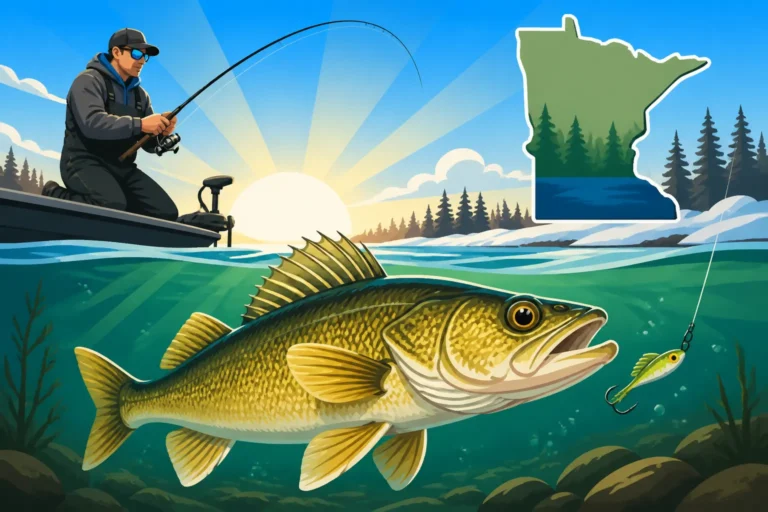
Trolling with crankbaits is arguably the most common and effective method for covering large expanses of water and consistently catching walleye, particularly during summer and fall. It allows you to present lures at specific depths for extended periods, drawing fish out from their hiding spots.
- Flat-Line Trolling: This is the simplest form, where you let out a set amount of line directly behind the boat. The amount of line out, lure type, and boat speed all dictate the depth.
- Planer Boards: These devices carry your line out to the side of the boat, allowing you to run multiple lines without tangling and spread out your presentation, covering a wider swath of water. This is invaluable when fish are scattered or boat-shy. Brands like Offshore Tackle or Church Tackle are popular choices.
- Lead Core and Downriggers: For getting crankbaits to extreme depths without using heavy, deep-diving lures, lead core line or downriggers are your friends. Lead core is a weighted line that sinks at a certain rate per color segment, allowing precise depth control. Downriggers use a heavy ball to carry your line and lure down, releasing it when a fish strikes. These are often used for deep walleye in lakes like Lake Superior or larger inland lakes. Our guide on Trolling for Walleye: Crankbaits & Leadcore offers more detailed insights.
- Speed and S-Turns: Pay close attention to your boat speed; even a half-mile-per-hour change can drastically affect a crankbait's dive depth and action. Typically, speeds between 1.5 and 2.5 MPH are common for walleye. Making subtle S-turns with your boat will cause your crankbaits on the inside turn to slow down and drop, while those on the outside speed up and rise, often triggering strikes.
Rods, Reels, and Line for Crankbaits
Having the right gear makes a huge difference in both the effectiveness and enjoyment of crankbait fishing.
- Rods: For casting, a 6'6" to 7' medium-light to medium power spinning or baitcasting rod with a moderate-fast action is a great all-around choice. The moderate action helps absorb the shock of a hard-hitting walleye and prevents hooks from tearing out. For trolling, longer rods (7' to 9' or even longer for planer boards) with a softer, moderate action are preferred. These longer rods help spread lines and provide a forgiving bend for constant tension on the lure. You can explore options and find detailed recommendations in our article on Best Walleye Rods & Reels.
- Reels: A good quality spinning reel in the 2500-3000 size range with a smooth drag is ideal for casting. For trolling, a baitcasting reel with a line counter is incredibly beneficial, allowing you to precisely replicate the amount of line out and hit the same depth repeatedly.
- Line: Your choice of line significantly impacts performance.
- Monofilament (Mono): Offers stretch, which can be great for shock absorption when trolling or casting, preventing hooks from pulling out. It’s also more forgiving for beginners.
- Braided Line (Braid): Extremely sensitive with no stretch, allowing you to feel every bump and subtle bite, even with long lengths of line out. It’s excellent for casting and for detecting light bites while trolling. Always use a fluorocarbon leader with braid for stealth.
- Fluorocarbon: Less stretch than mono but more than braid, it's virtually invisible underwater and has excellent abrasion resistance. It's a great leader material.
You can delve into the nuances of different line types in our Best Fishing Line for Walleye (Braid vs Mono vs Fluoro) guide. Remember, you can often find great deals on these items, from Berkley FireLine braid to Rapala crankbaits, by checking online retailers like Amazon.
Advanced Strategies for Consistent Success
Once you've got the basics down, it's time to fine-tune your approach. Walleye fishing, especially with crankbaits, is often about making subtle adjustments and thinking like the fish.
Reading the Lake: Structure and Forage
Understanding the underwater topography and where the walleye's food source is located is paramount. Walleye are ambush predators, often relating to structure that provides cover or an easy feeding lane.
- Breaklines: These are abrupt changes in depth, classic walleye haunts. Trolling a deep-diving crankbait along the edge of a deep breakline, or casting a medium diver to a shallower one, can be deadly.
- Humps and Points: Submerged humps and points extending from shore create current breaks and attract baitfish, making them prime walleye territory. Target the top, sides, and base of these structures with appropriately diving crankbaits. Our guide on Where to Catch Walleye in Minnesota offers more location-specific advice.
- Weed Edges and Flats: Especially in spring and early summer, walleye will relate to the deep edges of green weed beds on large flats. Casting or shallow trolling parallel to these edges can be extremely productive.
- Forage Concentration: Keep an eye on your electronics for baitfish schools. Walleye are rarely far from their food. If you see clouds of bait, chances are walleye are nearby or will be soon, making it an excellent area to run crankbaits.
Seasonal Adjustments and Presentation Tweaks
Walleye behavior and location shift dramatically throughout the year, and your crankbait strategy needs to evolve with them.
- Spring (After Opener): Walleye are often shallower, recuperating from the spawn. Use smaller, slower-moving shallow to medium-diving crankbaits. Focus on warmer bays and main lake points adjacent to spawning areas.
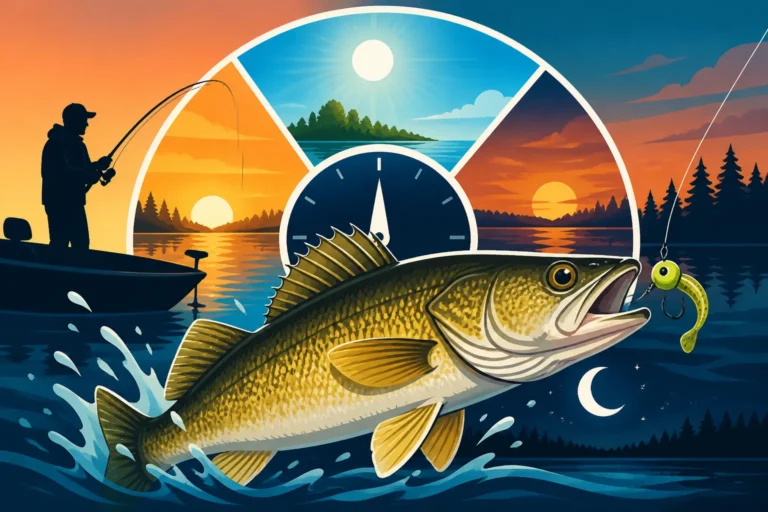
- Summer: As waters warm, walleye move deeper to cooler water and often suspend over open water or relate to deep structure. This is prime time for deep-diving crankbaits, often trolled with planer boards or lead core to target fish in the 15-30+ foot range. Night fishing with shallow-running cranks can also be incredibly effective as walleye move shallow to feed under cover of darkness. For information on prime biting times, check out Best Time of Day to Catch Walleye.
- Fall: Walleye become very aggressive in the fall, feeding heavily before winter. They often move back shallower, particularly to rocky points and sharp breaks. Larger, more aggressive crankbaits can be highly effective, both casting and trolling, as fish stock up for the cold months.
Adjust your trolling speed too. In colder water (spring/fall), a slower speed (1.0-1.8 MPH) often works best. In warmer water (summer), a slightly faster speed (1.8-2.5 MPH) can trigger more reaction strikes.
Fine-Tuning Your Spread and Speed
When trolling, especially with multiple lines, creating an effective "spread" is crucial.
- Vary Depths: Don't run all your lines at the same depth. Use different crankbait models or varying amounts of line out to present lures at several depth zones simultaneously. This helps you quickly determine the walleye's preferred depth.
- Stagger Distances: If using planer boards, stagger the distance the boards are deployed from the boat. This helps prevent tangles when turning and allows for better coverage.
- GPS Speed Control: Modern trolling motors with GPS integration (like a Minn Kota Terrova or Ulterra) are a game-changer for precise speed control. Maintaining a consistent speed, or making intentional, repeatable speed changes, is vital for dialing in the bite.
- Watch Your Electronics: Your fish finder isn't just for finding fish; it's also crucial for understanding bottom contours, baitfish presence, and even seeing your crankbaits (if you have advanced sonar like Garmin LiveScope or Humminbird MEGA Live). This information helps you make real-time adjustments to your presentation.
Remember, walleye are often found in specific zones, and crankbaits allow you to methodically search those zones. By combining the right lure, technique, and a bit of angler intuition, you'll be well on your way to consistent success. For rules on how many lines you can legally fish, especially when ice fishing, make sure to read up on How Many Lines Can You Fish in Minnesota?.
Here’s a quick overview of popular crankbait types and their typical applications:
| Crankbait Type | Characteristics | Ideal Depth Range | Best Use Cases | Common Examples |
|---|---|---|---|---|
| Shallow Diver | Small, short lip; tight to moderate wobble | 0-8 feet | Casting shallow flats, weed lines, docks, early season | Rapala Shad Rap, Berkley Flicker Shad Shallow |
| Medium Diver | Moderate lip; versatile wobble | 8-15 feet | Trolling breaklines, casting points, suspended walleye | Rapala Shad Rap RS, Storm Original Hot'N Tot |
| Deep Diver | Long, steeply angled lip; aggressive wobble | 15-30+ feet | Deep open water trolling, probing deep structure | Berkley Flicker Minnow, Rapala Deep Tail Dancer |
| Lipless Crankbait | No lip; vibrates strongly on retrieve; sinks fast | Any (countdown) | Ripping through weeds, vertical jigging, rapid search | Bill Lewis Rat-L-Trap, Rapala Rippin' Rap |
| Jointed Crankbait | Hinged body; exaggerated, wider wobble | Varies by lip | Slow retrieves, enticing inactive fish, unique action | Rapala Jointed Shad Rap, Salmo Perch Jointed |
Remember that the actual dive depth can vary greatly based on line type, diameter, trolling speed, and the amount of line let out.
Final Thoughts on Crankbait Fishing for Walleye
Fishing crankbaits for walleye is a journey of continuous learning and adaptation. It's about understanding the fish, the water, and how your chosen lure interacts with both. Don't get discouraged if your first few outings aren't banner days. Every cast, every troll, every experiment teaches you something new about the conditions and the fish. Keep notes, pay attention to patterns, and most importantly, enjoy the process. There's nothing quite like the solid thud of a walleye crushing a crankbait, letting you know all your hard work and strategic thinking paid off. Whether you're targeting big walleye on Upper Red Lake or exploring a smaller, local gem, crankbaits offer an exciting and effective way to put more fish in your boat or on the ice.
Disclaimer
Always consult the most current Minnesota Department of Natural Resources (DNR) fishing regulations before heading out on the water. Regulations, including season dates and bag limits, can change frequently. This guide is for informational purposes only and should not be considered a substitute for official DNR publications.