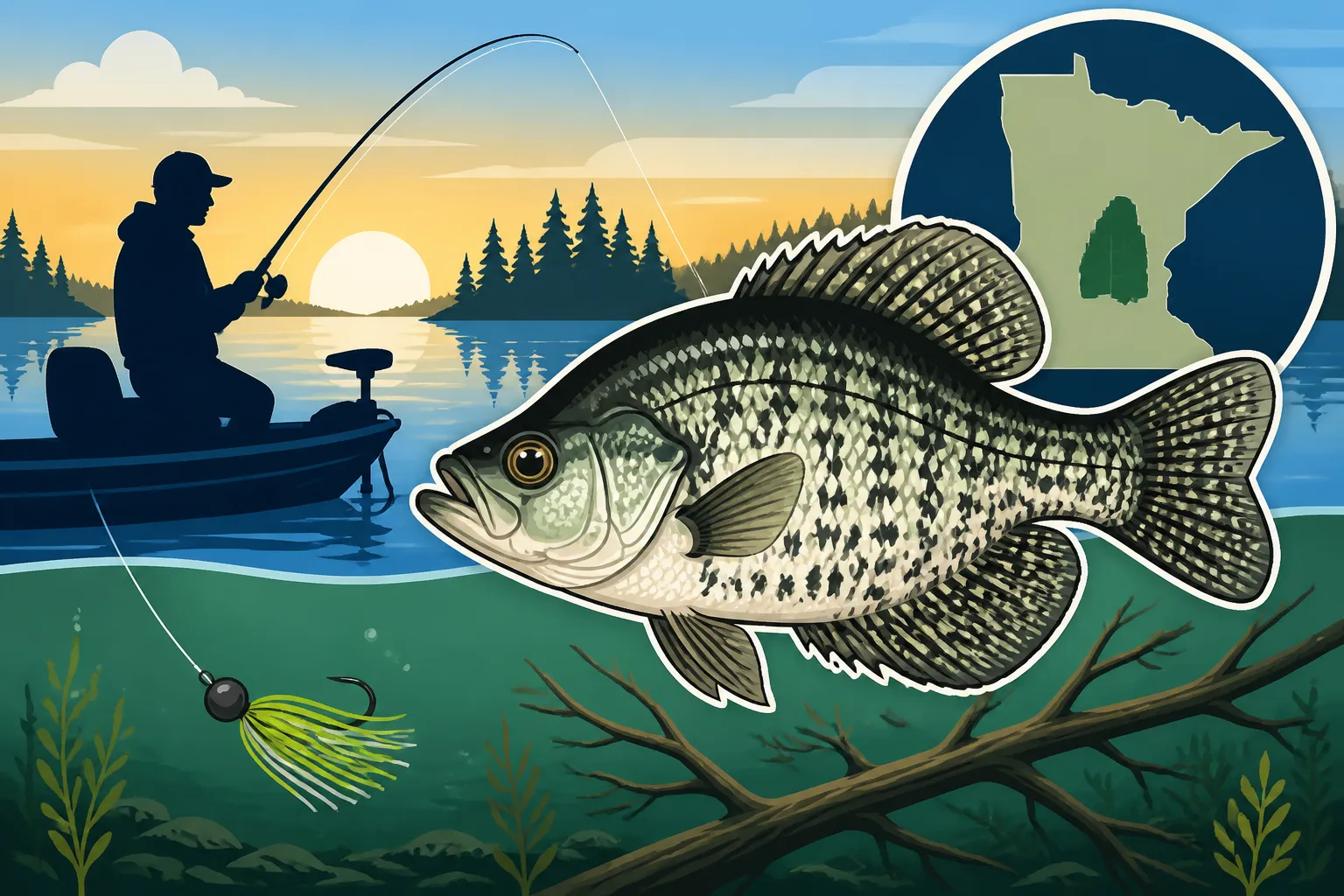
Black Crappie Fishing Tips for Minnesota Anglers
Trying to consistently catch black crappies in Minnesota's diverse waters can feel like a guessing game sometimes. One day they're biting everything you throw, the next they've vanished into thin air, leaving you wondering what you're doing wrong. It's a common frustration, but with the right knowledge about their habits and preferred techniques, you can turn those frustrating days into memorable ones. This comprehensive guide is here to walk you through the nuances of black crappie fishing, from understanding their seasonal patterns to mastering the most effective tactics, ensuring you're well-equipped for success on your next outing.
Understanding Black Crappie Behavior in Minnesota Waters
Black crappies are one of Minnesota's most beloved panfish, known for their delicious fillets and feisty fights. But to consistently put them in your livewell, you need to understand their natural rhythm and how they react to the changing seasons and lake conditions. They're not just random wanderers; they have predictable patterns that, once understood, can be exploited to your advantage.
Seasonal Movements and Patterns
Crappies are true creatures of comfort, constantly adjusting their location based on water temperature, food availability, and spawning urges. This means what works in April won't necessarily work in July, and certainly not in December.
Spring: The Spawning Frenzy
As the ice recedes and water temperatures climb into the 50s and low 60s Fahrenheit, black crappies begin their annual migration towards shallow, warmer waters for spawning. This is often heralded as one of the best times to target them. You'll find them congregating in bays, coves, and shallow flats with emergent vegetation like reeds, lily pads, or submerged brush. They prefer hard bottom areas, like sand or gravel, but will make do with whatever cover is available to lay their eggs. This pre-spawn and spawn period is when they're most aggressive and easiest to locate, as they're focused on feeding and reproduction. Knowing the specific timing for Crappie Spawn in Minnesota: When and Where can be a game-changer. Anglers often find success in waters ranging from a few feet to ten feet deep, especially on sunny days when the shallow water warms up quickly.
Summer: Deep Water Retreats
Once spawning is complete and water temperatures continue to rise, crappies typically retreat to deeper, cooler water. This is when they become a bit more challenging to find for many anglers. They'll relate to deep weed lines, submerged timber, brush piles, rock reefs, and even bridge pilings. The key here is to look for structure in 15 to 30 feet of water, often suspending over these features. They might still move shallow during low-light conditions like dawn, dusk, or overcast days to feed, but their primary residence will be in the cooler, deeper parts of the lake. This is a time when understanding your electronics, like a good fish finder, becomes absolutely critical for locating schools.
Fall: The Feeding Frenzy Returns
As autumn approaches and water temperatures begin to drop, crappies start to put on the feedbag, preparing for the long winter ahead. This can be another fantastic time to catch them. They'll often move back shallower than their summer haunts, congregating in large schools around creek channels, deep weed edges that still have some green, and brush piles in 10-20 feet of water. They are actively feeding on minnows and insects, trying to pack on as much weight as possible. Look for baitfish activity – where the bait is, the crappies won't be far behind. This period often sees them schooled up tightly, so once you find one, you're likely to find many.
Winter: Ice Fishing Opportunities
When the lakes freeze over, black crappies are still there, just beneath the ice, offering fantastic ice fishing opportunities. They typically hold in predictable deeper holes, basins, or along the edges of steep breaks and submerged humps, often suspending anywhere from just under the ice to a few feet off the bottom. Depth can vary wildly from 15 to 40 feet depending on the lake and time of winter. Early ice and late ice often find them slightly shallower, while mid-winter can see them holding in the deepest parts of the basin. Specialized gear and techniques, which we’ll discuss later, are key to success during this cold season, making Ice Fishing for Crappie & Panfish a popular pursuit.
Preferred Habitat and Structure
Black crappies aren't just swimming aimlessly; they are always seeking comfort, cover, and food. Understanding what kind of structure and habitat they prefer in Minnesota lakes will drastically improve your success.
Wood, Weeds, and Cover
Crappies are notorious for their love of cover. Submerged timber, fallen trees, brush piles, and old dock pilings are all prime locations. This cover provides ambush points for feeding on baitfish and insects, as well as protection from larger predators like northern pike and muskie. In lakes with abundant vegetation, look for them holding tight to the outside edges of deep weed lines, especially coontail and cabbage weeds. These healthy green weeds produce oxygen and hold baitfish, making them irresistible to crappies. Many Minnesota lakes are known for excellent crappie populations due to their diverse structure, from the shallow, weedy bays of Lake Winnibigoshish to the deeper, timber-rich spots on Lake Vermilion.
Deeper Basins and Breaks
During the summer and winter months, when crappies move deeper, they'll often relate to the deepest basin areas of a lake, or along sharp breaks where the bottom drops off rapidly. They might suspend over these deep spots, following schools of plankton or baitfish. A good contour map can help you identify these areas, showing you humps, sunken islands, and sharp drops where crappies might stage. Don't be afraid to fish open water if your electronics show suspended fish – they won't always be directly on the bottom or in heavy cover, especially when chasing food.
Essential Tackle and Gear for Minnesota Crappies
You don't need a boatload of expensive gear to catch crappies, but having the right tools for the job certainly makes a difference. Crappies have soft mouths and a subtle bite, so sensitive gear is key to detecting those light taps.
Rods, Reels, and Line Choices
Your setup is crucial for feeling those delicate bites and successfully landing crappies. Light tackle is the name of the game.
Light Action Rods for Sensitivity
For open water, a 6 to 7-foot light or ultralight action spinning rod is ideal. These rods have a soft tip that allows you to detect the slightest take, while still having enough backbone to handle a decent-sized crappie. Brands like St. Croix or Fenwick offer excellent options that provide the sensitivity you need without breaking the bank. For ice fishing, look for ultra-light to light action rods in the 24 to 32-inch range. The shorter length is perfect for working in a shelter and provides excellent control over small jigs. The sensitivity in these rods is paramount for seeing those tiny "lift" bites through the ice.
Small Spinning Reels and Line
Pair your rod with a small spinning reel, typically a 1000 or 2000 size. These reels are lightweight and provide smooth drag, which is important given crappies' delicate mouths. When it comes to line, 4-6 pound test monofilament or fluorocarbon is generally preferred. Monofilament offers good stretch, which can act as a shock absorber against head shakes, while fluorocarbon is nearly invisible underwater and has less stretch for better sensitivity. Many anglers also use a braid mainline with a fluorocarbon leader for ultimate sensitivity and strength, particularly when fishing around heavy cover. You can find a wide range of suitable lines on Amazon.
Baits and Lures That Crappies Can't Resist
Crappies are opportunistic feeders, but they do have their preferences. Matching your bait to what they're actively feeding on is a huge step toward success.
Jigs and Plastics: The Crappie Staples
Small jigs, typically 1/32 to 1/8 ounce, are absolute crappie magnets. Pair these with tiny plastic bodies like tube jigs, grub tails, or minnow imitators. White, chartreuse, pink, and black are perennial favorites, but don't be afraid to experiment with brighter colors on dark days or more natural tones in clear water. The action of the plastic is often more important than the color, so look for plastics with a subtle paddle tail or a lively grub tail that undulates with minimal movement. For open water, a slow, steady retrieve or a stop-and-go retrieve often works wonders. For ice fishing, a slight jigging motion or a dead stick presentation can be deadly.
Live Bait: The Irresistible Scent
Sometimes, nothing beats the real thing. Small minnows, especially fatheads or crappie minnows, are a go-to for many anglers. Hook them lightly through the lips or dorsal fin, and present them under a bobber or on a small jig head. Wax worms, maggots, and small pieces of cut worm can also be incredibly effective, especially for finicky crappies or when ice fishing. These natural baits offer scent and a lifelike presentation that artificials sometimes can't replicate. While we often talk about Best Live Bait for Walleye (Leeches, Minnows, Crawlers), many of the same principles apply to crappies, just on a smaller scale.
Proven Crappie Fishing Techniques for Minnesota Anglers
Knowing what crappies eat and where they live is only half the battle; the other half is knowing how to effectively present your bait. Different situations call for different techniques.
Slip Bobber Fishing: A Classic for a Reason
The slip bobber rig is arguably the most effective and popular method for targeting crappies in open water, especially when they are suspended at a specific depth or holding tight to vertical cover.
Setting Up Your Slip Bobber Rig
A slip bobber rig allows you to easily adjust your bait depth, which is critical when crappies are holding at a specific level, perhaps 10 feet down over a 25-foot basin. First, thread your line through a bobber stop, which is a small piece of string or plastic that can be slid up and down your line to set your depth. Next, thread on a small bead, followed by your slip bobber. Then, tie on a small split shot or two a foot or so above your hook to get your bait down quickly, and finally, tie on your jig or hook. For a step-by-step guide, check out How to Set Up a Slip Bobber Rig Step by Step. The key is to experiment with depth until you find where the crappies are holding. Cast your rig near structure, and let the bait slowly descend. The slip bobber will stand upright when your bait reaches the pre-set depth.
Presenting Your Bait with Precision
Once your rig is set, presentation is key. Cast your slip bobber rig near brush piles, weed edges, or submerged timber. Let it sit for a few moments, giving the crappie time to locate the bait. A slight twitch of the rod tip can impart subtle action to your jig or minnow, often triggering a strike from hesitant fish. Watch your bobber closely; crappies often pull it under with a gentle "dip" or "swim" rather than an aggressive tug. If you're using live bait like minnows, their natural movements will add to the attraction, but don't be afraid to give it a little nudge every now and then.
Jigging and Casting: Active Approaches
While slip bobbers are great for passive presentations, sometimes you need to be more active, especially when crappies are chasing bait or spread out.
Vertical Jigging for Suspended Fish
Vertical jigging is incredibly effective, especially when you've located a school of crappies directly beneath your boat using your electronics. This technique is popular year-round, from open water to ice fishing. Drop a small jig or jigging spoon (like a Jigging Rap or blade bait) down to the depth where you're marking fish. Use a subtle lift-drop motion, letting the lure flutter or swim on the fall. Crappies often hit on the pause or the drop, so pay close attention to your line for any slight twitch or slack. Vary your jigging cadence and height until you find what triggers a bite.
Casting and Retrieving
For crappies holding in shallower cover or along weed lines, casting small jigs with soft plastics is a great way to cover water. Cast your lure out and retrieve it slowly, using a stop-and-go action. This mimics a wounded baitfish, which crappies find irresistible. Experiment with different retrieve speeds and depths until you find the fish. On windy days, casting lighter jigs can be challenging, but the disturbance on the water's surface can sometimes make crappies more aggressive. Fishing around visible cover like docks, lily pads, or reeds can be highly productive using this method.
Ice Fishing Specific Tactics
When Minnesota's lakes transform into a winter wonderland, crappie fishing takes on a whole new dimension, offering some of the most exciting action of the year.
Hole Hopping for Active Biters
One of the most effective ice fishing strategies for crappies is to be mobile. Drill several holes in a promising area – along a deep break, over a basin, or near a submerged hump – and fish each hole for 5-10 minutes. If you don't get a bite, move to the next. Crappies often school up tightly, so when you find them, you can catch a lot quickly. This active approach allows you to cover more water and locate the most aggressive fish. Using a portable fish finder, like a Vexilar or Humminbird, can dramatically increase your efficiency, helping you pinpoint schools and see how fish react to your presentation.
Deadsticking and Sensitive Bites
Sometimes, crappies under the ice are incredibly finicky, barely touching your bait. This is where a deadstick comes in. A deadstick is simply a second rod (where legal; check How Many Lines Can You Use Ice Fishing in Minnesota to be sure) set up with a simple hook and minnow, left completely still in the water, often just a foot or two off the bottom. The subtle movement of the live minnow can entice wary crappies that won't touch a jigging presentation. Many anglers will jig with one rod and have a deadstick in another hole, offering two distinct presentations simultaneously. Remember to use extra sensitive spring bobbers or floats on your deadstick to detect those extremely light bites.
Finding Crappies on Minnesota Lakes: Where to Start
With thousands of lakes, knowing where to begin your crappie hunt in Minnesota can be overwhelming. However, by understanding key indicators and utilizing modern tools, you can narrow down your search significantly.
Reading the Water with Technology and Your Eyes
Finding fish is often the hardest part of fishing. Luckily, there are ways to stack the odds in your favor.
The Power of Fish Finders and Mapping
Modern electronics are invaluable for locating crappies, especially when they're suspended or relating to subtle underwater structure. A good fish finder, whether it's a traditional 2D sonar, a flasher for ice fishing, or even forward-facing sonar, allows you to see schools of fish, baitfish, and bottom contours. Learning How to Catch More Fish With a Fish Finder will give you a significant advantage. Use detailed lake maps (like Navionics or LakeMaster, which are often found pre-loaded on units from brands like Humminbird or Lowrance) to identify promising areas like deep holes, sharp breaks, and submerged humps. Mark areas where you catch fish so you can return to them later.
Visual Cues and Local Knowledge
Don't underestimate the power of your own eyes and local insights. Look for visible signs of crappie habitat: old docks, standing timber near shore, or expansive lily pad fields. Pay attention to bird activity; diving terns or gulls can indicate schooling baitfish, and where there's bait, there are often crappies. Talking to local bait shop owners or fellow anglers can provide invaluable, up-to-date information on what's biting and where. Many Minnesota lakes are renowned for their crappie fisheries; some of the Best Crappie Lakes in Minnesota are often local favorites with consistent action.
Timing Your Trip for Optimal Results
While you can catch crappies year-round, certain times offer better opportunities due to their natural feeding cycles and behaviors.
Low Light and Overcast Conditions
Crappies, like many panfish, often become more active during low-light periods. Dawn and dusk are prime times, as are overcast days. The reduced light penetration makes them feel safer to move out of heavy cover and actively feed. On bright, sunny days, they tend to burrow deeper into cover or suspend in darker, cooler water. This doesn't mean you can't catch them midday, but you might need to adjust your approach to fish heavier cover or deeper water.
Post-Spawn and Fall Turnover
Beyond the obvious spring spawn, the post-spawn period in early summer can be excellent, as fish recover and start feeding aggressively before settling into their deeper summer patterns. Similarly, the fall turnover, when lake waters mix due to cooling surface temperatures, can momentarily disrupt fishing. However, once the lake stabilizes, crappies enter their pre-winter feeding binge, making it a fantastic time to target them before the ice forms. Keeping an eye on the Minnesota Fishing Regulations Changes for 2026 is always a good idea, as specific lake rules can impact your timing.
Crappie Fishing Essentials
Here's a quick rundown of some essential items for your crappie fishing adventures in Minnesota:
| Category | Essential Items | Notes |
|---|---|---|
| Rods & Reels | Light/Ultralight spinning rod (6-7 ft) | Provides sensitivity for light bites. |
| Small spinning reel (1000-2000 size) | Lightweight with smooth drag. | |
| Line | 4-6 lb test mono, fluoro, or braid with fluoro leader | Monofilament for stretch, fluorocarbon for invisibility, braid for sensitivity. |
| Lures & Bait | Small jigs (1/32-1/8 oz) | Pair with plastic grubs, tubes, or minnow imitators. White, chartreuse, pink are popular. |
| Crappie minnows, fatheads | Effective live bait, hook through lip or dorsal. | |
| Wax worms, maggots | Great for finicky fish, especially ice fishing. | |
| Terminal Tackle | Slip bobbers | Essential for presenting bait at precise depths. |
| Bobber stops & beads | For setting slip bobber depth. | |
| Small split shot sinkers | For getting bait down quickly. | |
| Small hooks (size 6-10) | For live bait presentations. | |
| Electronics | Fish finder/Flasher | Crucial for locating suspended crappies and structure, especially in deeper water or under ice. Brands like Humminbird, Garmin, Vexilar are top choices, many available on Amazon. |
| Accessories | Pliers/Hemostats | For hook removal. |
| Net | Small, fine-mesh net to avoid sliming your fish and easily landing them. | |
| Livewell or cooler with ice | To keep your catch fresh. | |
| Measuring tape/bump board | To ensure your fish meet size regulations. | |
| Minnesota Fishing License | Absolutely essential! You can purchase your Minnesota Fishing License: Cost, Types & How to Buy (2026) online or at various retailers. |
Remember, while having the right gear is important, understanding how crappies behave and adapting your approach is ultimately what leads to consistent success. Get out there, experiment, and enjoy the fantastic black crappie fishing Minnesota has to offer!
Disclaimer
Fishing regulations can change frequently. Always consult the latest Minnesota Department of Natural Resources (MNDNR) fishing regulations handbook or website before heading out on the water to ensure compliance with current laws, seasons, and limits.