White Crappie Fishing Tips for Minnesota Anglers
Many Minnesota anglers find themselves frustrated trying to consistently locate and catch white crappie, especially when they’re used to targeting their black crappie cousins. These fish have distinct habits and preferences that, if misunderstood, can lead to slow days on the water. This guide will dive deep into the world of white crappie, offering proven tips and techniques specifically tailored for Minnesota's diverse waters, helping you unlock more successful and enjoyable crappie fishing trips.
Deciphering the White Crappie: Identification and Behavior
The first step to catching more white crappie is truly understanding what makes them tick. They aren't just a lighter version of the black crappie; they have their own unique characteristics and behavioral patterns that dictate where you'll find them and what baits they'll hit. Ignoring these differences is often where anglers go wrong.
White Crappie vs. Black Crappie: Key Differences
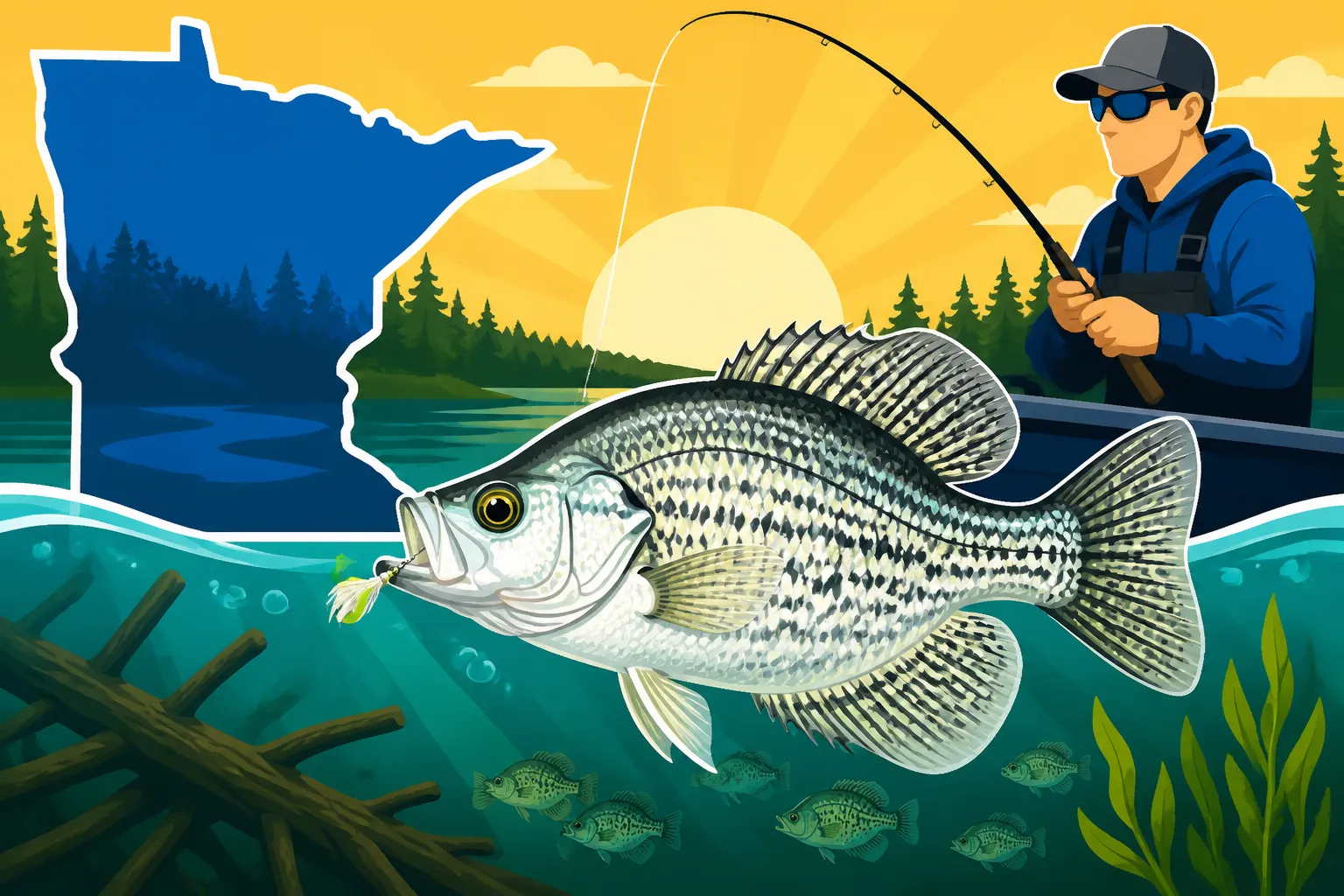
It's easy to mix up crappie species, especially since both black and white crappie coexist in many Minnesota lakes and rivers. However, a quick look can usually tell them apart. White crappie generally have a more elongated, slender body shape compared to the black crappie's rounder, deeper profile. The most reliable visual cue is the vertical bars on their sides – white crappie typically display 7-9 distinct vertical bands, whereas black crappie have scattered, irregular dark spots. But beyond looks, their habitat preferences are where the real distinction lies for anglers. Black crappie often prefer clearer water and dense, woody cover like downed trees or lily pads, while white crappie are far more tolerant of murkier, more turbid waters and tend to school in open water over deeper structure, frequently suspending. For a full breakdown, you might find our guide on Black Crappie vs White Crappie helpful.
Preferred Habitat and Schooling Patterns
White crappie are structure-oriented fish, but their definition of "structure" can be broader than that of black crappie. While they'll certainly relate to brush piles, submerged timber, and weed lines, they often suspend in open water, relating to deeper creek channels, bridge pilings, main lake points, or even subtle changes in bottom contour. They are notorious for forming large, tight schools, especially in deeper water. This schooling behavior is both a blessing and a curse; once you find them, you can often catch several in quick succession, but if you're even a few feet off, you might miss the entire school. Understanding these patterns is critical, as they rarely just sit in random spots. They are often following baitfish like minnows or small shiners, so where the bait goes, the crappie usually follow.
Mastering Seasonal Strategies for White Crappie Success
Just like any fish in Minnesota, white crappie move and behave differently depending on the time of year. What works in spring won't necessarily be effective in mid-summer, and certainly not during the hardwater season. Knowing these seasonal shifts is paramount to consistent success.
Spring: The Pre-Spawn and Spawning Frenzy
Spring is a fantastic time to target white crappie, as they move shallow for their annual spawning ritual. As ice leaves the lakes, white crappie begin to stage in slightly deeper water near their eventual spawning grounds. Look for them in bays, channels, and along shallow points that warm up quickly. Water temperatures between 55-65 degrees Fahrenheit are typically when they start getting serious about spawning.
During the pre-spawn, they'll often be found in 8-15 feet of water, feeding aggressively to build energy. Small jigs tipped with a minnow or a soft plastic grub, fished under a sensitive slip bobber, can be incredibly effective. As the water warms further and they move into the spawn, white crappie will seek out hard bottom areas like sand, gravel, or even clam beds in shallower water, typically 2-6 feet deep. They'll also utilize submerged brush or vegetation for protection. This is often when you can sight-fish them in clearer areas, or simply cast small jigs into likely looking cover. Don't be afraid to experiment with brighter colors during this time, like chartreuse or orange, as these can really get their attention. Our article on Spring Crappie Fishing in Minnesota offers more specific tactics for this prime season.
Summer: Deeper Water and Suspended Schools
Once the spring spawn is over and water temperatures rise, white crappie typically retreat to deeper, cooler waters. This is where their schooling behavior really shines, and also where they can become a bit more challenging to locate for the uninitiated. You'll often find them suspending over deeper creek channels, around submerged humps, bridge pilings, or deep weed lines. They might be in 15-30 feet of water, but suspending anywhere from 5 feet down to 20 feet, often following schools of baitfish.
Trolling with small crankbaits or spider rigging with multiple rods fishing different depths are popular and effective summer tactics. Spider rigging involves using several long rods out of the front or sides of the boat, presenting multiple baits (typically a small jig and minnow or a crappie tube) at various depths until you find the sweet spot. Electronics become your best friend in summer. A good fish finder can show you those suspended schools and the depth at which they're holding. Consider trying out different retrieves with your jigs; sometimes a slow, steady retrieve is key, other times a stop-and-go action.
Fall: Aggressive Feeding Before Winter
As autumn arrives and water temperatures begin to drop, white crappie enter a significant feeding period. They're trying to pack on weight for the lean winter months. This can make them quite aggressive and predictable. They'll often move from their deep summer haunts towards main lake points, deeper weed edges, and the mouths of bays.
You might find them in similar depths as summer, but they can be more concentrated. Look for them holding tight to baitfish schools. Jigs tipped with minnows or larger soft plastics can be deadly. Pay close attention to transition areas where different types of bottom meet, or where sharp drops occur. The bite can be fantastic during this time, often lasting well into late fall until the ice forms.
Winter: Ice Fishing for White Crappie
Ice fishing for white crappie can be incredibly rewarding, especially if you find a large school. White crappie will often congregate in predictable areas during winter, typically suspending in deep basins, over old river channels, or near submerged humps and brush piles. They tend to prefer soft bottom areas where insect larvae might be abundant, or areas adjacent to deep structure.
Small jigs, often tungsten, tipped with a wax worm, a small minnow head, or tiny soft plastic tails are the go-to baits. A sensitive rod is crucial to detect their subtle bites. Using a flasher or a fish finder is almost a necessity for ice fishing crappie, as it helps you pinpoint their exact depth and react to subtle changes in their behavior. Vertical jigging with a slow, methodical lift-and-drop presentation is usually best. Don't forget to check out our comprehensive guide on How to Catch Crappie Through the Ice in Minnesota for more detailed tactics.
| Season | Typical Location | Preferred Depth | Effective Baits/Lures | Key Tactics |
|---|---|---|---|---|
| Spring (Pre-Spawn) | Bays, channels, shallow points, adjacent to spawning grounds | 8-15 feet (staging) | Small jigs (1/32-1/16 oz) + minnow/grub, small crankbaits | Slip bobber, slow retrieve, trolling |
| Spring (Spawn) | Hard bottom areas (sand, gravel) in shallow bays, submerged brush | 2-6 feet | Tiny jigs + plastics, minnows | Casting, sight fishing, vertical jigging |
| Summer | Deeper creek channels, humps, bridge pilings, deep weed lines | 15-30 feet (suspending 5-20 ft down) | Small crankbaits, jigs + minnows, crappie tubes | Trolling, spider rigging, vertical jigging over schools |
| Fall | Main lake points, deep weed edges, mouths of bays | 10-25 feet | Jigs + minnows/soft plastics, small spoons | Vertical jigging, casting, slow trolling |
| Winter (Ice Fishing) | Deep basins, old river channels, submerged humps/brush | 15-40 feet (suspending) | Tungsten jigs + wax worm/minnow head/micro plastic | Vertical jigging, using a flasher |
Essential Gear and Techniques for Landing More White Crappie
Having the right tackle and knowing how to present your baits effectively can make all the difference between a frustrating day and a successful outing. White crappie, while not typically line-shy, can be incredibly finicky about presentation.
Rods, Reels, and Line Choices
For white crappie, lighter is almost always better. An ultralight or light action spinning rod, typically 5 to 7 feet long, with a fast tip, is ideal. This setup allows you to cast light jigs a good distance and detect the subtle taps of a crappie bite. Match this with a small spinning reel (500 to 1000 size) spooled with 4-6 pound test monofilament or fluorocarbon line. Monofilament offers a bit more stretch, which can be forgiving with lighter baits, while fluorocarbon is nearly invisible underwater and has less stretch for better sensitivity. Braided line as a main line with a fluorocarbon leader is also an excellent option for increased sensitivity and strength, particularly when fishing around cover. For a deeper dive into tackle, check out Best Tackle for White Crappie in Minnesota.
Baits and Lures: What White Crappie Crave
White crappie are opportunistic feeders, and their diet primarily consists of minnows, insect larvae, and small crustaceans. Your bait selection should reflect this.
Live Bait Options
- Minnows: Small fathead minnows are perhaps the quintessential crappie bait. Hooked lightly through the lip or back, they provide natural action. A small crappie minnow is often irresistible.
- Wax Worms/Grubs: These are fantastic, especially for ice fishing or when fishing for finicky crappie. They offer scent and subtle movement.
- Leeches: Smaller leeches can also work, particularly during warmer months, offering a longer-lasting bait than a minnow.
Artificial Lures
- Jigs: Small marabou jigs, hair jigs, or plastic tube jigs (1/32 to 1/16 ounce are common, but go up to 1/8 ounce in deeper or windier conditions) are incredibly effective. Colors like chartreuse, white, black, pink, and glow-in-the-dark are perennial favorites. You can find a huge variety of these on Amazon, often in multi-packs.
- Soft Plastics: Tiny grubs, crappie magnets, and small paddle-tail swimbaits on a jig head can imitate small baitfish. Experiment with tail action and retrieve speed.
- Small Crankbaits: For trolling, lipless crankbaits or small diving crankbaits in shad or minnow patterns can be very productive in open water for suspended schools.
- Spoons: Tiny jigging spoons can be excellent for vertical jigging, especially in winter or when crappie are holding tight to structure.
Presentation Techniques: The Finesse Factor
White crappie often require a subtle approach.
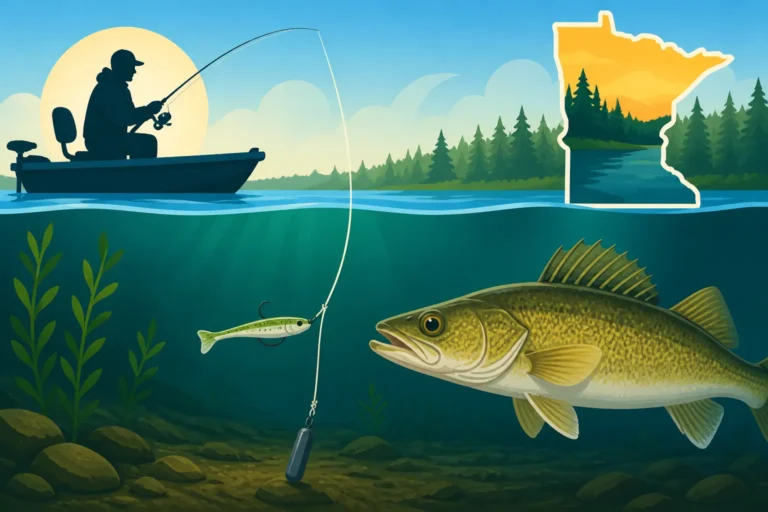
- Slip Bobber Rigging: This is a classic for a reason. A sensitive slip bobber allows you to present your bait at a precise depth, which is crucial when crappie are suspending. It's particularly effective with a small jig and minnow combo. You can learn more about this technique in our guide on How to Use a Slip Bobber for Walleye & Crappie.
- Vertical Jigging: Whether from a boat, dock, or ice hole, vertical jigging is about presenting your lure directly over or into a school. A slow, subtle lift-and-drop is often more effective than aggressive jigging. Pay attention to how the fish react on your electronics.
- Casting and Retrieving: When crappie are shallower, casting small jigs and slowly reeling them back can entice a strike. Vary your retrieve speed and add pauses.
- Spider Rigging/Trolling: As mentioned, this is a multi-rod approach where baits are slowly pulled behind or beside the boat, covering various depths and a wider area to locate schools. This is often the most efficient way to target suspended white crappie in large lakes.
Locating White Crappie: Reading the Water and Electronics
Finding white crappie can sometimes feel like searching for a needle in a haystack, especially in larger Minnesota lakes. They don't always hang out in the obvious spots. But by understanding their typical haunts and utilizing modern technology, you can drastically cut down your search time.
Key Structural Elements and Cover
White crappie are drawn to structure, but they often relate to slightly different types than black crappie.
- Submerged Timber and Brush Piles: These are evergreen crappie magnets. Whether natural fallen trees or man-made brush piles, these provide cover and ambush points for crappie. Focus on the edges of these structures, or probe directly within them.
- Creek Channels and River Bends: In reservoirs or lakes with distinct old creek beds, white crappie will often suspend along the edges or within the deeper parts of these channels, especially where they intersect with flats.
- Bridge Pilings and Docks: Man-made structures in deeper water are prime real estate, offering shade, cover, and often concentrating baitfish. The larger, more spread-out schools of white crappie will often use these vertical structures.
- Deep Weed Edges: As submerged vegetation grows in summer, the deeper, distinct edges provide excellent habitat. White crappie will cruise these edges, picking off baitfish.
- Humps and Points: Any underwater hump or point that rises from deeper water can hold crappie, particularly on the deeper sides or shelves. They use these as staging areas and feeding stations.
Utilizing Fish Finders and Mapping
In today's fishing world, electronics are indispensable for targeting white crappie, especially when they're suspending.
- Traditional Sonar (2D): This will show you bottom contours and can reveal schools of fish as distinct arches or blobs. Pay attention to the depth at which the fish are appearing.
- Down Imaging/Side Imaging: These technologies provide much clearer, photo-like views of the bottom and structure. Down imaging can help differentiate a brush pile from a rock pile, while side imaging allows you to scan wide areas to either side of your boat, pinpointing brush piles or suspended schools you might otherwise miss.
- Forward-Facing Sonar (e.g., Garmin LiveScope, Lowrance ActiveTarget): This is a game-changer for crappie anglers. It allows you to see individual fish and schools in real-time, often up to 100 feet away from the boat. You can watch your lure descend and see how crappie react to it, making precise presentations incredibly effective. While a significant investment, the ability to "hunt" for schools and present to them directly is unparalleled.
- GPS Mapping (Navionics, LakeMaster): Detailed lake maps are crucial for finding those subtle creek channels, humps, and points mentioned above. Mark productive spots as waypoints so you can return to them. Many budget-friendly fish finders will come with good mapping built-in, or you can get excellent map cards for units by brands like Humminbird.
When using your electronics, don't just look for fish on the bottom. Scan the entire water column. White crappie can be anywhere from a few feet under the surface to just off the bottom. If you see a cluster of baitfish, crappie are likely nearby, often just below or to the sides of the bait.
Understanding Minnesota Regulations for Crappie
Before you head out, always make sure you're up-to-date on the latest Minnesota fishing regulations. Crappie regulations can vary not only statewide but also by specific lake or body of water. The Minnesota Department of Natural Resources (DNR) sets these rules to ensure healthy fish populations for everyone to enjoy.
Statewide and Special Regulations
Generally, Minnesota has a statewide crappie possession limit. However, many lakes have special regulations, including reduced bag limits or protected slot limits, to manage their crappie populations effectively. For instance, some lakes might have a 5 or 10 crappie limit, rather than the statewide general limit, and size restrictions might apply. Always check the current Minnesota Fishing Regulations booklet or the DNR website for the specific lake you plan to fish. You can find detailed information on Minnesota Crappie & Sunfish Limits to ensure you're compliant. Knowing the rules helps protect our valuable resources and keeps you out of trouble!
Conservation and Ethical Angling
Beyond just following the rules, practicing ethical angling is vital. White crappie can be fragile, especially when caught from deeper water. If you plan to release fish, handle them gently with wet hands, and get them back into the water quickly. Consider using circle hooks with live bait to reduce deep hooking. If you're targeting white crappie for a meal, only keep what you'll eat and stay well within the legal limits. Healthy crappie populations depend on all of us doing our part.
Disclaimer
The information provided in this guide is for educational and informational purposes only and should not be considered legal advice. Fishing regulations in Minnesota are subject to change by the Minnesota Department of Natural Resources (DNR). Always consult the most current official Minnesota Fishing Regulations handbook or the DNR website before fishing to ensure compliance with all applicable laws and regulations.