Lake of the Woods Ice Fishing: Sleeper Houses & Walleye
Stepping onto the vast, frozen expanse of Lake of the Woods for the first time can feel a little overwhelming. You've heard the legendary tales of walleye fishing, but the sheer scale of the lake, combined with the extreme cold, might leave you wondering how to even begin planning a comfortable and productive trip. Forget battling the elements in a cramped portable — this guide is all about embracing the unique comfort and incredible fishing opportunities that come with ice fishing from a dedicated sleeper house on "The Big Lake."
The Grandeur of Lake of the Woods Ice Fishing
Lake of the Woods isn't just a lake; it's an institution, a wilderness frontier, and for many, the ultimate winter fishing pilgrimage. Spanning over a million acres, with thousands of islands and miles of shoreline stretching into both Minnesota and Canada, it truly earns its nickname, "The Walleye Capital of the World." But it's not just its size that captivates anglers; it's the consistent action, the potential for trophy fish, and the sheer adventure of exploring such an immense body of water.
A Winter Wonderland of Opportunity
When the mercury plummets and the lake solidifies into a vast sheet of ice, Lake of the Woods transforms into a hardwater paradise unlike any other. This isn't your local pond ice fishing; this is an expedition. The sheer size means there's always new structure to explore, new spots to try, and fish populations that remain robust due to excellent management and ample habitat. Anglers come from all over for the chance to hook into monster walleye, massive northern pike, and jumbo perch, all while surrounded by a pristine, silent winter landscape. It's an experience that truly recharges the soul, despite the freezing temperatures. If you're looking for the absolute top-tier ice fishing experience, Lake of the Woods consistently ranks among the Best Ice Fishing Lakes in Minnesota.
The Border Water Advantage
One of the most unique aspects of Lake of the Woods is its designation as a border water. Shared between Minnesota and Ontario, Canada, this status often comes with slightly different regulations than purely inland Minnesota lakes. For instance, you’ll find that the legalities of how many lines you can fish in Minnesota border waters, especially for ice fishing, can differ from the standard two lines allowed on most other bodies of water. Always be sure to check the specific Border Water Fishing Rules Minnesota-Ontario, Wisconsin to ensure you're compliant. The border also adds to the lake's mystique, particularly when exploring areas like the Northwest Angle, which is only accessible by land through Canada or by traveling across the frozen lake from the Minnesota side. This geopolitical quirk makes fishing here feel like an international adventure, without ever leaving the state, technically.
Key Fish Species to Target in Winter
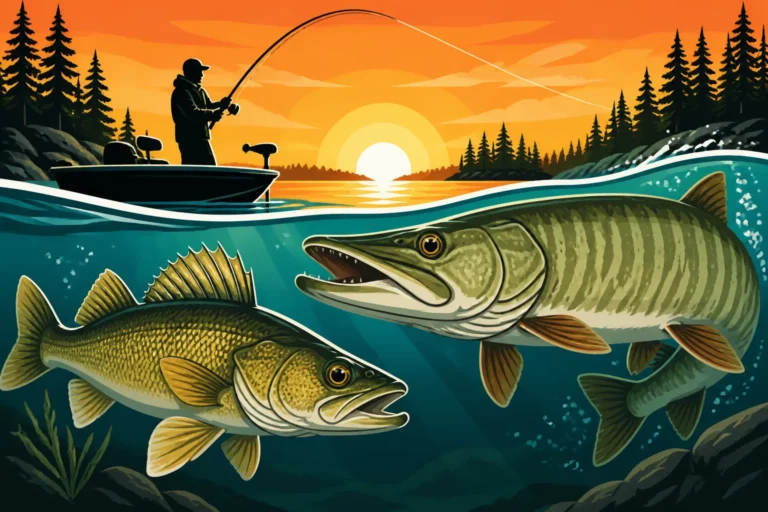
While walleye often steal the spotlight, Lake of the Woods is a multi-species powerhouse even in winter. Beyond the coveted walleye, anglers regularly encounter impressive numbers of sauger, which are often found in similar habitats and offer a delicious bonus to any limits kept. Jumbo yellow perch are also a significant draw, often schooled up in specific areas and providing fast action. For those seeking a bigger fight, northern pike are abundant and aggressive, especially on tip-ups. And then there are the true giants: the lake sturgeon that inhabit the Rainy River and its delta. While specialized gear is needed, winter offers a unique opportunity to target these prehistoric behemoths. Understanding the different species and where they thrive can greatly enhance your overall fishing success.
Understanding Sleeper Houses: Your Cozy Winter Retreat
Let's be real: ice fishing can be brutally cold. The wind howls, the snow drifts, and your fingers feel like icicles after five minutes out of your mitts. This is where the magic of a sleeper house comes in. For many, the idea of spending a night on the ice in a permanent structure seems daunting, but it’s actually the most comfortable, efficient, and often the most productive way to fish Lake of the Woods during the winter. It’s a game-changer, especially for those long trips.
More Than Just a Shack on Ice
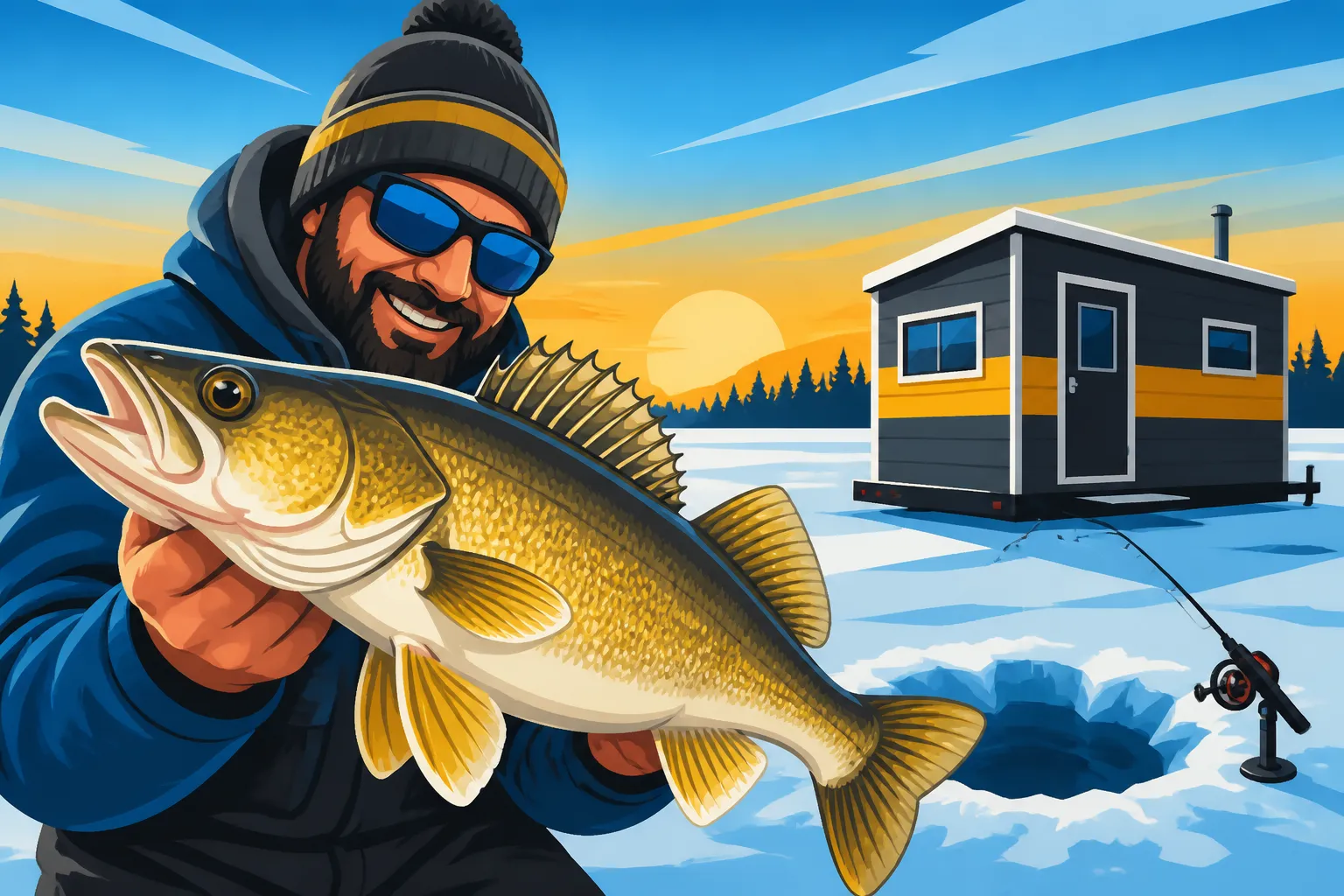
A sleeper house isn't just a rudimentary shelter; it's a mobile cabin designed for comfort and extended stays on the ice. Think of it as a tiny home on skis, complete with amenities. These houses are typically insulated, heated with propane furnaces, and equipped with bunks or beds, a small cooking area, and pre-drilled fishing holes right inside! This means you can be fishing in your pajamas, sipping hot coffee, while a blizzard rages outside. Most outfitters on Lake of the Woods, from the resorts around Baudette and Warroad to the services up in the Northwest Angle, maintain fleets of these houses, moving them to prime fishing locations as fish patterns change. It eliminates the daily commute and setup, allowing for maximum fishing time and ultimate relaxation.
Comforts of Home on the Frozen Lake
The level of comfort can vary, but most reputable sleeper houses offer a surprisingly cozy experience. You’ll typically find sturdy bunks with mattresses, tables and chairs for eating or playing cards, and interior lighting (often battery-powered or generator-fed). Propane heaters keep the interior toasty warm, sometimes almost too warm, so layering is still key. Many houses also feature small cooking ranges, perfect for heating up meals or making a fresh pot of coffee. Some even have private restrooms (often composting or porta-potty style) – a huge bonus when temperatures are well below zero. This level of amenity means you're not just enduring the cold; you're enjoying the serenity of the lake, sometimes under the northern lights, from the comfort of your heated haven.
Sleeper House Logistics and Safety
While staying in a sleeper house is incredibly comfortable, there are a few logistical considerations. Outfitters handle the heavy lifting, literally, by plowing roads to the houses and moving them as needed. They'll instruct you on operating the heater, generator (if applicable), and provide emergency contact information. Safety is paramount on the ice, and outfitters are experts at monitoring ice conditions and ensuring you're in a safe location. Always respect their guidance regarding travel on the ice roads and any off-road excursions. Most importantly, ensure you understand how to use any carbon monoxide detectors, as proper ventilation with propane heaters is crucial.
Here’s a quick overview of typical sleeper house amenities:
| Feature | Basic Sleeper House | Mid-Range Sleeper House | Premium Sleeper House |
|---|---|---|---|
| Sleeping | Bunks (bring own bedding) | Bunks with foam mattresses | Bunks with quality mattresses/beds |
| Heating | Propane furnace | Propane furnace, thermostat control | Propane furnace, efficient & quiet |
| Lighting | Battery-powered or LED | Battery-powered, some 12V outlets | LED lighting, multiple 12V/USB ports |
| Cooking | Small propane burner, limited space | 2-burner propane stove, counter space | 3-burner range, sink with non-potable water |
| Restroom | Outdoor access/outhouse | Porta-potty or composting toilet | Private, enclosed composting toilet |
| Fishing Holes | Pre-drilled, basic covers | Pre-drilled, insulated hole covers | Multiple holes, lights, perhaps even a sonar mount |
| Power | 12V for lights/charging | 12V, possibility for small generator | 12V + onboard generator for 110V |
| Electronics | None | Space for personal electronics | TV/DVD, satellite radio, charging stations |
Booking Your Sleeper House Adventure
Planning a trip to Lake of the Woods, especially for a sleeper house experience, isn't something you do last minute. These houses are incredibly popular, and the best ones book up fast, often a year in advance! A little foresight and knowing what to look for can make all the difference in securing your dream winter getaway.
Planning Ahead: When to Reserve
The prime ice fishing season on Lake of the Woods typically runs from late December through March, depending on ice conditions. If you're aiming for peak walleye action during January or February, or over popular long weekends, you'll need to book as far out as possible. Many top resorts and outfitters start taking reservations for the following season immediately after the current one ends. Don't be surprised if you're planning your 2026 trip in early 2025. It might seem excessive, but it’s the reality of securing your spot on this legendary lake. Keep an eye on Minnesota Fishing Seasons & Opener Dates (2026) to align your trip with the best fishing periods for your target species.
Choosing the Right Outfitter
Lake of the Woods is home to numerous excellent resorts and guide services that offer sleeper house rentals. Look for outfitters with a strong reputation for safety, well-maintained equipment, and excellent customer service. Online reviews, word-of-mouth, and fishing forums are great resources. Key things to consider include:
- Location: Do they operate primarily out of Baudette, Warroad, or the Northwest Angle? Each offers a slightly different experience and access to distinct fishing grounds.
- House Quality: What size houses do they offer? How old are they? What amenities are included? (Refer back to the table above!)
- Support Services: Do they provide bait? Is transportation to and from the house included? Do they offer emergency assistance on the ice?
- Pricing: Compare packages, but don't just go for the cheapest. Value often lies in the quality of the house, the professionalism of the staff, and the overall experience.
Platforms like FishingBooker can be incredibly helpful for comparing different outfitters and their offerings in one place. You can read reviews, see available dates, and sometimes even book directly, streamlining your planning process for a seamless Lake of the Woods adventure.
What to Expect: Packages and Pricing
Sleeper house packages typically include the rental of the house, propane heat, and often transportation to and from the house from the resort's landing. Some premium packages might include bait, guided services, or even pre-drilled holes in specific spots. Prices can range widely depending on the size of the house, the number of nights, the time of year, and the amenities provided. Expect to pay anywhere from a few hundred dollars for a basic two-person house for one night to over a thousand for a larger, more luxurious house for a weekend. Always clarify what's included and what additional costs you might incur, such as bait, food, or additional shuttle services. Remember that you'll also need a valid Minnesota fishing license, which you can typically purchase online or at local bait shops. If you're unsure about the process, check out our guide on How to Get a Minnesota Fishing License Online.
Mastering Walleye on the Ice at Lake of the Woods
Let's face it, most people coming to Lake of the Woods in winter are after one thing: walleye. These golden-eyed beauties are abundant, challenging, and incredibly tasty. Catching them consistently through the ice requires understanding their winter behavior and employing effective tactics.
Walleye Behavior Under the Ice
In winter, walleye metabolism slows down, making them less aggressive than in warmer months. They're still feeding, but often require a more subtle presentation. On Lake of the Woods, walleye will often relate to large, expansive mud flats, but also utilize structural elements like reefs, humps, and points, especially during low-light periods. They tend to school up in specific depths, which can change throughout the season or even during a single day based on light conditions and forage availability. Early ice often finds them shallower, moving deeper as winter progresses and the ice thickens. Understanding these patterns is key to locating active fish.
Go-To Walleye Techniques and Lures
Success often comes down to a combination of active jigging and deadsticking.
- Jigging: This involves using lures like a Jigging Rap Through the Ice, spoon, or a rattle bait (like a Rippin' Rap or Slab Rap) to attract fish. A good jigging cadence involves aggressively ripping the lure up, letting it fall, and then subtly shaking it near the bottom. This mimics a dying baitfish and often triggers strikes. Vary your retrieve until you find what the fish prefer. Bright colors often work well in stained water, while more natural patterns might shine in clearer conditions.
- Deadsticking: This is a more passive approach, typically involving a second line (remember to check How Many Lines Can You Use Ice Fishing in Minnesota?) rigged with a live minnow or a small jig tipped with bait. The rod is placed in a holder, often with a rattle reel, and left stationary. The subtle movement of the live bait is often irresistible to finicky walleye. A small split shot a foot or two above a plain hook with a shiner or fathead minnow is a classic setup.
Having a good quality flasher or fish finder, like a Vexilar or Humminbird Ice Helix, is invaluable for seeing fish, determining their depth, and observing how they react to your lure. This feedback loop allows you to adjust your technique in real-time. For more general tactics, our Walleye Fishing Techniques: Complete Minnesota Guide offers a deep dive.
The Best Baits for Big Lake of the Woods Walleye
When it comes to bait, live minnows are king for deadsticking. Shiner minnows are particularly effective on Lake of the Woods, but fatheads and rainbows also produce. For jigging, tipping your spoon or jigging rap with a minnow head, a small piece of minnow, or even a waxworm can add scent and appeal. Artificial baits have also come a long way. Soft plastics, like small paddle tails or grub bodies on a jig head, can be deadly when the fish are aggressive. Experimentation is crucial, as what works one day might not the next. Always carry a variety of options.
Navigating Lake of the Woods: Key Fishing Zones & Structure
With a lake as massive as Lake of the Woods, knowing where to focus your efforts can be daunting. The lake is generally divided into several key fishing zones, each with its own characteristics and prime fishing spots, especially for walleye. Most outfitters will place their sleeper houses in areas known for consistent action, taking the guesswork out of finding fish.
The Expansive Big Traverse Bay
Big Traverse Bay is the largest basin of Lake of the Woods and arguably the most popular ice fishing destination. It's known for its vast, relatively shallow mud flats punctuated by reefs, rock piles, and subtle humps. Walleye here often roam these flats, feeding on baitfish, and will concentrate around any variations in depth or structure. Outfitters running out of Warroad and Baudette primarily service Big Traverse. The key to success here often involves drilling plenty of holes, using a good map like Navionics or LakeMaster, and working different depths along contour breaks until you find active schools. The sheer size of this area means fish can move a lot, but when you find them, the action can be phenomenal.
Rainy River and the Northwest Angle's Unique Opportunities
While Big Traverse gets a lot of attention, the Rainy River and the Northwest Angle offer distinct ice fishing experiences. The Rainy River, especially near its mouth, is famous for its early ice and late ice walleye runs, as well as being a prime location for targeting lake sturgeon. The current makes ice conditions trickier, so always go with a reputable guide in this area. The Northwest Angle, accessible from the Minnesota mainland by crossing the lake or by driving through Canada, is another fantastic option. It boasts thousands of islands, rocky reefs, and deeper water, providing excellent habitat for walleye, northern pike, and crappie. Resorts in the Angle typically place houses in classic spots like the numerous bays and around prominent structure. It's a more secluded, wilderness-like experience compared to Big Traverse. Our Lake of the Woods Fishing Guide provides an excellent overview of all these regions.
Reading the Ice: Understanding Structure
Understanding underwater structure is critical for consistent walleye success, whether you're in a sleeper house or a portable. Walleye are ambush predators that relate to structure. On Lake of the Woods, this can mean anything from the edge of a vast mud flat, where it drops into deeper water, to a rocky reef rising sharply from the bottom, or even subtle sand dunes. Using digital lake maps on apps like Navionics or physical map chips for your sonar unit (like those offered by Humminbird or Garmin) is essential. Pay attention to contour lines, depth changes, and anything that breaks up the monotony of a flat bottom. Outfitters typically have these maps and will strategically place houses based on their knowledge of these structures and current fish movements.
Beyond Walleye: Other Species to Target
While walleye are undoubtedly the star of the show on Lake of the Woods, ignoring the other incredible fishing opportunities would be a mistake. The lake’s diverse ecosystem supports a healthy population of various species that offer exciting challenges and delicious rewards.
Jumbo Perch and Crappie Action
For many anglers, the prospect of catching jumbo yellow perch is as exciting as hooking a walleye. Lake of the Woods is renowned for its trophy perch, often reaching impressive sizes. These schooling fish provide fast action and are excellent table fare. They often inhabit similar areas to walleye, especially the expansive mud flats, but can also be found congregating around weed edges or soft bottom contours. Small tungsten jigs tipped with waxworms or small minnows, or tiny spoons like a Northland Forage Minnow, are typically deadly for perch.
Crappie also offers fantastic winter fishing, particularly in specific bays and deeper holes where they suspend. Black crappie are common here, and once you find a school, you can often enjoy continuous action. Similar to perch, small jigs and plastics or live minnows are effective. For more specific tactics, our guide on How to Catch Crappie Through the Ice in Minnesota can help you dial in your approach. Both perch and crappie are perfect for breaking up a slow walleye bite or simply for non-stop fun.
Northern Pike and Lake Sturgeon Challenges
If you're looking for a serious fight, Lake of the Woods delivers with its abundant northern pike. These toothy predators are aggressive, even under the ice, and can provide heart-pounding action on tip-ups. Set up tip-ups with large shiner minnows or sucker minnows under a float, typically near weed lines or structural breaks. Be ready for a sprint across the ice when that flag goes up! Keep in mind the Minnesota Northern Pike Limits by Zone can vary, so always check local regulations.
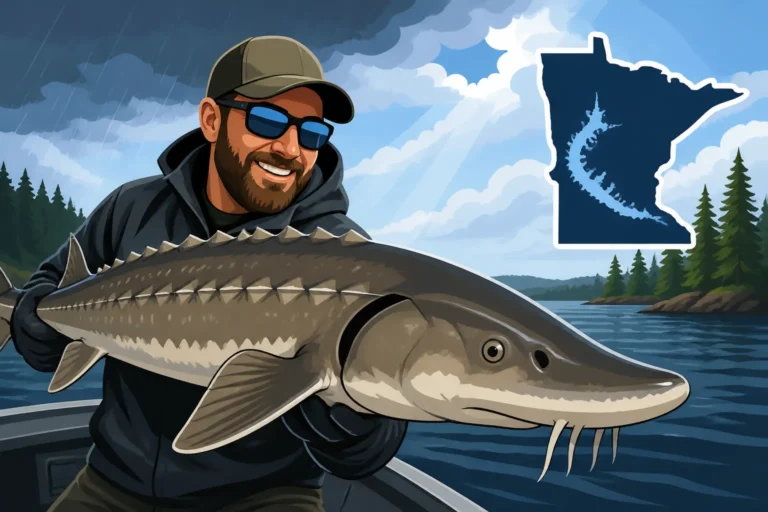
For a truly unique challenge, consider targeting lake sturgeon on the Rainy River. These ancient fish are incredible fighters and can grow to enormous sizes. Specialized heavy-duty tackle, strong lines, and large baits like cut suckers or shiners are necessary. Sturgeon fishing requires patience and respect for these protected species. If you're planning to target these giants, make sure you understand the specific Lake Sturgeon Regulations & Tag in Minnesota, as a special tag is required. It's an unforgettable experience to battle one of these living fossils through a hole in the ice.
Disclaimer
Fishing conditions and regulations in Minnesota, especially on large and dynamic bodies of water like Lake of the Woods, can change rapidly. While we strive to provide the most current and accurate information, it is always your responsibility as an angler to consult the latest official Minnesota Department of Natural Resources (DNR) fishing regulations before heading out on the ice. These regulations supersede any information found in this guide. Be safe, respect the resource, and have a fantastic time fishing!