Best Gear for Ice Fishing Rainbow Trout in Minnesota
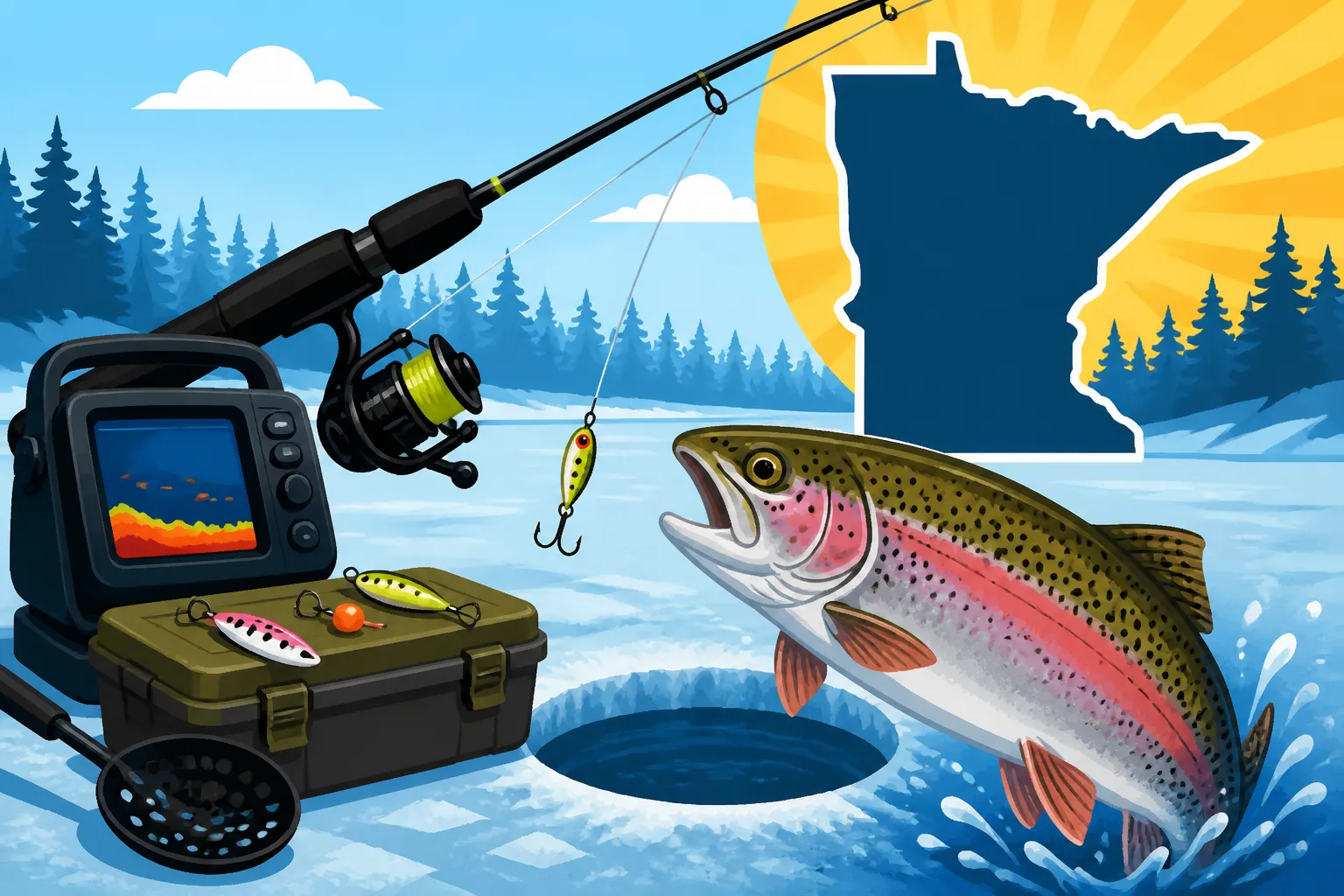
Trying to figure out the perfect setup for ice fishing rainbow trout in Minnesota can feel like a maze, especially when most of the advice out there seems geared towards walleye or panfish. Rainbows have their own quirks, and using the wrong gear can mean the difference between a memorable day on the ice and staring at an empty hole. This comprehensive guide is here to cut through the noise, helping you dial in the ideal rods, reels, lines, lures, and electronics to consistently hook into Minnesota's vibrant rainbow trout.
Understanding Rainbow Trout Behavior Under the Ice
Before we even dive into the gear, it's crucial to understand what makes rainbow trout tick when the lakes are frozen over. They're not your typical bottom-hugging walleyes or deep-water crappies. Rainbows are often stocked in certain Minnesota lakes, creating unique fishing opportunities, and their behavior can vary quite a bit, making specific gear choices paramount.
Preferred Depths and Habitat
Unlike some other species, rainbow trout often suspend in the water column or cruise along structure at varying depths. In many stocked trout lakes in Minnesota, you'll find them anywhere from just under the ice down to 20-30 feet, often relating to submerged points, weed edges, or even open water where they're chasing baitfish. They're active cruisers and can be found roaming, which means you need to be able to locate them and present your lure effectively at different levels. This is why having good electronics is almost non-negotiable for these fish. If you're wondering about specific trout regulations, you'll want to check out the details on Minnesota Trout Stamp & Trout Regulations as some lakes have special rules.
Finicky Feeding Habits
Rainbow trout can be notoriously finicky, especially when the water is cold and clear under the ice. Their bites are often subtle, sometimes just a slight tap or a momentary cessation of line movement. They're highly visual predators, and presentation matters a great deal. This means your gear needs to be sensitive enough to detect those light bites and allow for a natural presentation of small baits. They're not always aggressively smashing a spoon like a pike might; often, it's a gentle inhale. This sensitivity requirement directly influences your choice of rod, reel, and especially line.
Essential Rods, Reels, and Line for Ice Trout
Getting the right feel for those subtle trout bites starts with your rod and reel setup. This isn't the time to grab your heavy walleye stick. Think light, sensitive, and precise.
The Right Rod: Ultralight Sensitivity
For ice fishing rainbow trout, an ultralight or light action rod is your best friend. Look for rods in the 24 to 32-inch range, with a fast or extra-fast tip. The key here is sensitivity. A soft, forgiving tip will telegraph even the slightest nudge from a trout, allowing you to react quickly. The backbone of the rod should still have enough power to handle a feisty rainbow, but the tip is paramount for bite detection. Brands like Fenwick, St. Croix, and Tuned Up Custom Rods offer excellent options that have the perfect balance of sensitivity and power. For instance, a 28-inch ultralight with an extra-fast tip from St. Croix's Mojo Ice series or a Fenwick Elite Tech Ice rod would be fantastic.
When considering a new rod, think about the material. Graphite rods are generally lighter and more sensitive than fiberglass, which is a huge advantage when targeting timid trout. A good quality cork handle also enhances feel, helping you detect those subtle "takes." This sensitivity is critical, especially when fishing small tungsten jigs or tiny spoons where the resistance is minimal. Many anglers find their Best Ice Fishing Rods for Walleye & Panfish can often cross over for trout, but for maximum performance, specializing helps.
Matching Reels: Smooth Drag and Light Weight
Pair your ultralight rod with a small spinning reel, typically in the 500 to 1000 size. The most important feature of your reel for trout fishing is a smooth, reliable drag system. Rainbow trout, even smaller ones, can make powerful runs when hooked, especially in open water under the ice. A sticky or jerky drag will quickly lead to broken lines or pulled hooks.
Look for reels from reputable brands like Shimano, Daiwa, or Pflueger. The Pflueger President XT or Shimano Sedona FL in a 500 or 1000 size are popular choices for their smooth drag and reasonable price point. Keep the reel light to maintain the overall balance of your setup, further enhancing sensitivity. You can often find a great selection of these smaller reels at stores like Bass Pro Shops or through online retailers like Amazon.
The Perfect Line: Low Visibility and Minimal Stretch
Choosing the right line is often overlooked but is absolutely critical for ice fishing rainbow trout.
- Fluorocarbon or Monofilament Leaders: Many anglers prefer a very light main line (like braid) and then tie on a fluorocarbon leader. Fluorocarbon is nearly invisible underwater, which is a massive advantage when trout are being finicky in clear water. It also has less stretch than monofilament, improving sensitivity. A 2 to 4-pound test fluorocarbon leader is ideal.
- Main Line (Braid or Mono): For your main line, you have a couple of options. Many experienced ice anglers opt for a thin, low-stretch braided line (like 4-6 lb test) for its superior sensitivity and strength, then add a fluorocarbon leader. Others stick with high-quality monofilament in 2-4 pound test. If you go with mono, choose a low-memory, cold-weather specific line that won't coil up too much in the cold. The important thing is minimal stretch for sensitivity and low visibility, especially for the business end near your lure. You can read more about various line types in our guide to Best Fishing Line for Walleye (Braid vs Mono vs Fluoro), many principles of which apply to trout too.
Lures, Baits, and Attractants that Entice Rainbows
Rainbow trout respond best to small, subtle presentations, often mimicking natural forage like insects, minnows, or even fish eggs. This means your tackle box should be stocked with a variety of micro jigs, small spoons, and a selection of live and artificial baits.
Micro Jigs and Plastics: The Subtle Approach
Tungsten jigs are a game-changer for ice fishing, and they are particularly effective for rainbow trout. Tungsten is denser than lead, allowing for a smaller profile jig that still gets down to depth quickly. This small size is crucial for trout, which can be easily spooked by larger presentations.
- Colors and Sizes: Think natural colors like black, brown, white, and chartreuse, but also don't shy away from brighter colors like pink or orange, especially in stained water or when the bite is aggressive. Sizes typically range from 1/32 to 1/16 ounce.
- Plastic Baits: Pair your tungsten jigs with tiny plastic baits. Eurolarvae, micro-grubs, small worms, or even tiny paddle tails from brands like Maki Plastics, Custom Jigs & Spins, or Clam are excellent choices. Tipping these with a single wax worm, a couple of maggot, or a piece of Berkley PowerBait is often the ticket. The natural action and scent can make all the difference. Check out our deep dive into Best Tungsten Jigs for Panfish for more ideas, as many of those work wonders for trout.
Small Spoons and Jigs: Flash and Vibration
Sometimes, rainbows need a little more flash or vibration to get their attention, especially if they're actively chasing baitfish.
- Spoons: Tiny jigging spoons, typically 1/16 to 1/8 ounce, can be incredibly effective. Spoons like the classic Swedish Pimple, Northland Forage Minnow, or the Acme Kastmaster flutter enticingly on the fall, mimicking a wounded baitfish. Gold, silver, and fire tiger are go-to colors. Tip these spoons with a minnow head, a full minnow, or a couple of wax worms for added attraction.
- Jigging Raps/Rapala Rippin' Raps: While often associated with walleye, the smaller sizes (W3, W5) of Rapala Jigging Raps can also be deadly for rainbow trout, especially when they're aggressive. The horizontal presentation and darting action can trigger reaction strikes.
- Presentation: With spoons and jigging raps, a slow lift-and-drop retrieve is usually best. Let the lure flutter, pause, and then repeat. Sometimes, simply holding it still after a subtle twitch is all it takes for a trout to commit.
Live Bait and Artificial Scent
Live bait can be irresistible to trout, even on slow days.
- Wax Worms and Spikes (Maggots): These are staple trout baits for a reason. They're small, natural, and stay on the hook well. A small jig tipped with one or two wax worms or spikes is a classic presentation that consistently catches fish.
- Small Minnows: If legal and available, small fatheads or crappie minnows (hooked lightly through the back or lips) under a slip bobber can also be effective, especially for larger trout.
- PowerBait: For stocked rainbows, Berkley PowerBait is often a secret weapon. The dough or nugget forms, fished on a small treble hook or plain hook a foot or so off the bottom, can be incredibly effective. It releases scent and can be fished dead-stick style. Even tipping your jigs with small pieces of PowerBait adds a powerful scent trail.
| Lure Type | Best Use Case | Typical Size/Weight | Preferred Colors | Tipping Options |
|---|---|---|---|---|
| Tungsten Jigs | Finicky bites, clear water, subtle presentation | 1/32 – 1/16 oz | Black, chartreuse, pink, white | Wax worm, maggot, tiny plastic |
| Small Jigging Spoons | Active fish, flash & vibration needed | 1/16 – 1/8 oz | Gold, silver, fire tiger, blue/silver | Minnow head, wax worm |
| Tiny Soft Plastics | Pairing with tungsten jigs, natural action | 1-2 inch | White, clear, brown, chartreuse | N/A (scented if possible) |
| PowerBait Nuggets | Stocked trout, dead-sticking, scent trail | Small pearl-sized | Chartreuse, rainbow, white | N/A |
Key Electronics and Shelters for Success
While you can catch trout without electronics or a fancy shelter, these tools significantly increase your success rate and comfort, especially when targeting a mobile species like rainbow trout.
Fish Finders: Flashers and Live Sonar
For ice fishing rainbow trout, a quality fish finder is almost as important as your rod and reel.
- Flasher Units: Traditional ice fishing flashers like those from Vexilar (e.g., Vexilar FLX-28) or MarCum are excellent for detecting fish and your lure in real-time. They show you exactly where the trout are in the water column and how they're reacting to your presentation. This immediate feedback allows you to adjust your depth and jigging cadence to trigger strikes. Given that rainbows often suspend, seeing your lure at their level is critical. Our guide to Best Ice Fishing Flashers provides an in-depth comparison to help you choose.
- Forward-Facing Sonar (e.g., Garmin LiveScope): For the serious angler, forward-facing sonar like Garmin LiveScope has revolutionized ice fishing. While a significant investment, it allows you to see fish moving into your zone well before they're directly under your hole. This is incredibly useful for roaming fish like rainbows, helping you intercept them and set up your presentation ahead of time. It lets you cover more water effectively without drilling countless holes. While not essential, it offers a distinct advantage for those chasing actively cruising trout.
Portable Ice Shelters for Comfort and Mobility
A good ice shelter provides comfort and also helps you visually detect subtle bites by eliminating glare and external distractions.
- Flip-Over Shelters: Brands like Clam (e.g., Clam Legend XL Thermal) and Otter Outdoors (e.g., Otter XT Pro Lodge) make fantastic flip-over shelters. These are incredibly convenient for mobility, allowing you to quickly pull up your shelter, fish a hole for a while, and then easily move to a new spot if the trout aren't biting. Many are insulated, which is a huge plus on those frigid Minnesota days. The darker interior also helps you see faint line movements against the white ice or snow.
- Hub Shelters: Hub-style shelters are lighter and offer more interior space for their footprint, making them great for groups or if you plan to stay in one spot for longer. They're still relatively quick to set up and take down. Again, insulation is a feature worth paying for. Our article comparing Clam vs Otter Ice Shelters: Which Is Better? can help you decide between these popular options.
Being warm and comfortable makes you a more patient and effective angler. Combine your shelter with a small, safe propane heater (like those from Mr. Heater) to maintain a comfortable temperature inside.
Specialized Accessories for Trout Anglers
Beyond the core gear, a few specialized accessories can greatly enhance your ice fishing experience for rainbow trout.
Ice Augers: Efficient Hole Drilling
Since rainbow trout often roam, you might find yourself drilling more holes than usual to locate active fish.
- Electric Augers: Electric augers have become incredibly popular for their quiet operation, lack of fumes, and ease of use. Brands like StrikeMaster (e.g., StrikeMaster Lithium 40v) and Ion offer excellent models that can drill numerous holes on a single charge. This is a huge advantage when you need to be mobile and stealthy.
- Propane or Gas Augers: For those who prefer the raw power or plan on drilling exceptionally large numbers of holes, propane or gas augers remain a solid choice. Eskimo and Jiffy are well-known names in this category. For drilling multiple holes quickly, a power auger is indispensable. You can explore different options in our guide to Best Ice Augers for Minnesota: Electric vs Gas.
Other Must-Have Tools
- Ice Scoops: Essential for keeping your holes clear of slush and ice, ensuring your line runs freely. Look for a durable metal scoop.
- Forceps/Pliers: Rainbow trout have small mouths, and tiny jigs can be hard to remove. A good pair of long-nosed pliers or fishing forceps will save your fingers and the fish.
- Aerator/Bait Bucket: If you're using live minnows, an insulated bait bucket with an aerator will keep them lively, which is crucial for attracting trout.
- Portable Sled: To easily transport all your gear across the ice, a durable sled is invaluable. Brands like Clam and Otter make sleds designed for ice fishing.
- Flotation Suit: For safety and warmth, a modern flotation suit (like those from Striker Ice or Clam) is an excellent investment. It provides insulation and adds a crucial layer of safety in case of an accidental plunge.
Equipping yourself with the right gear for ice fishing rainbow trout in Minnesota makes all the difference. It's about combining sensitivity, appropriate presentation, and mobility to meet the unique challenges of this beautiful, often finicky, species. Next time you hit the hard water for rainbows, whether on a lake like Lake Superior's North Shore tributaries where steelhead (a type of rainbow) run, or a stocked inland pond, you'll be ready. Many of these gear choices are beneficial across species, as highlighted in our broader Ice Fishing in Minnesota: Complete Beginner-to-Pro Guide.
Disclaimer
Fishing regulations, seasons, and limits can change frequently. Always consult the latest Minnesota Department of Natural Resources (DNR) fishing regulations handbook or website before heading out on the water. This guide is for informational purposes only and should not replace official DNR guidelines. Remember to prioritize safety on the ice.