Best Gear for Ice Fishing Yellow Perch in Minnesota
There’s nothing quite like the excitement of dropping a line through the ice, especially when you’re targeting those feisty yellow perch. But let's be real, sometimes it feels like they’re just not there, or your gear isn't quite cutting it. Getting the right setup can make all the difference between a slow day and a bucket full of tasty fillets. This guide is all about helping you dial in the best gear for ice fishing yellow perch here in Minnesota, so you can spend less time guessing and more time catching.
Understanding Yellow Perch Behavior Under the Ice
Before we even talk about specific gear, it’s crucial to understand a bit about what makes yellow perch tick when the lakes freeze over. These aren't your solitary walleye; perch are schooling fish, constantly on the move, and their preferences can shift throughout the ice season. Knowing where they like to hang out and when they’re most likely to bite is half the battle won.
Perch Habitat and Structure Preferences
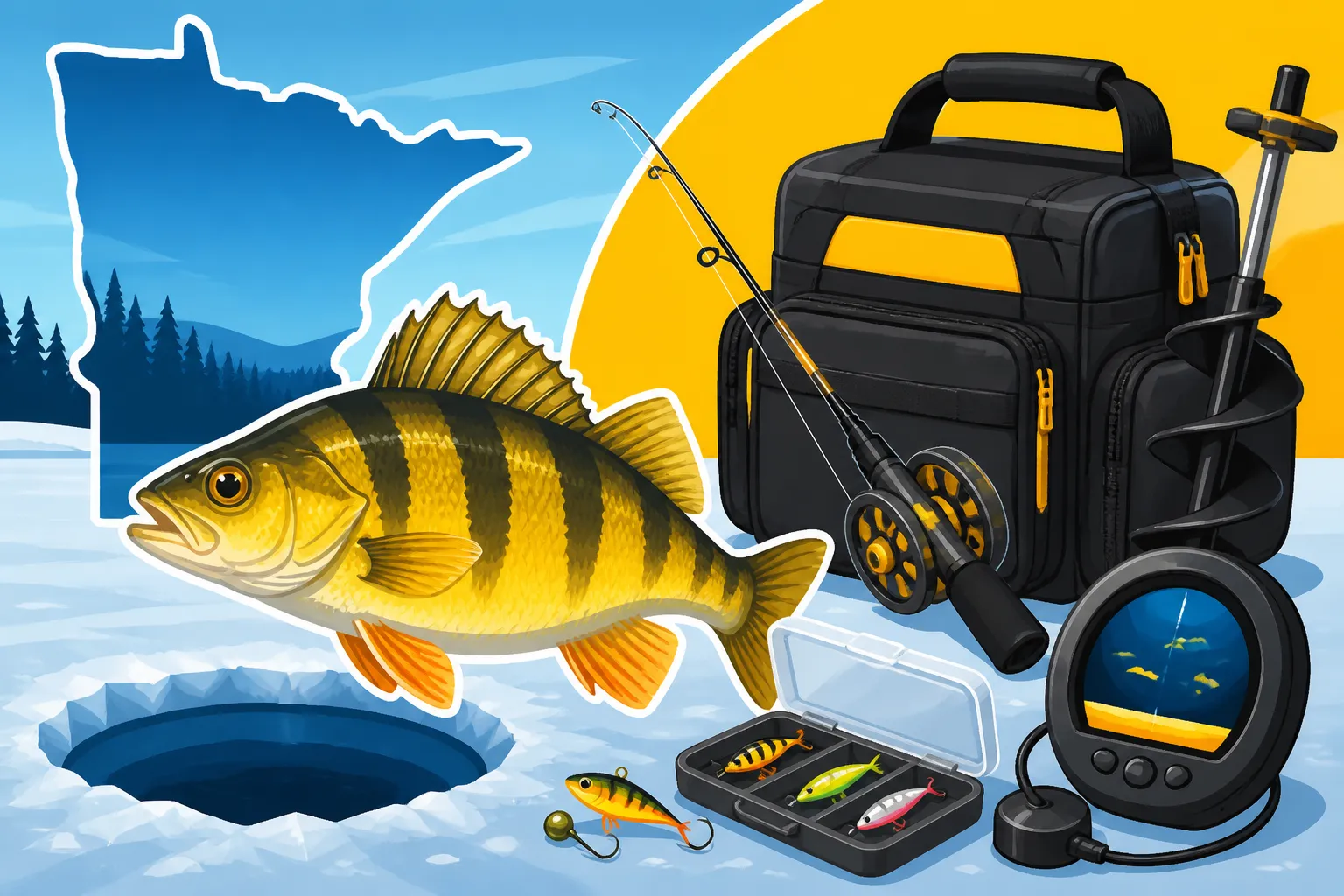
Yellow perch are opportunistic feeders, but they do have their favorite haunts. Unlike some species that might hug deep points or stark breaks, perch often gravitate towards more subtle features.
When the ice first forms, or during late ice, you'll often find them clinging to green weed lines in shallower water, typically anywhere from 8 to 15 feet. These weeds offer cover, oxygen, and a buffet of insects and small invertebrates. As winter progresses and oxygen levels dip in the dense weeds, perch will start moving towards deeper breaks, sometimes pushing out into 20-30 feet of water, especially if there's a good mix of soft and hard bottom or subtle changes in depth. They absolutely love areas where a softer, mucky bottom transitions into a firmer, rocky or gravelly area. These transition zones are often teeming with their invertebrate prey.
Think of those expansive, relatively shallow flats on lakes like Leech Lake or Lake Winnibigoshish. Perch will often roam these areas, sometimes in depths as shallow as 10 feet, especially if there's a food source. They're rarely found suspended in open water like a tullibee; they stick close to the bottom where their food is. Don't be afraid to drill plenty of holes and move around until you hit a school. Sometimes, the perch will be concentrated in a very small area, and if you're just 10 feet off, you might miss them entirely. You might also find jumbo perch mixing in with schools of crappie, so understanding the nuances of where to find jumbo perch can really pay off.
Feeding Habits and Daily Movements
Perch are generally most active during prime feeding windows. While they can bite at any time, early morning and late afternoon into dusk are often the most productive. These are typically periods of lower light, which makes them feel more secure. Overcast days can extend these feeding periods, as the reduced light penetration makes them more comfortable foraging throughout the day.
When you locate a school, they often bite aggressively for a short period before moving on or becoming more cautious. This is why having gear that allows for quick detection and efficient presentation is so important. They are primarily visual predators but also use their lateral line to detect vibrations. This means your lure's action and color matter, but so does the subtle movement you impart. Sometimes, a tiny quiver is all it takes. The size of the school can vary wildly, from a handful of fish to massive congregations that can fill your screen on a fish finder. When you hit a big school, it can be non-stop action, but remember that the bite can shut off just as quickly as it started.
Essential Rods, Reels, and Line for Perch Ice Fishing
Having the right rod, reel, and line combo is paramount for catching yellow perch through the ice. Their bites can be incredibly subtle, sometimes feeling like nothing more than a slight pressure or the line going slack. Your gear needs to be sensitive enough to detect these faint signals and strong enough to handle a feisty jumbo.
The Right Rod for Perch Action
For yellow perch, sensitivity is king. This means opting for ultralight to light action rods, typically ranging from 24 to 30 inches in length. A shorter rod is easier to handle in the confines of an ice shelter or while kneeling by a hole.
Look for rods with a very sensitive tip, often made of a different, more flexible material like fiberglass or a spring bobber integrated into the tip. This soft tip will telegraph even the lightest tap, allowing you to react quickly. The rod blank itself should be graphite for its sensitivity, but a fast or extra-fast action will give you the backbone to set the hook and fight a good-sized perch without overpowering your small lures. Some popular choices you’ll see anglers using include rods from St. Croix's Mojo Ice line or Frabill's Panfish Popper series, both of which offer excellent sensitivity.
When choosing, consider how you like to fish. If you prefer to watch the rod tip for bites, a brighter colored, sensitive tip is key. If you primarily rely on a flasher, then a more balanced rod that feels comfortable in your hand for long periods of jigging will be beneficial. Remember, you're looking for finesse, not brute strength. For targeting perch specifically, you'll want something much lighter than your typical walleye ice fishing rod, but the principles of sensitivity and good feel remain the same. If you're looking to upgrade your collection, consider checking out some options for the best ice fishing rods for walleye and panfish.
Pairing Your Reel and Line Wisely
For perch ice fishing, a small, smooth spinning reel is generally the best choice. A size 500 to 1000 series reel is perfectly adequate, providing enough line capacity and a smooth drag system without adding unnecessary weight or bulk to your delicate rod. Brands like Shimano, Daiwa, or even Pflueger offer excellent small spinning reels that hold up well in cold conditions. You want a reel with a smooth retrieve and a reliable drag because even a 12-inch perch can pull hard when it’s fresh out of the cold water!
When it comes to line, you have a few good options, each with its pros and cons:
- Monofilament: Often called "mono," this is a classic for a reason. It's inexpensive, has good knot strength, and offers a bit of stretch, which can act as a shock absorber for light lines and aggressive hooksets. Its main drawback for ice fishing is that it can absorb water and freeze, and its stretch can make subtle bites harder to detect in deeper water. Stick to 2-4 pound test.
- Fluorocarbon: This line is nearly invisible underwater, which can be a huge advantage for finicky perch. It has less stretch than mono, offering better sensitivity, and it's more abrasion-resistant. However, it can be a bit stiffer and more prone to memory, especially in cold temperatures. Again, 2-4 pound test is ideal.
- Braided Line with Fluorocarbon Leader: This is a popular choice for many experienced ice anglers. Braided line has virtually no stretch, offering maximum sensitivity, and it's incredibly strong for its diameter. The downside is its visibility and tendency to freeze up. To combat this, tie a 3-6 foot fluorocarbon leader (2-4 pound test) to your braided mainline (4-6 pound test) using a small swivel or a uni-to-uni knot. This gives you the sensitivity of braid with the invisibility of fluorocarbon right at the lure.
When selecting your line, don't skimp on quality. Good line management is crucial, especially when you're quickly dropping a small lure down a hole. You can find excellent lines and other gear at retailers like Bass Pro Shops, or readily available on Amazon for convenience. For a deeper dive into line choices, you might find our guide on the best line for ice fishing (walleye & panfish) helpful.
Baits and Lures That Yellow Perch Can't Resist
Yellow perch aren't typically picky eaters, but when they're cold and sluggish, presentation and the right offering make all the difference. Their diet consists mainly of small insects, larvae, and tiny minnows, so mimicking these natural food sources is your best bet.
Jigging Lures: Small and Mighty
The world of ice fishing lures for perch is dominated by small, active presentations. Tungsten jigs have revolutionized panfish ice fishing. Because tungsten is much denser than lead, a tungsten jig can be much smaller than a lead jig of the same weight. This means you can get a tiny profile down to depth quickly, which is perfect for finicky perch that might be wary of larger baits. They also provide better feel for light bites due to their density.
- Tungsten Jigs: Sizes like 3mm to 5mm are ideal. Colors can vary, but perch often respond well to bright colors like chartreuse, orange, and pink, as well as more natural hues like black, brown, or glow white. Tipping these jigs with a wax worm, a couple of eurolarvae, or a small piece of minnow is almost always a good idea. Brands like Northland Fishing Tackle and Clam make excellent tungsten jigs specifically designed for panfish. Our guide to the best tungsten jigs for panfish can offer more specific recommendations.
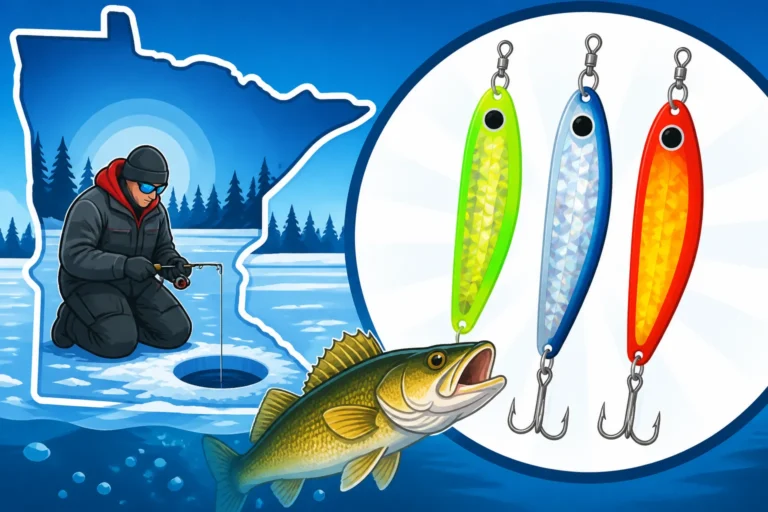
- Small Spoons: Tiny spoons, often called "flicker spoons" or "darting spoons," can be incredibly effective, especially for drawing in more aggressive perch. Sizes from 1/16 oz to 1/8 oz are usually best. The flash and flutter on the drop can really grab their attention. Popular options include the Swedish Pimple or small Kastmasters. Again, tipping with live bait enhances their appeal.
- Tear Drop Jigs: These classic lead jigs, often painted in bright colors, have been catching perch for generations. They present a small profile and are easy to tip with bait. They're a budget-friendly option and still very effective, especially in shallower water.
Experimentation is key. Sometimes perch want a fast jigging motion; other times, a subtle quiver or even dead-sticking will be more effective.
Live Bait: The Irresistible Scent
While artificial lures are great, nothing beats the real thing for finicky perch, especially on tough bite days. Live bait adds natural scent, movement, and taste that perch find hard to resist.
- Minnows: Small minnows, like fatheads or crappie minnows, are a perch favorite. You can hook them through the back for more lively action or through the lips if you want them to swim more naturally. A small minnow suspended under a slip bobber or tipped on a jig can be deadly.
- Wax Worms and Eurolarvae: These are probably the most popular panfish baits for a reason. They're hardy, stay on the hook well, and offer a juicy, wiggling presentation. You can use one or two on a small jig.
- Spikes/Maggots: Similar to wax worms, spikes are another excellent choice. They are smaller than wax worms, which can be advantageous for extremely light-biting fish.
Always keep your live bait fresh and lively. A good insulated minnow bucket with an aerator will keep your minnows active, and a small bait puck will keep your worms from freezing. Remember, the goal is to make it as easy as possible for the perch to decide your offering is worth biting.
Key Electronics and Accessories for Perch Success
Modern ice fishing has been transformed by technology, and for perch anglers, a few key pieces of gear can dramatically improve your success rate. Beyond the high-tech, having the right basic accessories can also make your day on the ice more comfortable and productive.
Fish Finders: Seeing What's Below
If you're serious about ice fishing for perch, a fish finder is a game-changer. It allows you to see your lure, detect fish approaching it, and observe their reaction, helping you fine-tune your presentation.
- Flashers (Vexilar, Marcum, Humminbird): These are the traditional ice fishing electronics. They display a real-time, circular readout of what's beneath your hole. You'll see your lure as it descends, fish moving into your cone angle, and the bottom composition. For aggressive perch, watching them rocket up to your lure on a flasher is exhilarating. They are extremely responsive and allow you to react instantly to a fish's presence. Brands like Vexilar, Marcum, and Humminbird are industry leaders, each with loyal followings. Our guide on the best ice fishing flashers: Vexilar vs Humminbird vs Garmin can help you make an informed decision.
- LCD Units (GPS/Sonar Combos): Many anglers are now using portable LCD units that offer more detailed mapping (GPS), traditional 2D sonar, and often CHIRP or even Garmin LiveScope Review: Is Forward-Facing Sonar Worth It? capabilities. While LiveScope might be overkill for dedicated perch fishing, traditional sonar can still show you fish arching and depth. The mapping capabilities are invaluable for navigating lakes and finding those subtle structure changes where perch hide, especially on big waters like Lake of the Woods or Lake Vermilion.
- Underwater Cameras: While not a "fish finder" in the traditional sense, an Aqua-Vu or similar underwater camera can be incredibly fun and educational. You can actually watch perch react to your lure, see how they're hitting it (or not hitting it!), and identify bait stealers. It's a fantastic tool for learning fish behavior and for entertaining kids on the ice.
Learning how to find fish while ice fishing efficiently is critical, and a good fish finder significantly shortens the learning curve and increases your catch rate.
Beyond the Basics: Augers, Shelters, and More
Beyond the rod, reel, and electronics, a few other accessories are non-negotiable for a comfortable and effective perch outing.
- Ice Augers: You'll be drilling a lot of holes when chasing perch, as they're often on the move. A fast, efficient auger is essential.
- Hand Augers: Great for early ice and lighter budgets, especially if you're only targeting shallower water. A 6-inch hand auger is perfect for perch.
- Electric Augers: A huge leap in convenience, electric augers like the StrikeMaster Lithium 40V or the ION G2 are powerful, quiet, and make drilling dozens of holes effortless. They are a game-changer for covering ground quickly. For more on augers, check out our comparison of the best ice augers for Minnesota: electric vs gas.
- Ice Shelters: While you can certainly chase perch in the open air, a portable ice shelter offers protection from the elements, making your day far more enjoyable, especially in Minnesota's harsh winters.
- Flip-Over Shelters (Clam, Otter): These are fantastic for perch fishing because they allow for quick moves. You can pull them by hand or with an ATV, and they set up in seconds. Ideal for the run-and-gun style of perch fishing.
- Hub Shelters: Offer more space and are often lighter to carry, but take a bit longer to set up. Good for groups or if you plan to stay in one area for a while. You can learn more about these options in our guide to the best ice shelters: Clam vs Otter (flip vs hub).
- Essential Accessories:
- Ice Scoop/Skimmer: Crucial for keeping your holes ice-free.
- Pliers/Forceps: For easy hook removal, especially from smaller fish.
- Minnow Bucket/Bait Container: To keep your live bait alive and accessible.
- Bucket/Chair: For sitting, and a 5-gallon bucket is also handy for holding your catch.
- Gloves/Mittens: Warm hands are happy hands!
- Thermos with Hot Beverage: Nothing beats a warm drink on a cold day.
A well-organized tackle box with small compartments for jigs and a separate bait puck will keep you ready for action. Being prepared with the right gear means you can focus on the fishing, not fighting the cold or struggling with equipment.
Here's a quick comparison of popular ice fishing line types for perch:
| Line Type | Advantages | Disadvantages | Ideal Use |
|---|---|---|---|
| Monofilament | Inexpensive, good knot strength, some stretch | Can absorb water and freeze, less sensitive | Shallow water, beginners, budget-conscious |
| Fluorocarbon | Nearly invisible, good sensitivity, abrasion-resistant | Stiffer, prone to memory, slightly more expensive | Clear water, finicky fish, moderate depths |
| Braided w/ Leader | Max sensitivity, strong for diameter, no stretch | Visible, freezes easily, requires leader knot | Deeper water, maximum feel, experienced anglers |
Disclaimer
Fishing regulations can change frequently. Always consult the latest Minnesota Department of Natural Resources (DNR) fishing regulations handbook before heading out on the ice to ensure you are compliant with all current rules and limits.