Best Bass Lures for Minnesota Lakes
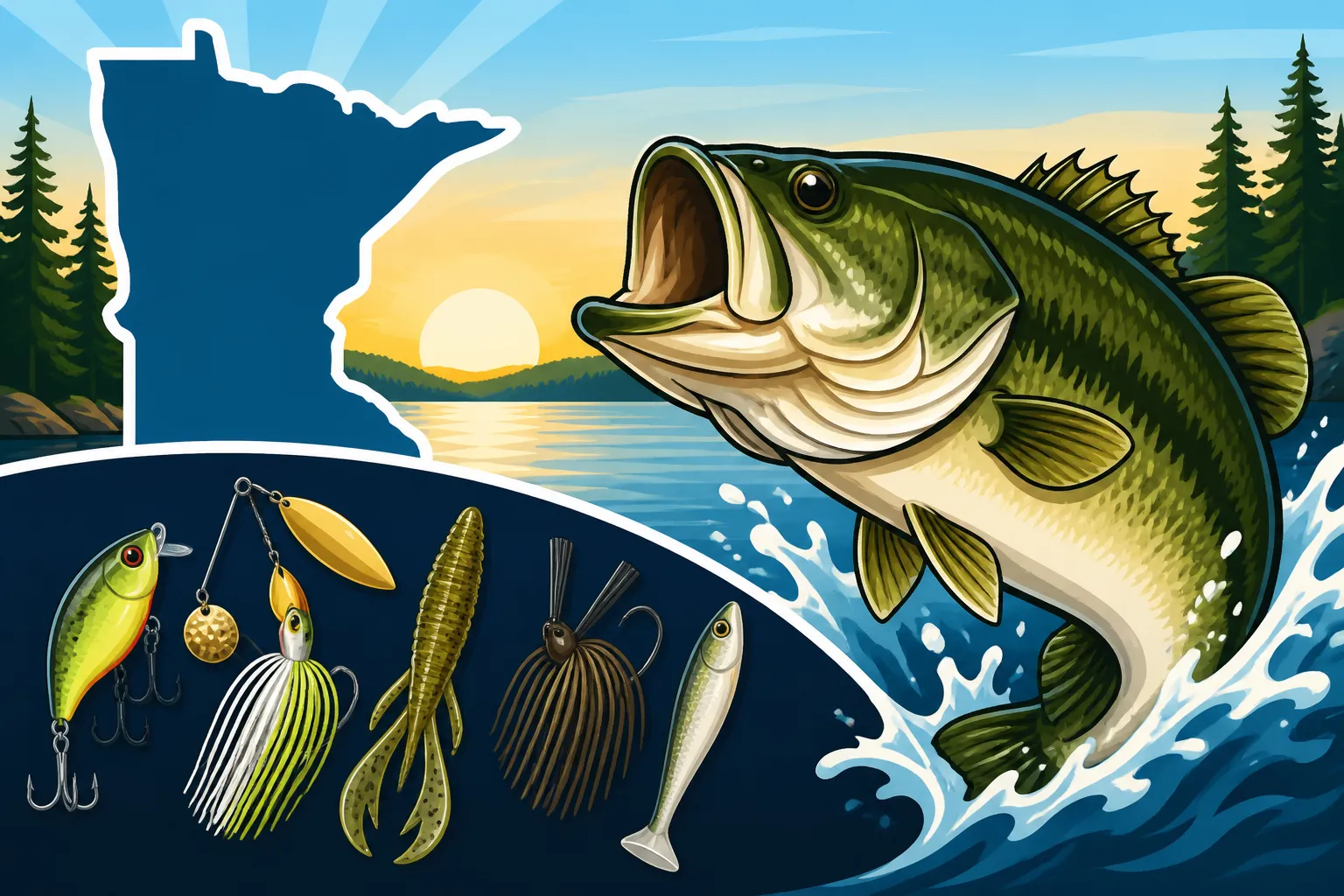
Trying to navigate the dizzying array of bass lures on the market can feel like staring into an overflowing tackle box, wondering where to even begin. It’s a common frustration for anglers in Minnesota, where our diverse lakes and two distinct bass species — largemouth and smallmouth — demand a thoughtful approach. This guide is here to cut through the confusion, helping you understand the best bass lures for Minnesota lakes, tailored to specific conditions and the behavior of these incredible game fish.
Understanding Minnesota Bass: Largemouth vs. Smallmouth
Before you even think about tying on a lure, it’s crucial to understand the fundamental differences between largemouth and smallmouth bass. They are both aggressive, hard-fighting fish, but their preferred habitats and feeding behaviors often dictate which lures will be most effective. Think of it like this: you wouldn't use a snow shovel to clear your driveway in July, right? The tool needs to match the job.
Largemouth Bass: The Greenbacks of the Lily Pads
Largemouth bass, often called "greenbacks" for their distinctive coloration, are the classic cover-loving ambush predators. In Minnesota, you’ll find them thriving in lakes and rivers with abundant aquatic vegetation like lily pads, coontail, milfoil, and wild rice beds. They also love to hide around fallen trees, docks, and thick reeds. These fish are masters of stealth, waiting patiently for an unsuspecting bluegill or perch to swim by before exploding out of their hiding spots.
When targeting largemouth, your goal is often to provoke a reaction strike by invading their personal space or imitating their preferred prey. They have a larger mouth, which means they’re not shy about engulfing bigger baits. Our Minnesota lakes, from the shallow, fertile waters of Lake Minnetonka to the weed-choked bays of Lake Winnibigoshish, are prime largemouth territory, and understanding their habits is the first step to success.
Smallmouth Bass: Bronze Bombers of Rocky Structures
Smallmouth bass, affectionately known as "bronze bombers" or "brown bass," are a different beast altogether. While they share some similarities with their largemouth cousins, smallmouth are more nomadic and prefer clear water with rocky structures. Think about the deep, clear waters of Lake Mille Lacs or the rugged shorelines of Lake Vermilion. They gravitate towards boulders, rock piles, gravel beds, points, ledges, and even submerged humps in open water.
Unlike largemouth, smallmouth are often sight feeders, actively hunting down their prey. Their smaller, more proportionate mouth means they might prefer slightly smaller, more streamlined baits than a largemouth. You'll find them schooling up more often, chasing baitfish like ciscoes, shiners, or even crayfish along the edges of structure. When you hook into a smallmouth, prepare for an acrobatic fight, as they are known for their powerful runs and impressive aerial displays. If you want to dive deeper into how these two species differ and where to find them, check out our guide on Smallmouth & Largemouth Bass in Minnesota.
Key Differences in Foraging and Habitat
The distinct habitats and foraging strategies of largemouth and smallmouth bass directly influence the types of lures they respond to best. Largemouth often ambush prey, so lures that create commotion or mimic struggling baitfish near cover are effective. Think loud, splashy topwaters or bulky soft plastics punched through weeds.
Smallmouth, being open-water hunters, respond well to lures that imitate active baitfish or crayfish darting along rocky bottoms. Erratic jerkbaits, deep-diving crankbaits, or subtle finesse baits on a drop shot rig can be deadly. Knowing the body of water you're fishing – whether it's predominantly weedy like a typical southern Minnesota lake or rocky and clear like many northern lakes – will help you narrow down your lure choices significantly. Our guide on Bass Fishing Techniques for Minnesota Lakes covers many of these nuances in detail.
Topwater Temptations: When Bass Explode on the Surface
There's nothing quite like the heart-stopping thrill of a bass blowing up on a topwater lure. It’s an adrenaline rush that keeps anglers coming back for more. Topwater fishing is most effective during low-light conditions – early mornings, late evenings, or overcast days – when bass are more willing to venture into shallow water to feed. It’s also incredibly effective when bass are actively chasing bait near the surface.
Poppers and Walkers: The Classic Surface Show
Poppers create a "chugging" or "popping" sound as you twitch them, mimicking a struggling baitfish or a frog hitting the water. Lures like the Heddon Super Spook Jr. or the Rebel Pop-R are fantastic examples. They work great around docks, lily pads, and fallen timber. You'll want to cast them near cover, let the ripples dissipate, then give a short, sharp twitch to make them "pop" before pausing again. The pause is often when the strike occurs, so be patient! Vary your retrieve speed and popping cadence until you find what the fish want.
Walkers, often called "walking baits" or "spooks," have a sleek, cigar-shaped body designed to glide side-to-side across the surface with a "walk-the-dog" retrieve. Brands like Bagley and Lucky Craft make excellent walking baits. This action is incredibly enticing, resembling a dying baitfish or a snake swimming. This technique requires a bit of practice to get the rhythm down, but once mastered, it can be irresistible to both largemouth and smallmouth, especially in calm water or when they’re chasing schools of baitfish. A medium-heavy rod with a fast tip is ideal for working these baits effectively. If you're looking for more tips on this exciting technique, check out our article on Topwater Bass Fishing in Minnesota.
Buzzbaits and Frogs: Weedy Cover Specialists
Buzzbaits are loud, obnoxious, and utterly effective in heavy cover. These lures feature a propeller blade that churns the water, creating a distinctive buzzing or gurgling sound and a wake as you retrieve them across the surface. They excel in thick lily pads, matted grass, and emergent vegetation where other lures would snag immediately. The key is to keep them moving fast enough to stay on top, yet slow enough for bass to track. The flash of the blade and the disturbance on the surface can draw strikes from surprisingly far away. They are particularly effective for largemouth bass that are hiding deep within dense cover.
Frog lures, often made of soft plastic or hollow-bodied designs, are perfect for fishing over the thickest slop and lily pads. Brands like SPRO and Livetarget make incredibly realistic frog imitations. They are designed to be weedless, allowing you to cast them directly into dense cover where a real frog might be lurking. The retrieve usually involves short twitches, making the frog "walk" or "jump" across the mats, followed by pauses. When a bass strikes, resist the urge to set the hook immediately. Let the fish fully engulf the lure, feel the weight, and then set the hook with a powerful sweep. This patience is crucial for better hook-up ratios with frog lures.
Choosing Topwater Colors and Sizes
Selecting the right color and size for your topwater lures can make a difference. For poppers and walkers, natural baitfish patterns like chrome/blue, shad, or perch are often excellent choices in clear water. In stained or murky water, brighter colors like chartreuse or fire tiger can provide better visibility. Size often depends on the size of the forage in the lake and the aggressiveness of the fish. A general rule of thumb: start with a medium size and adjust based on fish response.
For buzzbaits, black is a classic choice, especially in low light conditions or dark water, as it creates a distinct silhouette against the sky. White and chartreuse are also popular. When it comes to frog lures, realistic greens, browns, and black are go-to colors, matching the natural amphibian palette. Consider how bright the day is and the clarity of the water when making your selection. Sometimes, a subtle, natural color will seal the deal, while other times, a vibrant, attention-grabbing hue is what it takes.
Subsurface Success: Crankbaits, Jerkbaits, and Spinnerbaits
When bass aren't looking up, or when you need to cover water and fish deeper, subsurface lures are your best friend. These baits are designed to dive, wobble, flash, and vibrate, mimicking fleeing baitfish or crawfish and triggering aggressive strikes from both largemouth and smallmouth.
Crankbaits: Diving for Depth and Deflection
Crankbaits are versatile lures that come in various shapes and sizes, each designed to dive to a specific depth. They have a plastic or metal lip (bill) that catches water and makes the lure dive and wobble as you retrieve it. There are shallow-diving crankbaits (often called "squarebills" like the Strike King KVD Square Bill, good for fishing over shallow cover), medium-diving crankbaits (great for fishing along ledges and points), and deep-diving crankbaits (for reaching bass suspended in open water or relating to deep structures).
The magic of a crankbait often happens when it deflects off cover – a rock, a log, or a weed clump. This sudden, erratic movement can often trigger an immediate reaction strike from a curious bass. When fishing rocky lakes like those in northern Minnesota, deep-diving crankbaits in crawfish patterns can be deadly for smallmouth. For largemouth in weedy lakes, a squarebill cranked quickly over shallow grass beds can elicit violent strikes. Experiment with retrieve speeds and pauses to find the cadence that works best.
Jerkbaits: Erratic Action for Reaction Strikes
Jerkbaits are long, slender lures designed to be fished with a "twitch, twitch, pause" retrieve, creating an erratic, darting action that mimics a wounded baitfish. Lures like the Rapala X-Rap or the Megabass Vision 110 are legendary in the bass fishing world. They typically suspend in the water column during the pause, allowing bass to get a good look before committing. This pause is crucial, especially in colder water or when fish are finicky.
Smallmouth bass are particularly susceptible to jerkbaits, especially on clear water lakes. Cast them along rocky points, break lines, or over submerged humps. The erratic flashes and sudden stops can drive them wild. Largemouth will also hit jerkbaits, particularly when they are keying in on schooling baitfish in open water or along the edges of weed lines. Varying the length of your twitches and the duration of your pauses is key to unlocking the jerkbait’s full potential. These lures are a staple in many angler’s tackle boxes available at stores like Bass Pro Shops.
Spinnerbaits and Bladed Jigs: Vibration and Flash in the Cover
Spinnerbaits are workhorses for bass fishing, especially in and around cover. They feature one or more spinning blades (Colorado, Willowleaf, or Indiana styles) attached to a wire arm, which creates flash and vibration that bass find irresistible. A lead head with a skirted hook completes the package. They are relatively weedless, allowing you to retrieve them through weeds, brush, and timber without getting snagged constantly.
For largemouth, especially in murky water or low light, spinnerbaits with a single Colorado blade (for maximum thump) or a combination of blades (for more flash) can be incredibly effective. White, chartreuse, and white/chartreuse combinations are classic choices. Retrieve them at a steady pace, or "yo-yo" them over submerged cover.
Bladed jigs, often called "chatterbaits" after the original Z-Man ChatterBait, are a hybrid lure gaining massive popularity. They combine the flash of a spinnerbait with the erratic wobble and vibration of a crankbait, plus a skirted jig profile. The blade on the front causes the lure to aggressively shake and vibrate, sending strong pulsations through the water that bass can feel from a distance. They are fantastic for fishing around grass, wood, and docks. Add a soft plastic trailer, like a swimbait or a craw, to enhance the profile and action. Bladed jigs are excellent for both largemouth and smallmouth, especially when they are aggressively feeding.
Soft Plastic Supremacy: Worms, Jigs, and Creature Baits
When the bite gets tough, or when you need a more subtle presentation, soft plastics are often the answer. These versatile lures can mimic a wide range of forage, from worms and crawfish to baitfish, and can be rigged in countless ways to suit any situation. This is where precision and patience truly pay off.
Plastic Worms: Versatility for All Conditions
Plastic worms are arguably the most versatile bass lure ever created. They come in endless sizes, shapes, and colors, allowing you to adapt to any condition. The classic Texas rig (where the hook is threaded through the worm and then turned back into the body, making it weedless) is perfect for fishing through heavy cover like weeds, brush, and submerged timber without snagging. Rigged weightless, they flutter enticingly; with a bullet weight, they penetrate cover and get down quickly. This setup is a go-to for largemouth in their natural, weedy Minnesota habitats.
For smallmouth, particularly in clear water or when they’re relating to rock, a Carolina rig can be effective. This involves a heavy sliding weight, a bead, a swivel, a leader, and then your hook and plastic worm. This setup allows the worm to float and move freely above the bottom, mimicking a baitfish or crawfish. Colors like green pumpkin, junebug, and black/blue are consistently productive in Minnesota. There’s a reason why virtually every angler has a bag of soft plastic worms in their box; their effectiveness is unmatched. If you want to refine your approach, consider our detailed guide on How to Catch Largemouth Bass in Minnesota Step by Step.
Jigs and Trailers: Mimicking Forage and Craws
Bass jigs are incredibly effective lures, especially for imitating crawfish, a primary food source for bass in many Minnesota lakes. They consist of a lead head with a hook, dressed with a skirt of silicone, rubber, or hair, and often paired with a soft plastic trailer. The trailer adds bulk, action, and a more realistic profile. Common trailers include crawfish imitations, grubs, or small creature baits.
Flipping and pitching jigs (often heavier jigs, 3/8 oz to 1 oz+) are used to target bass in heavy cover like thick mats, docks, and submerged trees. You basically "flip" or "pitch" the jig into small openings, let it sink, and slowly work it through the cover. This is a largemouth specific technique. For smallmouth, especially on rocky bottoms, a lighter football head jig or a spider jig is excellent. The football head shape allows it to crawl over rocks and boulders without getting hung up as easily, mimicking a crawfish scurrying along the bottom. Colors that mimic crawfish (browns, greens, oranges) or bluegill (blue/black) are top producers. You can find a huge variety of these at places like Amazon.
Creature Baits: Intriguing Bass in Heavy Cover
Creature baits are oddly shaped soft plastics designed to have an ambiguous profile that can imitate various prey items – crawfish, salamanders, frogs, or even a unique, unknown creature. They feature appendages, flaps, and tails that create enticing movements in the water. Popular examples include the Zoom Brush Hog or the Strike King Rage Craw.
These baits are phenomenal for pitching and flipping into heavy cover for largemouth bass. Their bulk and erratic action often provoke powerful strikes from territorial fish. They can be rigged Texas-style, used as a jig trailer, or even fished on a Carolina rig. The key is to present them in a way that suggests a living, vulnerable creature in the bass's territory. They often work best with a slow, deliberate retrieve, letting the bait's unique action do most of the work.
Finesse Fishing for Finicky Minnesota Bass
Sometimes, bass get smart. Or they're pressured, or the weather changes, or the water is super clear. Whatever the reason, those aggressive power fishing tactics might not cut it. That's when finesse techniques come into play. Finesse fishing uses lighter line, smaller baits, and subtle presentations to coax strikes from even the most reluctant bass. This approach is often crucial for success on heavily fished or clear water Minnesota lakes.
Drop Shot Rigs: Precision in Deep Water
The drop shot rig is a finesse technique that has revolutionized bass fishing, particularly for smallmouth. It involves tying a hook directly to the main line, leaving a tag end where you attach a sinker. This setup allows your soft plastic bait to be suspended horizontally at a specific depth above the bottom, keeping it in the strike zone longer. You can quiver the rod tip to impart subtle action to the bait without moving the sinker from the bottom.
This rig excels when smallmouth are suspended over deep rock piles, relating to vertical break lines, or holding tightly to submerged humps. It's also effective for largemouth when they're hunkered down on deep points or brush piles. Small, slender soft plastics like straight-tail worms (e.g., Roboworms) or minnow imitations work best. Colors like natural shad, green pumpkin, and brown are excellent. The drop shot is all about precision and presenting a natural-looking, easy meal. Learn more about targeting these elusive fish with our guide on How to Catch Smallmouth Bass in Minnesota (Step by Step).
Ned Rigs: Subtle Approach for Pressured Fish
The Ned rig is a relatively simple yet incredibly effective finesse technique, often dubbed the "Midwest Finesse" rig. It consists of a small mushroom-shaped jig head (typically 1/16 oz to 1/8 oz) paired with a short, buoyant soft plastic stick bait (like a Z-Man TRD). The buoyancy of the plastic, combined with the jig head, allows the bait to stand straight up off the bottom, mimicking a small, feeding baitfish or a subtle crawfish.
This rig is devastating for both largemouth and smallmouth, especially in clear, heavily pressured waters, or when fishing conditions are tough. It's a fantastic choice for fishing rocky flats, points, and even along docks. The retrieve is usually a slow drag, hop, or dead stick, letting the bait sit and entice bites. Don't underestimate its small size; the Ned rig consistently catches big bass, often when nothing else will.
Wacky Rigs: Simple and Effective Presentation
The wacky rig is another brilliant finesse technique known for its simplicity and effectiveness. It involves hooking a soft plastic stick bait (like a Gary Yamamoto Senko) directly through its center. When cast, the ends of the worm wiggle and flutter enticingly as it slowly sinks horizontally through the water column. This natural, undulating action is incredibly appealing to bass.
Wacky rigging is excellent for targeting largemouth around docks, fallen trees, weed edges, and sparse cover. It’s a fantastic choice when bass are suspended or cruising in shallow water. You can enhance its weedlessness by using an O-ring around the worm and threading the hook through the O-ring, which also helps preserve your plastic worms. The wacky rig’s subtle, irresistible action makes it a must-have for any bass angler's arsenal, especially when fishing for largemouth.
Matching Lures to Lake Conditions and Seasons
One of the biggest keys to consistent bass fishing success in Minnesota is understanding how the bass's behavior changes throughout the year. What works in spring might be useless in summer, and vice-versa. Adapting your lure selection to the prevailing conditions and seasonal patterns is critical. This is where the local knowledge really shines! For a full breakdown, our article on Seasonal Fishing Patterns in Minnesota is a great resource.
Spring: Post-Spawn and Shallow Feeding
Spring in Minnesota is an exciting time for bass anglers, starting from the post-ice-out period through the spawn and post-spawn. Once the ice melts and water temperatures start to climb into the 40s and 50s Fahrenheit, bass move shallow to feed aggressively and prepare for spawning. This is often the time when they are most accessible.
During the pre-spawn, bass are bulking up, and moving baits like spinnerbaits, bladed jigs, and shallow crankbaits can be incredibly effective when retrieved along emerging weed lines and rocky points. As water temps hit the 60s, bass begin to spawn. Fishing during the spawn can be tricky, as male bass aggressively protect their nests. After the spawn, often in late spring, bass are recuperating and feeding heavily again. This post-spawn period sees them still mostly shallow, but often relating to slightly deeper cover near spawning areas. Topwater lures like poppers and buzzbaits become deadly in low light, while Texas-rigged worms and jigs worked slowly around cover are also highly productive. Understanding the Best Seasonal Pattern for Largemouth Bass in Minnesota can significantly boost your spring catches.
Summer: Deep Structure and Early Morning Bites
As Minnesota summers heat up and water temperatures rise into the 70s and 80s, bass often shift their patterns. While you can still find bass shallow during low-light periods (early morning, late evening, or overcast days), many fish will move to deeper, cooler water. This means focusing on deep structures like offshore humps, rock piles, ledges, and deep weed edges.
Deep-diving crankbaits are excellent for covering water and locating these deeper fish. Jig and craw combos, Texas-rigged worms, and Carolina rigs are perfect for picking apart specific pieces of deep structure. For smallmouth, particularly on clear, rocky lakes like Mille Lacs, drop shot rigs and Ned rigs are indispensable for targeting suspended fish or those tight to the bottom. Even in summer, keep a topwater ready for that magical hour around sunrise or sunset, especially around docks or isolated weed patches. Check out How to Catch Smallmouth Bass on Mille Lacs for excellent summer smallmouth strategies.
Fall: Aggressive Feeding Before Winter
Fall is another fantastic time to target bass in Minnesota as they enter their pre-winter feeding frenzy. As water temperatures drop, bass become incredibly aggressive, trying to pack on calories before the long winter months. They will often follow baitfish into shallower waters, making them more accessible.
Moving baits that mimic schooling baitfish are incredibly effective. Jerkbaits are absolute killers in the fall, especially for smallmouth relating to rocky main lake points and humps. Lipless crankbaits, spinnerbaits, and bladed jigs can cover a lot of water and entice powerful strikes from hungry bass. For largemouth, target major weed lines and cover adjacent to deep water. Large jigs and creature baits flipped into cover can also draw big bites. The fish are often more grouped up in the fall, so once you find them, you can often catch several from the same area. Our guide on the Best Seasonal Pattern for Smallmouth Bass in Minnesota provides great insights for this time of year.
Summary of Best Bass Lures for Minnesota Lakes
To make things a little easier to digest, here's a quick reference table breaking down the top lure types, when and where they shine, and which bass species they're generally best for. Remember, these are guidelines, and bass can be unpredictable!
| Lure Type | Best Conditions/Location | Primary Bass Species | Key Benefit |
|---|---|---|---|
| Poppers/Walkers | Calm water, low light, shallow cover, open water schools | Largemouth/Smallmouth | Exciting topwater blow-ups, visual strike |
| Buzzbaits | Heavy shallow cover, matted vegetation, low light | Largemouth | Loud commotion, weedless, reaction strikes |
| Frog Lures | Thick lily pads, matted grass, heavy slop | Largemouth | Highly weedless, mimics natural prey |
| Crankbaits | Varying depths, rocky structure, weed edges, covering water | Largemouth/Smallmouth | Divers, deflections, varied action |
| Jerkbaits | Clear water, rocky points, suspended fish, open water schools | Smallmouth/Largemouth | Erratic darting, long pauses, reaction strikes |
| Spinnerbaits | Weeds, wood, murky water, searching | Largemouth/Smallmouth | Flash, vibration, weedless |
| Bladed Jigs | Grass, wood, docks, aggressive feeding | Largemouth/Smallmouth | Strong vibration, flash, weedless |
| Plastic Worms | All conditions, heavy cover, deep structure | Largemouth/Smallmouth | Versatile rigging, natural presentation |
| Jigs/Trailers | Heavy cover, rocky bottoms, mimicking crawfish | Largemouth/Smallmouth | Weedless, subtle presentation, big fish bait |
| Creature Baits | Heavy cover, pitching/flipping, reaction strikes | Largemouth | Bulky profile, unique action, strong appeal |
| Drop Shot Rigs | Deep water, suspended fish, clear water, finicky bass | Smallmouth/Largemouth | Precision depth, subtle action, natural |
| Ned Rigs | Pressured water, clear water, subtle bite, rocky flats | Smallmouth/Largemouth | Small profile, buoyant, easy meal |
| Wacky Rigs | Shallow cover, docks, suspended fish | Largemouth | Natural flutter, slow sink, simple |
Equipping yourself with the right tools, like the Best Bass Rod and Reel for Minnesota Lakes, will enhance your experience with these lures.
Final Thoughts and Tackle Box Essentials
Building a versatile tackle box for Minnesota bass fishing means having a selection of these key lure types, ready for whatever the lake throws at you. You don't need every color or size of every lure, but having a few reliable options from each category will put you in a great position.
For instance, a few topwater poppers or walking baits, a couple of shallow and medium diving crankbaits, some white and chartreuse spinnerbaits, and a good selection of green pumpkin and junebug soft plastics (worms, jigs, craws) would be a solid start. Don't forget your finesse options like Ned rigs and drop shot plastics for those tougher days.
The most important thing is to get out on the water, experiment, and pay attention to what the fish are telling you. Every lake is a little different, and every day brings new conditions. The more you fish, the better you'll become at selecting the best bass lures for your Minnesota adventure.
Disclaimer
Fishing regulations, seasons, and limits can change frequently. Always consult the latest Minnesota Department of Natural Resources (DNR) regulations before heading out on the water. This guide is for informational purposes only and does not constitute legal advice.