Best Trolling Motors: Minn Kota Buyer’s Guide
There’s nothing quite as frustrating as finally getting on the fish, only for the wind to pick up, blowing you off your spot before you can even make a second cast. Or maybe you're trying to sneak along a quiet shoreline, but your noisy gas outboard spooks every wary walleye within a hundred yards. If you’ve ever felt like your boat was fighting against you rather than helping you fish, you understand the silent plea for better boat control. This guide is all about navigating the world of Minn Kota trolling motors, helping you understand their features and choose the perfect one to take control of your Minnesota fishing adventures.
The Unsung Hero: Why a Quality Trolling Motor Transforms Your Minnesota Fishing Experience
Ask any serious angler in Minnesota, and they'll tell you that boat control is often as important as the lure you're throwing. It doesn't matter if you're jigging for walleye on Lake of the Woods, casting for smallmouth bass on Mille Lacs, or slowly working a weed line for crappies, being able to precisely position your boat can make or break a day on the water. This is where a quality trolling motor truly shines, acting as the silent, powerful hand that keeps you exactly where you need to be.
Maintaining Precision in Challenging Conditions
We all know Minnesota weather can be fickle. One moment it's calm, the next you're battling a stiff breeze that wants to push you across the lake. Trying to maintain a perfect drift or hold your boat over a submerged humps or break lines with just a gas motor is not only inefficient but often impossible. You end up wasting fuel, making too much noise, and generally frustrating yourself more than actually fishing. A powerful trolling motor, especially one with advanced GPS anchoring, allows you to laugh at the wind (or at least, grumble a little less) and focus entirely on your fishing. Imagine holding tight to a deep structure while a blustery north wind rages, dropping your jig right into the strike zone cast after cast. That's the power of good boat control.
Silent Approach and Stealthy Maneuvers
Fish, especially mature ones, are incredibly wary. The loud rumble and distinct smell of a gasoline outboard can send them scattering long before your boat even gets close. This is particularly true in shallower waters, around docks, or when targeting pressured fish on popular lakes. Trolling motors offer a nearly silent alternative, allowing you to approach prime fishing areas with unparalleled stealth. You can creep along emergent weed beds, navigate tight coves, or hold steady at the mouth of a river channel without alerting every fish in the vicinity. This quiet approach is a game-changer for finesse techniques or when fishing for skittish species like muskie in clear water. It's about blending into the environment, letting your bait do the talking, not your engine.
Decoding the Options: Types of Trolling Motors for Your Boat
Before diving into specific Minn Kota models, it's essential to understand the fundamental types of trolling motors available. Each is designed for different applications and boat types, so choosing correctly from the start will save you a lot of headaches and ensure you get the performance you need for your Minnesota fishing adventures.
Bow-Mount Trolling Motors: The Angler's Command Center
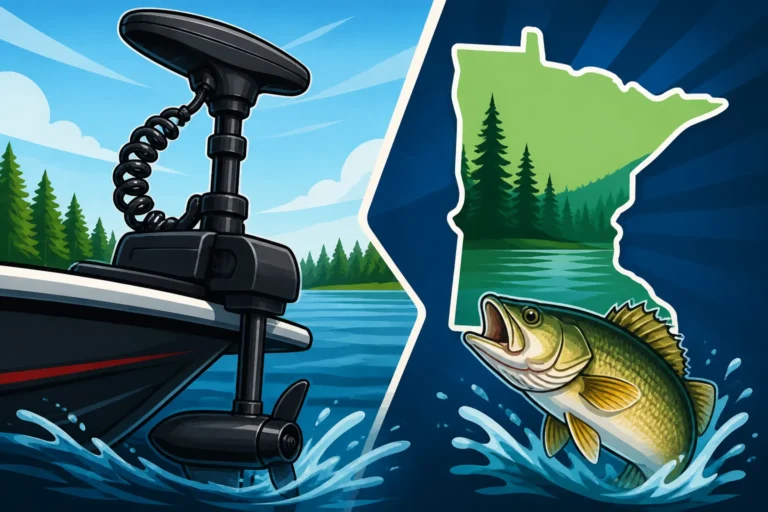
For most serious anglers with a fishing boat, whether it's a bass boat, a multi-species V-hull, or even a larger pontoon used for fishing, a bow-mount trolling motor is the undisputed champion. These motors are mounted on the very front of your boat, giving you incredible directional control. Think of it like steering a car from the front wheels; you're pulling the boat through the water rather than pushing it, which results in much more precise and immediate steering response. This is crucial for navigating tight spots, holding against currents, or making minute adjustments while casting to specific targets.
Modern bow-mounts often come packed with advanced features like GPS navigation, spot-locking, and integrated sonar transducers, essentially turning the front of your boat into a sophisticated command center. They are typically controlled by a foot pedal or a wireless remote, allowing you to maintain full control of the boat while keeping your hands free for fishing. For example, if you're working a break line on Lake Vermilion, a bow-mount allows you to keep the boat perfectly parallel to the depth contour, letting you effectively present your bait along that key structure. Many anglers pair their bow-mount with quality Best Fish Finders & Electronics for Minnesota Fishing to get a full picture of the underwater world ahead.
Transom-Mount Trolling Motors: Simplicity and Portability
Transom-mount trolling motors are designed to clamp directly onto the stern (back) of your boat. These are generally simpler, more affordable, and often more portable than their bow-mount counterparts. They are a fantastic choice for smaller boats like canoes, kayaks, john boats, or inflatable fishing boats where mounting a bow motor isn't practical or necessary. Many casual anglers or those with smaller craft find these to be perfectly adequate for their needs, providing propulsion and basic directional control.
While they don't offer the same level of precise steering as a bow-mount (because you're pushing the boat), they are excellent for slow trolling, moving between spots on a small lake, or simply getting out to your favorite panfish hole without rowing. They're also incredibly easy to install and remove, making them ideal if you don't want a permanent setup or need to transfer the motor between different boats. For example, if you're using a small aluminum boat to target crappies in shallow back bays, a transom-mount Minn Kota Endura might be all you need to position yourself effectively without a lot of fuss.
What Really Matters: Key Features to Evaluate in a Trolling Motor
Choosing a trolling motor isn't just about picking a brand; it's about understanding the specifications and features that directly impact its performance and suitability for your specific fishing style and boat. Overlooking these details can lead to underpowered performance, limited functionality, or simply buyer's remorse. Let’s break down the critical elements you need to consider.
Thrust Power: How Much Push Do You Need?
Thrust is measured in pounds (lbs) and is arguably the most important specification for a trolling motor. It dictates how much power the motor can generate to move your boat through the water. Too little thrust, and you’ll struggle against wind and current, leaving you frustrated and off your spot. Too much, and you might be overspending on power you don't truly need, though having a little extra is rarely a bad thing. A general rule of thumb is to allow 2 pounds of thrust for every 100 pounds of fully loaded boat weight.
However, factors like boat length, intended use, and typical fishing conditions in Minnesota play a huge role. For instance, a 16-foot aluminum V-hull fishing for walleyes on a windy day will need significantly more thrust than a 14-foot john boat used for quiet pond fishing. If you plan to fish large, open waters like Lake of the Woods or Lake Superior, especially during windy seasons, leaning towards the higher end of the thrust spectrum (80-112 lbs) is a wise decision. For smaller lakes or calmer days, 55-70 lbs might suffice for smaller boats. Always consider your boat’s maximum weight when fully loaded with gear, passengers, and livewells.
Shaft Length: Getting Your Propeller in the Water
The shaft length of your trolling motor is absolutely crucial and often overlooked. It determines how deep the propeller sits in the water. If the shaft is too short, your prop will come out of the water in choppy conditions, losing thrust and creating a noisy disturbance that spooks fish. If it's too long, it can be cumbersome and may hit bottom in shallow areas. To determine the ideal shaft length for a bow-mount, measure the distance from the mounting surface on the bow to the waterline. Then, add approximately 20 inches to that measurement. This ensures the prop remains submerged even in rough water.
For most Minnesota fishing boats, shaft lengths typically range from 45 to 60 inches. A longer boat with a higher bow will naturally require a longer shaft. For transom-mounts, the measurement is simpler, usually needing about 16-20 inches from the top of the transom to the prop. Always remember to factor in how the boat sits in the water when fully loaded. A fully loaded boat sits lower, potentially requiring a slightly longer shaft to keep the prop properly submerged.
Power System: 12V, 24V, or 36V?
Trolling motors operate on 12-volt systems, but many larger, more powerful motors require multiple batteries wired in series to create 24V or 36V systems.
- 12V Systems: Typically found on motors with 55 lbs of thrust or less. These require one 12V deep-cycle marine battery. They are common for smaller boats and transom-mounts.
- 24V Systems: Used for motors with 70-80 lbs of thrust. These require two 12V deep-cycle marine batteries wired in series. This is a very popular setup for many medium-sized multi-species boats, providing a good balance of power and battery life for an average day of fishing.
- 36V Systems: Power motors with 100-112 lbs of thrust. These demand three 12V deep-cycle marine batteries wired in series. This is the choice for larger boats, heavy loads, or anglers who need maximum power and extended run time, especially when dealing with strong winds and currents on big water bodies.
Remember, adding more batteries means more weight and more space taken up in your boat, as well as the need for a compatible multi-bank charger. Planning your battery setup, including considering Best Trolling Motor Battery (Lithium vs AGM), is just as important as choosing the motor itself.
Control Options: Foot Pedal, Hand Control, or Remote?
How you control your trolling motor significantly impacts your fishing experience.
- Foot Pedal Control: This is the traditional method for bow-mount motors. It allows for hands-free operation, letting you steer and adjust speed with your foot while your hands are free for casting and reeling. Minn Kota's foot pedals are known for their responsiveness and ergonomic design.
- Hand Control: Predominantly found on transom-mount motors, where you manually steer and adjust speed with a tiller handle. It's simple, direct, and effective for smaller boats.
- Wireless Remote (i-Pilot/i-Pilot Link): This is where Minn Kota truly shines. Many of their advanced bow-mount motors come with a compact, handheld wireless remote. This allows you to control steering, speed, and advanced GPS features from anywhere in the boat. It's incredibly convenient, especially for solo anglers or when fishing with multiple people. These remotes allow you to activate spot-lock, record paths, and even link with your fish finder.
GPS Functionality and Sonar Integration
Modern Minn Kota motors, particularly those with i-Pilot or i-Pilot Link, are essentially GPS-enabled robots for your boat.
- Spot-Lock: This is perhaps the most revolutionary feature. With the press of a button, your motor uses GPS to automatically hold your boat’s position, compensating for wind and current. It’s like having a virtual anchor, freeing you up to fish without constantly adjusting your boat. This is incredibly valuable when you find a school of fish or a productive piece of structure.
- Record a Path: You can record a successful trolling path and have the motor retrace it perfectly, allowing you to hit that sweet spot again and again.
- Cruise Control: Maintains a consistent speed over ground, essential for precise trolling presentations.
- Sonar Integration: Many Minn Kota motors come with a built-in Universal Sonar 2 transducer or are compatible with Mega Down Imaging/Mega Side Imaging transducers from Humminbird. This means you can run your fish finder directly through your trolling motor, giving you a clean, unobstructed view of the water beneath your prop. This tight integration with brands like Humminbird, especially when considering How to Use Garmin LiveScope for Walleye, provides an unparalleled advantage in finding and staying on fish.
Minn Kota's Heavy Hitters: A Deep Dive into the Top Models
Minn Kota has been a leader in trolling motor technology for decades, consistently innovating to meet the demands of serious anglers. Their product lineup offers a range of options, each designed with specific applications and features in mind. Understanding the nuances of their flagship models—Terrova, Ulterra, Ultrex, Edge, and Riptide—is key to making an informed decision.
Minn Kota Terrova: The All-Around Workhorse
The Minn Kota Terrova is arguably the most popular bow-mount trolling motor in Minnesota and across the fishing world, and for good reason. It hits a sweet spot between advanced technology, robust performance, and user-friendliness. The Terrova is a power horse designed for versatility, perfect for anglers who demand reliable boat control for a variety of fishing situations, from casting weed lines to slow trolling open water.
What makes the Terrova stand out is its incredibly smooth and quiet operation, ensuring you don't spook fish. It features an intuitive foot pedal for traditional control, but its real magic often comes alive with the optional i-Pilot or i-Pilot Link system. The i-Pilot remote grants you access to GPS-powered features like Spot-Lock, which acts as a virtual anchor, holding your boat precisely over a fishing spot even in windy conditions. This is invaluable when you're working a hot bite on Leech Lake. The deploy-assist lever makes putting it in and out of the water a breeze, a small but significant detail when you're on the water all day. Terrovas are available in various thrust levels (55, 80, 112 lbs) and shaft lengths to suit a wide range of boats. Many anglers consider it the benchmark for modern bow-mount motors, offering a fantastic blend of features without unnecessary complexity.
Minn Kota Ulterra: Automated Luxury and Convenience
If convenience is a top priority, the Minn Kota Ulterra is designed to impress. This motor takes everything great about the Terrova and adds an unprecedented level of automation, making your day on the water smoother than ever. The Ulterra's defining feature is its automatic stow and deploy, and power trim. With the push of a button on your i-Pilot remote, the motor automatically lowers itself into the water or retracts itself back onto the boat. No more reaching over the bow, no more wrestling with heavy motors. This is a game-changer, especially for solo anglers, those with physical limitations, or anyone who just appreciates hassle-free operation.
The power trim feature also allows you to adjust the shaft depth remotely, perfect for transitioning from deep water to shallow flats without having to manually lift or lower the motor head. Imagine moving from a deep walleye hole to a shallow crappie bay on Lake Winnibigoshish – the Ulterra adjusts with a simple button press. Like the Terrova, it comes standard with i-Pilot or i-Pilot Link, providing all the advanced GPS navigation and Spot-Lock capabilities. While it typically comes with a higher price tag due to its automated features, the sheer convenience it offers can be invaluable for many anglers who spend long hours on the water. For a detailed comparison, you can check out Minn Kota Terrova vs Ulterra vs Ultrex.
Minn Kota Ultrex: Precision Control for Serious Bass Anglers
The Minn Kota Ultrex is often hailed as the best of both worlds, combining the robust, cable-steer feel of traditional bass boat trolling motors with the advanced GPS technology of the i-Pilot system. It was specifically designed for competitive bass anglers who demand instant, responsive control and the ability to hold their boat precisely in cover. What sets the Ultrex apart is its "Power Steering" and "Steering Lock" features, offering the crisp, immediate steering response of a cable-steer motor, but with less effort than a traditional cable-steer and the added benefit of holding your heading automatically.
With the Ultrex, you can physically feel the boat's response through the foot pedal, giving you a tactile connection to your boat's movement, which many experienced anglers prefer. Then, when you need to fish a specific piece of structure, simply engage Spot-Lock via the foot pedal or remote, and the motor locks your position with incredible accuracy. This motor shines when you're pitching jigs into heavy cover or working docks on a lake like Minnetonka. It allows you to make precise adjustments to your boat's angle with minimal pedal movement, then instantly "lock" that heading or position. The Ultrex is a premium motor built for intense fishing, offering the best in both tactile control and GPS automation.
Minn Kota Edge: Durability and Value
For anglers looking for a reliable, no-frills bow-mount trolling motor without breaking the bank, the Minn Kota Edge is an excellent choice. This motor is built for durability and straightforward performance. It doesn't come with the advanced GPS features of the Terrova or Ulterra, nor the specialized steering of the Ultrex, but it offers robust power and dependable operation. The Edge features a traditional cable-steer foot pedal, giving you direct, responsive control over your boat's direction and speed.
The Edge is known for its incredibly tough composite shaft, which is guaranteed for life, and its rugged mounting system. It's a workhorse that can withstand the rigors of consistent use, making it ideal for anglers who prioritize mechanical reliability and simplicity. If you prefer to steer your boat manually and rely on your own navigation skills, or if you're on a tighter budget but still need a solid bow-mount motor for your boat, the Edge is a fantastic value. It's perfect for chasing Northern Pike in shallow bays or slowly cruising for panfish on smaller lakes where GPS anchoring might not be a top priority.
Minn Kota Riptide Series: Saltwater Toughness for the Great Lakes
While the other models are primarily designed for freshwater, the Minn Kota Riptide series deserves a mention, especially for those who might venture into brackish waters or even the mighty Lake Superior. The Riptide motors are specifically engineered for saltwater environments, featuring advanced corrosion protection to withstand the harsh effects of salt. This includes enhanced coatings, stainless steel hardware, and fully encapsulated electronics.
Beyond the corrosion protection, Riptide motors offer the same great features and performance found in their freshwater counterparts. You'll find Riptide versions of Terrova, Ulterra, and PowerDrive, equipped with i-Pilot or i-Pilot Link and powerful thrust options. For Minnesota anglers, this might be less relevant unless you're fishing the extreme eastern parts of the state near Duluth and considering some of the unique opportunities Lake Superior offers. However, if you occasionally use your boat in other parts of the country or want the ultimate in durability for tough conditions, knowing about the Riptide series is important.
Choosing the Right Minn Kota for Your Boat and Fishing Style
With so many excellent Minn Kota options available, narrowing down the best one for you can feel a bit overwhelming. It's not just about picking the most expensive or feature-rich model; it's about finding the motor that perfectly matches your boat, your fishing habits, and your budget. Let’s walk through the decision-making process.
Assessing Your Boat Type and Size
The first and most crucial factor is your boat. What kind of vessel are you working with?
- Small Aluminum Boats, Canoes, Kayaks, Inflatables: For these lighter, often smaller craft, a transom-mount like the Minn Kota Endura or Traxxis is usually the most practical and efficient choice. They're easy to install, portable, and provide sufficient power for these boats. If you absolutely need a bow-mount for a small boat, a lighter 12V Edge or Terrova (with less thrust) might work, but ensure you have proper mounting space.
- Mid-Size Multi-Species V-Hulls (16-20 ft): This category represents a huge portion of Minnesota's fishing fleet. For these boats, a bow-mount motor is almost always the way to go. A Minn Kota Terrova (80 lb, 24V with i-Pilot) is an incredibly popular choice, offering a great balance of power, features, and value. If you prioritize convenience and are willing to invest more, an Ulterra (80 lb, 24V) offers hands-free deploy/stow.
- Larger Bass Boats, Deep V Walleye Boats (20+ ft), Larger Pontoons: For these heavier, often longer boats, maximum thrust and advanced features become paramount. A Minn Kota Ultrex (112 lb, 36V) is a top choice for serious bass and walleye anglers who want responsive foot pedal control and Spot-Lock. An Ulterra (112 lb, 36V) offers the same power with added automation. These boats will almost certainly require a 36V system for adequate power and run time, especially when dealing with choppy conditions on big lakes.
Remember to consider the weight of your boat when fully loaded with gear, fuel, and people. A heavily loaded boat will require more thrust. This is often an afterthought but makes a huge difference in performance.
Matching the Motor to Your Primary Fishing Techniques
Your preferred fishing methods heavily influence the ideal trolling motor.
- Jigging and Pitching (Walleye, Bass): For precise boat positioning while jigging weed lines, pitching to docks, or working specific structure, the instantaneous control of an Ultrex is hard to beat. Its cable-steer feel allows for minute adjustments. A Terrova with Spot-Lock is also excellent for holding your position once you find the fish. Being able to effortlessly hold your boat over a school of walleye you just found with your Best Fish Finder Under $500 is invaluable.
- Trolling (Walleye, Muskie, Northern Pike): For slow trolling with crankbaits or spinner rigs, consistency and GPS tracking are key. A Terrova or Ulterra with i-Pilot/i-Pilot Link's "Advanced Autopilot" or "Track Record" functions are perfect. They maintain a consistent speed and heading, allowing you to focus on line management and lure presentation. Consider also Trolling for Walleye: Crankbaits & Leadcore for specific techniques.
- Drifting/Casting Open Water (Perch, Crappie): If you primarily drift with the wind or make long casts over open water for species like yellow perch, Spot-Lock is incredibly useful for anchoring on specific schools or working a productive area systematically. The Terrova and Ulterra excel here.
- Shallow Water/Finesse Fishing: For quietly navigating shallow flats, working emergent vegetation, or fishing tight cover, the silent operation and precise control of any Minn Kota bow-mount are beneficial. The automatic deploy/stow and power trim of the Ulterra can be particularly helpful for quickly adjusting to changing depths.
Budget Considerations and Feature Trade-offs
Let's be realistic: trolling motors are an investment. Minn Kota motors range from a few hundred dollars for basic transom-mounts to several thousand for top-tier bow-mounts with all the bells and whistles.
- Entry-Level (Under $500-$800): Look at models like the Minn Kota Edge or certain transom-mount series. These offer solid performance and reliability for basic boat control but lack GPS features.
- Mid-Range ($800-$2,000): This is where the Minn Kota Terrova typically sits. You get powerful thrust options (e.g., 80 lb, 24V), the incredibly useful i-Pilot GPS functionality (Spot-Lock!), and robust construction. This is often the sweet spot for many Minnesota anglers.
- Premium ($2,000+): The Minn Kota Ulterra and Ultrex fall into this category. You're paying for advanced automation (Ulterra) or specialized high-performance control (Ultrex), combined with top-tier thrust (112 lb, 36V) and all the i-Pilot Link integration you could want.
Decide which features are truly "must-haves" for your fishing style. Is Spot-Lock non-negotiable? Is hands-free deploy/stow worth the extra cost? Do you prefer a cable-steer feel? Prioritize these, and then find the best Minn Kota within your budget that meets those needs. Often, anglers will stretch their budget a bit for a Terrova with i-Pilot, as the Spot-Lock feature alone is considered a game-changer by many.
| Minn Kota Model | Key Features | Ideal For | Price Range (Approx.) |
|---|---|---|---|
| Terrova | Deploy-Assist Lever, i-Pilot/i-Pilot Link, Spot-Lock, quiet operation, foot pedal/remote | Most multi-species anglers, general casting, slow trolling, those seeking balance of features & value. | $1,000 – $2,000 |
| Ulterra | Auto Stow/Deploy, Power Trim, i-Pilot/i-Pilot Link, Spot-Lock, ultimate convenience | Anglers prioritizing hands-free operation, solo fishing, quick depth adjustments, premium convenience. | $2,000 – $3,500 |
| Ultrex | Power Steering, Steering Lock, i-Pilot/i-Pilot Link, Spot-Lock, responsive foot pedal | Serious bass/walleye anglers, competitive fishing, precise jigging/pitching, prefer cable-steer feel with GPS benefits. | $2,500 – $4,000 |
| Edge | Durable, cable-steer foot pedal, rugged mount, reliable, no GPS | Budget-conscious anglers, those preferring mechanical simplicity, smaller boats, general purpose. | $400 – $800 |
| Endura Max | Hand control, transom mount, variable speed, digital maximizer, portable | Canoes, kayaks, small john boats, inflatable boats, portable power, basic thrust needs. | $200 – $500 |
Note: Prices are approximate and can vary based on thrust, shaft length, and included features (e.g., i-Pilot vs. i-Pilot Link).
Getting It Set Up: Installation, Power, and Ongoing Care
Once you’ve made the exciting decision on your new Minn Kota trolling motor, the journey isn't over. Proper installation, ensuring you have the right power setup, and diligent maintenance are critical to getting the most out of your investment and ensuring years of reliable performance on Minnesota’s waters. Skimping on these steps can lead to frustrating breakdowns or subpar operation.
Professional vs. DIY Installation
Installing a bow-mount trolling motor can range from a relatively straightforward DIY project to a complex task best left to professionals, depending on your skill level and the features of your motor.
- DIY Installation: If you're comfortable with basic power tools, electrical wiring (especially 12V), and can follow instructions meticulously, a DIY installation is certainly possible for many Minn Kota models. You’ll need to ensure you have the right mounting hardware, correctly drill holes, and properly route and connect electrical wiring to your battery system. The Minn Kota manual provides detailed diagrams and steps. This is a great way to save on installation costs, which can range from a few hundred dollars. Ensure you have the right tools, including a drill, marine-grade sealant, and appropriate wrenches. Always double-check your measurements for shaft length and mounting position to avoid any errors.
- Professional Installation: For larger motors (like 36V Ulterras or Ultrex models), boats with complex electrical systems, or if you simply prefer peace of mind, professional installation at a marine dealer or reputable boat shop is a smart move. They have the specialized tools, experience, and knowledge to ensure everything is wired correctly, mounted securely, and integrated seamlessly with your boat’s existing electronics. This is especially important for i-Pilot Link systems that communicate with Humminbird fish finders. A botched electrical connection can lead to serious issues, so if you're unsure, paying for expertise is money well spent. Many local Minnesota marinas offer this service.
Wiring and Battery Systems
The heart of your trolling motor's performance lies in its power system. Using the correct gauge wire and having a healthy set of deep-cycle marine batteries is non-negotiable.
- Battery Selection: Always opt for high-quality deep-cycle marine batteries, not starting batteries. Deep-cycle batteries are designed for sustained power discharge over long periods. Group 27 or Group 31 batteries are common choices, offering good reserve capacity. As mentioned before, ensure you have the correct number of batteries for your motor's voltage (1 for 12V, 2 for 24V, 3 for 36V). Considering options like lithium batteries can significantly reduce weight and offer longer run times, although they come with a higher upfront cost. You can learn more about Best Trolling Motor Battery (Lithium vs AGM).
- Wiring: Use heavy-gauge marine-grade wire (typically 6- or 8-gauge for most applications) to minimize voltage drop and ensure your motor gets full power. Route wiring carefully, protecting it from abrasion and ensuring all connections are clean, tight, and corrosion-free. Always install an inline circuit breaker (or fuse) near the battery to protect your system from surges and shorts. Minn Kota provides recommendations for breaker size in their manuals.
- Charging: Invest in a good multi-bank on-board charger that matches your battery system (e.g., a 2-bank charger for a 24V system). This allows you to charge all your trolling motor batteries simultaneously and efficiently, ensuring they're topped off and ready for your next fishing trip.
Maintenance and Troubleshooting Tips
A little preventative maintenance goes a long way in extending the life of your Minn Kota trolling motor.
- Post-Trip Rinse: After every outing, especially if you've been in dirty or shallow water, give the lower unit and propeller a quick rinse with fresh water. This helps remove debris, weeds, and any potential corrosive elements.
- Propeller Inspection: Regularly inspect your propeller for dings, nicks, or tangled fishing line. Damaged props can cause vibrations that reduce efficiency and stress the motor. Remove any fishing line that might be wrapped around the prop shaft, as this can damage the seals and lead to water intrusion. Keep a spare prop and prop nut kit on board.
- Battery Care: Keep your batteries charged when not in use, especially during the off-season. Cold weather can be tough on batteries. Clean battery terminals regularly to prevent corrosion, which can hinder performance.
- Mounting Hardware: Periodically check all mounting bolts and screws to ensure they are tight. Vibrations from boat travel can loosen them over time.
- Software Updates: If your motor has i-Pilot or i-Pilot Link, check the Minn Kota website for software updates. These can improve performance, add new features, or fix bugs. Updating typically involves connecting your motor or remote to a computer.
- Troubleshooting: Familiarize yourself with common troubleshooting steps in your motor's manual. Many minor issues, like a non-responsive foot pedal or intermittent power, can often be resolved with simple checks of connections, battery charge, or prop condition.
By taking these steps, you’ll ensure your Minn Kota trolling motor is always ready to perform, making your Minnesota fishing trips more enjoyable and productive.
Elevating Your Game: Must-Have Trolling Motor Accessories and Upgrades
A Minn Kota trolling motor, especially a feature-rich model like the Terrova or Ulterra, is a powerful tool on its own. But with a few key accessories and upgrades, you can unlock even more potential, enhance convenience, and truly customize your boat control experience to your fishing style. These additions aren’t just frivolous extras; they can genuinely improve your efficiency and enjoyment on the water.
i-Pilot and i-Pilot Link Systems: The Brains of the Operation
If your chosen Minn Kota motor didn't come with i-Pilot or i-Pilot Link, seriously consider adding one if it's compatible. This is less of an accessory and more of an essential upgrade for any serious angler.
- i-Pilot: This GPS system allows for revolutionary features like Spot-Lock (your virtual anchor), Advanced Autopilot, Cruise Control, and the ability to record and retrace paths. It comes with a handheld remote control, freeing you from the foot pedal when desired. The precision of Spot-Lock is a game-changer for holding your boat over structure or a hot school of fish, even on windy days.
- i-Pilot Link: This takes i-Pilot a step further by integrating directly with compatible Humminbird fish finders. With Link, you can control your trolling motor from your Humminbird display, navigate to waypoints, follow depth contours (Contour Following), and much more. Imagine your motor automatically following a 15-foot contour line around a point, precisely presenting your bait without you ever touching the steering. This level of integration is incredibly powerful for pattern fishing and maximizing your time on the water. You might find a great deal on these systems at places like
Bass Pro ShopsorAmazon.
Quick Release Brackets: Convenience and Security
A quick-release bracket is a simple yet incredibly useful accessory, especially for bow-mount motors. It allows you to quickly and easily remove your trolling motor from the boat.
- Security: When your boat is docked or trailered overnight, removing the trolling motor can deter theft.
- Maintenance and Storage: It makes it much easier to take the motor off for cleaning, maintenance, or storage during the off-season. It also protects the motor from damage during trailering over rough roads or tight spaces.
- Portability: If you occasionally use your motor on multiple boats (though this is less common for permanent bow-mounts), a quick-release bracket makes the transfer much smoother. Minn Kota offers various quick-release brackets designed for their specific motor mounts, ensuring a secure fit.
Stabilizer Kits and Support Brackets: Protecting Your Investment
Trolling motors, especially longer shaft models on rough water, can bounce and flex, potentially causing damage over time.
- Shaft Stabilizers: These are designed to reduce vertical movement and vibration of the motor shaft while running at high speeds or in choppy conditions. They typically attach to the motor shaft and then to the boat's gunwale, providing a stable brace. This prevents undue stress on the motor mount and shaft, extending the life of your motor.
- Mount Support Brackets: For motors mounted further forward on the bow, a support bracket can provide additional rigidity and reduce flex in the bow structure itself, ensuring the motor mount remains solid. While your Best Fishing Boats for Minnesota are built tough, added support is never a bad idea.
These accessories are a small investment compared to the cost of a new trolling motor but can significantly prolong its lifespan and ensure consistent performance on choppy Minnesota lakes.
Making the Purchase: Where to Find Your Minn Kota Trolling Motor
So you've done your research, understood the features, and decided on the perfect Minn Kota trolling motor to revolutionize your fishing experience. Now comes the exciting part: making the purchase! Knowing where to look, what to expect, and how to snag a good deal can be just as important as the motor selection itself.
Authorized Dealers and Specialty Retailers
For most anglers, especially when investing in a high-value item like a Minn Kota trolling motor, an authorized dealer or specialty marine retailer is often the best starting point.
- Expert Advice: Stores like
Bass Pro Shopsor local independent marine dealers usually have knowledgeable staff who can offer personalized advice, answer specific questions about compatibility with your boat, and even help with installation recommendations. They understand the nuances of different models and can provide insights you won't get online. - Installation Services: Many authorized dealers also offer professional installation services, ensuring your new motor is set up correctly and safely. This is invaluable, especially for complex systems like the Ulterra or Ultrex with i-Pilot Link integration.
- Warranty Support: Purchasing from an authorized dealer ensures that your warranty is fully valid and that you'll have a local point of contact for any service or repair needs down the road.
- Hands-On Experience: Visiting a physical store allows you to see the motors in person, get a feel for the foot pedals, and ask about specific components.
Online Retailers: Convenience and Competitive Pricing
The internet has become a massive marketplace for fishing gear, and trolling motors are no exception. Online retailers offer unparalleled convenience and often very competitive pricing.
- Wider Selection: Websites like
Amazonor other large online outdoor retailers often have an extensive inventory, making it easier to find specific models, thrust levels, and shaft lengths that might not be available at your local store. - Competitive Pricing: The online market is highly competitive, meaning you can often find great deals, sales, and free shipping offers. It's always a good idea to compare prices across several online vendors before making a final decision.
- Customer Reviews: Online platforms are fantastic for reading user reviews and getting real-world feedback on specific models. This can provide valuable insights into a motor's performance, durability, and any potential quirks.
- Convenience: The ability to shop from home, compare features side-by-side, and have your motor delivered directly to your doorstep is a huge advantage for many busy anglers.
When buying online, always verify the seller's reputation and return policy. Ensure you're purchasing a new unit with a full manufacturer's warranty. It's also a good idea to confirm shipping times, especially if you're eager to get out on the water for the walleye opener!
When to Look for Deals and Sales
Like most big-ticket items, trolling motors often go on sale during specific times of the year.
- Off-Season (Fall/Winter): As the fishing season winds down, many retailers offer discounts to clear out inventory. This can be a prime time to find deals on Minn Kota motors, especially for those planning for next season's Minnesota Fishing Seasons & Opener Dates (2026).
- Boat Shows: Attending major boat and fishing shows in the spring can often yield special show pricing or package deals when purchased with a new boat.
- Holiday Sales: Keep an eye out for sales around major holidays like Memorial Day, Father's Day, Black Friday, and Cyber Monday.
- Package Deals: Sometimes, you can find a better value by purchasing a trolling motor as part of a package with a new boat or with a bundled fish finder or battery system.
No matter where you choose to purchase, doing your homework and understanding the value of your chosen Minn Kota model will ensure you make a smart investment that enhances your Minnesota fishing adventures for years to come.
Disclaimer
Always consult the official Minnesota Department of Natural Resources (DNR) regulations before fishing, as rules and limits can change. The information provided in this guide is for informational purposes only and should not be considered legal advice or an exhaustive list of all regulations. Be sure to check your specific lake's regulations, including those for Mille Lacs Walleye Regulations (2026), before heading out.