What Fish Are Biting in Minnesota Right Now?
It’s a tale as old as time for us Minnesota anglers: you finally carve out a free day, load up the boat or grab your ice auger, head out to your favorite lake, and then… crickets. You cast, you jig, you troll, but nothing seems to be biting. The frustration is real, especially when you feel like you’re chasing ghosts because you're not quite sure what fish are active and where. This guide is all about helping you cut through that uncertainty, understand the dynamic nature of fishing, and equip you with the knowledge to figure out what fish are biting in Minnesota right now, no matter the season or conditions.
Deciphering Minnesota's Seasonal Fishing Patterns
The most crucial factor in understanding what fish are biting in Minnesota at any given moment is the season. Our lakes and rivers are dynamic ecosystems, and fish behavior changes dramatically with water temperature and spawning cycles. What works in May won't necessarily work in August, and definitely not in January.
Spring: The Awakening After Ice-Out
As the ice finally recedes from our beloved Minnesota lakes, usually sometime in April or early May, a sense of anticipation fills the air. This period, often called "ice-out," marks a significant shift in fish activity. The water is still cold, but warming quickly, and fish begin to shake off their winter lethargy.
Right after ice-out, many species are either preparing to spawn or have just finished. This means they are often found in shallower water, where temperatures rise faster and their preferred forage begins to become more active. Walleye, for instance, are a prime target during this time. They'll often be found near river mouths, neck-down areas, or shallow rock reefs where they've recently spawned. They're typically hungry after the spawn, making them aggressive biters. You might find them in depths of just 5-15 feet. For more detailed information on when you can expect to target these hungry fish, check out our guide on Minnesota Fishing Seasons & Opener Dates (2026). Beyond walleye, northern pike are also very active and hungry, cruising the shallows, often in bays with emerging weeds, looking for an easy meal. Panfish like crappie and bluegill will start to congregate in shallow, dark-bottomed bays, soaking up the sun's warmth and feeding on emerging insect larvae. Early in spring, a slow presentation with a small jig and a minnow or a plastic often does the trick for crappies. Our article on Spring Crappie Fishing in Minnesota dives deep into this strategy.
Summer: The Deep Water Shift
Once late spring transitions into summer, typically from June through August, water temperatures continue to climb, and a phenomenon called "stratification" often occurs in deeper lakes. This means the water column separates into distinct temperature layers. Fish, being cold-blooded, will move to find their preferred temperature and oxygen levels.
During the dog days of summer, walleye often move to deeper structures – breaklines, humps, and mud flats – where they can find cooler water and abundant forage like Cisco or perch. They'll still bite, but you might need to adjust your techniques, perhaps employing a bottom bouncer with a crawler harness or trolling crankbaits over open water during low-light conditions. Bass, both smallmouth and largemouth, become incredibly active. Largemouth will hold tight to dense cover like lily pads, emergent weeds, and docks, while smallmouth will patrol rocky points, reefs, and humps, often in clear water. Crappie and bluegill might move out of the super shallow bays and suspend over deeper water or relate to deep weed lines. Targeting them requires different tactics, often involving slip bobbers or small jigs tipped with live bait like leeches or wax worms. If you're struggling to locate those summer walleyes, our article on Summer Walleye Patterns: Deep Structure offers some great advice.
Fall: The Pre-Winter Feast
As the days shorten and water temperatures begin to drop in September and October, Minnesota's lakes undergo another significant change: the fall turnover. This is when the upper and lower layers of water mix, equalizing temperatures and often distributing oxygen and nutrients more evenly. This can temporarily make fishing tough, but once it settles, fish enter a furious feeding period.
In the fall, many species, especially walleye and northern pike, go on a major bite, gorging themselves to build up fat reserves for winter. They often return to shallower depths, especially during periods of low light, and aggressively pursue larger baits. Think big crankbaits for walleye and substantial spoons or spinnerbaits for pike. Muskie anglers also consider fall a prime time for trophy hunting, as these apex predators are looking for the biggest meals they can find. Trout fishing in the streams of southeastern Minnesota's Driftless Area also picks up dramatically as brown and brook trout become more active and aggressive. Fall fishing can be incredibly rewarding, and our guide on Fall Walleye Fishing: Turnover & Cold Water can help you navigate this exciting season.
Winter: Beneath the Ice
When Minnesota truly lives up to its "Land of 10,000 Lakes" moniker, the fishing doesn't stop; it just moves indoors, or rather, onto the ice! Ice fishing, from December through March, is a quintessential Minnesota experience, offering a unique opportunity to target fish through holes drilled in the ice.
During winter, fish metabolism slows down, but they still need to eat. Walleye will often be found near structural elements like humps, points, and deep weed edges, especially during low light conditions or at night. Northern pike are frequently caught on tip-ups set with large shiner minnows, often near shallow weed beds. Panfish, including crappie, bluegill, and perch, congregate in schools and can provide fast action. Crappies often suspend over deep basins, while bluegills hug deep weed lines or basin edges. Perch can be found almost anywhere, from shallow sandy flats to deep mud. A flasher unit, like those from Vexilar or Humminbird, becomes an invaluable tool for locating fish and presenting your bait effectively. For a full rundown on getting started, check out our Ice Fishing in Minnesota: Complete Beginner-to-Pro Guide.
Key Factors Influencing the Bite Right Now
While seasonal patterns provide a broad understanding, the "right now" aspect of fishing success hinges on several dynamic factors that can change day-to-day, or even hour-to-hour.
Weather Conditions and Barometric Pressure
Fishermen often talk about "good fishing weather," and there's real truth to it. Barometric pressure is a huge influence. A stable, high-pressure system often means stable, predictable fishing. A dropping barometer, indicating an approaching front, can often trigger an aggressive bite as fish feed heavily before the storm. Conversely, a rapidly rising barometer after a front can make fishing tough, as fish often become lethargic and less willing to bite.
Cloud cover is another factor. Walleye, with their light-sensitive eyes, often become more active and move shallower on overcast days or during low light conditions. Bright, sunny days might push them deeper or make them more nocturnal. Wind can also be your friend or foe; a moderate chop can break up the water's surface, making fish less wary and activating a bite, especially for walleye on a windy point. Too much wind, however, makes boat control (or even staying warm on the ice) a real challenge.
Water Temperature and Clarity
Even within a season, micro-changes in water temperature can dictate where fish are holding. In spring, a few degrees warmer in a specific bay can concentrate panfish. In summer, finding the thermocline (the boundary between warm and cold water) can be key to locating walleye or lake trout. You can get accurate water temperature readings with a good fish finder, and many portable units, readily available on Amazon, now include this feature.
Water clarity also plays a significant role. In clearer lakes, fish might be spookier and prefer deeper water or low light conditions. In stained or turbid water, fish might be more comfortable in shallower depths even during bright daylight. This also impacts lure selection; brighter colors might be more visible in murky water, while natural presentations excel in clear conditions.
Forage Availability and Species-Specific Behavior
Fish are always looking for food, and where their food is, they will be. Understanding the primary forage in a particular lake can give you a massive advantage. If a lake is rich in yellow perch, then a perch-imitating crankbait or jig might be incredibly effective. If cisco or tullibee are the main baitfish, then targeting open water where these pelagic species roam could be the ticket for bigger walleye or lake trout.
Species-specific behavior patterns are also critical. For instance, walleye are notoriously light-sensitive and often feed most actively during dawn, dusk, or under cloud cover. Muskie, on the other hand, are ambush predators known for their explosive, often singular, strikes throughout the day. Crappie often school tightly, so if you catch one, there are likely many more nearby. Knowing these nuances helps you decide what fish are most likely to be biting at a given time and how to target them. The Best Live Bait for Walleye (Leeches, Minnows, Crawlers) article can help you match your bait to what walleye are naturally feeding on.
Species-Specific Bites: What's Hot and How to Find Them
Let's dive into some of Minnesota's most popular game fish and how their "biting patterns" tend to evolve. Keep in mind that "right now" means different things for different species, and local conditions always apply.
Walleye
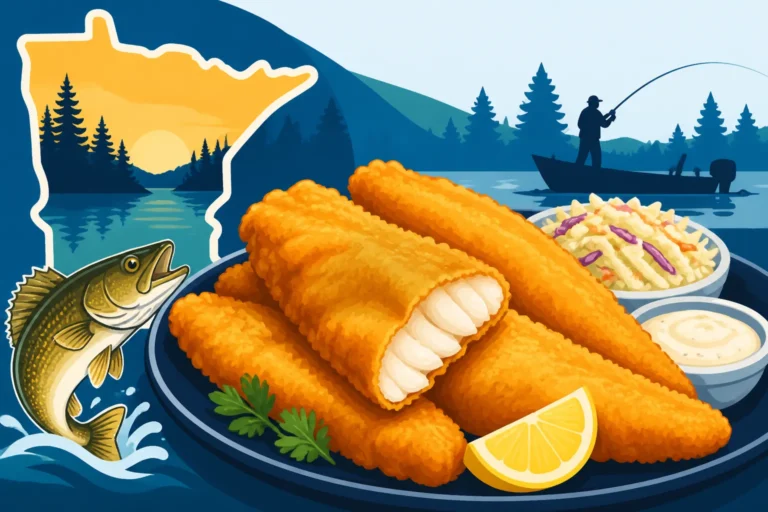
Minnesota's state fish, the walleye, is a perennial favorite, and they're almost always biting somewhere.
- Spring (Post-Spawn): Look for them on shallow rock reefs, points, and river channels, typically 5-15 feet deep. Jigging with minnows or casting small crankbaits are go-to techniques. Lakes like Mille Lacs Lake Fishing Guide: Walleye, Bass & More are prime early-season walleye destinations.
- Summer: They'll often move to deeper breaklines, humps, and expansive mud flats. Trolling crankbaits (Rapala Shad Raps, Berkley Flicker Shads) or Lindy Rigging with leeches or crawlers are effective. Night fishing can also be incredibly productive for summer walleyes.
- Fall (Pre-Turnover & Post-Turnover): They transition between deep structures and shallow foraging areas. Large crankbaits, jigging spoons, and even live bait rigs can all work as they fatten up.
- Winter (Ice Fishing): On the ice, focus on main lake points, mid-lake humps, and deep weed edges. Jigging spoons (Northland Forage Minnow, Clam Leech Flutter Spoon) tipped with a minnow head or live minnows on a deadstick are deadly. For specific tactics, our guide on How to Catch Walleye Through the Ice in Minnesota is invaluable.
Northern Pike
The aggressive northern pike is another species that provides year-round action.
- Spring: They are shallow and hungry, often in newly emergent weeds or warm, protected bays. Casting spinnerbaits, spoons (Daredevil), or large jerkbaits is effective. They will readily hit a live sucker minnow under a bobber.
- Summer: Pike will relate to dense weed beds, submerged timber, or the edges of sharp breaks. Fast-moving presentations like large spinnerbaits, buzzbaits over slop, or even topwater lures can be exciting. Larger pike might suspend in open water, chasing cisco. For identification tips, refer to Northern Pike in Minnesota: Identification & Where to Catch.
- Fall: Similar to walleye, pike go on a feeding binge. They can be found in a variety of depths, often in shallow bays during cooler periods, and deeper structure when it's warmer. Large crankbaits, swimbaits, and big spoons are excellent choices.
- Winter (Ice Fishing): Tip-ups set with large sucker minnows or shiners, positioned near weed lines or shallow flats, are the classic way to ice pike. Jigging a large spoon can also entice strikes.
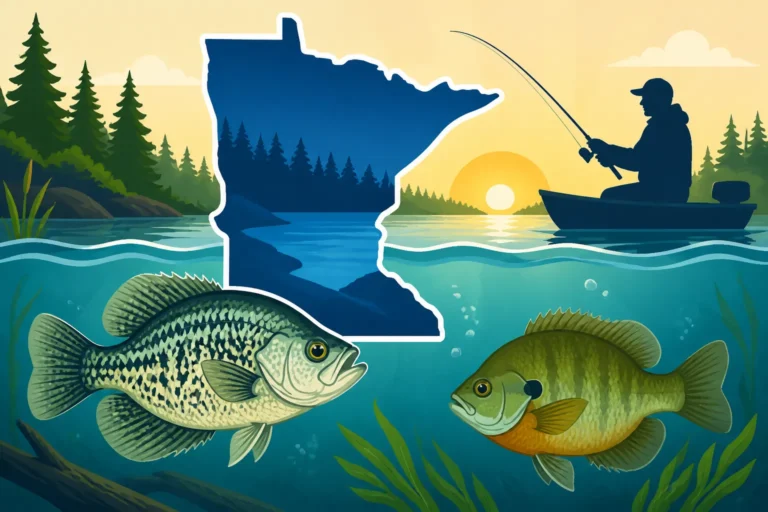
Panfish (Crappie, Bluegill, Perch)
Panfish offer consistent action and are often a great choice when other species are slow.
- Spring: Crappies will stage in brush piles or near shallow weed lines before moving into ultra-shallow bays (2-6 feet) to spawn. Small jigs tipped with plastics or a minnow under a bobber are key. Bluegills follow a similar pattern, often found in lily pad fields or emergent reeds. Yellow perch can be found on shallow flats, especially near old weed growth.
- Summer: Crappies might suspend over deep basins or relate to deep weed edges and cribs. Bluegills will hold tight to deep weed lines, docks, or submerged brush. Perch will often move to deeper mud flats or transition areas. A lightweight rod and reel, perfect for delicate presentations, can be found with good reviews on Amazon.
- Fall: Panfish will start to school up again and often move shallower to feed. Similar presentations to spring can work, but sometimes a slightly larger profile bait can entice bigger fish.
- Winter (Ice Fishing): Panfish are ice fishing staples. Crappies suspend in deep water, often found with a flasher. Bluegills hug deep weed lines or basin edges. Perch roam flats and breaks. Small tungsten jigs tipped with wax worms, spikes, or small plastics are standard.
Bass (Smallmouth and Largemouth)
Minnesota has exceptional bass fishing, and they're often aggressive biters, especially during warmer months.
- Spring: Largemouth bass will be in shallow, warming bays, often near submerged logs or docks, preparing to spawn. Smallmouth bass will cruise rocky shorelines and points. Spinnerbaits, jerkbaits, and jigs are effective.
- Summer: Largemouth bass will relate to heavy cover – lily pads, dense weed beds, fallen trees, and docks. Topwater lures (frogs, poppers), Texas-rigged worms, and jigs are excellent choices. Smallmouth bass patrol rocky points, humps, and clear water flats. Tube jigs, drop shots, and crankbaits work well.
- Fall: Bass continue to feed aggressively, often following baitfish into shallower waters. Crankbaits, jigs, and even larger swimbaits can be productive.
- Winter: Bass activity slows dramatically, and they are not typically targeted through the ice in Minnesota, though accidental catches occur.
Trout (Stream and Lake)
Minnesota offers diverse trout fishing, from spring-fed streams to deep, cold lakes.
- Stream Trout (Brown, Rainbow, Brook): Found primarily in the streams of southeastern Minnesota's Driftless Area and North Shore tributaries. Spring and fall are prime times, but summer can be good in cooler, shaded sections. Fly fishing with nymphs, dry flies, or small spinners and spoons are popular techniques.
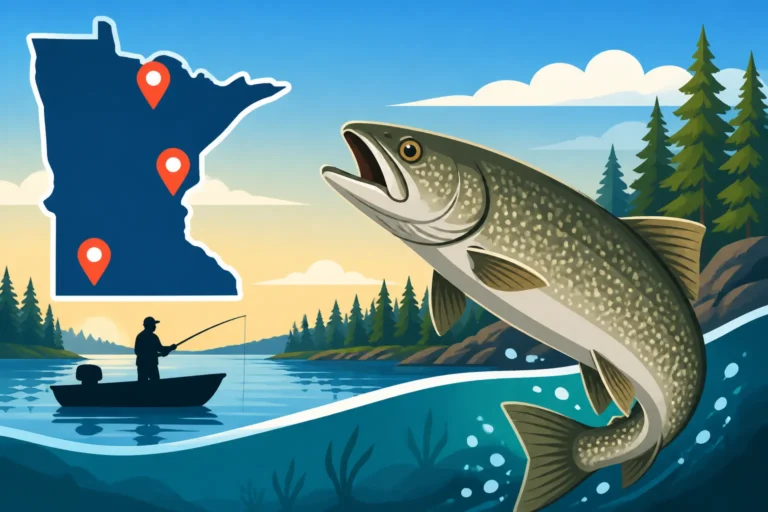
- Lake Trout: Found in deep, cold lakes, especially in northern Minnesota and the Boundary Waters Canoe Area Wilderness (BWCA). They are targeted year-round.
- Open Water: Trolling with spoons or stickbaits, or jigging over deep structure.
- Ice Fishing: Jigging spoons or tube jigs, often tipped with a minnow, over deep humps and underwater islands.
| Species | Spring Bite | Summer Bite | Fall Bite | Winter Bite (Ice) | Typical Depth Range (Summer) | Common Bait/Lure Examples |
|---|---|---|---|---|---|---|
| Walleye | Excellent | Good | Excellent | Good | 15-35 ft (structure) | Minnows, Leeches, Crawlers, Jigs, Crankbaits, Spoons |
| Northern Pike | Excellent | Good | Excellent | Excellent | 5-20 ft (weeds, breaks) | Spinnerbaits, Spoons, Jerkbaits, Large Minnows |
| Crappie | Excellent | Good | Good | Excellent | 10-30 ft (suspending, weeds) | Small Jigs, Plastics, Minnows, Wax Worms |
| Bluegill | Excellent | Good | Good | Excellent | 5-15 ft (weeds, docks) | Worms, Small Jigs, Plastics, Wax Worms |
| Yellow Perch | Good | Fair | Good | Excellent | 5-25 ft (flats, breaks) | Small Jigs, Spikes, Minnows, Worms |
| Largemouth Bass | Good | Excellent | Good | Slow | 2-15 ft (heavy cover) | Topwaters, Jigs, Worms, Spinnerbaits |
| Smallmouth Bass | Good | Excellent | Good | Slow | 5-25 ft (rocky structure) | Tubes, Drop Shots, Crankbaits, Jerkbaits |
| Lake Trout | Good | Good | Good | Good | 30-100+ ft (deep structure) | Spoons, Tube Jigs, Live Minnows |
| Stream Trout | Excellent | Fair | Excellent | N/A | Shallow streams | Nymphs, Dry Flies, Spinners, Worms |
How to Get Real-Time Fishing Reports for the "Right Now" Bite
Understanding the general seasonal patterns is a fantastic starting point, but to truly know "what fish are biting in Minnesota right now," you need current, local intelligence. The good news is, there are several excellent ways to tap into this network of information.
Your Local Bait Shop: The Unsung Heroes
Seriously, I cannot stress this enough: your local bait shop is an absolute goldmine of real-time fishing information. These folks are on the water, or talking to anglers who just came off the water, every single day. They know what lures are working, what bait is flying off the shelves, which lakes are hot, and what depths fish are being caught at.
Don't just run in, grab your minnows, and bolt. Take a few minutes to chat. Ask them what's been working. "Hey, what kind of presentations are people finding success with for walleyes on Lake X right now?" or "Are the crappies still shallow on Lake Y, or have they moved out?" Their advice is often invaluable and can save you hours of fruitless casting. Many even have online reports or Facebook pages that they update regularly.
Online Forums, Websites, and Social Media Groups
The digital age has made sharing fishing information easier than ever.
- Minnesota DNR: The Minnesota Department of Natural Resources (DNR) website provides excellent resources, including lake-specific information, fish stocking reports, and sometimes even general fishing forecasts. While not "right now" daily updates, it gives a solid baseline.
- Dedicated Fishing Websites: Websites like Lake-Link.com, In-Depth Outdoors, and other regional fishing platforms often have forums where local anglers share reports, tips, and photos. You can often find highly specific details about a particular lake or species.
- Social Media: Facebook groups dedicated to Minnesota fishing (e.g., specific lake groups, species-specific groups like "Minnesota Walleye Anglers") are fantastic for real-time updates. You'll see photos, discussions, and direct reports from people actively fishing. Just remember to take some of it with a grain of salt, as some folks might be a little too optimistic!
- Fishing Apps: Apps like Fishbrain or Navionics (which offers incredible lake mapping) can provide user-generated fishing reports, showing recent catches, locations, and even what lures were used. While some data might be general, if enough local anglers are contributing, it can give you a decent snapshot of current activity. Consider trying out Best Fishing Apps for Minnesota (Fishbrain, Navionics) to boost your intel.
Professional Fishing Guides
If you're really looking to fast-track your success, especially on a new lake or for a specific species, hiring a professional fishing guide is an excellent investment. These guides are literally on the water every day, sometimes twice a day. They live and breathe fishing, and they always know what's biting, where it's biting, and how to catch it. They can teach you techniques, show you prime spots, and give you a comprehensive understanding of current patterns. Think of it as a masterclass in "right now" fishing.
Looking at Gear Trends on Amazon
While not a direct source for local real-time bite reports, sometimes seeing what gear is popular or highly rated on platforms like Amazon can offer subtle clues about general trends. For example, if you see a surge in sales for tungsten ice jigs or specific panfish plastics in January, it might indicate that panfish are a popular and active target at that time. You can also read reviews for fishing gear from brands like Clam or Otter to see if people mention success with certain products in specific Minnesota conditions. This isn't a substitute for local reports, but it's another piece of the puzzle. You can find detailed guides on various fishing tackle and gear, often with angler reviews specifically mentioning their success in Minnesota, on Amazon.
By combining an understanding of Minnesota's seasonal changes, paying close attention to current weather, and actively seeking out local, real-time reports, you'll be much better equipped to answer the age-old question of "What fish are biting in Minnesota right now?" and increase your chances of a successful day on the water.
Disclaimer
Fishing conditions and regulations in Minnesota are subject to change. Always consult the most current Minnesota DNR fishing regulations before heading out. This guide provides general information and recommendations, but local conditions, weather, and fish behavior can vary greatly.