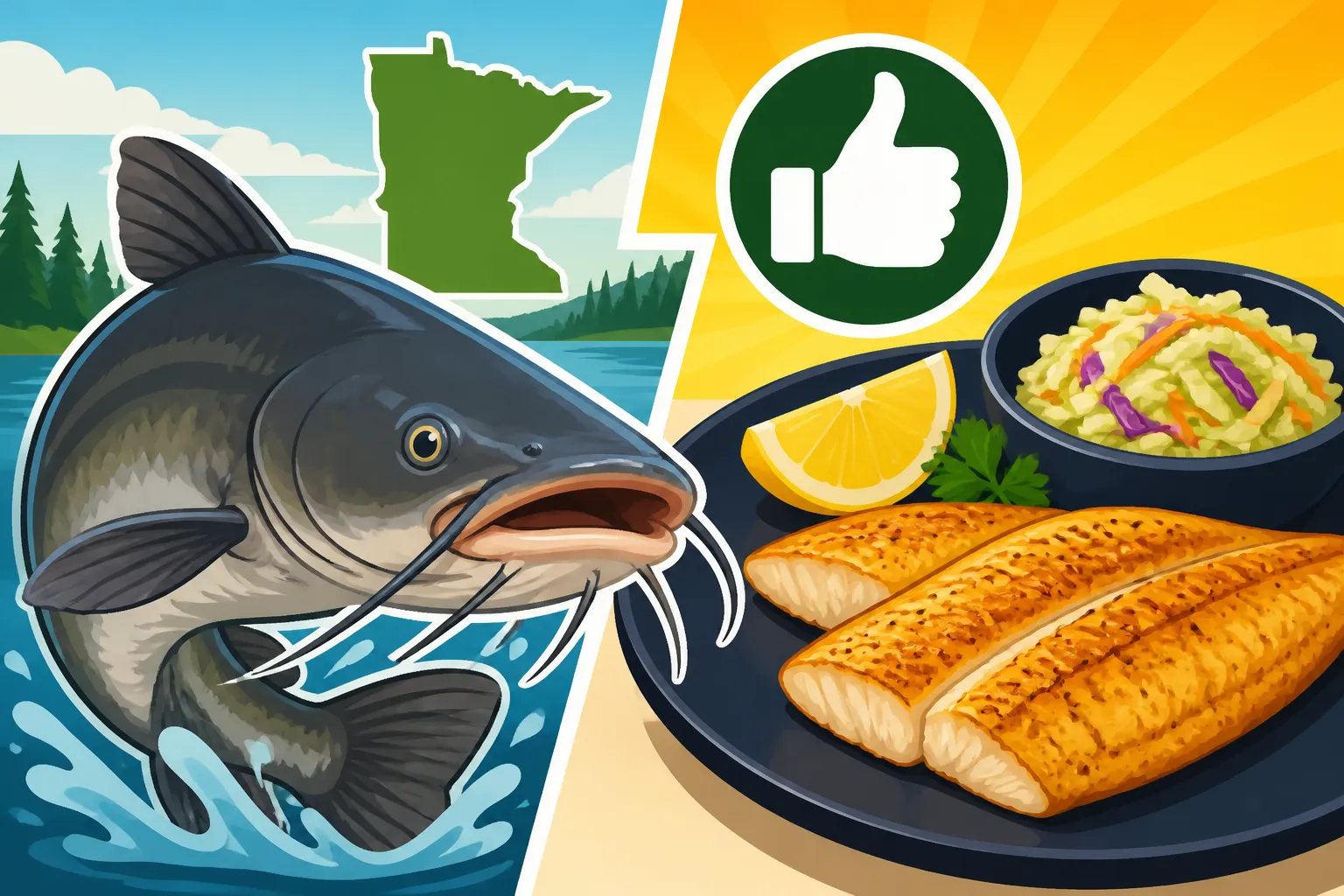
Are Catfish Good to Eat?
It's a question every Minnesota angler who's ever hauled in a whiskered beast has pondered: "Are catfish good to eat?" For some, the image of a catfish conjures thoughts of muddy bottoms and an unappetizing flavor, leading many to release them without a second thought. But for those in the know, especially here in Minnesota, catfish offer a delicious and often overlooked culinary experience. This guide aims to clear up the misconceptions and delve into why Minnesota's channel and flathead catfish are not just edible, but truly a fantastic option for your next fish fry.
Debunking Common Catfish Culinary Myths
Let's be honest, catfish get a bit of a bad rap sometimes. Many people have preconceived notions about their taste and texture, often based on outdated information or experiences with poorly prepared fish from less-than-ideal environments. It's time to set the record straight and understand what truly influences a catfish's flavor.
The "Muddy" Taste Myth Explained
The most pervasive myth about catfish is that they inherently taste "muddy." This is a big reason many anglers hesitate to keep them. The truth is, a muddy taste isn't universal to all catfish, nor is it a permanent characteristic. It's largely influenced by the fish's environment and diet. Catfish, especially those in stagnant, warm, or shallow waters with a lot of organic decomposition, can sometimes absorb geosmin, an organic compound produced by certain bacteria and algae. This is the same compound that gives beets their earthy flavor and wet soil its distinctive smell.
However, many of Minnesota's prime catfish waters, like the mighty Mississippi River or the beautiful St. Croix River, are flowing systems with cleaner, cooler water and diverse forage. Fish from these environments are far less likely to have that undesirable muddy flavor. Think of it like a wild pheasant versus a farm-raised chicken – both are poultry, but their diet and environment profoundly affect their taste. A well-placed Catfish in Minnesota: Channel & Flathead guide can help you understand these fish better.
Factors Influencing Catfish Flavor and Texture
Beyond the "muddy" myth, several key factors play a significant role in how a catfish tastes and feels on your plate. Understanding these can help you select and prepare the best-eating fish.
- Water Quality and Habitat: As mentioned, cleaner, cooler, flowing water generally produces better-tasting catfish. Fish caught from large rivers, clear lakes, or deep channels tend to have a milder, sweeter flavor. Those from small, muddy ponds or stagnant backwaters are more prone to off-flavors.
- Diet: Catfish are opportunistic feeders. While they will scavenge, their diet also includes minnows, insects, crayfish, and even smaller fish. A diverse, protein-rich diet from healthy waters contributes to a cleaner, firmer fillet. If you're wondering what kind of bait to use, considering their natural diet is a good start, which is a topic explored in "Best Live Bait for Walleye (Leeches, Minnows, Crawlers)," although specific baits differ for catfish.
- Size of the Fish: Generally, smaller to medium-sized catfish (around 1-5 pounds for channel cats, or up to 10 pounds for flatheads) tend to have the best flavor and most tender meat. Larger, older fish, especially flatheads, can develop a stronger, more pronounced flavor and a firmer, sometimes tougher, texture. While trophy fish are exciting to catch, they're often best released for their ecological value and to maintain healthy populations.
- Handling After Catch: How you handle a catfish immediately after it's caught significantly impacts its taste. Bleeding the fish immediately after capture by cutting a gill arch allows blood to drain, which can reduce fishiness. Getting the fish on ice quickly and keeping it cold until filleting is crucial to preserving freshness and preventing spoilage, which can also lead to off-flavors.
The Truth About Minnesota Catfish: Flavor and Texture Profile
So, what do Minnesota catfish actually taste like? Forget the myths and imagine a genuinely delicious, versatile fish. Minnesota is blessed with two primary species of catfish – the Channel Catfish and the Flathead Catfish – each with its own distinct culinary characteristics.
Channel Catfish: A Culinary Delight
The Channel Catfish is arguably Minnesota's most popular catfish species and a true gem for the dinner table. They are widely distributed and thrive in many of our rivers and larger lakes. When caught from good, clean water, a channel catfish offers a delightful eating experience.
Their meat is typically white, flaky, and has a mild, sweet flavor. It's not overly "fishy," making it a fantastic option for those who are sometimes wary of stronger-tasting fish. The texture is firm yet tender, holding together well when cooked. This makes them incredibly versatile. Many compare their flavor profile to a mild cod or haddock, but with a unique, subtle sweetness. It's no wonder that deep-fried catfish, often coated in cornmeal, is a Southern staple that has found its way into the hearts and kitchens of many Minnesotans. To find out when you can pursue these tasty fish, check out the current Channel Catfish Season & Limits in Minnesota.
Flathead Catfish: Bigger Fish, Different Flavor
Flathead Catfish are the heavyweights of Minnesota's catfish world, known for their impressive size and powerful fight. Found primarily in the larger river systems, especially the Mississippi, Minnesota, and St. Croix Rivers, these fish offer a different, but equally rewarding, culinary experience compared to their channel cat cousins.
Flathead meat is also white, but it's generally firmer, fattier, and denser. Some describe its texture as more steak-like than flaky. The flavor is robust and savory, often described as less "fishy" than channel cats, with a clean, rich taste. Because of their oilier nature, they lend themselves incredibly well to grilling, smoking, or baking, where the fat renders out beautifully. For anglers targeting these giants, understanding Flathead Catfish Season & Limits in Minnesota is essential for legal harvest.
Comparing Catfish to Other Popular Minnesota Fish
To put it in perspective for local anglers, let's compare catfish to some other beloved Minnesota species.
- Walleye: Often considered the king of Minnesota fish, walleye meat is delicate, fine-flaked, and very mild. Channel catfish share a similar mildness and flakiness, though walleye might be slightly more delicate. Flathead catfish, with their firmer, richer meat, are a distinct contrast.
- Northern Pike: Pike has firm, white meat but is famously bony due to its Y-bones, which can deter some eaters. Catfish are boneless once filleted and skinned, making them much easier to eat. The flavor of catfish is generally milder than pike.
- Panfish (Crappie, Bluegill): These smaller fish offer sweet, delicate white meat. Catfish, especially channel cats, can be similarly sweet but with larger, thicker fillets.
- Bass (Largemouth, Smallmouth): Bass meat is firm and white, often with a slightly stronger flavor than walleye or panfish. Flathead catfish share a similar firmness, but usually possess a cleaner, less "gamey" flavor.
Here's a quick comparison table to help visualize the differences:
| Feature | Channel Catfish | Flathead Catfish | Walleye |
|---|---|---|---|
| Flavor Profile | Mild, sweet, slightly earthy notes | Rich, savory, clean, less "fishy" | Very mild, delicate, sweet |
| Texture | White, flaky, tender, moist | White, firm, dense, "steak-like," oilier | White, fine-flaked, delicate |
| Best Size (Eating) | 1-5 lbs | 3-10 lbs (larger can be tougher/stronger) | All sizes, 1-3 lbs for optimal eating |
| Primary Habitat | Rivers, large lakes | Major river systems (Mississippi, St. Croix) | Lakes, rivers |
| Common Prep | Frying (cornmeal crust), baking, grilling | Grilling, smoking, baking, stewing | Frying (light batter), baking, broiling |
| "Fishiness" | Very low, especially from clean water | Very low, almost non-existent for some | Extremely low |
Maximizing the Culinary Experience with Minnesota Catfish
So you've caught a few beautiful Minnesota catfish, and you're ready to turn them into a meal. Excellent choice! The key to enjoying catfish truly lies in proper handling and preparation.
Proper Cleaning and Filleting for Optimal Taste
This step is absolutely critical. A poorly cleaned catfish can reinforce those negative stereotypes, while a well-cleaned one will change your mind entirely.
- Bleeding (Optional but Recommended): As soon as you catch the fish, if you plan to keep it, consider bleeding it. Make a small cut just behind the gill plate or sever a gill arch. This helps remove blood from the meat, resulting in a cleaner, milder flavor.
- Chilling: Get your catfish on ice immediately. Keeping the fish cold until you're ready to fillet is paramount for freshness and taste.
- Skinning: Unlike most other Minnesota game fish, catfish must be skinned. Their skin is tough, has a strong flavor, and can harbor slime.
- Method: You can use a pair of pliers and a sharp knife. Make a cut around the head, then score down the back on either side of the dorsal fin, and along the belly. Use pliers to grab the skin near the head and peel it back towards the tail, working carefully with your knife to separate the skin from the meat. This might sound daunting, but it's easier than it seems, especially with practice.
- Filleting: Once skinned, filleting a catfish is straightforward because they have a central bone structure with no confusing Y-bones like northern pike. Cut along the backbone to remove the fillets, then trim any remaining dark red meat along the lateral line. This dark meat can sometimes have a stronger, oilier flavor. For a visual guide to filleting that can be adapted, you might find "How to Fillet a Walleye (Step by Step)" helpful for basic technique.
- Soaking (Optional): Some anglers like to soak catfish fillets in milk or a mild saltwater brine for an hour or two before cooking. This is believed by some to further tenderize the meat and draw out any lingering "off" flavors, though it's less necessary with fish from good water.
Popular Cooking Methods for Catfish
Catfish are incredibly versatile in the kitchen. Their firm, flaky, or steak-like meat stands up well to various cooking methods.
- Deep Frying: This is the quintessential way to prepare catfish, especially channel cats. A crispy cornmeal crust, often seasoned with Cajun spices or a simple blend of salt, pepper, and paprika, creates a delightful contrast with the moist, tender interior. This method is incredibly popular for a reason – it's delicious!
- Baking: For a lighter, healthier option, baking catfish fillets works wonderfully. You can season them simply with lemon, dill, butter, and garlic, or top them with a flavorful breadcrumb mixture. Bake at 375-400°F until flaky.
- Grilling: Flathead catfish, with their firmer, fattier meat, are excellent on the grill. Marinate the fillets in a zesty lemon-herb or smoky BBQ sauce to prevent drying and infuse flavor. Grill over medium-high heat until cooked through and slightly charred.
- Smoking: Another fantastic option for flatheads is smoking. The rich, dense meat takes on smoky flavors beautifully, resulting in a moist, savory treat that's perfect for flaking into dips, sandwiches, or just enjoying on its own.
- Stewing/Soups: Catfish also make excellent additions to fish stews, gumbos, or chowders, where their firm flesh holds up well to simmering.
Recipes and Flavor Pairings
When cooking Minnesota catfish, think about flavors that complement their mild or rich taste.
- Classic Fish Fry: Dredge fillets in a seasoned cornmeal mixture (try Old Bay or Slap Ya Mama Cajun seasoning), then deep fry until golden brown. Serve with coleslaw, hushpuppies, and tartar sauce.
- Lemon-Garlic Baked Catfish: Place fillets in a baking dish, drizzle with melted butter, lemon juice, minced garlic, and a sprinkle of paprika and parsley. Bake until flaky.
- Grilled Cajun Catfish: Rub flathead fillets with a generous amount of your favorite Cajun seasoning. Grill until perfectly cooked, serving with grilled vegetables or a vibrant salsa.
- Catfish Po'Boys: Fry smaller channel cat fillets, then serve them on a crusty baguette with lettuce, tomato, pickles, and a creamy remoulade sauce.
Where to Find the Best-Tasting Catfish in Minnesota
The old adage "you are what you eat" definitely applies to fish, and nowhere is this more true than with catfish. To get the best culinary experience, you need to target fish from healthy, vibrant waters.
Top Rivers and Lakes Known for Quality Catfish
Minnesota is blessed with incredible catfish fisheries, particularly in its major river systems. These flowing waters provide ample food, cooler temperatures, and cleaner environments that contribute to superior-tasting fish.
- Mississippi River: Without a doubt, the Mississippi River is a catfish paradise, especially the stretches south of Minneapolis and St. Paul. From Pool 2 down to the border with Iowa, the river offers abundant channel and flathead catfish. The constant flow and diverse forage base here mean incredibly clean-tasting fish. Many anglers consider Mississippi River Catfish in Minnesota to be some of the best-eating around.
- St. Croix River: This National Scenic Riverway, forming part of the border with Wisconsin, is another top-tier catfish destination. Known for its clear waters and beautiful scenery, the St. Croix yields fantastic channel and flathead catfish. Fish from this river consistently receive high marks for their mild flavor. You can find more specific fishing tips in our comprehensive Minnesota River Fishing: Mississippi, Minnesota & St. Croix guide, which covers all three major river systems.
- Minnesota River: While sometimes known for its more turbid waters, the Minnesota River also holds a strong population of catfish, particularly upstream from its confluence with the Mississippi. Fish taken from clearer sections or during cooler times of the year can be excellent table fare.
- Red River of the North: Up in the northwest corner of the state, the Red River is world-renowned for its monster channel catfish. While a long drive for many, the quality of these fish is exceptional. Anglers often report that Red River channel cats have a distinctively clean and sweet flavor.
- Lakes: While rivers are prime, many larger Minnesota lakes, especially those with good inflow/outflow and healthy ecosystems, also hold delicious catfish. Look for lakes with a good forage base and clean water.
Seasonal Considerations for Catfish Flavor
Just like with other species, the time of year you catch a catfish can impact its taste.
- Cooler Water, Better Taste: Generally, catfish caught in cooler water, particularly during late spring, early summer, and fall, tend to have the best flavor. The fish are more active, their metabolism is higher, and the water temperatures inhibit the growth of algae and bacteria that can cause off-flavors.
- Pre-Spawn & Post-Spawn: Catfish often feed aggressively before and after spawning (typically late spring to early summer). Fish caught during these periods can be well-fed and in prime condition for eating.
- Avoid Stagnant Mid-Summer: During the hottest parts of summer, especially in shallower or slower-moving waters, catfish (like many other species) can become sluggish, and the risk of a "muddy" flavor increases. Focus on deeper, cooler sections of rivers or lakes during these times. Our guide on the Best Seasonal Pattern for Channel Catfish in Minnesota offers more detailed advice on when and where to find the best fish.
Important Disclaimer
Fishing regulations, seasons, and limits can change frequently. Always consult the official Minnesota Department of Natural Resources (DNR) fishing regulations handbook or website before heading out on the water. This information is provided for general guidance and educational purposes only.