Are Sheepshead Good to Eat?
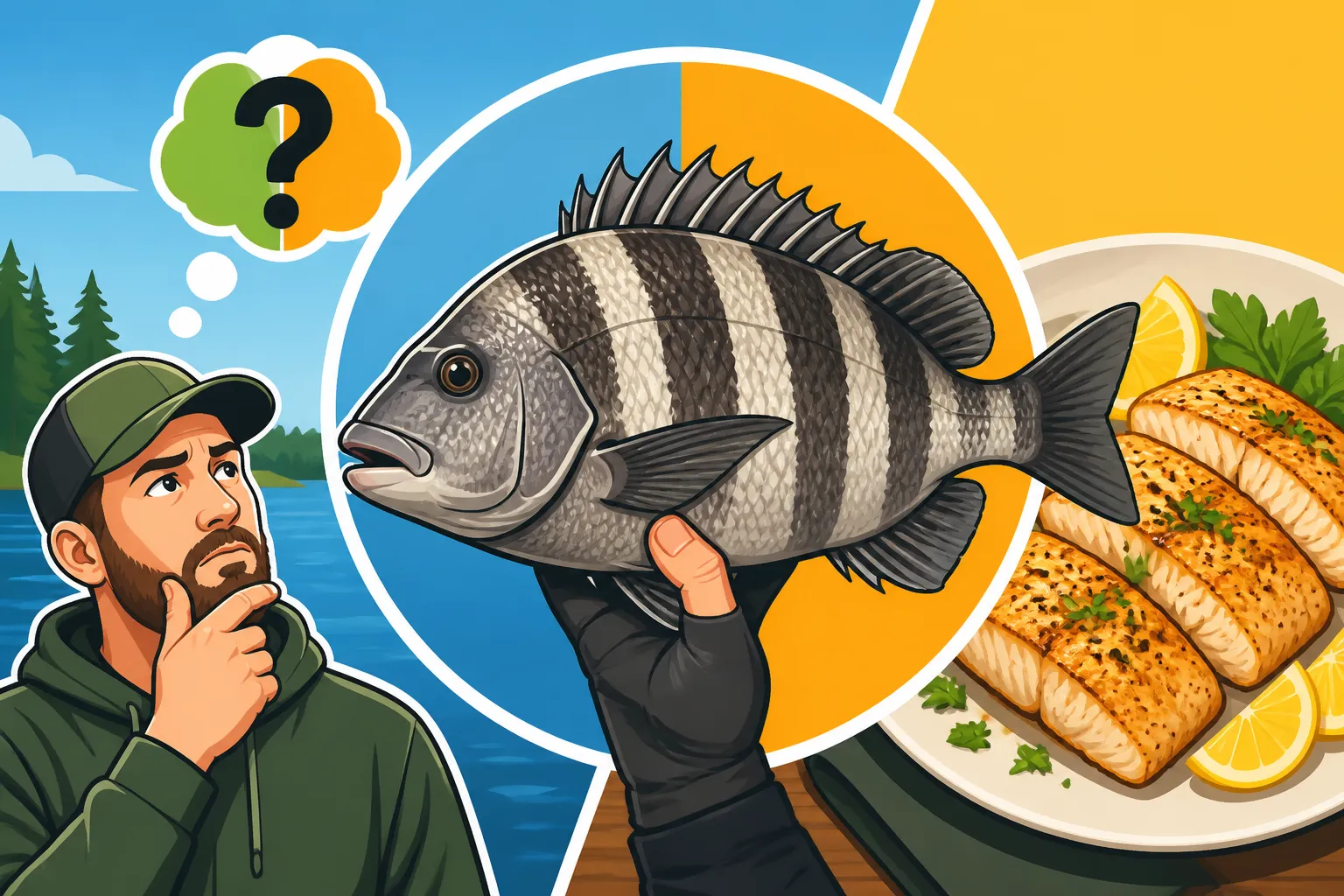
Oh, the humble sheepshead! For many Minnesota anglers, just mentioning the word "sheepshead" conjures up images of a murky, bottom-dwelling fish best left alone. It's a common frustration to catch something you're not quite sure about, especially when the walleye aren't biting, and you're left wondering if that hard-fighting freshwater drum is even worth keeping. Well, let me tell you, that perception is often dead wrong, and this guide is here to clear the air, revealing the delicious truth about this often-underestimated Minnesota fish.
The Common Misconceptions About Sheepshead
It’s completely understandable why so many anglers in Minnesota give sheepshead a wide berth. We’re spoiled, aren’t we? Our state is synonymous with fantastic walleye fishing, incredible crappie, and monster northern pike. When you’re used to targeting and eating these revered species, a fish like the freshwater drum, with its somewhat prehistoric look and bottom-feeding reputation, often gets unfairly judged. This ingrained perception is tough to shake, but it's important to understand where it comes from and why it might not tell the whole story.
Why Anglers Often Dismiss Freshwater Drum
Let’s be honest, the freshwater drum (which is its more formal name, but most of us just say sheepshead) isn't winning any beauty contests. They have a sloped head, large scales, and can look a bit… well, plain, especially compared to the golden gleam of a walleye or the striking patterns of a muskie. This appearance, combined with their habit of feeding along the lake or river bottom, has unfortunately lumped them into the "rough fish" category for generations. There's a stigma attached to rough fish, a feeling that they're somehow less desirable, less clean, or just not as tasty as the "game fish" we traditionally pursue. Many anglers automatically assume they’re going to be muddy-tasting or have a mushy texture without ever giving them a fair shot. It’s almost a cultural knee-jerk reaction in our Minnesota fishing circles – if it’s not a walleye, a bass, or a panfish, it must be trash.
Adding to this, many folks who have tried sheepshead might have done so without proper preparation, reinforcing the negative stereotype. Perhaps they kept a fish from a warm, murky backwater or didn't bleed it out properly. The result? A less-than-stellar meal that confirms their bias. It’s a vicious cycle of misinformation and missed opportunity that has led to countless delicious sheepshead being tossed back or, worse, wasted, simply because of an outdated belief system.
The Truth About Their Diet and Habitat
Here's where we start to really unpack the myth. While sheepshead are indeed bottom feeders, the notion that this automatically makes them "muddy" or undesirable is largely incorrect, especially in the cleaner waters of Minnesota. What do they actually eat? Their diet primarily consists of aquatic insects, crustaceans like crayfish, and mollusks such as snails and mussels. They have specialized pharyngeal teeth in their throats designed to crush shells, which means they're constantly foraging for clean, protein-rich meals. This diet is far from the "mud-eating" image many people wrongly associate with them.
Crucially, the taste of any fish, including sheepshead, is heavily influenced by the quality of the water they live in and what they consume. A sheepshead caught from a deep, clear, cool lake or river channel will taste remarkably different from one caught in a shallow, warm, silty backwater. In Minnesota, we have vast stretches of clean rivers, like the Mississippi and St. Croix, and numerous large, deep lakes where these fish thrive. Sheepshead from these environments have firm, white flesh with a surprisingly mild flavor. They are often caught incidentally by anglers targeting other species like catfish or walleye in these exact conditions. So, instead of dismissing them outright, consider where that fish came from. Just like how a panfish caught from a stagnant pond might taste different than one from a pristine lake, the same rule applies to sheepshead.
Preparation is Key: Turning "Trash Fish" into Treasure
If you’ve decided to give sheepshead a fair shake, congratulations! You’re about to discover a hidden gem. But here’s the crucial part: how you handle and prepare the fish after it leaves the water makes all the difference. This isn’t a walleye where you can sometimes get away with less-than-perfect immediate care. To truly appreciate sheepshead, you need to be deliberate and quick in your steps. Many of the negative experiences people have had stem directly from improper handling in the field.
The Importance of Immediate Care
The very first step to ensuring a delicious sheepshead is rapid and proper care right after it’s caught. This can't be stressed enough. Unlike some fish that are more forgiving, sheepshead benefit immensely from immediate attention.
First, bleeding the fish is paramount. As soon as you land a sheepshead you intend to keep, cut its gills or sever the artery just behind the pectoral fins and let it bleed out thoroughly. You can do this by placing it head-down in a bucket of lake water or hanging it over the side of the boat. This removes much of the blood, which carries metabolic waste and can contribute to a "gamey" or "muddy" flavor if left in the flesh. This step alone can dramatically improve the taste.
Second, get that fish on ice, and get it on ice fast. A cooler packed with ice is non-negotiable. The colder the fish, the slower the enzymatic breakdown in the flesh, which means fresher taste and firmer texture. Don't just throw it in a bucket of water; submerge it completely in ice. Think of it like taking care of prime cuts of meat; you wouldn't let them sit out, would you? The same respect should be given to your sheepshead if you want to enjoy its full culinary potential.
Finally, when it comes to filleting, there's a technique specific to sheepshead that can enhance the eating experience. Many freshwater drum have a reddish "mud line" or "bloodline" that runs along the lateral line of the fillet. This darker meat can have a stronger flavor, which some find undesirable. It's incredibly easy to remove. Simply make a shallow cut along both sides of this line and trim it out. What you're left with is beautiful, pearly white flesh. Some folks even skin the fish rather than scaling it, which can also help eliminate any stronger flavors that might reside just under the skin. A sharp, flexible fillet knife, like those from Rapala or Dexter-Russell, will make this process much smoother.
Cooking Methods That Bring Out the Best
Once you’ve got those clean, white fillets, the world is your oyster! Sheepshead meat is surprisingly versatile, with a firm, flaky texture that holds up well to various cooking methods. Its mild flavor means it readily absorbs marinades and seasonings, allowing you to tailor it to your preferences.
Frying is a classic choice, and sheepshead excels here. Its firm flesh won't fall apart in the oil. A simple beer batter or a seasoned cornmeal breading, fried to a golden crisp, results in a delightful meal. Serve it with some tartar sauce and a squeeze of lemon, and you’ll wonder why you ever doubted it. Think of it like preparing cod or snapper; the principles are very similar.
For a healthier option, baking or grilling are fantastic. Marinate the fillets in a blend of olive oil, lemon juice, garlic, and your favorite herbs for 30 minutes to an hour. Then, bake at 375°F (190°C) until flaky, or grill in a fish basket over medium heat. The firm texture prevents it from sticking excessively or breaking apart on the grill grates. You could even wrap it in foil with some vegetables and seasonings for a convenient, flavorful meal.
Ceviche is another surprising but excellent way to prepare sheepshead. The firm meat holds up beautifully to the acid from citrus juices, "cooking" it perfectly. Just make sure your fish is incredibly fresh for this method. You can also flake cooked sheepshead for fish tacos, sandwiches, or even fish cakes, where its robust texture stands up well to being mixed with other ingredients. Don't be afraid to experiment with bold flavors, as the sheepshead's mildness makes it a perfect canvas.
Debunking the "Wormy" Myth and Other Concerns
Perhaps one of the most persistent and unsettling myths surrounding sheepshead (and many other freshwater fish) is the idea that they are inherently "wormy" and therefore unsafe or unappetizing. This concern is valid, as no one wants to find surprises in their dinner. However, it's a topic often misunderstood, and with a little knowledge, you can approach sheepshead preparation with confidence.
Addressing Parasite Worries
Let’s tackle the "wormy" issue head-on. Yes, like many wild fish species, sheepshead can host parasites. The most common you might encounter are tiny yellow grubs or black spot parasites, which are larval stages of flukes. These appear as small, often yellowish or black dots, embedded in the flesh. It can certainly be off-putting to see them. However, it's crucial to understand a few things about these parasites:
- They are extremely common: These parasites are not unique to sheepshead. You can find them in walleye, bass, panfish, and virtually any other freshwater fish you catch in Minnesota. They are part of the natural ecosystem.
- They are harmless to humans when cooked: The Minnesota Department of Natural Resources (DNR) and health organizations confirm that these parasites pose no health risk to humans if the fish is cooked thoroughly. Freezing the fish for an extended period (at least 7 days at 0°F or colder) also kills them.
- Visual inspection: When filleting, you can usually see these grubs. You can easily pick them out with the tip of your knife or simply cut around the affected area if it's localized. For very small, dispersed grubs, cooking renders them harmless.
The takeaway here is not to panic. If you follow standard food safety practices, including cooking your fish to an internal temperature of 145°F (63°C), any potential parasites are completely neutralized. Don't let the occasional presence of a natural grub deter you from trying a delicious fish. It's a testament to its wild origin, not a sign of poor quality.
Texture and Flavor Profile
Now for the good stuff – what does sheepshead actually taste and feel like? When properly handled and prepared, sheepshead meat is firm, white, and flaky. It doesn't have the delicate flakiness of a crappie, but it holds together exceptionally well, making it great for frying or grilling without falling apart. Many compare its cooked texture to that of cod, haddock, or even red snapper. It's robust without being tough.
The flavor is where sheepshead truly shines for those willing to try it. It's remarkably mild with a slight sweetness. It doesn’t have the strong, oily flavor that some other "rough fish" or even some larger game fish can possess. Again, the key factors that influence this are the water quality and temperature where the fish was caught. A sheepshead from the cool, current-rich waters of the Mississippi River near Lake Pepin or from a deep basin on a lake like Lake Winnibigoshish will have a cleaner, milder flavor than one from a shallow, warm bay. The older, larger fish can sometimes develop a slightly stronger flavor, which is why many anglers who enjoy eating sheepshead prefer to keep those in the 1 to 5-pound range. They offer the best balance of meat yield, texture, and mild flavor.
Here's a quick comparison of sheepshead to some other popular Minnesota table fare:
| Fish Species | Typical Flavor Profile | Typical Texture | Best Cooking Methods | Common Misconceptions |
|---|---|---|---|---|
| Walleye | Mild, slightly sweet, clean | Flaky, delicate | Frying, Baking, Grilling | Overfished, difficult to catch |
| Crappie | Very mild, sweet | Very flaky, tender | Frying, Baking | Too small, bony |
| Northern Pike | Mild to moderate, earthy | Flaky, firm | Frying, Baking (Y-bone removal) | "Too bony," "gamey" taste |
| Catfish | Mild to moderate, sometimes earthy | Firm, dense | Frying, Grilling, Stewing | "Muddy" taste, bottom feeder |
| Sheepshead | Mild, slightly sweet, clean | Firm, flaky, robust | Frying, Baking, Grilling, Ceviche | "Rough fish," "muddy," "wormy," "trash" |
As you can see, sheepshead stands proudly among other desirable species, especially when considering its flavor and texture. It truly is one of the Best Eating Fish in Minnesota Lakes when given the chance.
Catching and Keeping Sheepshead in Minnesota
Now that your mind is open to the culinary potential of sheepshead, you might be wondering how to actually catch them, and what the rules are for keeping them. The good news is, sheepshead are abundant, fight hard, and are often caught while targeting other species. This makes them a fantastic bonus catch for any angler.
Where to Find Freshwater Drum in Minnesota
Sheepshead are widespread across Minnesota, particularly in larger rivers and lakes. They aren't elusive or hard to find.
One of the prime locations for consistent sheepshead action is the Mississippi River, especially in the downstream pools and the vast expanse of Lake Pepin Fishing. Here, they thrive in the currents, often congregating around deeper channels, wing dams, and clam beds. You'll find them alongside catfish and walleye, eagerly hitting similar baits. The St. Croix River is another excellent spot, offering similar habitat. These river systems, with their cooler, oxygenated water and abundant food sources, produce some of the best-tasting sheepshead you can find.
Many of Minnesota's larger inland lakes also hold healthy populations of freshwater drum. Lakes like Lake Winnibigoshish Fishing Guide, Leech Lake, and even parts of Mille Lacs Lake will have sheepshead. Look for them on mud flats, rocky humps, or structural transitions where they can find crayfish and mussels. They're often caught when anglers are bottom-bouncing for walleye or targeting Catfish in Minnesota: Channel & Flathead. Don't be surprised to hook into one while using a crawler harness or a jig and minnow – these are prime baits for them. In fact, many anglers seeking Best Live Bait for Walleye (Leeches, Minnows, Crawlers) often hook sheepshead instead, which can be a pleasant surprise once you know how to handle them.
Best Practices for Sustainable Harvest and Handling
One of the great things about sheepshead in Minnesota is that there are typically no daily bag limits or size restrictions. They're considered an abundant species, often classified as "rough fish," which means you can usually keep as many as you'd like. However, responsible angling still applies. While there's no official limit, it's always good practice to only keep what you'll realistically eat. Check the latest Minnesota Fishing Regulations PDF: Where to Find It for any specific changes, but generally, sheepshead are wide open.
When it comes to selecting which sheepshead to keep for the table, my advice is to target those from cleaner, cooler water, and often the medium-sized fish (say, 1 to 5 pounds) offer the best combination of texture and flavor. The giants can be fun to catch, but their meat can sometimes be a bit tougher or have a slightly stronger flavor profile. Always prioritize fish that are handled quickly after being caught – bled and iced immediately. This makes the biggest difference in their eating quality.
Consider learning to properly fillet them, removing the "bloodline" as discussed earlier. If you know How to Fillet a Walleye (Step by Step), the basic principles are similar, just add that extra step for the darker meat. By taking these few extra steps in the field and at the cleaning station, you’ll transform a fish often dismissed as bait or a nuisance into a truly enjoyable meal. Give it a try this season; you might just discover a new favorite for your dinner plate, proving that sometimes, the best fish are the ones you least expect!
Disclaimer
The information provided in this article is for general guidance and informational purposes only. Fishing regulations, season dates, and limits can change frequently. Always consult the most current Minnesota Department of Natural Resources (DNR) fishing regulations before heading out on the water. Local conditions, advisories, and fish consumption guidelines may also vary. Exercise caution and common sense when fishing and consuming wild game.