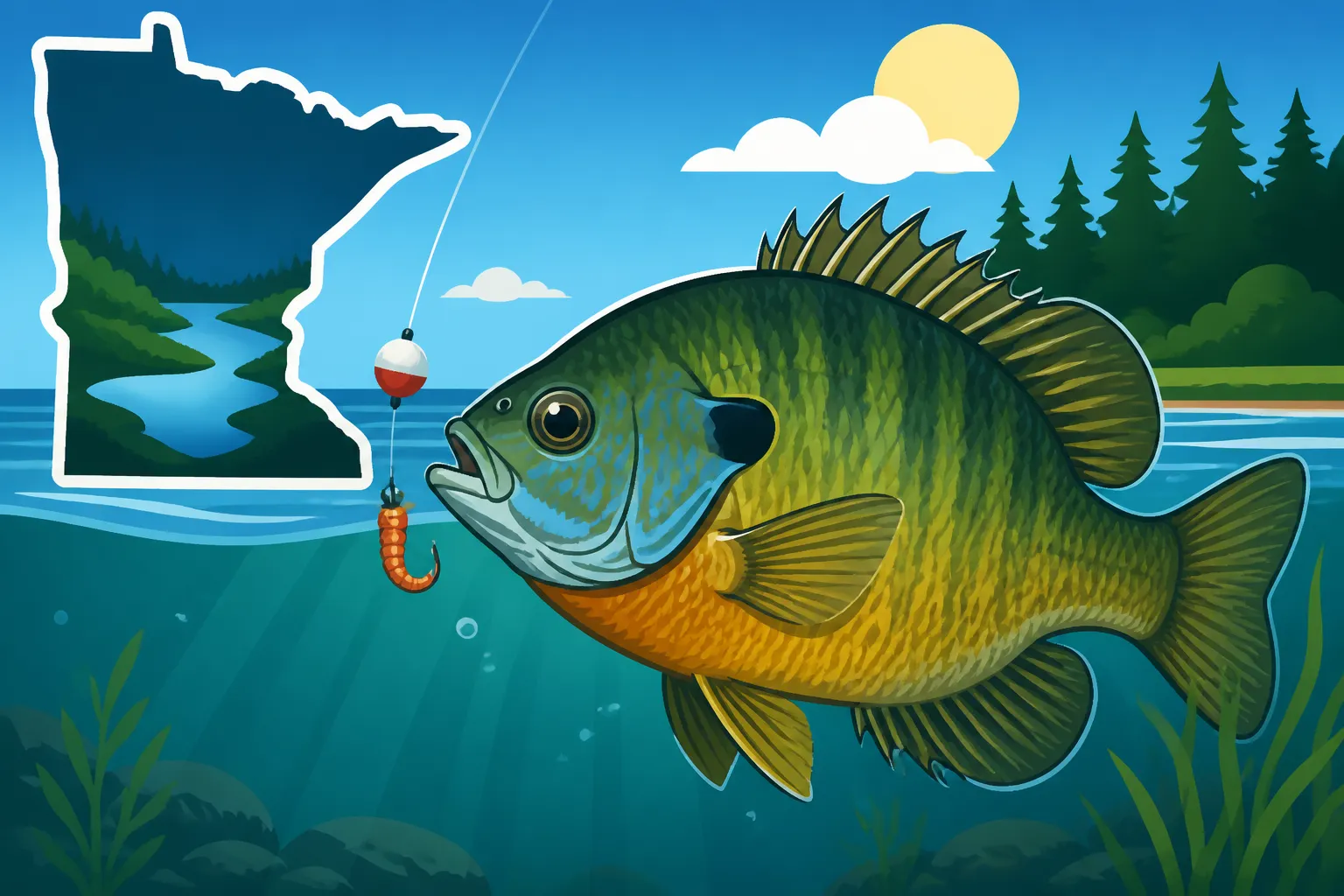
How to Catch Bluegill in Minnesota
There’s nothing quite like the feeling of a feisty bluegill tugging on your line, especially when you’re out on a beautiful Minnesota lake. But let's be real, sometimes those little panfish can be frustratingly elusive, leaving you wondering where they went and what they're biting on. This guide is here to cut through the confusion and give you the most reliable, down-to-earth advice on how to consistently catch bluegill in Minnesota's diverse waters.
Understanding Minnesota Bluegill: Habits and Habitat
Bluegill might be common, but they're far from simple. Their behavior is intricately linked to their surroundings, and knowing a bit about their preferred spots and dinner menu will drastically improve your success.
Where Bluegill Live and Why
If you want to catch bluegill, you first need to think like a bluegill. These little sunfish are lovers of structure and warmth, making them one of the most accessible species for anglers of all skill levels, but also capable of hiding in plain sight. In Minnesota, with our incredible abundance of lakes, ponds, and slow-moving rivers, bluegill thrive in a variety of environments, but they consistently seek out areas that offer both food and protection from larger predators like northern pike and bass.
Typically, you'll find bluegill in relatively shallow water, often anywhere from 2 to 15 feet deep, depending on the time of year and the lake's specific characteristics. They adore areas with dense aquatic vegetation—think lily pad fields, thick weed beds, cattail edges, and submerged grass. This greenery isn't just cover; it's a bustling buffet for the insects and larvae that make up a large part of their diet. Docks, fallen trees, brush piles, and even old tires or rock piles also serve as prime bluegill real estate. These structures provide shade, ambush points for feeding, and a sense of security. Lakes with clearer water might see bluegill hugging deeper weed lines or congregating around submerged timber, while murkier, shallower lakes might find them more spread out within extensive weed flats. It's a good idea to research the specific lake you're fishing, as Bluegill Season & Limit in Minnesota can vary, and understanding the lake's characteristics will help you pinpoint potential hot spots.
What Bluegill Eat and How to Mimic It
Bluegill are opportunistic eaters with a diet primarily consisting of small invertebrates. Think insect larvae, tiny crustaceans, zooplankton, aquatic insects (like mayflies and caddisflies), small worms, and even the eggs of other fish species. This is fantastic news for anglers because it means they're not overly picky, and a wide variety of baits can be effective.
The key is to present something small and appetizing that either perfectly imitates their natural forage or is just too tempting to pass up. When choosing natural baits, things like wax worms, maggots, and small pieces of garden worms are incredibly effective. These baits have natural scents and movements that bluegill find irresistible. For artificial lures, the goal is to mimic the size and subtle action of these tiny organisms. Micro jigs tipped with even smaller plastic tails, or tiny spoons that flash and flutter like an injured insect, can be deadly. The trick isn't necessarily matching the hatch perfectly, but offering a small, easy meal that looks natural in the water column.
Seasonal Bluegill Patterns in Minnesota
Understanding how bluegill move and feed throughout Minnesota's distinct seasons is crucial for consistent success. They don't just stay in one spot all year; their patterns are dictated by water temperature, spawning cycles, and food availability.
In the spring, after ice-out, bluegill are often found shallower, warming up in sun-drenched bays and flats. As water temperatures rise into the 60s Fahrenheit, they begin their spawning ritual. During this time, they become very aggressive and are often found in large, visible "beds" in shallow, protected areas, making them relatively easy targets.
Summer brings warmer water, and bluegill typically move to slightly deeper weed lines, brush piles, or other submerged structures where they can find cooler water and ample food. Early mornings and late evenings are often the best times to find them actively feeding in shallower water, while they might retreat to deeper cover during the bright, hot midday hours.
As fall approaches and water temperatures drop, bluegill start to school up and feed heavily in preparation for winter. They'll often be found near the edges of deeper breaks and still around significant structure, but often more concentrated. This can lead to some fantastic action if you locate a productive school.
Finally, winter means ice fishing season in Minnesota! Bluegill will still be found near structure and weed edges, but often suspend in the water column or hug the bottom near deeper points or humps. Ice anglers often target them by drilling a series of holes over a weed flat or structure, then using small jigs and live bait. Learning How to Catch Bluegill Through the Ice in Minnesota is a rite of passage for many anglers. Knowing these seasonal shifts will help you pinpoint their locations on your chosen lake.
Essential Gear for Minnesota Bluegill Fishing
You don't need a boatload of expensive gear to catch bluegill, but having the right tools makes a world of difference. It’s all about finesse and presentation when it comes to these panfish.
Rods, Reels, and Line
For bluegill, light tackle isn't just an option; it's a necessity and part of the fun. These fish, while small, can put up a surprisingly strong fight on appropriate gear, making every catch exciting.
An ultra-light spinning rod and reel combo is your best friend. Look for rods in the 5 to 6.5-foot range with a fast or moderate-fast action. This provides enough backbone to cast small baits but enough sensitivity to detect even the slightest nibble. Paired with a small spinning reel, typically a 500 or 1000 series, you'll have a perfectly balanced setup. The lighter the line, the better for bluegill. Two to four-pound monofilament or fluorocarbon is ideal. This thin line is less visible to the fish and allows your small baits to sink naturally. Some anglers prefer a very thin braided line (4-6 lb test) for its sensitivity, often with a short fluorocarbon leader for stealth. Whatever you choose, the key is light, sensitive tackle to truly enjoy the battle and feel those subtle bites. If you're looking for more detailed recommendations, a guide on Best Gear for Bluegill Fishing in Minnesota would be a fantastic resource.
Best Baits and Lures for Bluegill
Bluegill are not picky, but they do have their favorites, and presentation is key.
For live bait, you simply can't beat wax worms, maggots (often called "spikes"), and small pieces of earthworms (like red wigglers or nightcrawlers). These offer natural scent, movement, and taste that bluegill find irresistible. Crickets can also be very effective, especially during summer months when insect activity is high. Leeches, though more commonly associated with walleye, can also entice larger bluegill, especially smaller "crawler" leeches. The key is to use small pieces of worm or single wax worms to fit their small mouths and ensure easy hook-sets.
When it comes to artificial lures, think tiny. Jigs in the 1/64 to 1/16 ounce range are perfect. These can be tipped with micro plastic tails, often resembling grubs, insect larvae, or small minnows. Colors like chartreuse, white, pink, and black are often go-to choices. Brands like Northland Tackle offer excellent panfish jigs and soft plastics, such as their Impulse series, which are infused with scent. Small hair jigs or Marmooska-style jigs are also highly effective, especially for ice fishing or when bluegill are finicky. Tiny inline spinners (like Mepps or Panther Martin) and micro spoons can also work well when bluegill are more aggressive and willing to chase. For a broader look at bait options that can be adapted for panfish, check out resources on Best Live Bait for Walleye (Leeches, Minnows, Crawlers), as many panfish will readily take smaller versions of the same offerings.
Terminal Tackle and Accessories
Beyond your rod, reel, and bait, a few other small items are absolutely essential for a successful bluegill outing. These might seem minor, but they significantly impact your efficiency and enjoyment on the water.
First up, bobbers. While a simple clip-on bobber can work, a slip bobber rig is a true game-changer for bluegill. It allows you to set your bait at a precise depth, regardless of how deep the water is, and makes casting much easier. You can learn more about how to set these up in detail with guides like How to Set Up a Slip Bobber Rig Step by Step. Next, you'll need hooks. Tiny, sharp hooks are paramount for bluegill's small mouths. Sizes 8 to 14 in an Aberdeen style (thin wire, long shank) are perfect. The thin wire is less likely to kill your live bait quickly, and the long shank makes it easier to remove from a bluegill's mouth.
You'll also need split shot weights – the smallest sizes are best – to get your bait down effectively. Just enough weight to sink your offering naturally without making it look unnatural. Finally, don't forget forceps or small needle-nose pliers for easy hook removal, especially with those tiny hooks. A bucket or livewell (if you're on a boat) is also handy if you plan on keeping some for a delicious bluegill fry. A simple five-gallon bucket with some water works perfectly for shore anglers.
Proven Techniques for Catching Bluegill
Bluegill fishing isn't usually complicated, but a few tried-and-true techniques will dramatically increase your catch rate and make your time on the water more productive and enjoyable.
The Slip Bobber Strategy: A Minnesota Staple
If there's one technique that every Minnesota panfish angler should master, it's the slip bobber rig. It's incredibly versatile and effective for bluegill, crappie, and even walleye. The beauty of a slip bobber is its ability to present a bait at a consistent, precise depth, whether that's 2 feet or 20 feet deep, all while allowing for long, tangle-free casts.
Here's the rundown: you tie a small knot (called a bobber stop) onto your main line, which can slide freely. Below that, you thread on a bead, then the slip bobber itself. Below the bobber, you'll tie on your small hook (size 8-12) and then add one or two small split shot weights about 6-12 inches above the hook. The bobber stop allows you to adjust the depth of your bait simply by sliding the knot up or down the line. When you cast, the weight pulls the line through the bobber until the bobber hits the stop knot, keeping your bait at your desired depth. This is especially useful when you're fishing over a specific weed bed or brush pile, or when bluegill are suspended at a certain depth. It's a fantastic way to fish live bait or small jigs effectively and is particularly devastating when bluegill are congregated around shallow docks or submerged timber.
Jigging and Finesse Tactics
Sometimes, bluegill need a little coaxing, and that's where jigging and finesse tactics shine. These methods focus on subtle movements to entice bites, especially when fish are a bit deeper or less active.
Using a very small jig (1/64 to 1/32 ounce) tipped with a small plastic tail or a wax worm, drop it down to the bluegill's depth. The key here is subtle action. Instead of aggressive jerks, think about slow lifts, gentle shakes, and pauses. Often, a bluegill will hit on the fall or when the bait is completely still. This "deadsticking" approach can be deadly, particularly in colder water or when fishing through the ice. When fishing from a boat, you can slowly drift or use your trolling motor to cover ground, letting the jig swim naturally. In lakes with extensive submerged weed lines or brush piles, vertically jigging precisely over the structure is often more effective than casting. A guide to How to Catch Big Bluegill will often highlight these finesse tactics, as larger bluegill can sometimes be more wary.
Simple Cast and Retrieve for Active Fish
When bluegill are actively feeding and aggressive, you don't always need complex setups. Sometimes, a simple cast and retrieve is all it takes to fill your bucket. This method is especially effective during the warmer months when bluegill are chasing prey near the surface or along weed edges.
Small inline spinners (like a #0 or #1 Mepps Aglia or a Panther Martin spinner) are fantastic for this. Cast them out near weed lines, docks, or other cover, and retrieve them at a slow, steady pace. The flash and vibration of the blade often trigger an aggressive strike. Tiny spoons or even small crankbaits designed for panfish can also work. This technique is great for covering a lot of water quickly to locate active schools. It's also a fantastic way to get kids into fishing, as it's straightforward and often yields quick results. Just remember to use ultra-light gear to make those strikes more noticeable and the fight more enjoyable.
Finding Bluegill Hotspots
You've got the gear and the techniques, but where do you actually find these finicky fish? Bluegill are creatures of habit, and knowing where to look drastically cuts down on wasted time.
If you're shore fishing, focus on public access points with docks, fallen trees, or visible weed beds. City parks and smaller community lakes often have excellent bluegill populations that are accessible without a boat. Places like Lake Harriet or Bde Maka Ska in Minneapolis, or even smaller ponds, can be Shore Fishing Spots in Minnesota (No Boat) that yield plenty of panfish. Look for any kind of cover or transition zone in shallow water, especially during spring and early summer.
For boat fishing, your options open up considerably. Extensive weed beds, especially those with varying depths or "holes" within them, are prime targets. Lily pad fields are bluegill magnets, as are flooded timber areas. Look for defined weed lines that run along a drop-off – bluegill will often patrol these edges. Submerged brush piles, rock piles, or even old cribs placed for fish habitat can hold huge schools. If your boat has electronics, pay attention to depth contours and any significant structure shown on your sonar. Many Minnesota lakes are renowned for their panfish, and resources on Where to Catch Bluegill in Minnesota can help narrow down your options.
Here's a quick overview of some popular bluegill baits and lures:
| Bait/Lure Type | Description | Best Use Cases | Advantages |
|---|---|---|---|
| Wax Worms | Small, white larvae, very popular live bait. | All seasons, especially effective for ice fishing. | Natural scent, subtle movement, irresistible. |
| Maggots (Spikes) | Tiny, white larvae, smaller than wax worms. | Finicky fish, small jigs, year-round. | Extremely subtle, good for light bites. |
| Garden Worms | Small pieces of earthworms or red wigglers. | Warm water, under bobbers, consistent producer. | Readily available, strong scent, durable. |
| Crickets | Live insects, sometimes available at bait shops. | Summer, surface or shallow water, aggressive bites. | Lively action, natural to bluegill diet. |
| Micro Jigs | Tiny lead-head jigs (1/64-1/16 oz) with plastic or hair. | All seasons, vertical jigging, casting, under bobber. | Versatile, mimics insects, can be scented. |
| Tiny Spoons | Small metal spoons (1/32-1/16 oz), flashy. | Active fish, casting, aggressive presentations. | Flash and flutter, triggers reaction strikes. |
| Inline Spinners | Small spinners (#0, #1 size), Mepps, Panther Martin. | Active fish, casting, covering water. | Vibration and flash, good for searching. |
Maximizing Your Bluegill Catch: Beyond the Basics
Catching bluegill is one thing, but becoming a truly responsible and effective angler involves a bit more than just hooking fish. It's about ensuring sustainable fishing for years to come and making the most of your harvest.
Understanding Panfish Slot Limits and Regulations
Minnesota boasts some incredible panfish populations, but they are not limitless. To ensure healthy fisheries for future generations, the Minnesota Department of Natural Resources (DNR) has implemented special panfish regulations on many lakes, often referred to as "sunfish limits" or "panfish limits." These regulations can include reduced bag limits or even length-based slot limits that encourage anglers to keep smaller fish and release larger, spawning-size bluegill.
It is absolutely crucial to check the specific regulations for the lake you plan to fish before you go. Don't assume the statewide general limit applies everywhere! You can find this information on the DNR website, in the annual fishing regulations booklet, or by checking lake-specific pages. For instance, Minnesota Crappie & Sunfish Limits outlines many of these lake-specific rules. Keeping too many large bluegill from a small lake can quickly deplete its trophy potential, leading to populations of smaller, stunted fish. Being a responsible angler means doing your part to manage these precious resources.
Handling and Releasing Fish Responsibly
Not every bluegill you catch needs to go into the cooler. Many anglers enjoy the sport of catching and releasing, and doing so properly is vital for the fish's survival.
When you're practicing catch and release, try to handle the fish as little as possible. Wet your hands before touching the fish to protect its slime coat, which is its primary defense against disease. Avoid squeezing the fish, especially around its belly. If the hook is shallow, use forceps or pliers to quickly remove it. If the fish has swallowed the hook deeply, it's often best to cut the line as close to the hook as possible rather than trying to dig it out, which can cause irreparable damage. Get the fish back into the water as quickly as possible. These simple steps, detailed further in guides like Catch and Release Best Practices in Minnesota, ensure that the bluegill you release has the best chance of survival, thriving to bite another day, and potentially growing into a real jumbo for someone else to enjoy.
The Joy of a Bluegill Fry: Cleaning and Cooking
Let's be honest, one of the biggest joys of bluegill fishing is bringing home a mess of those tasty little fillets for a shore lunch or a family fish fry. Bluegill are, hands down, one of the best-eating freshwater fish in Minnesota.
Cleaning bluegill is a straightforward process. Many anglers prefer to fillet them, removing the meat from either side of the backbone. For smaller fish, some simply scale and gut them, frying them whole for that classic "panfish" experience. The meat is sweet, flaky, and has a mild flavor that appeals to almost everyone, even those who claim not to like fish. Whether you dredge them in seasoned flour and pan-fry them in butter, or batter them for a deep-fried treat, a fresh bluegill meal is a true Minnesota tradition. For tips on preparing your catch, exploring resources like Best Fish for a Minnesota Fish Fry can offer some fantastic recipes and cleaning techniques to make your harvest truly special.
Disclaimer
Fishing regulations and conditions can change rapidly. Always consult the official Minnesota Department of Natural Resources (DNR) regulations before heading out on the water. This guide is for informational purposes only and does not supersede state or local laws. Be aware of weather conditions and practice safe boating and ice safety.