What Fish Are in Minnesota Lakes? (Common Species)
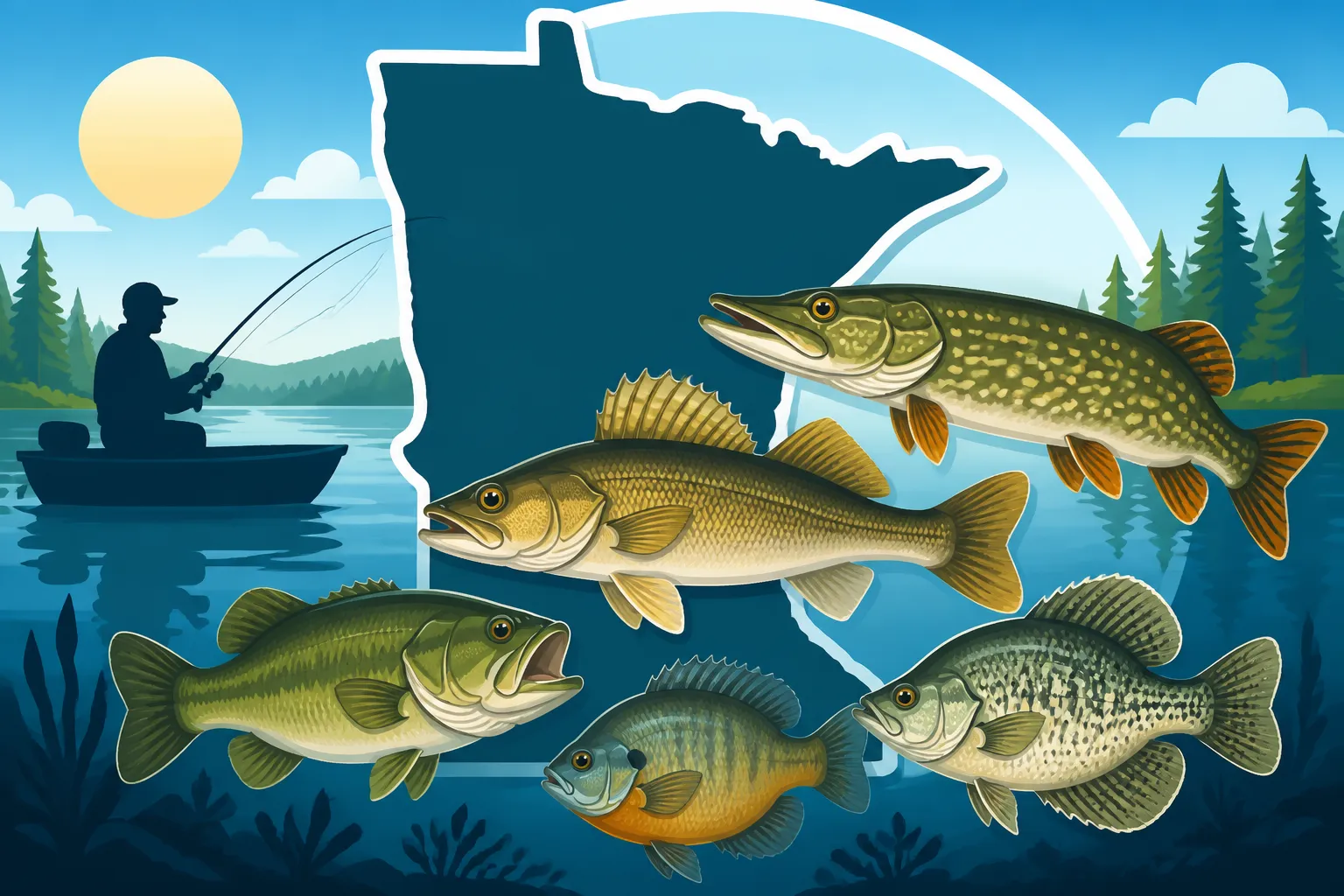
Navigating the incredible diversity of Minnesota's waters can sometimes feel overwhelming, especially when you're wondering what finned friends you might encounter on your next outing. From the bustling metropolitan lakes to the quiet, remote wilderness, our state boasts an astounding variety of fish species, each with its own unique charm and challenge. This comprehensive guide will help you identify the common species found across Minnesota's vast network of over 10,000 lakes and countless rivers, ensuring you're prepared for whatever bites your line.
Minnesota's Most Sought-After Game Fish
When most folks think about fishing in Minnesota, their minds immediately go to our premier game fish. These are the species that bring anglers from all corners of the country, providing thrilling battles and often delicious table fare. Understanding where they live and how they behave is key to a successful trip.
Walleye: The Golden Gem
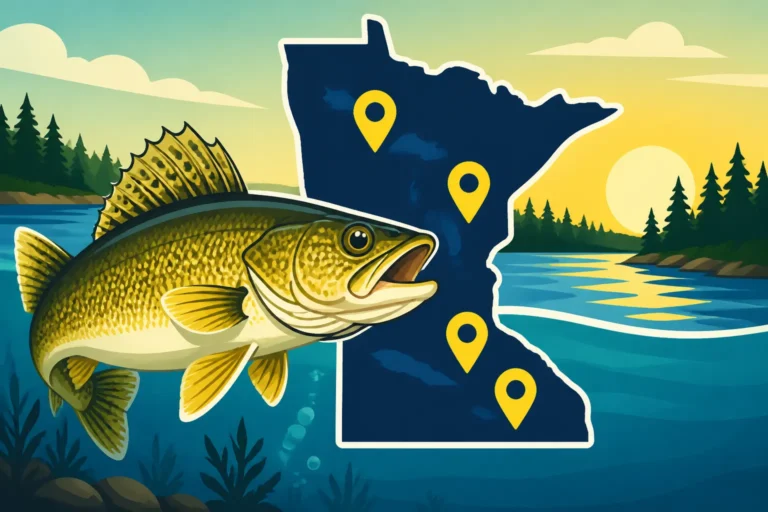
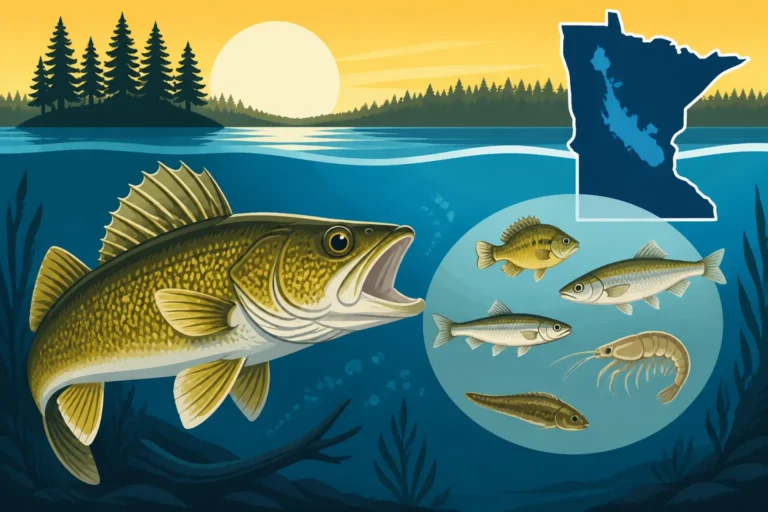
Ah, the walleye. There's a reason this fish is Minnesota's state fish and the undisputed king of our frying pans. Known for their distinct golden-olive coloration, glassy eyes, and razor-sharp dorsal fins, walleye are a prized catch. They prefer cool, clear water and are often found near rocky structures, gravel bars, and deep weed lines. Their light-sensitive eyes make them particularly active during low-light conditions, like dawn, dusk, and even throughout the night.
Fishing for walleye can be an art form, requiring patience and a good understanding of their habits. Many anglers swear by classic techniques like Jigging for Walleye: Jig & Minnow Basics with a live minnow or a soft plastic, especially during the colder months or early season. As the water warms, trolling crankbaits or fishing a How to Fish a Lindy Rig for Walleye with leeches or nightcrawlers becomes incredibly effective. You'll find them in almost every major lake, from the massive expanse of Lake of the Woods to the famed Mille Lacs, and even many smaller, lesser-known gems.
Northern Pike: Aggressive Predators
Northern pike are the undisputed freshwater sharks of Minnesota. With their elongated bodies, duck-bill snouts, and rows of razor-sharp teeth, these aggressive predators strike fear into smaller fish and often bring exhilarating fights to anglers. They typically inhabit weedy bays, shallow flats, and transition areas where they can ambush prey. While they might not be as revered for table fare as walleye by everyone due to their Y-bones, a properly filleted northern pike is absolutely delicious.
Pike are opportunistic eaters and will readily hit a wide variety of lures and baits. Large spoons, spinnerbaits, and even topwater lures can elicit explosive strikes. Many anglers specifically target them in areas with dense aquatic vegetation. For those looking for a real challenge, targeting trophy pike often involves larger baits and heavier gear. They are widely distributed, populating a huge number of lakes and rivers throughout the state. Understanding Northern Pike in Minnesota: Identification & Where to Catch is crucial for both identification and locating these toothy critters.
Muskie: The Fish of 10,000 Casts
For the dedicated angler seeking the ultimate freshwater challenge, the muskellunge – or muskie – is the holy grail. These elusive giants are known for their immense size, powerful runs, and frustratingly finicky nature. With their tiger-striped or spotted patterns and formidable jaws, muskie are true apex predators. Catching one often requires hundreds, if not thousands, of casts, earning them the nickname "the fish of 10,000 casts."
Muskie prefer clear water and can be found lurking near weed edges, rocky points, and open-water structure. They are solitary hunters and demand specialized gear, including heavy-duty rods, reels, and large, robust lures like bucktails, jerkbaits, and glide baits. Lakes like Lake Vermilion, Leech Lake, and Mille Lacs Lake are renowned for their muskie populations, offering chances at true giants. For those interested in pursuing these magnificent creatures, diving into Muskie Fishing Techniques for Beginners can provide a solid foundation for this incredibly rewarding, albeit challenging, pursuit.
Panfish Favorites: Accessible Fun for Everyone
While walleye and muskie get a lot of glory, Minnesota's panfish offer some of the most consistent and enjoyable fishing opportunities, perfect for families, beginners, and seasoned anglers alike looking for steady action. These smaller, prolific species are found in virtually every body of water and provide excellent table fare.
Black Crappie and White Crappie
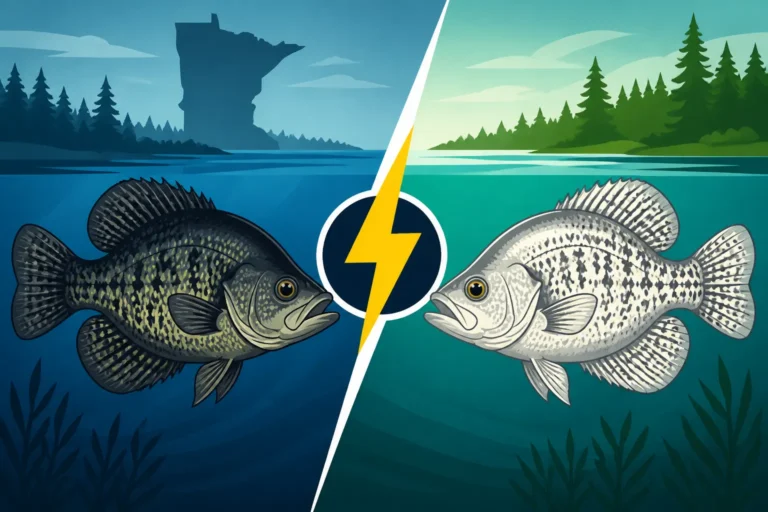
Crappie are a beloved panfish species in Minnesota, known for their papery mouths and delicious white meat. We primarily have two species: black crappie and white crappie. Black crappie are usually darker with irregular blotches, preferring clearer water and more submerged vegetation. White crappie tend to be lighter, with more defined vertical bars, and are often found in murkier, slower-moving waters. Both species gather in schools, which means when you find one, you've often found a whole mess of them!
Crappie are a blast to catch, whether you're using a small jig under a bobber or tipping a tiny spoon with a minnow. They are particularly active during spring, when they move into shallow spawning areas, and in winter, when they suspend over deep basins. Learning Crappie & Panfish Fishing Techniques is incredibly helpful for targeting these prolific fish, as they can be caught year-round. Many anglers consider crappie fishing through the ice to be one of the highlights of winter.
Bluegill and Sunfish
Bluegill are another quintessential Minnesota panfish, instantly recognizable by their vibrant blue-orange gill plate and distinct dark spot. They are part of the broader "sunfish" family, which includes other species like pumpkinseed, green sunfish, and hybrid sunfish, all sharing a similar disc-shaped body and colorful markings. Bluegill are often found in shallow, weedy areas, around docks, and near submerged timber, making them accessible even from shore.
These feisty little fish are fantastic for introducing kids to fishing due to their aggressive bite and abundance. A small hook, a bit of nightcrawler or a waxworm, and a bobber are often all you need. While they don't grow as large as some other species, catching a limit of plump bluegill for a fresh fish fry is a cherished Minnesota tradition. Don't underestimate the fight of a larger "bull" bluegill on light tackle; they'll put a surprising bend in your rod!
Yellow Perch: The Ice Fishing Staple
Yellow perch are a crucial part of Minnesota's aquatic ecosystem and a prime target for many anglers, especially during the hardwater season. Distinguished by their vertical dark stripes and bright orange-red fins, perch are schooling fish that often roam in large groups, particularly over sandy flats and deep weed edges. They have a delicate, flaky white meat that is incredibly tasty, making them a popular choice for dinner.
While perch can be caught year-round, they truly shine as an ice fishing staple. Anglers brave the cold, drilling holes over suspected perch grounds, often using small jigs tipped with maggots, waxworms, or a piece of minnow. When a school moves through, the action can be fast and furious, providing endless entertainment. Finding jumbo perch often requires moving around and using a good fish finder to locate roaming schools. Large lakes like Lake Winnibigoshish and Upper Red Lake are renowned for their perch fishing opportunities.
Bass Species: Pound-for-Pound Fighters
Minnesota is home to two primary bass species, both offering exciting, hard-fighting action that keeps anglers coming back for more. They're strong, acrobatic, and provide a thrilling challenge, particularly on light to medium tackle.
Largemouth Bass: Weedy Water Warriors
The largemouth bass is perhaps the most iconic freshwater game fish in North America, and Minnesota's lakes are no exception. Identified by its dark green, mottled body and a jawline that extends beyond its eye, the largemouth is a master of ambush in dense cover. They thrive in warm, weedy lakes, preferring areas with lily pads, submerged grass, and fallen timber where they can hide and pounce on unsuspecting prey.
Largemouth bass are incredibly fun to catch, known for their explosive topwater strikes and powerful leaps. Anglers use a diverse array of techniques, from flipping jigs into heavy cover to working plastic worms through weeds, or generating exciting surface blow-ups with frogs and poppers. Lakes like Lake Minnetonka and many smaller, vegetated lakes in central and southern Minnesota offer fantastic largemouth fishing. These fish truly put up a tenacious fight, living up to their reputation as pound-for-pound fighters. Check out Bass Fishing Techniques for Minnesota Lakes for more detailed strategies.
Smallmouth Bass: Rocky Reef Brawlers
In contrast to their largemouth cousins, smallmouth bass prefer cooler, clearer water and gravitate towards rocky structures, gravel shoals, and current breaks in rivers and large lakes. Their bronze-brown coloration and smaller mouth (the jaw doesn't extend past the eye) distinguish them. Smallmouth are known for their incredibly powerful runs and acrobatic jumps, often leading to heart-pounding battles.
Targeting smallmouth usually involves searching for them around rocky points, drop-offs, and humps. Techniques often include throwing crankbaits, jerkbaits, spinnerbaits, or various soft plastics like tubes and grubs. On lakes like Mille Lacs and Lake Vermilion, smallmouth bass fishing has become world-class, attracting anglers who crave the intense fight these fish deliver. They are also prevalent in many of Minnesota's larger rivers, offering exciting opportunities for river anglers.
Coldwater Challenges: Trout and Lake Superior Salmonids
For those who enjoy a different kind of fishing, Minnesota also offers exceptional coldwater fisheries, from pristine spring-fed streams to the vast, cold depths of Lake Superior. These species demand specific techniques and offer a unique angling experience.
Stream Trout: Driftless Area and North Shore Gems
Minnesota is blessed with incredible stream trout opportunities, particularly in two distinct regions. The "Driftless Area" in southeastern Minnesota, with its rugged bluffs and spring-fed valleys, is home to a network of coldwater streams teeming with brown trout and brook trout. These fish are wary and require stealth and precision, often targeted with fly fishing gear. Learning about Fly Fishing the Driftless Area: A Beginner's Guide can open up a whole new world of angling.
Further north, the tributaries flowing into Lake Superior along the North Shore offer unique opportunities for stream trout, as well as migratory steelhead (rainbow trout) and salmon. These powerful fish make spawning runs up rivers like the Knife River and French River, providing exhilarating battles for anglers willing to brave the chilly waters. A Minnesota Trout Stamp is required to fish for trout in these designated waters.
Lake Trout: Deepwater Giants
Lake trout are true coldwater specialists, preferring the deep, oxygen-rich waters of Minnesota's deepest and clearest lakes. These powerful members of the char family are characterized by their dark, mottled bodies and forked tails. Found in lakes like Lake Superior, Saganaga Lake in the Boundary Waters Canoe Area Wilderness, and several other deep, pristine northern lakes, they are a formidable opponent.
Targeting lake trout often involves specialized techniques such as deep-water trolling with downriggers and heavy spoons or stickbaits, or vertical jigging with heavy spoons or tube jigs over deep structure. During the winter, ice anglers pursue them through thick ice in deep water, often using large spoons or live bait rigs. Catching a trophy lake trout is a testament to an angler's skill and patience, often requiring a significant commitment to deep-water tactics.
Salmon: Lake Superior's Migratory Marvels
While not native to Minnesota, various species of Pacific salmon have been successfully introduced and thrive in Lake Superior and its tributaries. Anglers can target Coho salmon, Chinook (King) salmon, and even smaller pink salmon. These migratory fish offer incredible sport, especially when they make their annual runs into the North Shore rivers for spawning.
Salmon fishing on Lake Superior typically involves trolling with specialized gear, often using dodgers and flies, or various spoons and crankbaits. During their spawning runs in fall, anglers can target them in the lower reaches of North Shore rivers. Catching one of these powerful, ocean-going fish (even though it's freshwater!) is an unforgettable experience, combining the thrill of the fight with the stunning backdrop of the North Shore.
Unique and Underappreciated Catches
Beyond the typical game fish, Minnesota's waters host a fascinating array of unique and often overlooked species that offer distinct angling experiences. These fish might not always be the primary target, but they certainly add to the rich tapestry of our aquatic environment.
Lake Sturgeon: Ancient River Monsters
Lake sturgeon are truly living fossils, ancient fish that can grow to immense sizes and live for over a century. With their cartilaginous skeletons, five rows of bony plates (scutes), and vacuum-like mouths, they are unmistakable. These magnificent creatures are found primarily in the Rainy River, Lake of the Woods, and parts of the St. Croix and Mississippi Rivers. Catching one is a catch-and-release endeavor, and it's an experience that truly connects you with the wild history of our waters.
Sturgeon fishing is a patient game, often involving heavy tackle and strong currents. Anglers typically use heavy sinkers and a large hook baited with nightcrawlers or cut bait on the bottom. The fight of a large sturgeon is legendary – a slow, powerful pull that tests your endurance and your gear. Always ensure you're familiar with Lake Sturgeon Regulations & Tag in Minnesota before targeting these protected giants, as they require a special tag and adherence to strict limits.
Catfish: Channel and Flathead
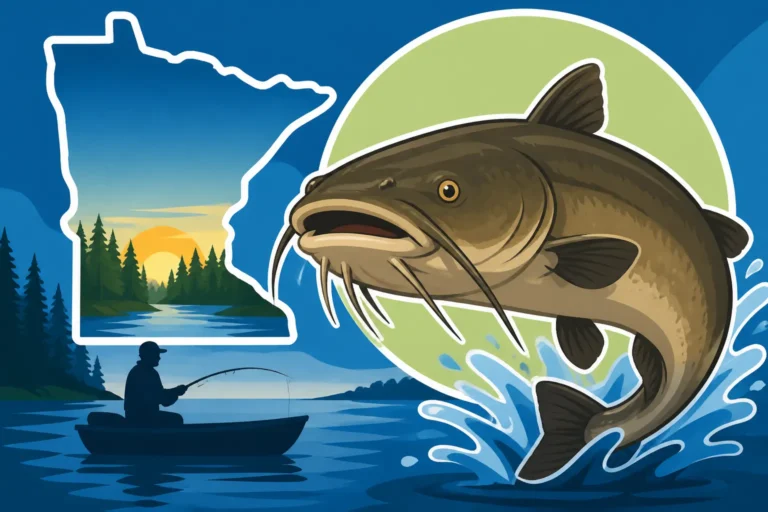
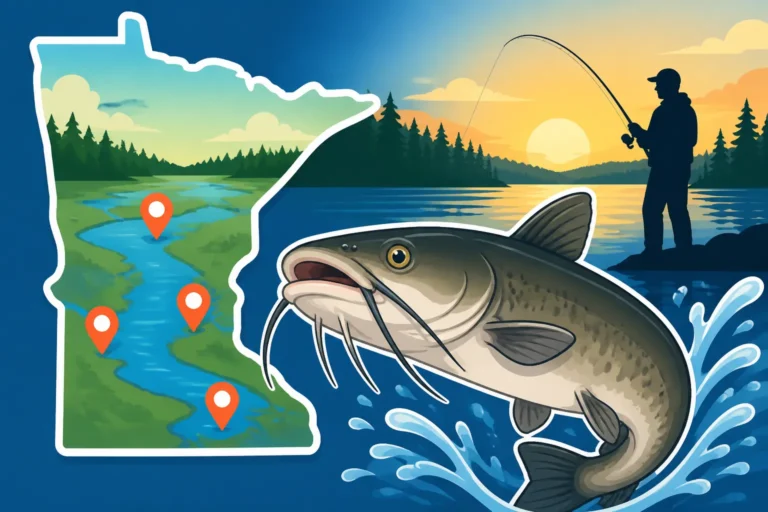
Minnesota's rivers and some larger lakes are home to two primary species of catfish: the channel catfish and the flathead catfish. Channel cats are recognizable by their sleek, often spotted bodies and forked tails, while flatheads are larger, more robust, with a flattened head and a square or slightly rounded tail. Both are excellent fighting fish and, when cleaned properly, make for superb table fare.
Channel catfish are abundant in the Red River of the North, the Minnesota River, and the Mississippi River, as well as many smaller tributaries. They readily take a variety of baits, including cut bait, stink bait, shrimp, and nightcrawlers. Flathead catfish, which grow much larger, are found in the larger river systems like the Mississippi and St. Croix. Targeting flatheads often requires heavier gear and fresh cut bait or live bait, fished on the bottom, usually at night. They are truly powerful opponents, capable of reaching impressive sizes.
Burbot (Eelpout) and Whitefish
Often misunderstood, burbot (sometimes called eelpout) are a unique freshwater cod relative found in deep, cold lakes. With their elongated bodies, single chin barbel, and mottled brown coloration, they definitely stand out. While often considered "ugly" by some, their firm, white meat is surprisingly delicious, earning them the nickname "poor man's lobster." They are particularly popular among ice anglers, especially during late winter when they become more active.
Whitefish, including species like lake whitefish and cisco (also known as tullibee), are schooling fish typically found in deep, cold northern lakes. They have small mouths and primarily feed on insects and crustaceans. While challenging to catch on hook and line due to their feeding habits, they are highly prized for their rich, oily meat, especially for smoking. Many commercial nets target them, but sport anglers can catch them using small jigs or flies in deep water, especially through the ice.
Other Notable Fish Species
Minnesota's aquatic landscape is diverse, and while the above species are among the most common and sought after, many other interesting fish inhabit our waters, each playing a role in the ecosystem.
Gar and Bowfin: Primitive Powerhouses
Two ancient and often-overlooked species are the gar (primarily longnose gar in Minnesota) and the bowfin (also known as dogfish). Gar are easily identified by their incredibly elongated bodies and long, toothy snouts, resembling prehistoric fish. They are found in slower-moving rivers and shallow, weedy lake areas, often seen basking near the surface. They provide a unique fishing challenge, often requiring specialized techniques due to their hard, bony mouths.
Bowfin are another primitive fish, recognized by their long, cylindrical bodies, large mouth, and a distinctive long dorsal fin that runs almost the entire length of their back. They are incredibly hardy and aggressive, often found in weedy, stagnant waters. While not typically targeted for food, both gar and bowfin are incredibly powerful fighters and offer an exciting, hard-pulling battle for anglers looking for something different.
Common Carp and Bullhead: Resilient Bottom Dwellers
Common carp, an introduced species, are widespread in many of Minnesota's warmer, often shallower lakes and rivers. These large, powerful bottom feeders are characterized by their thick, scaled bodies, downward-pointing mouths, and two pairs of barbels. While sometimes considered a "rough fish," carp offer an incredibly strong fight and are increasingly targeted by dedicated anglers, particularly fly fishermen, who appreciate their challenging nature.
Bullheads, including species like the black bullhead, brown bullhead, and yellow bullhead, are smaller members of the catfish family. They are incredibly resilient and abundant, found in a vast array of water bodies, even those with poor water quality. Recognizable by their smooth skin, barbels around their mouths, and sharp pectoral fin spines, bullheads are a common catch for bait anglers using worms on the bottom. They are often targeted for simple, consistent action and are quite good to eat, especially when pan-fried.
| Fish Species | Primary Habitat | Common Size Range (MN) | Best Time to Fish | Fishing Difficulty | Table Fare Rating |
|---|---|---|---|---|---|
| Walleye | Cool, clear lakes; rocky structure, deep weeds | 14-24 inches | Spring, Fall, Night | Moderate | Excellent |
| Northern Pike | Weedy bays, shallow flats | 20-35 inches | Spring, Summer | Easy-Moderate | Good |
| Muskie | Clear lakes, weed edges, open water structure | 35-55+ inches | Summer, Fall | Difficult | Catch & Release |
| Black/White Crappie | Weedy lakes, suspended over deep water | 8-12 inches | Spring, Winter | Easy | Excellent |
| Bluegill/Sunfish | Shallow, weedy areas, docks | 6-10 inches | Year-round | Very Easy | Excellent |
| Yellow Perch | Sandy flats, deep weed edges | 6-12 inches | Winter, Summer | Easy | Excellent |
| Largemouth Bass | Warm, weedy lakes, heavy cover | 12-20 inches | Spring, Summer | Moderate | Good |
| Smallmouth Bass | Clear lakes, rocky structures, rivers | 12-20 inches | Summer, Fall | Moderate | Good |
| Stream Trout | Cold, clear streams (Driftless, North Shore) | 8-18 inches | Spring, Fall | Moderate-Difficult | Excellent |
| Lake Trout | Deep, cold northern lakes, Lake Superior | 18-30+ inches | Winter, Summer | Difficult | Excellent |
| Lake Sturgeon | Large rivers (Rainy, St. Croix), Lake of Woods | 40-70+ inches | Spring, Fall | Difficult | Catch & Release |
| Channel Catfish | Rivers, larger lakes | 15-25 inches | Summer, Night | Easy-Moderate | Good |
| Burbot (Eelpout) | Deep, cold lakes | 15-25 inches | Winter | Moderate | Good |
Minnesota's waters truly offer something for every angler, regardless of skill level or preferred target. From the challenging pursuit of a trophy muskie to the simple joy of a bobber disappearing while bluegill fishing, the diversity is astounding. Understanding Minnesota Fishing Seasons & Opener Dates (2026) and Minnesota Fishing Limits: Bag & Possession (2026) is essential for any angler heading out to explore these incredible fishing opportunities. Don't forget that even if you're fishing on what seems like private land, you may still need to know Do You Need a License to Fish on Private Property? to stay compliant. Embrace the adventure, explore new species, and enjoy the incredible natural bounty that Minnesota provides!
Disclaimer
The information provided in this guide is for general informational purposes only and is subject to change. Fishing regulations, season dates, and limits are set by the Minnesota Department of Natural Resources (DNR) and can vary by species, body of water, and year. Always consult the most current Minnesota Fishing Regulations handbook or the official DNR website before heading out on your fishing trip to ensure compliance.