Bluegill vs Sunfish vs Crappie: Panfish ID
There's nothing quite as frustrating as reeling in a beautiful panfish on a Minnesota lake, admiring its vibrant colors, and then scratching your head wondering if it's a bluegill, a crappie, or "just a sunfish." It's a common dilemma for anglers, new and seasoned alike, as these popular species share some visual similarities. This guide is here to clear up that confusion, helping you confidently identify bluegill, crappie, and the broader sunfish family so you can abide by regulations and hone your fishing tactics.
The Panfish Puzzle: Why Identification is Tricky in Minnesota
Let's be honest, trying to tell some of these panfish apart can feel like a game of "spot the difference" where the differences are subtle and the fish keeps flopping! Many anglers, myself included, have stood on a dock or out on the ice, staring at a fish and debating its exact species. This isn't just about curiosity; accurate identification is crucial for adhering to specific daily limits and understanding the biology of the fish you're targeting.
Overlapping Characteristics and Local Nicknames
One of the biggest reasons for the panfish identification challenge is the sheer variety and occasional overlap in their appearances. You might catch what looks like a bluegill, but then someone calls it a "sunny," which doesn't really help narrow it down. Sometimes, the coloration can vary wildly even within the same species, depending on the water clarity, depth, and even their diet. A bluegill caught in clear, shallow water with a sandy bottom might look completely different from one pulled from murky, weedy depths. Their patterns can be faded or incredibly vivid, making those textbook diagrams sometimes feel less than helpful.
Moreover, many anglers use informal, regional nicknames that can add to the confusion. What one person calls a "pumpkinseed" another might just lump into the general "sunfish" category. This is especially true for the smaller sunfish species, where the nuances between a green sunfish and a pumpkinseed can be hard to spot in a quick glance, especially if you're trying to keep your hands on a slippery, flopping fish! It's a rite of passage for many Minnesota anglers to learn these distinctions through experience, but a good guide can certainly speed up the process.
The "Sunfish" Umbrella
The term "sunfish" itself is a major part of the confusion. Many people use "sunfish" as a generic term for any small, roundish panfish with brightly colored fins. While bluegill are indeed a type of sunfish, so are pumpkinseeds, green sunfish, warmouth, and several other species found across Minnesota. It's like calling all apples "fruit" – true, but not very specific if you're trying to differentiate a Honeycrisp from a Granny Smith.
The sunfish family (Centrarchidae) is quite diverse, and it includes not only these smaller panfish but also larger game fish like largemouth and smallmouth bass. So, when someone says they caught a "sunfish," it could technically be a wide array of species, but typically, they're referring to one of the smaller members of the family, most commonly bluegill, pumpkinseed, or green sunfish. Understanding that "sunfish" is a category rather than a single species is the first step in unraveling the panfish identification mystery. This overarching classification often leads to incorrect assumptions about regulations, as different species within the sunfish family can have slightly different size and bag limits, though Minnesota generally groups "sunfish" together for most regulations. To truly understand the specific rules, it's essential to consult the latest guide on Minnesota Crappie & Sunfish Limits.
Getting to Know Bluegill: The Classic Minnesota Panfish
If there's one panfish that almost every Minnesotan angler has caught, it's the bluegill. They're abundant, feisty for their size, and, most importantly, delicious on the dinner table. Identifying them correctly is usually straightforward once you know what to look for, but they sometimes get mixed up with other "sunnies."
Key Bluegill Identification Features
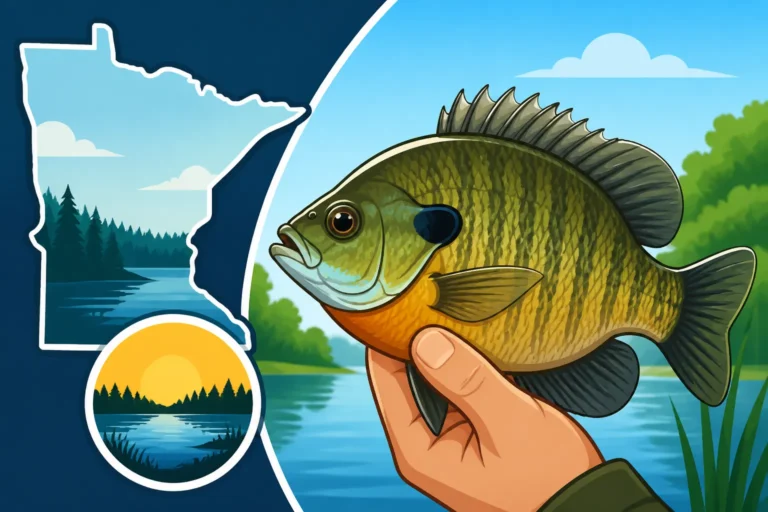
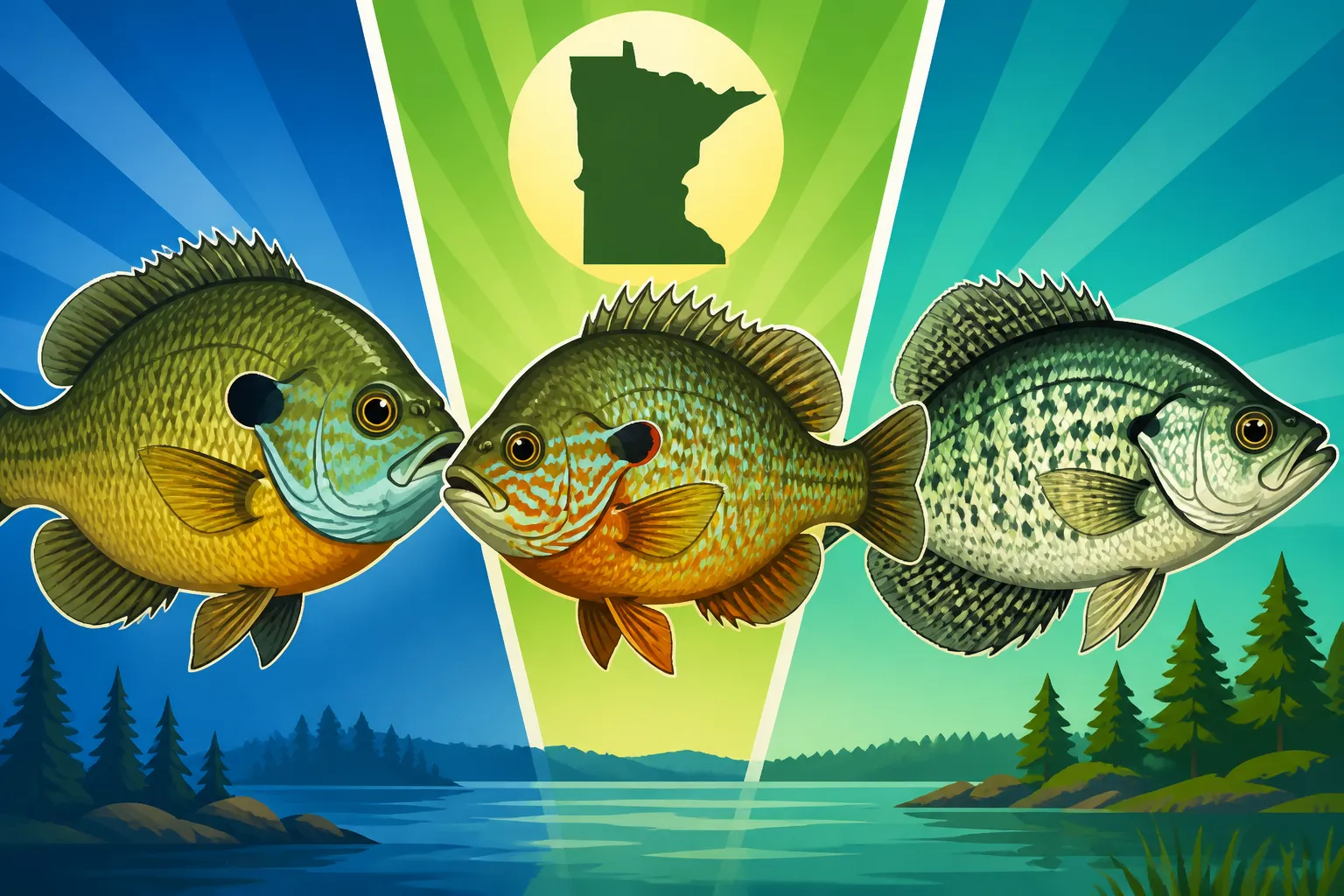
The bluegill (Lepomis macrochirus) is arguably the most recognized panfish in Minnesota, and for good reason! They are characterized by their deep, slab-sided body, often described as disc-shaped. Their coloration can vary, but generally, they exhibit an olive-green to bluish-purple back, fading to lighter sides, with a yellowish or orange belly. What really sets them apart is that distinctive dark, often black or deep blue, "ear flap" or opercular tab. This flap lacks any colorful trim, unlike some other sunfish. You'll also typically notice several faint, dark vertical bars along their sides, especially on younger or less dominant fish.
Another key feature is their small mouth. A bluegill's mouth typically does not extend past the front of its eye. This is a crucial differentiator when comparing them to other sunfish like green sunfish, which have much larger mouths. Their dorsal fin (the one on their back) is single and continuous, with a spiny front section and a soft-rayed rear section. The pectoral fins are long and pointed. When you catch a bluegill, feel that stiff, spiny dorsal fin; it's a testament to their feisty nature when hooked. Knowing these features helps when you're out on the water trying to determine How Many Sunfish Can You Keep in Minnesota?.
Common Bluegill Habitats and Behaviors
Bluegills are incredibly widespread throughout Minnesota's lakes and slow-moving rivers. They prefer clear, vegetated waters, where they can find cover from predators and ample insect larvae, small crustaceans, and even tiny fish to eat. You'll often find them congregating around docks, submerged logs, weed beds, lily pads, and other forms of shallow cover, especially during the spring and early summer months when they spawn. Their spawning beds, which look like small, circular depressions in the sand or gravel, are often found in large colonies in shallow water.
Their behavior is generally active and curious, making them a fantastic target for beginners and seasoned anglers alike. They're often eager to bite on small baits, jigs, or flies. On any given day, if you drop a worm or a small jig into a patch of weeds, chances are you'll pull out a bluegill or two. They're not particularly shy and will readily chase down a lure. In winter, they can be found schooling in deeper water or relating to transitional zones between deep and shallow, providing excellent Ice Fishing for Crappie & Panfish opportunities. For specific tactics on how to target them, check out our guide on How to Catch Bluegill: Easy Beginner Tactics.
Crappie Confusion: Black vs. White and Beyond
Crappies are another beloved Minnesota panfish, prized for their delicious white meat and their tendency to school up, making for some epic fishing days. However, telling the difference between a black crappie and a white crappie can be a bit more challenging than identifying a bluegill, as they share many similarities.
Black Crappie: Distinctive Markings and Body Shape
The black crappie (Pomoxis nigromaculatus) is a beautiful fish, often displaying a "speckled" appearance that gives them their name. They have a deep, compressed, and almost round body, similar in profile to a bluegill, but typically larger and more elongated. Their overall coloration is silvery-olive to gold, adorned with irregular, scattered black spots and blotches over their entire body, including their dorsal, caudal (tail), and anal fins. These spots are what differentiate them most obviously from white crappie, which tend to have more organized patterns.
A key anatomical feature for black crappie is the number of dorsal spines. Black crappie almost always have 7 or 8 dorsal spines. This can be tricky to count on a flopping fish, but it's a definitive identifier. Their mouth is also larger than a bluegill's, extending past the middle of the eye. Understanding these subtle differences is key, especially since Crappie Size: How Big Do They Get in Minnesota? can sometimes blur the lines of identification with smaller specimens. Black crappies are often found in clear, vegetated waters, much like bluegills, but tend to prefer slightly deeper areas or open water over submerged structure.
White Crappie: Vertical Bars and Elongated Form
The white crappie (Pomoxis annularis) shares many characteristics with its black crappie cousin but has distinct features that set it apart. White crappies tend to have a more elongated body shape compared to the rounder black crappie. Their most reliable distinguishing characteristic is the pattern of their dark markings: white crappies typically have 5 to 7 distinct vertical bars on their sides. These bars can be quite pronounced or sometimes faded, but they are generally more organized and stripe-like than the scattered spots of the black crappie.
Another anatomical identifier for white crappie is the number of dorsal spines, which is consistently 6. This, along with the vertical bar pattern, is the most reliable way to tell them apart. Their coloration is also generally lighter, more silvery than the often darker, more mottled black crappie. When fishing for crappie, especially if you're pulling in a good number, taking a moment to identify which species you have can be insightful for understanding the specific lake's population dynamics and applying the correct Minnesota Crappie & Sunfish Limits. For a more in-depth comparison, you might want to look at a guide specifically on Black Crappie vs White Crappie.
Crappie Habitat Preferences
Both black and white crappie are schooling fish, meaning where you catch one, you're likely to find more. This makes them incredibly popular among anglers who love to fill a bucket! While both prefer cover, their preferences can slightly differ. Black crappie often lean towards clear, cool waters with abundant vegetation, submerged timber, and brush piles. You'll find them suspended in open water near structure or relating directly to weed lines and cribs.
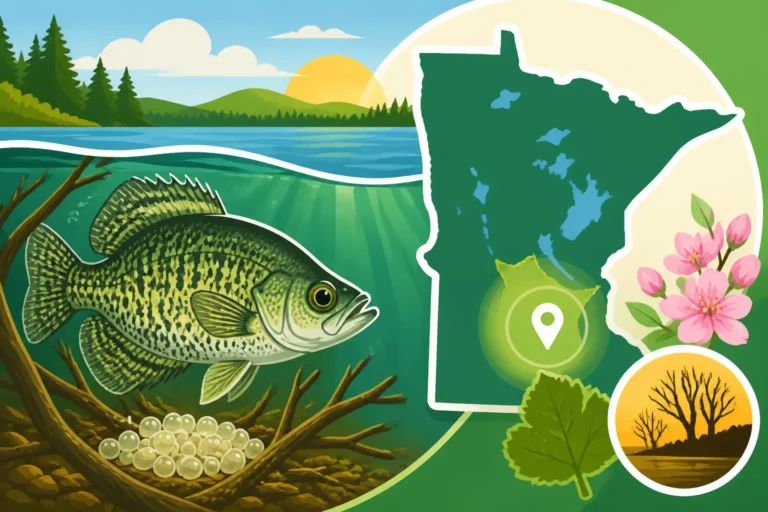
White crappie, on the other hand, are a bit more tolerant of turbid (murky) waters and prefer areas with slower currents, such as river backwaters, large reservoirs, and deeper, stained lakes. They are frequently found around brush piles, fallen trees, bridge pilings, and dam structures. During the spawn, which typically happens in late spring when water temperatures are in the 60s, both species will move into shallow areas, often around submerged vegetation or woody debris, where they construct nests. This makes them highly accessible for anglers during the Spring Crappie Fishing in Minnesota season.
Unpacking the "Sunfish" Category: Beyond the Bluegill
As we discussed, "sunfish" is a broad term. While bluegill are the most common, Minnesota's waters are home to several other distinct and beautiful sunfish species. Learning to differentiate these can enrich your fishing experience and ensure you're compliant with any specific local regulations.
Pumpkinseed Sunfish: The Jewel of the Shallwos
The pumpkinseed sunfish (Lepomis gibbosus) is truly a jewel of Minnesota's shallow waters, often boasting some of the most vibrant and intricate color patterns you'll see on a fish. They are frequently mistaken for bluegills due to their similar body shape, but a closer look reveals their unique charm. The pumpkinseed's most striking feature is the bright orange or red spot, often rimmed with yellow, on the posterior edge of its opercular (ear) flap. This is a dead giveaway, as bluegills have a solid black or dark blue ear flap without this colorful edge.
Pumpkinseeds also display wavy, iridescent blue or green streaks across their cheeks and gill covers, giving them a truly ornate appearance. Their body is generally olive to golden brown, with dappled patterns and sometimes subtle vertical bars. Like bluegills, they have small mouths that don't extend past the front of the eye. They typically inhabit clear, shallow waters with abundant aquatic vegetation, similar to bluegills, but often prefer slightly cooler temperatures. You'll find them eagerly biting small worms or pieces of corn near docks and lily pads.
Green Sunfish: Aggressive and Adaptable
The green sunfish (Lepomis cyanellus) is another common sunfish species in Minnesota, though perhaps less celebrated than the bluegill or crappie. These fish are incredibly adaptable and can thrive in a wide range of habitats, from clear lakes to murky ponds and slow-moving streams. What often sets them apart immediately is their larger mouth; unlike bluegills and pumpkinseeds, a green sunfish's mouth extends well past the front of its eye, sometimes even reaching the middle of the pupil. This larger mouth gives them a more aggressive feeding habit.
Their body shape is usually more elongated and robust than a bluegill or pumpkinseed, often appearing less "slab-sided." Coloration can vary but is typically olive-green to bluish-green on the back and sides, fading to a yellowish or white belly. You might notice some iridescent blue or green spots and streaks on their head and gill covers, and their opercular flap will often have a light, often orange or red, trim, but without the distinct red spot of the pumpkinseed. They also possess a prominent black spot at the base of their soft dorsal and anal fins. Green sunfish are known for their feisty bites, often hitting lures and baits intended for larger fish, making them a fun catch despite their smaller average size.
Other Sunfish Species You Might Encounter
While bluegill, pumpkinseed, and green sunfish are the most common "sunnies" in Minnesota, our waters are rich with diversity, and you might occasionally encounter other members of the sunfish family, especially if you venture into specific habitats.
- Warmouth (Lepomis gulosus): These guys are less common but are found in some southern Minnesota waters. They have a very stout, bass-like body and a large mouth, similar to a green sunfish, but their distinguishing feature is often three to five reddish-brown streaks radiating back from their eye. They prefer heavily vegetated, often stained waters.
- Orangespotted Sunfish (Lepomis humilis): A smaller, often overlooked sunfish, typically found in turbid, slow-moving streams and shallow areas of lakes, particularly in western Minnesota. They are identifiable by their very long opercular flap that often has a pale margin, and the male's vibrant orange spots over a blue-green body during spawning.
- Longear Sunfish (Lepomis megalotis): Known for their incredibly long, flexible opercular flap (hence the name "longear"), which is typically edged in red. They also boast wavy blue lines on their cheeks and gill covers. While beautiful, they are generally rare in Minnesota and mostly found in the extreme southern parts of the state in rivers and backwaters.
Recognizing these rarer species adds another layer of appreciation for Minnesota's incredible aquatic ecosystems. While specific regulations for these might be less common, they still fall under the general "sunfish" category for most purposes, but observing their unique characteristics is a joy for any naturalist angler.
Practical ID Tips for Anglers on Minnesota Lakes
Feeling a bit overwhelmed? Don't worry! With a little practice and knowing what key features to focus on, identifying panfish will become second nature. It's about developing a quick mental checklist when you pull a fish out of the water.
What to Look for First: Gill Flap, Mouth, and Dorsal Fin
When you've got a panfish in hand, before anything else, focus on these three things. They are often the fastest and most reliable indicators:
- The "Ear Flap" (Opercular Tab): This is perhaps the single most important feature for distinguishing between bluegills and other sunfish.
- Bluegill: Solid black or dark blue, without any trim or spots.
- Pumpkinseed: Black with a distinct, often bright, orange or red spot on the trailing edge, usually outlined in yellow.
- Green Sunfish: Often has a light-colored (yellow, orange, or white) margin, but no distinct red spot like a pumpkinseed.
- Crappie (both black and white): Their gill flaps don't have these distinct colorful patterns.
- Mouth Size: This is excellent for separating bluegill/pumpkinseed from green sunfish and crappie.
- Bluegill & Pumpkinseed: Small mouth; the corner of the mouth does not extend past the front of the eye.
- Green Sunfish & Crappie: Larger mouth; the corner of the mouth extends past the front of the eye, often to the middle or even behind the pupil.
- Dorsal Fin Spines: For crappie, this is the definitive tell.
- Black Crappie: 7 or 8 dorsal spines.
- White Crappie: 6 dorsal spines.
- Sunfish (Bluegill, Pumpkinseed, Green): Generally 9-11 dorsal spines, making them distinct from crappies.
By quickly checking these three points, you can often narrow down the species considerably in just a few seconds. This is especially useful when you're trying to figure out How Many Crappie Can You Keep in Minnesota? given the varying limits on different species.
Using Size and Body Shape as Clues
While not always definitive due to individual fish variations, size and overall body shape can provide strong clues, especially for more experienced anglers.
- Bluegill and Pumpkinseed: Tend to be very round, deep-bodied, and compressed ("slab-sided"). They rarely grow to truly large sizes, though trophy bluegills over a pound are caught.
- Crappie (Black and White): Also deep-bodied but generally larger and more elongated than typical bluegills. White crappies are often more noticeably elongated than black crappies. Crappies have the potential to grow significantly larger than most other sunfish, with some reaching over 15 inches in Minnesota.
- Green Sunfish: Often more robust and torpedo-shaped than bluegills, with a somewhat thicker body, though still compressed. They generally don't reach the sizes of crappie or trophy bluegill.
Remember, a particularly large bluegill might be mistaken for a crappie by a novice, or a small crappie might seem like a bluegill. This is where combining shape with the other key features like mouth and ear flap becomes crucial. A consistent rule of thumb is that crappies have a noticeably larger, more 'fish-like' mouth compared to the tiny puckering mouth of a bluegill or pumpkinseed.
The Importance of Habitat and Behavior
Observing where you caught the fish and how it behaved can also offer valuable hints about its identity, complementing your visual inspection.
- Bluegill and Pumpkinseed: Typically found in shallow, vegetated areas, around docks, lily pads, and submerged timber. They are often very active and bite readily on small baits.
- Crappie: Often school up and can be found suspended in open water near structure, around brush piles, submerged trees, or over deeper humps and breaklines. If you're catching a lot of fish in a tight school in deeper water, chances are they're crappie. They tend to be more active during low-light conditions or after dark. Their schooling behavior is a key factor when targeting them with Crappie & Panfish Fishing Techniques.
- Green Sunfish: Extremely adaptable and can be found in a wider range of habitats, including shallower, muddier water, ditches, and slow-moving streams where other panfish might not thrive. Their aggressive nature means they'll often hit lures intended for bass.
Consider the time of year too. During the spring spawn, many panfish move shallow, making them easier to target but also potentially mixing up different species in the same areas. In winter, however, you'll find bluegills and crappies often relating to different depths and structures under the ice, which can help narrow down your expectations.
Here's a quick comparison table to help solidify the key differences:
| Feature | Bluegill (Lepomis macrochirus) | Black Crappie (Pomoxis nigromaculatus) | White Crappie (Pomoxis annularis) | Pumpkinseed Sunfish (Lepomis gibbosus) | Green Sunfish (Lepomis cyanellus) |
|---|---|---|---|---|---|
| Body Shape | Deep, round, slab-sided | Deep, compressed, roundish | More elongated than black crappie, compressed | Deep, round, slab-sided | More elongated/robust than bluegill/pumpkinseed, less compressed |
| Ear Flap (Opercular Tab) | Solid black/dark blue, no colorful trim | No distinct pattern/spot | No distinct pattern/spot | Black with distinct orange/red spot on trailing edge, often yellow-rimmed | Often light-colored trim (yellow/orange/red), no distinct spot |
| Mouth Size | Small, corner not past front of eye | Large, corner past middle of eye | Large, corner past middle of eye | Small, corner not past front of eye | Large, corner well past front of eye |
| Body Markings | Faint dark vertical bars, sometimes spots on dorsal/anal fins | Irregular scattered black spots/blotches all over body & fins | 5-7 distinct vertical bars on sides | Wavy blue/green streaks on cheeks, dappled patterns on body | Iridescent blue/green spots/streaks on head, black spot at base of dorsal/anal fins |
| Dorsal Spines | 9-11 | 7-8 | 6 | 9-11 | 9-11 |
| Typical Habitat | Clear, vegetated shallows (docks, weeds) | Clear, vegetated waters, suspended near structure, brush piles | Turbid, slower waters (rivers, reservoirs), brush piles, bridge pilings | Clear, vegetated shallows (lily pads, rocks) | Wide range: clear lakes to murky ponds, slow streams, ditches |
Why Accurate Panfish Identification Matters
Beyond satisfying your curiosity, correctly identifying the panfish you catch holds practical significance for every Minnesota angler. It's not just about bragging rights; it's about responsible angling and maximizing your fishing success.
Following Bag Limits and Regulations
This is probably the most critical reason for accurate identification. The Minnesota DNR sets specific regulations, including daily bag limits and possession limits, for different species to ensure sustainable fisheries. While "sunfish" (a general category including bluegill, pumpkinseed, and green sunfish) often share a common limit, crappies typically have their own separate limits. For instance, the general statewide daily limit for sunfish is often 20, while for crappie it might be 10. If you mistakenly identify a crappie as a sunfish, you could inadvertently exceed the crappie limit, leading to penalties.
Consider a scenario where you're having an incredible day catching panfish. You're pulling in one after another, and you've got a mixed bag. If you don't know the difference between a crappie and a bluegill, you might end up with 15 "sunfish" in your livewell, thinking you're well within the limit. But if 8 of those are actually crappies, and the crappie limit is 10, you've just broken the law for crappies. It's a subtle but significant distinction that every angler needs to understand. Always check the current Minnesota Fishing Regulations for the specific body of water you're fishing, as limits can vary by lake and zone. This is especially true for the "Aggregate Panfish Limit" which can combine several species under one total. You might find more details in the guide to Minnesota Fishing Limits: Bag & Possession (2026).
Improving Your Fishing Success
Knowing precisely what you're catching also empowers you to become a more effective angler. Different panfish species have distinct preferences for bait, lures, depths, and habitat.
- Tailoring Your Approach: If you're consistently catching green sunfish on a certain lure, but you were hoping for bluegills, you might need to adjust your bait size or presentation. Green sunfish, with their larger mouths, might hit a bigger jig than a bluegill would. Crappies, being schooling fish, often require different search patterns and tactics than more solitary bluegills.
- Finding the "Hot Spot": If you've identified that the fish biting are crappies, you know to look for them in deeper schools, possibly suspended over structure, rather than tight to the shallow weeds where bluegills and pumpkinseeds hang out. Conversely, if you're consistently pulling up bluegills, you know you're in a good bluegill spot and can double down on those tactics. This knowledge helps you understand where to find Best Panfish Lakes in Minnesota for your target species.
- Seasonal Adaptations: Crappie spawn earlier than bluegills, and their feeding patterns can differ throughout the year. Knowing which species you're targeting allows you to align your strategy with their seasonal movements and behaviors, such as when Crappie Spawn in Minnesota: When and Where occurs. This translates to more fish caught and a more enjoyable day on the water. Ultimately, understanding these nuances is a big step towards mastering Crappie & Panfish Fishing Techniques for whatever you aim to catch.
Knowing your panfish also helps you select the Best Tackle for Bluegill in Minnesota or the Best Tackle for Crappie in Minnesota, ensuring you're using the right tools for the job.
Disclaimer
The information provided in this guide is for general informational purposes only and is not a substitute for official regulations. Always consult the current Minnesota Department of Natural Resources (DNR) fishing regulations booklet or website before heading out to fish, as rules can change frequently and may vary by specific water body.