Minnesota State Record Walleye
Every Minnesota angler, whether a seasoned veteran or a hopeful beginner, dreams of reeling in a truly monumental fish. There’s a special kind of awe that comes with thinking about the sheer size and age a fish must possess to shatter a long-standing record. But the reality is, the current Minnesota state record walleye is a beast of a fish, caught decades ago, and understanding its story gives us perspective on just how special and challenging it is to even come close to such an achievement. This guide dives deep into the legend of Minnesota's state record walleye, the hurdles to breaking it, and how you can pursue your own trophy-sized dreams on our incredible waters.
The Legend of the Minnesota State Record Walleye
The Minnesota state record walleye isn't just a number in a record book; it's a piece of our angling heritage, a testament to the incredible potential of our waters and the persistence of one lucky angler. This fish represents a pinnacle, a benchmark against which all other monster walleyes are measured. Its story is whispered around campfires and debated in bait shops across the state, sparking both admiration and a relentless drive in those who hope, one day, to best it.
The Record-Breaking Catch Details
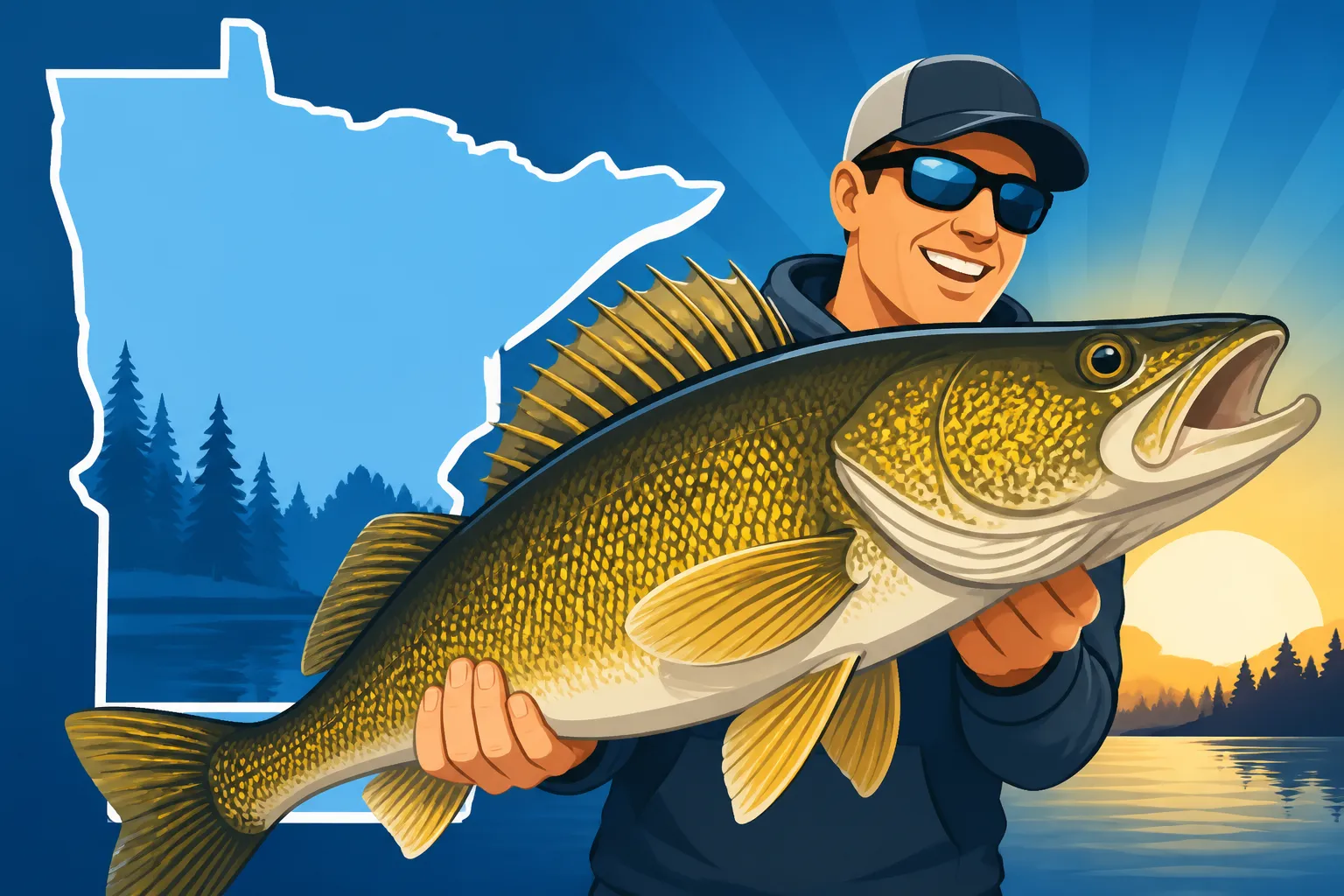
Imagine casting your line into the frigid waters of the Seagull River, bordering the vast wilderness of the Boundary Waters Canoe Area Wilderness (BWCA), on a spring day in May. That's precisely what happened on May 13, 1979, when angler LeRoy Chiovitti landed the legendary walleye that still holds the record. This wasn't some gentle, easy fight. This fish weighed an astonishing 17 pounds, 8 ounces, and measured an impressive 35.8 inches long. It was caught using a simple jig and minnow setup, a classic technique that proves sometimes the most effective methods are also the most straightforward. The sheer size of this walleye is mind-boggling when you consider the average walleye caught in Minnesota is a fraction of that weight. It wasn't just big; it was exceptionally healthy, likely a mature female full of roe, adding to its immense girth.
Why This Record Stands the Test of Time
The longevity of Chiovitti's record-breaking walleye is truly remarkable. Over forty years later, it remains untouched, a testament to its exceptional size and perhaps a bit of angling magic. Several factors contribute to why this particular record has been so difficult to beat. For one, the conditions that year on the Seagull River, a waterway that connects to Gunflint Lake and ultimately Lake Superior tributaries, might have been uniquely perfect. Abundant forage, favorable water temperatures, and specific spawning conditions could have contributed to the fish reaching such an incredible size. Additionally, giant walleye tend to be solitary and incredibly elusive, making them exceptionally challenging to find and catch. They are often older fish, wary of angling pressure, and inhabit deep, complex structures where they feel safe. While anglers regularly pull "personal best" walleyes in the 10-14 pound range from lakes like Mille Lacs Lake Fishing Guide: Walleye, Bass & More or Lake of the Woods, breaking the 17-pound barrier is a whole different ballgame. It truly requires a combination of perfect timing, skill, and an undeniable stroke of luck.
Understanding Walleye Records and Categories
When we talk about "state records," it's easy to assume there's just one definitive list. However, the Minnesota Department of Natural Resources (DNR) maintains various categories, recognizing different angling methods and the distinct challenges they present. This nuanced approach ensures fairness and acknowledges the diversity of fishing traditions in our state.
Rod and Reel vs. Other Methods
The most recognized state records, including the coveted walleye record, are typically those caught by rod and reel. This method is the most common and widely practiced, representing a universal standard for angling achievement. However, Minnesota also has a rich tradition of dark house spearing, particularly for northern pike. While there isn't a separate walleye spearing record due to regulations primarily focusing on northern pike, it's an important distinction to understand that different techniques can yield different trophy opportunities. For instance, Dark House Spearing in Minnesota: Rules & License has its own set of guidelines and records, celebrating a unique form of winter angling. The rod and reel record for walleye is considered the ultimate angling feat because it relies on the fish actively biting a lure or bait, engaging directly with the angler's presentation.
Certification Process and Rules
To ensure the integrity of any state record, the Minnesota DNR has a stringent certification process. It's not enough to simply claim you caught a giant fish; you need to prove it. First and foremost, the fish must be caught legally, adhering to all current Minnesota Fishing Limits: Bag & Possession and methods. The fish must be weighed on a state-certified scale by a certified weighmaster, often found at bait shops or resorts, to ensure accuracy. This is not your home bathroom scale, folks! The length and girth measurements are also crucial, providing a complete picture of the fish's dimensions.
Furthermore, an official DNR record application form must be completed, often requiring signatures from witnesses and detailed information about the catch, including the location, date, and gear used. The fish itself might need to be inspected by a DNR fisheries biologist to confirm species identification and ensure there's no tampering. This rigorous process is in place to protect the historical accuracy of these records and to prevent fraudulent claims. So, if you ever land a fish that feels like it could be a contender, don't just admire it – get it to a certified scale as quickly as possible and follow all the proper steps!
The Quest for a New Record: Challenges and Realities
The allure of breaking the state record is powerful, but the reality is that it's an incredibly rare achievement. Many factors, from environmental conditions to biological limitations, conspire to make a 17-pound walleye an almost mythical creature. It’s a pursuit that demands not just skill, but an understanding of the intricate balance within our aquatic ecosystems.
Factors Limiting Walleye Size
While Minnesota is known as the "Land of 10,000 Lakes" and a premier walleye destination, growing a fish to state record proportions is immensely difficult. Several key factors limit their maximum size:
- Genetics and Growth Rate: Walleye growth rates vary significantly between lakes, influenced by water temperature, forage availability, and strain genetics. While some lakes produce robust walleye, reaching exceptional sizes requires a fish with superior genetics that grows fast and lives long.
- Forage Base: A constant, abundant supply of high-quality forage, such as cisco (tullibee), perch, or suckers, is essential for walleye to pack on weight. Lakes with a stable and diverse prey base tend to produce larger fish.
- Age and Survival: To reach 17 pounds, a walleye would likely need to be well over 20 years old, possibly even pushing 30. Survival to such an advanced age is rare, as fish face natural predation, disease, and angling pressure throughout their lives.
- Fishing Pressure: While catch-and-release practices are becoming more prevalent, intense fishing pressure can reduce the number of older, larger fish in a system. Even with proper handling, stress can impact a fish's long-term survival.
These elements combine to create a challenging environment for a walleye to grow to such colossal dimensions, making the existing record holder all the more exceptional.
Where Giant Walleye Are Caught Today
Even if the state record remains elusive, Minnesota still boasts some phenomenal trophy walleye fisheries where anglers regularly catch impressive fish. Lakes in northern Minnesota, especially those with rich forage bases and extensive deep-water structure, are prime candidates.
- Lake of the Woods: Known for its sheer size and immense walleye population, Lake of the Woods consistently produces large walleye. The combination of varied structure, deep water, and abundant baitfish makes it a top destination for those seeking a personal best. Its connection to the Rainy River also creates unique opportunities, particularly during spring spawning runs.
- Upper and Lower Red Lake: These vast, relatively shallow lakes are managed with special regulations, including protective slot limits, which have allowed their walleye populations to thrive and grow large. Upper Red Lake Walleye Limit & Slot often produces a high number of fish, with a good chance of encountering fish pushing trophy size.
- Leech Lake: Famous for its diverse structure, including massive weed beds and rocky reefs, Leech Lake offers excellent walleye fishing and has a history of producing big fish, particularly from its expansive deep-water areas and transition zones.
- Mille Lacs Lake: While its walleye regulations can be complex and change frequently (see Mille Lacs Walleye Regulations (2026)), Mille Lacs is undeniably a premier trophy walleye fishery. Its mud flats and rocky reefs harbor some truly immense fish, requiring specific techniques like subtle jigging or precision trolling.
Anglers targeting these lakes with methods described in Walleye Fishing Techniques: Complete Minnesota Guide have the best chance of encountering a true monster, even if it doesn't quite top Chiovitti's fish.
How to Fish for Trophy Walleye in Minnesota
Catching a trophy walleye, whether it's 10 pounds or pushing the 17-pound mark, requires a different approach than simply filling a livewell with eaters. It demands patience, specialized tactics, and an understanding of how these larger, older fish behave.
Best Techniques and Baits for Big Walleye
Trophy walleye are often more elusive and finicky, so you need to be strategic. They're not always cruising the same shallow breaks as their smaller counterparts.
- Deep Jigging: Many of Minnesota's biggest walleyes hold to deep structure during the summer and fall. This means targeting humps, main-lake points, and deep breaklines where cooler water and ample forage are present. Heavy jigs tipped with large minnows (like shiners or suckers) or soft plastics can be incredibly effective. Consider using a Vexilar FLX-28 Review or other high-quality electronics to pinpoint individual fish.
- Trolling Large Crankbaits: When walleye are suspended or spread out over large flats, trolling can cover vast amounts of water. Use large profile crankbaits in natural baitfish patterns or bright, aggressive colors, especially during low-light conditions or after dark. Trolling for Walleye: Crankbaits & Leadcore is a specialized skill, often involving leadcore line to reach deep zones or planer boards to spread out presentations.
- Lindy Rigs and Slip Bobbers: These subtle presentations are often best for wary, big fish. A How to Fish a Lindy Rig for Walleye allows a live bait (like a large leech or nightcrawler) to drift naturally near the bottom, while a How to Use a Slip Bobber for Walleye & Crappie setup excels at suspending bait just above weeds or rocky structure, especially around dusk.
- Best Live Bait: For true giants, don't skimp on bait. Large shiner minnows, full-sized leeches, or substantial nightcrawlers often entice bigger fish that are looking for a substantial meal. Jumbo perch imitation lures are also popular, especially where yellow perch are a primary forage.
Prime Seasons and Conditions
Timing is crucial when targeting trophy walleye. While you can catch big fish year-round, certain periods offer significantly better odds.
- Early Season (Opener): Right after ice-out and during the initial weeks of the fishing season, walleye are often shallower, recovering from the spawn, and actively feeding. This can be a fantastic time to connect with big fish before they move to deeper, more complex summer patterns. Lakes like Lake of the Woods and Rainy Lake can be especially hot during the opener.
- Late Fall Turnover: As water temperatures drop in the fall, lakes undergo a "turnover" process. This can disorient fish for a short period, but once settled, walleyes often go on a feeding frenzy to bulk up for winter. They can be found in a variety of depths, from deep main-lake basins to shallow points, depending on the day.
- Night Fishing: Big walleye are notoriously light-sensitive due to their reflective eyes, making them much more active during low-light conditions or after dark. Night Fishing for Walleye in Minnesota can be incredibly productive, especially with crankbaits or large jigs fished near known structures. Overcast days, particularly before a cold front, can also trigger a bite.
| Walleye Size Category | Typical Weight Range | Typical Length Range | Characteristics & Fishing Tips |
|---|---|---|---|
| Average Keeper | 1-3 pounds | 14-18 inches | Common in most lakes. Respond well to jigs, minnows, leeches. |
| Good Eater | 3-6 pounds | 19-24 inches | Excellent table fare. Often found on traditional structure. |
| Trophy Walleye | 7-12 pounds | 25-30 inches | Requires specific techniques, larger baits. Often older, warier fish. |
| Monster Walleye | 13-16 pounds | 31-34 inches | Extremely rare. Specific lakes, prime conditions, expert skill. |
| State Record | 17 lbs, 8 oz | 35.8 inches | An anomaly. A once-in-a-lifetime fish, caught under unique circumstances. |
Notable Large Walleye Catches Not Records
While LeRoy Chiovitti’s fish remains the undisputed king, Minnesota’s waters continuously produce truly enormous walleye that, while not official state records, highlight the incredible potential and excitement of fishing in our state. These near-misses and local legends fuel the dreams of countless anglers.
Near-Misses and Local Legends
Almost every serious walleye angler in Minnesota has a story about "the one that got away" or a friend who landed a truly exceptional fish. While exact details are often anecdotal, there are frequently reported catches that come incredibly close to the 15-pound mark, some even pushing 16 pounds. These fish are usually caught on well-known trophy lakes such as Lake of the Woods, Mille Lacs, or Leech Lake, often during peak feeding times like early season or late fall. For example, local guides on Lake of the Woods often share tales of client fish exceeding 15 pounds, sometimes released due to slot limits or for the sheer joy of watching such a magnificent creature swim away. These stories, even without official record status, build the rich tapestry of Minnesota's fishing culture and keep the dream alive for everyone who casts a line. They prove that true giants are indeed swimming in our waters.
The Role of Conservation in Growing Big Fish
The consistent production of these near-record walleyes isn't just luck; it's a direct result of ongoing conservation efforts by the Minnesota DNR and responsible angling practices. Strict adherence to Minnesota Walleye Limit & Size Rules and specific lake regulations, such as slot limits, plays a crucial role. A slot limit, for instance, protects a specific size range of fish, allowing them to grow larger and contribute to the spawning population, ultimately leading to more big fish in the system. Practices like catch-and-release, especially for larger breeding-size walleye, are also vital. When an angler decides to release a 10-pound walleye, they are essentially re-investing that fish into the lake's future, allowing it to potentially grow even larger and spawn many more times. Understanding and implementing Catch and Release Best Practices in Minnesota helps ensure that the giants of today can continue to inspire the record-breakers of tomorrow.
Preserving the Legacy and Future of Walleye Fishing
The state record walleye is more than just a big fish; it's a symbol of Minnesota's angling heritage and the health of our aquatic ecosystems. Protecting this legacy and ensuring future generations have the opportunity to pursue their own trophy dreams requires a concerted effort from both the DNR and individual anglers.
DNR Management Practices
The Minnesota DNR plays a critical role in managing our walleye fisheries to ensure sustainability and the potential for trophy fish. Their strategies are multifaceted and science-based:
- Stocking Programs: In many lakes, the DNR supplements natural reproduction with extensive stocking programs, releasing walleye fry or fingerlings to maintain healthy populations. This is particularly important in lakes with limited natural spawning habitat.
- Habitat Protection and Enhancement: Efforts are made to protect and restore critical walleye habitats, including spawning areas, weed beds, and deep-water structures. This might involve shoreland protection programs or efforts to combat aquatic invasive species, as outlined in Aquatic Invasive Species (AIS) Rules for Boaters, which can degrade habitat.
- Regulation Adjustments: The DNR continuously monitors fish populations through surveys and research, adjusting fishing regulations (such as bag limits, size restrictions, and seasons) to respond to population changes and promote fish health. These dynamic regulations, like those sometimes seen on Mille Lacs, are vital for balancing angler opportunity with conservation needs. You can always check the latest Minnesota Fishing Regulations Changes for 2026 to stay informed.
These efforts are essential for not only maintaining fish numbers but also fostering the conditions necessary for a few exceptional walleyes to grow to truly enormous sizes.
Angler Responsibility and Ethics
As anglers, we also have a profound responsibility to contribute to the health and future of Minnesota's walleye fisheries. Our individual actions on the water collectively impact the resource:
- Respecting Regulations: This is fundamental. Knowing and following all fishing regulations, including licensing requirements (see Minnesota Fishing License: Cost, Types & How to Buy (2026)) and specific lake rules, is non-negotiable. These rules are in place for a reason – to protect the fish for everyone.
- Practicing Responsible Catch and Release: If you choose to release a fish, particularly a large one, do so with care. Minimize handling time, keep the fish in the water as much as possible, use wet hands, and revive it gently. This greatly increases its chances of survival.
- Preventing the Spread of AIS: Before and after every outing, properly clean, drain, and dry your boat and gear to prevent the spread of harmful aquatic invasive species. These species can devastate fish habitats and forage bases, impacting walleye populations.
- Reporting Illegal Activity: If you witness poaching or other illegal fishing activities, report them to the DNR. Protecting the resource is a shared responsibility.
By embracing these ethical practices, we can all play a part in ensuring that Minnesota remains a world-class walleye fishing destination, where the dream of catching a state record or simply a personal best continues to be a tangible, exciting possibility for generations to come.
Disclaimer
Fishing conditions and regulations in Minnesota can change. Always consult the official Minnesota Department of Natural Resources (DNR) website for the most current rules, regulations, and advisories before heading out on the water. This guide is for informational purposes only and should not be considered a substitute for official DNR publications.