Smallmouth & Largemouth Bass in Minnesota
There’s nothing quite like the heart-stopping strike of a bass, whether it’s the powerful tug of a largemouth exploding from cover or the drag-screaming run of a smallmouth in open water. But let's be honest, figuring out where to find these incredible fighters and how to consistently catch them in Minnesota's diverse waters can feel like a real puzzle. This guide is dedicated to untangling that confusion, offering you the detailed insights, techniques, and locations you need to chase down trophy bass right here in the Land of 10,000 Lakes.
Understanding Minnesota's Bass Fisheries
Minnesota is often lauded as the "Walleye State," and for good reason, but overlooking our incredible bass fishing opportunities would be a huge mistake. Many anglers, even seasoned ones, are surprised by the quality and quantity of both largemouth and smallmouth bass swimming in our lakes and rivers. From the dense cover of a shallow, fertile lake to the rocky depths of a vast clearwater inland sea, bass thrive in a multitude of environments here, offering varied and exciting challenges for every type of angler. It's a truly dynamic fishery that deserves its moment in the spotlight.
The Allure of Bass Fishing in the Gopher State
For many, bass fishing isn't just a pastime; it's a passion. And in Minnesota, that passion finds ample ground to flourish. We're talking about explosive topwater action on a calm summer morning, the satisfying thud of a jig hitting a largemouth's jaw deep in a lily pad field, or the sheer adrenaline rush of a smallmouth peeling line off your reel after it inhaled a crankbait off a main-lake point. The diversity of our waters means you can target bass in almost any scenario imaginable, from small, secluded ponds to immense bodies of water like Lake Vermilion or even the border waters.
What truly makes Minnesota bass fishing special is the blend of natural beauty and pristine habitats. Our lakes are often teeming with natural forage, from various minnow species to crayfish and aquatic insects, supporting healthy and robust bass populations. This abundance contributes not only to the size of the bass but also to their feisty demeanor, making every catch a memorable battle. It’s not uncommon to land several bass in a single outing, providing a fantastic experience for anglers of all skill levels, from beginners looking to catch their first bass to seasoned pros chasing a personal best.
Beyond the sheer thrill of the fight, bass fishing in Minnesota offers a unique connection to the outdoors. Whether you're paddling a kayak into a quiet backwater or motoring across a large lake in a fully equipped bass boat, you're immersed in some of the most beautiful natural landscapes the state has to offer. The pursuit of bass often takes you to serene, less-pressured areas where you can truly appreciate the tranquility and wildness of Minnesota. It's a rewarding experience that combines the challenge of the hunt with the peace of nature.
Identifying Smallmouth Bass vs. Largemouth Bass
While both are iconic members of the sunfish family and share the "bass" moniker, smallmouth and largemouth bass are distinct species with different preferences, appearances, and fighting styles. Knowing the difference isn't just for identification; it's crucial for understanding where to find them and how to catch them effectively. You wouldn't use the same tactics in a dense weed bed that you would on a rocky shoal, and distinguishing between these two species is your first step in tailoring your approach.
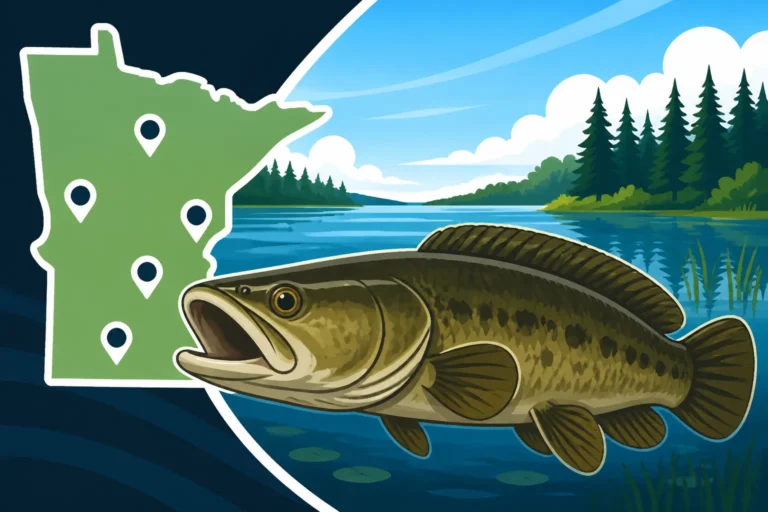
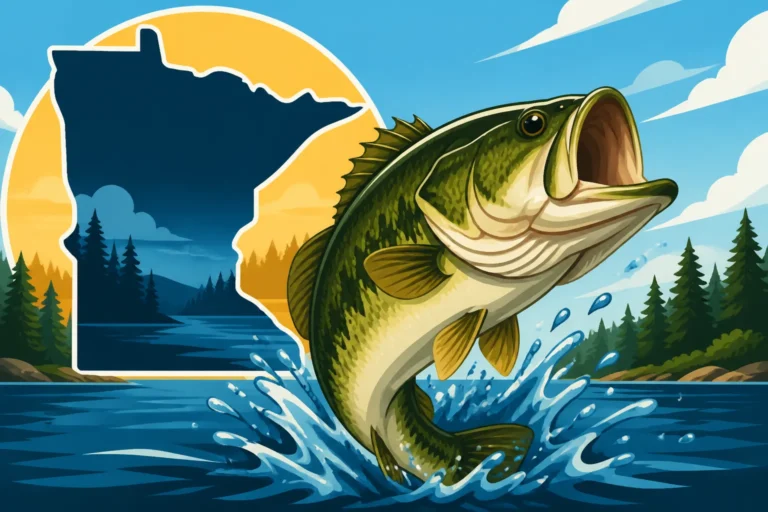
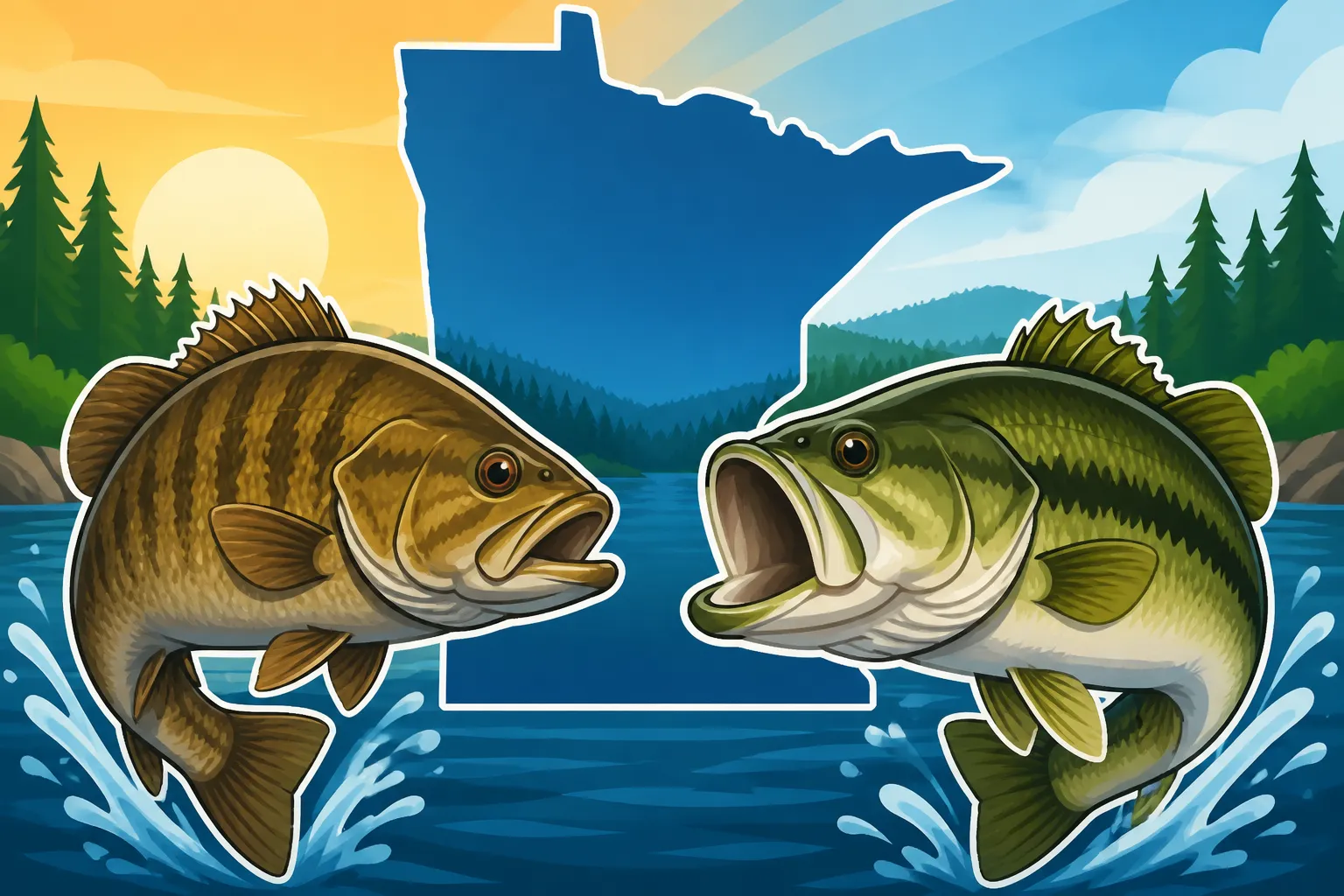
The most obvious difference lies in their mouths. A largemouth bass, as its name suggests, has a mouth that extends beyond its eye when closed. Its upper jaw hinges well behind the rear margin of the eye. A smallmouth bass, on the other hand, has an upper jaw that extends only to about the middle of its eye, sometimes slightly past, but rarely beyond. This simple distinction is a reliable way to tell them apart quickly.
Beyond the mouth, their body shapes and coloration also differ. Largemouth bass typically have a deeper, more compressed body with a prominent horizontal dark stripe or blotches along their sides, which can sometimes appear as a broken lateral line. Their coloration can range from dark green to almost black on the back, fading to lighter green or white on the belly, often influenced by the clarity of the water they inhabit. Smallmouth bass, in contrast, have a more torpedo-shaped, bronze or brownish body with vertical bars or blotches along their sides, giving them a "tiger stripe" appearance. They tend to prefer clearer, cooler water, which often contributes to their vibrant bronze hue. Their eye color also tends to be reddish, a subtle but beautiful detail.
| Feature | Largemouth Bass | Smallmouth Bass |
|---|---|---|
| Mouth Size | Upper jaw extends beyond the eye | Upper jaw extends to the middle of the eye |
| Body Shape | Deeper, more compressed body | More slender, torpedo-shaped body |
| Coloration | Dark green to almost black, distinct lateral stripe or blotches | Bronze to brownish, vertical bars or blotches |
| Habitat | Weedy, warmer, shallower areas, heavy cover | Clearer, cooler water, rocky points, open water |
| Dorsal Fin | Deep notch between spiny and soft-rayed parts | Shallower notch between spiny and soft-rayed parts |
| Fight Style | Explosive jumps, powerful runs into cover | Hard runs, deep dives, relentless fighting |
Where to Find Minnesota's Best Bass Waters
Minnesota is blessed with an incredible variety of lakes and rivers, and many of them hold fantastic populations of both largemouth and smallmouth bass. The trick is knowing which types of water each species prefers and then narrowing down your search to specific areas within those bodies of water. You won't find a smallmouth schooling on a shallow, muddy flat, just as you're unlikely to pick a largemouth off a deep, current-swept rock pile. Understanding these preferences is key to maximizing your time on the water.
Top Lakes for Largemouth Bass
When it comes to largemouth bass, think "green." They thrive in lakes with abundant vegetation, shallower depths, and plenty of woody cover. These are the lakes where you’ll find expansive lily pad fields, thick stands of emergent reeds, and submerged weed lines that provide both ambush points and protection. Many of Minnesota's most productive largemouth lakes are found in the central and southern parts of the state, where the water tends to be warmer and shallower.
One of the quintessential largemouth destinations is Lake Minnetonka, located right in the Twin Cities metro area. This sprawling, multi-basin lake offers an incredible amount of diverse habitat, from shallow bays choked with coontail and cabbage to docks, boat lifts, and extensive fallen trees. Anglers regularly pull out bass exceeding 5 pounds, and the sheer volume of fish means you can have incredibly active days. Other notable largemouth lakes include Gull Lake near Brainerd, which has clear water but excellent weed lines, and White Bear Lake, offering a mix of docks, weed beds, and scattered cover. For anglers seeking a true challenge and potential for giant bass, the larger, wilder lakes in northern Minnesota, even those known for walleyes, often hide incredible largemouth in their shallow, reedy bays.
Fishing these lakes successfully means embracing patience and precision. You’ll spend a lot of time pitching and flipping jigs or soft plastics into dense cover, working topwater frogs over matted vegetation, or twitching wacky-rigged worms along the edges of weed lines. It’s a very visual and often explosive style of fishing, where a stealthy approach and accurate casts are rewarded. Many of these lakes, like those in the Brainerd Lakes Area, also offer excellent opportunities for other species, but the largemouth bite can be truly world-class if you know where to look.
Premier Smallmouth Bass Destinations
Smallmouth bass are often called "bronzebacks" for their distinctive coloration and "brown trout of the lakes" for their powerful, acrobatic fights. Unlike their largemouth cousins, smallmouth prefer cooler, clearer water with rocky bottom structure. Think gravel shoals, boulder fields, rocky points, steep drop-offs, and main-lake reefs. They are often found in deeper water, but will move shallow to feed, especially during low-light conditions or specific seasons.
Minnesota is home to some truly legendary smallmouth fisheries. Mille Lacs Lake is perhaps the most famous, renowned globally for its monster smallmouth population. Here, anglers can target bass on vast rock reefs, mud flats, and expansive gravel beds using everything from tube jigs to crankbaits and drop-shots. The smallmouth here are notoriously strong and can grow to impressive sizes. Another fantastic smallmouth fishery is Lake Vermilion, nestled in the scenic Boundary Waters region. Its clear, cold waters and endless rocky islands and points provide ideal habitat for bronzebacks, offering both numbers and trophy potential. Lake of the Woods also has incredible smallmouth fishing, especially in the more structured southern portions and around the islands.
When targeting smallmouth, you'll often be fishing more open water or along defined structure, covering water efficiently. Techniques like casting crankbaits, jerkbaits, and spinnerbaits are effective for locating active fish, while finesse tactics like drop-shotting, Ned rigging, and working tube jigs are deadly for coaxing bites from finicky fish on specific pieces of structure. The fight of a smallmouth is legendary – they jump, they dive, and they never give up, making them a favorite target for many anglers seeking a powerful adversary. If you're looking for a true test of your angling skills, these premier smallmouth destinations are where you'll find it.
River and Flowage Bass Hotspots
While lakes grab most of the attention, Minnesota's rivers and flowages offer some incredible, often overlooked, bass fishing opportunities. River bass, both largemouth and smallmouth, tend to be exceptionally strong due to constantly fighting current, and fishing these moving waters presents a unique set of challenges and rewards. These environments offer a different kind of structure, relying heavily on current breaks, eddies, log jams, rock piles, and submerged timber.
For smallmouth, the mighty Mississippi River is a phenomenal resource, particularly in the stretches below dams or through rocky sections. The St. Croix River, especially its lower reaches, also holds robust populations of smallmouth bass, eager to ambush prey from current seams or behind boulders. These rivers offer classic smallmouth habitat with clear water, rocky bottoms, and consistent flow. Anglers can target them with crankbaits that mimic baitfish, tube jigs bounced along the bottom, or spinnerbaits worked through current breaks. Access points can be found in various towns along these rivers, with some offering public launches or shore fishing opportunities.
Largemouth bass can also be found in river systems, especially in slower-moving backwaters, oxbows, and marshy areas connected to the main flow. The Minnesota River, with its extensive backwater sloughs and oxbow lakes, is a prime example. These areas often mimic shallow lake habitats with abundant vegetation and woody debris, providing perfect ambush points for largemouth. Fishing these river systems often requires a smaller boat, kayak, or even shore access, allowing anglers to explore tucked-away pockets of calm water where big largemouth can often be found. Understanding the subtle current changes and identifying slack water areas where bass can rest and feed without expending too much energy is the key to success in these riverine environments.
Essential Gear for Minnesota Bass Anglers
Embarking on a bass fishing adventure in Minnesota requires more than just a rod and reel; it demands a thoughtfully assembled arsenal of gear. The diverse habitats and fishing styles for both largemouth and smallmouth mean you’ll often need specialized equipment to excel. Many new anglers get frustrated trying to catch bass with a "one-size-fits-all" combo, only to realize that a subtle difference in rod action or line type can make a monumental impact on their success. Let’s break down the essentials you’ll want in your boat or tackle bag.
Rods, Reels, and Line for Each Species
Selecting the right rod, reel, and line combination is paramount for effective bass fishing. For largemouth bass, especially when targeting them in heavy cover, you'll want gear that provides power and leverage.
- Rods: A medium-heavy to heavy power rod, typically 6'10" to 7'6" in length, with a fast or extra-fast action, is ideal. This allows for powerful hook sets and the ability to pull fish out of thick weeds or wood. For pitching and flipping, a longer rod (7'3" to 7'11") with more backbone is preferred. For topwater and reaction baits, a medium-heavy rod with a moderate-fast action can be more forgiving, helping to keep fish hooked during explosive strikes.
- Reels: Baitcasting reels are the workhorses for largemouth fishing, offering superior casting control, power, and line capacity. Gear ratios vary: a 6.4:1 to 7.1:1 ratio is versatile for most techniques, while a higher 8.1:1+ ratio is excellent for quickly retrieving slack or fishing fast-moving baits.
- Line: Braided line (30-65 lb test) is a favorite for fishing heavy cover due to its strength, sensitivity, and resistance to abrasion. For open water applications with crankbaits or spinnerbaits, fluorocarbon (12-20 lb test) offers low stretch and invisibility. Monofilament (12-17 lb test) can be useful for topwater baits where its buoyancy is an advantage.
For smallmouth bass, particularly in clear water and often deeper, open environments, a more finesse-oriented approach is often required, though power is still necessary for their hard fights.
- Rods: Medium to medium-heavy power spinning rods (6'6" to 7'4") with a fast action are perfect for finesse techniques like drop-shotting, Ned rigging, and throwing smaller jigs. For reaction baits like jerkbaits and crankbaits, a medium-heavy baitcasting rod (6'8" to 7'0") with a moderate-fast action is excellent.
- Reels: Spinning reels in sizes 2500 to 3000 are essential for handling lighter lines and delivering smaller baits. For baitcasting applications, a 6.4:1 to 7.1:1 ratio reel is versatile.
- Line: Fluorocarbon (8-15 lb test) is the go-to for smallmouth due to its invisibility and sensitivity. Braid (10-20 lb test) with a fluorocarbon leader (6-12 lb test) offers the best of both worlds: casting distance and sensitivity from the braid, and stealth from the fluorocarbon. Monofilament (8-12 lb test) can still work for certain reaction baits. For more detailed information, consider reading up on Best Fishing Line for Walleye Braid vs Mono vs Fluoro, as many principles apply to bass.
Must-Have Lures and Baits
The world of bass lures is vast, but a core selection will get you started catching fish in Minnesota. Having a diverse tackle box ready to adapt to different conditions is key.
For largemouth bass:
- Soft Plastics: Senkos (wacky or Texas rigged), creature baits (for pitching/flipping), swimbaits, and soft plastic frogs. Colors like green pumpkin, black and blue, and watermelon are staples.
- Jigs: Flipping jigs (1/4 to 1/2 oz) with weed guards, swim jigs, and football jigs. Black and blue, green pumpkin, and brown are common choices.
- Topwater: Frogs, poppers, walking baits (e.g., Heddon Super Spook), and buzzbaits. These are especially effective in low light or over matted vegetation.
- Crankbaits: Square bill crankbaits (for shallow cover) and deeper diving crankbaits for targeting weed edges.
- Spinnerbaits & Chatterbaits: Excellent for covering water and fishing through sparse cover.
For smallmouth bass:
- Finesse Soft Plastics: Tube jigs (often 3-4 inches), drop-shot worms, Ned rig plastics, and small swimbaits. Natural colors like green pumpkin, smoke, and watermelon are highly effective in clear water.
- Jerkbaits: Long, slender jerkbaits (e.g., Rapala X-Rap, Lucky Craft Pointer) are deadly for enticing reaction strikes, especially in cooler water.
- Crankbaits: Small to medium diving crankbaits in natural baitfish patterns.
- Spinnerbaits: Compact spinnerbaits with willow leaf blades for clear water.
- Topwater: Poppers and walking baits can be incredibly effective when smallmouth are chasing bait near the surface.
- Live Bait: While many bass anglers prefer artificials, live minnows or leeches can be incredibly effective, especially on tough days.
You can learn more about specific presentations and popular options by checking out guides like Best Bass Lures for Minnesota Lakes.
Electronics and Boat Considerations
Modern fishing electronics have revolutionized bass fishing, making it easier to find and stay on fish.
- Fish Finders/Sonar: A quality fish finder with 2D sonar, Down Imaging, and Side Imaging is invaluable. Garmin's LiveScope or Humminbird's MEGA Live Imaging have become game-changers for forward-facing sonar, allowing anglers to see fish and structure in real-time. Even without these advanced systems, a good unit helps identify depth contours, structure, and baitfish.
- GPS/Mapping: Detailed lake mapping, like that offered by Navionics or Humminbird's LakeMaster, is crucial for navigating, marking waypoints, and understanding underwater topography. This is particularly important on large, complex lakes with numerous reefs or weed lines.
- Trolling Motors: A reliable electric trolling motor with GPS Spot-Lock (like a Minn Kota Ultrex or Terrova) is almost a necessity. It allows for precise boat positioning, hands-free fishing, and silently approaching prime bass habitat. This technology dramatically improves efficiency and presentation, allowing you to focus on fishing rather than constantly battling wind or current.
When it comes to boats, the ideal choice depends on your budget and the type of water you plan to fish.
- Bass Boats: These specialized boats offer maximum speed, large casting decks, ample storage, and livewells, perfect for tournament anglers or those who prioritize performance. Brands like Ranger, Skeeter, and Nitro are popular choices.
- Multi-Species Boats: Aluminum boats from brands like Lund, Alumacraft, and Crestliner offer versatility for fishing various species and conditions. They are often more adaptable to rough water and can be rigged for bass fishing.
- Smaller Crafts: For accessing smaller lakes, rivers, or tight backwaters, a jon boat, canoe, or fishing kayak can be incredibly effective. They allow stealthy approaches and can get into areas larger boats can't reach.
No matter your setup, ensuring your boat is equipped with safety gear, a reliable motor, and a clear understanding of Aquatic Invasive Species AIS Rules for Boaters is crucial for responsible angling in Minnesota.
Mastering Bass Fishing Techniques in Minnesota
Catching bass consistently isn't just about having the right gear; it's about understanding their behavior and presenting your lures in a way that triggers a strike. Bass are predatory, opportunistic feeders, but they can also be incredibly finicky, especially in pressured waters. Mastering a diverse set of techniques for both largemouth and smallmouth will empower you to adapt to changing conditions and find success more often. Each species demands a slightly different approach, tailored to their preferred habitat and feeding habits.
Largemouth Tactics for Structure and Cover
Largemouth bass are masters of ambush, preferring to hide in or near dense cover, waiting for an unsuspecting meal to swim by. Their habitat choices dictate the most effective techniques. Think heavy cover, shallow to moderate depths, and lots of places to hide.
One of the most effective techniques for largemouth is flipping and pitching. This involves accurately presenting a jig or a soft plastic creature bait into tight spaces like lily pads, cattails, fallen trees, or under docks. The goal is a quiet, controlled entry, allowing the bait to drop vertically into the strike zone. Use a heavy-action rod and strong braided line to horse fish out of dense cover. For example, if you see a lone stand of bulrushes just off a weed line, a precise pitch to its base can often coax a hungry largemouth. This is a close-quarters, high-tension game that often results in explosive strikes.
Another staple is working weed lines and submerged vegetation. Largemouth often patrol the edges of weed beds, either on the inside (towards shallower water) or the outside (towards deeper water). Depending on the weed type, baits like spinnerbaits, chatterbaits, or even shallow-diving crankbaits can be highly effective for covering water and triggering reaction bites. For slower presentations, a Texas-rigged worm or a shaky head jig can be worked through the weeds or along the edges, enticing less aggressive fish. In lakes with extensive shallow vegetation, topwater frogs are unbeatable. You can walk them over dense mats of weeds and lily pads, creating commotion that draws bass up from below for breathtaking surface strikes. Learning the nuances of these techniques will significantly improve your largemouth success.
Smallmouth Strategies for Open Water and Rocks
Smallmouth bass, as we discussed, are structure-oriented fish, but their preferred structure is often hard bottom – rocks, gravel, and sand – and they frequently roam more open water in search of baitfish. Their fight is characterized by strong runs and aerial acrobatics, making them incredibly exciting to catch.
Finesse techniques are often the bread and butter for smallmouth, especially in clear, calm waters or when fish are pressured. The drop-shot rig is incredibly popular and effective, allowing you to present a small plastic worm or minnow imitation suspended above a bottom weight. This keeps your bait in the strike zone longer, even when the boat is drifting. Another excellent finesse choice is the Ned rig, a small mushroom-head jig paired with a buoyant plastic, which stands straight up on the bottom, mimicking a foraging minnow or crayfish. These baits are subtle but deadly, especially on deep rock piles or sandy flats where smallmouth might be cruising. You can explore how to fish a drop-shot for walleye, and apply similar principles to smallmouth.
When smallmouth are aggressive and actively feeding, reaction baits shine. Jerkbaits are phenomenal in cooler water, particularly during spring and fall. A retrieve with a series of jerks and pauses can imitate a wounded baitfish, often drawing violent strikes. Crankbaits, especially those that dive to match the depth of the structure you're fishing, are also highly effective for covering water and drawing strikes from roaming fish. Look for steep drops, rocky points, and main-lake reefs, and cast crankbaits that make contact with the bottom or bounce off rocks. Additionally, tube jigs are classic smallmouth baits, mimicking crayfish and small baitfish, and can be fished by dragging, hopping, or jigging them along rocky bottoms.
Seasonal Approaches to Bass Fishing
Bass behavior changes dramatically with the seasons, driven primarily by water temperature and their spawning cycle. What works in spring won't necessarily work in late summer, so understanding these patterns is crucial.
- Spring: As ice recedes and water temperatures climb into the 40s and 50s, bass begin to move from their deeper wintering grounds towards shallower, warmer bays. This is the pre-spawn period. Largemouth will often be found near hard-bottom areas adjacent to spawning flats, while smallmouth will stage on rocky points and reefs near their spawning grounds. Slow-moving baits like jigs, spinnerbaits, and even jerkbaits fished patiently can be very effective. Once the water hits the low 60s, both species will begin to spawn. During this time, they are highly protective of their nests. Minnesota has a special catch-and-release bass season that generally opens earlier for both species. Always check the current Minnesota Bass Season New 2026 Catch-and-Release regulations to ensure you're compliant.
- Summer: As water temperatures rise into the 70s, bass move into their post-spawn and summer patterns. Largemouth will often relate to dense weed beds, docks, and submerged cover in shallower to mid-depths. Smallmouth will often move to deeper offshore structures like rock reefs, humps, and current breaks, but will also feed shallow during low-light conditions. This is the time for a mix of power fishing with topwater baits, crankbaits, and jigs, as well as finesse tactics for deeper fish. Many anglers find success in Topwater Bass Fishing in Minnesota during warm summer evenings.
- Fall: As water temperatures begin to drop in the 60s and 50s, bass enter a feeding frenzy to fatten up for winter. They become highly active and often school up. Largemouth will congregate on the edges of remaining green weeds and around baitfish schools. Smallmouth will typically school heavily on deep offshore structures, chasing schools of ciscoes or shiners. This is an excellent time for aggressive reaction baits like crankbaits, jerkbaits, and blade baits, as well as soft plastics fished vertically. As water temperatures continue to plummet, bass will move to their deeper wintering areas, becoming less active.
Minnesota Bass Regulations and Conservation
Responsible angling goes hand-in-hand with effective fishing techniques. Minnesota's Department of Natural Resources (DNR) works tirelessly to manage our fisheries, and adhering to regulations is paramount for sustaining healthy bass populations for future generations. Ignoring these rules not only risks penalties but also undermines the conservation efforts that keep our lakes and rivers thriving. Understanding the nuances of Minnesota Fishing Regulations Changes for 2026 and specifically bass rules is a must for every angler.
Understanding Limits and Seasons
Minnesota's bass regulations can sometimes feel a bit complex, especially with varying limits or special regulations on certain waters. However, the general statewide regulations provide a good starting point. For both largemouth and smallmouth bass, the season typically opens in late May (around the same time as the walleye opener) for harvest, but there is often an earlier catch-and-release only season for both species that starts earlier in the spring. This catch-and-release period is designed to protect bass during their vulnerable pre-spawn and spawning phases, allowing them to reproduce effectively before harvest pressure begins.
The statewide daily bag limit for bass is generally 6, with a possession limit equal to the daily limit. However, there are critical nuances. Some specific lakes or river segments may have special regulations, such as reduced bag limits, minimum or maximum size limits (slot limits), or even year-round catch-and-release rules. For instance, some lakes might have a "no bass between 14-20 inches may be kept" rule, meaning you can keep fish under 14 inches or over 20 inches, but not within that protected slot. These regulations are implemented to achieve specific management goals, such as producing more trophy-sized fish or protecting spawning populations. Always consult the current Minnesota Fishing Regulations handbook or the DNR website for the specific lake or river you plan to fish before heading out. Overlooking these details can lead to fines and a diminished fishery.
It's also important to remember that during the catch-and-release season, you must immediately return any bass you catch to the water. This means no livewell storage, no culling, just a quick photo if you like, and then back in the water they go. This allows bass to complete their spawning cycle and helps maintain robust populations. Being a knowledgeable and compliant angler is a critical part of enjoying Minnesota's outstanding bass fishing.
Catch and Release Best Practices
Bass are resilient fish, but proper handling during catch and release is vital to ensure their survival and continued health. Far too many fish die from improper handling, even if they swim away initially. Practicing good catch-and-release techniques is a hallmark of a responsible angler, especially when fishing under catch-and-release regulations or targeting trophy fish.
First and foremost, minimize the time the fish is out of the water. Every second counts. Have your camera ready if you want a picture, and try to keep the fish partially submerged during the process. When handling a bass, always support its body horizontally, especially if it's a larger fish. Avoid holding a bass vertically by its jaw without supporting its body, as this can severely damage its jaw and internal organs. Use two hands: one grasping the lower lip with a thumb inside the mouth (if you're comfortable and the fish isn't too large), and the other supporting the belly or tail.
Use barbless hooks or pinch down the barbs on your hooks. This makes hook removal much easier and quicker, reducing stress and injury to the fish. A good pair of long-nosed pliers or a hook-out tool is indispensable for efficient hook removal. If a fish is hooked deep, cut the line as close to the hook as possible rather than trying to rip the hook out. The hook will often rust away, and the fish has a much better chance of survival. Finally, when releasing the fish, gently place it back in the water and hold it upright, allowing water to flow over its gills, until it swims away under its own power. Sometimes, a gentle forward and backward motion can help resuscitate a tired fish. Following these simple steps, as detailed in Catch and Release Best Practices in Minnesota, ensures that the bass you release will live to fight another day, contributing to the health of our fisheries.
Protecting Our Bass Fisheries
Beyond individual catch and release practices, several broader conservation efforts help protect Minnesota's bass fisheries. These include habitat preservation, water quality improvements, and preventing the spread of aquatic invasive species (AIS). As anglers, we have a role to play in all of these areas.
Habitat is the foundation of any healthy fishery. Bass rely on clean water, healthy aquatic vegetation, and natural shoreline cover for spawning, feeding, and protection. Support organizations and initiatives that aim to protect and restore natural shorelines, prevent shoreline erosion, and maintain water quality. Simple actions like properly disposing of trash and avoiding the use of harsh chemicals near water bodies can have a cumulative positive impact. The ongoing health of Minnesota's diverse ecosystems directly impacts the quality of our bass fishing.
Perhaps one of the most critical responsibilities for anglers today is preventing the spread of aquatic invasive species. Invasive species like zebra mussels, Eurasian watermilfoil, and starry stonewort can severely degrade bass habitat, disrupt food chains, and outcompete native species. The Minnesota DNR has strict regulations regarding cleaning, draining, and drying your boat and gear after every use. Always remember to "Clean, Drain, Dry." This means removing all weeds and debris from your boat, trailer, and gear; draining all water from your livewell, bilge, and transom; and allowing your boat and equipment to dry thoroughly before launching into another water body. Never transport live bait water from one lake to another. Adhering to these rules is not just about compliance; it's about being a steward of our waters and protecting the fishing we all cherish. You can find more details on prevention in articles like How to Decontaminate Your Boat AIS.
Seasonal Bass Patterns Across Minnesota
Understanding the seasonal movements and feeding patterns of bass is like having a secret map to success. Their behavior is largely dictated by water temperature, available forage, and their reproductive cycle. Just when you think you've got them figured out, the season changes, and so do the fish. This constant evolution is part of the challenge and thrill of bass fishing in Minnesota. Let's dive into how bass typically behave throughout the year.
Spring Bass Fishing: Pre-Spawn and Spawn
Spring is a time of renewal, and for bass anglers, it's often a period of high anticipation and incredible fishing. As the ice melts and water temperatures slowly creep upwards, bass begin to awaken from their winter lethargy and embark on their journey towards the spawning grounds. This transition creates distinct phases of activity.
The pre-spawn phase typically begins when water temperatures reach the high 40s to low 50s Fahrenheit. During this time, bass are actively feeding to build up energy for spawning. They'll often stage on points, humps, or flats adjacent to deeper wintering areas and near shallow spawning bays. Largemouth will seek out northern-facing bays that warm up first, or areas with dark bottom composition that absorbs more sunlight. Smallmouth will typically relate to rocky points and offshore reefs. During pre-spawn, slow-moving baits like jigs with soft plastic trailers, spinnerbaits, or even suspending jerkbaits fished patiently can be incredibly effective. The fish are often hungry but still a bit sluggish. Focus on sun-warmed areas and the first available cover.
As water temperatures climb into the high 50s and low 60s, the spawn begins. This is when both largemouth and smallmouth move onto shallow flats, gravelly points, or protected pockets to build their nests (redds) and reproduce. While the exact timing varies by lake and region, the largemouth spawn generally occurs when temperatures hit 62-68°F, and smallmouth typically spawn a bit cooler, around 58-64°F. During the spawn, bass are highly aggressive towards anything perceived as a threat to their eggs or fry. Sight fishing for bass on beds can be thrilling but remember Minnesota's catch-and-release only season during this time. Soft plastics like tubes or creature baits, or even small jigs, can elicit a strike if presented accurately on a bed. However, exercising caution and minimizing disturbance to spawning fish is always recommended for the long-term health of the fishery.
Summer Bass Fishing: Deep Water and Weedlines
Summer bass fishing in Minnesota offers a wide array of opportunities, but it also requires adapting to increased water temperatures and often, more recreational boat traffic. Bass, especially largemouth, will gravitate towards reliable cover and cooler water as the days get longer and hotter.
During the summer, largemouth bass often settle into predictable patterns around dense vegetation. This means fishing the inside and outside edges of expansive weed lines (cabbage, coontail, milfoil), over lily pad fields, and around docks, boat lifts, and fallen trees. Topwater baits like frogs, poppers, and walking baits are incredibly exciting and effective during low light hours (early morning, late evening) or on cloudy days when bass are willing to push through the cover. During brighter, hotter periods, largemouth will burrow deeper into the thickest cover, making pitching and flipping jigs or heavy Texas-rigged plastics into the heart of the vegetation a go-to technique. Look for isolated clumps of weeds or shady spots under docks, as these can hold some of the biggest fish.
Smallmouth bass in summer tend to be found deeper, especially in clear lakes. They often relate to main-lake rock reefs, offshore humps, steep breaks, and points where they can ambush baitfish like ciscoes or shiners. They may also school up, making them a fantastic target for anglers who can locate them with their electronics. Techniques like drop-shotting, Ned rigging, and dragging tube jigs are excellent for picking off fish from specific pieces of structure. When smallmouth are actively feeding and chasing bait, crankbaits, jerkbaits, and even fast-moving spinnerbaits can be incredibly effective for covering water and triggering reaction strikes. Focus your efforts on the cooler, oxygen-rich waters found deeper, or target the shallow bite during low-light conditions when smallmouth move up to feed. This is where a good fish finder and How to Use Garmin LiveScope for Walleye or other forward-facing sonar can make a huge difference in finding those deeper schools.
Fall Bass Fishing: Feeding Frenzies
Fall is a favorite season for many bass anglers in Minnesota, and for good reason: it’s often characterized by aggressive feeding frenzies as bass prepare for the long winter ahead. As water temperatures begin to drop from their summer highs, fish sense the approaching cold and go on the hunt for calories.
In early fall, when water temperatures are still in the 60s, both largemouth and smallmouth bass will often be found chasing baitfish. This is a prime time for reaction baits. Largemouth will patrol the remaining green weed lines (avoiding brown, dying weeds), hitting spinnerbaits, chatterbaits, and shallow to medium-diving crankbaits. They might also be found around points and creek channels where baitfish are congregating. Smallmouth, meanwhile, will often school up heavily on deep offshore structures, chasing pelagic baitfish. This can lead to incredible days where you catch multiple fish from the same spot using deep-diving crankbaits, jerkbaits, or blade baits. Keep an eye on your electronics for schools of baitfish, as bass won't be far behind.
As fall progresses and water temperatures drop into the 50s and even 40s, bass will transition to slower, deeper presentations. Largemouth will often move to vertical cover like docks, bridge pilings, or deep wood, sometimes stacking up in predictable spots. Jigs with soft plastic trailers, slowly retrieved, can be deadly. Smallmouth will typically retreat to their deeper wintering grounds, often congregating in large schools on the deepest parts of reefs or basins. Vertical jigging with spoons, blade baits, or heavy drop-shot rigs becomes effective for these cold-water smallmouth. The bites can be subtle, so sensitive rods and line are crucial. Fall fishing can be incredibly rewarding, offering the chance for some of the biggest bass of the year, but it demands patience and a willingness to adjust to the fish's deeper movements.
Common Challenges and Solutions for Minnesota Bass Anglers
Let's be real: bass fishing, while thrilling, isn't always easy. Even the best anglers face days when the fish seem to have vanished, the weather turns sour, or fishing pressure makes every spot feel like a crowded zoo. It's these frustrations that often push us to learn and adapt, making us better anglers in the long run. Identifying common challenges and having a game plan for overcoming them is key to turning a tough day into a successful one on Minnesota's waters.
Dealing with Tough Bites and Weather Changes
We've all been there: you wake up with high hopes, hit your favorite spot, and… nothing. The bass simply aren't biting. A "tough bite" can be caused by various factors, including sudden weather changes, post-frontal conditions, or simply fish that are in a negative mood. Instead of getting discouraged, view it as an opportunity to dig deeper into your tackle box and your knowledge.
One of the most common culprits for a tough bite is a sudden cold front. After a beautiful, warm day, a cold front rolls through, dropping air temperatures and often bringing clear skies and high pressure. Bass, especially largemouth, tend to become lethargic and seek out the thickest, densest cover available, or retreat to deeper water. The solution? Slow down. Power fishing techniques often won't work. Instead, switch to finesse presentations like a Ned rig, a shaky head worm, or a weightless Senko fished meticulously slow. Downsize your line, use lighter weights, and focus on pinpoint accuracy. Instead of hitting 20 spots, pick 2-3 high-percentage areas and dissect them thoroughly. A small, subtle bait that just barely moves can often entice a hesitant bass.
Windy conditions also present challenges, but they can also be your friend. While it makes boat control difficult, wind breaks up the surface, making bass less wary, and can push baitfish into concentrated areas. On very windy days, focus on the wind-blown side of points or reefs, as this is where baitfish and therefore bass, are likely to be gathered. Use heavier jigs or crankbaits to maintain bottom contact or stay in the strike zone. If the wind is too strong for precise casting, consider fishing the calmer, leeward side of islands or land masses, where bass might be seeking refuge from the turbulence. A good trolling motor with GPS Spot-Lock capabilities is a lifesaver in windy conditions, allowing you to hold your position and focus on fishing.
Navigating Crowded Waters and Fishing Pressure
Minnesota's reputation for fantastic fishing means our most popular lakes can get pretty busy, especially on weekends and holidays. Fishing pressure can significantly impact bass behavior, making them warier and harder to catch. When you arrive at your favorite spot and find three boats already there, it's easy to get frustrated.
The first strategy for dealing with crowded waters is to seek out less-pressured areas. While the main lake points and prominent weed beds might be packed, consider exploring smaller, often overlooked bays, pockets, or even adjacent smaller lakes. These areas might not hold as many giant fish, but they can offer consistent action and a more peaceful experience. For largemouth, this might mean navigating into shallow, reedy backwaters where larger boats can't easily go. For smallmouth, it could involve exploring less-obvious rock transitions or humps away from the main boat lanes.
Another effective tactic is to change your timing. Fishing during weekdays, or at dawn and dusk on weekends, can significantly reduce pressure. Many anglers leave the water as the sun gets high, creating opportunities for those willing to brave the midday heat or early morning chill. When fishing pressured areas, finesse techniques often outperform aggressive power fishing. Bass that have seen dozens of crankbaits or spinnerbaits might be more willing to bite a small drop-shot worm or a Ned rig. Using natural colors, lighter lines, and a stealthy approach (e.g., using your trolling motor instead of your main engine, keeping noise to a minimum) can also make a big difference. Think outside the box and try different depths or angles than what everyone else is doing. Sometimes, just moving 20 feet away from a visible piece of structure can put you on unpressured fish.
Adapting to Different Lake Types
Minnesota boasts an incredible diversity of lakes, from clear, deep glacial lakes to shallow, fertile ones, and even tannin-stained waters. Each lake type presents unique challenges and opportunities for bass fishing. The tactics that dominate on a clear, rocky lake like Leech Lake might be completely ineffective on a shallow, weedy lake near the metro.
When fishing clear water lakes, bass tend to be highly sight-oriented and can be easily spooked. Stealth is paramount. Use longer casts, fluorocarbon leaders, and natural-colored baits. Smallmouth especially thrive in these conditions, often found on deeper rock piles and humps. Finesse techniques like drop-shotting, Ned rigging, and small tube jigs are essential. Largemouth in clear lakes will often relate to the deepest, densest weed lines or dark, shady cover. Pay attention to line visibility and boat shadows, as fish can often see you before you see them. You can find excellent advice on clear-water fishing in guides like How to Catch Smallmouth Bass on Mille Lacs, which is known for its clear water.
On the flip side, stained or turbid lakes offer different advantages. Bass in these waters rely more on their lateral line and other senses to locate prey, as visibility is reduced. This means you can often get away with heavier line, more aggressive presentations, and noisier, flashier baits. Spinnerbaits with large thumping blades, chatterbaits, and dark-colored jigs with rattles are excellent choices. Largemouth thrive in these environments, often found in relatively shallow water and thick cover. Smallmouth, while less common in heavily stained waters, can still be found, often relating to the hardest bottom structures where they can still ambush prey. Don't be afraid to experiment with brighter, more contrasting colors in stained water, as they can stand out better.
Understanding the specific characteristics of the lake you're on – its depth, clarity, dominant forage, and cover types – allows you to quickly dial in your approach and present the right baits in the right places. It's about being a student of the water and constantly learning from each fishing trip.
Beyond the Catch: The Bass Fishing Community
For many, bass fishing is more than just a solitary pursuit; it's a vibrant community, a shared passion that extends far beyond the boat ramp. In Minnesota, this community is thriving, offering camaraderie, learning opportunities, and a platform for competitive sport. Engaging with fellow anglers and participating in local events can elevate your fishing experience from a hobby to a true lifestyle.
Tournaments and Clubs
If you've ever watched a bass fishing show and thought, "I could do that," then Minnesota's robust bass tournament scene might be for you. Bass tournaments, ranging from local club events to larger, regional circuits, offer an exciting way to test your skills against other anglers, learn new techniques, and experience the thrill of competition. These events often foster a strong sense of sportsmanship and camaraderie, as anglers share tips, celebrate successes, and commiserate over tough days.
Several organizations host bass tournaments across Minnesota. Local bass clubs, often affiliated with larger national organizations like the Bass Anglers Sportsman Society (BASS) or The Bass Federation (TBF), provide a fantastic entry point. These clubs typically hold monthly tournaments on various lakes, offering a friendly, low-pressure environment to learn the ropes of competitive fishing. They often have meetings where members discuss techniques, share information, and build friendships. Joining a club is arguably one of the fastest ways to accelerate your learning curve and gain local knowledge, as experienced anglers are usually happy to mentor newcomers.
For those seeking a higher level of competition, regional circuits like the Minnesota Bass Federation or local open tournaments offer larger payouts and a chance to qualify for state and national championships. These events can be highly competitive, attracting some of the most skilled anglers in the state. Even if you don't plan to compete, attending a tournament weigh-in can be incredibly educational. You'll see what types of fish are being caught, what techniques are working, and the passion that fuels the sport. It's a great way to immerse yourself in the culture and get inspired for your next outing.
Learning from Local Experts
No matter how many articles you read or videos you watch, there’s often no substitute for local knowledge. Minnesota is home to countless seasoned bass anglers, guide services, and bait shop owners who have spent decades on the water, meticulously learning the nuances of specific lakes and seasonal patterns. Tapping into this collective wisdom can be an invaluable asset for improving your own fishing.
Local bait and tackle shops are often hidden gems of information. The folks working behind the counter are typically avid anglers themselves and are usually happy to share recent patterns, hot baits, and general advice. Don't be afraid to strike up a conversation! Ask about what's been working, what areas are producing, and what kind of forage the bass are targeting. They'll often have a pulse on what fish are biting in Minnesota right now. These shops are also great places to find region-specific lures and learn about local lake conditions, water clarity, and temperature readings.
Hiring a fishing guide, especially for a new lake or a species you're less familiar with, can be one of the best investments you make. A good guide not only puts you on fish but also teaches you how to catch them. They can provide hands-on instruction on specific techniques, help you understand lake structure, and share years of accumulated knowledge about seasonal movements and bait selection. Even a single guided trip can dramatically shorten your learning curve and provide insights that would take years to discover on your own. It's like getting a master class on the water.
Finally, consider engaging with online fishing forums, social media groups dedicated to Minnesota fishing, or attending local fishing seminars. Many experienced anglers are generous with their knowledge, and these platforms offer excellent opportunities to ask questions, share experiences, and connect with the broader bass fishing community. There's always something new to learn, and the collective expertise of Minnesota's bass fishing enthusiasts is a treasure trove waiting to be explored.
| Season | Largemouth Key Patterns | Smallmouth Key Patterns | Go-To Lures & Baits |
|---|---|---|---|
| Spring | Pre-spawn staging in shallow, warming bays; spawning on protected flats and hard bottoms. | Pre-spawn on rocky points and humps; spawning on gravelly flats and shallow reefs. | Jigs, Spinnerbaits, Jerkbaits, Soft Plastics (Senkos, Tubes) |
| Summer | Dense weed lines (edges & mats), docks, submerged wood, deep cover in hotter periods. | Deep offshore rock reefs, humps, main-lake points; shallow feeding during low light. | Topwater Frogs, Jigs, Texas Rigs, Crankbaits, Drop-Shot, Ned Rig, Tubes |
| Fall | Remaining green weed edges, ambush points near baitfish schools, vertical cover. | Schooling on deep offshore structure, chasing pelagic baitfish (ciscoes, shiners). | Crankbaits, Jerkbaits, Spinnerbaits, Blade Baits, Jigs, Drop-Shot |
| Winter | Deep wood, creek channels, slowest deep pockets. (Ice fishing, limited activity) | Deepest parts of reefs and basins, suspended near thermocline (if open water). (Ice fishing) | Vertical Jigs (spoons, blade baits), live minnows |
Disclaimer
The information provided in this guide is for general informational purposes only and is subject to change. Fishing regulations, season dates, and limits are set by the Minnesota Department of Natural Resources (DNR) and can vary by year and specific water body. Always consult the most current official Minnesota Fishing Regulations handbook or the DNR website before engaging in any fishing activities. Adherence to all local, state, and federal laws is the responsibility of the angler.