Bluegill Fishing Tips for Minnesota Anglers
There’s nothing quite like a warm summer day on a Minnesota lake, the sun shining, and the anticipation of a tug on your line. But let's be real, sometimes you’re catching bluegill, but they’re all tiny, leaving you wondering where the "jumbos" are hiding. Or maybe you're new to panfishing and just want consistent action. This guide is all about giving Minnesota anglers the best tips and tricks to not only find those bigger bluegill but also to have more success catching these feisty, fun-to-catch fish.
Understanding Minnesota Bluegill Behavior
To truly excel at bluegill fishing, you need to think like a bluegill. Their movements and feeding habits are dictated by the seasons, water temperature, and what’s available to eat. Knowing these patterns is half the battle when trying to locate and entice them.
Seasonal Movements of Bluegill
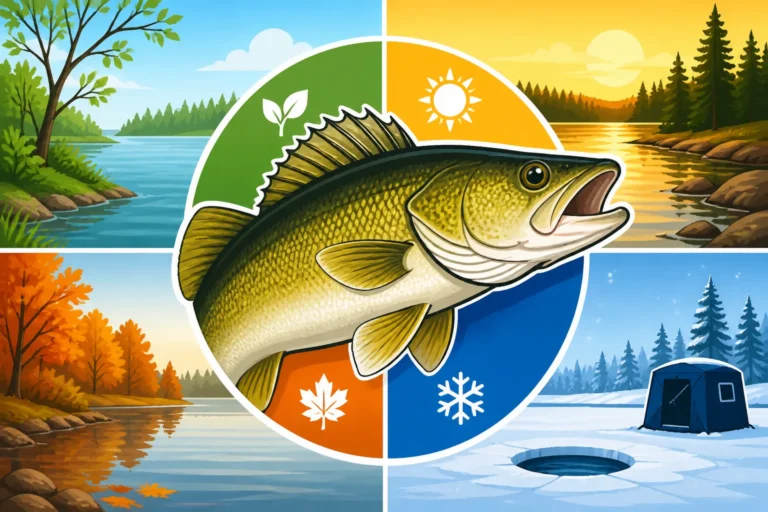
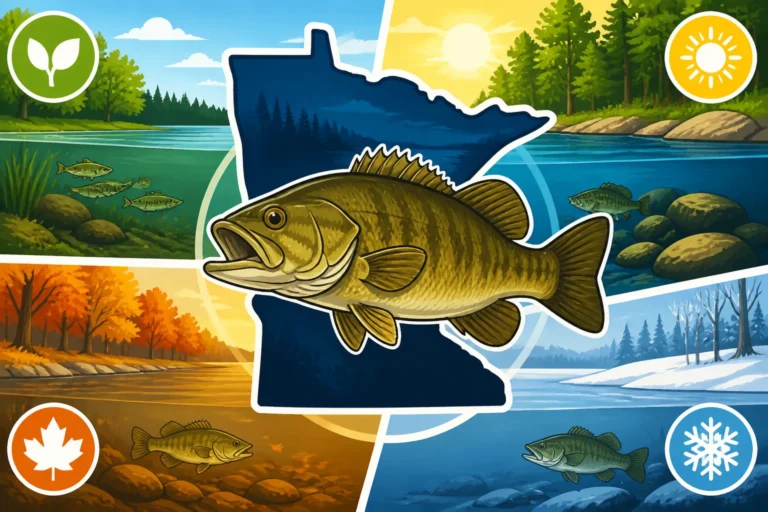
Bluegill are pretty predictable if you understand their annual cycle. Their location shifts dramatically from spring to winter, and a savvy angler knows where to look for them throughout the year.
Spring: Pre-Spawn and Spawning Frenzy
As soon as the ice melts and water temperatures start to climb into the 50s Fahrenheit, bluegill begin their pre-spawn ritual. They’ll often stage in slightly deeper water near prospective spawning areas, often around the first significant weed growth or hard-bottom flats. Think about sun-drenched bays and shallow points that warm up quickly. This is when they start to feed heavily, packing on energy for the upcoming spawn.
When water temperatures reach the upper 60s to low 70s, typically from late May through June in Minnesota, the bluegill spawning beds become active. You'll find these 'beds' in very shallow, protected areas – often less than 5 feet deep – with firm, sandy, or gravelly bottoms. Look for clusters of circular depressions on the bottom, which are their nests. During this time, male bluegill are incredibly aggressive, guarding their eggs and fry, making them relatively easy targets. This is prime time for numbers, but remember to practice responsible harvesting to ensure future generations.
Summer: Weeds, Shade, and Deeper Structure
Once the spawn is over and the water warms into the mid-70s and beyond, bluegill disperse from their beds. They'll seek out cooler water, shade, and abundant food sources. During the heat of summer, you’ll often find them tucked into dense weed beds, especially along the deeper outside edges where the weeds meet open water. Think about areas with lily pads, cattails, or dense coontail. These spots offer both cover from predators and a buffet of insects.
They’ll also relate to submerged structures like brush piles, downed trees, or even docks and boat lifts that provide shade and ambush points. In larger, clearer lakes, bluegill might move to slightly deeper humps, points, or sunken islands during the brightest parts of the day, returning to shallower weed lines during low-light periods like early morning or late evening. Understanding where to locate a variety of species during the warmer months can significantly boost your success, and this knowledge often crosses over to other panfish. If you're looking for more general panfish advice, checking out a guide on Crappie & Panfish Fishing Techniques can provide broader insights that apply to bluegill as well.
Fall: Transition to Deeper Water
As autumn arrives and water temperatures begin to drop, bluegill start to transition back towards deeper water. They'll often follow the baitfish, like minnows and young perch, into these deeper zones. Look for them concentrated on drop-offs, points that extend into deeper water, or along the thermocline if the lake stratifies. They're still feeding aggressively, trying to put on weight for the lean winter months.
This can be a fantastic time to catch larger bluegill as they school up before the freeze. The key is to find those transition areas where deep water is easily accessible from remaining shallow weed beds. They might move in and out of these deeper haunts depending on the day's temperature and sunlight, often feeding more actively during the warmer parts of the day.
Winter: Deep Basins and Submerged Weeds
When Minnesota lakes freeze over, bluegill typically settle into predictable winter patterns. For ice fishing, you’ll often find them in deeper basins, especially those with soft bottoms adjacent to remaining green weed beds. They might suspend a few feet off the bottom or hug the bottom contour. These deeper weed edges provide oxygen and a hiding spot for forage.
Accessing these fish during winter requires specific techniques and gear. Understanding How Many Lines Can You Use Ice Fishing in Minnesota? is crucial for staying within regulations. Bluegill in winter tend to be less active, requiring a slower, more subtle presentation. They often school tightly, so if you find one, you're likely to find many more. Electronics, like a good ice fishing flasher, become invaluable for pinpointing these suspended schools.
What Bluegill Eat
Bluegill are opportunistic feeders, meaning they'll eat a wide variety of things, which is great news for anglers because it means many different baits can work. However, understanding their natural diet helps you choose the most effective offerings.
Natural Forage: Insects and Larvae
Their primary diet consists of aquatic insects and their larvae, such as mayfly nymphs, midge larvae, dragonfly nymphs, and caddis larvae. They also love terrestrial insects that fall into the water, like ants, grasshoppers, and beetles. This is why small, insect-imitating jigs and flies are so effective.
Beyond insects, bluegill will munch on small crustaceans like scuds and daphnia, especially in lakes with abundant populations. They also consume tiny snails and even small pieces of aquatic vegetation. This varied diet means they're not too picky, but presentation and size are key. When they're in a schooling frenzy, almost anything small and wiggling will get their attention.
Occasional Delicacies: Small Fish and Eggs
While not their primary food source, larger bluegill will occasionally prey on very small baitfish or the eggs of other fish species. This is less common but explains why sometimes a tiny minnow or a fish-imitating jig might pick off a particularly aggressive jumbo bluegill. However, for consistent bluegill action, focusing on their main diet of insects and small crustaceans will typically yield better results. Consider what other species eat too; a guide on the Best Live Bait for Walleye (Leeches, Minnows, Crawlers) can sometimes offer cross-over ideas for panfish, as minnows or crawlers can sometimes attract larger bluegill.
Essential Gear for Bluegill Fishing in Minnesota
You don't need a boatload of expensive gear to catch bluegill, which is part of their appeal! However, having the right basic setup can make a huge difference in your enjoyment and success.
Rods, Reels, and Line
The key to bluegill fishing is finesse. These fish might be small, but they can put up a surprisingly spirited fight on light tackle.
Ultralight Rod and Reel Combos
For bluegill, an ultralight spinning rod, typically 4 to 6 feet long, with a fast or moderate-fast action, is ideal. This type of rod allows you to cast tiny, lightweight lures and baits, and its sensitivity helps you detect the subtle bites of bluegill. A good ultralight rod will bend significantly, even with a small bluegill, making the fight much more enjoyable.
Pair your ultralight rod with a small spinning reel, often a 500 or 1000 series. These reels are lightweight and designed for lighter lines, providing smooth drag for those sudden runs. You don't need a heavy-duty reel here; simplicity and balance are key. Many reputable brands offer excellent ultralight combos that are perfect for Minnesota bluegill. You can often find great deals on these setups, whether you're shopping at a local bait shop or browsing online.
Light Line Choices
When it comes to line, lighter is definitely better for bluegill. I recommend 2-4 pound test monofilament or fluorocarbon line. Monofilament is a popular choice for its stretch and ease of handling, while fluorocarbon offers less stretch and better abrasion resistance, which can be useful around heavy cover.
Avoid lines heavier than 6-pound test. A lighter line not only allows for better casting distance with small baits but also dramatically increases sensitivity, helping you feel those tentative nibbles. It’s also less visible to the fish, which can be a huge advantage in clear Minnesota waters, especially when targeting larger, more cautious bluegill.
Best Baits and Lures
Bluegill aren't typically finicky, but certain baits and lures are consistently more effective than others.
Live Bait Favorites
Hands down, live bait is a bluegill magnet.
- Wax Worms and Spikes (Maggots): These are perhaps the most popular and effective bluegill baits, especially for ice fishing or when fishing with tiny jigs. Their small size and wiggling action are irresistible.
- Red Worms and Nightcrawler Pieces: A small piece of a red worm or a section of a nightcrawler is fantastic. The natural scent and movement can draw in bluegill from a distance.
- Small Minnows (Rarely): While less common for bluegill, sometimes a tiny crappie minnow, hooked through the lip, might attract a trophy bluegill, especially if they’re feeding on smaller fry. However, for sheer numbers and consistent action, stick to the worms.
Small Jigs and Micro Plastics
Artificial lures can be incredibly effective, especially when paired with a bit of live bait.
- Tungsten Jigs: These tiny, heavy jigs, often 1/64 to 1/16 ounce, sink quickly and are incredibly sensitive. They come in various shapes and colors and are perfect for tipping with a wax worm or a small piece of plastic. If you're really serious about your panfish game, a dedicated guide on Best Tungsten Jigs for Panfish can help you select the perfect ones.
- Plastic Tails: Micro-sized plastic tails, grubs, and tubes (1-2 inches long) in natural colors like clear, smoke, or chartreuse can be deadly. Combine them with a small jig head. The key is subtlety and realistic action. You can find a fantastic selection of these tiny jigs and plastics on Amazon.
- Small Spoons and Spinners: In some situations, especially for aggressive bluegill, tiny spoons like a Swedish Pimple (often tipped with a wax worm) or minuscule inline spinners can trigger bites. These are more often used for crappie or perch but can certainly entice bluegill.
Key Accessories
A few simple accessories can make your bluegill fishing trips much smoother and more enjoyable.
Bobbers for Visible Strikes
Bobbers are essential for bluegill fishing, especially when using live bait.
- Fixed Bobbers: For shallow water (under 6-8 feet), a small clip-on or spring-style bobber is perfect. It keeps your bait suspended at a consistent depth and provides a clear visual indicator of a bite.
- Slip Bobbers: When fishing deeper water (over 8 feet), a slip bobber setup is invaluable. It allows you to cast easily, as the bobber slides down to a bobber stop set at your desired depth. This prevents having a long, unmanageable length of line hanging below your bobber. Setting up a slip bobber rig correctly is a game-changer, and a guide on How to Set Up a Slip Bobber Rig Step by Step can walk you through it.
Hooks, Pliers, and Other Tools
- Small Hooks: Size 8 to 12 snelled hooks or small Aberdeen hooks are perfect. They're thin-wired, making them less visible and less damaging to the fish's mouth if you're practicing catch and release.
- Forceps or Small Pliers: Bluegill have tiny mouths, and sometimes they swallow the hook. A pair of small forceps or needle-nose pliers are crucial for quickly and safely removing hooks, minimizing stress on the fish.
- Measuring Tape: If you're targeting those "jumbo" bluegill or adhering to specific slot limits, a small measuring tape is handy. Remember to always check current Minnesota Crappie & Sunfish Limits for the waters you're fishing.
- Tackle Box or Bag: A small, organized tackle box or a convenient tackle bag for your panfish essentials can keep your hooks, jigs, and small plastics neatly stored. Many anglers find durable, compact options for these on Amazon.
Top Bluegill Fishing Techniques for Minnesota Waters
Having the right gear is a start, but knowing how to use it effectively is what really puts fish in the bucket (or in your hand for a quick photo and release). Bluegill respond well to a few tried-and-true techniques.
Bobber Fishing (Fixed and Slip)
Bobber fishing is classic bluegill fishing, and for good reason—it's incredibly effective and accessible for anglers of all ages and skill levels.
Setting Up and Depth Control
Whether you're using a fixed bobber in shallow water or a slip bobber for deeper spots, the principle is the same: present your bait at the depth where the bluegill are feeding. Start by setting your bait a foot or two off the bottom, or just above the top of any weed growth. If you're not getting bites, adjust your depth every 10-15 minutes until you find the fish. Bluegill often suspend at various depths, especially in dense weed beds.
A simple setup for fixed bobber fishing involves tying on a small hook, adding a split shot weight a few inches above the hook to help the bait sink, and then clipping on your bobber. For slip bobbers, you'll need a bobber stop (a small string knot or rubber stopper), a small bead, the slip bobber itself, a small split shot or tiny lead-free sinker, and finally your hook. This allows the line to slide through the bobber until it hits the bobber stop, setting your desired depth.
Presentation and Baiting
The beauty of bobber fishing is the natural presentation. Hook your live bait gently. For a wax worm or spike, hook it once through the very end of its body. For a piece of nightcrawler, thread it on so it dangles tantalizingly. Cast your bobber rig out near cover—weed edges, dock pilings, or submerged brush—and let it sit. Bluegill are curious and will often investigate a still or slowly drifting bait.
Watch your bobber carefully. A bluegill bite can range from a gentle dip to a full-on dive. Resist the urge to set the hook at the first wiggle. Wait until the bobber consistently pulls under or moves horizontally. A smooth, upward sweep of the rod tip is usually enough to set the small hook. This method is particularly effective when you're targeting How to Catch Bluegill: Easy Beginner Tactics.
Jigging for Bluegill
Jigging is a more active technique that allows you to cover water and present your bait with more control, making it great for both open water and ice fishing.
Vertical Jigging and Slow Retrieve
Vertical jigging is especially effective from a boat, kayak, or off a dock where you can position yourself directly over structure or schools of fish. Drop a small tungsten jig (tipped with live bait or a micro plastic) straight down to the desired depth. Once there, impart a subtle action. Think tiny lifts and drops, little shakes, or just holding it perfectly still. Bluegill often bite on the pause or as the jig falls.
For open water, you can also cast out a jig and slowly retrieve it, imparting small twitches with your rod tip. This works well along weed lines or over flats. Experiment with retrieve speeds and jigging actions until you find what the bluegill prefer on a given day. Sometimes a fast, erratic jig can draw a reaction strike, while other times a slow, methodical crawl is key.
Tipping Jigs for Added Attraction
Always consider tipping your jigs. Even the most realistic plastic can be made more enticing with a little scent and natural wiggle. A single wax worm, spike, or a tiny piece of red worm added to the hook of your jig can significantly increase your strike rate. The live bait provides scent and subtle movement that artificials alone can't quite replicate, often convincing those hesitant bluegill to commit.
Ice Fishing for Bluegill
Minnesota's long winters mean ice fishing is a crucial part of the bluegill angler's year. These techniques are tailored for the hard water.
Drilling Holes and Using Electronics
The first step to successful ice fishing is locating the fish. Use an ice auger to drill a series of holes in promising areas – along weed lines, over deep basins, or near submerged structure. A good electric auger, like the StrikeMaster Lithium 40V Auger, makes drilling multiple holes a breeze. Once your holes are drilled, use a high-quality ice fishing flasher or fish finder to scan each hole.
A flasher, like a Vexilar or Humminbird Ice Helix, will show you bait, fish, and your jig in real-time, allowing you to instantly identify active bluegill and adjust your depth and presentation. Learning How to Read a Flasher (Vexilar/Humminbird) is an essential skill for any serious ice angler, especially when targeting suspended panfish.
Small Jigs and Deadsticking
For ice fishing bluegill, tiny jigs are king. Tungsten jigs (1/64 to 1/32 ounce) are popular because their density allows them to sink quickly and feel heavier on light line. Tip these jigs with a single wax worm, spike, or a piece of plastic. Experiment with various jig colors, but often natural tones or glow-in-the-dark options work well in stained or deep water.
A classic ice fishing technique for bluegill is "deadsticking." This involves using a second rod (where regulations allow for two lines, check How Many Lines Can You Fish in Minnesota?) with a simple bobber and a live bait presentation, often a tiny jig or plain hook with a wax worm, set at a specific depth and left virtually motionless. This passive presentation can entice less active bluegill while you actively jig with your other rod. A good resource for panfish on the ice is Ice Fishing for Crappie & Panfish.
Finding Productive Bluegill Spots in Minnesota
Knowing the fish's behavior and the right techniques won't help if you're fishing in a barren spot. Minnesota's diverse lakes offer endless opportunities, but identifying the prime bluegill habitat is key.
Shallow Water and Weed Edges
Bluegill are creatures of cover, especially in warmer water. Shallow, vegetated areas are their go-to spots for food and safety.
Spawning Beds in Spring
As mentioned, in late spring to early summer, look for bluegill spawning beds in shallow, protected bays with firm bottoms. These are often less than 5 feet deep and can be found near reeds, bulrushes, or emergent vegetation. The beds themselves will look like clusters of small, circular depressions on the bottom, often visible in clear water. Fish around these areas with extreme caution to avoid disturbing the nests, and always release larger males to protect the fishery.
Summer Weed Lines and Lily Pads
Throughout summer, bluegill will hug the edges of dense weed beds. Focus on areas where lush green weeds meet open water, or where distinct weed lines run parallel to shore. Lily pads, cattails, and areas of dense coontail or milfoil provide excellent cover. These spots offer shade, protection from predators like northern pike, and a rich feeding ground for insects. Cast your bobber or jig right into the pockets within the weeds or along the outside edge.
Don't overlook docks, boat lifts, and overhanging trees. These man-made structures provide shade and structure that bluegill love, especially during the brightest parts of the day. A quiet approach is critical here, as bluegill can be easily spooked in shallow water.
Deeper Structure and Transitions
While bluegill love the shallows, they also utilize deeper water, especially in larger, clearer lakes or during certain times of the year.
Drop-offs and Submerged Timber
In many Minnesota lakes, bluegill will retreat to deeper water during the hottest parts of summer or as fall progresses. Look for sharp drop-offs, underwater humps, or points that extend into deeper water. These areas provide access to cooler, more stable water temperatures while still allowing them to quickly move into shallower feeding grounds.
Submerged timber, brush piles, or old cribs are magnets for bluegill. These structures provide complex habitat and food sources. Use your electronics to pinpoint these underwater features. If you drop a small jig into a brush pile, be prepared for snags, but also for consistent action from quality fish.
Relating to Seasonal Movements
Remember to align your search with the seasonal patterns. In spring, focus on warming shallows. In summer, explore those deep weed edges and structures. In fall and winter, key into those deeper transitions and basins. The best way to target these areas is often with vertical jigging from a boat, or by using a flasher to pinpoint them during ice fishing. The deeper, more expansive parts of some of Minnesota's legendary lakes, like Mille Lacs, Leech Lake, or Lake Winnibigoshish, will hold excellent bluegill populations. If you want to dive deeper into specific locations, you might find valuable insights in guides like Best Panfish Lakes in Minnesota or even specific lake guides such as Lake Winnibigoshish Fishing Guide.
Using Lake Maps and Electronics
Modern technology has made finding fish easier than ever. Don't be afraid to use it to your advantage.
Navionics, LakeMaster, and Other Mapping Apps
Before you even leave the house, consult online mapping tools like Navionics or LakeMaster. These apps provide incredibly detailed contour maps of most Minnesota lakes, showing depths, drop-offs, humps, and even areas of submerged vegetation. Use them to identify potential bluegill hotspots—shallow bays adjacent to deep water, extensive weed flats, or sharp breaks.
Apps like Fishbrain also provide real-time catch reports from other anglers, giving you an idea of what's biting where. While you don't want to rely solely on these, they can offer valuable starting points. Consider exploring Best Fishing Apps for Minnesota (Fishbrain, Navionics) for more details on leveraging these tools. Mark potential spots on your GPS or a physical map for exploration.
Fish Finders and Side Imaging for Structure
On the water, a good fish finder is your best friend. Basic 2D sonar will help you identify schools of fish, differentiate between weeds and hard bottom, and see your bait. Upgraded units with side imaging or down imaging can literally paint a picture of the underwater world, revealing brush piles, rock formations, and even individual fish hiding within cover.
When you identify a promising piece of structure on your fish finder, approach quietly and present your bait. If you mark a school of fish, try to stay on top of them. Modern electronics take a lot of the guesswork out of finding fish, especially those elusive jumbo bluegill that might be holding tight to specific cover.
Advanced Tips for Bigger Bluegill
Catching bluegill is one thing; consistently catching big bluegill is another. It takes a bit more finesse and a strategic approach.
Targeting "Jumbo" Panfish
Everyone loves a big bluegill. These "jumbos," often 8 inches or larger in Minnesota, require a slightly different approach than the smaller, more aggressive schooling fish.
Presentation and Location for Bigger Fish
Big bluegill are often more wary and less prone to charging a bait presented carelessly. Focus on a subtle, natural presentation. This might mean using even lighter line (2-pound test fluorocarbon), a smaller hook, and perfectly presented live bait. Consider using a tiny jig with just one wax worm, or a small piece of nightcrawler that looks completely natural.
Location is paramount. Jumbo bluegill often hang out in slightly deeper water, on the outer edges of prime habitat, or near heavier cover where they feel more secure. They might not be in the massive schools of smaller fish. Target areas like the deep side of a weed line, large brush piles in 10-15 feet of water, or transition areas between shallow and deep water where they can ambush prey. Fishing away from the crowds, even on popular lakes, can yield bigger results.
Fishing Less Pressured Areas
Big bluegill learn quickly. Lakes that see a lot of fishing pressure tend to have smaller average-sized bluegill. To find those true giants, seek out lakes with less pressure. This might mean exploring smaller, lesser-known lakes, or even hiking into remote ponds. On popular lakes, look for less accessible areas – thick weed beds that are hard to navigate, or quiet coves far from boat launches and swimming beaches.
Sometimes, just changing your fishing time can make a difference. Early mornings, late evenings, or even fishing during light rain can put you on bigger bluegill when they're more active and less cautious. Remember, the Bluegill Season & Limit in Minnesota guidelines are there to help sustain these fisheries, so be mindful of your harvest.
Catch and Release Practices
While bluegill are excellent eating, practicing responsible catch and release, especially for the larger fish, is crucial for maintaining healthy bluegill populations and ensuring future generations of anglers can enjoy catching big fish.
Importance for Sustainable Fisheries
Larger bluegill are typically the older, more experienced fish that contribute most to the spawning population. Removing too many large fish from a system can lead to stunted populations, where the lake is dominated by numerous small bluegill. By releasing the biggest bluegill, you help ensure that these valuable genetics remain in the lake, contributing to a healthy and robust fishery.
Many anglers adopt a "catch and release the big ones, keep a few eaters" mentality. This allows you to enjoy a delicious fish fry while still doing your part for conservation.
How to Handle Fish Gently
When you catch a bluegill, especially a larger one you intend to release:
- Minimize handling: Try to keep the fish in the water as much as possible.
- Wet hands: Always wet your hands before touching the fish to protect its protective slime coat.
- Quick hook removal: Use small forceps or needle-nose pliers to quickly and gently remove the hook. If the fish is deeply hooked, it’s sometimes better to cut the line as close to the hook as possible rather than tearing the fish’s delicate internal organs.
- Support the fish: Support the fish horizontally with both hands. Avoid holding it vertically by the jaw, which can damage its spine.
- Release gently: Release the fish slowly back into the water, allowing it to swim away on its own. If it seems stunned, gently hold it upright until it regains its strength and swims off.
Practicing these simple steps ensures that the bluegill you release have the best chance of survival, contributing to better fishing for everyone in the long run.
| Season | Primary Location | Recommended Baits & Lures | Key Techniques |
|---|---|---|---|
| Spring | Shallow, warming bays; spawning beds (sand/gravel) | Wax worms, spikes, small red worm pieces | Fixed bobber, very slow jigging |
| Summer | Deep weed edges; lily pads; docks; brush piles | Wax worms, small plastic grubs/tubes, tiny spoons | Slip bobber, vertical jigging, casting & retrieving |
| Fall | Drop-offs; points; deeper weed edges | Wax worms, nightcrawler pieces, small jigs | Slip bobber, vertical jigging |
| Winter | Deep basins; green weed edges; humps | Tungsten jigs (tipped with wax worms/spikes) | Vertical jigging (with flasher), deadsticking |
Disclaimer
Fishing regulations, seasons, and limits can change frequently. Always consult the latest Minnesota Department of Natural Resources (DNR) fishing regulations before heading out on the water. This guide is for informational purposes only and does not supersede official DNR guidelines.