Best Seasonal Pattern for Whitefish in Minnesota
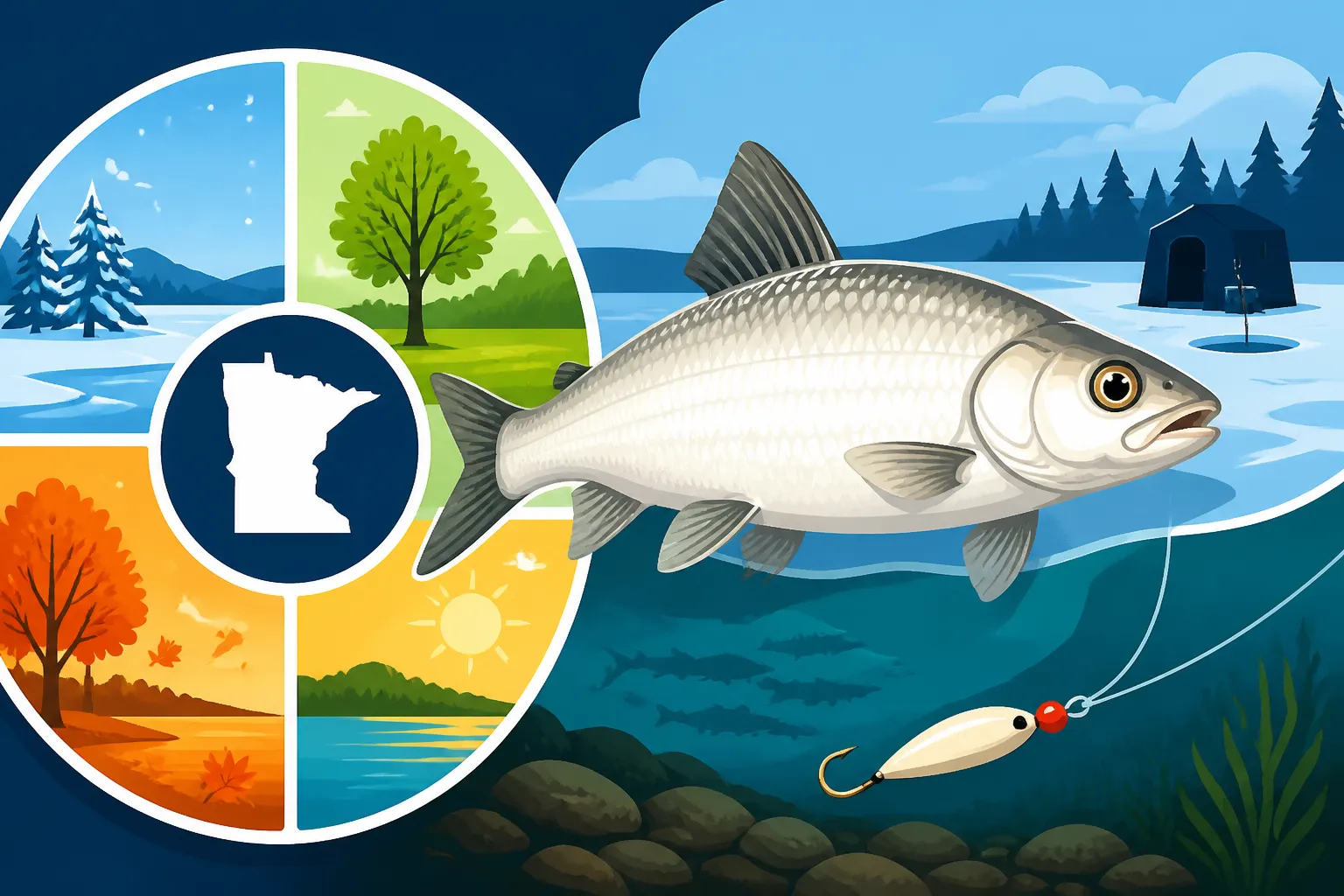
If you've spent frustrating hours on the water, seeing fish on your sonar but failing to get a bite, you might be familiar with the elusive Minnesota whitefish. These deep-dwelling, often overlooked fish can be incredibly challenging to target, especially if you're not dialed into their specific seasonal movements and feeding habits. This comprehensive guide will break down the best seasonal patterns for whitefish in Minnesota, offering practical tips and techniques to help you finally connect with these unique and delicious fish.
Understanding Minnesota Whitefish: A Unique Challenge
Whitefish are often a mystery to many anglers, sometimes even mistaken for other species. They aren't the aggressive predators like walleye or northern pike, and their habits require a more subtle approach. Knowing what makes them tick is the first step to unlocking their secrets.
Whitefish Biology and Habitat Preferences
In Minnesota, when we talk about whitefish, we're usually referring to the Lake Whitefish, a cold-water species that thrives in deep, clear, oxygen-rich lakes. They are part of the salmon family, though they look quite different from their stream-dwelling cousins. Unlike many game fish, whitefish primarily feed on the bottom, sifting through sediment for aquatic insects, crustaceans, and small invertebrates. They also aren't shy about suspending in the water column to feed on zooplankton, especially the larger ones.
It's common for anglers to confuse Lake Whitefish with tullibee, also known as cisco. While both are related and inhabit similar waters, tullibee are generally smaller and tend to feed more exclusively on plankton throughout their lives, often suspending in open water. Lake Whitefish, especially mature ones, spend a significant amount of time near the bottom. To learn more about identifying these species, check out our guide on Whitefish & Tullibee (Cisco) in Minnesota. Their preferred habitat almost always involves deep basins, significant drop-offs, and areas with hard, clean bottoms, particularly rock or gravel. You’ll rarely find them in shallow, weedy bays where bass or panfish might thrive.
Why Whitefish are Different from Other Minnesota Species
The biggest challenge with whitefish lies in their unique mouth structure. They have a small, soft, downward-facing mouth, perfectly adapted for vacuuming up tiny organisms from the lakebed or gently sipping suspended plankton. This means they are not designed to engulf large lures or aggressively strike baits like a walleye. You won't be throwing big crankbaits for these guys. Instead, successful whitefish angling demands finesse, light tackle, and baits that mimic their natural forage. This stark contrast often frustrates anglers accustomed to the more robust bites of other popular Minnesota species.
Their cold-water preference also means they spend most of their lives in specific thermal layers. As lakes stratify in summer, whitefish will hug the deepest, coolest water that still has sufficient oxygen. This can often be a narrow band, making them highly localized and requiring precise presentation. For comparison, understanding the seasonal movements of other cold-water species can be helpful, like checking out the Best Seasonal Pattern for Yellow Perch in Minnesota.
Spring Whitefish Patterns: Post-Spawn Recovery and Deep Water
As Minnesota lakes shake off winter's chill and the ice finally gives way, whitefish begin a new cycle. Spring is a transition period, and understanding their post-spawn behavior is key.
Early Spring Transition Ice Out to Late May
Right after the ice goes out, whitefish are in a recovery phase. They spawn in late fall, often on rocky shoals and reefs in relatively shallower water (10-30 feet). Once the ice melts, they'll typically move off these spawning grounds and head toward slightly deeper, cooler waters, but might still be more accessible than during the peak summer months. You might find them transitioning down humps, along subtle breaklines, or cruising deep flats adjacent to their spawning areas. Water temperatures in the high 30s to low 40s Fahrenheit are ideal for them at this time.
Lakes like Leech Lake or Lake Superior's shallower bays can hold concentrations of whitefish during this period. They're still somewhat lethargic from the spawn and the cold water, meaning their bites will be incredibly subtle. The key is to be patient and present your bait directly to them. This window can be short, as rising water temperatures quickly push them deeper.
Key Techniques for Spring Whitefish
For early spring whitefish, finesse is the name of the game.
- Small Jigs and Live Bait: Tiny jigs, often 1/16 to 1/8 ounce, tipped with a single wax worm, grub, or a couple of maggots, are deadly. The Z-Man Micro Finesse series or similar small plastic baits can also be effective. The idea is to present something small and natural-looking. You can find a good selection of these ultralight jig heads and artificial grubs on Amazon.
- Light Line: You'll need thin line to get these small baits down to depth and to detect the incredibly light bites. Four to six-pound test fluorocarbon is a great choice for its low visibility and sensitivity.
- Subtle Presentations: Don't jig aggressively. A slow lift and fall, or simply holding the bait still just above the bottom, is often all it takes. Imagine a small insect gently fluttering or slowly crawling on the lakebed.
- Drifting: If you have a boat, slowly drifting over deep flats or along breaklines can help you cover water and find active fish. Use your sonar to identify schools or individual marks.
Remember, the goal isn't to provoke a strike, but to offer a meal they can't resist a gentle suck.
Summer Whitefish Patterns: Deep Water Suspended and Bottom-Oriented
When Minnesota summers hit their stride, whitefish retreat to the deepest, coolest parts of the lake. This is when they become truly challenging for the casual angler.
Mid-Summer Stratification and Whitefish Locations
As surface waters warm, lakes undergo thermal stratification, forming distinct layers of water with different temperatures. Whitefish will seek out the hypolimnion – the coldest, deepest layer – but only where oxygen levels are still sufficient. This often means they’re found along the bottom of deep basins, near prominent humps, or suspended in the water column over vast depths, often mirroring large schools of tullibee, which are their primary forage in many lakes. In some deep, clear lakes like Lake Vermilion, you might find them anywhere from 40 to 80 feet deep, sometimes even deeper.
Their exact depth will vary daily based on light penetration, water temperature, and the movement of their food source. It's not uncommon to see whitefish suspended 10-20 feet off the bottom in 60 feet of water, chasing plankton. This makes having good electronics absolutely crucial. Without reliable sonar, you're essentially fishing blind in a very big lake. Consider familiarizing yourself with Walleye Fishing in Minnesota: Complete Guide to understand how different species adapt to summer stratification.
Effective Summer Tactics
Catching summer whitefish requires specialized gear and techniques, often involving vertical presentations.
- Downriggers and Wire Line: For suspended fish, downriggers are incredibly effective at presenting small spoons or flies at a precise depth. Similarly, using wire line can get lures down deep without the need for heavy weights, allowing for a more natural presentation. Small flutter spoons or flies like a "Michigan Stinger" or "peanut" fly, often used for trout and salmon, can be very effective.
- Heavy Jigs and Jigging Spoons: When they're tight to the bottom, heavy tungsten jigs or small jigging spoons like a Swedish Pimple or a slender spoon are good choices. Tip these with a wax worm or minnow head for added attraction. A slow, subtle jigging action is usually best.
- Sensitive Rods: Even when using heavier gear to get to depth, a sensitive rod blank is paramount for detecting the soft whitefish bite. A medium-light or medium action rod with a fast tip is ideal.
- Electronic Assistance: Your fish finder becomes your best friend. Look for "arches" or "streaks" suspended in open water or hugging the contours of deep structure. Mark these fish and work your bait directly to them. Companies like Humminbird or Lowrance offer excellent deep-water capabilities.
Finding these fish can be a patient game of searching deep structure and open water with your electronics until you mark a school. Once you do, be prepared to drop your bait precisely and wait for that barely-there tap.
Fall Whitefish Patterns: Pre-Spawn Aggression and Shallow Movement
As the days shorten and water temperatures begin to drop in late summer and early fall, a remarkable shift occurs in whitefish behavior. This can be one of the best times to target them.
Late Summer to Early Fall Migration
Fall is when whitefish become more active and start moving towards their traditional spawning grounds. Unlike spring spawners, whitefish in Minnesota typically spawn in late fall, often after the main fishing seasons for other species have closed or are winding down, often around November. This pre-spawn period, from late September through October, sees them becoming more aggressive feeders as they pack on calories for the upcoming spawn. They will begin to migrate from their deep summer haunts towards shallower rocky reefs, humps, and shoals, typically in 15 to 40 feet of water.
This migration means they are more accessible and often more willing to bite. Look for rocky structures, especially those exposed to wind and current, which help keep the rocks clean and provide good oxygen. This is a crucial time to target them, as their movements are more predictable, and they are actively seeking food. For details on statewide fishing seasons, always consult the Minnesota Fishing Seasons & Opener Dates (2026) regulations.
Fall Fishing Strategies
During the fall, whitefish will hit a wider array of baits, and their bites can be more pronounced.
- Jigs and Spoons: Heavier jigs (1/4 to 3/8 ounce) tipped with a minnow or piece of crawler can be very effective, especially when fished aggressively. Jigging spoons, like the Little Cleo or heavier Kastmasters, also work wonders. The flash and vibration can draw strikes from actively feeding fish.
- Drop-Shot Rigs: A drop-shot rig allows you to present a small bait, like a plastic worm or a live minnow, precisely at the fish's level without heavy weight interfering with the bait's action. This is particularly useful when fish are suspending just off the bottom on these reefs.
- Trolling: If fish are spread out over a large reef, slow trolling small crankbaits or spinner rigs with a bottom bouncer can entice strikes. Look for lures that run true at slow speeds and mimic small baitfish or larger insects.
- Vertical Jigging over Structure: Position your boat directly over rocky reefs and structure, using your electronics to find fish. Vertical jigging a spoon or heavy jig with a snappy retrieve followed by a pause can trigger reactions from these pre-spawn whitefish. Brands like Northland Tackle offer excellent options for jigging spoons that can be purchased through Amazon.
The fall offers a fantastic window of opportunity before the lakes freeze over. The fish are concentrated, active, and putting on the feedbag, making for some exciting battles.
Winter Whitefish Patterns: Ice Fishing Opportunities
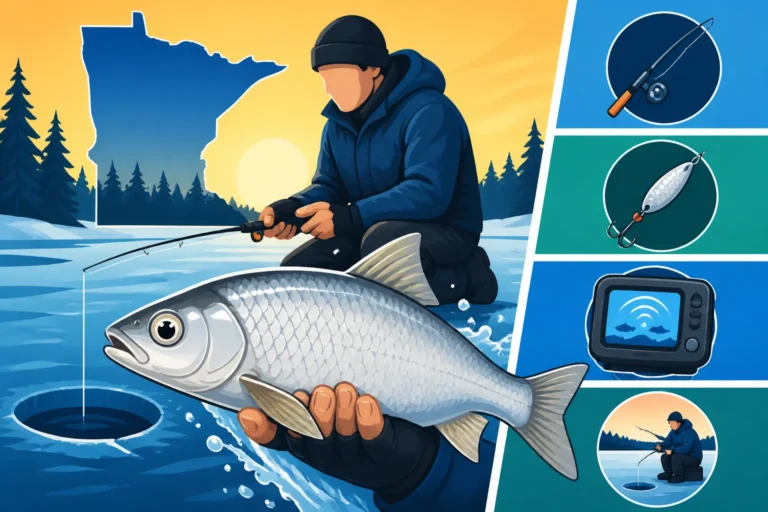
When the Minnesota winter truly settles in and the lakes turn to hard water, whitefish become a popular target for many ice anglers. This season offers unique advantages, particularly the ability to sight-fish.
First Ice to Mid-Winter
During first ice, whitefish can often be found near the same shallower rocky reefs and shoals where they spawned in late fall. These areas might only be 15-30 feet deep, making them relatively accessible. However, as winter progresses, they tend to move deeper, settling into main lake basins or suspending over deep water, much like their summer patterns, but under the ice. You might find them anywhere from 40 to 100+ feet, depending on the lake's depth and structure.
Mid-winter often sees whitefish either hugging the bottom in deep basins or actively suspending in schools, chasing zooplankton or tullibee. Lakes like Lake of the Woods or Cass Lake offer excellent deep-water ice fishing for whitefish. Finding them can be a mobile effort, drilling many holes and relying heavily on electronics. For an overview of getting started, consider reading our Ice Fishing in Minnesota: Complete Beginner-to-Pro Guide.
Prime Ice Fishing Techniques
Ice fishing for whitefish is a game of patience and precision.
- Micro-Jigs and Spoons: Small, brightly colored tungsten jigs or lead jigs, often 1/32 to 1/8 ounce, tipped with wax worms, maggots, or small pieces of plastic, are absolute staples. Tiny jigging spoons (1/16 to 1/8 ounce) in silver, gold, or glow colors also perform well. The key is to keep them small and subtle.
- Sight Fishing in Dark Houses: On clear lakes, dark houses offer a fantastic opportunity to sight-fish for whitefish. You can watch them approach your bait, observe their reactions, and detect even the most subtle takes. This is an incredibly engaging way to fish and a true test of patience.
- Deadsticking: Often, a "deadstick" setup – a second rod with a plain hook and live bait (like a minnow or wax worm) suspended motionless – can outfish an actively jigged bait, especially for finicky fish. This is a common tactic for many ice anglers.
- Ultra-Sensitive Rods: Ice fishing rods specifically designed for panfish or finesse walleye techniques are perfect for whitefish. They have incredibly sensitive tips to detect those barely-there bites.
Using Electronics for Ice Whitefish
Electronics are paramount when ice fishing for whitefish, especially in deeper water.
- Flashers: A good flasher unit, like a Vexilar, Marcum, or Humminbird Ice Helix, is invaluable for locating whitefish and observing their reactions to your bait. You can see your jig descending, mark fish moving in, and know exactly when they are investigating your offering. This allows you to adjust your presentation in real-time. Knowing how to interpret these signals is a skill in itself, which you can explore further in our guide on How to Read a Flasher (Vexilar/Humminbird).
- Understanding Marks: Whitefish often appear as faint, ghostly marks on your flasher, sometimes suspending far off the bottom. Don't be fooled into thinking they're not interested if they're not right on the bottom. Often, they'll cruise at a specific depth, looking for plankton.
Essential Gear and Tips for Whitefish Success
To consistently catch whitefish in Minnesota, having the right gear and a few key strategies in your arsenal makes all the difference. This isn't a power-fishing game; it's a finesse game.
Rods, Reels, and Line
Forget your heavy muskie rods; for whitefish, we're talking about delicate setups.
- Rods: Opt for ultralight to light action spinning rods, ideally 6 to 7 feet long for open water, and 28 to 36 inches for ice fishing. Look for rods with a fast, sensitive tip that transitions into a forgiving backbone. This allows you to detect subtle bites while still having enough power to handle a decent-sized fish in deep water.
- Reels: A small spinning reel (1000 or 2000 size) with a smooth drag is perfect. You'll be using light line, so a consistent drag is essential to prevent break-offs. Brands like Shimano or Daiwa offer excellent options in these sizes.
- Line: This is critical. Four to six-pound test fluorocarbon or monofilament main line, sometimes with an even lighter fluorocarbon leader (2-4 lb test), is the standard. Fluorocarbon is preferred for its low visibility and sensitivity. Braid can be used as a main line for sensitivity, but always tie on a fluorocarbon leader. To dive deeper into specific gear for this species, check out the Best Tackle for Whitefish in Minnesota.
Lures and Baits
Simplicity and small size are key here.
- Jigs: Small tungsten jigs (1/32 to 1/8 oz) in bright colors (chartreuse, orange, pink) or natural hues (white, black) are fantastic. Tip them with live bait.
- Spoons: Tiny jigging spoons (1/16 to 1/8 oz) like the Northland Forage Minnow Spoon, Swedish Pimple, or similar slender designs. Flutter spoons also work well. Again, tipping with a wax worm or maggot often increases effectiveness.
- Live Bait: Wax worms and maggots are gold. A small minnow head can also be effective on spoons or larger jigs, especially for more aggressive fall or winter fish. Sometimes, a piece of nightcrawler will do the trick too. For general bait options, refer to Best Live Bait for Walleye (Leeches, Minnows, Crawlers).
- Artificial Baits: Small soft plastics that imitate aquatic insects or larvae, like tiny tubes, grubs, or creature baits, can be effective, especially when paired with a light jig head.
Reading the Lake
Successful whitefish angling isn't just about the bait; it's about understanding their environment.
- Lake Maps: Invest in detailed lake maps (like Navionics or LakeMaster chips) for your fish finder. Look for deep basins, long points, humps, and distinct breaklines. These are the highways and dinner tables for whitefish.
- Fish Finder Use: Beyond just marking fish, pay attention to the depth of the thermocline (in summer) and any signs of baitfish (tullibee/cisco) on your screen. Whitefish won't be far from their food source.
- Experimentation: Whitefish can be picky. Don't be afraid to experiment with different jigging cadences, colors, and baits until you find what they prefer on a given day. Sometimes a subtle quiver is best, other times a longer pause.
Catching whitefish is a rewarding experience, requiring a shift in mindset from traditional Minnesota fishing. Embrace the finesse, appreciate the challenge, and you'll soon be adding this beautiful and tasty fish to your list of favorite species.
Minnesota Whitefish Seasonal Patterns at a Glance
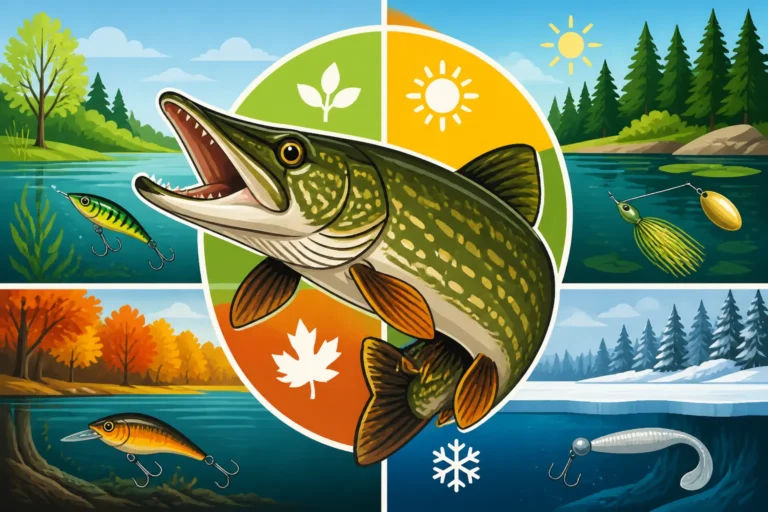
Here's a quick summary to help you visualize the seasonal movements and recommended tactics for whitefish in Minnesota.
| Season | Typical Depth Range | Key Locations | Primary Forage | Recommended Techniques | Best Baits/Lures |
|---|---|---|---|---|---|
| Spring (Ice Out-May) | 20-50 feet | Off-shore reefs, deep flats near spawning grounds | Insects, crustaceans | Light jigging, slow drifting, deadsticking | Small jigs, wax worms, maggots, small soft plastics |
| Summer (June-August) | 40-100+ feet (often suspended) | Deep basins, main lake humps, mid-lake structure | Zooplankton, tullibee | Downriggers, wire line trolling, vertical jigging | Small spoons, flies, heavy jigs, minnow heads |
| Fall (Sept-Oct) | 15-40 feet | Rocky reefs, distinct humps, spawning staging areas | Insects, crustaceans, small fish | Aggressive jigging, drop-shot, slow trolling | Heavier jigs, jigging spoons, minnows, crawlers |
| Winter (Ice On-March) | 15-100+ feet (depending on stage) | First ice: Spawning reefs. Mid-winter: Deep basins, suspended | Zooplankton, insects | Micro-jigging, deadsticking, sight fishing | Tiny tungsten jigs, maggots, wax worms, small spoons |
Disclaimer
Fishing regulations, seasons, and limits for whitefish in Minnesota can change. Always consult the most current Minnesota Department of Natural Resources (DNR) fishing regulations before heading out on the water. This guide is for informational purposes only and should not replace official DNR publications.