Best Tackle for Whitefish in Minnesota
Trying to dial in the right tackle for whitefish in Minnesota can feel like a real mystery, especially when you're used to chasing walleye or panfish. These elusive, deep-water dwellers are notoriously finicky, and it's easy to get frustrated when your usual setups just aren't cutting it. This guide is dedicated to breaking down the best tackle choices to give you a real edge in hooking into Minnesota's often-overlooked whitefish.
Understanding Whitefish Behavior and Habitat
Before we even talk about rods and reels, it’s crucial to understand who we’re dealing with. Whitefish aren't like your typical shallow-water sunfish. They have specific preferences that dictate everything from where they live to what they'll bite, and ignoring these traits is a surefire way to come home empty-handed.
Deep Water Dwellers and Their Forage
Whitefish, particularly species like Lake Whitefish and Tullibee (Cisco), thrive in the coldest, deepest, and clearest waters of Minnesota's larger lakes. Think about places like Lake Superior, Lake of the Woods, or deeper sections of Lake Vermilion. These fish are masters of the benthic zone, cruising along the lakebed or suspended in the water column over vast depths, often 40 to over 100 feet. They're primarily planktivores, meaning their diet largely consists of tiny organisms like zooplankton, insect larvae, and small crustaceans. This is a critical piece of information because it immediately tells you that you're not going to be throwing big crankbaits at them. Their mouths are small and subterminal (pointing downwards), perfectly adapted for sifting through the bottom or gently inhaling microscopic food. This preference for tiny forage means your tackle needs to be equally subtle and refined.
Seasonal Movements and Spawning
Whitefish movements are highly influenced by water temperature and their annual spawning ritual. While you can find them deep throughout the year, their most predictable shallow-water presence occurs during the fall spawning period. Typically, from late October through November, whitefish will move onto shallower rock reefs, gravel bars, and even sandy flats to lay their eggs. This is often the best window for anglers to target them without needing specialized deep-water gear, though they can still be incredibly spooky. Outside of this period, they retreat to the deep, cool water, often suspending over significant depths or hugging transition areas where hard bottom meets soft mud. Understanding these patterns, which vary slightly by lake and year, is key to knowing where to drop your line. You'll often find that the tackle effective during the open water season transitions surprisingly well to How to Catch Whitefish Through the Ice in Minnesota when winter hits.
Essential Rod, Reel, and Line Setup for Whitefish
When it comes to putting together a whitefish setup, finesse is the name of the game. Forget your heavy-duty bass gear; we're talking about dialing it back to feel the most subtle takes from these light-biting fish. It’s all about creating a harmonious system where every component works together to maximize sensitivity and presentation.
Rod Selection for Sensitivity
For whitefish, you need a rod that's incredibly sensitive, almost to the point of being overkill for other species. A light to ultra-light power spinning rod, typically between 6 to 7 feet in length, is your best bet. Look for rods made from high-modulus graphite. This material transmits vibrations exceptionally well, allowing you to feel even the slightest "tick" or added weight that signals a whitefish bite. The action should lean towards fast or extra-fast, meaning the rod bends predominantly in the upper third. This allows for quick, precise hooksets while still having enough backbone to handle a strong fish once it’s on. A slower action rod might absorb too much of the subtle bite, leaving you wondering if it was a fish or just a snag. Consider options designed for panfish or finesse walleye fishing; many of these will cross over perfectly for whitefish. When you’re browsing at a place like Bass Pro Shops or even online through Amazon, check the power and action ratings carefully. A good analogy is thinking of it like a surgeon's scalpel – precise and responsive.
Reel Choice for Smoothness and Control
Paired with that sensitive rod, you'll want a small, smooth spinning reel. A 1000 or 2000 series reel is usually ideal. The key features here are a silky-smooth drag system and consistent line lay. Whitefish, despite their small mouths, can put up a surprisingly strong fight, especially in deep water. A high-quality drag is essential to prevent line breakage with light line, allowing the fish to take line when it needs to without fear of snapping off. Look for reels with multiple ball bearings for smooth operation, which also helps in detecting those subtle bites because there's less resistance in the retrieve. A good reel should balance well with your light rod, preventing wrist fatigue during long days of vertical jigging or slow retrieving. The retrieve ratio isn't as critical as smoothness, but a medium-fast retrieve around 5.2:1 to 6.2:1 is generally versatile enough.
The Importance of Light Line
This might be the most critical component of your whitefish tackle setup. Whitefish are highly visual predators with excellent eyesight, especially in clear water. They are also incredibly shy. This means your line needs to be as invisible and as low-stretch as possible while maintaining strength. Monofilament or fluorocarbon in the 2 to 4-pound test range is paramount.
- Fluorocarbon: This is often the top choice for whitefish. It has a refractive index very close to water, making it virtually invisible underwater. It's also more abrasion-resistant than mono, has less stretch, and sinks faster, which can be an advantage when fishing deep with tiny baits. The low stretch enhances sensitivity, allowing you to feel those faint taps.
- Monofilament: A good quality, low-diameter monofilament can also work, especially if you prefer a bit more stretch for shock absorption on hooksets. However, its visibility and buoyancy are slight disadvantages in deep, clear water situations.
Some anglers opt for a very thin braided main line (4-6 lb test equivalent) for maximum sensitivity and no stretch, then add a long (8-15 foot) fluorocarbon leader. This combination gives you the best of both worlds: extreme sensitivity from the braid and stealth from the fluorocarbon. When choosing your line, remember that presentation is everything for whitefish. A thick, highly visible line will deter them quicker than almost anything else. You can read more about Best Fishing Line for Walleye (Braid vs Mono vs Fluoro) for a broader understanding, but always lean towards the lighter end for whitefish.
Terminal Tackle: Jigs, Spoons, and Baits
Now that we have our foundation of rod, reel, and line, it's time to talk about the business end of your setup. This is where the true whitefish wizardry happens, focusing on tiny presentations that mimic their natural forage.
Small Jigs and Micro Spoons
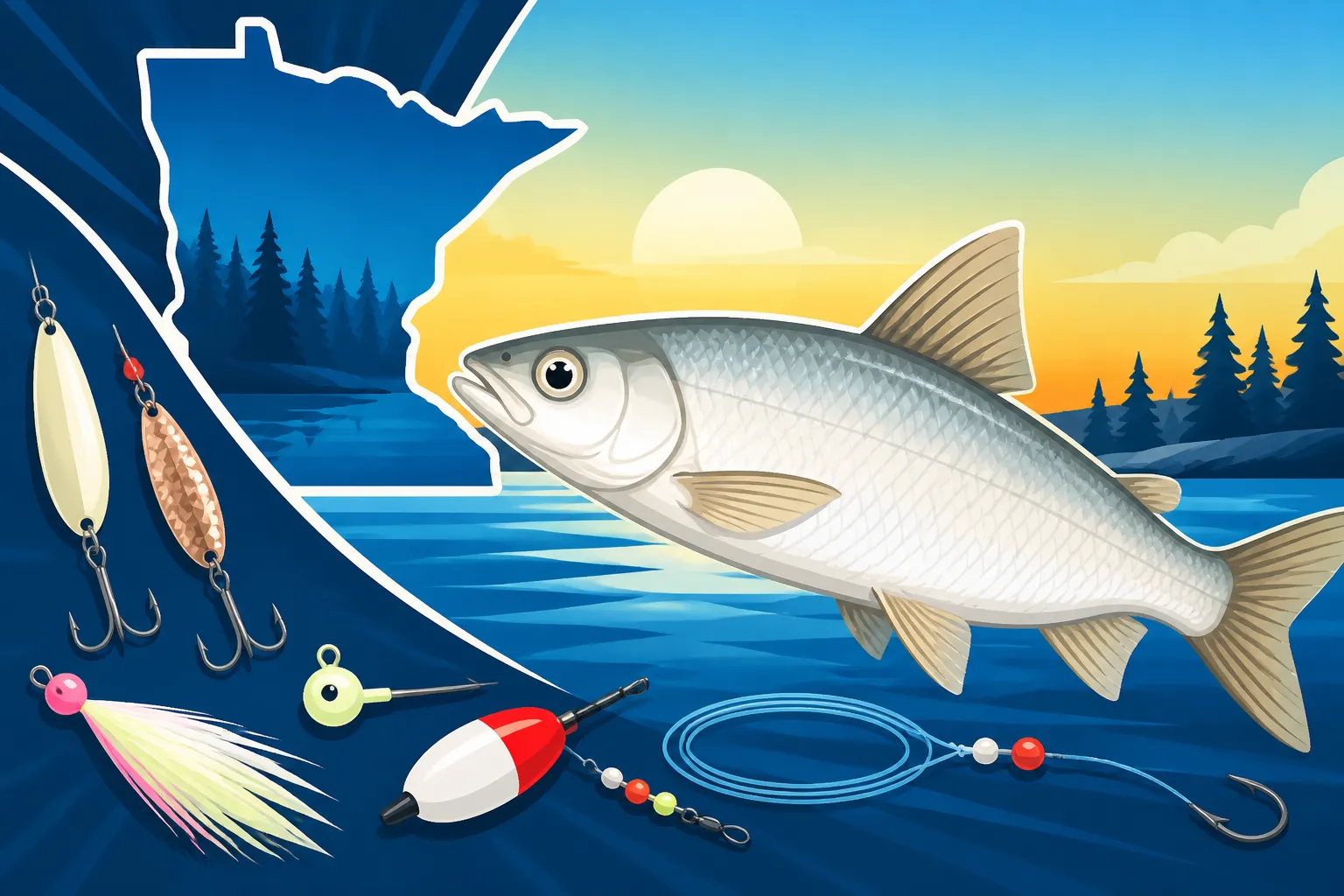
This is your bread and butter for whitefish. Think ridiculously small. Jigs and spoons ranging from 1/32 ounce down to 1/64 ounce are often the most effective. The key is to present something that appears small and vulnerable, yet still has enough weight to get down to depth in a reasonable amount of time.
- Jigs: Tiny tungsten jigs are absolute killers. Tungsten is denser than lead, allowing for a smaller profile at a given weight, which is exactly what you want for whitefish. Popular styles include teardrop jigs, small horizontal jigs, or even tiny ice jigs designed for panfish. Colors often mimic natural forage: greens, browns, blacks, and silvers. Glow-in-the-dark options can also be incredibly effective, especially in low-light conditions or extremely deep water. Brands like Northland Tackle, VMC, and Custom Jigs & Spins offer excellent micro jigs. The subtle action of a small jig, especially when tipped, can be irresistible.
- Spoons: Micro spoons, often 1/16 to 1/8 ounce, can also be very productive. Look for slender, fluttery designs that imitate small baitfish or descending insects. Silver, gold, white, and chartreuse are popular colors. The flash and vibration can draw whitefish in from a distance, and their erratic fall often triggers a strike. Think about spoons like a Forage Minnow Spoon from Northland or small Swedish Pimples. When fishing with spoons, a very subtle jigging action is usually best – a slight lift and fall, letting the spoon flutter naturally.
You'll often find these specialized small baits at local tackle shops or readily available on Amazon. For a deeper dive into similar baits, check out a guide like Best Tungsten Jigs for Panfish, as many of those concepts transfer directly.
Live Bait and Scent
While artificials have their place, nothing quite beats the real thing for finicky whitefish. Live bait adds scent, natural movement, and a texture that whitefish find hard to refuse. The goal is to present a small, high-protein snack.
- Wax Worms and Spikes (Maggots): These are perhaps the most common and effective live baits for whitefish. Their small size and wiggling action are perfect. Thread one or two onto a tiny jig hook, making sure to leave the tail free to wiggle. The combination of a subtle jig presentation with a live, scented morsel is often the ticket to consistent bites.
- Minnow Heads: While less common for whitefish than panfish, a tiny minnow head can sometimes entice larger whitefish, especially if they are keying in on a slightly larger protein source. Use just the head of a small shiner or perch minnow, tipping it onto your jig.
- Fish Eggs: Salmon or trout eggs can also be effective, particularly in areas where whitefish might feed on them naturally. They offer a strong scent and a familiar food source.
Always use fresh bait and replace it frequently. The scent trail is a major attractor for whitefish. A little tip from experience: often, less is more when tipping a jig. You want the bait to enhance the jig, not overwhelm it.
Specialty Rigs: Drop-Shot and Three-Way Rigs
When whitefish are suspended or hugging the bottom in deep water, traditional jigging can sometimes be inefficient due to line twist or poor bait presentation. Specialty rigs can solve these problems.
- Drop-Shot Rig: This rig is fantastic for deep, clear water and finicky fish. The weight is at the bottom of the line, and the hook (or hooks) are tied directly to the main line a foot or two above it. This keeps your bait suspended precisely at the fish's eye level, allowing it to move naturally without the weight interfering. It also transmits subtle bites directly to the rod tip. You can fish it with tiny jigs, bare hooks tipped with live bait, or even small artificial worms. This rig dramatically reduces line twist and keeps your bait in the strike zone longer.
- Three-Way Rig: More common in river systems but adaptable to deep lakes, a three-way swivel connects your main line, a leader to a weight, and a leader to your bait. This allows you to drag a bottom-bouncing weight while presenting your bait a set distance above the lakebed. It’s excellent for covering ground slowly and presenting live bait or small crankbaits without constant snags. Again, keep leaders light and long for whitefish.
These rigs might seem a bit more complex, but mastering them can unlock whitefish fishing in challenging conditions. The ability to present bait effectively in the deep, without spooking fish, is a game-changer.
Electronics and Other Critical Accessories
Catching whitefish isn't just about what's on the end of your line; it's also about finding them and managing the deep-water environment. Modern technology and a few key accessories can dramatically improve your success rate.
Fish Finders for Deepwater Success
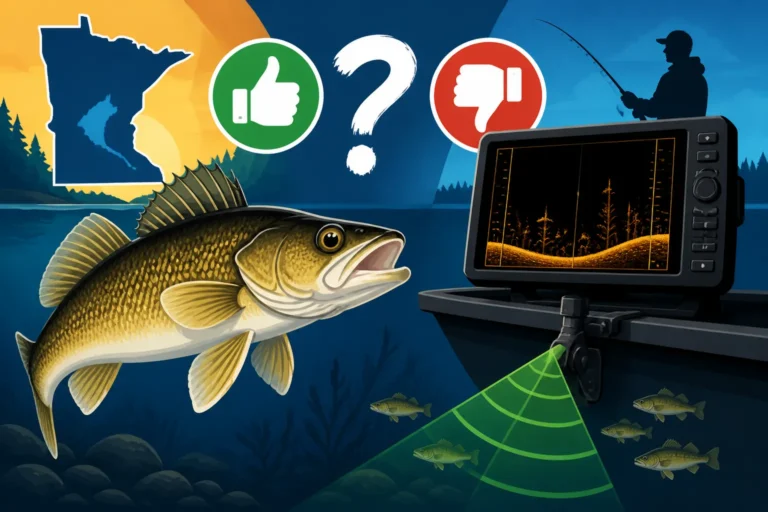
When you're targeting fish that might be suspended 60 feet down or hugging the bottom in 100 feet of water, a reliable fish finder isn't just a luxury – it's a necessity. You need to be able to locate schools of whitefish, identify their depth, and even watch how they react to your lure.
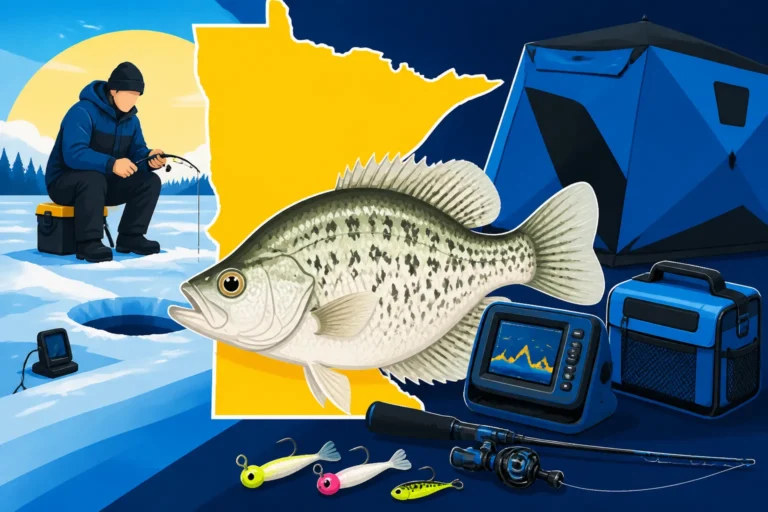
- Flashers (Ice Fishing): For ice fishing, flashers like those from Vexilar or Humminbird are invaluable. They provide real-time, instantaneous feedback on what's under your hole, allowing you to see your lure, any fish approaching it, and how they react. You can literally watch a whitefish rise to investigate your tiny jig.
- Sonar/GPS Units (Open Water): For open water, a quality sonar unit with good down imaging or side imaging can help you find schools of whitefish along breaklines, over humps, or suspended in the water column. GPS capabilities are crucial for marking productive spots and navigating back to them. Brands like Garmin, Humminbird, and Lowrance all offer excellent units suitable for deep-water fishing. Without a good fish finder, you're essentially fishing blind in a vast ocean. You can dive deeper into the world of flashers and sonar by looking at resources like Best Ice Fishing Flashers: Vexilar vs Humminbird vs Garmin or general guides on How to Find Fish While Ice Fishing.
Ice Fishing Specifics
While whitefish can be caught during the open water season, they are a hugely popular target for ice anglers, particularly in Northern Minnesota. If you're planning to chase them through the hard water, a few specific pieces of tackle and gear become crucial.
- Ice Rods: Just like open water, think ultra-light, sensitive graphite rods, but shorter – typically 24-36 inches. A good ice rod for whitefish should have a fast tip to detect light bites, but a forgiving backbone to absorb surges. Many companies make specific panfish or finesse walleye ice rods that work perfectly. You'll find a range of options suitable for Best Ice Fishing Rods for Walleye & Panfish.
- Auger: A good power auger (electric or gas) is essential for drilling through thick ice, especially if you're frequently moving to find active schools. A StrikeMaster or Ion electric auger is lightweight and quiet, perfect for making multiple holes without spooking fish.
- Shelter: While not strictly tackle, a warm, comfortable ice shelter allows you to fish longer and more effectively. Whether it's a portable flip-over or a hub-style shelter, staying warm helps you concentrate on those subtle bites. You can learn more about general gear in Best Ice Fishing Gear for Minnesota (2027 Guide).
Netting and Handling
Whitefish have delicate mouths and scales, and they are prone to stress, especially after being brought up from deep water. Proper handling is key to ensuring their survival if you plan to release them, or to keep them in prime condition if you're taking them home for a delicious meal.
- Fine-Mesh Landing Net: Always use a landing net with a fine, rubberized mesh. This protects the fish's delicate fins and slime coat. Larger, knotted nets can strip scales and cause damage, increasing post-release mortality. When netting, guide the fish gently head-first into the net rather than scooping aggressively.
- Minimize Air Exposure: If releasing, get the fish back into the water as quickly as possible. Avoid holding them horizontally by the jaw if they are large, as this can damage their internal organs. Support their weight with both hands, especially under the belly. Whitefish don't have the same robust jaw as a bass, so lip grippers are generally not recommended.
By paying attention to these details, you'll not only increase your chances of catching whitefish, but you'll also ensure that the resource remains healthy for future generations of anglers.
Here's a quick comparison of popular whitefish lures:
| Lure Type | Best Use Case | Pros | Cons | Best Tipping Bait |
|---|---|---|---|---|
| Tungsten Jig | Vertical jigging deep water, finicky bites | Small profile, sinks fast, sensitive, natural presentation | Can be too light in strong currents | Wax worm, spike (maggot), minnow head |
| Micro Spoon | Attracting fish from a distance, active feeders | Flash and vibration, erratic fall, mimics baitfish | Can twist line without swivel, less subtle presentation | Wax worm, minnow head, sometimes bare |
| Drop-Shot Rig | Suspended fish, clear water, subtle bites | Excellent bait presentation, minimizes line twist | More complex to tie, can be slower to deploy | Wax worm, spike, small artificial worm |
| Three-Way Rig | Drifting/trolling bottom in current, covering ground | Keeps bait at set height above bottom, versatile | Bulky setup, can tangle if not managed, less direct feel | Minnow, crawler piece, larger wax worm |
Disclaimer
Fishing regulations can change quickly. Always consult the latest Minnesota Department of Natural Resources (DNR) fishing regulations handbook before heading out on the water. This guide is for informational purposes only and does not constitute legal advice.