What Depth to Ice Fish for Walleye
It's a classic ice fishing dilemma: you've bundled up, drilled your holes, set up your shelter, and now you're staring down into the dark water, wondering exactly how far down you need to drop your lure to find those elusive walleye. The truth is, there's no single "magic depth" that works every time in Minnesota's diverse lakes, and understanding the factors that push walleye to different depths can make or break your day on the ice. This guide will dive deep into deciphering winter walleye behavior and help you pinpoint the best depths to target.
Understanding Walleye Behavior Under the Ice
Walleye don't just randomly roam at certain depths; their movements and preferred locations in winter are driven by a few key biological needs: food, oxygen, and comfort. As the ice thickens and the seasons change from early to late winter, these needs can shift, influencing where you'll find them.
The Search for Forage
Just like us, walleye get hungry, and their primary motivation for moving around is finding their next meal. In most Minnesota lakes, this means following schools of baitfish like cisco (tullibee), perch, or shiners. These baitfish themselves are often reacting to plankton blooms or seeking shelter in specific areas.
Early in the ice season, walleye might still be quite active and spread out, often relating to shallower transitions or weed edges where baitfish might still be abundant. As winter progresses, and oxygen levels potentially change, baitfish might move to deeper, more stable environments, and the walleye will follow. This pursuit of forage means that understanding the primary food sources in a particular lake and where they tend to hold is crucial to guessing walleye depth. If you're seeing a lot of perch on your electronics, for instance, walleye might be right below them or off to the side, waiting for an easy meal. Many anglers find success using minnows, like shiners or fatheads, which are a go-to choice for their scent and natural appeal, especially when fished on a simple jig or under a slip bobber. If you're looking for more general ice fishing strategies, a good resource to check out is the comprehensive guide on Ice Fishing in Minnesota: Complete Beginner-to-Pro Guide.
Oxygen and Water Temperature Stability
Under a thick blanket of ice, oxygen levels in a lake can stratify, meaning different depths can have varying amounts of dissolved oxygen. Walleye, being cold-water fish, also prefer stable water temperatures. While the entire water column will be cold, they'll often seek out areas where conditions are most consistent and oxygen is readily available.
Areas with significant algae decomposition or heavy snow cover can lead to lower oxygen levels in shallower zones, pushing fish deeper into areas with better oxygenation. Conversely, in very deep lakes, the very bottom might become anoxic (lacking oxygen), forcing fish to suspend in the mid-column. Generally, the sweet spot for walleye will be depths where oxygen is plentiful and the water temperature, though cold, is consistent. These conditions are often found along structural breaks or deeper flats where currents or upwellings might keep the water more oxygenated. It's not just about finding the fish, it's about finding where they are comfortable and have food.
Factors Influencing Walleye Depth in Winter
Pinpointing the ideal depth isn't a shot in the dark; it's an educated guess based on several environmental factors. Being aware of these can significantly improve your odds.
Early Ice vs. Mid-Winter vs. Late Ice Conditions
The stage of the ice season plays a huge role in walleye behavior and, consequently, their depth.
Early Ice (First Few Weeks)
When the ice first forms, walleye often remain in many of the same areas they inhabited during late fall. This means they can be found shallower than you might expect, sometimes in as little as 8-15 feet of water, especially during low-light periods. They'll often relate to green weed lines, submerged points, or shallow reefs that still hold concentrations of baitfish and insect larvae. The key here is that the lake hasn't fully "winterized" yet, and oxygen levels are still generally good throughout the shallower zones. Anglers who hit the ice early often find success around these productive fall locations. Getting out right after the ice is safe can lead to some incredible action, as the fish are still active and less pressured. For more specific tactics for this period, learning about Early Season Walleye After the Opener can be highly beneficial.
Mid-Winter (January-February)
As winter progresses, the ice becomes thicker, and snow cover often blankets the lakes. This reduces light penetration and can lead to diminishing oxygen levels in shallower, weedy areas. Walleye tend to move to deeper, more stable environments during this period. You'll often find them congregating on main lake humps, deep points, rock piles, and expansive main lake flats, typically in depths ranging from 20-40 feet, or even deeper in some larger lakes. They might also suspend over deeper basins, following schools of tullibee. This is when your electronics become absolutely critical, helping you locate schools of bait and the walleye lurking beneath them. A good flasher, easily found on Amazon, can show you these subtle changes and help you stay on the fish.
Late Ice (March until Melt)
Late ice is often a period of increased activity as longer daylight hours and warming temperatures start to signal the upcoming spawn. Walleye will begin to transition towards spawning grounds, which can mean moving back shallower. They might be found in depths similar to early ice, or even shallower, particularly towards evening and night. Look for them around shoreline breaks, river inlets, and shallow humps near deeper water access. These areas offer both potential forage and proximity to future spawning sites. However, late ice can also be dangerous, so always prioritize safety when venturing out.
Lake Structure and Bottom Composition
Every lake is different, and the underwater topography dictates where walleye will hold. Walleye are structure-oriented fish, meaning they like to relate to changes in the lake bottom.
Deep Water Flats and Humps
Many of Minnesota's prime walleye lakes, such as Mille Lacs, Leech Lake, and Lake of the Woods, have vast deep water flats and humps. Walleye will often cruise these areas in search of schools of perch or tullibee. On a large flat, say 25-35 feet deep, they might use subtle rises or depressions as ambush points. Humps that top out around 15-25 feet but are surrounded by much deeper water are classic walleye magnets, especially during mid-winter. The fish will move up onto the hump to feed and then retreat to the safety of deeper water.
Breaklines and Drop-offs
Breaklines, where the lake bottom changes sharply in depth, are highways for walleye. They'll often patrol these contours, moving up and down to feed. A gradual breakline from 15 to 25 feet might hold fish during low-light hours, while a sharper drop-off to 40 feet could be productive during the day. Consider how the breakline relates to other features like points or rock piles. A point that extends into a lake and drops off sharply on either side is a fantastic spot to target. You can find excellent detail on this topic in our article Where Do Walleye Live in a Lake? (Structure).
Forage Availability and Movement
Ultimately, walleye follow their food. If a lake's primary forage is shallow-holding perch, walleye will likely be found shallower. If a lake is rich in deep-water tullibee, walleye will suspend or cruise deeper basins.
Baitfish Schools
Using your fish finder to mark baitfish is one of the quickest ways to zero in on the right depth. If you see dense schools of bait suspended at 20 feet over a 40-foot basin, chances are walleye are either right within that school or positioned below, waiting to strike. Don't be afraid to drop your lure right into the baitfish or just below them. Popular live baits, easily purchased from bait shops or online suppliers like Amazon, include shiners, fatheads, and emeralds, which mimic common forage species.
Invertebrates and Other Prey
While baitfish are primary, walleye will also feed on invertebrates, especially during periods when baitfish are scarce or scattered. Larvae, crayfish, and even smaller panfish can be part of their diet. This means checking areas where these smaller organisms thrive, such as rocky bottoms or remaining weed edges, even in deeper water. Sometimes, a subtle presentation with a small jig and a minnow head or a few wax worms can entice bites when larger presentations are ignored.
Targeting Walleye Depths: Practical Strategies
Now that we understand the "why," let's talk about the "how." Utilizing your gear and strategic drilling can make all the difference.
Employing Electronics Effectively
A quality fish finder or flasher is arguably the most critical piece of equipment for ice fishing, especially for walleye. Brands like Vexilar, Humminbird, and Garmin offer excellent options that can instantly show you depth, fish, and even your lure.
Reading Your Flasher or Sonar
Learn to interpret what your flasher is telling you. A strong, wide signal indicates a large fish or a tight school. Pay attention to suspended marks – these are often walleye or baitfish. If you see a thick band on the bottom, that could be walleye relating tightly to the structure. Knowing How to Read a Flasher (Vexilar/Humminbird) is a skill that will pay dividends. Your electronics will not only tell you the depth of the bottom but, more importantly, where the fish are relative to the bottom or if they are suspended in the water column. Don't just look for fish marks; look for baitfish too. If you mark bait at 20 feet in 30 feet of water, that's your starting point.
Using GPS and Lake Maps
Modern fish finders often come with detailed GPS mapping, or you can use dedicated apps like Navionics or LakeMaster. These maps show contours, humps, points, and other crucial structures. Use them to identify promising areas before you even drill a hole. Mark successful spots, track your movements, and understand the transitions you're fishing. When heading to a new lake, studying the map beforehand will give you a huge advantage, allowing you to target specific depths and structures right away.
Drilling and Spreading Out
Don't be afraid to drill multiple holes and move frequently. This is especially true when searching for walleye that might be patrolling specific contours or moving in schools.
The Grid or Fan Approach
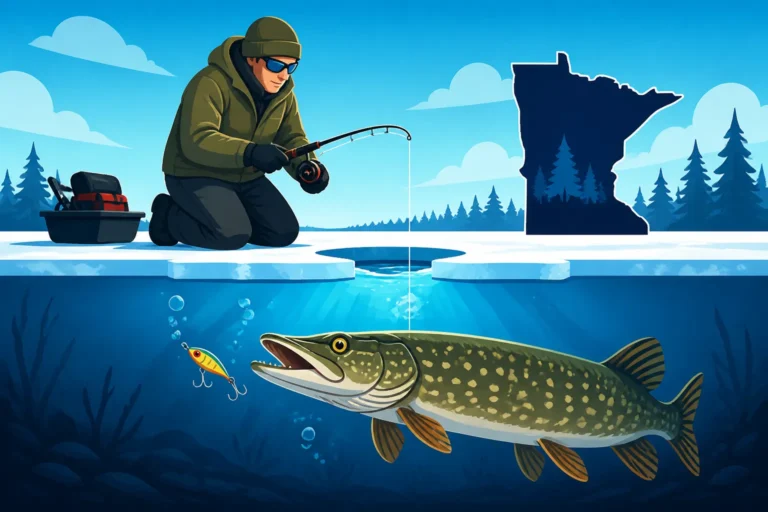
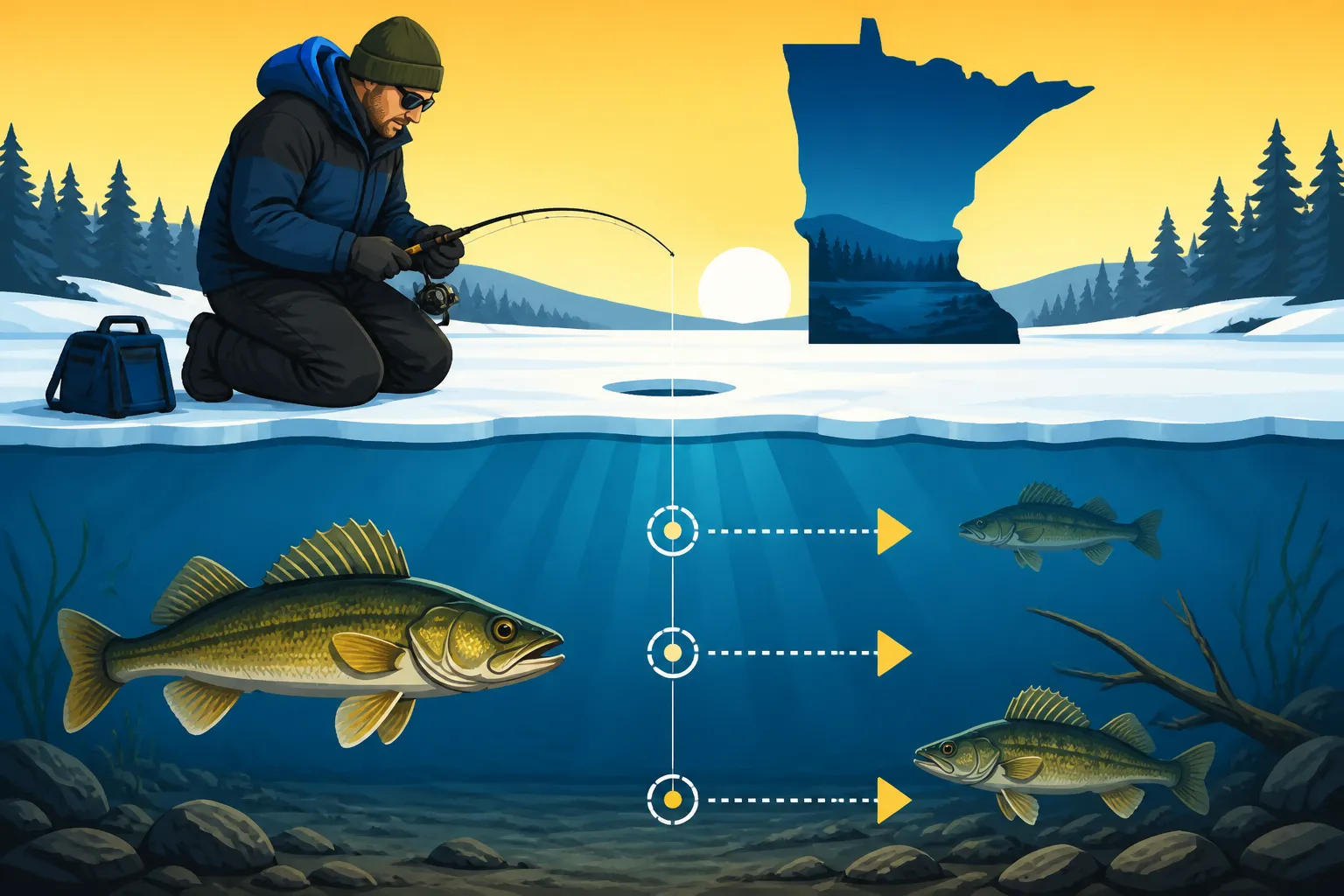
When you arrive at a promising structure, don't just drill one hole and sit there. Drill a series of holes in a grid pattern, covering a range of depths along a breakline or across a flat. For example, if you're targeting a point dropping from 15 to 35 feet, drill holes at 15, 20, 25, 30, and 35 feet. This "fan" approach allows you to quickly check different depths until you find where the fish are holding. If you mark fish in one hole, expand your grid around that successful depth. Setting up multiple tip-ups at varying depths across a break can also be highly effective, especially for locating active fish.
Staying Mobile and Adjusting
Walleye are constantly on the move, and their depth preferences can change throughout the day, often influenced by light conditions. If you're not getting bites after 20-30 minutes, don't be stubborn – move! Try a different depth, a different part of the structure, or even an entirely new spot. Pay attention to sunset and sunrise; these low-light periods are often when walleye move shallower and become most active. Sometimes, adjusting your depth by just a few feet can be the difference between a slow day and a hot bite. For more ideas on how to attract these fish, consider reading up on How to Catch Walleye Through the Ice in Minnesota.
Presentation and Lure Selection
Once you've identified a promising depth, your presentation becomes paramount. The right lure, jigging action, and bait can seal the deal.
Jigging Raps and Spoons
Aggressive jigging spoons like a Northland Forage Minnow or a Rapala Jigging Rap are excellent for calling in walleye from a distance. Start with an aggressive lift-and-drop, letting the lure fall back to the bottom. If you mark a fish, tone it down to a more subtle jiggle or hold, enticing a hesitant bite. The flash and vibration can mimic a fleeing baitfish, triggering a reaction strike. Many anglers buy a variety of sizes and colors to experiment with, and a quick search on Amazon for "ice fishing walleye lures" will show you the immense selection available.
Live Bait on Jigs or Slip Bobbers
Sometimes, nothing beats the real thing. A lively minnow on a plain hook or a small jig head, suspended under a slip bobber or slowly jigged, can be incredibly effective, especially for finicky walleye. A plain hook and split shot with a shiner minnow fished just off the bottom is a classic setup that has caught countless walleye. Consider trying different sizes of minnows to see what the fish prefer on a given day. Our guide on Best Live Bait for Walleye (Leeches, Minnows, Crawlers) offers even more insights into bait selection.
Adjusting Your Approach for Different Lake Types
Minnesota boasts an incredible diversity of lakes, and what works on one might not work on another. Tailoring your depth strategy to the specific lake type is crucial.
Large, Deep Walleye Lakes (e.g., Lake of the Woods, Mille Lacs)
On vast, deep lakes with abundant pelagic baitfish like tullibee, walleye might often be found suspended over deep basins (40-60+ feet), or relating to large, expansive main-lake humps and flats.
Targeting Suspended Walleye
If your electronics show baitfish and walleye marks suspended 15-30 feet down over 50 feet of water, don't be afraid to drop your lure directly to that suspended depth. This is where aggressive Jigging Raps or similar search baits shine, drawing fish in. You might need to adjust your depth by a few feet if they're not committing. These fish are often actively feeding, so once you find the right depth, the action can be fast and furious. Fishing a shiner on a dead stick or light jig below an active jigging lure can also pick up followers. For more information on fishing specific large bodies of water, check out our guide on Lake of the Woods Fishing Guide or Mille Lacs Lake Fishing Guide: Walleye, Bass & More.
Deep Humps and Flats
On deep humps and flats, walleye will often relate to the top edges or the slopes leading up to them. If a hump tops out at 20 feet but is surrounded by 40-50 feet of water, walleye might be cruising that 20-30 foot range. When drilling a grid, focus on covering the top and the breaks of these structures.
Smaller, Shallower Lakes (e.g., Many Central MN Lakes)
In contrast, shallower lakes, often with more weed growth and limited deep water, require a different approach.
Weedy Flats and Basin Edges
Walleye in shallower lakes (max depth 20-35 feet) might spend more time relating to the remaining green weed beds, especially early and late ice. During mid-winter, they'll often retreat to the deepest part of the basin or the edges of any deeper holes. Your target depths might be as shallow as 10-15 feet in low light, or 20-25 feet during the day. Don't overlook subtle changes in bottom composition near these deeper areas. A small rock pile in an otherwise soft-bottomed basin can be a walleye magnet.
Night Fishing Strategies
In shallower lakes, especially those with heavy fishing pressure, walleye often become much more active at night, moving into very shallow water (6-12 feet) to feed. Setting up rattle reels in an ice house on shallow flats or points that have access to deeper water can be incredibly productive after dark. For those who enjoy chasing walleye under the stars, our article on Night Fishing for Walleye in Minnesota provides some fantastic tips.
Table: General Walleye Depth Guidelines by Ice Season
| Ice Season | Typical Depth Range (feet) | Common Structure / Location | Lure/Bait Suggestion | Notes |
|---|---|---|---|---|
| Early Ice | 10-25 | Green weed lines, shallow points, breaklines near shore | Small jigs, spoons, jigging minnows, live minnows | Walleye often active and spread out, relating to fall patterns. |
| Mid-Winter | 20-40+ | Deep humps, main lake flats, deep breaklines, suspended | Jigging Raps, larger spoons, dead stick with minnow | Fish can be deeper, more concentrated, follow baitfish. |
| Late Ice | 10-30 | Transition areas, river mouths, shallow points, flats | Jigs with minnows, spoons, rip jigs, live minnows | Walleye move shallower as spawn approaches, increased activity. |
| Nighttime | 6-20 | Shallow flats, points, shoreline breaks | Dead stick with minnow, glow jigs, rattle reels | Often more active in low light, especially in pressured lakes. |
This table provides a general starting point, but always remember to adjust based on specific lake conditions, forage, and what your electronics are telling you. Ultimately, the best depth is the one where the walleye are currently biting!
Disclaimer
Fishing regulations and conditions in Minnesota can change. Always consult the latest Minnesota Department of Natural Resources (DNR) regulations before heading out on the ice. Be aware of ice safety at all times, checking ice thickness frequently, and never venturing onto unsafe ice.