Fishing the Mille Lacs Mud Flats for Walleye
Mille Lacs Lake, with its sprawling waters and sometimes finicky walleye, can feel like an overwhelming puzzle, especially for anglers trying to unlock its secrets. Many focus on the obvious rock reefs and gravel bars, but often overlook some of the lake's most consistent producers: the vast, subtle mud flats. This guide will take a deep dive into how to effectively fish these often-misunderstood areas, helping you pinpoint walleye and bring more fish to the net.
Understanding Mille Lacs Mud Flats
Mille Lacs Lake is renowned for its diverse bottom structure, but its expansive mud flats are truly unique and vital to the walleye fishery. These are not merely flat, featureless expanses; rather, they are complex ecosystems that hold a tremendous amount of baitfish and, consequently, hungry walleye. Understanding their composition and why fish gravitate towards them is the first step in successful angling.
What are Mud Flats and Why are They Important?
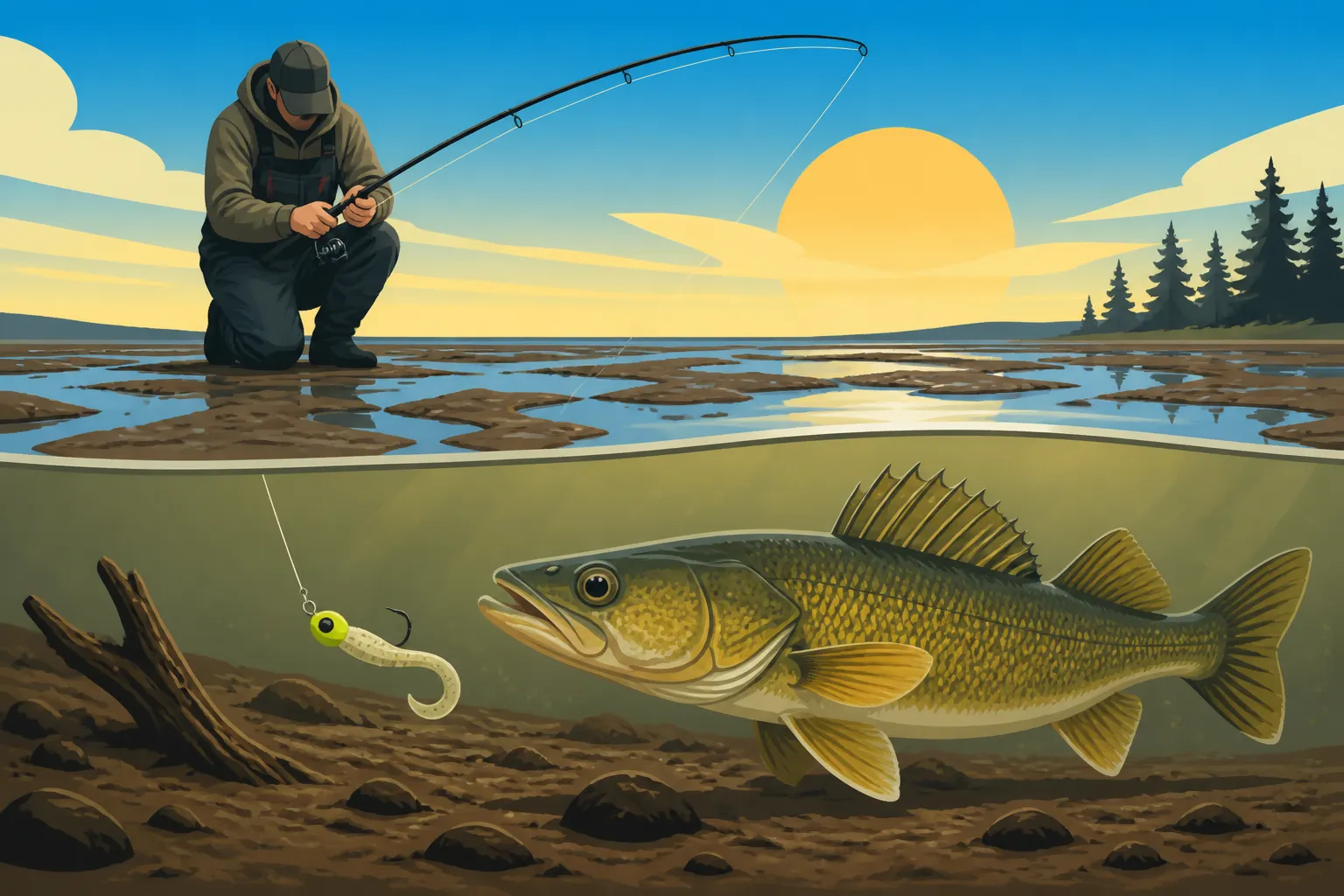
Mille Lacs mud flats are large, relatively flat areas of the lake bottom primarily composed of soft sediment, silt, and decaying organic matter. Unlike the hard rock reefs or sandy beaches, these areas feel soft and mucky. They can range from a few acres to several square miles and are typically found in deeper basins or transitions between hard structure and the main lake trough. What makes them so important for walleye is their rich ecosystem. The soft bottom allows for abundant insect larvae, bloodworms, and other invertebrates to thrive. More importantly, these flats are a primary forage area for various baitfish species, particularly tullibee (cisco) and perch, which are the cornerstone of the walleye diet in Mille Lacs. Walleye move onto these flats to ambush these baitfish, especially during certain times of the day or year.
The presence of baitfish means a consistent food supply, making mud flats prime hunting grounds for walleye. Even though they may seem featureless, subtle variations in depth, patches of harder bottom, or slight rises can concentrate bait and predators alike. Learning to identify these nuances with your electronics is key. Think of them as underwater prairies, constantly teeming with life, where walleye can roam freely but also hold tight to any slight deviation from the norm.
Identifying Mud Flat Locations and Transitions
Locating productive mud flats on Mille Lacs begins with a good lake map. Modern GPS units with mapping software like Lakemaster or Navionics are invaluable, clearly delineating soft bottom contours from hard bottom. You’ll notice vast areas marked as "soft bottom" or "mud" in depths typically ranging from 20 to 35 feet, though they can be shallower or deeper depending on the specific flat. Some of the most well-known mud flats on Mille Lacs include the Hennepin Island mud, Pope's Point mud, the areas near Garrison Bay, and the extensive flats in the central basin.
The magic often happens on the edges and transitions of these flats. Look for where the mud flat meets a gravel bar, a rock reef, or even a steep breakline dropping into a deeper basin. Walleye frequently patrol these transitional zones, moving up onto the flats to feed and then retreating to deeper, cooler, or more structured areas. Subtle rises or "humps" within the mud flat itself can also be walleye magnets, acting as underwater ambush points. Pay close attention to these contours on your map, marking potential hotspots as waypoints. Over time, you'll start to recognize patterns of how walleye utilize different parts of the mud flats based on weather, time of day, and season. A detailed Mille Lacs Lake Map: Mud Flats & Structure can be your best friend here.
Seasonal Strategies for Mud Flats
The approach to fishing Mille Lacs mud flats changes dramatically throughout the year. Walleye behavior is highly influenced by water temperature, light conditions, and the availability of their primary forage. Adapting your techniques to these seasonal shifts is crucial for consistent success.
Spring and Early Summer Walleye Patterns
As the ice retreats and the water begins to warm in spring, walleye are still recovering from their spawn and are often found shallower. However, once the initial flurry of the walleye opener subsides, and especially by late May and June, many walleye begin to move towards the mud flats. In the spring and early summer, they often relate to the shallower edges of the flats, particularly those adjacent to spawning areas or newly emerging weed lines. These transitional zones offer easy access to warming water and the early hatches of insects or small baitfish.
During this period, walleye can be found cruising the 15-25 foot range on the flats. Techniques that cover water efficiently, like trolling shallow-diving crankbaits or slowly dragging live bait rigs, become highly effective. Pay close attention to the wind, as a consistent breeze pushing baitfish onto a specific edge of a flat can create a phenomenal bite. You can find excellent advice on Early Season Walleye After the Opener which often includes mud flat transitions.
Mid-Summer Walleye on the Flats
Mid-summer is arguably when Mille Lacs mud flats truly shine for walleye. As surface temperatures soar, walleye in many lakes move to deeper, cooler water. On Mille Lacs, this often means they relocate to the vast, deeper portions of the mud flats, especially those in the 25-35 foot depth range. Here, they follow the schools of tullibee and perch that also gravitate to these cooler, oxygen-rich environments. This is a classic pattern for Summer Walleye Patterns: Deep Structure in Minnesota.
During this time, slow presentations are key. Lindy rigging with large leeches or nightcrawlers is a traditional favorite, allowing you to stay precisely on bottom where walleye are often belly-to-the-mud. Bottom bouncing with a spinner rig and a crawler is another devastating tactic for covering vast stretches of the flats. Pay close attention to your electronics, not just for fish arches, but for the presence of baitfish clouds, which are a dead giveaway that walleye are nearby. Often, the bigger walleye will suspend slightly above the bait or along the very bottom, waiting for an easy meal.
Fall and Turnover Tactics
As summer fades and autumn approaches, the lake experiences a "turnover" period, where the water column mixes. This can temporarily scatter fish, but once the water stabilizes and begins to cool significantly, walleye once again become highly active on the mud flats. This period, from late September through October, can offer some of the best trophy walleye fishing of the year on Mille Lacs. Many anglers find success focusing on the deeper edges and humps of the flats as baitfish school up in preparation for winter.
During the fall, walleye often become more aggressive and are willing to chase larger baits. Trolling larger crankbaits or casting heavy jigs with plastic tails can be incredibly effective, especially during low-light periods. The fish are actively feeding, trying to put on weight for the upcoming winter. Don't be afraid to experiment with brighter, more aggressive colors as the water cools and clarity changes. For more insights on this time of year, check out our guide on Fall Walleye Fishing: Turnover & Cold Water.
Essential Gear and Rigging for Mud Flat Walleye
Success on the Mille Lacs mud flats hinges not just on finding the fish, but on presenting your baits effectively. This means having the right gear, from sensitive rods to the ideal terminal tackle. You'll want to be prepared for both subtle bites and aggressive strikes.
Rods, Reels, and Line Selection
For fishing mud flats, a sensitive medium-light to medium-power spinning rod around 6'6" to 7'6" is generally ideal. The extra length provides better line control, especially when dragging live bait or jigging in deeper water, and helps with longer casts if you’re pitching jigs. Graphite rods are excellent for transmitting subtle bites through the soft bottom. Popular choices for Best Walleye Rods & Reels often feature fast or extra-fast actions, allowing for quick hook sets. Pair this with a reliable spinning reel in the 2000-3000 size, spooled with a no-stretch braided line like PowerPro or Sufix 832 in 8-10 pound test.
The braided mainline offers superior sensitivity, which is critical for detecting light bites in soft bottom conditions and at greater depths. It also has no stretch, ensuring solid hooksets. Always tie on a 6-10 foot fluorocarbon leader, typically 8-10 pound test, for stealth and abrasion resistance. Fluorocarbon is nearly invisible underwater and holds up well against the occasional rock or zebra mussel that might be mixed in with the mud. For those seeking quality gear, a quick search on Amazon for "walleye spinning combo" will show you a plethora of excellent options.
Live Bait Rigs and Lures
When targeting walleye on the mud flats, having a variety of live bait rigs and lures is essential. Each has its place depending on conditions and fish mood.
- Lindy Rigs: This classic Minnesota presentation is arguably king on the mud flats. A standard Lindy rig consists of a walking sinker (1/2 oz to 1 oz, depending on depth and wind), a swivel, a 4-6 foot fluorocarbon leader, and a snelled hook (e.g., a #4 or #2 Octopus hook). The beauty of the Lindy Rig is its natural presentation, allowing your bait (typically a large leech, a full nightcrawler, or a minnow) to float or drift just above the bottom. The long leader lets the bait move freely, enticing wary walleye. Learning How to Fish a Lindy Rig for Walleye is a must for any serious Mille Lacs angler.
- Bottom Bouncers and Crawler Harnesses: For covering water more efficiently, especially when fish are scattered, a bottom bouncer rig with a spinner harness is incredibly effective. The bottom bouncer acts like a lead-forward keel, keeping your bait off the bottom while you slowly troll or drift. Attach a brightly colored spinner rig with two hooks and a full nightcrawler. The flash and vibration of the blade, combined with the scent and action of the crawler, are irresistible to actively feeding walleye. This is a fantastic search tool, and you can find many pre-tied Bottom Bouncer & Crawler Harness for Walleye options on Amazon.
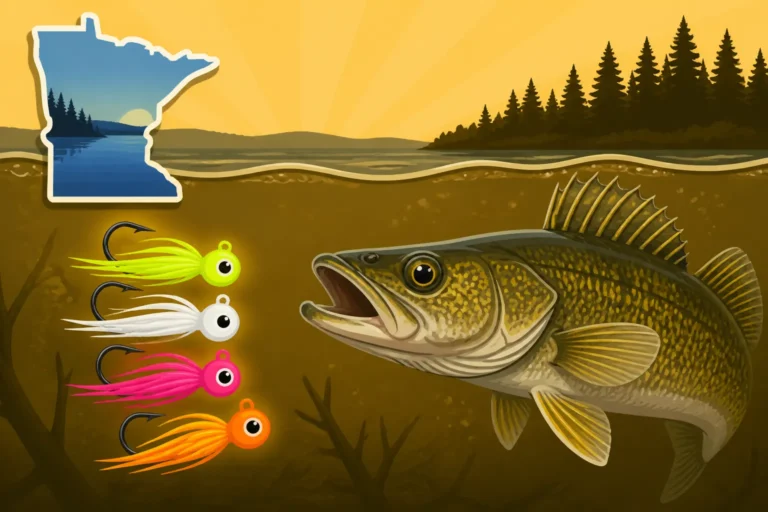
- Jigs and Plastics/Live Bait: When walleye are concentrated or more aggressive, vertical jigging can be deadly. Use jigs ranging from 1/4 oz to 3/4 oz, tipped with a minnow (shiners or fatheads), a leech, or soft plastics like a Berkley Gulp! Minnow or a paddle-tail swimbait. Snap jigging or slow dragging jigs can trigger strikes. Experiment with colors; sometimes a chartreuse or orange jig is the ticket, while other days, natural colors like brown or green pumpkin excel. For a comprehensive guide on bait options, refer to Best Live Bait for Walleye (Leeches, Minnows, Crawlers).
- Crankbaits: Trolling crankbaits, particularly diving crankbaits that reach mud flat depths, can be a fantastic way to locate active fish or cover water quickly. Choose baits that run in the 20-35 foot range, such as Berkley Flicker Shads, Rapala Deep Down Husky Jerks, or Salmo Hornets. Match the hatch with colors that mimic tullibee or perch, or go with bright, aggressive patterns.
Reading Electronics on the Mud Flats
In a vast lake like Mille Lacs, fishing without reliable electronics on the mud flats is like trying to navigate a dense forest blindfolded. Your fish finder isn't just for seeing fish; it's for understanding the bottom composition, depth changes, bait presence, and ultimately, where walleye are most likely to be holding.
Interpreting Your Sonar for Walleye
When you're over a mud flat, your 2D sonar will typically show a soft, often "fuzzy" or "thick" bottom return, indicating the soft sediment. Unlike rock reefs that show a hard, distinct line, mud will have a broader, sometimes faded bottom echo. The key is to look for deviations. Any slight increase in density on your screen could indicate a harder patch within the mud, which often attracts baitfish and walleye. These subtle changes, sometimes only a foot or two in elevation, can be holding zones.
Fish arches will appear as distinct "boomerangs" if they are directly under your transducer. On mud flats, walleye often hug the bottom, so watch for arches that are right on or very close to the bottom line. Sometimes, you'll see a faint "lift" in the bottom, which is actually a walleye lying flat against the mud. Additionally, look for schools of baitfish, which will appear as clouds or masses of smaller dots. Walleye won't be far behind these bait concentrations. Pay attention to the thermocline (if present), as walleye will often orient themselves above or below it, depending on oxygen levels and baitfish location.
Utilizing Side Imaging and Down Imaging
For truly unlocking the secrets of the mud flats, side imaging and down imaging are game-changers. These technologies provide a much clearer, photographic-like view of the underwater world.
- Down Imaging: This gives you a high-resolution, narrow beam view directly below your boat. It excels at showing distinct features on the bottom, like individual logs, subtle humps, or even baitfish tightly clustered near the bottom. When you see a "harder" patch within the mud on your 2D, switch to down imaging to confirm its nature. You might see clearer returns, indicating a gravel patch or even a small rock pile that 2D might miss. Walleye will often appear as clear, white returns on the bottom, sometimes with shadows indicating their position relative to structure.
- Side Imaging: This is invaluable for searching wide swaths of the mud flat. Instead of just seeing what's directly below, side imaging projects beams out to the sides of your boat, scanning up to hundreds of feet. You can quickly identify subtle breaklines, small humps, rock piles, or even individual large boulders that would be impossible to find with 2D sonar alone. When you see a promising feature off to the side, mark a waypoint, turn your boat, and move over it to investigate further with 2D and down imaging. This allows you to efficiently scout vast areas of the seemingly featureless flats, identifying key ambush points for walleye. Humminbird's Mega Imaging and Garmin's LiveScope (though LiveScope is forward-facing, not strictly side imaging) are excellent examples of technologies that give you an incredible edge on these vast flats.
Tactics for Different Mud Flat Conditions
Mille Lacs is a big lake, and conditions can change quickly. Wind, sunlight, and water clarity all influence how walleye behave on the mud flats. Adapting your presentation to these variables is key to consistent success.
Dealing with Wind and Waves
Wind is a double-edged sword on Mille Lacs. While a good chop can often turn on the walleye bite by disorienting baitfish and creating low-light conditions underwater, strong winds can make boat control and presentation incredibly challenging.
- Moderate Wind (Chop to 1-foot waves): This is often ideal. The chop breaks up the surface, making walleye feel more secure. It also pushes baitfish, creating "currents" on the flats that walleye will orient to. On these days, focus on the windblown edges of mud flats. Drift fishing with Lindy rigs or bottom bouncers, allowing the wind to propel your boat, can be very effective. Use your Minn Kota Ulterra or Terrova trolling motor to adjust your drift speed and direction, ensuring you stay on track. If drifting, use heavier sinkers (e.g., 3/4 oz or 1 oz for Lindy rigs, heavier bottom bouncers) to maintain bottom contact in the chop.
- Heavy Wind (2+ foot waves): When the wind really picks up, boat control becomes paramount. Staying on a precise depth contour or holding a consistent speed can be nearly impossible without advanced trolling motors. In these conditions, many anglers will either seek out more protected mud flats (if available) or switch to trolling techniques that allow for better control. Trolling crankbaits into or against the wind, using a robust trolling motor like a Minn Kota Ultrex, can help maintain your boat's position and speed. Alternatively, consider anchoring upwind of a known hotspot on the mud flat and casting jigs with plastics or live bait into the drift.
Fishing in Clear vs. Stained Water
Water clarity also plays a significant role in walleye behavior and your choice of lure. Mille Lacs is generally a clear lake, but localized conditions, especially after heavy rains or strong winds, can create more stained areas.
- Clear Water Conditions: In typical clear Mille Lacs water, walleye rely heavily on their excellent eyesight. This means stealth and natural presentations are often best. Use longer fluorocarbon leaders on your live bait rigs (6-8 feet) to keep your mainline further from the bait. Opt for natural colors in your jigs, plastics, and crankbaits – blues, greens, browns, and silver. Light line (8-pound test fluorocarbon leaders) is beneficial. Fish during low-light conditions (dawn, dusk, cloudy days) or at night, as walleye are more active under these circumstances in clear water. This is where Night Fishing for Walleye in Minnesota really shines.
- Stained or Choppy Water: When the water is stained or there's a good chop, visibility is reduced. Walleye then rely more on their lateral line (to detect vibrations) and sense of smell. This is when you can get away with heavier line, shorter leaders, and more aggressive presentations. Brighter colors like chartreuse, orange, and firetiger in crankbaits and jigs can become very effective. Lures with rattles or strong vibrations also help walleye locate them. Scented baits, like Berkley Gulp! products or adding a dab of Pro-Cure scent to your live bait, can also make a difference. Don't be afraid to experiment with faster retrieve speeds or more erratic jigging actions.
Conservation and Responsible Angling on Mille Lacs
Mille Lacs Lake is a precious resource, and its walleye fishery is closely managed. As responsible anglers, it's our duty to understand and adhere to regulations, practice good stewardship, and help preserve this fantastic lake for future generations. Ignoring the rules can lead to significant Penalties for Keeping Over-Limit Fish in Minnesota.
Understanding and Following Regulations
The Minnesota Department of Natural Resources (DNR) works tirelessly to manage the Mille Lacs fishery, and regulations can change frequently based on population assessments and harvest goals. It is absolutely critical to stay informed about the most current rules.
- Walleye Limits and Slot Limits: Mille Lacs is famous for its special walleye regulations, often featuring slot limits (e.g., a protected slot where fish within a certain size range must be immediately released) and specific bag limits that can vary by season or even by week. For example, some years have seen a one-fish limit within a very specific slot, or even periods of catch-and-release only. Always check the official DNR regulations before heading out. Our article on Mille Lacs Walleye Regulations (2026) provides a detailed breakdown, but always cross-reference with the DNR.
- Other Species: While walleye are the primary draw, Mille Lacs also holds impressive smallmouth bass, northern pike, and muskie. Be aware of the regulations for these species too, as their limits and seasons are also strictly enforced. Always check the general Minnesota Fishing Limits: Bag & Possession (2026) for any other species you might incidentally catch.
| Technique | Primary Depth Range (feet) | Best Conditions | Bait/Lure Examples | Advantages | Considerations |
|---|---|---|---|---|---|
| Lindy Rigging | 20-35 | Clear water, light wind | Leeches, Nightcrawlers, Minnows | Natural presentation, excellent for wary fish | Slow, requires good boat control |
| Bottom Bouncing | 15-30 | Moderate wind, searching | Crawler Harnesses, Spinners | Covers water, active presentation | Can be less subtle than a Lindy rig |
| Vertical Jigging | 15-35 | Fish concentrated, calm | Jigs with minnows, plastics | Precise presentation, triggers reaction bites | Requires active fish, limited coverage |
| Trolling Crankbaits | 10-30 | Stained water, heavy wind | Deep-diving crankbaits (Flicker Shad, Husky Jerk) | Covers vast areas, good in rough water | Less direct bottom contact, can be hardware-intensive |
Practicing Catch and Release Effectively
Due to the sensitive nature of the Mille Lacs walleye fishery, catch and release is an integral part of fishing the lake, especially for fish within protected slot limits or when the overall harvest limit has been reached. Proper handling ensures the survival of released fish.
- Minimize Handling Time: Get the fish in, unhook it, and release it as quickly as possible.
- Use Barbless Hooks: Crushing the barbs on your hooks makes removal much easier and less damaging to the fish.
- Wet Hands: Always wet your hands before touching a fish. Dry hands can remove the protective slime coat, making the fish susceptible to disease.
- Support the Fish: When holding a walleye for a photo, support its body horizontally, especially larger fish. Avoid holding them vertically by the jaw alone, which can damage their internal organs.
- Revive If Necessary: If a fish looks sluggish upon release, hold it gently in the water, facing into any current, until it kicks strongly and swims away on its own. For more detailed instructions, our guide on Catch and Release Best Practices in Minnesota is an excellent resource.
Preventing the Spread of Aquatic Invasive Species
Mille Lacs is home to several aquatic invasive species (AIS), including zebra mussels and starry stonewort. It's everyone's responsibility to prevent their further spread. Always follow the "Clean, Drain, Dry" protocol.
- Clean: Inspect your boat, trailer, and all fishing gear for any aquatic plants or animals. Remove them thoroughly.
- Drain: Completely drain all water from your boat (livewells, bilge, bait buckets) before leaving the access point. Pull your drain plug. Remember, the Minnesota AIS Drain Plug Law Explained mandates this.
- Dry: Allow your boat and gear to dry thoroughly for at least 5 days before launching into another body of water. If drying isn't possible, a high-pressure, hot water wash at a commercial car wash can also be effective. Always be mindful of your role in protecting Minnesota's waters; our future fishing depends on it.
Disclaimer
Fishing regulations and conditions can change. Always consult the official Minnesota Department of Natural Resources (DNR) website for the most current rules and advisories before heading out on the water. This guide is for informational purposes only and should not replace official sources.