Is a Fishing License Required on Forest Lake?
Planning a day on the water at Forest Lake can quickly turn from an exciting morning of packing the cooler to a stressful moment of doubt when you realize you aren't sure about the current DNR requirements. Whether you are casting from a public dock near downtown or taking the pontoon out to the deeper basins, knowing if you need a license is the first step to avoiding a costly citation. This guide clarifies exactly who needs a license on Forest Lake and how to stay legal.
Do You Need a Fishing License on Forest Lake?
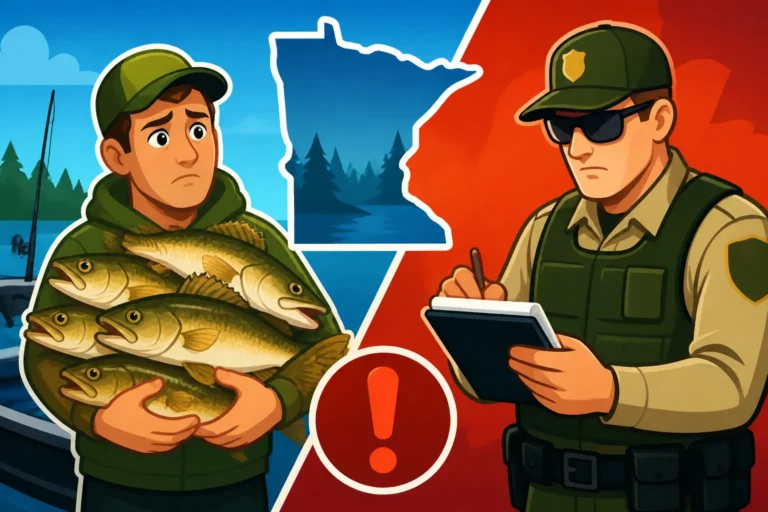
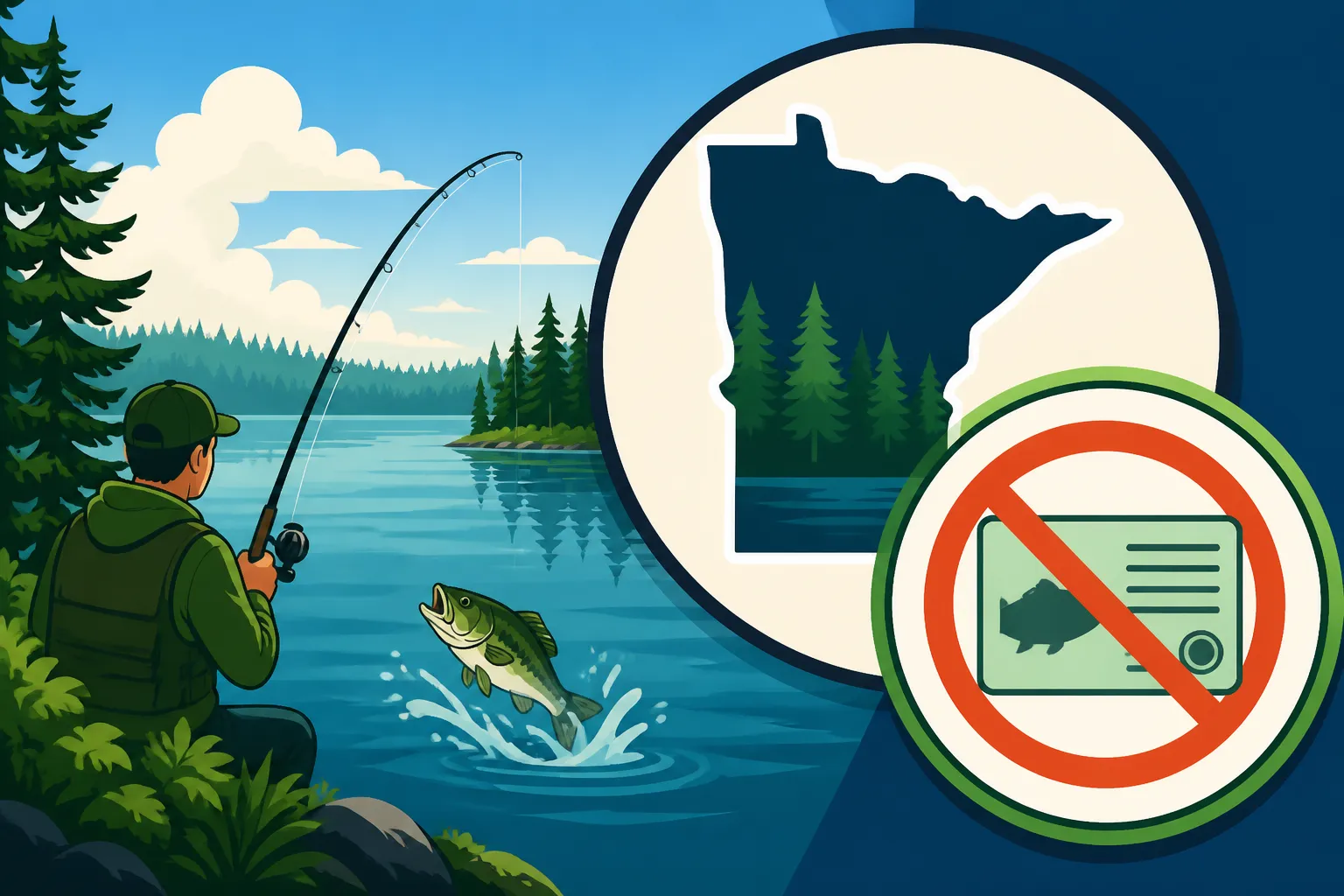
The short answer is yes. Forest Lake is a public body of water managed by the Minnesota Department of Natural Resources (DNR). Because it is a public resource, almost every adult angler is required to carry a valid license. I have spent many mornings at the boat launches on the west side of the lake, and it is not uncommon to see DNR officers performing routine checks. They aren't just looking for your limit of fish; they are checking to ensure everyone has paid into the system that keeps these waters stocked and healthy.
If you are a Minnesota resident between the ages of 16 and 89, you must have a license to fish Forest Lake. This applies whether you are targeting the lake's famous muskies, looking for a mess of crappies, or just sitting on a dock with a bobber. For many, the Minnesota Fishing License: Cost, Types & How to Buy (2026) is the first thing to purchase every spring. It is a small price to pay for a full year of access to one of the metro area’s most productive fisheries.
Nonresidents have different rules. If you are visiting from out of state to enjoy a weekend at one of the local rentals or visiting family, you are required to have a license if you are 16 or older. The DNR offers various options for visitors, ranging from a 24-hour pass to a full-season nonresident license. If you are only in town for a quick Saturday afternoon, a one-day license is often the most logical and cost-effective choice.
Exceptions to the License Requirement
While the general rule is that you need a license, there are several specific exceptions that might apply to you or your family. One of the most common questions I get from parents is whether their kids need a license. In Minnesota, children under the age of 16 do not need a license to fish. This is a fantastic way to get the younger generation involved in the sport without an immediate financial hurdle. For more details on these age-specific rules, check out the guide on Minnesota Fishing License for Kids & Youth.
Seniors also have unique considerations. While residents aged 16 to 89 need a license, those 90 and older can fish without one. Additionally, there are specific discounted rates and rules for residents with permanent disabilities or those currently serving in the military. It is always worth checking if you qualify for these exemptions before heading to the bait shop, as it could save you a significant amount over the course of a season.
Another major exception is the designated free fishing periods. Every year, Minnesota holds specific weekends where residents can fish without a license. These usually coincide with Take-A-Kid-Fishing weekend or Take-A-Mom-Fishing weekend. If you are planning a trip during these times, consult the Free Fishing Weekend 2026 Dates to see if you can skip the license purchase legally. However, remember that all other regulations, like bag limits and lure restrictions, still apply even during free weekends.
| License Type | Who Needs It? | Validity Period |
|---|---|---|
| Resident Individual | MN Residents 16-89 | Full Season (March 1 – Feb 28) |
| Resident Married Couple | MN Resident Spouses | Full Season |
| Nonresident Individual | Out-of-state visitors 16+ | Full Season or Short-term |
| Youth License | Residents/Nonresidents under 16 | Not Required |
| Senior License | MN Residents 65-89 | Reduced Rate Annual |
| 24-Hour License | Anyone 16+ | 24 Hours from start time |
Understanding Forest Lake Specific Regulations
Forest Lake isn't just one big bowl of water; it’s actually three distinct "pools" or basins, often referred to as First, Second, and Third Lake. Each has its own character, but the fishing regulations are consistent across all three. When you are out there, you need to be aware that having a license is only half the battle. You must also follow the specific limits for the species you are targeting. For instance, the pike population here is managed carefully, and you should be familiar with the Minnesota Northern Pike Limits by Zone to ensure any fish you keep are within the legal size and count.
The lake is a popular destination for panfish enthusiasts. If you are searching for dinner, you’ll likely be looking for black crappie or bluegill. It is easy to get caught up in a hot bite and lose track of how many fish are in your bucket, but the DNR is strict about daily takes. To stay on the right side of the law, make sure you have reviewed the Minnesota Crappie & Sunfish Limits before you start your first drift. Keeping a small measuring tape and a counter on your boat can save you from an accidental "over-limit" fine.
Furthermore, Forest Lake has been a focus for Aquatic Invasive Species (AIS) prevention. Even if you have your license tucked safely in your wallet, you can still face penalties if you don't follow the transport laws. This means pulling your drain plug and ensuring your boat is free of weeds before leaving the access. For a step-by-step guide on how to stay compliant, see How to Decontaminate Your Boat (AIS). The inspectors at the Forest Lake public ramps are very diligent, and they are there to help protect the lake from zebra mussels and Eurasian watermilfoil.
Where to Buy Your License Near Forest Lake
If you’ve arrived at the lake and realized you forgot to renew your license, don't panic. There are several ways to get legal within minutes. The most modern and convenient method is through the Minnesota DNR’s online licensing system. You can use your smartphone right at the boat launch to purchase a license, and the digital confirmation is valid for immediate use. Just make sure your phone has enough battery life to show the officer if you get stopped.
For those who prefer a physical copy or a bit of local advice, there are several vendors in the Forest Lake area. Local hardware stores and major retailers like Walmart often have a dedicated counter for hunting and fishing licenses. If you are stopping for bait at one of the local shops along Highway 61 or near the downtown area, you can usually pick up your license there as well. These shops are also great places to ask about What Fish Are Biting in Minnesota Right Now? to get an edge on the local competition.
It is worth noting that you will need to provide your Social Security Number if it’s your first time buying a license in the system, or your MDNR customer number if you are a returning angler. If you don't have a traditional ID on you, there are still ways to navigate the process. You can find more information on this specific situation in the guide on Minnesota Fishing License Without an ID. Having your information ready will make the process at the bait shop much smoother, getting you on the water faster.
The Consequences of Fishing Without a License
I often hear people say, "I'm just taking a few casts, I don't need a license for that." Unfortunately, the DNR does not see it that way. The moment your line enters the water with the intent to catch a fish, you are legally fishing. If an officer finds you without a valid license, the penalties can be quite steep. Fines often start at over $100, which is significantly more than the cost of a standard annual license.
Beyond the initial fine, there are other risks involved. In some cases, officers have the authority to seize your fishing gear, including expensive rods, reels, and even your tackle box, as evidence. If you are found with fish in your possession while unlicensed, you can face additional "restitution" fees for each fish. These fees are designed to reflect the cost of replacing that resource in the environment. For a deeper look at the legal side of things, read What Happens If You Fish Without a License in Minnesota?.
The most important thing to remember is that license fees go directly back into the conservation of the lake. They fund the stocking programs, the maintenance of public piers, and the research that keeps Forest Lake a premier destination for walleye and muskie. By skipping the license, you aren't just risking a fine; you are failing to support the very resource you are enjoying. To understand the broader impact of these rules, you might want to look into Minnesota Possession Limits Explained to see how the DNR manages fish populations for future generations.
Essential Tips for a Legal Trip to Forest Lake
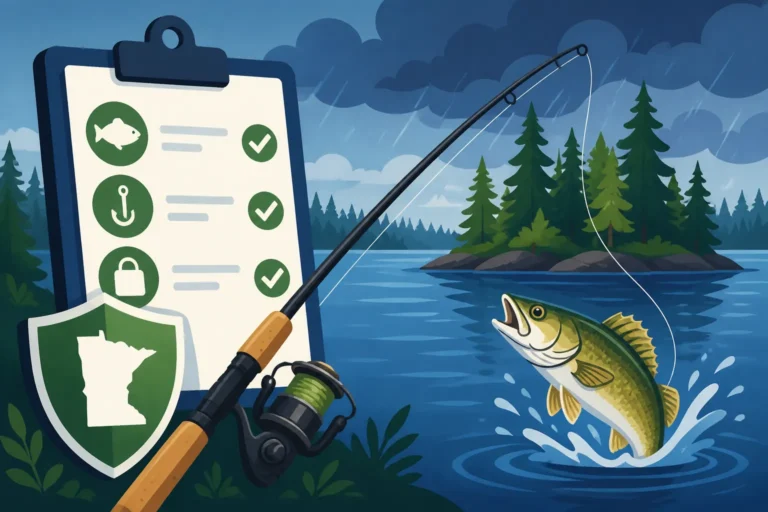
To ensure your trip to Forest Lake is stress-free, I recommend a quick checklist before you leave the house. First, check the expiration date on your current license. Minnesota licenses typically run from March 1st to the end of the following February. If it’s early March, you might be fishing on an expired tag without even realizing it. Second, verify the Minnesota Fishing Seasons & Opener Dates (2026) to make sure the species you are targeting is actually in season. Catching a walleye out of season—even with a license—is a major violation.
Lastly, be mindful of your "possession." This doesn't just mean the fish in your livewell; it includes fish you have at home in the freezer. Many people don't realize that their total limit includes what they’ve already kept from previous trips. If you have a limit of crappies in the freezer at your cabin and you catch another limit on the lake, you are technically over the possession limit. Keeping track of this is vital for staying within the law.
Forest Lake is a gem of the north metro, offering everything from quiet bays to wide-open basins. It is a place where memories are made, whether it's a child's first sunfish or a veteran's personal best muskie. By taking the five minutes to ensure you have your license and understand the local rules, you can focus on what really matters: the pull on the end of your line and the sun setting over the water.
Disclaimer
This guide is intended for informational purposes only and does not constitute legal advice. While every effort is made to provide accurate and up-to-date information regarding Minnesota fishing regulations for 2026, rules can change. Always consult the official Minnesota Department of Natural Resources (DNR) Fishing Regulations handbook or website before your trip to ensure compliance with the most current laws and local ordinances.