Is It Legal to Spear Walleye in Minnesota?
You are sitting in a dark house, the glow from the ice hole illuminating the turquoise water below, when a thick, golden-scaled walleye drifts slowly into your view. Your hand reaches for the spear, but your brain hits the brakes: is this legal? Navigating Minnesota’s complex spearing regulations is a massive headache for many anglers who want to enjoy the tradition without facing heavy DNR fines. This guide clarifies exactly which fish are spear-safe and why walleye remain strictly off-limits to ensure you stay on the right side of the law.
The Absolute Legal Reality of Spearing Walleye in Minnesota
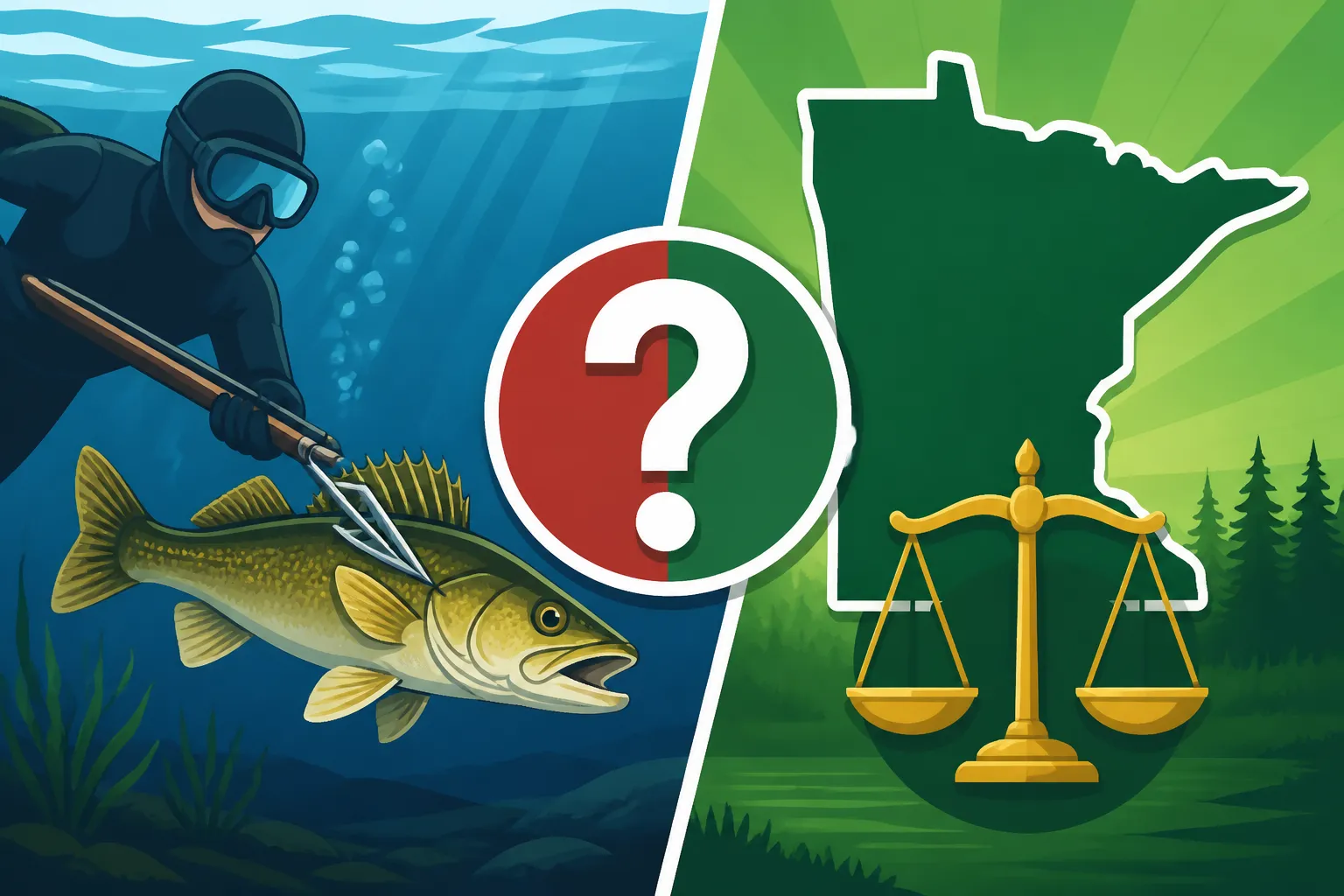
To put it as simply as possible: no, it is not legal for recreational anglers to spear walleye in Minnesota. If you are out on one of our 10,000 lakes with a spear in your hand, walleye are considered a "look but don't touch" species. Under Minnesota Department of Natural Resources (DNR) regulations, walleye are classified as a primary game fish. This classification carries significant weight, as it limits the methods of harvest strictly to hook-and-line angling. While you might see a trophy-sized walleye cruise through your spearing hole while you are waiting for a Northern Pike, dropping that spear would result in immediate legal trouble.
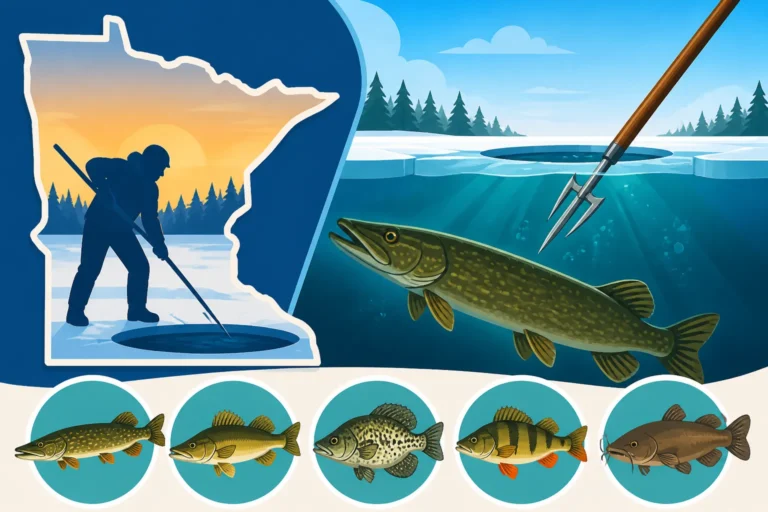
The frustration is real for many who see these fish in shallow water during the winter months. Because walleye often frequent the same weedy flats as Northern Pike, they are a frequent visitor to dark houses. However, the law is very specific about which species are open to the spear. When you purchase a Minnesota Spearing License & Legal Species permit, you are entering into an agreement to target only the fish explicitly listed as legal. This includes Northern Pike, catfish (in specific instances), and various "rough fish" like carp and buffalo. Walleye, along with largemouth bass, smallmouth bass, and muskellunge, are protected from spearing to maintain their populations and ensure they are available for the state's massive angling community.
The distinction between angling and spearing is rooted in the "selectivity" of the harvest. When you are angling, you can often practice catch-and-release if a fish is outside of a specific slot limit. Spearing, by its very nature, is a terminal harvest method. Once a fish is speared, it cannot be returned to the water with a high chance of survival. Because walleye are the most sought-after fish in the state, the DNR keeps a tight grip on how they are taken to prevent over-harvesting in sensitive areas.
Why Walleye Are Classified Differently
Walleye are the crown jewel of Minnesota fishing. Because they grow relatively slowly and are subject to immense fishing pressure, the DNR uses every tool in the shed to manage their numbers. Allowing spearing would essentially open a "backdoor" to harvesting these fish in a way that is far more efficient than hook-and-line fishing in certain conditions. In the clear, shallow waters where dark house spearing takes place, a walleye is a sitting duck.
Furthermore, the Minnesota Walleye Limit & Size Rules are designed around the idea that anglers can measure their catch and release those that fall within a protected slot. If spearing were legal, the concept of a "slot limit" would effectively vanish because you cannot accurately measure a fish to the inch before the spear is thrown. Protecting them from spears ensures that the complex management plans for lakes like Mille Lacs or Winnibigoshish remain intact.
The Role of Game Fish Status
In Minnesota, the term "game fish" isn't just a label; it’s a legal barrier. Game fish are generally those that provide significant recreational and economic value to the state through traditional angling. By keeping walleye off the spearing list, the state ensures that the Walleye Season & Limit in Minnesota remains balanced. Spearing is a highly effective method that could quickly deplete a local population of walleye, especially the large spawning females that tend to cruise the shallows where spearers set up their shacks.
There is also a historical context to this. Spearing was traditionally viewed as a way to harvest "rough" or "excess" fish, whereas angling was seen as the "sporting" way to pursue game fish. While modern dark house spearing for pike is recognized as a legitimate and respected sport, the tradition has never expanded to include walleye for the general public due to the conservation risks involved.
Legal Species and Methods for Minnesota Spearers
While the news about walleye might be disappointing for some, Minnesota still offers incredible opportunities for those who love the ancient art of spearing. The primary target for almost everyone in a dark house is the Northern Pike. Unlike walleye, Northern Pike are abundant and, in many parts of the state, are actually overpopulated in smaller size classes. This makes them the perfect candidate for spearing.
When you head out, you need to be aware of the specific Minnesota Northern Pike Limits by Zone. The state is divided into different management zones—North-Central, Northeast, and South—and each has its own rules for how many pike you can keep and what sizes are legal for spearing. In the North-Central zone, for example, there is a "protected slot," but spearers are often given a specific allowance to take one fish over a certain length. It is your responsibility to know which zone your lake falls into before you cut your hole.
Spearing Rough Fish and Catfish
Beyond pike, you can legally spear "rough fish." This category includes species that aren't typically sought after for their meat by the general public but are fun to target and often invasive or over-abundant. Species like common carp, bowfin (dogfish), and buffalo are all fair game. Spearing these fish can actually be a benefit to the lake's ecosystem, as it helps remove species that may be outcompeting game fish for resources.
Interestingly, catfish have recently seen some changes in spearing regulations. In certain waters and during specific seasons, it has become legal to spear channel catfish. However, this is not a statewide "free-for-all." You must check the Minnesota Spearing License & Legal Species guidelines for the current year to see if the lake you are on allows for catfish harvest via spear.
| Species | Spearing Legal? | Notes |
|---|---|---|
| Walleye | No | Strictly prohibited for recreational spearers. |
| Northern Pike | Yes | Must follow zonal size and bag limits. |
| Muskellunge | No | Illegal to spear in all state waters. |
| Carp / Buffalo | Yes | Classified as rough fish; generally no limit. |
| Catfish | Partial | Only in specific waters; check current year rules. |
| Largemouth Bass | No | Protected game fish status. |
The Equipment and Licensing Side
Before you even think about putting a spear in the water, you must have the correct paperwork. This isn't just a standard fishing license; you often need a specific spearing validation. If you are wondering How Much Is a Minnesota Fishing License? or what the added cost for spearing is, it’s generally a small fee added to your resident or non-resident annual license.
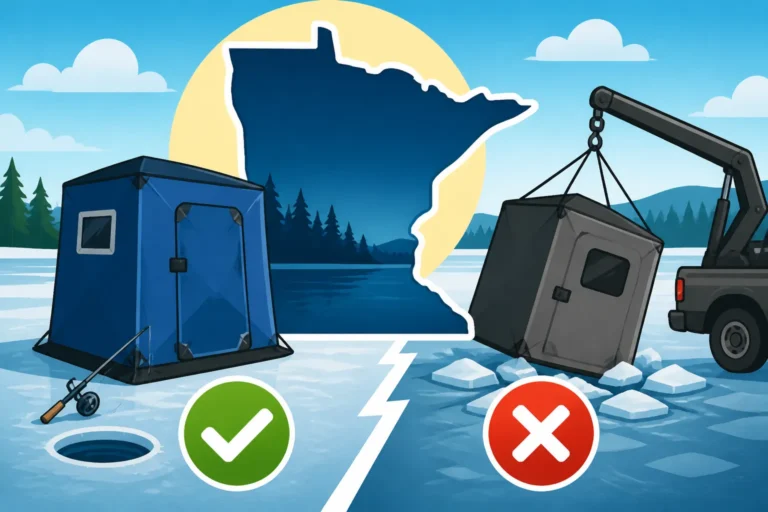
Additionally, your dark house or portable shelter needs to be properly licensed if you plan to leave it on the ice overnight. The Minnesota Ice House License & Rules stipulate that any shelter used for spearing must have its license tag clearly displayed. Furthermore, the hole you cut for spearing is much larger than a standard 8-inch auger hole. You are legally required to mark these holes when you leave so that snowmobilers or other anglers don't accidentally fall in. Usually, this involves placing evergreen branches or large blocks of ice near the hole to make it visible from a distance.
Exceptions to the Rule: Tribal Rights and Special Permits
There is one major exception to the "no spearing walleye" rule that often causes confusion among Minnesota residents: tribal harvest rights. Under various treaties, members of certain Native American tribes have the legal right to harvest walleye using spears in specific lakes, primarily during the spring spawning season.
This is a sovereign right that is managed independently of the Minnesota DNR's recreational rules. If you see people spearing walleye on a lake like Mille Lacs in the spring, it is almost certainly a regulated tribal harvest. For the non-tribal public, this does not change the law—it remains illegal for you to spear walleye. It is important to understand this distinction to avoid unnecessary conflict and to respect the legal framework of treaty rights in the state.
Why You Might See "Illegal" Spearing
Occasionally, people see videos or photos of walleye being speared and assume the law has changed. Usually, these are either filmed in different states (like parts of Wisconsin where certain rough fish spearing seasons are broader) or they are instances of poaching. The DNR takes poaching very seriously. If you are caught with a speared walleye, the Penalties for Keeping Over-Limit Fish in Minnesota will be the least of your worries.
Poaching a walleye with a spear can lead to:
- Confiscation of your spear, electronics, and potentially your vehicle.
- Heavy fines reaching into the thousands of dollars.
- Loss of all fishing and hunting privileges for several years.
- Permanent criminal record for a conservation violation.
If you ever see someone illegally spearing walleye, the best course of action is to call the Turn In Poachers (TIP) line. This helps protect the resource for everyone who follows the Catch and Release Best Practices in Minnesota and the legal angling seasons.
Alternatives to Spearing for Walleye Lovers
If you love the visual aspect of spearing—watching the fish move through the water—but you want to target walleye, there are ways to bridge the gap. Many modern anglers have moved toward "sight fishing" with a rod and reel. In shallow, clear lakes, you can sit in a dark house and use a standard jigging setup to target walleye that you can see with your naked eye.
This offers the same adrenaline rush as spearing but allows you to stay within the law. You can watch the walleye approach your lure, see how it reacts to different cadences, and experience the thrill of the "thump" when it strikes. If the fish is too small or within a protected slot, you simply unhook it and let it go. To get started with this, check out our guide on How to Catch Walleye Through the Ice in Minnesota.
Using Electronics to "See" Without Spearing
If the water isn't clear enough for sight fishing, technology has stepped in to provide a similar experience. Forward-facing sonar, like Garmin LiveScope, allows you to "see" the fish in real-time on a screen. You can watch a walleye swim toward your jig from 40 feet away. While it isn't the same as looking through a hole in the ice, it provides that visual confirmation that many spearers crave.
Many veteran spearers are actually adding a Vexilar vs Humminbird Ice Flasher: Which to Buy? setup to their dark houses. They use the spear for Northern Pike and keep a deadstick or a jigging rod nearby for when a walleye or a school of perch enters the area. This "multi-species" approach is the best way to enjoy a day on the ice while remaining fully compliant with Minnesota Ice Fishing & Shelter Rules.
Mastering the Tip-Up
Another great alternative for those who like the "set it and forget it" nature of spearing is using tip-ups. You can set a tip-up with a live minnow just outside your spearing shack. When the flag pops, you know you’ve got a bite. It’s a great way to put meat in the freezer while you spend your day peering through the ice hole for pike. Just make sure you follow the Minnesota Walleye Limit & Size Rules when you pull that fish through the hole.
Summary of Spearing Best Practices
To stay safe and legal this winter, always carry a copy of the Minnesota Fishing Regulations PDF: Where to Find It on your phone. Laws can change from year to year, and "I didn't know" is never a valid excuse when the conservation officer knocks on your door.
Remember these three pillars of Minnesota spearing:
- Target Species: Stick to Northern Pike and rough fish. Leave the walleye alone.
- Licensing: Ensure you have your angling license and your spearing validation.
- Safety: Mark your holes and follow all Minnesota Ice House License & Rules regarding shelter placement and identification.
Spearing is a beautiful, quiet, and intense way to experience a Minnesota winter. By respecting the game fish status of the walleye, we ensure that our state fish continues to thrive for generations of anglers to come. Whether you are after a monster pike or just some carp for the smoker, stay legal, stay warm, and enjoy the view through the ice.
Minnesota Fishing Regulations Disclaimer
The information provided in this guide is for educational and informational purposes only and does not constitute legal advice. Minnesota fishing regulations, including spearing laws and species-specific limits, are subject to change annually by the Department of Natural Resources (DNR). Always consult the official Minnesota Fishing Regulations handbook or the DNR website before heading out on the water. It is the responsibility of the individual angler to ensure they possess the correct licenses and are operating within the specific laws of the water body they are fishing. Failure to comply with state regulations can result in significant fines, loss of gear, and criminal charges.