Mille Lacs Lake Fishing Regulations (2026)
It can feel like you need a legal degree just to go fishing on Mille Lacs Lake, can't it? One of Minnesota's most iconic and productive fisheries, Mille Lacs has a reputation for world-class walleye, smallmouth bass, and muskie. But with that reputation comes a keen eye from the Minnesota Department of Natural Resources (DNR), leading to regulations that sometimes feel like they change with the wind. This guide is here to cut through the confusion and break down the specific Mille Lacs Lake fishing regulations you need to know for the 2026 season, so you can spend less time worrying and more time fishing.
Why Mille Lacs Lake Regulations Are Unique (and a Little Frustrating)
Mille Lacs isn't just any lake; it's a massive, complex ecosystem that supports a huge angling community, guides, resorts, and local businesses. Because of its prominence and the pressure it experiences, the DNR manages it with a detailed, often adaptive, approach. This means the rules can be a bit more dynamic than your average Minnesota lake.
The Ever-Changing Nature of Mille Lacs Rules
If you've fished Mille Lacs for any length of time, you've probably experienced the whiplash of new regulations being announced, sometimes just weeks before the season opener. This isn't just the DNR trying to keep us on our toes; it’s a direct response to the delicate balance of the lake's walleye population. Factors like spawning success, fishing pressure, winterkill events, and even forage availability can drastically impact the number of fish in the system. The DNR uses annual surveys and scientific data to assess the population health, and based on those findings, they adjust harvest allocations for both recreational anglers and the eight Ojibwe bands with treaty rights. It's a complex balancing act, and sometimes it means stricter limits to protect the resource for future generations. It can certainly be frustrating when your plans for a fish fry change, but it’s all in the name of ensuring we have walleyes to catch down the line.
Understanding the DNR's Approach
The DNR's primary goal for Mille Lacs Lake, especially concerning walleye, is to manage the fishery sustainably. They aim to protect the spawning population, ensure a healthy age structure, and provide a diverse angling experience. This means they look at more than just how many fish are caught. They consider everything from water temperature impacting fish stress to the success of natural reproduction. Before any major regulation changes, the DNR often holds public meetings, takes angler input, and consults with tribal nations. It’s an involved process that tries to incorporate both scientific expertise and the on-the-water experiences of anglers like you and me. While it doesn't always feel transparent or easy to understand in the moment, their job is to look at the long game for Mille Lacs.
Current Walleye Regulations for Mille Lacs Lake (2026)
Alright, let's get down to brass tacks: the walleye regulations for Mille Lacs are often the most discussed and most strictly managed. For 2026, the DNR has carefully crafted rules to maintain the lake's walleye population while still providing angling opportunities.
Walleye Bag & Possession Limits
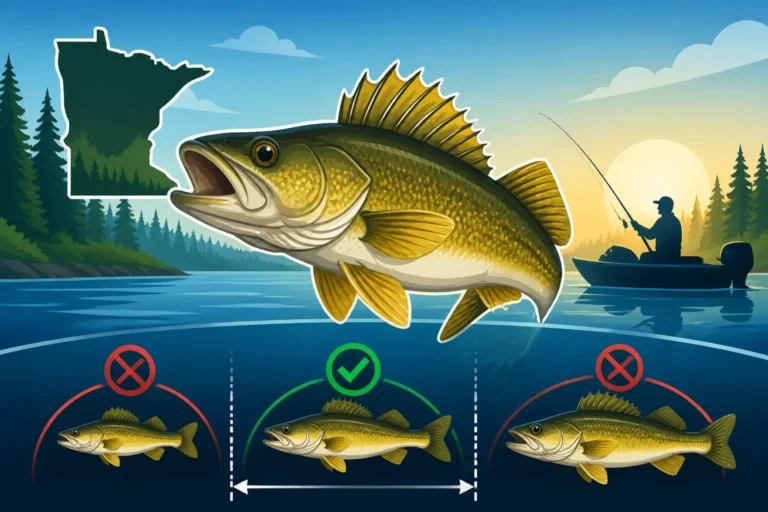
The bag limit refers to the number of fish you can keep in a single day, while the possession limit is the total number of fish you can have on hand, whether in your livewell, cooler, or freezer at home. For Mille Lacs Lake in 2026, the walleye regulations are set at a specific bag limit that often comes with a protective slot. Anglers are permitted to keep one walleye, and that walleye must typically be within a specific length range. For example, in recent years, a common regulation has been to keep one walleye between 21 and 23 inches OR one walleye over 28 inches. However, sometimes it shifts to just one fish between 21 and 23 inches, or even entirely catch-and-release during certain periods.
Let's imagine a scenario: You and your buddy, both licensed anglers, hit the lake for a weekend trip. If the 2026 regulation is one walleye between 21-23 inches, that means each of you can keep one fish within that specific length. If you catch a beautiful 25-inch walleye, you must release it. If you catch a 22-inch walleye, you can keep it. Your possession limit upon returning home would be two walleye total, one for each of you, as long as they fit the slot. It's crucial to always check the official DNR regulations each season, as these numbers are the most prone to change for Mille Lacs Walleye Regulations (2026). Remember, these limits apply per licensed angler. To understand more about these statewide concepts, check out our guide on Minnesota Fishing Limits: Bag & Possession (2026).
Walleye Slot Limits Explained
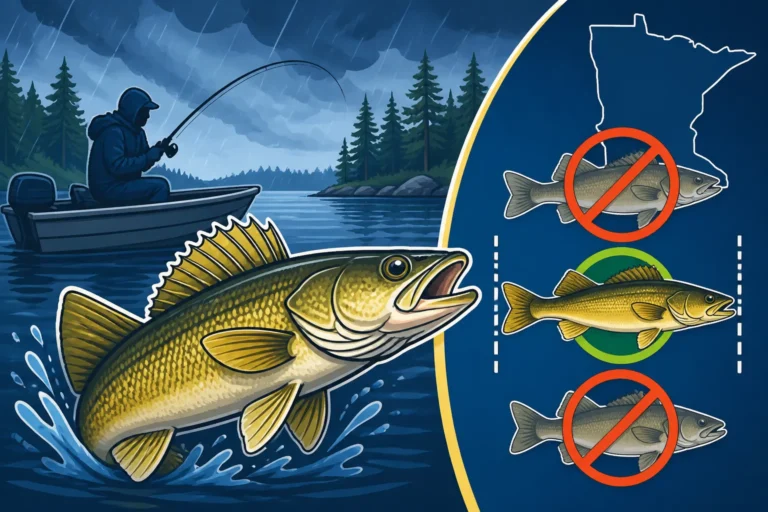
Slot limits are probably the most talked-about and sometimes confusing aspect of Mille Lacs walleye fishing. A "slot limit" means that fish within a certain length range must be immediately released. The purpose of this is to protect a specific portion of the fish population, usually the prime spawning-size fish, allowing them to reproduce and grow larger, which benefits the entire fishery.
For instance, a typical Mille Lacs walleye slot limit might be "no walleye between 19 and 21 inches may be kept." This means if you catch a 17-inch walleye, you might be able to keep it (if it fits the overall bag limit and doesn't fall into another protected slot). If you catch a 20-inch walleye, you must release it. And if the regulation allows keeping fish over a certain size (like over 28 inches), those fish are often considered "trophy" fish and are kept in very limited numbers. This strategy helps ensure that the medium-sized, reproductively active walleyes stay in the lake to make more walleyes, while also giving anglers a chance at a true trophy or a meal. Always have a tape measure handy and know your lengths!
Open Seasons and Fishing Methods
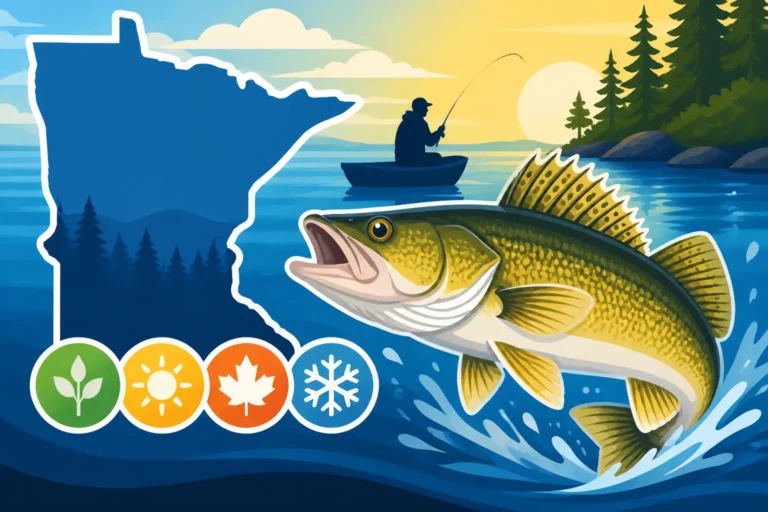
The walleye season on Mille Lacs typically opens on the Saturday two weeks prior to the Saturday of Memorial Day weekend. This is usually around mid-May. While the opener is a huge event, it's the entire season that sees varying regulations. In some years, specific periods, like late summer or early fall, might shift to catch-and-release only if the harvest totals are nearing their cap. It’s a dynamic management style that keeps us on our toes! You can always find the exact dates by checking out the Minnesota Fishing Seasons & Opener Dates (2026) for the year.
As for fishing methods, standard angling techniques like jigging, slip bobber fishing, and trolling are generally permitted. However, it's important to remember that dark house spearing for walleye is not allowed on Mille Lacs Lake. While spearing is a traditional method in Minnesota for other species, walleye on Mille Lacs are protected from this harvest method. Always ensure your gear and methods comply with general state rules, such as the maximum number of lines you can fish. Generally, you're allowed two lines on open water and two lines while How Many Lines Can You Use Ice Fishing in Minnesota?, but special regulations can apply, so it's always worth a quick double-check.
Regulations for Other Popular Species on Mille Lacs
While walleye often steal the spotlight, Mille Lacs boasts an incredible multi-species fishery. Anglers regularly target northern pike, smallmouth and largemouth bass, muskie, and various panfish. These species also have their own set of rules, though they tend to be more stable than walleye regulations.
Northern Pike Rules
Mille Lacs Lake falls under the Northern Pike Management Zone that applies to much of central Minnesota. For 2026, expect the northern pike regulations to allow a liberal harvest to help manage their population. Historically, this has meant a generous bag limit, often 10 pike, but only one over 30 inches. This "one over 30" rule is designed to encourage anglers to keep smaller pike, which helps reduce competition for forage and promotes faster growth for the remaining pike, potentially leading to larger fish in the future.
If you’re looking to fill a cooler with some delicious pike fillets (after learning to remove those pesky Y-bones!), Mille Lacs can be a fantastic lake. Just remember to measure those bigger fish! Want to know more about these toothy critters? Check out our guide on Northern Pike in Minnesota: Identification & Where to Catch.
Smallmouth & Largemouth Bass Regulations
Mille Lacs Lake is recognized nationally and even internationally for its trophy smallmouth bass fishery. The regulations reflect this exceptional status, often leaning towards catch-and-release to protect these valuable fish. For 2026, you can expect a very restrictive bag limit for smallmouth and largemouth bass, usually just one fish, and often with a protected slot limit similar to walleye, or even an all-fish-released period.
Historically, the season for bass on Mille Lacs might start a bit later than walleye, typically around late May or early June, with a heavy emphasis on immediate release. This management strategy has allowed Mille Lacs to become a premier destination for big bronzebacks. Catching a 5-pound smallmouth on Mille Lacs is a legitimate possibility, but prepare to admire it, snap a photo, and send it back to grow even bigger. Learn more about these exciting fish in our comprehensive guide on Smallmouth & Largemouth Bass in Minnesota.
Muskie Regulations
Mille Lacs is also a renowned muskie lake, often referred to as the "fish of 10,000 casts." These apex predators are managed as a trophy fishery, meaning the regulations are designed to protect large, mature fish. For 2026, the muskie season typically opens in early June and runs through the fall. The size limit is extremely high, usually 54 inches, and the bag limit is one fish. This essentially means muskie fishing on Mille Lacs is almost entirely catch-and-release, as very few anglers will ever boat a legal-sized fish.
The high size limit is a testament to the dedication of muskie anglers and the DNR's commitment to fostering a truly world-class fishery. If you're serious about chasing these giants, you'll need specialized gear and a lot of patience. Read more about the pursuit of these giants in Muskie Fishing in Minnesota: The Fish of 10,000 Casts.
Panfish Crappie, Sunfish, Perch Limits
Mille Lacs Lake also offers excellent opportunities for panfish, including black crappie, sunfish (bluegill, pumpkinseed), and jumbo yellow perch. Generally, the panfish regulations are more generous than for walleye or bass, but special regulations can still apply to specific lakes. For Mille Lacs in 2026, you'll typically find a combined daily bag limit for sunfish and crappie, usually around 10 of each, with a combined possession limit of 20. Yellow perch usually have a larger bag limit.
While these limits might seem high compared to walleye, it's still good practice to only keep what you'll eat and consider practicing Catch and Release Best Practices in Minnesota for panfish too, especially if you're finding a lot of smaller ones. Over-harvesting panfish can quickly deplete a lake's population of larger individuals. For a deeper dive into these tasty fish, check out our guide to Crappie & Panfish in Minnesota: Complete Guide.
Essential Rules Beyond Species-Specific Limits
Beyond the specific fish regulations, there are general rules of engagement that apply to Mille Lacs, just like any other body of water in Minnesota. These are crucial for protecting the lake's health and ensuring everyone has a safe and enjoyable time.
Aquatic Invasive Species AIS Prevention
Mille Lacs Lake is a large, popular lake, and unfortunately, it's highly susceptible to aquatic invasive species (AIS). Zebra mussels and starry stonewort are present, and it's every angler's responsibility to prevent their spread. Minnesota has strict AIS rules, and on Mille Lacs, these are particularly enforced. Before leaving the lake, you must remove the drain plug from your boat. You also need to clean all weeds and debris from your boat, trailer, and fishing equipment. Finally, you should drain all water from your livewell, bilge, and motor before leaving the access point.
It's not just about avoiding a hefty fine; it's about protecting our precious waters. Transporting water or aquatic plants can spread invasives to other lakes, ruining their ecosystems and fishing quality. Take the extra five minutes to comply with Aquatic Invasive Species (AIS) Rules for Boaters every single time you launch or pull out your boat.
Ice Fishing and Shelter Regulations
Ice fishing is a huge pastime on Mille Lacs, drawing thousands of anglers and rows of ice houses, some resembling small cities. If you're planning to brave the cold on Mille Lacs, be aware of specific regulations regarding ice shelters. While portable shelters are generally self-regulated, permanent shelters (often referred to as wheelhouses or dark houses) need to be licensed and have identification clearly displayed on the outside. More importantly, there are strict deadlines for removing ice shelters from the lake, which vary depending on whether the lake is north or south of Highway 10. For Mille Lacs, which is generally south of this line, the deadline is typically in mid-March, but always check the exact date each year with the DNR. Failing to remove your shelter by the deadline can result in fines and even the state taking possession of your shelter. Also, remember that when Minnesota Ice Fishing & Shelter Rules, you are generally allowed to use two fishing lines.
General Licensing and Enforcement
First and foremost, you need a valid Minnesota fishing license to fish on Mille Lacs Lake if you are 16 years of age or older. There are various types of licenses available, from annual resident licenses to short-term nonresident options. You can easily purchase them online, at bait shops, or at other authorized agents throughout the state. If you need a refresher on how to get yours, take a look at our guide on Minnesota Fishing License: Cost, Types & How to Buy (2026). Conservation officers regularly patrol Mille Lacs, and they are there to enforce these rules to protect the fishery. They are knowledgeable and can answer questions, but your best bet is always to consult the official DNR regulations directly. Ignorance of the law is not an excuse for violations.
Mille Lacs Lake Key Regulations at a Glance (2026)
To help you keep track, here's a quick summary of typical 2026 Mille Lacs Lake regulations for popular species. Please remember that these are illustrative based on historical patterns; always confirm exact dates and limits with the Minnesota DNR before you fish.
| Species | Bag Limit (Daily) | Possession Limit | Slot Limit (Must Release) | Season Dates (Typical) |
|---|---|---|---|---|
| Walleye | 1 | 1 | E.g., 19-21 inches or 23-28 inches | Mid-May to late Feb, with potential C&R periods |
| Northern Pike | 10 (only 1 over 30 inches) | 10 (only 1 over 30 inches) | None specific, but larger fish count toward limit | Open year-round |
| Smallmouth Bass | 1 | 1 | E.g., 17-21 inches (or all C&R for a period) | Late May/Early June to late Feb |
| Largemouth Bass | 1 | 1 | E.g., 17-21 inches (or all C&R for a period) | Late May/Early June to late Feb |
| Muskellunge | 1 | 1 | Minimum 54 inches | Early June to early Dec |
| Crappie | 10 | 20 | None specific (some lakes have C&R) | Open year-round |
| Sunfish | 10 | 20 | None specific (some lakes have C&R) | Open year-round |
| Yellow Perch | 20 | 20 | None specific | Open year-round |
Staying Informed and Respecting the Resource
Fishing on Mille Lacs Lake is a privilege, and it’s one that we all want to enjoy for years to come. That means doing our part to understand and follow the regulations, even when they seem complicated or inconvenient. The best place to find the absolute latest and most accurate information is always the official Minnesota DNR website. They release the annual fishing regulations booklet and often provide specific updates for Mille Lacs throughout the season, especially for walleye.
By staying informed and adhering to the rules, we contribute to the health of this incredible fishery, ensuring that the next generation of anglers can also experience the thrill of a screaming drag and a big Mille Lacs walleye at the end of their line. Happy fishing!
Disclaimer
Please remember that fishing regulations are subject to change without prior notice. Always consult the official Minnesota Department of Natural Resources (DNR) website or the current year's fishing regulations booklet for the most accurate and up-to-date information before heading out on the water. This guide provides general information and should not be considered a substitute for official DNR publications.