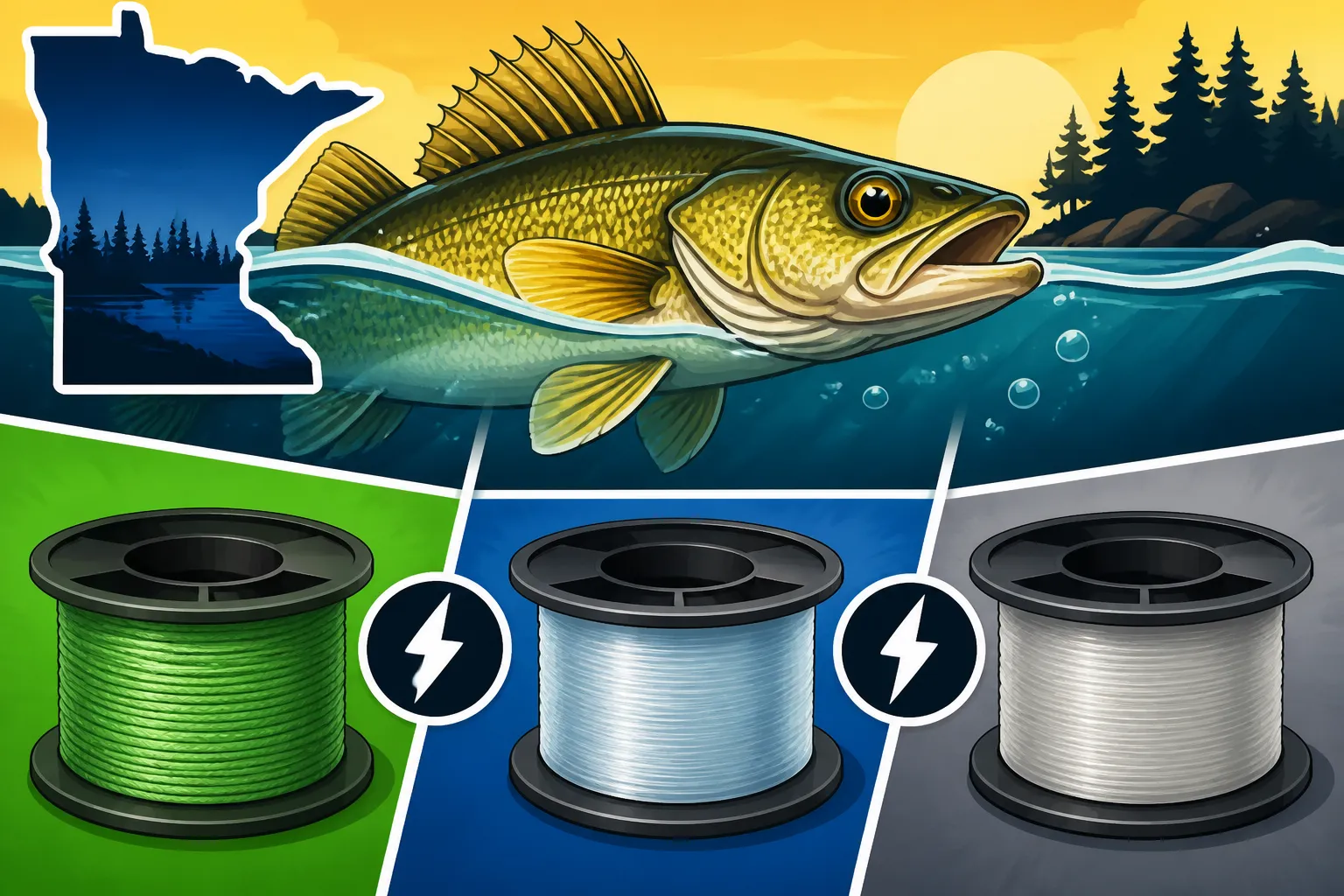
Best Fishing Line for Walleye (Braid vs Mono vs Fluoro)
One of the most common headaches for any angler, especially those targeting the elusive walleye here in Minnesota, is figuring out what fishing line to use. It can feel like a labyrinth of choices—mono, braid, fluorocarbon—each with its own fervent supporters and detractors. Losing a big walleye because of a mysterious line break or struggling to feel those subtle bites can be incredibly frustrating. This guide is here to untangle that confusion, breaking down each line type so you can make an informed decision for your next trip to the lake.
Understanding the Foundation of Walleye Fishing Line
Before we dive into the specifics of each line type, let's talk about why your choice of fishing line is so critical when you're chasing walleye. It's not just a string connecting you to your lure; it's a vital link that transmits information, dictates your lure's action, and ultimately, helps you land that trophy fish. Many anglers, especially those new to walleye fishing, often overlook this fundamental component, leading to missed opportunities and frustration.
Why Line Choice Matters for Walleye
Walleye are notorious for their finicky nature and incredibly subtle bites. Sometimes it feels like they just "load up" on the bait, adding a little weight rather than delivering a distinct tap. If your line has too much stretch or is too thick, that subtle "thunk" or added pressure can be completely muted, leaving you wondering if you're even getting a bite. Think of it like trying to hear a whispered secret through a thick wall – it's just not going to happen effectively.
Beyond sensitivity, your fishing line directly impacts the presentation of your bait or lure. A line that's too visible can spook wary walleye in clear water, while a line with too much memory can cause your lure to spin unnaturally or hinder your casting distance. The way your line absorbs shock, its abrasion resistance against underwater structure, and even its buoyancy all play a significant role in how effective you are on the water. It's a delicate balance that can turn a slow day into a productive one.
Moreover, the environment you're fishing in and the specific technique you're employing dictate the best line choice. Are you trolling a vast expanse of Lake of the Woods, jigging a deep break on Leech Lake, or casting cranks into shallow weeds? Each scenario presents different challenges and demands different properties from your line. The right line helps your bait behave as intended, whether it's a crankbait diving to its target depth or a jig falling naturally.
Key Characteristics of Fishing Line
When evaluating fishing line, several characteristics come into play. Understanding these will help you discern which line is best suited for a particular technique or situation. The "pound test" rating, for instance, isn't just about how much weight the line can hold; it also correlates with the line's diameter, which in turn affects everything from casting distance to how quickly your lure sinks.
Diameter and Strength: A thinner line of the same breaking strength generally casts farther and offers less resistance in the water, allowing lures to run deeper or more naturally. However, thinner lines can also be more prone to abrasion or breakage if not handled correctly. Walleye anglers often seek the strongest line possible for its diameter, especially when fishing near rocks or timber, to minimize break-offs.
Stretch and Memory: Stretch refers to how much a line elongates under tension. Monofilament has significant stretch, which can act as a shock absorber but reduces sensitivity. Braided line has virtually no stretch, offering maximum sensitivity but requiring a bit more finesse when fighting fish. Memory refers to a line's tendency to retain coils from the spool, which can lead to tangles and poorer casting performance. Fluorocarbon typically has more memory than braid but less than some cheaper monofilaments.
Abrasion Resistance and Visibility: How well a line stands up to rubbing against rocks, logs, or zebra mussels is crucial. Some lines are inherently more abrasion resistant than others. Visibility, on the other hand, is a double-edged sword. While a highly visible line might help you see strikes, it can also alert wary fish. This is where line color and material properties, like fluorocarbon's near-invisibility, become important considerations.
Monofilament Line: The Classic Choice
Monofilament, often just called "mono," is likely the first fishing line most of us ever used. It's been around for decades, and for good reason—it's versatile, easy to handle, and relatively inexpensive. Despite the rise of newer line technologies, mono still holds a special place in many walleye anglers' arsenals, proving its worth in specific scenarios where its unique properties are an advantage.
Pros and Cons of Monofilament for Walleye
Let's break down why you might reach for a spool of monofilament, and when you might want to consider something else. One of mono's biggest selling points is its affordability; you can often get a large spool for a fraction of the cost of other line types. This makes it a great option for those just starting out or for situations where you might need to re-spool frequently due to abrasion or knot-tying practice.
The Good Stuff: Monofilament's inherent stretch is a significant advantage in certain walleye applications. It acts like a built-in shock absorber, which can prevent hooks from tearing out of a walleye's mouth, especially when they make sudden runs close to the boat. This stretch also means that light bites from finicky walleye can sometimes feel a bit more pronounced, as the line loads up slightly before you feel the full pull. Good knot strength is another hallmark; mono is generally very forgiving and holds a wide variety of knots well.
Where it Falls Short: The primary drawback of monofilament for walleye is that very stretch, which significantly reduces sensitivity. When you're trying to feel a light walleye bite in 20 feet of water, that elasticity can mask subtle detections. Mono also suffers from UV degradation and water absorption over time, meaning it needs to be replaced more frequently—at least once a season, if not more, depending on use. Its thicker diameter compared to braided lines of the same test strength means more water resistance and reduced casting distance, and it can retain "memory" from the spool, leading to coils and tangles.
Ideal Applications and Techniques for Monofilament
Despite its limitations, monofilament truly shines in specific walleye fishing techniques where its stretch and buoyancy are assets rather than hindrances. It's not about being the "best" line overall, but rather the best line for the job at hand. Knowing when to spool up with mono can drastically improve your success rates.
For instance, monofilament is often the preferred choice for trolling crankbaits, especially on vast bodies of water like Lake Winnibigoshish or Lake Vermilion. The stretch in the line provides a cushion against the violent strikes of a charging walleye, preventing the lure from being ripped out of its mouth. When a big walleye smashes a Berkley Flicker Shad or a Rapala Shad Rap at 2.5 mph, that little bit of give helps absorb the impact and keeps the fish hooked. Its slightly buoyant nature can also help lighter crankbaits achieve their optimal action without being pulled down too aggressively by the line.
Another prime application for monofilament is live bait fishing under a slip bobber. Whether you're suspending a leech over a weed bed or a minnow over a rocky point on Leech Lake, mono's slight stretch allows the bait to behave more naturally in the water, giving it a subtle, enticing presentation. The shock absorption is also beneficial when a bigger fish, like an unexpected northern pike, hits your light walleye setup. For anglers just starting out, mono is generally easier to handle, less prone to wind knots than braid, and simpler to tie. Learning to use a How to Use a Slip Bobber for Walleye & Crappie is often easier with monofilament.
Braided Line: The Modern Powerhouse
Braided fishing line has revolutionized the way many anglers approach walleye fishing. Made from multiple strands of synthetic fibers woven together, it offers a distinctly different set of properties compared to traditional monofilament. If you're looking for maximum sensitivity and strength in a compact package, braid is often the answer, though it does come with its own learning curve.
Advantages and Disadvantages of Braided Line for Walleye
Braided line truly stands out from the crowd with its incredible performance characteristics, but it's not a silver bullet for every situation. Understanding its strengths and weaknesses will help you decide when to reach for that spool of PowerPro or Sufix.
The Upsides: The most significant advantage of braided line is its near-zero stretch. This translates into unparalleled sensitivity, allowing you to feel the most subtle nibbles, changes in bottom composition, and even the vibration of your lure. When you're Jigging for Walleye: Jig & Minnow Basics in deep water, or fishing in windy conditions, that direct connection to your bait is invaluable. Braid also boasts an incredible strength-to-diameter ratio; a 10-pound test braided line might be as thin as a 4-pound test monofilament, allowing for longer casts, faster sink rates for lures, and less water resistance. It's also incredibly durable and long-lasting, often outperforming mono for many seasons if properly cared for.
The Downsides: Braid's downsides largely revolve around its visibility and lack of stretch. Because it's opaque and often brightly colored (though some low-vis options exist), walleye in clear water can be spooked by it. This is why a fluorocarbon leader is almost always essential. Braid can also be notorious for knot slipping if not tied correctly, and its abrasive nature can sometimes cut into rod guides if you're using cheaper components. The absence of stretch means no shock absorption, so hooksets need to be controlled, and you need to be careful not to horse a fish, which could tear the hook out. Finally, it's generally more expensive upfront than monofilament, though its longevity can offset this cost.
Best Scenarios and Setups for Braided Line
When the situation calls for maximum feel and brute strength, braided line becomes your best friend. It excels in techniques where direct contact with your lure and feeling subtle information are paramount. For this reason, it's a staple for many dedicated walleye anglers.
One of the premier applications for braided line is jigging. Whether you're pitching jigs to shoreline structure, working a jig and minnow combo on the famous mud flats of Mille Lacs Lake, or vertically jigging blade baits, the no-stretch property of braid transmits every tick, thump, and bite directly to your fingertips. You can discern the difference between a rock, a weed, and a light walleye pickup with incredible clarity. The thin diameter also helps your jig sink faster and stay vertical in current or deeper water, making it a critical tool for precision presentations.
Braided line also shines in deep water applications or when using heavier weights, such as with a bottom bouncer and crawler harness. On a lake like Lake of the Woods, when you're dragging rigs in 30 feet of water, the minimal stretch of braid ensures that you feel the rig bouncing along the bottom and can detect even the slightest hesitation from a walleye. However, because of its visibility, it is almost always paired with a leader. The standard setup involves a braided mainline tied to a fluorocarbon leader, offering the best of both worlds: sensitivity and stealth. When learning Walleye Fishing Techniques: Complete Minnesota Guide, braid with a leader is often highlighted for its versatility.
Fluorocarbon Line: The Invisible Edge
Fluorocarbon fishing line has steadily gained popularity among walleye anglers, carving out a unique niche between monofilament and braid. It's often hailed for its near-invisibility underwater, a property that can make a significant difference when targeting wary fish in clear conditions. While it shares some similarities with mono, its distinct characteristics make it a powerful tool, especially when used strategically.
The Distinct Benefits and Drawbacks of Fluorocarbon
Fluorocarbon is a fascinating material with properties that make it an exceptional choice for specific walleye applications, particularly as a leader material. However, it’s not without its quirks, and understanding these is key to harnessing its full potential.
What Makes it Great: The biggest advantage of fluorocarbon is its refractive index, which is very similar to water. This means it's incredibly difficult for fish to see underwater, making it the ultimate stealth line. For walleye, which often inhabit clear lakes and can be easily spooked by visible line, this near-invisibility is a game-changer. Beyond stealth, fluorocarbon boasts excellent abrasion resistance. It's much tougher than mono against rocks, sharp ice edges, and zebra mussels, which is crucial in many Minnesota waters. It also has less stretch than monofilament, offering improved sensitivity, and it sinks faster, which can be an advantage for getting lures down quickly and maintaining contact with bottom presentations like How to Fish a Lindy Rig for Walleye.
Where it Poses Challenges: Despite its benefits, fluorocarbon does have its drawbacks. It tends to be stiffer and has more memory than monofilament, especially in heavier pound tests, which can lead to frustrating coiling and knot issues if not spooled correctly or managed properly. Tying knots with fluorocarbon requires care; specific knots are recommended, and they must be cinched down slowly and lubricated to prevent friction from weakening the line. It also offers less shock absorption than mono, though more than braid, meaning you still need to be mindful of hard hooksets. Finally, good quality fluorocarbon is generally the most expensive line type per yard.
Primary Uses for Fluorocarbon in Walleye Fishing
Given its unique properties, fluorocarbon excels in situations where stealth and abrasion resistance are paramount. While some anglers use it as a main line, its most common and arguably most effective application for walleye fishing is as a leader material.
When used as a mainline, fluorocarbon is a great option for finesse techniques where you need a direct, sensitive connection without the extreme visibility of braid. Think drop-shotting for deep walleye on structure or subtle pitching of small jigs. Its sinking nature helps maintain better contact with your bait, especially in windy conditions or when fishing vertically. However, its stiffness can sometimes hinder casting performance, particularly with lighter lures. Many anglers prefer to fill a dedicated spinning reel with 6-8 pound fluorocarbon for these specific presentations rather than using it as an all-around mainline.
The true magic of fluorocarbon, however, lies in its role as a leader when paired with a braided mainline. This "braid-to-fluoro" setup is often considered the gold standard for many walleye anglers. You get the incredible sensitivity, strength, and casting distance of braid, combined with the near-invisibility and abrasion resistance of fluorocarbon right at the business end. For example, if you're Trolling Crankbaits for Walleye: Speed & Depth with braid, a fluorocarbon leader ensures that the walleye sees your lure, not your line. This combination is particularly effective on clearer lakes where fish are line-shy.
Combining Lines: The Leader System for Walleye
For many seasoned walleye anglers, the days of using a single type of line from spool to hook are largely over. The advent of strong, thin braided lines and nearly invisible fluorocarbon leaders has opened up a world of possibilities, allowing anglers to customize their setup for maximum efficiency and stealth. This hybrid approach often provides the best of all worlds, leveraging the strengths of each line type while mitigating their weaknesses.
The Braid-to-Fluorocarbon Leader System Explained
If there's one "secret sauce" in modern walleye fishing, it's the braid-to-fluorocarbon leader system. This combination has become the go-to for countless anglers because it perfectly balances the critical elements of sensitivity, strength, castability, and invisibility that walleye fishing demands. It truly is the best of both worlds, providing a direct link to the fish while ensuring they don't get spooked by your line.
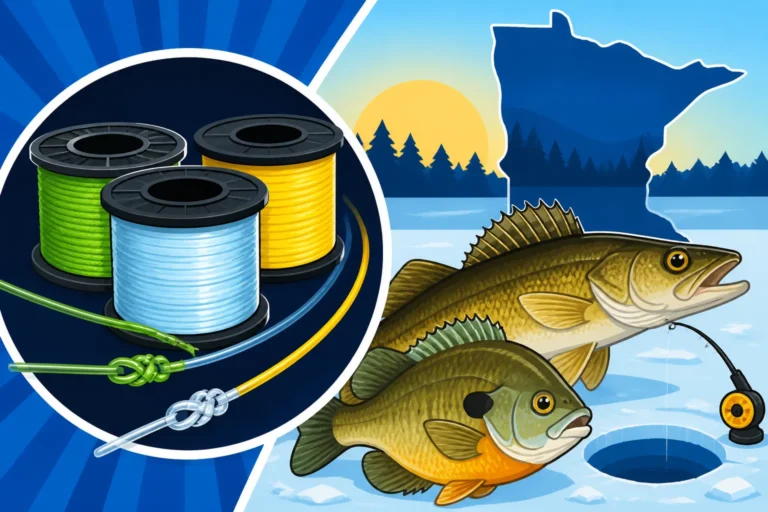
The concept is simple: you spool your reel with braided line, which offers incredible strength, minimal stretch for maximum sensitivity, and a thin diameter for superior casting distance. Then, you attach a section of fluorocarbon line, typically 2-10 feet long, to the end of the braid. This fluorocarbon section serves as your leader, providing the crucial invisibility right where it matters—near your bait or lure. It also adds a layer of abrasion resistance, which is invaluable when fishing around rocky structure or submerged timber, protecting your mainline from nicks and cuts. Many dedicated walleye anglers keep separate spools of mainline braid and leader fluorocarbon on hand, sometimes picking up bulk spools of fluorocarbon leader material at Bass Pro Shops or online at Amazon.
Tying a strong, reliable knot to connect your braid to your fluorocarbon leader is perhaps the most critical step in this system. Popular choices include the FG knot, which is incredibly strong and slides through rod guides smoothly, or the Alberto knot (sometimes called the "improved Albright"). The double uni knot is also a solid choice, especially for beginners, though it can create a slightly larger knot profile. Regardless of the knot, practice is key, and it's essential to lubricate the line with saliva before cinching it down slowly and firmly to prevent burning or weakening the line. The length of your leader can vary; shorter leaders (2-3 feet) are good for quick changes or when casting, while longer leaders (5-10 feet) can be beneficial in extremely clear water or for certain trolling applications.
Matching Line Test to Technique and Target Species
Choosing the right line test for your braid and leader is just as important as selecting the line type itself. There isn't a one-size-fits-all answer, as the ideal setup will depend on the specific technique you're employing, the size of fish you're targeting, and the conditions of the water you're fishing. It's about finding that sweet spot between strength, stealth, and presentation.
For your braided mainline, a common range for walleye fishing is 10-20 pound test. A 10-15 pound test braid is usually sufficient for most jigging and casting applications, offering excellent sensitivity and castability. If you're fishing particularly heavy cover, targeting larger walleye in current, or doing heavy trolling, bumping up to 20-pound braid can provide added confidence. This gives you plenty of backbone to fight a good fish and pull your lure free from minor snags. When it comes to the fluorocarbon leader, a good starting point for walleye is 8-12 pound test. If the water is crystal clear and the fish are extremely finicky, you might drop down to 6-pound test. Conversely, if you're fishing toothy fish or very heavy cover, a 15-pound test leader offers extra abrasion resistance.
The line test directly impacts how your bait or lure performs. A lighter leader will allow a small jig to fall more naturally and enhance its action, while a heavier leader might impede that subtlety. When considering different species in Minnesota, remember that a walleye setup might occasionally hook into something larger. If you're on a lake known for Northern Pike in Minnesota: Identification & Where to Catch, for example, a slightly heavier leader might save your lure from their sharp teeth. Similarly, while rare, if you're on a river system known for Lake Sturgeon in Minnesota: Rainy River Giants, you'll want to ensure your knots are impeccable and your gear is up to the task, even if your line is primarily for walleye. Regularly inspecting your leader for nicks and abrasions is crucial, especially after fighting a fish or getting snagged.
Practical Tips for Walleye Line Management
Having the right fishing line is only half the battle; knowing how to properly spool it, maintain it, and choose the right color can significantly impact its performance and longevity. These practical tips can help you avoid common frustrations and keep your line in prime condition, ensuring you're ready when that trophy walleye bites.
Spooling, Storage, and Maintenance
Proper line management begins long before you even cast your first lure. How you spool your line, store your reels, and maintain your line throughout the season can dramatically affect its performance and lifespan, preventing frustrating tangles and costly break-offs.
When spooling new line, especially monofilament or fluorocarbon, it's crucial to ensure it goes onto the reel without introducing twist. For spinning reels, lay the bulk spool flat on the ground with the label facing up or down, allowing the line to uncoil in the same direction it's wrapping onto your reel. For baitcasters, it's best to have someone hold the bulk spool on a pencil, applying light tension as you reel it onto your fishing reel. Many local tackle shops, like those associated with Bass Pro Shops, offer professional line winding services which ensure your line is spooled perfectly with optimal tension, a worthwhile investment for expensive lines. Overfilling your spool can lead to line tangles and wind knots, so leave a small gap between the line and the spool's lip.
Maintenance is key to prolonging the life of your line. Monofilament, in particular, degrades from UV exposure and water absorption, becoming brittle over time. A good rule of thumb is to replace your monofilament mainline at least once a season, if not more frequently if you fish often. Braided line is much more durable, but it can fray, and the first 10-20 feet can wear down, so it's a good practice to cut off a few feet periodically. Fluorocarbon leaders should be checked constantly for nicks and abrasions and replaced as needed. When storing your rods, keep them out of direct sunlight in a cool, dry place. Using a line conditioner spray on monofilament and fluorocarbon can also help reduce memory and keep the line supple.
Choosing the Right Line Color and Brand Considerations
Line color is one of those topics that can spark a lively debate among anglers, and while its importance is often exaggerated, it's still a factor worth considering for walleye. Beyond color, selecting reliable brands can make a significant difference in line quality and consistency.
When it comes to line color, especially for your mainline, there are a few schools of thought. For monofilament, clear or low-visibility green are popular choices. Clear mono is generally assumed to be less visible underwater, while low-vis green blends well with common aquatic vegetation and stained water. For braided line, many anglers opt for high-visibility colors like yellow or neon green. Why? Because you'll be using a fluorocarbon leader anyway, so the visibility of the mainline doesn't spook fish. However, a high-vis braid makes it incredibly easy for you to see your line, detect subtle bites, and manage tangles, especially when you're How to Troll for Walleye Without Electronics. If you prefer a more discreet approach, low-visibility green or even black braids are also available, though they lack the same visual bite detection benefits.
Finally, while choosing between mono, braid, or fluoro is crucial, selecting a quality brand ensures you're getting consistent performance. Reputable brands like Berkley, Sufix, PowerPro, and Seaguar consistently produce high-quality lines that meet their stated specifications. These brands are widely available at sporting goods stores and online retailers like Amazon. Don't be tempted by super cheap, no-name lines; they often have inconsistent diameters, poor knot strength, and will ultimately lead to frustration and lost fish. Experiment with different lines and brands to see what feels best on your specific Best Walleye Rods & Reels and works most effectively for your preferred walleye fishing techniques in Minnesota.
Fishing Line Comparison Table for Walleye
| Feature | Monofilament Line | Braided Line | Fluorocarbon Line |
|---|---|---|---|
| Material | Single strand of nylon | Woven synthetic fibers (e.g., Dyneema, Spectra) | Extruded polymer |
| Stretch | High (15-25%) | Virtually Zero (3-4%) | Low (10-15%) |
| Sensitivity | Low to Moderate | Very High | Moderate to High |
| Visibility | Moderate (clear, green options) | High (often bright colors, but low-vis available) | Very Low (near-invisible underwater) |
| Abrasion Resistance | Moderate | Low to Moderate (can fray) | Very High |
| Knot Strength | Very Good (easy to tie) | Can slip (needs specific knots, lubricate) | Good (needs specific knots, lubricate slowly) |
| Memory | Moderate to High (can coil) | Very Low | Moderate to High (stiff, can coil) |
| Buoyancy | Floats | Sinks Slowly | Sinks (denser than water) |
| Cost | Low | High | High |
| Primary Walleye Uses | Trolling, slip bobbers, live bait, general purpose | Jigging, deep water, casting, as mainline with leader | Leaders, finesse fishing, drop-shotting |
Disclaimer
Fishing regulations and best practices can change. Always consult the most current Minnesota Department of Natural Resources (DNR) fishing regulations before heading out on the water. This guide is intended for informational purposes only.