Vexilar vs MarCum Ice Flasher: Which to Buy?
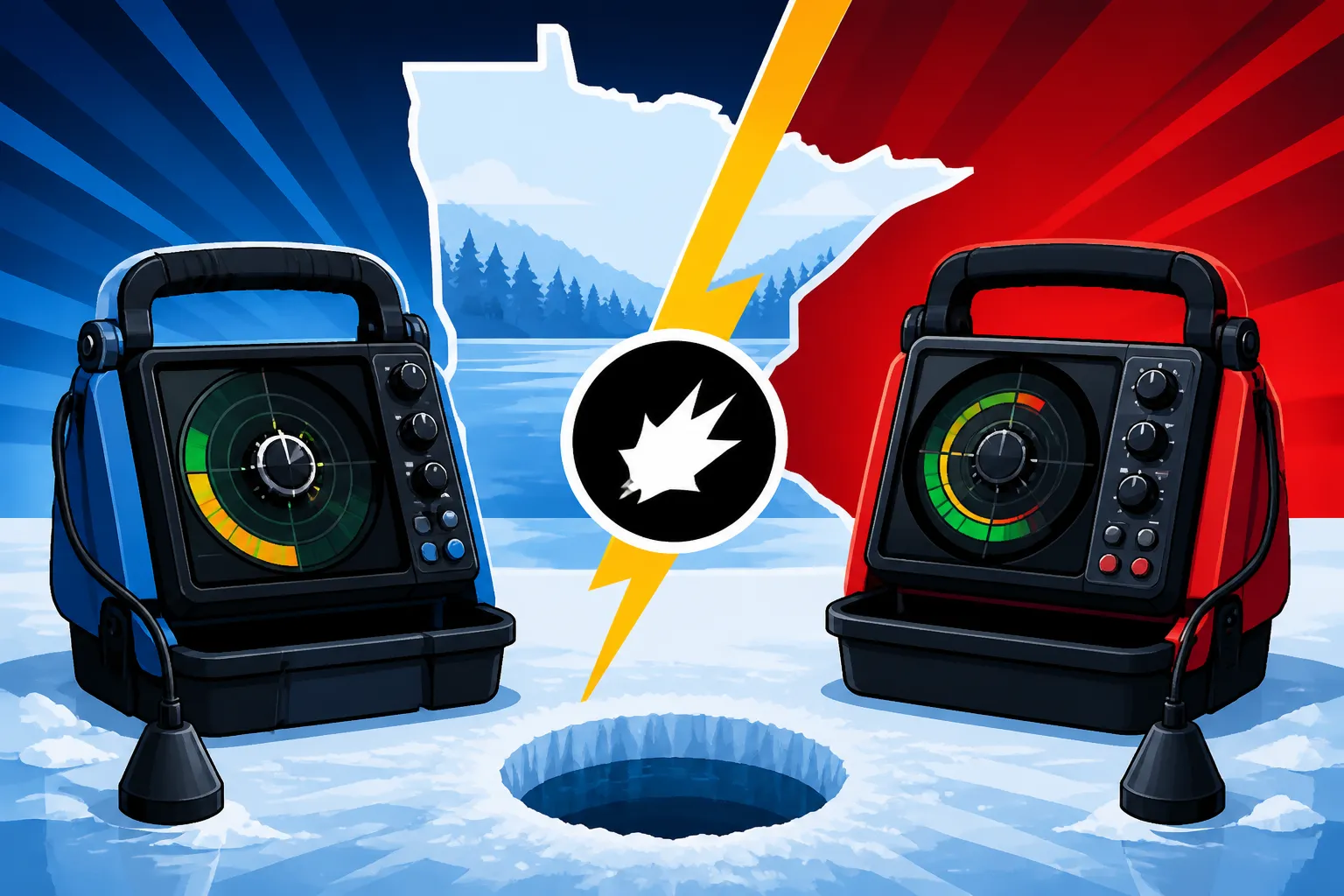
Trying to decide between a Vexilar and a MarCum ice flasher can feel like trying to pick between two favorite fishing holes – they both promise great action, but each has a distinct vibe. Many Minnesota ice anglers wrestle with this exact choice, wondering if they should stick with the tried-and-true or embrace the latest tech. This comprehensive guide is here to break down the nuances, helping you understand the unique strengths of each brand so you can confidently choose the flasher that perfectly matches your ice fishing style and needs.
The Enduring Legacy of Vexilar: Analog Prowess on the Ice
For decades, Vexilar has been synonymous with ice fishing in Minnesota. Their flashers are the workhorses of many seasoned anglers, known for their rugged simplicity and unmatched real-time feedback. When you’re staring down an ice hole on a biting cold day, you want equipment that just works, and Vexilar has built its reputation on exactly that.
The Classic Flasher Experience and How it Works
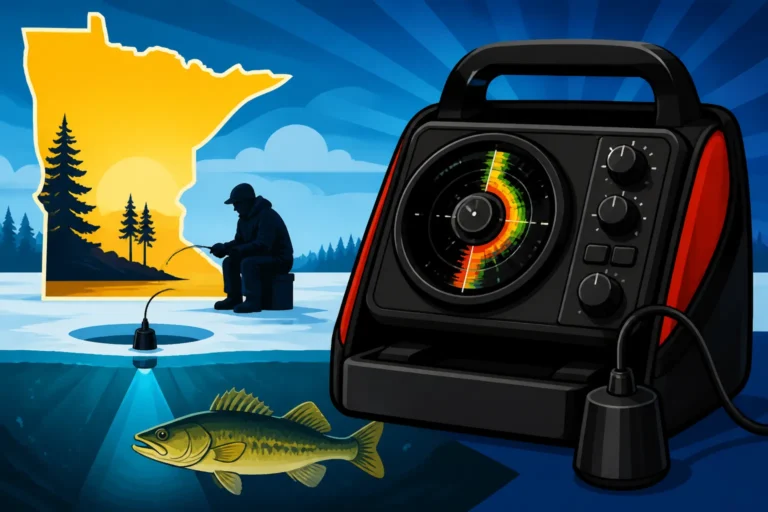
The heart of a Vexilar unit is its legendary analog display. This isn't your fancy digital screen; it's a series of LED lights that sweep around a dial, painting a picture of the underwater world in real-time. You've got three colors – typically green for weak signals, orange for medium, and red for strong returns – indicating everything from the bottom hardness to your lure and, most importantly, approaching fish. The beauty of this system is its immediacy; there's virtually no lag between what’s happening beneath the ice and what you see on the screen.
Operating a Vexilar involves a bit of a learning curve, primarily mastering the gain knob. This control adjusts the sensitivity, allowing you to fine-tune your signal to ignore clutter or pick up the faintest bite. Think of it like tuning an old radio – it takes a little practice, but once you get it, you're perfectly dialed in. This direct, no-frills feedback is what many anglers swear by, feeling a deeper connection to the fishing action as they interpret the raw sonar signals. For more on interpreting these signals, you might want to check out our guide on how to read a flasher.
Vexilar's Enduring Models and Design Philosophy
Vexilar's design philosophy is rooted in reliability and simplicity. Models like the classic FL-8, often seen on lakes across Minnesota, set the standard. It’s simple, durable, and effective. As technology has evolved, so have Vexilar's offerings, but always with that core analog experience at heart. The FL-18 introduced a zoom mode, allowing anglers to magnify a portion of the water column for even finer detail on bottom-hugging fish. The FL-20 built on this with a brighter display and better target separation.
Perhaps the most popular modern Vexilar is the FL-28, which offers five color palettes, an even brighter display, and increased target separation down to half an inch. Despite these advancements, the FL-28 maintains the classic rotary dial display, offering that familiar, instantaneous feedback that Vexilar purists love. These units are often packaged with sturdy shuttle cases, complete with a battery and charger, making them ready to hit the ice right out of the box. You can often find these reliable units at major retailers like Bass Pro Shops, ready for your next ice fishing adventure.
MarCum's Innovation: Digital Integration for the Modern Angler
While Vexilar champions the classic analog approach, MarCum has carved its niche by embracing digital innovation and user-friendly features. MarCum flashers often appeal to anglers who appreciate a more visual, integrated display and a suite of modern functionalities designed to enhance their ice fishing experience.
Modern Display, Features, and User-Friendliness
MarCum units often feature larger, more detailed LCD or LED screens that provide a crisp, highly customizable view of the underwater world. Instead of the sweeping light display, you're typically looking at a vertical column or circular graph that shows depth, lure, and fish returns with clear digital readouts. This can be less intimidating for newcomers, as the information is often presented in a more intuitive, graphic format.
One of MarCum’s standout features is its superior target separation, often allowing you to distinguish between two objects that are incredibly close together, sometimes down to a mere quarter-inch. This is a game-changer when fish are hugging the bottom or when you're trying to see exactly how your tiny panfish jig is sitting relative to a school of crappies. MarCum's zoom functions are also highly advanced, allowing for precise focus on specific depth ranges, and many models offer multiple display options, letting you choose how you want to visualize the sonar data. Some of their higher-end units even integrate GPS and mapping capabilities, which can be incredibly useful when navigating large bodies of water like Lake of the Woods during ice season.
MarCum's Diverse Model Lineup and Advanced Capabilities
MarCum’s product line demonstrates a strong commitment to innovation. Their VX-1 Pro is an excellent entry-level flasher that offers impressive performance for its price point, giving anglers a taste of MarCum’s digital edge without breaking the bank. Moving up, the LX series truly showcases MarCum’s capabilities. The LX-6s offers a vibrant, customizable screen with multiple sonar options, including a "water column" mode that presents data in a more traditional graph format, appealing to those who also use open-water fish finders.
The LX-7 and LX-9 are MarCum’s flagship models, packed with features. The LX-7 boasts a large, high-resolution color screen with incredible customization, allowing anglers to tweak everything from color palettes to zoom windows and sensitivity with remarkable precision. The LX-9 takes it a step further by integrating an underwater camera system directly into the unit, giving you visual confirmation of what the sonar is showing. This can be a huge advantage for verifying fish species or understanding how fish are reacting to your lure. Many anglers interested in these advanced units find them readily available through online retailers like Amazon, often with competitive pricing and detailed reviews. For beginners looking into the world of ice fishing electronics, understanding these differences is key.
Key Comparison Points: What Really Matters on the Ice
When you’re out on the frozen expanses of Minnesota, facing harsh winds and cold temperatures, your flasher needs to perform. It's not just about features on paper; it's about how those features translate into actual fish in your bucket. Let's dig into the crucial aspects that differentiate Vexilar and MarCum in real-world scenarios.
Display Readability and Interpretation
This is often the most significant difference and the primary reason anglers gravitate towards one brand over the other.
- Vexilar's Analog Dial: The Vexilar display, with its sweeping LEDs, is instantaneous. You see the signal appear as soon as the transducer sends it out. This real-time feedback is unmatched for responsiveness. However, interpreting the bands of color – especially in deeper water or when trying to identify subtle movements – requires practice. It's more of an intuitive "feel" for many long-time users. For instance, a thin red band rapidly changing to a thicker red band might indicate a fish aggressively moving towards your lure, something a seasoned Vexilar user picks up instantly. The simplicity can be a double-edged sword; some find it hard to discern exact depth or precise lure presentation compared to a digital readout.
- MarCum's Digital Screen: MarCum's LCD/LED screens offer a clearer, often larger, and more graphically detailed display. The depth and target information are typically presented with specific numerical readouts, which can be easier for beginners to grasp. You can often choose between different display modes, including a traditional flasher dial, a vertical water column, or even a horizontal graph. This versatility allows you to customize the view to your preference. While highly detailed, some argue that even with modern processors, there can be a minuscule amount of lag compared to Vexilar's pure analog signal, though for most anglers, it's imperceptible.
Target Separation and Clarity
Being able to tell your tiny tungsten jig apart from a panfish's nose is crucial, especially when fishing for finicky bluegills or crappies.
- Vexilar's Target Separation: Vexilar has steadily improved its target separation over the years, with modern units like the FL-28 boasting half-inch separation. This is excellent and allows you to clearly see your lure separate from a fish, even if they're stacked. The three-color system also aids in determining signal strength, giving you a good idea of how dense a target is.
- MarCum's Target Separation: MarCum often claims slightly better target separation, with some units offering down to a quarter-inch. This razor-sharp clarity can be particularly advantageous when jigging small baits for panfish that might be hugging the bottom or when trying to differentiate individual fish in a dense school. The high-resolution screens further enhance this clarity, making it easier to pick out subtle details. This precision is especially useful when trying to identify suspended crappies.
Durability, Battery Life, and Portability
These practical considerations can make or break a fishing trip, especially in the challenging conditions of Minnesota winters. Our guide to the best ice fishing gear for Minnesota covers some of these aspects in more detail.
- Vexilar's Robustness: Vexilar units are built like tanks. Their simple, often sealed designs mean fewer points of failure. They are notoriously durable and can withstand accidental drops, slush, and freezing temperatures without missing a beat. Many anglers report their Vexilar units lasting for 10, 15, even 20+ years with minimal maintenance. Battery life is typically very good, with standard 9-12Ah batteries often lasting for 8-12 hours or more on a single charge, depending on usage and model. Most come in rugged shuttle cases that protect the unit and hold the battery, offering decent portability.
- MarCum's Build and Power: MarCum units are also well-built, but their more complex digital screens can be perceived as slightly less indestructible than a Vexilar's analog dial, though modern screens are very tough. MarCum's battery performance is generally on par with Vexilar, offering solid run times. Many MarCum shuttles are designed with portability and convenience in mind, often featuring dedicated spaces for transducers and cables.
Price Point and Value
Cost is always a factor, especially when investing in high-quality fishing electronics.
- Vexilar's Value: Vexilar offers a range of options, from the more affordable FL-8 series (though harder to find new these days) to the mid-range FL-12 and the premium FL-28. Generally, Vexilar units represent a solid, long-term investment due to their durability and lasting performance. They hold their resale value well.
- MarCum's Value: MarCum also has a varied price structure, with the VX-1 Pro offering a great entry point. Their LX series, with its advanced features and larger screens, typically sits in the mid to high-end of the flasher market. While often priced similarly to comparable Vexilar models, MarCum tends to pack in more digital features for the money, appealing to those seeking advanced tech.
| Feature | Vexilar (Example: FL-28) | MarCum (Example: LX-7) |
|---|---|---|
| Display Type | Analog LED Flasher (Rotary Dial) | Digital LCD/LED Screen (Multiple Views) |
| Real-Time Speed | Instantaneous, no perceived lag | Extremely fast, minimal imperceptible lag |
| Target Separation | Excellent (0.5-inch on high-end models) | Often superior (0.25-inch on high-end models) |
| Zoom Function | Selectable zoom zones (e.g., 6 ft, 12 ft) | Highly customizable, adjustable zoom windows |
| Key Features | Patented 3-color system, IR interference rejection, gain control | Multiple display modes, adjustable color palettes, digital depth |
| Durability | Renowned for extreme ruggedness and longevity | Very durable, modern robust construction |
| Battery Life | Excellent (8-12+ hours on a standard battery) | Excellent (8-12+ hours on a standard battery) |
| Ease of Use | Intuitive for experienced users, learning curve for beginners | Often more beginner-friendly due to digital readouts |
| Typical Price Range | Mid to High-End | Mid to High-End |
| Pros | Bulletproof reliability, pure real-time feedback, great in bright sun | Detailed screen, advanced features, superior target separation |
| Cons | Analog display can be less intuitive for some, fewer features | Potentially higher price for top-tier features, minimal lag (perceived) |
Making Your Decision: Which Flasher is Right For You?
Choosing between Vexilar and MarCum isn't about one being definitively "better" than the other. It's about finding the tool that best complements your fishing style, your target species, and your personal preferences for how you want to interact with your electronics.
Consider Your Angling Style and Experience Level
Are you a veteran of the hardwater, someone who's spent countless hours deciphering the subtle blips on an old flasher? If so, the real-time, analog responsiveness of a Vexilar might feel like home. You probably appreciate the raw, unfiltered data and the tactile control of a physical gain knob. For many seasoned anglers, the Vexilar experience is part of the tradition of ice fishing in Minnesota. It’s a tool that fosters a deeper, more interpretive connection to what’s happening below the surface.
On the other hand, if you're relatively new to ice fishing or prefer the clarity and customizable nature of modern electronics, a MarCum unit might be a more natural fit. Its digital display, often with numerical depth readings and multiple display options, can be less intimidating and easier to interpret right out of the box. If you're someone who loves to tinker with settings and wants a highly detailed, graphic representation of the water column, MarCum's advanced features will likely appeal to you. For those just starting out, check out our general guide to ice fishing in Minnesota for beginners.
What Species Are You Targeting?
The type of fish you're after can also influence your decision.
- Panfish (Crappies, Sunfish, Perch): When you're chasing finicky panfish that often suspend in the water column or hug the bottom, ultra-fine target separation is key. MarCum's superior target separation, often down to a quarter-inch, gives it a slight edge in these scenarios, allowing you to clearly see your small jig and the fish almost touching it. The detailed digital display can also make it easier to discern subtle movements of these smaller fish. If you mostly fish for crappies and sunfish, learning about specific tactics like ice fishing for crappie & panfish can further enhance your success.
- Walleye and Northern Pike: For larger species like walleye and pike, both Vexilar and MarCum offer excellent performance. The half-inch separation on a Vexilar FL-28 is more than enough to distinguish your spoon or rattle bait from a cruising walleye. Vexilar's raw power and quick refresh rate are highly effective for tracking aggressive predators. MarCum's larger screen and customizable views can also be fantastic for keeping tabs on these larger, faster-moving targets, especially if you're constantly monitoring a wider depth range or looking for suspended fish in deeper water. Tactics for ice fishing for walleye often involve precise lure placement, which both brands facilitate.
- Deepwater Fish (Lake Trout, Whitefish): For deepwater specialists, both brands excel, but MarCum's digital zoom features and potential for clearer signal processing in deeper water might offer a slight advantage for some. However, Vexilar's raw power is legendary for punching through the water column, even in extreme depths.
Ultimately, both Vexilar and MarCum produce exceptional ice flashers that have helped countless anglers find success on Minnesota’s frozen lakes. Your choice will come down to whether you prefer the classic, bulletproof reliability and instantaneous analog feedback of a Vexilar, or the modern, feature-rich digital display and razor-sharp target separation of a MarCum. Don't be afraid to ask friends if you can try out their units for a few minutes on the ice to get a feel for both. Whichever you choose, you'll be investing in a piece of equipment that will undoubtedly improve your understanding of the underwater world and put more fish on the ice. Also, remember to consider other essential gear, like the best ice fishing rods for walleye and panfish, to complete your setup.
Disclaimer
The information provided in this guide is for general informational purposes only and is not intended as legal or professional advice. Fishing regulations and product specifications can change. Always consult the most current Minnesota Department of Natural Resources (DNR) regulations before fishing and refer to product manuals for specific operation and safety guidelines.