Best Gear for Ice Fishing Bluegill in Minnesota
There’s nothing quite like a peaceful day on the ice, but when you’re out there chasing those feisty bluegill and they just aren't biting, it can feel incredibly frustrating. You see other anglers pulling them out, and you start to wonder if it's your technique, your spot, or maybe, just maybe, your gear isn't quite right. This comprehensive guide is here to cut through the confusion and help you confidently assemble the best gear specifically for targeting bluegill through the ice in Minnesota, ensuring your next trip is more productive and a whole lot more fun.
The Right Rod, Reel, and Line for Bluegill
Catching bluegill through a tiny hole in the ice requires a specialized touch, and your rod, reel, and line are the foundation of that finesse. Using the wrong setup can make those subtle bites feel like nothing at all, leaving you wondering if fish are even present.
Rod Selection Sensitivity is Key
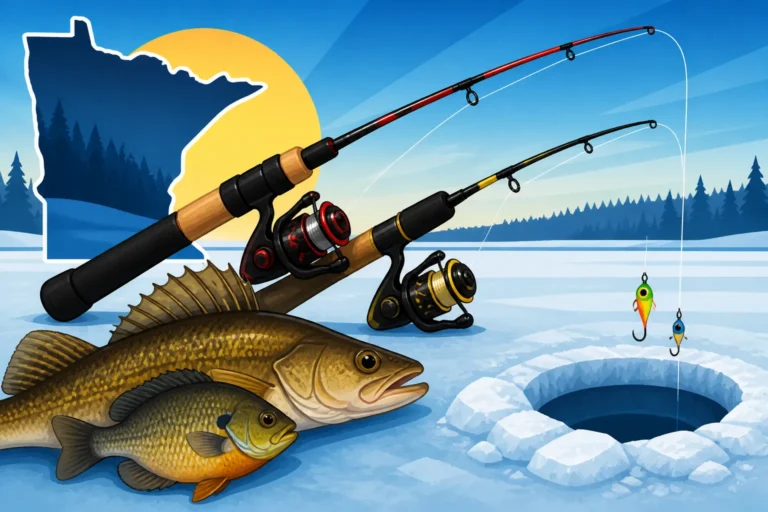
When it comes to ice fishing for bluegill, sensitivity is paramount. We're not talking about heavy-duty walleye rods here; you need something that will telegraph the lightest tap from a finicky panfish. A good bluegill rod will typically be ultra-light or light action, ranging from 24 to 30 inches in length. This shorter length is ideal for working in the confines of an ice shelter or kneeling by a hole. Look for a rod with a fast or extra-fast tip that bends easily but quickly transitions to backbone. This allows you to see the bite before you even feel it, and then set the hook effectively without overpowering the small fish.
For instance, imagine you're fishing a shallow weed bed on Lake Minnetonka. A tiny bluegill just inhales your jig, barely moving it. With a sensitive graphite rod, you'd see that slight quiver in the rod tip. With a stiffer, less sensitive rod, you might mistake it for your line just settling or current movement. Brands like Fenwick, especially their HMG series, or Thorne Bros. Custom Rods (a Minnesota favorite!) offer excellent sensitivity. Many anglers will tell you that a solid carbon blank often provides more sensitivity than hollow graphite for those micro-bites.
Reel Choice Smoothness Matters
A smooth reel isn't just about luxury; it's about control, especially when dealing with thin line and light jigs. For bluegill ice fishing, a small spinning reel in the 500 to 1000 size range is perfect. You want one with a decent retrieve ratio, but more importantly, a smooth drag system. Bluegill, while not tackle-busters, can put up a surprising fight on ultra-light gear, and a sticky drag can lead to snapped lines, especially with the tiny hooks we often use.
When you're out on a blustery day on Lake Winnibigoshish, your hands might be cold, and fumbling with a cheap, stiff reel can be frustrating. A reel with a smooth retrieve, even under light tension, allows you to consistently drop your small jigs back down to the feeding zone precisely. Don't feel like you need to break the bank for a bluegill reel, but investing in one that's reliable will save you headaches. Shimano's Sienna or Daiwa's Revros series are popular choices that offer excellent value and performance for panfish.
Line for Light Bites Stealth and Strength
This is where many anglers make mistakes. Using line that's too heavy for bluegill ice fishing is like trying to catch a mouse with a bear trap – it's just not going to work. Bluegill have incredible eyesight, especially in clear water, and they can be very line-shy. The ideal line for bluegill is typically 2-pound test monofilament or fluorocarbon. Some seasoned anglers even go down to 1-pound test for truly finicky fish.
Fluorocarbon is often preferred because it's virtually invisible underwater, has very little stretch (enhancing sensitivity), and sinks faster than mono, which helps get those tiny jigs down quicker. However, monofilament still has its place, particularly if you're fishing in shallower water or prefer a bit more stretch for shock absorption on hooksets. Regardless of your choice, make sure it's fresh line. Cold temperatures and repeated use can weaken lines, leading to heartbreaking break-offs. A fresh spool of Berkley Trilene Micro Ice or P-Line Floroclear can make all the difference. Remember, knowing How Many Lines Can You Fish in Minnesota? is also important, as the rules can vary.
Lures and Baits Enticing the Panfish
Once you have your rod and reel setup dialed in, it's time to talk about what you're actually putting in front of those bluegill. The world of ice fishing lures for panfish is vast, but a few key categories consistently produce.
Tungsten Jigs The Modern Standard
If you're not using tungsten jigs for bluegill, you're missing out. These tiny powerhouses have revolutionized panfish ice fishing. Tungsten is much denser than lead, meaning a tungsten jig can be significantly smaller than a lead jig of the same weight. Why does this matter? Smaller profile means a more natural presentation that doesn't spook wary bluegill, while the heavier weight allows for faster drops, better feel on the line, and easier fishing in deeper water or current.
Tungsten jigs come in a dizzying array of shapes, sizes, and colors. Teardrop, round, horizontal, and vertical jigs are all common. For bluegill, you'll generally be fishing jigs in sizes from 3mm to 5mm. Popular colors often include glow-in-the-dark options, chartreuse, orange, pink, and natural patterns. Experimentation is key, as bluegill preferences can change daily. Many anglers swear by a specific glow jig from companies like VMC Tungsten Mongo or Northland Fishing Tackle. You can learn more about specific types in our guide on the Best Tungsten Jigs for Panfish.
Live Bait The Irresistible Classic
Despite the effectiveness of artificial lures, it's hard to argue with the drawing power of live bait. For bluegill, small wax worms, euro larvae, spikes (maggots), or even tiny minnow heads are absolute magnets. These natural offerings provide scent, taste, and movement that artificials sometimes can't replicate, especially on tough bites.
When you're fishing on a lake like Gull Lake and the bluegill are being finicky, a single wax worm threaded onto a tiny jig can often turn a slow day into a productive one. The subtle wiggling of live bait is often all it takes to trigger a strike from even the most hesitant fish. Keep your live bait lively by storing it in a cool, dark place, and don't be afraid to change it frequently. A dead, shriveled wax worm won't do you any favors. Just remember that bluegill have tiny mouths, so keep your bait offerings small and proportionate to the jig.
Artificial Baits Scent and Action
Beyond live bait, a variety of artificial plastics and scents can be incredibly effective, especially when paired with tungsten jigs. These include small plastic "nymphs," "minnows," "spikes," or "tails" that add bulk, color, and action to your presentation. The advantage here is durability – one plastic bait can last through many fish, unlike live bait which needs constant re-baiting.
Many artificial baits are infused with scent, or you can add your own scent like Berkley Gulp! Alive! or Pro-Cure Bait Scents. The scent trail can be a huge attractor, especially in stained water or when bluegill are less active. Companies like Maki Plastics and Custom Jigs & Spins offer a wide range of tiny plastic trailers that perfectly complement tungsten jigs. The subtle quiver of a small plastic tail can sometimes be more enticing than live bait, particularly if fish are pressured and used to seeing natural offerings. Learning to work these baits properly is crucial, and our guide on Ice Fishing for Crappie & Panfish covers many transferable techniques.
Essential Electronics and Accessories
Modern ice fishing isn't just about a rod and a hole anymore. Technology can give you a significant edge, especially when searching for scattered schools of bluegill or understanding their subtle movements.
Flashers and Sonar Locating Those Schools
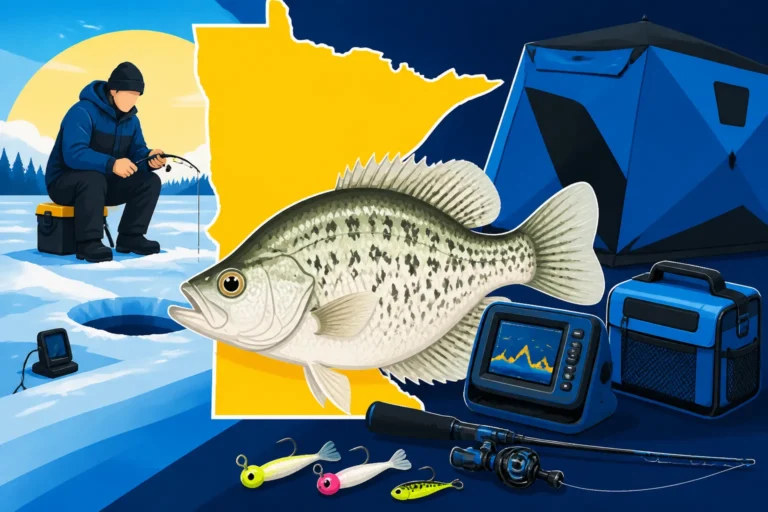
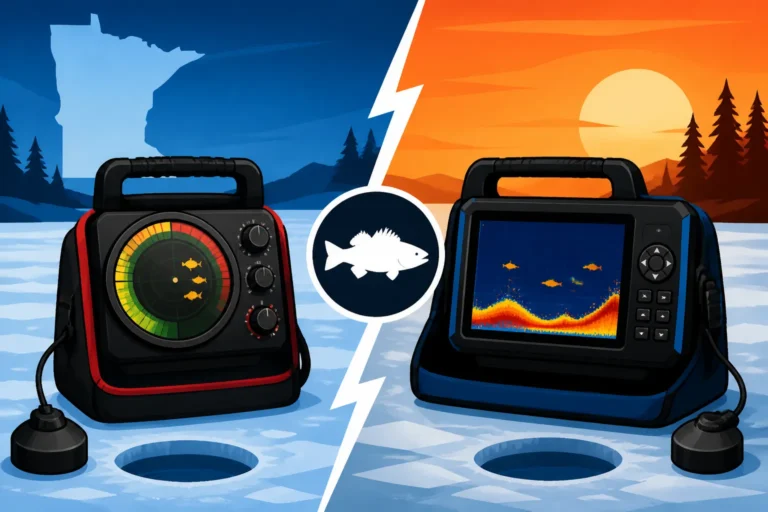
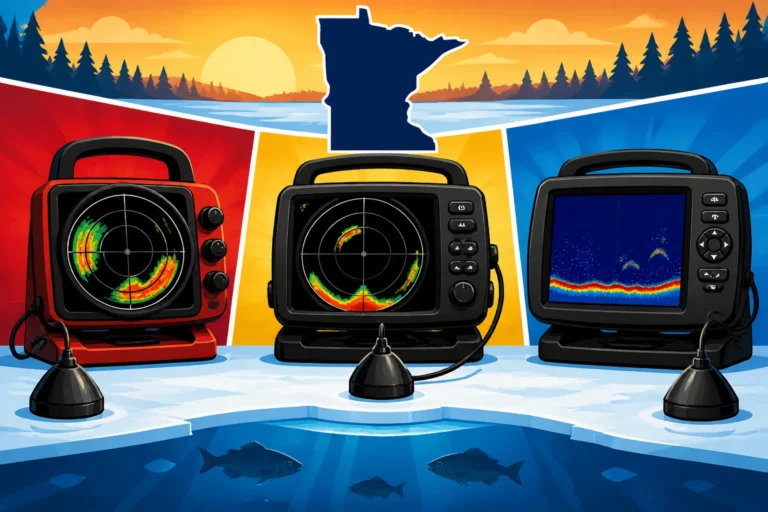
A flasher or portable sonar unit is, hands down, one of the most impactful pieces of gear you can add to your bluegill ice fishing arsenal. Brands like Vexilar, Humminbird, and Garmin dominate this space, offering real-time displays of what's directly beneath your hole. You'll see your jig, you'll see fish approaching it, and you'll see how they react to your presentation. This immediate feedback allows you to adjust your jigging cadence, depth, and even lure choice on the fly.
Imagine you’re exploring a new panfish lake in the Brainerd Lakes Area. Without a flasher, you'd be drilling holes and fishing blindly, hoping to stumble upon a school. With a flasher, you can quickly scan a spot, see if there are fish present, and if not, move on. If you see fish come in and then swim away, you know to try a different presentation. This saves immense time and increases your efficiency exponentially. Many anglers consider a flasher like the Vexilar FLX-28 or a Humminbird Ice Helix a non-negotiable item. If you're new to this technology, our article on How to Read a Flasher (Vexilar/Humminbird) is a great starting point.
Underwater Cameras Seeing is Believing
While not as essential as a flasher, an underwater camera can be a fascinating and highly educational tool, especially for targeting bluegill. Brands like Aqua-Vu and Marcum offer portable camera systems that let you literally see what's happening under the ice. You can watch bluegill approach your lure, see how they react, and even identify subtle behaviors that a flasher might not reveal.
An underwater camera is particularly useful in clear water lakes, letting you observe bluegill structure, identify what they're actually eating, and even confirm species. It's an incredible teaching tool for kids and can provide endless entertainment on slower days. While a flasher tells you where the fish are, a camera shows you what they're doing, which can be invaluable for refining your technique. This visual confirmation of how fish interact with your lure can dramatically improve your understanding of bluegill behavior.
Essential Accessories Scoops, Clippers, and Pliers
Beyond the big-ticket items, a few small accessories are absolutely critical for a successful and enjoyable bluegill ice fishing trip.
- Ice Scoop: A sturdy, deep-bowled ice scoop is non-negotiable. It keeps your hole free of slush and ice, preventing your line from freezing in. Look for one with a long handle and a comfortable grip, as you'll be using it often.
- Line Clippers/Scissors: Tiny jigs and thin lines require precise cutting. Forget fumbling with a knife; a good pair of line clippers or small fishing scissors will make quick work of knot tying and line changes.
- Small Pliers/Forceps: Bluegill have small mouths, and those tiny hooks can be tough to remove, especially if the fish has swallowed the hook. A pair of small needle-nose pliers or hemostats (forceps) will protect your fingers and ensure a quick, clean release for fish you aren't keeping.
- Built-in Rod Stand/Holder: Many ice rods or bucket setups come with a built-in holder, but if yours doesn't, consider a small, portable rod stand. It keeps your sensitive rod tip off the ice, preventing it from freezing and offering a place to rest it when you're not actively jigging. You can find these essentials and more at major retailers like Bass Pro Shops or even smaller local bait shops.
Staying Warm and Comfortable on the Ice
Let's face it, Minnesota winters are no joke. Without proper clothing and shelter, even the best gear for catching bluegill won't make for an enjoyable day. Staying warm and comfortable is key to focusing on fishing and extending your time on the ice.
Portable Shelters Quick Setup, Easy Mobility
For bluegill fishing, especially if you're actively searching for schools, a portable ice shelter is a game-changer. These shelters, ranging from one-person flip-overs to larger hub-style models, offer protection from the wind, snow, and bitter cold, making it much more comfortable to concentrate on those light bluegill bites.
Flip-over shelters like those from Clam or Otter are fantastic for mobility. They attach to your ATV or snowmobile, allowing you to easily move from spot to spot, drilling new holes and quickly deploying your shelter. Hub-style shelters are great if you're setting up a base camp for a few hours or fishing with a buddy, offering more interior space. The choice depends on your fishing style, but either significantly extends your fishing comfort. Having a shelter allows you to fish in adverse weather, which often means less competition and better fishing! Our guide on Best Ice Shelters: Clam vs Otter (Flip vs Hub) goes into detail about the pros and cons of each.
Layering for Warmth The Minnesota Way
Proper layering is absolutely vital for ice fishing in Minnesota. It's about regulating your body temperature so you don't overheat while drilling holes or moving, and then quickly get cold once you settle down. Start with a moisture-wicking base layer (merino wool or synthetic, never cotton!) that pulls sweat away from your skin. Add a mid-layer for insulation, like a fleece or down vest. Your outer layer should be waterproof, windproof, and heavily insulated, ideally an ice fishing suit.
Brands like Eskimo, Striker Ice, and Clam offer excellent ice fishing suits that are not only warm but also often float, adding an extra layer of safety. Don't forget a warm hat that covers your ears, a neck gaiter, and waterproof gloves or mittens. A little attention to detail here will make all the difference, especially on those brutally cold days on Upper Red Lake. Remember, it's easier to take layers off than to put on layers you didn't bring. For a deeper dive into overall setup, check out Best Ice Fishing Gear for Minnesota (2027 Guide).
Hand and Foot Warmth Don't Underestimate It
Cold hands and feet can quickly end an ice fishing trip. Your hands are constantly exposed to the elements, handling wet lines, bait, and fish. A good pair of waterproof, insulated gloves or mittens is essential. Many anglers prefer mittens for warmth and then have a thinner pair of gloves or fingerless gloves underneath for when they need dexterity to tie knots or bait hooks. Chemical hand warmers are also a great addition, providing hours of warmth inside your gloves or pockets. You can often buy these in bulk on Amazon.
For your feet, insulated, waterproof boots are non-negotiable. Look for boots rated for extreme cold, with plenty of insulation (e.g., 800-1200 grams of Thinsulate). Layering socks – a thin liner sock underneath a thicker wool sock – can also help. Just make sure your boots aren't too tight, which can restrict circulation and actually make your feet colder. A warm, dry pair of boots will allow you to stay on the ice longer, enjoying the pursuit of those plump bluegill. The right footwear is just as important as the Best Ice Fishing Suits & Bibs (Float Suits) for overall comfort.
Bluegill Ice Fishing Gear Checklist
To make sure you've got everything covered for your next bluegill adventure, here's a handy checklist of essential gear.
| Category | Item | Key Features | Why It's Important |
|---|---|---|---|
| Rod & Reel | Ultra-light Ice Rod (24-30 inches) | Fast/Extra-fast tip, solid carbon blank | Maximum sensitivity for light bites, quick hook sets |
| Small Spinning Reel (500-1000 size) | Smooth drag, reliable retrieve | Prevents line breaks, precise lure control | |
| Line | 2-4 lb Test Fluorocarbon or Monofilament | Low visibility, minimal stretch (fluorocarbon), shock absorption (mono) | Stealthy presentation, good sensitivity, strong for hooksets |
| Lures & Bait | Tungsten Jigs (3-5mm) | Various shapes, glow/bright colors | Small profile, heavy for fast drops, diverse options |
| Live Bait (Wax worms, Spikes, Euros) | Fresh, lively | Natural scent, taste, and movement, triggers finicky fish | |
| Artificial Soft Plastics | Scent-infused, small profiles (nymphs, tails) | Durable, adds action/scent, versatile | |
| Electronics | Ice Flasher/Sonar | Real-time fish/lure display, depth reading | Locates fish quickly, shows bite reactions, saves time |
| Underwater Camera (Optional but useful) | Clear image, depth rating | Visual confirmation of fish behavior, educational, entertaining | |
| Shelter | Portable Ice Shelter (Flip-over or Hub) | Windproof, insulated, easy setup | Protection from elements, warmth, comfort, extends fishing time |
| Clothing | Layered Apparel | Moisture-wicking base, insulating mid, waterproof/windproof outer | Regulates body temp, prevents hypothermia, essential for comfort |
| Insulated, Waterproof Boots | High insulation rating (800g+), good traction | Keeps feet warm and dry, crucial for endurance | |
| Warm Hat, Neck Gaiter, Gloves/Mittens | Full coverage, dexterity, waterproof | Prevents heat loss, protects extremities | |
| Accessories | Ice Scoop | Deep bowl, sturdy handle | Clears slush, keeps hole open |
| Line Clippers/Scissors | Sharp, compact | Easy line changes, knot tying | |
| Small Pliers/Forceps | Needle-nose, robust | Hook removal, prevents injury to fish and angler | |
| Chemical Hand/Foot Warmers | Long-lasting heat | Supplementary warmth for cold extremities | |
| Bucket or Gear Bag | Organization, portability | Keeps gear organized and easy to transport | |
| Small Tackle Box | Holds jigs, weights, hooks | Protects small tackle, keeps it accessible |
By equipping yourself with this specialized gear, you’ll not only be more comfortable on the ice but also significantly increase your chances of finding and catching those delicious Minnesota bluegill. Each piece of gear plays a role in creating a cohesive system that allows for maximum sensitivity and efficiency.
Disclaimer
The information provided in this guide is for general informational purposes only and does not constitute professional advice. Fishing regulations, gear recommendations, and safety practices can change. Always consult the latest Minnesota Department of Natural Resources (DNR) regulations and local weather conditions before heading out on the ice. Ice fishing carries inherent risks, and safety should always be your top priority.