Humminbird Ice Helix Review
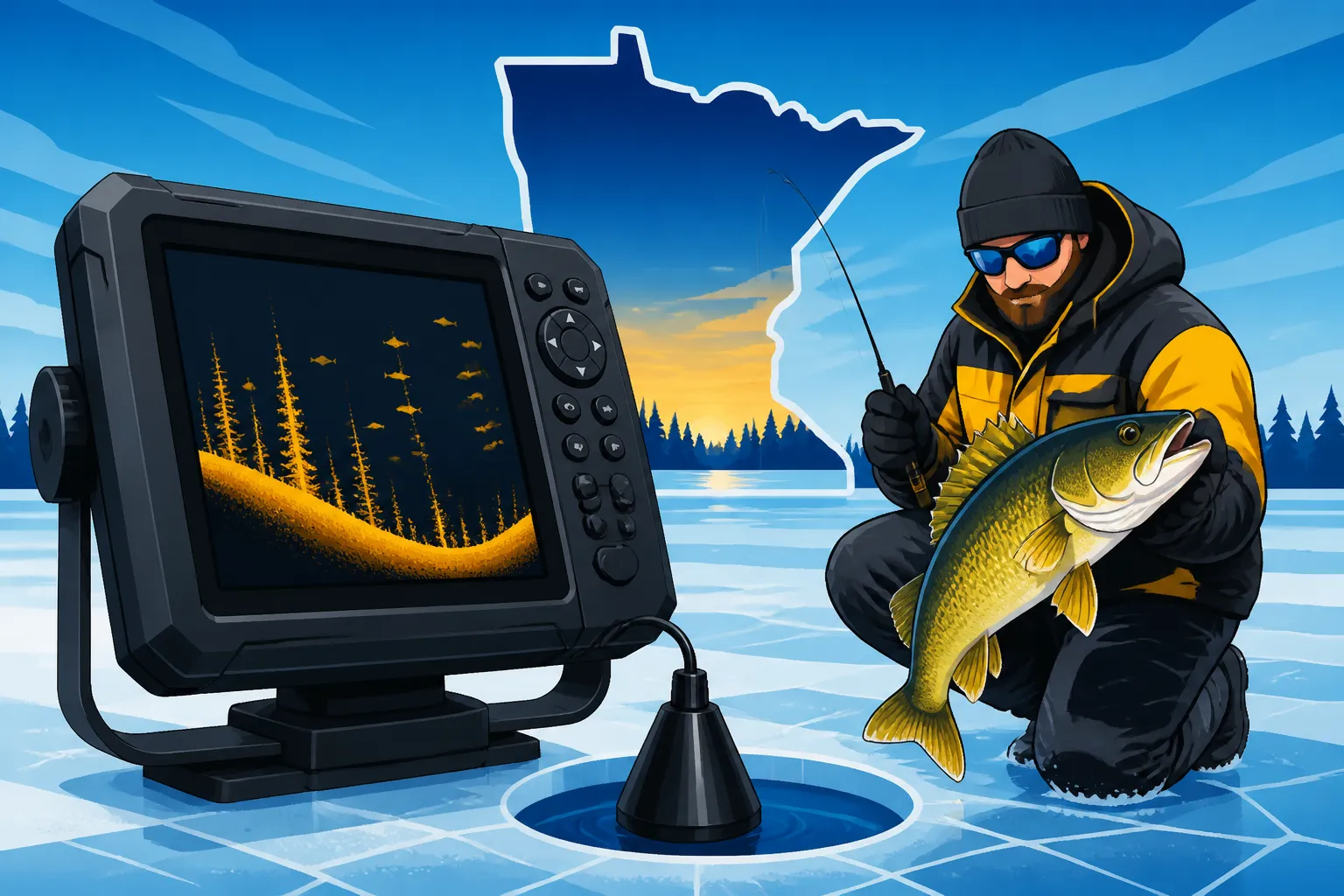
Ice fishing often feels like a shot in the dark, doesn't it? You spend precious time drilling holes, setting up your gear, and then stare down a dark hole, wondering if there’s anything even remotely interested in your bait. The frustration of sitting on what feels like dead water, while knowing there are fish somewhere under the vast expanse of ice, is a feeling every Minnesota ice angler knows intimately. This comprehensive guide is here to shed light on one of the most popular tools helping anglers conquer that frustration: the Humminbird Ice Helix series, breaking down its features, real-world performance, and how it can profoundly change your success on the hard water.
Understanding the Humminbird Ice Helix Series
For years, the world of ice fishing sonar was dominated by traditional flasher units – the ones with the spinning lights that show real-time returns. While incredibly effective, they had limitations. Then came the rise of digital sonar, and Humminbird, a name synonymous with marine electronics, truly upped the ante with its Ice Helix series. These units aren't just fish finders; they're powerful, portable command centers designed specifically for the unique challenges of ice fishing.
The Evolution of Ice Sonar Technology
Think back to the old days, or even just a decade ago. Your choices for ice fishing electronics were fairly limited. You had your classic Vexilar or MarCum flashers, which are fantastic for showing you exactly what's happening in real-time beneath your hole, but they didn't offer mapping, historical data, or the crystal-clear imagery you get with modern units. Many anglers, including myself, started with these flashers, learning to interpret the colored bands and distinguishing between fish, bait, and your lure. It was a skill in itself.
The Humminbird Ice Helix series represents a significant leap forward. It takes the best aspects of traditional flasher technology and marries them with the advanced features found in open-water units, like high-resolution liquid crystal displays (LCDs), GPS, and sophisticated mapping capabilities. This means you're not just seeing a basic signal; you're seeing a highly detailed representation of the underwater world, with contour lines, waypoints, and often, even the ability to see individual fish separate from your bait. It’s like upgrading from a flip phone to a smartphone for your fishing efforts. This evolution means less guessing and more precise targeting, helping you understand How to Find Fish While Ice Fishing with far greater accuracy.
Why Anglers Choose Helix for Ice Fishing
The appeal of the Ice Helix isn't just about bells and whistles; it's about practical advantages that translate directly into more fish on the ice. One of the biggest draws is the versatility. Many anglers already own a Helix unit for their boat in the summer. Being able to buy an ice conversion kit and use the same head unit throughout the year saves a significant amount of money and allows for familiarity with the interface. You don't have to relearn a new system every season.
Beyond convenience, the Helix offers a level of detail and customization that traditional flashers simply can't match. You can adjust your cone angle, zoom in on specific depths, mark waypoints directly on the ice, and even record sonar data. This becomes invaluable when you’re scouting new spots or trying to pinpoint a specific structure that's holding fish. If you’re serious about your hardwater pursuits, especially when targeting trophy fish or understanding complex lake structures, the Helix provides the tools to be truly efficient. It’s particularly useful when you're deep dropping for fish like lake trout or trying to decipher subtle movements of suspended crappies.
Core Technologies and Features of Humminbird Ice Helix
What truly sets the Ice Helix apart is the suite of technologies it packs into a portable ice fishing package. These aren't just marketing terms; they are functions that directly impact your ability to locate and catch fish.
CHIRP Sonar and Dual Spectrum CHIRP
At the heart of every Humminbird Ice Helix unit is its advanced CHIRP sonar. Unlike traditional 2D sonar that sends out a single frequency pulse, CHIRP (Compressed High-Intensity Radiated Pulse) sends out a continuous sweep of frequencies, from low to high. What does this mean for you, the angler? It means dramatically improved target separation and reduced noise.
Imagine trying to distinguish your 1/16 oz jig from a small minnow just a few inches below it on an older sonar unit. It might show up as one blurry blob. With CHIRP, especially Humminbird's Dual Spectrum CHIRP, you get such incredible detail that you can often see your jig, the fish approaching it, and even the baitfish they're chasing, all as distinct targets. Dual Spectrum takes this a step further by offering two distinct cone angles – a wide beam for maximum coverage and a narrow beam for incredible detail and separation directly below your hole. This is a game-changer when Jigging for Walleye: Jig & Minnow Basics or trying to entice finicky panfish. Being able to choose between a broader sweep to locate fish and a narrower, more detailed view to work them is invaluable for effective fishing.
GPS and LakeMaster Mapping
If you've ever spent time driving around on the ice, trying to remember where that productive hummock or sharp break line was from last year, you know the value of GPS and mapping. The Humminbird Ice Helix units come standard with built-in GPS and are compatible with Humminbird's industry-leading LakeMaster maps.
These maps provide highly detailed contour lines, highlighting depths, drop-offs, points, and other crucial underwater structures. With GPS, you can drop waypoints on productive holes, mark structure, and navigate back to your favorite spots with pinpoint accuracy, even in a blizzard. No more guessing if you're truly on the edge of that weed line or if you've drifted too far off the reef. The LakeMaster maps are incredibly precise for many Minnesota lakes, showing depths down to mere feet, often with color-coding that makes it easy to identify critical depth ranges. This combination of GPS and mapping saves countless hours of searching and makes your time on the ice far more efficient, especially when you’re chasing species like walleye which often relate to very specific structures. You can literally drive your ATV or snowmobile directly to the exact spot you marked last week or last year.
Ice Mode and Digital Flasher Display
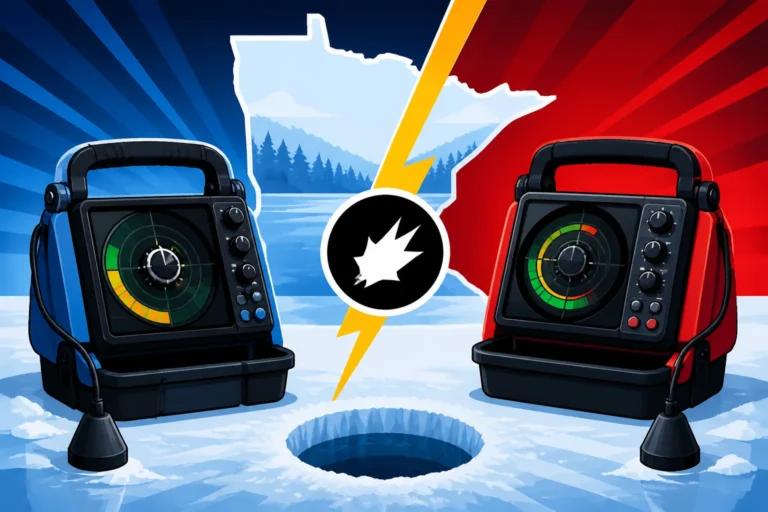
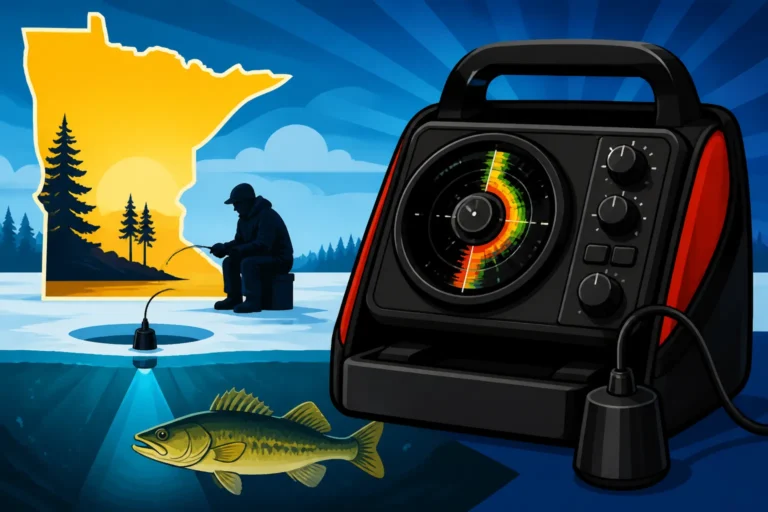
While the Helix offers a stunning 2D sonar view, Humminbird understands that many ice anglers love the real-time feedback of a traditional flasher. That's why the Ice Helix units include a dedicated "Ice Mode" which transforms the vibrant LCD screen into a circular digital flasher display.
This digital flasher provides the same instant, real-time updates that traditional flashers are famous for, but with the added clarity and customization of a digital screen. You can adjust the color palette, zoom in on specific depth ranges, and see your lure and fish interactions in vivid detail. This fusion means you don't have to choose between advanced 2D sonar and the beloved flasher view – you get both, switchable with the push of a button. It’s perfect for situations where you want to quickly see how aggressively a fish is approaching your bait, allowing you to react instantly, whether you're trying to figure out Best Ice Fishing Jigging Cadence for Walleye or just seeing if a crappie is looking up at your jig.
Optional MEGA Live Imaging
For those who demand the absolute cutting edge in ice fishing technology, many Humminbird Ice Helix units (specifically the larger Helix 7, 8, 9, 10 models and up) can be paired with Humminbird's groundbreaking MEGA Live Imaging transducer. This isn't just sonar; it's like having an underwater camera that shows you what's happening around your hole in real-time.
MEGA Live Imaging provides incredibly clear, real-time views of fish swimming, interacting with your lure, and moving through structure, all in live motion. You can see fish approaching from 100 feet away, watch them react to your jigging motion, and even observe their body language. While it requires a separate transducer and often a dedicated battery, the advantage it gives in understanding fish behavior and presenting your bait precisely is unparalleled. It's an investment, but for many serious anglers looking for a competitive edge, especially on highly pressured lakes, it's become an essential tool. It completely changes the dynamic of How to Find Fish While Ice Fishing, giving you a visual advantage that was unimaginable a few years ago.
Real-World Performance on Minnesota Ice
Having all these features sounds great on paper, but how do they actually perform when you’re out on a frozen Minnesota lake, battling wind, cold, and stubborn fish? The true test of any ice fishing electronics comes down to its utility in real-world scenarios.
Targeting Walleye and Northern Pike
Minnesota is Walleye Country, and the Ice Helix shines when chasing this revered species. Walleye often hug the bottom or relate to distinct structures like humps, drop-offs, and points. With the Helix’s detailed mapping, you can confidently navigate to these hotspots, knowing you're exactly on the sweet spot. The Dual Spectrum CHIRP sonar, with its incredible target separation, makes it easy to distinguish a walleye from a bottom-hugging rock or a cluster of baitfish.
Imagine you're fishing on a popular walleye lake like Leech Lake or Lake of the Woods. You've drilled your hole over a subtle break, and your Helix 7 shows your jig hovering a foot off the bottom. Suddenly, a distinct arch appears below your bait, slowly rising. You can see its speed, its trajectory, and adjust your jigging motion accordingly. This real-time feedback allows you to play cat and mouse with the fish, often triggering a strike that might have been missed with less precise sonar. For pike, the wider cone angles help you scout a larger area for those cruising toothy critters, especially when you’re using Ice Fishing for Northern Pike (Tip-Ups) and want to know if one is lurking nearby. Being able to mark the location of a bite with GPS is also invaluable for returning to that exact spot on subsequent trips, building a pattern.
Finessing Panfish and Crappie
While walleye anglers appreciate the detail, panfish enthusiasts often find the Helix to be revolutionary. Crappies and sunfish can be incredibly finicky, sometimes suspended high in the water column or hugging dense cover. The crisp display of the Ice Helix, particularly on a larger screen like the Helix 9, allows you to clearly see even tiny tungsten jigs and the subtle movements of panfish.
When you're chasing crappies on a lake known for slabs, like Lake Winnibigoshish, the ability to zoom in on a specific 10-foot section of the water column and see individual fish helps immensely. You might notice a school suspended at 15 feet, ignoring a jig at 20. Adjusting your depth precisely and watching their reaction can be the difference between a slow day and a limit of big crappies. The sensitive sonar picks up those faint returns from small panfish, letting you know they're there even if they're not actively biting. This precision is critical for Ice Fishing for Crappie & Panfish where small details make a big difference.
Portability and Battery Life Considerations
Humminbird Ice Helix units are designed for portability, typically coming in a shuttle with a handle that houses the unit, transducer, and battery. Brands like Bass Pro Shops often carry these ready-to-go bundles. While not as feather-light as some bare-bones flashers, the overall package is manageable for most anglers. The larger screens (like the Helix 7 or 9) offer incredible visibility but naturally draw more power.
Battery life is a common concern for any ice angler. Most Ice Helix bundles come with a 9Ah or 12Ah lead-acid battery, which will typically last a full day of fishing for a Helix 5 or 7. If you're running a larger unit, especially with accessories like MEGA Live, you'll want to consider upgrading to a larger lead-acid battery (18Ah-20Ah) or, for optimal performance and weight savings, a lithium-ion battery. Lithium batteries, though a higher upfront cost, offer significantly longer run times, consistent power output in cold temperatures, and are much lighter, making those long treks across the ice a bit easier. Always carry a backup, especially on multi-day trips or when fishing in extreme cold.
Choosing Your Humminbird Ice Helix Model
The Ice Helix series isn't a one-size-fits-all solution; it comes in various screen sizes and with different capabilities. Understanding the differences will help you pick the model that best suits your fishing style and budget.
Comparing Helix 5, 7, and 9 Options
The most common Ice Helix models you'll encounter are the Helix 5, 7, and 9. Each offers increasing screen size, resolution, and often, more advanced features.
- Humminbird Ice Helix 5: This is often the entry point into the Helix ice lineup. It features a bright, 5-inch diagonal screen. It includes Dual Spectrum CHIRP sonar, GPS, and LakeMaster mapping capabilities. It's compact, lightweight, and typically the most affordable option. For the angler who wants solid performance, GPS, and a digital flasher without breaking the bank, the Helix 5 is an excellent choice. It's a significant upgrade from entry-level flashers and perfect for a casual angler looking to step up their game.
- Humminbird Ice Helix 7: Stepping up to the Helix 7 gives you a larger, 7-inch screen with higher resolution. This larger screen makes a huge difference in clarity, especially when you're looking at detailed contour lines or trying to separate fish on the 2D sonar view. It generally offers more processing power, allowing for smoother transitions and faster map rendering. Some Helix 7 models also offer more advanced networking capabilities, and most are compatible with technologies like MEGA Live if you choose to upgrade later. This is often considered the sweet spot for many serious ice anglers, offering a great balance of size, features, and cost.
- Humminbird Ice Helix 9 (and larger): The Helix 9, with its impressive 9-inch screen, is a beast on the ice. The increased screen real estate is fantastic for running multiple views simultaneously (e.g., flasher, 2D sonar, and map) or for viewing MEGA Live Imaging in all its glory. These larger units typically come with more advanced features, better processors, and often include more robust mapping or network options right out of the box. They are a significant investment, but for those who demand the best possible view and highest level of detail, especially when running cutting-edge transducers like MEGA Live, the Helix 9 (or even larger models like the Helix 10 or 12) is the top-tier choice. It allows you to see the big picture and the minute details simultaneously, making it incredibly effective when you are How to Catch Walleye Through the Ice in Minnesota.
Here's a quick comparison of the common Ice Helix models:
| Feature | Ice Helix 5 | Ice Helix 7 | Ice Helix 9 |
|---|---|---|---|
| Screen Size (Diagonal) | 5 inches | 7 inches | 9 inches |
| Display Resolution | 800 x 480 | 1024 x 600 | 1024 x 600 |
| Sonar Type | Dual Spectrum CHIRP | Dual Spectrum CHIRP | Dual Spectrum CHIRP |
| GPS & Mapping | Yes | Yes | Yes |
| Ice Mode Flasher | Yes | Yes | Yes |
| MEGA Live Compatible | No | Yes (some models) | Yes (most models) |
| Networking | Limited | Moderate | Advanced |
| Target User | Casual to dedicated | Dedicated to serious | Serious to tournament |
Essential Accessories for the Ice Angler
Getting a Humminbird Ice Helix unit is just the first step. To truly maximize its potential and ensure comfortable, efficient fishing, a few key accessories are highly recommended:
- Lithium Battery: As mentioned, upgrading from the standard lead-acid battery to a lithium-ion unit (like those from Norsk or Amped Outdoors) offers significant advantages in weight, run-time, and cold-weather performance. It's a worthwhile investment. You can often find these readily available on Amazon or at your local Cabela's.
- Transducer Pole/Mount: If you plan on using MEGA Live Imaging, a sturdy transducer pole is essential for precise aiming and stability. Even for standard transducers, a good pole can help position it optimally, especially in a permanent ice house.
- Case/Shuttle Upgrade: While the standard Humminbird shuttle is functional, some anglers opt for aftermarket shuttles from brands like MarCum or Otter for added protection, built-in rod holders, or more storage space.
- Ice Fishing Transducer Floats/Weights: Ensuring your transducer hangs perfectly straight and at the right depth is crucial for accurate readings. Simple foam floats and lead weights can help achieve this.
- Screen Protector: Just like your smartphone, a screen protector can prevent scratches and prolong the life of your unit’s display, a smart move when dealing with hooks, slush, and rough handling on the ice.
- Backup Power: A portable power bank for charging phones or even a small jump pack for your main battery can save a day on the ice if your primary power source runs low. These are great additions to your Best Ice Fishing Gear for Minnesota (2027 Guide) list.
How Humminbird Ice Helix Stacks Up Against Competitors
The ice fishing electronics market is competitive, and the Humminbird Ice Helix isn't the only player. Understanding how it compares to other popular options can help you make an informed decision.
Helix vs. Traditional Flashers (Vexilar, MarCum)
This is perhaps the most common comparison, and it highlights a fundamental difference in philosophy. Traditional flashers like those from Vexilar (e.g., FLX-28) and MarCum (e.g., LX-7) excel at one thing: providing instant, real-time, analog-like feedback directly below your hole. They are incredibly robust, often simpler to operate, and for many, the immediacy of the spinning lights is unmatched.
The Ice Helix, while having an "Ice Mode" flasher, is fundamentally a digital sonar unit with a high-resolution LCD screen.
- Pros of Helix over Flashers: Superior mapping, GPS, 2D sonar view, ability to upgrade to MEGA Live, better target separation with CHIRP, more customizable display, versatility for open water.
- Pros of Flashers over Helix: Often more budget-friendly, simpler operation, arguably better "true" real-time feel (though Helix is very close), often more durable in extreme cold (fewer delicate screen components), less battery drain for basic models.
For a beginner, a basic flasher might be an easier entry point into understanding what's below the ice. However, for anyone looking for detailed mapping, the ability to mark exact spots, and a more comprehensive view of the underwater world, the Helix offers a significant advantage. It really boils down to how you prefer to visualize the sonar returns and what additional features you value. For a deeper dive, check out our guide on Best Ice Fishing Flashers: Vexilar vs Humminbird vs Garmin.
Helix vs. Other Digital Sonar Units (Garmin, Lowrance)
The digital sonar landscape for ice fishing is growing, with Garmin's Panoptix LiveScope and Lowrance's ActiveTarget also offering forward-facing sonar. These technologies are similar in concept to Humminbird's MEGA Live Imaging, providing real-time, live views around your hole.
- Helix vs. Garmin/Lowrance Digital Sonar:
- Screen Quality & Detail: All high-end digital units offer excellent screen quality. Humminbird's screens are renowned for their clarity and brightness, even in harsh sunlight.
- Mapping: Humminbird's LakeMaster mapping is often considered superior for many North American lakes, offering highly detailed contours and customizable depth highlights. Garmin's LakeVü maps and Lowrance's C-MAP also offer excellent detail.
- Live Sonar: Each brand has its proprietary live sonar technology (MEGA Live, LiveScope, ActiveTarget). They all achieve similar goals but have nuances in beam angles, refresh rates, and image clarity. Choosing between them often comes down to personal preference, familiarity with the brand's ecosystem, and specific features of their respective transducers. Many anglers find the Humminbird MEGA Live to be incredibly crisp and user-friendly.
- Integration: If you already run Humminbird electronics on your boat, staying within the Humminbird ecosystem for ice fishing makes perfect sense for data sharing, waypoint management, and interface familiarity. The same applies if you're a dedicated Garmin or Lowrance user.
Ultimately, the choice among high-end digital units often comes down to brand loyalty, specific feature sets, and often, what your buddies are running. They are all powerful tools that take the guesswork out of finding fish and greatly enhance your ability to trigger bites.
Maximizing Your Investment and On-Ice Strategy
Owning a Humminbird Ice Helix is one thing; truly mastering it and integrating it into your overall ice fishing strategy is another. The potential it unlocks is immense, but it requires a bit of learning and practice.
Mastering Settings and Interpretations
The beauty of the Ice Helix is its adjustability. Don't just turn it on and go; take the time to learn what each setting does.
- Sensitivity (Gain): This controls how faint of a return the sonar will pick up. Too low, and you'll miss fish and your lure. Too high, and you'll get clutter. Experiment to find the sweet spot that shows your bait clearly and separates fish from the bottom.
- Interference Rejection: When fishing in crowded areas with other sonar units, interference can create a messy screen. The Helix has excellent interference rejection settings that can clean up your display, making it much easier to read.
- Zoom: Utilize the zoom function, especially when targeting suspended fish or working a specific depth range. This magnifies the water column, giving you a more detailed view of what's happening.
- Cone Angle: Switch between wide and narrow cone angles (if your transducer supports it). Use wide to scan a larger area for fish; use narrow to pinpoint your lure and any fish directly below it.
- Color Palettes: Play with different color palettes in both 2D sonar and flasher mode. Different colors can highlight different return strengths, making it easier for your eyes to distinguish between your bait, small fish, and large fish.
- Waypoint Management: Regularly mark productive holes, weed edges, and structures. Over time, this builds a personal map of hotspots that you can refer back to year after year.
Learning How to Read a Flasher (Vexilar/Humminbird) effectively, even the digital version, takes practice. Spend time on the ice, even on slow days, just observing how your lure appears, how fish approach it, and how changing settings impacts the display.
Integrating Helix into Your Ice Fishing System
Your Ice Helix isn't just a standalone device; it's a core component of a larger ice fishing system.
- Paired with an Auger: The Helix tells you where the fish are. Your auger (be it a StrikeMaster Lithium 40V or a manual auger) gets you to them. Without a good way to drill holes efficiently, even the best electronics are limited.
- Synergy with Rods & Reels: Once you've located fish, you need the right gear to catch them. Having the Best Ice Fishing Rods for Walleye & Panfish means you can feel those subtle bites that the Helix shows you are happening.
- Lure Selection: The Helix helps confirm if your lure choice is attracting fish. If they're coming in and not biting, perhaps a change in color, size, or action is needed. You can watch their reaction in real-time and adjust your Best Lures for Ice Fishing Walleye or crappie accordingly.
- Shelter & Heater: While not directly electronic, a comfortable ice shelter (like a Clam or Otter) and a reliable heater (such as a Mr. Heater) allow you to spend more time on the ice, making the most of the information your Helix is providing. If you’re cold and uncomfortable, you won’t be able to pay attention to your screen.
Think of your Ice Helix as your eyes underwater. It gives you invaluable data, but it's up to you to act on that information with the right tools and techniques. By understanding its capabilities and integrating it effectively, you'll not only catch more fish but also gain a deeper, more rewarding understanding of the underwater world beneath Minnesota's frozen lakes.
Disclaimer
Fishing regulations, license requirements, and safety guidelines can change. Always consult the latest Minnesota Department of Natural Resources (DNR) regulations before heading out on the ice. The information provided here is for general guidance and informational purposes only.