Whitefish Chain of Lakes Fishing
There's nothing quite like the allure of Minnesota's legendary lake country, but for many anglers, tackling a complex chain of interconnected waters can feel a bit overwhelming. You stare at the map, seeing all those beautiful lakes linked by channels, and wonder: "Where do I even start?" This comprehensive guide aims to cut through that confusion, giving you the insider scoop on how to successfully navigate and fish the magnificent Whitefish Chain of Lakes, helping you unlock its incredible potential, whether you're chasing walleye, bass, pike, or panfish.
Unraveling the Whitefish Chain of Lakes: An Overview
The Whitefish Chain is more than just a collection of lakes; it’s a sprawling aquatic system nestled in the heart of the Brainerd Lakes Area, a true gem in Minnesota's fishing crown. This isn't your typical single-lake fishery; it's a dynamic, interconnected network offering an incredible diversity of habitats and species. Understanding its unique characteristics is the first step toward mastering it.
What Makes the Chain Unique?
What sets the Whitefish Chain apart is its sheer connectivity. Eleven major lakes and numerous smaller ones are linked by navigable channels, creating a continuous waterway that spans thousands of acres. This means fish can move freely between different environments – from shallow, weedy bays to deep, clear basins – following forage and temperature changes throughout the season. For an angler, this presents both a challenge and an opportunity. You're not just fishing one lake; you're fishing an entire mini-ecosystem. This diversity allows for different fishing strategies depending on the species you're targeting and the time of year. Imagine being able to chase early-season crappies in a sheltered bay on one lake, then zip over to another to troll for walleye on a deep main-lake basin, all without ever pulling your boat out of the water. This accessibility and variety make it a prime destination for a multi-species fishing trip.
Navigating the Major Lakes
The Whitefish Chain is generally divided into several key lakes, each with its own character and prime fishing spots.
- Upper and Lower Whitefish Lakes: These are the largest and deepest lakes in the chain, known for their clear water and excellent walleye, lake trout, and cisco populations. Lower Whitefish, in particular, boasts deep holes reaching over 100 feet. The extensive structure, including deep breaks, rock reefs, and submerged points, makes them prime walleye territory, especially during the summer and fall.
- Cross Lake: Situated at the heart of the chain, Cross Lake is a major hub, connecting many other lakes. It's shallower and tends to have more weed growth, making it a fantastic destination for northern pike, largemouth bass, and panfish. It’s also a productive walleye lake, especially during low-light conditions and around its numerous points and humps. Its extensive shoreline and diverse cover make it a popular choice for many anglers.
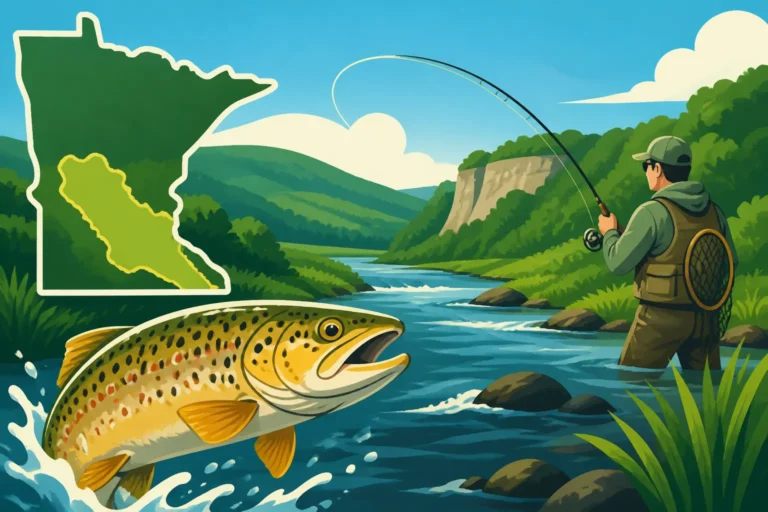
- Trout Lake: This smaller, deeper lake lives up to its name, offering a rare opportunity to catch stocked rainbow and brown trout in addition to its healthy populations of walleye and panfish. It's a bit more secluded and offers a different fishing experience, often requiring a more subtle approach due to its clearer waters.
Other significant lakes in the chain include Rush Lake, Arrowhead Lake, Little Pine Lake, and Daggett Lake, each contributing unique habitat and fishing opportunities. The channels connecting these lakes are often overlooked but can be fish highways, concentrating baitfish and predators, especially during transitions like spawning seasons or major weather changes.
Key Features and Structures
The Whitefish Chain's underwater landscape is incredibly varied, offering everything an angler could dream of.
- Channels and Narrows: These are crucial. The channels between lakes, like the one connecting Cross Lake to Upper Whitefish, are natural funnels for fish movement and baitfish. During periods of current, fish will often hold in these areas, waiting to ambush prey. Many local anglers focus on these pinch points, particularly for walleye and northern pike, during peak feeding times.
- Weed Lines and Flats: Abundant in shallower lakes like Cross Lake and the shallower bays of Upper and Lower Whitefish, weed beds provide essential cover and feeding grounds for largemouth bass, northern pike, and panfish. Understanding how to fish different types of weeds – coontail, cabbage, lily pads – is key here. Extensive weed flats can also hold roaming schools of walleye, especially during low-light conditions.
- Deep Breaks and Drop-offs: On the deeper lakes, the transition from shallow to deep water is where walleye and cisco often patrol. These breaks can be subtle or dramatic, and finding the right depth contour is paramount. Look for hard bottom transitions, such as where sand meets rock or gravel, as these areas often hold the densest concentrations of baitfish.
- Rock Piles and Reefs: Scattered throughout the deeper lakes, these underwater structures are magnets for smallmouth bass and walleye. Using your electronics to locate isolated rock piles or extensive reef systems can dramatically increase your success. These are often hidden gems that hold trophy-sized fish away from more obvious spots.
- Man-Made Structures: Docks, boat lifts, and even submerged cribs (if you know where to find them!) provide additional cover and ambush points, especially for panfish and bass. Don't overlook these easily accessible areas, especially if you're fishing from shore or looking for quick action.
Target Species and Their Haunts on the Whitefish Chain
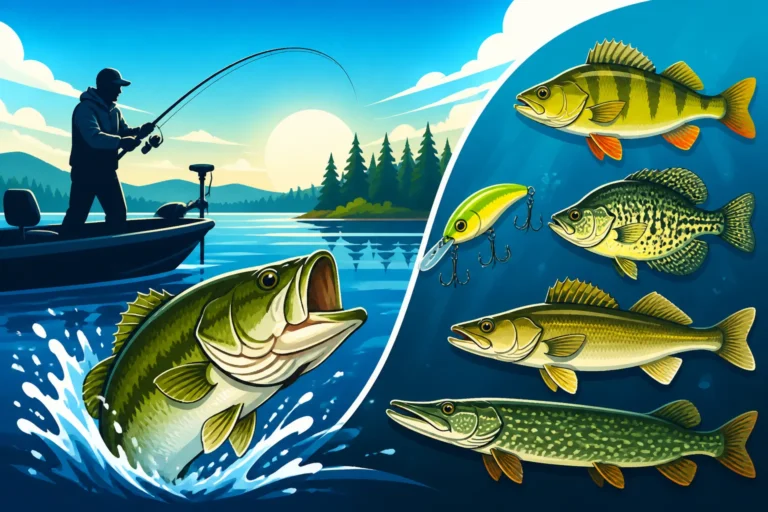
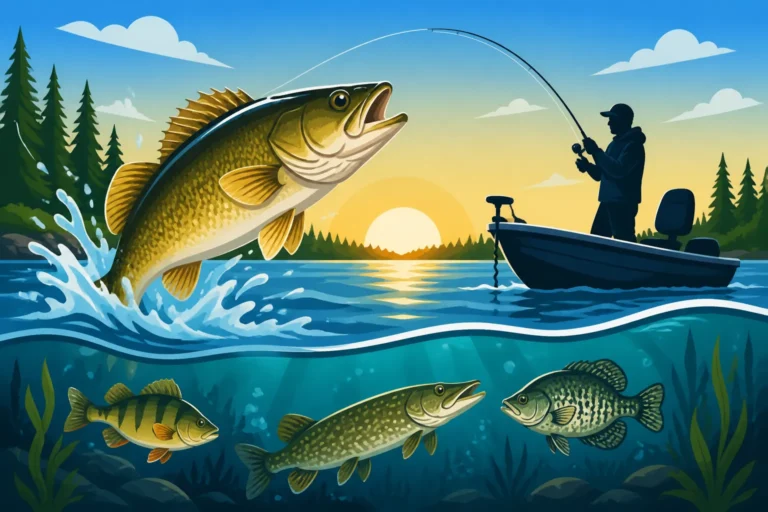
The Whitefish Chain of Lakes truly shines as a multi-species destination, offering fantastic angling for several of Minnesota's most sought-after game fish. Knowing where and when to find each species is key to a successful trip.
Walleye: The Chain's Golden Prize
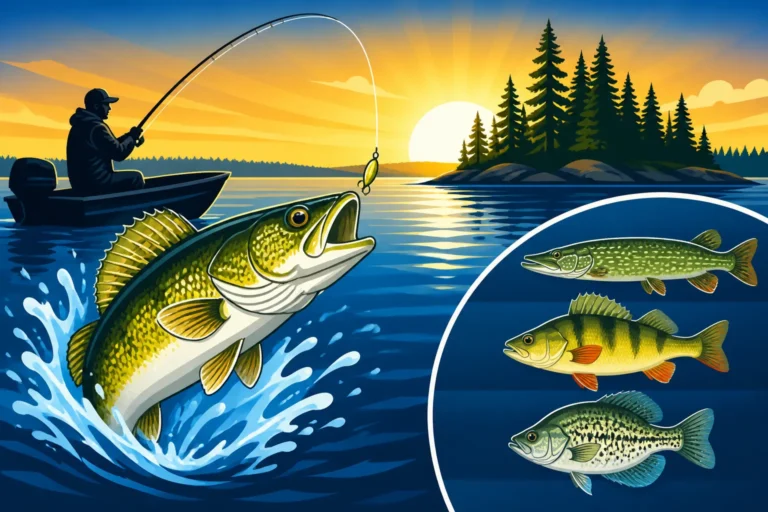
Walleye are undoubtedly the star attraction on the Whitefish Chain, drawing anglers from all over. They thrive in the chain's diverse habitat, from the deep, clear waters of Upper and Lower Whitefish to the more fertile, shallower stretches of Cross Lake.
- Early Season (May-June): Right after the Minnesota Walleye Opener 2026?, walleye are often found shallower, recovering from the spawn. Focus on wind-blown points, shallow breaks, and the mouths of channels, particularly in Cross Lake and the northern bays of Upper Whitefish. Jigs tipped with shiners or a slip bobber rig with a leech are deadly effective. As the water warms, they'll start transitioning to deeper breaks.
- Mid-Summer (July-August): This is when walleye spread out and can be found deeper, often relating to main lake points, humps, and the expansive mud flats in Lower Whitefish. Trolling with crankbaits like Rapala Shad Raps or Berkley Flicker Shads on lead core or using bottom bouncers with crawler harnesses can be incredibly productive. Night fishing for walleye can also be exceptional during this period, as they move shallower to feed under the cover of darkness. Many experienced anglers will target the transitions from hard to soft bottom on the deeper lakes, where forage like cisco and perch are often found.
- Fall (September-October): As water temperatures drop, walleye become more active and can be found both shallow and deep. They’ll often school up on significant structure, feeding heavily before winter. Jigging Rapalas or shiver minnows over humps and deeper breaks, or continuing to troll crankbaits, can yield excellent results. The channels linking the lakes become especially important as fish migrate.
- Ice Fishing (Winter): The Whitefish Chain is a popular ice fishing destination. Walleye can be found on main lake points, humps, and shallower sand flats, particularly during low-light hours. Jigging spoons like Northland Buck-Shot Rattle Spoons or simple jigging raps tipped with a minnow head are consistent producers. Don't forget to set up a deadstick nearby with a lively minnow. You can learn more about Ice Fishing for Walleye: Tactics & Setups to boost your winter success.
Largemouth and Smallmouth Bass Action
The Whitefish Chain is also a phenomenal bass fishery, boasting healthy populations of both largemouth and smallmouth, offering exciting action for different fishing styles.
- Largemouth Bass: These greenbacks love the abundant shallow cover found in many parts of the chain, especially in Cross Lake, Rush Lake, and the shallower bays of Upper Whitefish. Look for them hunkering down in dense weed beds, around lily pads, fallen timber, and under docks. Topwater lures like buzzbaits and poppers are incredibly fun to throw in the mornings and evenings, while Texas-rigged worms or jigs pitched into heavy cover will entice bites throughout the day. Consider fishing areas with dark bottom composition which warms faster in the spring.
- Smallmouth Bass: The chain's clear, deep waters and rocky structures are perfect for smallmouth. You'll find them around rocky points, reefs, and humps in Upper and Lower Whitefish, as well as along rip-rap shorelines. Drop-shot rigs with small worms, Ned Rigs, or tubes fished slowly along the bottom are excellent choices. During summer, look for them suspending over deep water near baitfish schools. Early morning topwater action over rocky points can be absolutely explosive. Check out Bass Fishing Techniques for Minnesota Lakes for more detailed strategies.
Northern Pike: Aggressive Predators
If you're looking for a fight, the Whitefish Chain has plenty of northern pike. These toothy critters are widespread throughout the chain, but some areas are more productive than others for larger specimens.
- Habitat: Pike are ambush predators, so they love to hang out in and around dense weed beds, submerged timber, and the edges of sharp drop-offs. Cross Lake, with its extensive shallow weed flats, is a prime location for casting spoons, spinnerbaits, or large crankbaits for these aggressive fish. The mouths of channels are also excellent spots, as pike will lie in wait for unsuspecting baitfish to pass through.
- Techniques: Trolling large spoons or diving crankbaits along weed lines or over deeper flats can be very effective, especially for covering water. Casting jerkbaits or large soft plastics into thick cover can also trigger ferocious strikes. Don't be afraid to use a steel leader; these fish have razor-sharp teeth that will make short work of monofilament or fluorocarbon. For more on targeting these predators, read our guide on Northern Pike in Minnesota: Identification & Where to Catch.
Panfish Perfection: Crappies and Sunfish
For family fun or a tasty fish fry, the Whitefish Chain offers excellent panfish opportunities for black crappies and bluegill (sunfish).
- Crappies: These schooling fish are often found in deeper bays with submerged brush piles, around docks, and in areas with standing timber, particularly in Cross Lake and some of the smaller, shallower connected lakes. They bite well on small jigs tipped with a minnow or a soft plastic, fished under a bobber. Spring and fall are prime times, as crappies move into shallower water to spawn or feed heavily. Ice fishing for crappie is also incredibly popular, with anglers targeting suspended schools over deep basins or brush.
- Sunfish (Bluegills): Abundant throughout the chain, bluegills are a fantastic target for anglers of all ages. They love shallow, weedy areas, especially around docks, lily pads, and brush. Small worms, wax worms, or tiny jigs fished under a bobber will almost guarantee action. They are particularly active during the late spring and early summer spawn, when they create visible beds in shallow, protected areas. You can find more tips on Crappie & Panfish Fishing Techniques to improve your panfish game.
Here's a quick overview of some prime spots and baits for the main species on the Whitefish Chain:
| Species | Prime Habitat Types | Best Lakes / Areas | Go-To Baits / Lures |
|---|---|---|---|
| Walleye | Deep breaks, humps, mud flats, channel mouths | Lower Whitefish, Upper Whitefish, Cross Lake | Jigs (minnow), crankbaits, bottom bouncers (crawler) |
| Largemouth Bass | Heavy weeds, lily pads, fallen timber, docks | Cross Lake, Rush Lake, shallower bays | Topwater, Texas rigs, spinnerbaits, jigs |
| Smallmouth Bass | Rocky points, reefs, rip-rap, deep structure | Upper Whitefish, Lower Whitefish | Drop shots, Ned Rigs, tubes, jerkbaits |
| Northern Pike | Weed lines, channel edges, submerged cover | Cross Lake, Rush Lake, weedier bays | Spoons, spinnerbaits, large crankbaits, jerkbaits |
| Black Crappie | Deep bays, brush piles, docks, suspended over basins | Cross Lake, smaller connected lakes | Small jigs (minnow), soft plastics, slip bobbers |
| Bluegill | Shallow weeds, docks, lily pads | Cross Lake, Rush Lake, sheltered bays | Worms, wax worms, tiny jigs, small bobbers |
Mastering Fishing Techniques for the Whitefish Chain
Fishing the Whitefish Chain effectively means adapting your approach to the season and specific conditions. Its diverse structure and interconnectedness require a versatile angler, but with the right techniques, you can unlock incredible success.
Seasonal Strategies for Success
Understanding the Seasonal Fishing Patterns in Minnesota is crucial here, as the chain undergoes significant changes throughout the year.
- Spring Fling (May-Early June): As the ice recedes and water temperatures slowly climb, fish become highly active. Walleye will be recovering from the spawn, often found in shallower areas near spawning grounds or at the mouths of inflowing streams and channels in lakes like Cross Lake. This is prime time for jigging with live bait, especially shiners or minnows. Panfish will also be moving shallow, making for excellent crappie and bluegill action in protected bays and marinas. Largemouth bass will be cruising the shallow warming flats, while smallmouth will start to show up on shallower rocky points.
- Summer Patterns (Mid-June to August): Summer fishing on the Whitefish Chain demands a bit more strategy. As water temps peak, fish often move deeper to find cooler, more oxygenated water and follow schools of baitfish. For walleye, this means focusing on the main lake humps, deep breaks, and mud flats of Upper and Lower Whitefish. Trolling crankbaits or using bottom bouncers and spinner rigs becomes highly effective. Bass will also relate to deeper structure or dense weed beds, seeking shade and ambush points. Early mornings and late evenings offer fantastic topwater action for bass in the shallower areas. Pike will hold in the cooler water of deep weed edges.
- Fall Feeding Frenzy (September-October): The fall bite on the Whitefish Chain can be spectacular. As water temperatures cool down, fish begin to feed aggressively in preparation for winter. Walleye will often move shallower again, especially during low-light conditions, concentrating on prominent points and humps. Jigging with larger minnows or casting aggressive crankbaits can be very productive. Northern pike will also be incredibly active, hitting large spoons and spinnerbaits near weed lines. Smallmouth bass will school up on rocky main lake points and humps. This is a great time to target trophy-sized fish across multiple species.
- Winter Wonderland (December-March): The Whitefish Chain is a very popular ice fishing destination. Walleye anglers focus on main lake points, humps, and shallower flats, particularly during dawn and dusk. Jigging spoons and minnows are the go-to. Crappies will often suspend over deeper basins, requiring sensitive rods and small tungsten jigs tipped with plastics or wax worms. Northern pike are frequently caught on tip-ups set along weed edges or over structure. Always be sure to check ice conditions before venturing out.
Go-To Lures and Baits
Having the right tackle can make all the difference. For walleye, you can't go wrong with classic jigs (1/8 to 1/4 ounce) tipped with a live minnow or a soft plastic swimbait. On the deeper main lake bodies, crankbaits that dive to target depths (like Berkley Flicker Shads or Rapala Shad Raps) or bottom bouncers with spinner rigs (using a nightcrawler or leech) are essential for covering water. For bass, a variety of topwater lures (frogs, poppers, buzzbaits), Texas-rigged worms, jigs, and crankbaits are standard. Pike will hit larger versions of many of these, plus classic spoons like a Daredevil. For panfish, think small: tiny jigs (1/32 to 1/16 ounce) tipped with a wax worm, minnow, or micro-plastic under a small bobber are deadly. Don't underestimate the power of live bait; leeches and minnows are always a hot commodity, especially for walleye and crappies. To learn more about specific bait choices, explore our guide on Best Live Bait for Walleye (Leeches, Minnows, Crawlers).
The Importance of Electronics and Maps
Given the Whitefish Chain's complexity, modern fishing electronics are practically essential. A good fish finder (like those from Humminbird or Garmin) with side imaging and down imaging will help you locate subtle structure, identify schools of baitfish, and mark individual game fish. If you're ice fishing, a flasher (Vexilar, MarCum) is indispensable for seeing your lure and fish reactions in real-time.
Crucially, investing in detailed lake maps (physical or on your electronics via Navionics or LakeMaster chips) is paramount. These maps will show you contours, depths, rock piles, weed edges, and even submerged roads or foundations that hold fish. Familiarize yourself with the map before you even launch your boat. Knowing where the channels narrow, where humps rise from the bottom, or where deep holes drop off will give you a significant advantage. The Whitefish Chain's intricate nature means that hidden gems are abundant, but you need the right tools to find them. Don't be afraid to experiment with your electronics and learn to interpret what they're showing you; it's like having X-ray vision into the water!
Planning Your Ultimate Whitefish Chain Fishing Adventure
A successful trip to the Whitefish Chain involves more than just knowing where the fish are; it's about smart planning, safe practices, and making the most of all the resources available to you.
Access Points and Public Ramps
The Whitefish Chain offers numerous public boat launches and access points, making it relatively easy to get on the water. Major public access ramps can be found on Cross Lake, Upper Whitefish, and Lower Whitefish. Many resorts and marinas also offer launch services, sometimes for a small fee.
- Cross Lake: There are several ramps around the city of Crosslake, providing excellent access to the central part of the chain. These can be busy during peak season.
- Upper Whitefish: Access points are available, allowing direct entry to the deeper, clearer waters.
- Lower Whitefish: Several public access points and resort launches provide ways to get onto the largest lake in the chain.
Remember that navigating between the lakes through the channels requires attention, especially for larger boats. Some channels can be narrow or have speed restrictions, so always pay attention to buoys and markers. It's a great idea to study a map of the chain thoroughly before your trip to understand the layout and potential navigation challenges. If you're new to the area, consider sticking to one or two lakes first, then expanding your exploration.
Local Expertise: Guides and Resorts
If you're truly looking to unlock the secrets of the Whitefish Chain, especially on your first few visits, consider hiring a local fishing guide. These professionals spend countless hours on the water and possess an intimate knowledge of seasonal patterns, productive spots, and effective techniques. A good guide can save you days, if not weeks, of trial and error, putting you on fish faster and teaching you valuable lessons about the chain. You can often find reputable guides through local bait shops, resorts, or online platforms like FishingBooker, which lists many experienced guides operating in the Brainerd Lakes Area and specifically the Whitefish Chain. Many guides also offer ice fishing trips, providing heated shelters and all the gear, which is perfect if you're new to the sport.
The Whitefish Chain is also surrounded by a plethora of excellent resorts, ranging from rustic cabins to luxurious lodges. Staying at a resort often provides convenient lake access, boat rentals, and local advice, making your fishing trip much smoother. Resorts like Crosslake Vacations or Whitefish Lodge & Suites are popular choices, offering amenities that cater to anglers and families alike. Some resorts even offer guided fishing packages, combining lodging with a day or more on the water with a local expert.
Essential Regulations and AIS Awareness
Minnesota takes its natural resources seriously, and fishing regulations are designed to protect the health of its fisheries. Before you cast a line on the Whitefish Chain, you must have a valid Minnesota fishing license. You can find all the details on how to get one, including costs and types, in our guide on the Minnesota Fishing License: Cost, Types & How to Buy (2026). Always check the current Minnesota Department of Natural Resources (DNR) regulations specifically for the Whitefish Chain, as bag limits and size restrictions (like slot limits for walleye or northern pike) can vary from statewide rules or change annually. Pay close attention to the Minnesota Fishing Limits: Bag & Possession (2026) to ensure you're compliant.
Beyond licenses and limits, Aquatic Invasive Species (AIS) prevention is critical. The Whitefish Chain, like many popular Minnesota lakes, is vulnerable to AIS such as zebra mussels and Eurasian watermilfoil. It is your responsibility to prevent their spread. Always remember to:
- Clean all weeds and debris from your boat, trailer, and fishing gear.
- Drain all water from your boat, livewell, and bait buckets before leaving the access.
- Dispose of unwanted bait in the trash, not in the water.
- Dry your boat and gear completely before moving to another body of water.
The "Drain Plug Law" is a particularly important regulation to know: your boat's drain plug must be removed when transporting your boat on public roads. Following these rules not only keeps you compliant but, more importantly, protects the health and future of Minnesota's incredible fishing resources. For a complete understanding of the rules, refer to our comprehensive guide on Aquatic Invasive Species (AIS) Rules for Boaters.
Disclaimer
Please note that fishing regulations, seasons, and limits are subject to change. Always consult the most current Minnesota Department of Natural Resources (DNR) fishing regulations before heading out on the water. This guide is for informational purposes only and should not be considered legal advice.