Detroit Lakes Area Fishing: Best Lakes & Species
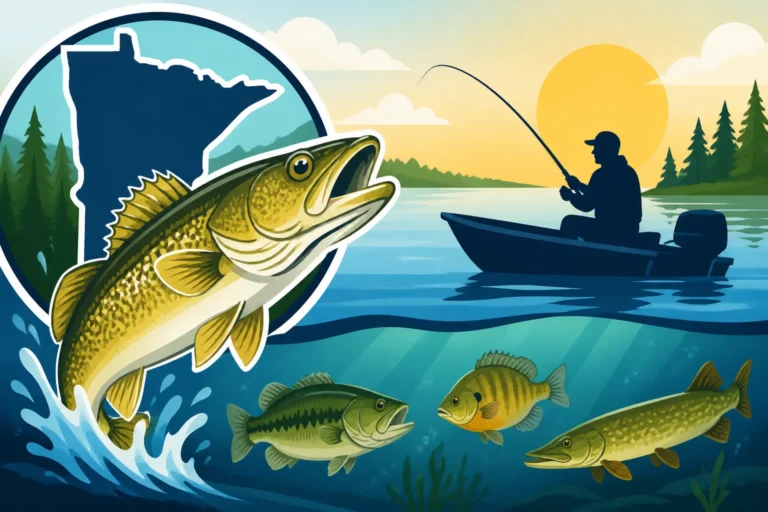
Trying to figure out where to cast your line in an unfamiliar area can feel like searching for a needle in a haystack, especially when you're faced with dozens of incredible lakes like those around Detroit Lakes, Minnesota. It’s easy to get overwhelmed by all the options and wonder which lake will give you the best shot at your target species. This comprehensive guide is here to cut through the confusion, helping you pinpoint the best lakes and species to target in the Detroit Lakes area, so you can spend less time guessing and more time reeling in fish.
The Allure of Detroit Lakes Area Fishing
The Detroit Lakes area isn't just a pretty face with its rolling hills and clear waters; it's a legitimate fishing hotbed that draws anglers from all over the Midwest. Many people flock here for the summer fun and don't even realize the incredible fishing opportunities right under their noses. But for those of us who prioritize fishing, it’s a destination that offers diverse experiences, whether you're chasing trophy walleye or filling a bucket with panfish for a family fish fry.
Why Detroit Lakes is a Fishing Paradise
What makes this region so special? Well, for starters, the sheer number of lakes is astounding. You're not just limited to one or two options; there are literally hundreds of lakes within a short drive, each with its own unique character and fishery. This incredible density means that no matter what kind of fishing you're into, you can probably find a lake that suits your fancy. We're talking about everything from sprawling, deep lakes that hold massive walleye and muskie to smaller, shallower ponds teeming with crappie and bluegill.
Beyond the quantity, there's a real quality to these waters. Many of these lakes boast healthy, diverse fish populations supported by excellent habitat and careful management by the Minnesota Department of Natural Resources. The aquatic ecosystems here are vibrant, with plenty of forage for game fish, which translates to robust growth rates and strong, feisty fish on the end of your line. Plus, the surrounding natural beauty — the forested shores, the abundant wildlife — adds another layer to the experience. It’s more than just catching fish; it’s about being out in nature, enjoying the peace and quiet that only Minnesota’s lake country can offer.
Common Challenges for Anglers Here
While the Detroit Lakes area is a paradise, it's not without its challenges, especially for newcomers. The biggest hurdle is often the sheer volume of choices. With so many lakes, how do you even begin to decide where to launch your boat? Local knowledge plays a huge role here, and without it, you might find yourself wasting precious fishing time exploring unproductive water. Another challenge can be the fishing pressure, particularly on the more popular lakes during peak summer weekends. Finding those quieter spots or less-pressured fish requires understanding the lake's structure and the fish's seasonal movements.
Navigating the specific regulations for each lake can also be a bit tricky. While the statewide regulations provide a baseline, many individual lakes have special rules, such as protected slot limits or reduced bag limits for certain species, designed to protect and enhance their unique fisheries. It's crucial to check the current Minnesota Fishing Limits: Bag & Possession (2026) and the specific lake regulations before you head out, because nobody wants a citation after a great day of fishing. Equipment can also be a factor; a lack of the right gear for specific techniques or species in these waters can certainly put a damper on your success.
Top Lakes for Walleye, Panfish, and Pike
Alright, let's get down to brass tacks. You want to know where to go and what to expect. The Detroit Lakes region has some true gems, each offering something a little different.
| Lake Name | Primary Species | Key Characteristics | Best Time to Fish | Access Notes |
|---|---|---|---|---|
| Big Detroit Lake | Walleye, Largemouth Bass, Smallmouth Bass, Panfish | Large, deep, diverse structure, popular resort area | Spring, Summer, Fall | Multiple public launches, full amenities |
| Pelican Lake | Northern Pike, Walleye, Crappie, Sunfish | Large, shallower bays, extensive weed lines, river system | Spring, Summer, Winter | Several public launches, good for smaller boats |
| Lake Melissa | Walleye, Crappie, Bluegill, Perch | Clear water, good structure, connects to Sallie | Spring, Summer, Fall | Public launch, usually less crowded than Detroit |
| Lake Sallie | Walleye, Crappie, Bluegill, Perch | Good structure, connects to Melissa, diverse depths | Spring, Summer, Fall | Public launch, good for families |
| Mantrap Lake | Walleye, Northern Pike, Bass | Chain of lakes, clear water, good habitat, less pressure | Spring, Summer, Fall | Public access, quieter experience |
| Upper Cormorant | Walleye, Northern Pike, Panfish | Diverse structure, good depth, connects to Middle/Lower | All Seasons | Public launch |
Big Detroit Lake: A Walleye and Bass Powerhouse
When most people think of Detroit Lakes, they're probably picturing Big Detroit Lake. It's the crown jewel of the area, a substantial body of water covering over 3,000 acres, known for its excellent walleye and both smallmouth and largemouth bass fishing. This lake offers a bit of everything: deep holes, expansive sand flats, rocky points, and healthy weed lines. The walleye here are often found relating to those classic humps and breaks, especially as the season progresses. Early in the season, after the Minnesota Fishing Seasons & Opener Dates (2026), you'll find them shallower, often near developing weed beds or transitions from hard bottom to soft. As summer heats up, they'll slide out to deeper structure.
For bass anglers, Big Detroit is a real treat. The lake’s diverse underwater landscape provides ideal habitats for both largemouth and smallmouth. Largemouth will hug the extensive shallow weed beds, docks, and lily pads, particularly in the quieter bays. Smallmouth, on the other hand, love the rocky points, humps, and sharper breaks, often in deeper water. You'll find anglers targeting them with everything from topwater lures in the mornings and evenings to drop shots and jigging presentations during the day. It's a fantastic lake for a full day of diverse fishing experiences, even if it can get a bit busy on sunny summer weekends.
Pelican Lake: Panfish Haven and Northern Pike Action
Just a stone's throw away from Detroit Lakes, you’ll find the massive Pelican Lake. This isn’t just one lake; it’s a whole system connected by the Pelican River, stretching over 8,000 acres, offering a different vibe and different opportunities. Pelican is renowned for its outstanding panfish, especially crappie and bluegill. Its numerous bays, extensive weed flats, and shallower average depth create perfect conditions for these species to thrive. Anglers often find phenomenal crappie fishing in the spring and fall, particularly around fallen timber and emerging weed lines. In summer, the bluegill action can be incredible around the docks and healthy vegetation.
But don’t let the panfish reputation fool you; Pelican Lake also holds some serious northern pike. The abundant forage and expansive shallow-water habitat mean pike have everything they need to grow large. You can expect to hook into plenty of hammer handles, but don't be surprised if a true trophy pike smashes your lure, especially in the weedier sections or near the river channels. It’s also a decent walleye lake, though they tend to be a bit more elusive than on Big Detroit. Ice fishing on Pelican is also hugely popular, with anglers setting up permanent and portable shelters for crappie, bluegill, and pike throughout the winter.
Lake Melissa & Lake Sallie: Hidden Gems for Diverse Catches
These two interconnected lakes, Lake Melissa and Lake Sallie, often fly a little under the radar compared to their larger neighbor, Big Detroit, but they are absolutely worth your attention. They offer a slightly clearer water experience and can sometimes be less pressured, making for a more serene fishing trip. Both lakes have excellent populations of walleye, crappie, bluegill, and yellow perch. Their interconnected nature allows fish to move between them, providing diverse angling opportunities.
Lake Melissa, with its slightly deeper pockets and clear water, offers good structure for walleye, often found along breaklines and humps. Lake Sallie is similar in structure but can feel a bit more intimate. For panfish, the weed edges and submerged timber are key areas. During the spring and early summer, you'll find crappie congregating in the shallower bays before they move out to deeper cover. Perch are often found on sandy flats or near weed edges, providing consistent action, especially for kids or beginners. These lakes are fantastic for a relaxed day on the water, whether you're using a simple bobber and minnow or more advanced jigging techniques.
Other Notable Lakes
Beyond the big names, there are many other fantastic fishing lakes in the Detroit Lakes area that deserve a mention:
- Mantrap Lake: Actually a chain of several lakes, Mantrap offers a more secluded feel with excellent walleye and northern pike fishing, often less crowded than the more accessible spots. Its clear waters and diverse structure make it a favorite for those willing to explore a bit more.
- Big Cormorant Lake: Part of the Cormorant Chain of Lakes, this lake is known for its good walleye and northern pike populations, along with decent panfish. It’s a bit shallower on average but has good structure and plenty of weeds for fish to hide in.
- Little Pelican Lake: Another excellent panfish lake, especially for crappie and bluegill, Little Pelican is connected to Pelican Lake and offers similar fishing opportunities in a slightly smaller package.
These lakes contribute to the region's reputation as one of the Best Fishing Lakes in Minnesota, offering a lifetime of angling exploration for both residents and visitors.
Targeting Specific Species in Detroit Lakes
Understanding the lakes is one thing, but knowing how to effectively target the specific fish you're after is where the real magic happens. Each species has its preferred habitats, baits, and techniques, and knowing these local nuances will significantly boost your success.
Walleye Tactics for the Lakes
Walleye, Minnesota’s state fish, are a prime target in the Detroit Lakes area. On lakes like Big Detroit and Melissa, you’ll find them in varying depths depending on the season and time of day.
- Jigging: Early season, after the When Is the Minnesota Walleye Opener 2026?, jigging with a minnow or a soft plastic like a Berkley Gulp! Alive! on a lead head jig is incredibly effective, especially on subtle breaks or points. When the water warms, you might switch to a jig and a plastic paddle tail.
- Trolling: As summer progresses, trolling crankbaits like a Rapala Shad Rap or a Salmo Hornet becomes a deadly tactic, especially over expansive flats or along breaklines. Don't be afraid to experiment with different depths and speeds. Using a bottom bouncer with a spinner rig and a nightcrawler is another classic and highly effective trolling method, particularly when fish are spread out.
- Slip Bobbers: For targeting walleye holding tight to structure or in specific weed pockets, a slip bobber rig with a leech or a minnow is hard to beat. This allows you to present your bait naturally at a precise depth. Learn How to Use a Slip Bobber for Walleye & Crappie to maximize your presentation.
- Night Fishing: Walleye are notoriously light-sensitive due to their large eyes. Night fishing for walleye can be incredibly productive, especially during the summer months when they move into shallower water to feed. Focus on rocky points and shallow flats adjacent to deeper water.
Remember that current Walleye Season & Limit in Minnesota rules apply, and some lakes may have specific slot limits to protect breeder fish.
Panfish Prowess
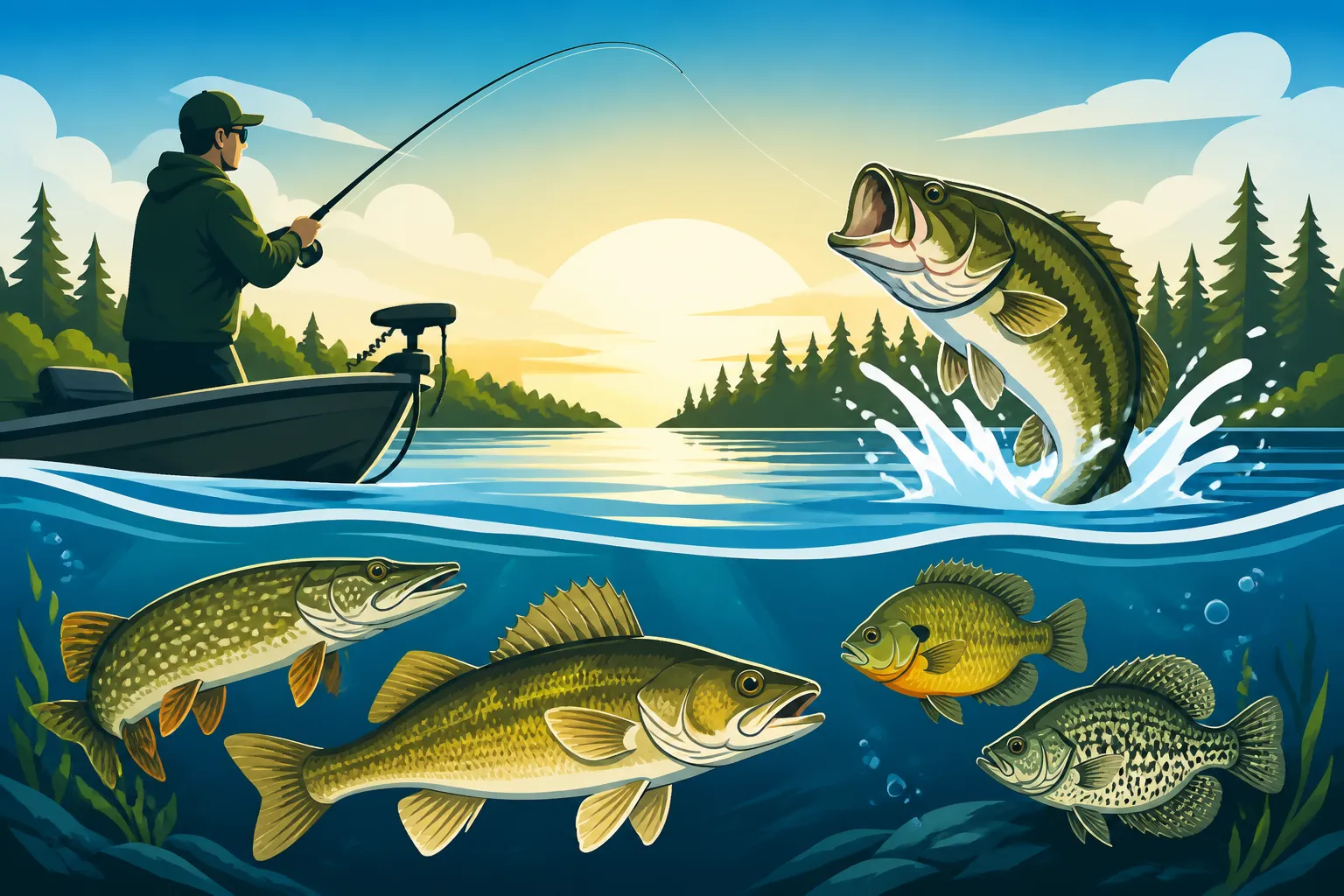
Crappie, bluegill, and yellow perch are abundant throughout the Detroit Lakes area, offering consistent action, often perfect for family outings or when you just want to catch a lot of fish.
- Crappie: On lakes like Pelican, Melissa, and Sallie, look for crappie suspended in deeper basins or holding around submerged timber and healthy weed edges. Small jigs tipped with a crappie minnow or a tiny soft plastic are super effective. During the spring, they’ll move into shallow, protected bays to spawn, offering easy targets. After dark, using a submersible light can attract hordes of crappie right to your boat or ice hole.
- Bluegill: Bluegill are often found shallower, especially around docks, lily pads, and thick weed beds. A simple hook, bobber, and a piece of worm or a tiny panfish jig under a bobber is all you need. Focus on areas with good cover.
- Yellow Perch: Perch often inhabit sandy or gravelly flats with some scattered weeds. They respond well to small jigs tipped with a piece of nightcrawler or a small minnow. On Upper Red Lake or Lake Winnibigoshish, which are also within a reasonable drive, you can find jumbo perch on similar structures. Ice fishing for perch is also a huge draw in the winter.
For more detailed strategies on these abundant species, check out our guide to Crappie & Panfish Fishing Techniques.
Northern Pike and Muskie Adventures
If you're looking for bigger, toothier predators, the Detroit Lakes area has you covered with robust populations of northern pike and, in some lakes, even muskie.
- Northern Pike: These aggressive fish are found in virtually every lake in the area. They love weed edges, submerged timber, and any kind of ambush cover. Spinnerbaits, spoons, and large crankbaits are go-to lures. Don't be shy about using larger baits if you're targeting bigger pike. On Pelican Lake, where they are especially prevalent, try casting into the extensive weed beds with weedless spoons or spinnerbaits. Live bait, like a large sucker minnow under a float, can also be very effective for bigger fish.
- Muskie: While not as widespread as pike, some lakes in the region, including parts of the Pelican chain and others further north, do hold muskie. These are the "fish of 10,000 casts," demanding patience and specialized gear. Large bucktails, jerkbaits, and topwater lures are the primary tools. Muskie fishing is a serious commitment, but the reward of a true trophy is unparalleled. Make sure you're using proper Muskie Fishing Techniques for Beginners and practicing catch and release.
Always remember that pike and muskie have sharp teeth, so heavy leader material is a must to prevent bite-offs.
Bass Fishing: Smallmouth and Largemouth Opportunities
Bass fishing has really taken off in Minnesota, and the Detroit Lakes area is no exception. You’ll find both smallmouth and largemouth bass thriving here.
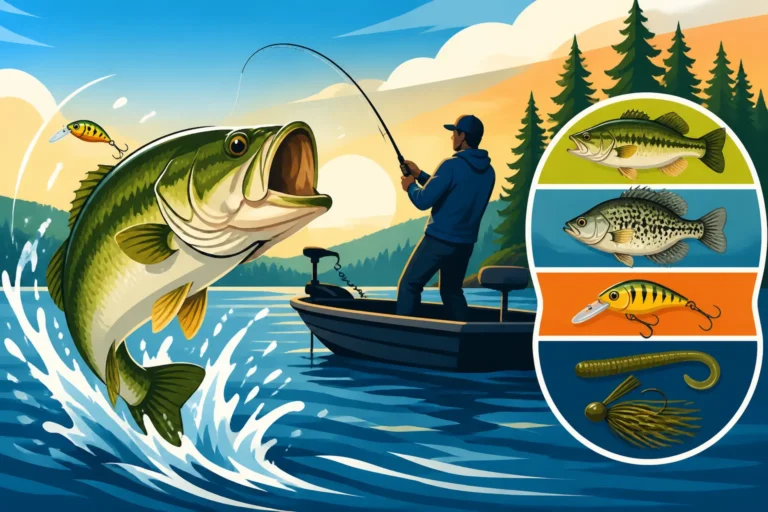
- Largemouth Bass: These green fish prefer shallow, weedy areas, lily pads, docks, and fallen trees. On Big Detroit Lake and many of the smaller, weedier lakes, flipping jigs, throwing spinnerbaits, or working topwater frogs and poppers can be incredibly exciting. Look for pockets in weed beds or shaded areas under overhanging trees.
- Smallmouth Bass: Smallies love rocky structure, gravel bottoms, and deeper breaks. On Big Detroit, the rocky points and transitions from hard to soft bottom are prime smallmouth territory. They respond well to tube jigs, Ned Rigs, drop shots, and small crankbaits. The fight of a smallmouth is legendary, often leaping and pulling hard, making them a favorite among many anglers.
For both species, understanding the seasonal movements is key. In spring, they’ll be shallow for spawning; in summer, they’ll relate to deeper cover during the day and move shallow at dawn/dusk; and in fall, they’ll be feeding heavily before winter.
Planning Your Detroit Lakes Fishing Trip
A successful fishing trip to the Detroit Lakes area isn't just about knowing the best lakes and species; it's also about proper planning, having the right gear, and considering the time of year.
Essential Gear and Bait Considerations
You don't need to break the bank to get started, but having the right tools for the job certainly helps. For walleye and bass, a good medium-light to medium-heavy spinning rod and reel combo with 8-12 lb monofilament or fluorocarbon line is versatile enough for most applications. If you're serious about walleye, consider specific Best Walleye Rods & Reels for jigging or trolling. For panfish, ultralight setups with 4-6 lb line are perfect.
When it comes to bait, live bait is often king, especially for walleye and panfish. Local bait shops in Detroit Lakes, like Holiday Stationstores or Cenex, will stock fresh minnows (shiners, fatheads, rainbows), leeches, and nightcrawlers. Always check which minnow species are legal for transport and use, as regulations can change to prevent the spread of aquatic invasive species. For artificials, a selection of jigs (1/8 oz to 1/4 oz for walleye/bass, 1/32 oz to 1/16 oz for panfish), crankbaits, spinnerbaits, and soft plastics in various colors (perch, shiner, chartreuse, white) will cover most situations. Don't forget basic tackle like hooks, sinkers, bobbers, and a good pair of pliers for hook removal.
Finding Guides and Charters
For those unfamiliar with the Detroit Lakes area, or for anyone wanting to maximize their time on the water, hiring a local fishing guide can be an invaluable investment. A good guide knows the lakes inside and out, understands the current patterns, and can put you on fish quickly. They often provide all the necessary gear, bait, and local expertise, making your trip much more enjoyable and educational.
You can find reputable guides by checking with local resorts, bait shops, or by looking online. Services like FishingBooker make it super easy to find and book experienced local guides for specific species or lake preferences right from your phone or computer. Just search for "Detroit Lakes fishing guides" on their platform, and you'll find a list of captains ready to show you the ropes. This is particularly helpful if you're after a trophy muskie or want to learn the intricacies of Trolling for Walleye: Crankbaits & Leadcore techniques on a large lake like Big Detroit.
Seasonal Considerations for Best Results
Minnesota fishing is a year-round sport, and the Detroit Lakes area truly shines in every season.
- Spring (Ice-out to June): This is prime time for active fish as they recover from winter and prepare for spawning. Walleye, crappie, and pike are generally shallower and more aggressive. The walleye opener in mid-May is a huge event, with anglers hitting the lakes en masse.
- Summer (July-August): While busy, summer fishing can be excellent, especially during early morning and late evening hours. Fish move to deeper structure during the heat of the day. Night fishing for walleye is very productive. Panfish remain active in and around weed beds.
- Fall (September-November): Often overlooked, fall offers some of the best fishing of the year. Fish are bulking up for winter, meaning they're actively feeding. Walleye return to shallower breaks, and pike are incredibly aggressive. The cooler weather and fewer crowds make for a fantastic experience.
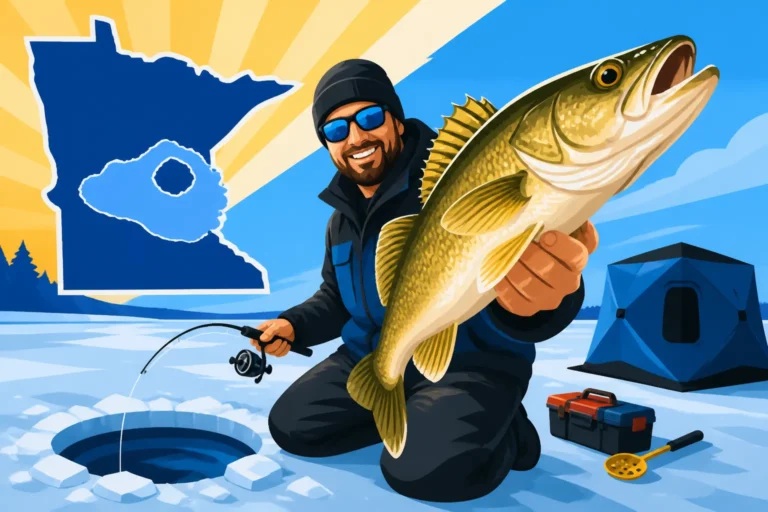
- Winter (December-March): Ice fishing is huge in Minnesota, and the Detroit Lakes area is no exception. Lakes like Pelican and Big Detroit become small cities on ice. Walleye, crappie, bluegill, and pike are all popular targets. Make sure you understand Minnesota Ice Fishing & Shelter Rules and have the right gear, from augers to warm shelters, for a comfortable and safe experience. Learning How to Catch Walleye Through the Ice in Minnesota can drastically improve your winter success.
Choosing the right season depends entirely on what you want to catch and what kind of experience you're after. Each season presents unique challenges and rewards, making Detroit Lakes a versatile fishing destination all year long.
Disclaimer
Please be aware that fishing regulations, including seasons, limits, and special rules for specific lakes, can change. Always consult the most current Minnesota Department of Natural Resources (DNR) Fishing Regulations Handbook or their official website before heading out on the water. This guide is for informational purposes only and does not supersede official regulations.