Fishing Near Detroit Lakes, Minnesota
Finding a prime fishing spot in Minnesota can feel like an overwhelming task, given the state's famous 10,000 lakes. You want to pick a destination that offers diverse fishing opportunities, stunning scenery, and all the amenities to make your trip a success, without spending hours researching every single body of water. This comprehensive guide simplifies your planning, focusing specifically on fishing near Detroit Lakes, Minnesota, and equipping you with the knowledge to make your next angling adventure unforgettable.
The Allure of Detroit Lakes: A Premier Angling Destination
The Detroit Lakes area isn't just another dot on Minnesota's vast lake map; it's a vibrant hub where the prairies meet the woods, creating a unique and incredibly productive fishery. Anglers from all over the Midwest flock here, drawn by the promise of diverse catches and the natural beauty that only this part of the state can offer. It’s a place where you can spend a week and fish a different lake every day, each with its own personality and fish populations.
A Landscape Shaped for Anglers
Imagine rolling hills carved by ancient glaciers, leaving behind a kettle-and-kame topography dotted with hundreds of lakes. That's the Detroit Lakes region. This unique geography means an incredible density of water bodies, each varying in size, depth, and structure. From sprawling, deep basins with rocky reefs to shallow, weed-choked havens, the variety is astounding. This diverse underwater real estate translates directly to diverse fish habitats, ensuring there’s a perfect spot for every species and every angling preference. The region's natural beauty, with its mix of deciduous forests and open grasslands, provides a picturesque backdrop for every cast, whether you're chasing trophy walleye or simply enjoying a peaceful afternoon of panfishing.
The accessibility to these waters is also a huge plus. You're not trekking miles into the wilderness here; many fantastic fishing opportunities are just a short drive from the city of Detroit Lakes. This makes it a fantastic destination for families, seasoned pros, and even those just starting to explore the joys of fishing. With numerous public boat launches and easy access points, getting your boat on the water or finding a good spot to cast from shore is rarely an issue. For those who don't own a boat, many resorts offer rentals, and services like FishingBooker can connect you with local guides who have all the necessary equipment.
Diversity of Fish Species
What truly sets the Detroit Lakes area apart is its incredible variety of fish species. Unlike some lakes that are known for just one or two species, these waters boast thriving populations of nearly all of Minnesota's most sought-after game fish. This means you can target a different species each day or even pursue multiple species in a single outing.
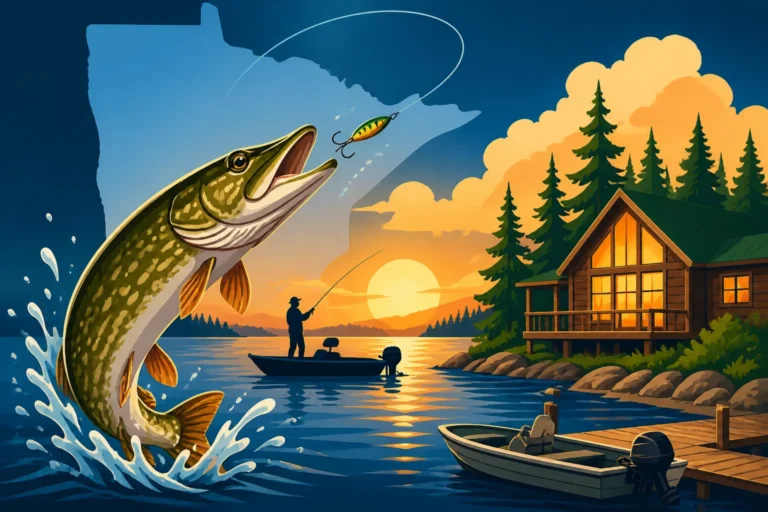
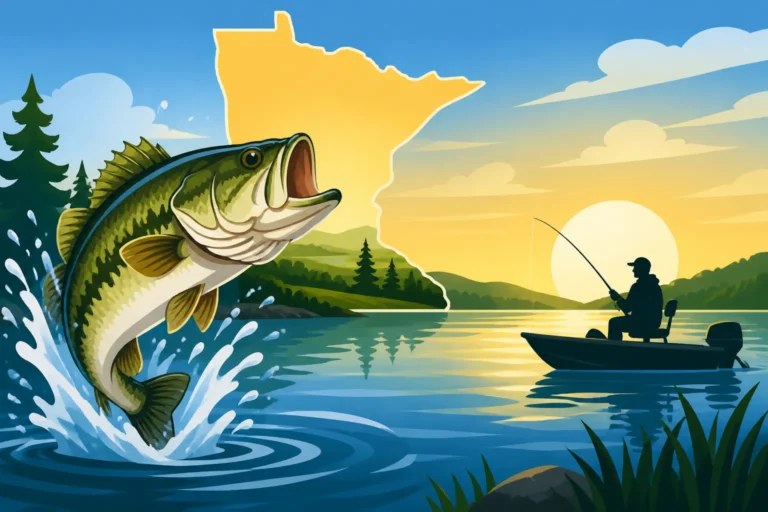
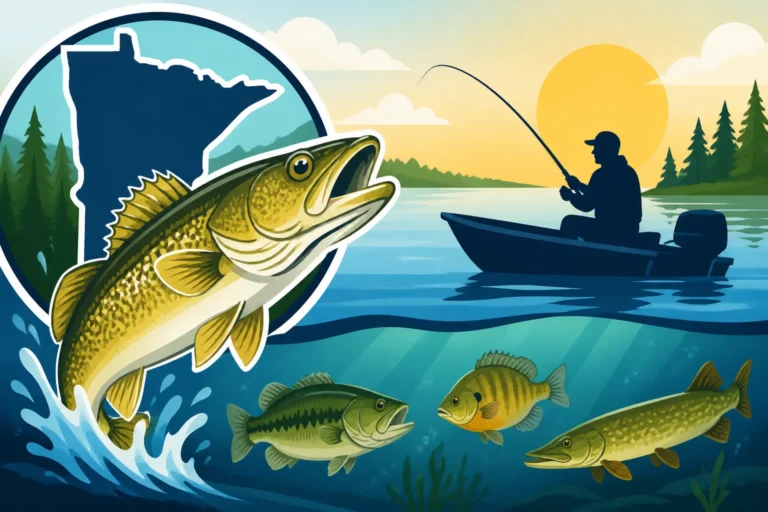
The undisputed king of Minnesota waters, the walleye, is a primary draw here. Lakes like Big Detroit and Pelican consistently produce healthy numbers of these tasty fish, with opportunities for both eater-sized and genuine trophies. But it doesn't stop there. Anglers regularly encounter robust populations of northern pike, known for their aggressive strikes and thrilling fights. For bass enthusiasts, both largemouth and smallmouth bass thrive in these waters, offering exciting topwater action and intense battles on deeper structure. And let's not forget the panfish: abundant crappie, bluegill, and yellow perch provide endless fun for anglers of all ages, perfect for introducing kids to fishing or just enjoying a relaxing day on the water. This balanced fishery ensures that no matter your preference, you'll find plenty to keep your lines tight.
Navigating the Waters: Top Lakes and Their Unique Charms
When you're in the Detroit Lakes area, you're spoiled for choice. With so many lakes, it can be tough to decide where to drop a line first. To help you get started, let's explore some of the region's most productive and popular lakes, each offering a distinct fishing experience.
Big Detroit Lake: The Main Attraction
No discussion of fishing in the Detroit Lakes area would be complete without highlighting Big Detroit Lake. This expansive body of water, covering over 3,000 acres, is truly the centerpiece of the region's angling scene. Its sheer size and diverse underwater topography make it a fantastic destination for a wide array of species.
Big Detroit Lake is characterized by its significant depth, reaching over 70 feet in some areas, along with a complex network of humps, rocky reefs, sharp breaks, and extensive weed lines. These features create prime habitat for big walleye, which often relate to the deeper structure and transitions between different bottom types. Anglers frequently target walleye here by trolling crankbaits over main lake points and humps during the summer months, or by jigging live bait like shiners or fatheads on the breaks during early season and late fall. For those interested in Walleye Fishing Techniques: Complete Minnesota Guide, Big Detroit offers a textbook environment to try them all. Beyond walleye, the lake is also renowned for its muskie fishery, with some truly massive toothy critters lurking in its depths. Serious muskie anglers will spend countless hours casting large bucktails and jerkbaits, hoping for that fish of 10,000 casts. Smallmouth bass are another major draw, often found prowling the rocky shorelines and deep breaks, readily hitting tube jigs, drop-shot rigs, or even topwater baits in the right conditions. Northern pike are also prevalent, often holding to the vast weed beds and thriving along the lake's numerous points.
Pelican Lake (near Detroit Lakes): Walleye and Panfish Haven
It's important to clarify that there are several "Pelican Lakes" in Minnesota, but the one near Detroit Lakes, specifically Pelican Lake in Otter Tail County, is a fantastic fishery worth exploring. It's often praised for its clear waters and excellent panfish opportunities, alongside a strong walleye population.
Pelican Lake offers a different vibe than Big Detroit. While still sizable at over 3,000 acres, it tends to be a bit quieter in certain areas, with extensive deep holes (up to 55 feet) and vast stretches of healthy weed beds. These characteristics make it a prime location for anglers seeking crappie and bluegill. During the spring, crappies move into the shallow bays, often found around emergent weeds or submerged brush piles, where a simple How to Use a Slip Bobber for Walleye & Crappie rig with a minnow or a small jig can be incredibly effective. Bluegill, on the other hand, are often found deeper within the weed beds or around docks and fallen trees throughout the open water season. When the ice forms, Pelican Lake becomes an absolute hotspot for panfish, with anglers drilling dozens of holes to pinpoint schools of crappie and jumbo perch. Walleye fishing on Pelican often involves probing the deep edges of weed lines and main lake humps with Lindy rigs tipped with leeches or nightcrawlers. The clearer water here can sometimes make walleye more finicky, so stealth and finesse often pay off.
Lake Melissa and Sallie: Hidden Gems
For those looking for a slightly more intimate experience or wanting to target different species, Lake Melissa and Lake Sallie, often fished as a connected system, provide excellent alternatives just south of Detroit Lakes. These lakes offer a contrasting experience to the larger, busier waters.
Lake Melissa, covering about 1,700 acres, and Lake Sallie, at around 1,100 acres, are known for their healthy populations of largemouth bass, panfish, and northern pike. They tend to be shallower overall than Big Detroit, with more emphasis on extensive weed flats, submerged timber, and residential docks. This structure is a largemouth bass angler's paradise. Flipping jigs into heavy cover, pitching Texas-rigged worms along dock pilings, or throwing topwater frogs over lily pads can lead to explosive strikes. For families, these lakes are fantastic for catching numbers of bluegill and crappie. Kids can have a blast dropping a small jig or worm under a bobber near a dock or a weed line and reeling in panfish after panfish. Northern pike are also abundant, offering thrilling fights and often being less pressured than on the larger lakes. Their prevalence makes these lakes excellent spots to practice your Northern Pike Fishing Tips for Minnesota Anglers. The relatively calm waters and numerous bays also make Melissa and Sallie ideal for kayaks and smaller boats, and there are often good opportunities for Shore & Bank Fishing in Minnesota (No Boat) in designated public access areas.
Mastering the Catch: Techniques and Seasonal Strategies
Understanding how fish behave throughout the year is key to consistent success on any body of water, and the Detroit Lakes area is no exception. From the spring thaw to the depths of winter, different tactics will yield the best results for various species.
Year-Round Walleye Tactics
Walleye, the prized catch for many Minnesota anglers, require a versatile approach depending on the season.
- Spring (Opener): Right after ice-out and the walleye opener, these fish are often shallow, recovering from the spawn. Look for them in shallow breaks, especially near river inlets or areas with slightly warmer water. A jig and minnow combo, worked slowly along the bottom, is tough to beat. Many anglers will head to Detroit Lake to participate in the Early Season Walleye After the Opener bite.
- Summer: As waters warm, walleye move deeper. This is when deep humps, main lake points, and structural elements become crucial. Trolling crankbaits like Rapala Shad Raps or Berkley Flicker Shads at varying depths can be highly effective, especially during low light conditions or at night. Alternatively, fishing a Lindy rig with a lively leech or nightcrawler on the deep edges of weed beds can entice lethargic fish.
- Fall: As water temperatures drop, walleye become more aggressive, feeding heavily before winter. They often transition from deep summer haunts to shallower, rocky areas during feeding binges. Aggressive jigging with larger spoons or blade baits can be very productive.
- Ice Fishing: During winter, walleye often relate to the same deep breaks and humps they frequented in summer. How to Catch Walleye Through the Ice in Minnesota often involves a one-two punch: a deadstick rig with a live minnow in one hole, and a jigging spoon or a smaller jigging Rapala worked aggressively in a nearby hole. Checking current conditions and regulations, especially during the peak ice fishing season, is always recommended.
Battling Bass and Pike
The Detroit Lakes area offers fantastic opportunities for both bass and pike, each requiring specific tactics to maximize your success.
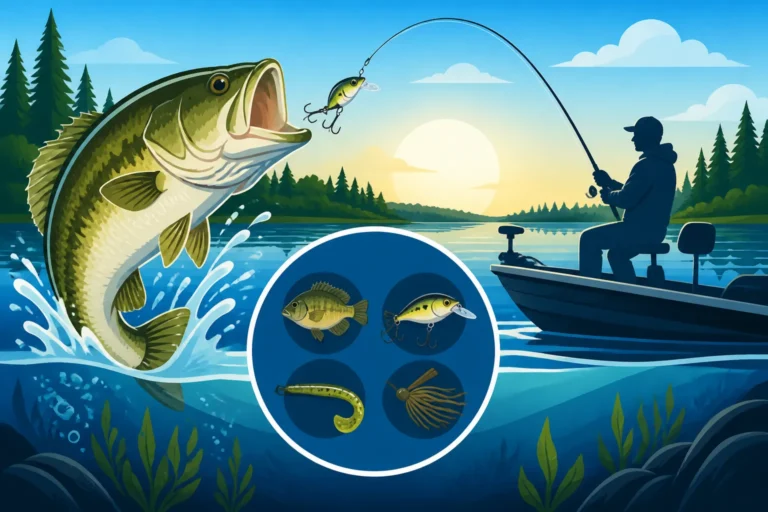
- Largemouth Bass: These powerful fish love cover. Target thick weed beds, lily pads, fallen trees, and boat docks. Topwater baits like frogs and poppers are incredibly exciting during low-light hours or on calm days, provoking explosive strikes. When bass are hunkered down in heavy cover, flipping or pitching jigs and Texas-rigged plastic worms or creature baits into small openings can be deadly. Spinnerbaits and chatterbaits are also excellent for covering water and triggering reaction strikes, especially around weed edges.
- Smallmouth Bass: Often found in clearer, rockier lakes like Big Detroit, smallmouth prefer hard bottom structures. Look for them on rocky points, deep humps, and along rip-rap shorelines. Crankbaits, tube jigs, drop-shot rigs, and Ned rigs are all highly effective. When the fish are active, topwater walking baits can create incredible action. Understanding Best Smallmouth Bass Fishing Tactics in Minnesota is crucial for consistent catches.
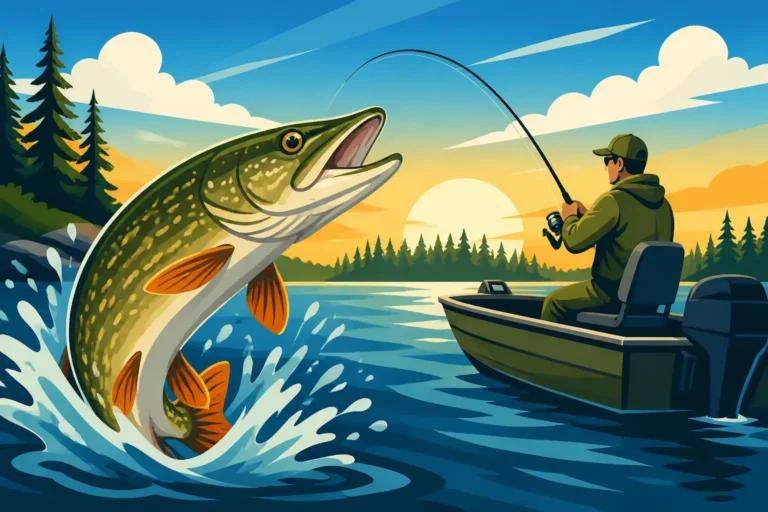
- Northern Pike: These ambush predators are almost everywhere in the Detroit Lakes region. They love to patrol the edges of weed lines, particularly where there's a quick depth change. Casting large spinnerbaits, spoons, or jerkbaits is a great way to cover water and trigger aggressive bites. For a more relaxed approach, a simple slip bobber rig with a large shiner minnow fished along a weed edge can be very effective. In winter, Ice Fishing for Northern Pike (Tip-Ups) is a popular and productive method, allowing you to cover a wide area with multiple lines.
Panfish Perfection: Crappie, Bluegill, Perch
Panfish are the bread and butter of many fishing trips, especially for families and those just looking for consistent action. The Detroit Lakes area excels in this department, with numerous lakes holding abundant crappie, bluegill, and yellow perch.
- Crappie: In spring, crappies stage in shallow bays, often around brush piles, submerged timber, or newly emergent weed growth. Small jigs tipped with plastic or a minnow, fished under a sensitive slip bobber, are the go-to. As summer progresses, they'll often move to deeper structure, suspending over brush piles or relating to main lake points. During winter, How to Catch Crappie Through the Ice in Minnesota usually means focusing on deep basins or the edges of main lake structure, often using small tungsten jigs tipped with wax worms or plastics.
- Bluegill: These feisty sunfish are prolific in most lakes around Detroit Lakes. They relate heavily to weed beds, docks, and any available cover. A small hook, a piece of nightcrawler or a wax worm, and a bobber are all you need for endless fun. Ultra-light tackle makes fighting even smaller bluegills a blast. If you want to learn How to Catch Bluegill: Easy Beginner Tactics, this area is a great place to start.
- Yellow Perch: Often found in schools over sandy flats, transitions, or near deeper weed lines, yellow perch are a delicious bonus catch. Small jigs tipped with a grub or a piece of minnow are effective. They tend to bite aggressively, making them a great target for beginners. Ice fishing for perch can be phenomenal, with schools moving across vast flats.
Planning Your Detroit Lakes Fishing Adventure
A successful fishing trip requires a bit of planning, especially when exploring a new area. From ensuring you have the right gear to understanding local regulations, a little preparation goes a long way in maximizing your time on the water.
Essential Gear and Bait Recommendations
While the specific gear can vary greatly depending on your target species, having a versatile setup will serve you well in the Detroit Lakes area. A medium-light to medium-action spinning rod paired with a reliable reel spooled with 6-10 lb test monofilament or braided line is a great all-around choice for walleye, bass, and pike. For panfish, an ultra-light setup with 2-4 lb test line will enhance the fight and sensitivity.
When it comes to bait, live bait is often king in Minnesota. Minnows (shiners, fatheads), leeches, and nightcrawlers are universally effective for walleye, crappie, perch, and even pike. Local bait shops like Big Detroit Lake Bait & Tackle or J&K Marine will always have fresh supplies and invaluable, up-to-the-minute local advice. For artificial lures, a selection of jigs (1/8 to 1/2 oz), crankbaits (both shallow and deep diving), spinnerbaits, and a variety of soft plastics will cover most situations. Don't forget a good pair of pliers for hook removal, a tape measure, and a camera to capture those memories!
Finding Guides and Accommodations
The Detroit Lakes area is well-equipped to host anglers, offering a range of accommodations and services. You'll find numerous resorts, cabins, hotels, and campgrounds to suit every budget and preference. Many resorts are family-friendly and offer boat rentals, fish cleaning facilities, and access to prime fishing spots.
For those looking to maximize their chances of success or learn the local nuances, hiring a professional fishing guide is an excellent investment. A local guide can put you on fish quickly, teach you effective techniques for the specific conditions, and provide a wealth of knowledge about the lakes. Services like FishingBooker are fantastic resources for connecting with experienced local guides and charter captains in the Detroit Lakes region. You can browse profiles, read reviews, and book trips directly, ensuring you find the perfect match for your angling goals. Many guides will provide all the necessary gear and bait, making for a hassle-free experience.
Licenses and Regulations
Before you even think about casting a line, ensure you have a valid Minnesota fishing license. You can purchase these online through the Minnesota DNR website, at most bait shops, or at many sporting goods stores. Fees vary for residents and non-residents, and there are different options for annual, short-term, or conservation licenses. For specific details, always refer to the official Minnesota Fishing License: Cost, Types & How to Buy (2026) guide.
It is absolutely crucial to be aware of the specific fishing regulations for the lakes you plan to fish, as these can vary significantly from one body of water to another. The Minnesota Department of Natural Resources (DNR) publishes a comprehensive fishing regulations handbook annually, which details season dates, bag limits, and size restrictions for all species. Pay close attention to "special regulations" for specific lakes, which might include protected slot limits or reduced bag limits. For example, walleye limits on Big Detroit Lake might differ from those on Pelican Lake, and these regulations are subject to change year to year based on fish populations and management goals. Always consult the most current regulations before heading out.
Disclaimer
Fishing conditions and regulations in Minnesota are subject to change. Always consult the official Minnesota Department of Natural Resources (DNR) website or the current fishing regulations handbook for the most up-to-date information before planning your trip. This guide is intended for informational purposes only and does not supersede official regulations.