Fishing Near Brainerd, Minnesota
Let's face it, trying to figure out where to cast your line in Minnesota can feel like a daunting task, especially when you hear whispers of legendary fishing grounds but aren't quite sure where to start. The Brainerd Lakes Area is one of those places—a genuine gem, but with so many lakes, it's easy to get overwhelmed. This guide is here to cut through the confusion, offering a comprehensive look at fishing opportunities around Brainerd, so you can spend less time planning and more time enjoying the beautiful waters and abundant fish.
Why the Brainerd Lakes Area is a Fishing Mecca
The Brainerd Lakes Area isn't just a collection of pretty lakes; it's a genuine fishing powerhouse, drawing anglers from all over the Midwest and beyond. This region, centered around towns like Brainerd, Baxter, Nisswa, and Crosslake, boasts a diverse aquatic landscape that caters to virtually every type of angler and fish species imaginable. The sheer number of lakes, from vast, deep glacial depressions to shallower, nutrient-rich systems, creates an incredible variety of habitats, ensuring that no matter your preference, you'll find a body of water that speaks to your angling soul. It’s a place where you can chase trophy fish one day and fill a livewell with panfish for a family fish fry the next.
Key Species You'll Encounter
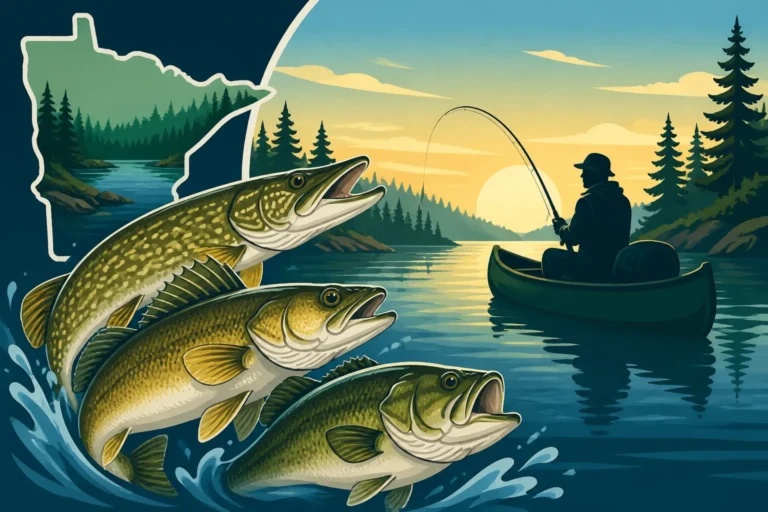
When you talk about fishing in the Brainerd Lakes Area, you're really talking about a smorgasbord of incredible sportfish. While some lakes are renowned for specific species, many offer a fantastic mixed bag, making every outing an exciting unknown. Understanding what you're likely to hook into helps you tailor your approach and gear.
Walleye are, without a doubt, the undisputed champions of Minnesota fishing, and the Brainerd Lakes Area is a prime battleground for these elusive, delicious fish. Lakes like Gull, Pelican, and the Whitefish Chain consistently produce strong numbers of walleye, with healthy populations thanks to ongoing stocking efforts and responsible management by the Minnesota Department of Natural Resources (DNR). Anglers here often employ a variety of techniques, from jigging with live bait in spring and fall to trolling crankbaits across flats during summer evenings. For a deeper dive into targeting Minnesota's state fish, check out our guide on Walleye Fishing in Minnesota: Complete Guide.
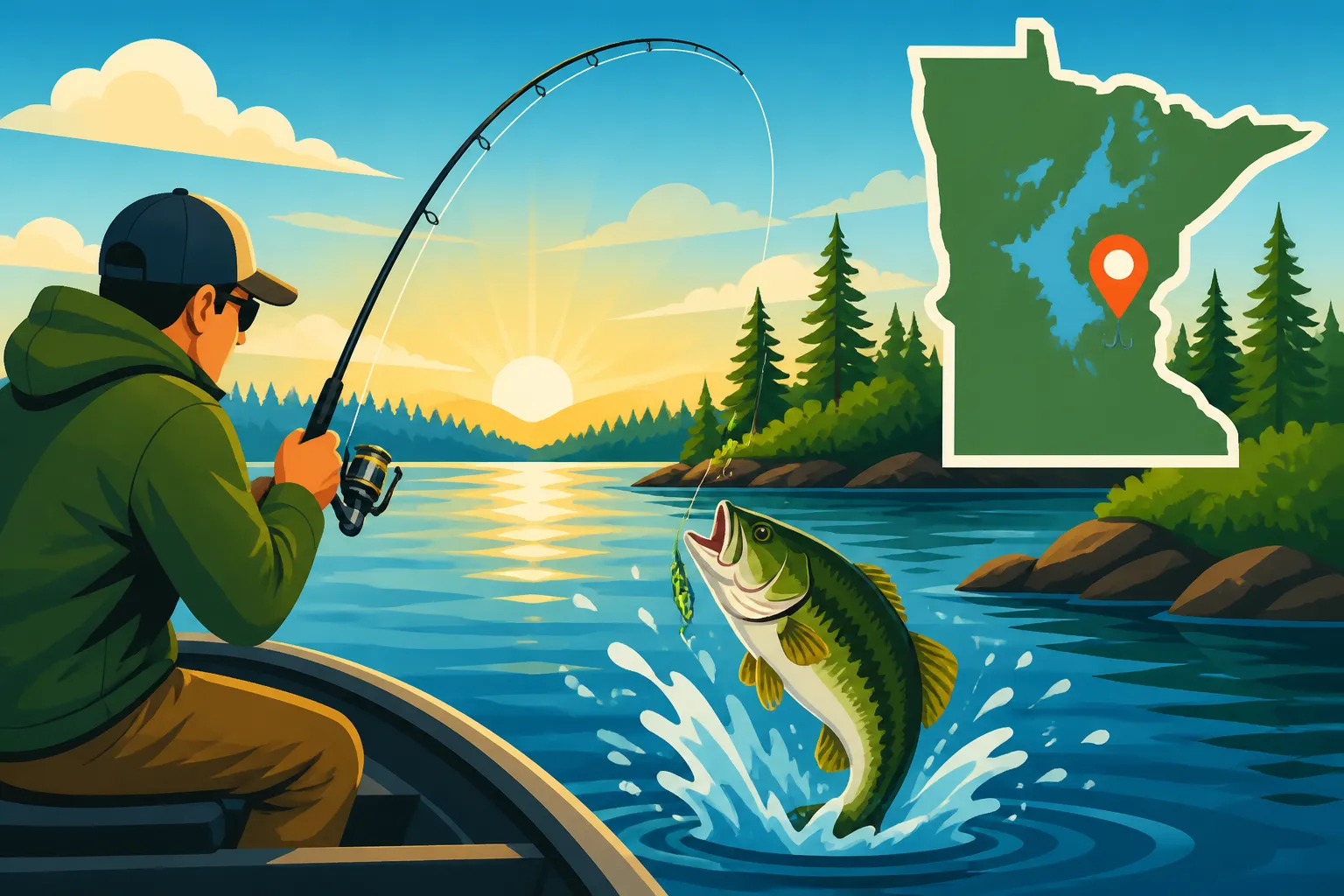
Beyond the beloved walleye, the area shines for its exceptional bass fishing. Both largemouth and smallmouth bass thrive here, offering exhilarating fights and diverse fishing opportunities. Largemouth bass often hide in the abundant weed beds and shallow cover of many lakes, while smallmouth bass gravitate towards rocky points, drop-offs, and humps, particularly in clearer, deeper waters. The nearby Mille Lacs Lake is famous for its smallmouth, and many Brainerd area lakes offer similar, though often less pressured, smallmouth action. If you're looking to target these hard-fighting fish, you might find our insights on Bass Fishing Techniques for Minnesota Lakes incredibly useful.
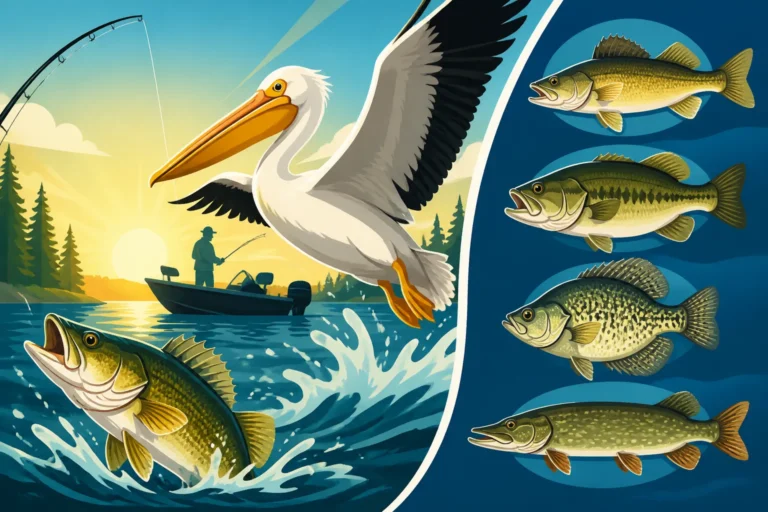
And let's not forget the other incredible species! Northern pike are abundant in almost every lake, offering aggressive strikes and a thrilling fight, often providing non-stop action, especially for younger anglers. Muskie, the "fish of 10,000 casts," patrol the waters of several key lakes, including Pelican Lake and the Whitefish Chain, challenging dedicated trophy hunters. Panfish like crappie, bluegill, and sunfish provide endless family fun and make for excellent table fare, often found in impressive sizes. Jumbo yellow perch also provide a fantastic target, especially during the ice fishing season.
Understanding the Area's Lake Diversity
What truly sets the Brainerd Lakes Area apart is the incredible variety in its lake types. You're not just fishing one kind of water; you're exploring an entire ecosystem, each lake with its own personality and fish-holding characteristics. This diversity means that understanding the specific lake you're on can dramatically improve your chances of success.
You have your large, deep, clear-water lakes, like the legendary Gull Lake, which stretches for over 10,000 acres. These lakes often feature extensive deep-water structure, sharp breaks, main-lake reefs, and expansive weed flats. Fish in these systems might be more light-sensitive, retreating to deeper haunts during bright conditions and moving shallower during low light or turnover periods. They might also rely on different forage bases, impacting the best lures and techniques to use.
Then you have your shallower, often more stained or "tannic" water lakes, which can warm up faster in the spring and offer abundant weed growth throughout the summer. These lakes are often panfish factories and can hold some massive northern pike and largemouth bass due to the rich habitat. The fish in these waters might behave differently, often holding tight to cover and being less particular about bright sunlight. Understanding the nuances of water clarity, depth, and forage in each lake is a skill developed over time, but starting with a good lake map and a general idea of the predominant species can give you a significant advantage.
Top Lakes Near Brainerd and Their Specialties
The Brainerd Lakes Area is a mosaic of incredible fishing waters. While it’s impossible to cover every single lake in detail, a few stand out as consistent producers and must-visit destinations for anglers. Each offers a unique experience and holds particular appeal for specific species.
Gull Lake: Walleye and Bass Hotspot
Gull Lake is arguably the crown jewel of the Brainerd Lakes Area, a massive body of water known for its stunning beauty and incredible fishing. Covering over 10,000 acres with a maximum depth pushing 80 feet, Gull offers a complex underwater topography of humps, reefs, main lake points, and expansive weed beds. It's a premier destination for walleye, with healthy populations supported by both natural reproduction and consistent stocking. Early season walleye fishing after the Minnesota Fishing Seasons & Opener Dates (2026) can be phenomenal, with fish congregating on shallower breaks and points. As summer progresses, walleye often move to deeper structure, making trolling with crankbaits or presenting a Bottom Bouncer & Crawler Harness for Walleye a popular and effective strategy.
Beyond walleye, Gull Lake boasts an exceptional smallmouth and largemouth bass fishery. The rocky shorelines and deep structure are perfect for smallmouth, while the numerous bays and weed lines hold plenty of feisty largemouth. Anglers targeting bass on Gull often employ topwater lures during low-light conditions, or Texas-rigged plastics around weed edges. For more specific details, our Gull Lake Fishing (Brainerd Lakes Area) guide offers even more localized insights. Don't be surprised to encounter trophy northern pike and ample panfish in Gull's diverse habitats as well, especially in the shallower bays and channels.
Pelican Lake: Muskie and Panfish Paradise
Just northeast of Brainerd, Pelican Lake is another incredible fishery, slightly smaller than Gull but with its own distinct charm and angling opportunities. Pelican spans over 8,000 acres and reaches depths of nearly 50 feet. It's especially celebrated for its muskie population, offering a legitimate chance at hooking one of these apex predators. Muskie anglers often spend countless hours casting large bucktails, jerkbaits, and topwater lures along weed lines, rocky points, and submerged structures, embodying the "fish of 10,000 casts" mantra. If you're curious about targeting these giants, our Muskie Fishing in Minnesota: The Fish of 10,000 Casts article can provide a great starting point.
While muskie steal some of the spotlight, Pelican Lake is also a renowned panfish factory. Crappie and bluegill fishing can be spectacular, particularly in the spring and early summer when these fish move into shallower spawning areas. Anglers often find success using small jigs tipped with live bait or plastics under a slip bobber rig near docks, weed edges, and submerged timber. The lake also holds strong populations of walleye and northern pike, making it a truly versatile destination for any angler looking for a diverse catch.
Other Notable Lakes for Diverse Angling
The Brainerd Lakes Area is packed with other fantastic fishing spots, each with its own character and special appeal.
- Whitefish Chain of Lakes: This interconnected chain, including lakes like Cross Lake, Big Trout Lake, and Clamshell Lake, offers vast stretches of water and incredible diversity. It’s known for its excellent walleye, muskie, and smallmouth bass fishing, with plenty of opportunities for panfish and pike. The ability to navigate between several lakes without pulling your boat makes it a unique experience.
- North Long Lake: A popular choice for both walleye and crappie, North Long Lake is known for its consistent action. It has a good mix of shallow and deep water, providing varied habitat that holds fish throughout the seasons. The crappie bite here can be legendary, especially during spring.
- Round Lake: Smaller and often calmer than its larger neighbors, Round Lake is a fantastic spot for family fishing, particularly for panfish and largemouth bass. Its more sheltered bays provide excellent habitat for these species and can be a great option on windy days when larger lakes are too rough.
- Crow Wing River: Don't limit your thinking to just lakes! The Crow Wing River, which winds through the area, offers excellent smallmouth bass and northern pike fishing, especially for those who enjoy river currents and unique structure. It's a different challenge than lake fishing but can be incredibly rewarding.
Here's a quick overview of some top Brainerd area lakes:
| Lake Name | Primary Species (Best For) | Key Characteristics | Best Time to Fish |
|---|---|---|---|
| Gull Lake | Walleye, Smallmouth Bass | Large, deep, clear water, complex structure | Spring, Summer, Fall |
| Pelican Lake | Muskie, Crappie, Bluegill | Moderate size, good structure, diverse habitat | Spring, Summer, Fall |
| Whitefish Chain | Walleye, Muskie, Smallmouth | Interconnected lakes, varied depths, excellent forage | Year-round |
| North Long Lake | Walleye, Crappie | Good structure, consistent action, clear water | Spring, Summer, Ice Fishing |
| Round Lake | Largemouth Bass, Panfish | Smaller, shallower, calmer, good weed cover | Spring, Summer |
| Crow Wing River | Smallmouth Bass, Northern Pike | River current, unique structure, moving water fishing | Summer, Fall |
Essential Fishing Tips for the Brainerd Lakes Area
Fishing in the Brainerd Lakes Area, much like anywhere else, has its nuances. While the fish are abundant, successful anglers are often those who understand the local conditions, seasonal patterns, and appropriate gear. A little preparation goes a long way in turning a hopeful cast into a memorable catch.
Seasonal Strategies for Success
Understanding the seasonal patterns of fish behavior is crucial for consistent success in the Brainerd Lakes Area. Fish respond to water temperature, oxygen levels, and spawning cycles, all of which change dramatically throughout the year.
Spring (Walleye Opener – June): This is a prime time for many species. Walleye are often found in relatively shallow water, especially near spawning grounds and early green-up weed beds, gorging themselves after the spawn. Jigging with minnows or leeches is incredibly effective. Crappie and bluegill also move shallow to spawn, making them easy targets near docks, reeds, and emergent vegetation. For bass, the season typically starts catch-and-release only, but they're active and feeding in pre-spawn areas. Check the Minnesota Walleye Opener 2026? for exact dates.
Summer (July – August): As water temperatures rise, fish spread out and often move to deeper, cooler water. Walleye will relate to main lake humps, deep breaks, and the edges of expansive weed flats. Trolling crankbaits or spinner rigs with nightcrawlers (crawler harnesses) become highly effective during this period. Bass will hold in deeper weed edges or ambush prey from heavy cover. Panfish can be found suspended over deep water or relating to deeper weed lines and brush piles. Early mornings and late evenings are often the most productive times.
Fall (September – Ice Up): Fall fishing can be absolutely incredible, as fish feed aggressively to put on weight for winter. Walleye often return to shallower breaks and points, mimicking spring patterns but often chasing larger baitfish. Muskie become particularly active, offering some of the best chances for trophy fish. Deep-water crappie schools can be found relating to structure. The cooler water temperatures make fish more active throughout the day, not just at dawn and dusk.
Winter (Ice Fishing – December to March): When the lakes freeze over, a whole new world of fishing opens up. Ice fishing is a way of life in Brainerd, with anglers targeting walleye, crappie, bluegill, and perch. Walleye often bite well during low light hours, especially morning and evening, on jigs tipped with minnows. Panfish can be found schooling in deep basins or relating to weed edges. Portable shelters, flashers, and augers are essential gear. If you're new to the sport, our Ice Fishing in Minnesota: Complete Beginner-to-Pro Guide is a fantastic resource.
Gear Recommendations for Brainerd Waters
Having the right gear makes all the difference, but you don't need to break the bank. For most general fishing in the Brainerd Lakes Area, a medium-light to medium power spinning rod with a fast action is a versatile choice. This setup works well for walleye, bass, northern pike, and panfish.
- Rods & Reels: For walleye and panfish, a 6'6" to 7' medium-light spinning rod paired with a 2500-sized reel spooled with 6-8 lb monofilament or fluorocarbon is ideal. For bass and pike, consider a 6'6" to 7'3" medium-heavy spinning or baitcasting setup with 10-15 lb fluorocarbon or braided line. You can explore options in our Best Walleye Rods & Reels guide.
- Lures & Baits: Live bait, particularly minnows, leeches, and nightcrawlers, are incredibly effective year-round, especially for walleye and panfish. For artificials, jigs (1/8 to 1/4 oz), crankbaits (like Rapalas, Berkley Flicker Shads, or Salmo Hornets), spinner rigs, and soft plastics (grubs, worms, swimbaits) will cover most situations. Muskie fishing requires specialized, larger lures like bucktails (e.g., from Musky Mayhem Tackle) and jerkbaits. For more detailed lure advice, check out Best Walleye Lures: Jigs, Cranks & Spinners.
- Electronics: A good fish finder is invaluable, especially on the larger, deeper lakes. Whether it's a boat-mounted unit like a Humminbird Helix or Garmin Echomap, or a portable ice flasher like a Vexilar, these tools help locate structure and fish.
Navigating Regulations and Resources
Minnesota has specific fishing regulations that are crucial to follow to ensure sustainable fisheries for future generations. These regulations can vary by lake, species, and time of year, particularly concerning bag limits and size restrictions (slot limits).
Before heading out, always consult the current Minnesota Fishing Regulations handbook, available online from the DNR website or at any license vendor. This document is your bible for understanding daily and possession limits, special regulations for specific lakes (like slot limits on certain walleye lakes), and season dates. You'll definitely need a Minnesota Fishing License: Cost, Types & How to Buy (2026) if you're over 16, and some species like lake sturgeon require a special tag. Pay close attention to aquatic invasive species (AIS) rules, especially regarding draining your boat and removing all weeds before leaving a public access.
Planning Your Brainerd Fishing Adventure
A successful fishing trip to the Brainerd Lakes Area involves more than just knowing where the fish are; it’s also about preparing for your visit, especially if you're coming from out of town or looking to maximize your time on the water. The area offers a wealth of resources, from seasoned fishing guides to comfortable lodging options, all designed to make your experience enjoyable and fruitful.
Finding Local Guides and Charters
For many, especially those unfamiliar with the sprawling lakes or targeting a specific species, hiring a local fishing guide can be an invaluable investment. These professionals spend hundreds of days on the water each year and possess an intimate knowledge of local patterns, effective techniques, and the best spots. They often provide all the necessary gear, bait, and a comfortable boat, taking the guesswork out of your day.
The Brainerd Lakes Area is home to many reputable guides and charter services. A quick search for "Brainerd fishing guides" will reveal numerous options, often specializing in walleye, bass, muskie, or even multi-species trips. Websites like FishingBooker are excellent resources for finding and comparing local guides, checking their availability, and reading reviews from other anglers. Using a service like FishingBooker can help you sort through various options, ensuring you find a guide whose expertise aligns with your fishing goals. Don't hesitate to ask prospective guides about their experience, what they specialize in, and what a typical day on the water entails.
Best Times to Visit
While you can fish year-round in the Brainerd Lakes Area (assuming you're prepared for ice fishing in winter!), certain times of the year offer peak opportunities for specific species or simply more comfortable conditions.
- Late Spring (May-June): This is arguably one of the best times to visit. The walleye opener kicks off the season with often incredible action, panfish are moving shallow, and the weather is generally pleasant. The fishing pressure can be high on opening weekend, but it tapers off nicely.
- Summer (July-August): Perfect for family vacations, summer offers warm weather and active fish. While midday fishing can be slower, early mornings and evenings are often phenomenal, especially for trolling walleye or throwing topwater for bass. There's also plenty of other activities to enjoy in the area if you want a break from fishing.
- Early Fall (September-October): For serious anglers, fall can be a golden period. The crowds thin out, the scenery is breathtaking with changing leaves, and fish are aggressively feeding before winter. Muskie fishing, in particular, can be at its absolute peak during the fall "feed bag."
No matter when you decide to visit, the Brainerd Lakes Area offers a phenomenal fishing experience. Just remember to check the local regulations, respect the waters, and enjoy the stunning natural beauty that defines this incredible part of Minnesota.
Disclaimer
Fishing conditions and regulations in Minnesota are subject to change. Always consult the most current Minnesota Department of Natural Resources (DNR) fishing regulations before heading out on the water. This guide is for informational purposes only and does not constitute legal advice. Stay safe and fish responsibly.