How to Get a Minnesota Fishing License Online
Isn't it just the worst when you're planning a fantastic day out on one of Minnesota's incredible lakes or rivers, rod in hand, bait ready, and then suddenly that nagging thought hits you: "Did I remember to get my fishing license?" Or worse, you're at the boat launch, the sun is rising, and you realize your old license expired last year. Talk about a buzzkill! This guide is here to walk you through every single step of getting your Minnesota fishing license online, so you can spend less time stressing about paperwork and more time enjoying the state's beautiful waters.
Why Go Digital: The Perks of Buying Your License Online
In this day and age, convenience is king, and getting your fishing license online is no exception. Gone are the days when you absolutely had to trek to a bait shop, a county office, or a sporting goods store, often waiting in line when you'd rather be out on the water. The Minnesota Department of Natural Resources (DNR) has made the process incredibly streamlined, and once you get the hang of it, you'll wonder why you ever did it any other way.
Unmatched Convenience and Accessibility
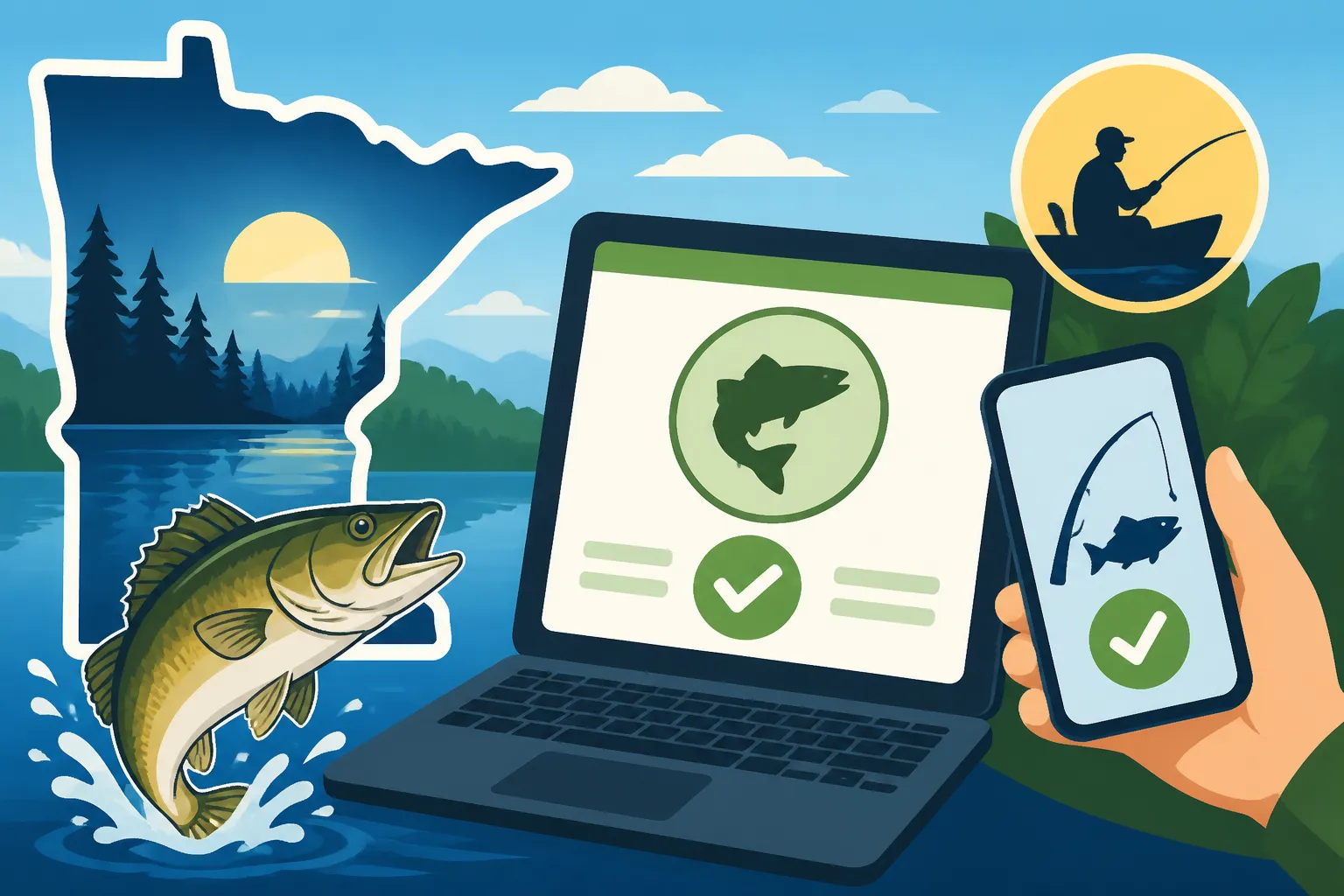
Imagine this: it’s 10 PM on a Friday night, and you spontaneously decide you want to hit Lake Minnetonka for some early morning bass fishing. Most stores are closed, but the DNR's online licensing system is open 24/7. You can literally purchase your license from your couch, in your pajamas, with a cup of coffee. This flexibility means no more rearranging your schedule around business hours or driving extra miles. It’s perfect for those last-minute decisions or for planning ahead when you have a spare moment. Whether you're at home in Rochester, up at the cabin near Bemidji, or even out of state planning your Minnesota fishing trip, as long as you have internet access, you're good to go.
Instant Gratification and Proof of Purchase
One of the biggest advantages of buying online is the immediacy. As soon as your transaction is complete, you receive an instant confirmation email with a temporary license. This means you don't have to wait for anything to be mailed to you. For many anglers, this digital proof is all they need to legally fish until a physical copy arrives (if you opted for one, which isn't always necessary anymore with digital options). Imagine hitting the road right after a midnight purchase for an opener day fishing trip; you’re fully legal and ready to cast your line. This instant access is a game-changer, especially for busy people who might forget until the very last second.
Prepping for Success: What You'll Need
Before you even think about clicking that "purchase" button on the DNR website, it's wise to gather a few essential bits of information. Having these details handy will make the online process smooth, quick, and completely painless. There’s nothing worse than getting halfway through, only to realize you need to go dig through old files or search for a forgotten number.
Essential Personal Information and Identification
First and foremost, you’ll need your basic personal details. This includes your full legal name, your current street address, city, state, and zip code. You'll also need your date of birth and your height and weight. This information helps the DNR verify your identity and residency, which is crucial for determining the correct license type and cost.
More importantly, you'll need your Minnesota DNR Customer ID number, sometimes called an Individual ID. If you've ever purchased a Minnesota hunting or fishing license before, you already have one. This unique ID ties all your licensing history together. If you're a first-timer, don't worry! The system will guide you through creating an account and assigning you a new ID. For those who can't find their existing ID, the online system usually has a lookup tool where you can retrieve it using your name and date of birth, or sometimes even your driver's license number. It’s like magic, but it’s just good data management.
Payment Methods and Residency Proof
Of course, to complete any online purchase, you'll need a valid payment method. The Minnesota DNR website typically accepts major credit cards such as Visa, MasterCard, Discover, and sometimes American Express. Make sure you have the card number, expiration date, and security code ready. It’s also a good idea to double-check that your billing address matches the one on file with your credit card company, as mismatches can sometimes cause transaction failures.
For Minnesota residents, your residency is usually verified through your driver's license or state ID number. When prompted, you'll input this number. This confirms you qualify for resident pricing, which is significantly cheaper than How Much Is a Nonresident Minnesota Fishing License?. If you're a non-resident or don't have a Minnesota ID, the system will categorize you accordingly. Keep in mind that students from out of state attending school in Minnesota can sometimes qualify for resident rates, but specific documentation or a different purchasing method might be required, so it’s always best to check the latest Minnesota Fishing License: Cost, Types & How to Buy (2026) guidelines if you fall into that category.
Navigating the Minnesota DNR Online Licensing System
Alright, you've got your info, you've got your payment method, and you're ready to dive in. The Minnesota DNR website is pretty user-friendly, but like any online portal, knowing where to click and what to expect can save you a lot of head-scratching.
Step-by-Step Purchase Walkthrough
Your journey begins at the official Minnesota DNR website. Look for a prominent link or search function for "Licenses" or "Buy a License." This will typically lead you to the Electronic License System (ELS) portal.
- Start Your Transaction: Once on the ELS page, you'll usually see an option to "Buy a License" or "Start a Transaction." Click that to begin.
- Identify Yourself: The system will first ask you to identify yourself. If you have a Minnesota DNR Customer ID, enter it. If not, you'll need to indicate that you're a new customer. The system will then ask for your name, date of birth, and driver's license or state ID number to either find your existing ID or create a new one for you. This is where having your residency proof handy is crucial.
- Choose Your Licenses: This is the fun part! You'll be presented with a list of available licenses. For most anglers, this means selecting a "Resident Angling" or "Nonresident Angling" license.
- Annual Licenses: These are valid for the entire fishing season, from March 1 to February 28 of the following year. They offer the best value if you plan on fishing more than a few times.
- Short-Term Licenses: If you're only planning a quick trip, like a weekend getaway to Lake of the Woods, you might opt for a 24-hour, 72-hour, or 7-day non-resident license. These are great for tourists or infrequent anglers.
- Special Stamps: Don't forget about specific stamps if you plan on pursuing certain species. If you're heading to the beautiful trout streams of the Driftless Area, you'll need a Do You Need a Trout Stamp in Minnesota? in addition to your base angling license. Similarly, if you're chasing the majestic Lake Sturgeon, a special tag is required.
- Add to Cart: Once you've selected all the licenses and stamps you need, add them to your cart. Take a moment to review your selections to ensure you haven't forgotten anything or accidentally added the wrong item.
- Review and Pay: Proceed to checkout. You'll see a summary of your order and the total cost. This is your last chance to make any changes before committing. Enter your payment information carefully, including your credit card details and billing address.
- Confirmation and Printing: After a successful transaction, you'll receive a confirmation page. Crucially, an email with a printable version of your license will be sent to the address you provided. Save this email! It serves as your immediate proof of license. You can print this out at home, or, as we'll discuss, rely on a digital copy.
Common Hurdles and How to Overcome Them
While the online system is generally smooth, you might encounter a few minor bumps in the road. Don't panic! Most issues are easily resolved.
- Forgotten DNR Customer ID: This is a common one. If the "Look Up ID" feature isn't working for you, or you’ve changed names since your last license, you might need to contact the DNR directly. Their customer service lines are usually staffed during business hours, and they can help retrieve your ID or guide you through creating a new profile if necessary.
- Payment Processing Issues: A declined credit card can be frustrating. Double-check the card number, expiration date, security code, and especially the billing address. Sometimes, your bank might flag the transaction as unusual activity, so a quick call to your bank can clear it up.
- Website Glitches or Downtime: While rare, technology isn't perfect. If the website seems slow, unresponsive, or you encounter an error message, try clearing your browser's cache and cookies, or try a different browser. Sometimes, it’s just a temporary server issue, and waiting a few minutes or hours and trying again can resolve it. If the problem persists, again, contacting the DNR is your best bet.
- Residency Verification Problems: If you believe you qualify for resident rates but the system isn't recognizing it, ensure your driver's license information is entered correctly. If you're a new resident, you might need to wait a certain period (usually 60 days) to establish residency for licensing purposes, or provide additional documentation, which might require an in-person purchase the first time around.
Understanding Minnesota Fishing License Types and Costs
Minnesota's fishing license system offers a variety of options to suit different anglers, from eager young beginners to seasoned veterans, and even those just visiting our beautiful state. Knowing the different types and what they cover is key to buying exactly what you need.
Who Needs a License and Who Gets a Break
Generally speaking, if you are 16 years of age or older and plan to fish in Minnesota, you need a fishing license. It's a fundamental regulation to help fund conservation efforts and manage our precious fisheries. However, there are some great exceptions and special considerations:
- Youth Anglers: Kids under 16 years old get a fantastic break – they do not need a fishing license to fish in Minnesota! This is a wonderful initiative to encourage young people to get into fishing, and it makes it super easy for families. It’s important to remember, though, that if they're fishing for species that require a special tag (like a Lake Sturgeon tag), they may still need that specific tag even without a general angling license. We've got a whole guide on Minnesota Fishing License for Kids & Youth if you want to dive deeper into those details.
- Senior Anglers: Minnesota also offers reduced-cost licenses for residents aged 65 and older. This is another thoughtful way to support our long-time anglers. The requirements are straightforward: you just need to be a Minnesota resident and provide proof of age and residency. Check out our dedicated article on Minnesota Fishing License for Seniors for all the specifics.
- Free Fishing Weekends: Mark your calendars! The DNR usually designates a Free Fishing Weekends in Minnesota each year where residents can fish without a license. This is an incredible opportunity for newcomers to try fishing without the initial investment or for families to enjoy a day out. Non-residents can also participate during specific non-resident free fishing weekends, but always double-check the exact dates and rules for each year.
Resident vs. Non-Resident and Specialty Licenses
The biggest factor affecting license cost is residency. As a Minnesota resident, you enjoy significantly lower fees, as your taxes already contribute to the state's natural resources. Non-residents, while welcome, pay a higher rate to help compensate for their non-tax contributions.
Here's a quick rundown of typical license types you'll encounter (exact costs can vary slightly year to year, always check the current DNR site):
| License Type | Eligibility | Validity Period | Approximate Cost (2026) | Notes |
|---|---|---|---|---|
| Annual Resident Angling | MN Resident, age 18-64 | March 1 – Feb 28 | $25.00 | Standard license for most adult MN anglers. |
| Annual Resident Senior | MN Resident, age 65+ | March 1 – Feb 28 | $10.00 | Reduced rate for senior residents. |
| Annual Resident Sports | MN Resident, age 18-64 | March 1 – Feb 28 | $30.00 | Combines small game hunting and fishing. Great value if you do both. |
| Annual Nonresident Angling | Non-MN Resident, age 18+ | March 1 – Feb 28 | $50.00 | Standard license for adult non-resident anglers. |
| 72-Hour Nonresident | Non-MN Resident, age 18+ | 72 consecutive hours | $30.00 | Good for a long weekend trip. |
| 24-Hour Nonresident | Non-MN Resident, age 18+ | 24 consecutive hours | $15.00 | Perfect for a single day of fishing. |
| Resident Combination | MN Resident couple | March 1 – Feb 28 | $40.00 | Covers both spouses, fishing together or separately. |
| Trout Stamp | Required for trout fishing (all ages) | March 1 – Feb 28 | $10.00 | Must be purchased in addition to a base angling license. |
| Lake Sturgeon Tag | Required for taking Lake Sturgeon (all ages) | March 1 – Feb 28 | $5.00 | Must be purchased in addition to a base angling license. |
- Note: Costs are approximate for 2026 and subject to change. Always refer to the official MN DNR website for the most current pricing.
Beyond these, there are specific licenses for spearing (if you're into Dark House Spearing in Minnesota: Rules & License), special programs for disabled veterans, and other unique situations. The online system is designed to walk you through these choices, so you don't have to be an expert on all the minutiae before you start. Just remember your basic intent – who are you, and what are you fishing for?
What Happens After You Buy Your License Online?
So, you've successfully navigated the DNR website, entered your details, and hit that "submit" button. Payment processed! What now? Don't just close your browser and head to the lake. There are a few important follow-up steps and best practices to ensure you're fully compliant and ready for your fishing adventure.
Printing, Digital Proof, and Carrying Your License
Immediately after your purchase, you'll receive a confirmation email. This email contains a link or an attachment that is your temporary license. This is your official proof of purchase and is valid immediately.
- Printing: The easiest and most traditional method is to print a physical copy of this temporary license. Stick it in your wallet or tackle box. It's a reliable backup, especially if you're heading to areas with no cell service. While you might receive a fancier, more durable physical license card in the mail later, the printed temporary one is perfectly legal to use.
- Digital Proof: Minnesota law allows for digital proof of your fishing license. This means you can keep a copy of the PDF or a screenshot of your temporary license on your smartphone or other mobile device. This is incredibly convenient for most modern anglers. Just make sure your phone is charged! Imagine being asked for your license out on Rainy Lake and realizing your phone battery is dead – that's a situation you definitely want to avoid. While wardens are generally understanding, it's still your responsibility to present proof.
- Physical License in the Mail: Depending on the type of license and your preferences, the DNR may mail you a more durable, plastic license card. This often happens automatically for annual licenses. This card is great to keep in your wallet long-term, but remember that the immediate digital/printed temporary license is what gets you fishing right away.
Regardless of how you choose to carry it, the key is that you must have your license in your immediate possession while fishing. Conservation officers do conduct checks, and not having your license can lead to fines, embarrassment, and a spoiled day. If you're curious about the potential repercussions, you might want to read up on What Happens If You Fish Without a License in Minnesota?.
Staying Informed About Regulations and Renewals
Buying your license is just one piece of the puzzle. As a responsible angler, it's crucial to stay updated on Minnesota's ever-changing fishing regulations. The rules for bag limits, size restrictions, and season dates can vary not only by species but also by specific lake or river. For instance, the Mille Lacs Walleye Regulations (2026) are often very specific and can change annually based on fish populations.
- DNR Regulations Handbook: Every year, the Minnesota DNR publishes a comprehensive fishing regulations handbook. This is your bible! You can usually pick up a physical copy wherever licenses are sold, or download a Minnesota Fishing Regulations PDF: Where to Find It directly from the DNR website. It's packed with crucial information, including Minnesota Fishing Seasons & Opener Dates (2026) and Minnesota Fishing Limits: Bag & Possession (2026).
- Email Notifications: When you create an online DNR account or purchase a license, you often have the option to sign up for email notifications. This is a fantastic way to receive alerts about major regulation changes, season updates, or important conservation news directly in your inbox.
- Renewal Reminders: If you purchase an annual license online, the DNR usually sends out email reminders as your license expiration date approaches. This is a super helpful nudge to ensure you don't accidentally let your license lapse and end up fishing illegally. When you get that reminder, it’s a simple matter of hopping back on the online system and repeating the purchase process for the new season.
By keeping your license handy and staying informed about the rules, you're not just protecting yourself from potential legal trouble; you're also contributing to the sustainable management of Minnesota's incredible fishing resources for future generations. Happy fishing!
Disclaimer
Please note that fishing regulations, license requirements, and fees in Minnesota are subject to change. While this guide aims to provide accurate and up-to-date information, it is crucial to always consult the official Minnesota Department of Natural Resources (DNR) website or the current year's fishing regulations handbook for the most precise and legally binding details before engaging in any fishing activities.