Lake of the Woods Fishing Guide
Lake of the Woods is not just a lake; it's an inland sea, a vast freshwater wilderness straddling the US-Canadian border that can feel both exhilarating and intimidating to even seasoned anglers. Its immense size, intricate shoreline, countless islands, and diverse fishery offer unparalleled opportunities, but also present a significant challenge for those unfamiliar with its secrets. This comprehensive guide will peel back the layers of this legendary body of water, offering practical advice, detailed strategies, and local insights to help you navigate its complexities and unlock the incredible fishing experiences it has to offer. Whether you're chasing trophy walleye, giant pike, elusive muskie, or prehistoric sturgeon, you'll find the information you need to plan a successful and unforgettable trip.
Understanding the Colossal Lake of the Woods
Imagine a body of water so vast it has its own weather systems, a place where a calm morning can quickly turn into a white-capping gale. That’s Lake of the Woods for you. It’s an ecological marvel, a geological wonder, and a fishing paradise all rolled into one. Understanding its unique characteristics is the first step to conquering its waters.
Size and Scope: What Makes It Unique
Lake of the Woods stretches across approximately 1,700 square miles, boasting an incredible 14,552 islands (yes, you read that right, over fourteen thousand!), and an astounding 65,000 miles of shoreline. To put that in perspective, that's more shoreline than California's entire Pacific coastline! This isn't your average local pond; it's a labyrinth of bays, channels, reefs, and open water that demands respect and careful navigation. The sheer scale means that fish populations can be healthy and diverse, as there's always new habitat to explore and less pressure on specific spots. However, it also means that finding those fish can feel like searching for a needle in a haystack if you don't know where to start. The lake's depth varies wildly, from shallow, weedy bays to deep, rocky troughs, creating a multitude of environments for different species to thrive.
Border Waters and Jurisdictions
One of the most defining features of Lake of the Woods is its international border. The lake is shared by Minnesota, Manitoba, and Ontario. This means that depending on where you choose to fish, you might be subject to different regulations and licensing requirements. The majority of the lake, particularly the "Northern Waters" and the famous Northwest Angle, lies within Canadian territory. While the American side offers fantastic fishing, especially in the "South End" near Baudette and Warroad, understanding which side of the imaginary line you’re on is crucial for staying legal. Always carry your passport or enhanced driver's license if you plan on venturing into Canadian waters, even if only by boat. This border dynamic adds a layer of adventure but also a layer of complexity that requires diligent research into Border Water Fishing Rules (Minnesota-Ontario, Wisconsin) before your trip.
Lake Geography: North, South, and Angle Distinctions
To make sense of this immense fishery, it's helpful to break it down geographically:
The South End (Minnesota Waters)
This is the most accessible part of the lake for most American anglers, with major towns like Baudette and Warroad serving as primary hubs. The South End is characterized by vast, shallower expanses, including the "Big Traverse" which is relatively open and can get very choppy quickly. Here, you'll find extensive mud flats, sand bars, and developing structure that are prime walleye habitat. The mouth of the Rainy River also empties into this section, offering incredible spring and fall fishing opportunities, particularly for walleye and sturgeon. There are numerous resorts and public boat launches, making it a popular choice for families and those looking for a more straightforward Lake of the Woods experience.
The Northwest Angle (Minnesota Waters, Accessed via Canada)
A truly unique part of the US, the Northwest Angle is the northernmost point of the contiguous United States. It's a quirk of geography, where US territory is cut off by the lake and the Canadian border, making it impossible to drive to without passing through Canada first. This area is a true wilderness experience, known for its intricate maze of islands, rocky points, and deep, clear waters. It's legendary for its muskie and smallmouth bass fishing, in addition to phenomenal walleye. Resorts here are often "fly-in" or boat-in accessible from the US side, or a drive-through-Canada-and-back-in approach. The fishing pressure can be lighter in some of these remote spots, offering a sense of true escape.
The Northern Waters (Canadian Waters)
Encompassing the vast majority of the lake, the Canadian side of Lake of the Woods is a rugged wilderness of Precambrian Shield rock, dense forests, and countless islands. These waters are often deeper, clearer, and offer a different kind of fishing challenge and reward. While this guide primarily focuses on Minnesota's fishing opportunities, understanding the Canadian side is important for perspective, as many American anglers venture across the border, often with a Canadian fishing guide, to experience its fabled fishing grounds. Be sure to check Canadian regulations and acquire the appropriate licenses if you plan to cross over.
Top Fish Species to Target on Lake of the Woods
Lake of the Woods is a multi-species angler's dream, a veritable buffet of freshwater game fish. While some species get more attention than others, the diversity means there's always something biting, no matter your preference or the season.
Walleye: The Undisputed King
Ah, the walleye. Minnesota's state fish and the main draw for countless anglers to Lake of the Woods. These delicious, light-sensitive predators thrive in the lake's abundant forage base, growing to impressive sizes. It's common to catch fish in the 18-24 inch range, with plenty of trophies pushing past 28 inches. The sheer number of walleye in the system is staggering, often leading to fast action that can spoil an angler for other lakes.
Understanding Walleye Movement and Habits
Walleye on Lake of the Woods are constantly on the move, chasing baitfish like cisco and perch. Their movements are dictated by water temperature, forage availability, and spawning cycles. In spring, they congregate in the Rainy River and its delta, moving out into the main lake as the water warms. During summer, they often relate to structure like mud flats, rocky reefs, and channel edges, particularly in deeper water during the day. As fall approaches, they again move shallow and feed aggressively before winter. Even through the ice, they roam vast expanses, often schooling over subtle contours. Knowing these patterns is key to Walleye Fishing Techniques: Complete Minnesota Guide.
Effective Walleye Techniques and Baits
For walleye, a variety of techniques prove effective. In the spring and fall, jigging with live bait (minnows, particularly shiners) or soft plastics is deadly, especially in the Rainy River. A 1/4 to 3/8 ounce jig, tipped with a lively shiner, is a classic. As summer progresses, Lindy Rigs or slip bobbers with leeches or nightcrawlers fished over mud flats and reefs become highly productive. Trolling crankbaits like Rapala Shad Raps or Berkley Flicker Shads is another popular and effective method, allowing you to cover vast amounts of water and target specific depths. During the ice fishing season, jigging spoons (like Northland Buck-Shot Rattle Spoons or Rapala Jigging Raps) tipped with a minnow head, or deadsticking a plain hook with a live minnow, are go-to methods.
Northern Pike: Aggressive Toothy Critters
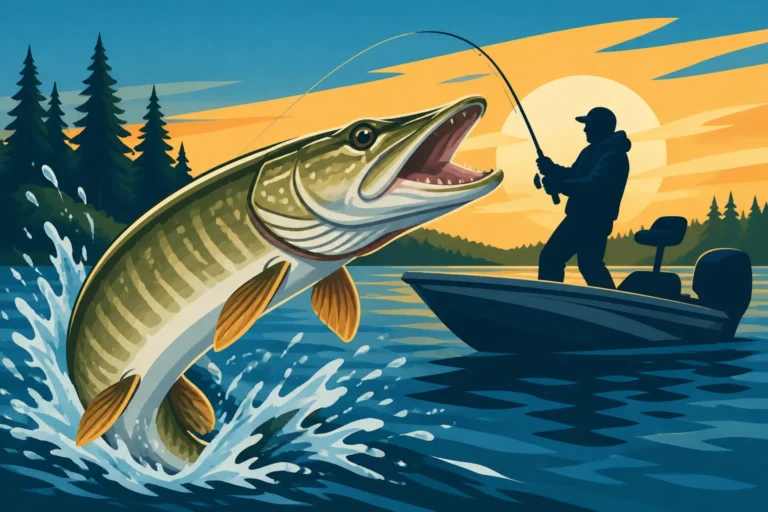
Often overshadowed by the walleye, Northern Pike are abundant and grow to considerable sizes in Lake of the Woods. They offer a thrilling fight and can be a welcome diversion when the walleye bite slows. Pike are ambush predators, often found lurking in weed beds, along rocky points, or near current breaks. The lake's vast weed beds and rocky structure provide ideal habitat for these aggressive fish.
Finding and Catching Pike
Look for pike in shallower bays with heavy vegetation during the warmer months, or along sharp breaks and deeper points in cooler water. They are less particular about light conditions than walleye, often biting throughout the day. Casting large spoons (Daredevles, Five of Diamonds), spinnerbaits (such as those from Booyah Bait Co. or Northland Tackle), or large crankbaits near cover will often entice a strike. Live bait, particularly large shiner minnows fished under a bobber, is also very effective, especially in early spring or late fall. For ice fishing, tip-ups set with large dead or live baitfish (like a tullibee or sucker minnow) are a classic way to target Northern Pike in Minnesota: Identification & Where to Catch.
Pike for the Dinner Table
While some anglers dismiss pike as "hammer handles," the larger ones from Lake of the Woods are excellent table fare, especially when filleted properly to remove the "Y-bones." The meat is firm, white, and mild, perfect for a fish fry.
Muskie: The Fish of 10,000 Casts
For those seeking the ultimate freshwater trophy, Lake of the Woods is a world-class muskie fishery. These apex predators can grow to truly enormous sizes, with fish over 50 inches not uncommon. The Northwest Angle, in particular, has a reputation for producing giants. Catching a muskie is often an exercise in patience and persistence, earning them the moniker Muskie Fishing in Minnesota: The Fish of 10,000 Casts.
Targeting Trophy Muskie
Muskie season on Lake of the Woods typically opens later than walleye and pike season, usually in June, to protect spawning fish. Focus your efforts around rocky reefs, island points, deep weed edges, and sudden depth changes. Large baits are the name of the game: massive bucktails, crankbaits, jerkbaits, and topwater lures. Trolling large crankbaits in open water can also be effective, especially for covering a lot of ground. Remember, muskie fishing is all about dedication and presentation. The "figure-eight" maneuver at the side of the boat, a critical part of muskie fishing, can often trigger a follow to strike.
Catch and Release Ethic
Due to their slow growth rate and trophy status, muskie are almost universally caught and released. Handle these fish with extreme care, using large nets and long-nosed pliers to minimize stress and ensure a successful release.
Lake Sturgeon: Ancient Giants of the Rainy River
The Rainy River, which flows into Lake of the Woods, is internationally renowned for its incredible Lake Sturgeon fishery. These prehistoric giants can live for over 100 years and grow to immense sizes, often exceeding 70 inches and 100 pounds. Sturgeon fishing is a unique experience, a test of strength and endurance.
Sturgeon Season and Catching Methods
Sturgeon have specific seasons and length regulations, including a tag system, so always consult the Minnesota Fishing Seasons & Opener Dates (2026) and Lake Sturgeon Regulations & Tag in Minnesota for the current year. The best times to target them are typically spring (April/May) and fall (late August through October), when they congregate in the Rainy River. Bottom fishing with heavy gear is essential. A common setup involves a heavy sinker (3-8 oz, depending on current), a large circle hook (5/0 to 8/0), and a bait offering of worms (a gob of nightcrawlers), cut bait, or even a piece of shiner minnow. Anchor upstream from deeper holes or current breaks and let your bait settle on the bottom. When you get a bite, be ready for a long, powerful battle. These fish are incredible fighters, pulling with a relentless, bulldogging strength.
Seasonal Fishing Strategies for Lake of the Woods
Lake of the Woods is truly a year-round fishing destination, with each season offering distinct opportunities and challenges. Understanding these seasonal patterns is paramount to consistent success.
Spring Opener and Early Season: Walleye Migration
The walleye opener in mid-May is practically a holiday in Minnesota, and Lake of the Woods is often the epicenter of the excitement. After the ice melts, walleye stage in the Rainy River and its delta for their annual spawn.
Rainy River Walleye Run
Immediately after ice-out and into the opener, the Rainy River is a prime location. Walleye, often still recovering from the spawn, are plentiful and aggressive as they begin to feed heavily. Jigging with a shiner minnow is the most popular and effective technique here. Focus on the river channel, especially near deeper holes and current seams. Many resorts on the South End, like Wigwam Resort or Border View Lodge, specialize in guiding for this run. The bite can be furious, with anglers often limiting out quickly. This is also a fantastic time for trophy sturgeon in the river.
Moving to the Big Lake
As the river bite tapers off and water temperatures rise, walleye disperse into the shallow bays and mud flats of the main lake, particularly in the Big Traverse. They'll be feeding heavily on emerging insect hatches and baitfish. Pitching jigs into shorelines and shallower reefs, or slow-trolling crankbaits, can be very productive. This is an exciting time, as fish are often still shallow enough to be accessible to a variety of techniques.
Summer Tactics: Deep Water and Structure Fishing
Summer on Lake of the Woods is all about finding fish on structure and in deeper water as the surface temperatures rise. The lake becomes a vast playground, and fish spread out, making it a more challenging but ultimately rewarding pursuit.
Mid-Summer Mud Flats and Reefs
From July through August, walleye often relate to the extensive mud flats and rocky reefs that pepper the main lake. Fish will school up on the edges of these structures or on top of them during low light conditions. Techniques like Lindy Rigging with live bait (leeches and nightcrawlers are excellent choices now) are incredibly effective for presenting bait slowly and precisely. Bottom bouncing with a spinner rig and a crawler harness also covers water efficiently and can be deadly on these flats. Look for depth transitions, submerged humps, and points where current might create feeding lanes. Your fish finder will be your best friend, helping you locate schools of bait and actively feeding walleye.
The Northwest Angle's Summer Bounty
In the clearer, rockier waters of the Northwest Angle, summer fishing takes on a different character. Walleye will often be found shallower than in the Big Traverse, relating to rock piles, submerged islands, and steep drops. Smallmouth bass fishing also really heats up here, with topwater lures and tube jigs producing explosive strikes near rocky shorelines. Muskie anglers will spend long days casting massive baits along prime muskie habitat, hoping for that one epic strike. Resorts like Young's Bay Resort or Angle Outpost are great bases for exploring this unique area.
Fall Bite: Pre-Winter Feeding Frenzy
Fall on Lake of the Woods is a special time, often offering some of the most consistent trophy fishing of the year. The water cools, baitfish consolidate, and all species go on a feeding binge in preparation for winter.
Walleye Packing on Pounds
As the lake turnover begins and water temperatures drop, walleye become incredibly aggressive. They often move shallower again, schooling up on reefs, points, and along the main lake basin edges. Trolling crankbaits, jigging with minnows, and working deep weed lines can all be lights out. This is when you're likely to encounter some of the biggest walleyes of the year, as they are actively gorging themselves. Pay attention to changes in weather; stable, mild conditions often lead to fantastic fishing.
Pike and Muskie Action
Fall is also prime time for trophy pike and muskie. These big predators are at their fattest and most aggressive, willing to chase larger baits. For pike, target deeper weed edges and bays. For muskie, continue to work rocky points and main lake structure with oversized baits. The cooler water means these fish will fight harder and longer, making for truly memorable battles.
Winter Ice Fishing: The Legendary Ice Bite and Communities
Lake of the Woods transforms into an ice fishing Mecca in winter, creating bustling "ice cities" where anglers stay in heated ice houses, often complete with beds, kitchens, and even satellite TV. The ice season typically runs from early December through late March, offering incredible opportunities to catch walleye, sauger, perch, and pike.
Sleeper Houses and Day Houses
The most iconic way to experience Lake of the Woods Ice Fishing: Sleeper Houses & Walleye is by renting a sleeper house. These portable cabins are pulled out onto the ice by resorts and provide a warm, comfortable base for fishing day and night. Many resorts offer full packages, including transportation to and from the houses, bait, and even drilled holes. For day trips, portable or permanent day houses are also popular. You can also venture out on your own if you have the right equipment and knowledge of ice safety.
Ice Fishing Techniques
For walleye and sauger through the ice, a common setup involves two lines (Minnesota allows two lines per angler during ice fishing). One line typically features a jigging spoon (like a Vexan Crystal Flash or Northland Forage Minnow) tipped with a minnow head or a small plastic tail, actively jigged. The second line is often a "dead stick" – a plain hook or small jig (like a Lindy Tungsten Toads) with a lively minnow, suspended just off the bottom. Experiment with depths and presentations. Sometimes fish want an aggressive jig, other times a subtle quiver or still bait. For perch, small tungsten jigs tipped with wax worms or plastics are effective. Pike are often targeted with tip-ups set with large shiners or suckers.
| Season | Target Species | Key Locations | Primary Techniques | Recommended Baits |
|---|---|---|---|---|
| Spring | Walleye, Sturgeon, Pike | Rainy River, River Delta, Shallow Bays | Jigging, Bottom Fishing | Shiners, Nightcrawlers, Cut Bait |
| Summer | Walleye, Pike, Muskie, Bass | Mud Flats, Rocky Reefs, Weed Lines, Islands | Lindy Rigging, Trolling, Casting, Slip Bobber | Leeches, Nightcrawlers, Crankbaits, Large Lures |
| Fall | Walleye, Pike, Muskie | Main Lake Reefs, Points, Deep Weed Edges | Trolling, Jigging, Casting Large Lures | Minnows, Crankbaits, Bucktails |
| Winter | Walleye, Sauger, Perch, Pike | Mud Flats, Reefs, Main Lake Basin (under ice) | Jigging Spoons, Deadsticking, Tip-ups | Minnows, Wax Worms, Tungsten Jigs |
Essential Gear and Techniques for Success
Having the right gear is crucial for a productive and comfortable fishing trip on Lake of the Woods. The sheer size and diverse fishing opportunities mean you'll need versatile setups.
Walleye Rigs and Baits: Lindy Rigs, Jigs, Crankbaits
For walleye, versatility is key. You'll want a selection of reliable rods and reels.
Rods and Reels
Medium-light to medium power spinning rods (6'6" to 7'6") paired with sensitive reels are ideal for jigging and slip bobber fishing. Look for a fast action tip to detect subtle bites. For trolling, a medium to medium-heavy action rod with a moderate flex, paired with a reliable baitcasting or line-counter reel, is essential. When choosing your Best Walleye Rods & Reels, consider reputable brands like St. Croix, Fenwick, or G. Loomis for quality and sensitivity. Spool your reels with 6-10 lb monofilament or fluorocarbon for jigging, and 10-20 lb braid with a fluorocarbon leader for trolling for added sensitivity and strength.
Live Bait Setup
For Lindy Rigging or slip bobber fishing, a simple snell rig with a walking sinker (1/2 to 1 oz depending on depth and current), a swivel, and a 2-4 foot fluorocarbon leader with a size 4-8 octopus hook is effective. Keep a good supply of fresh leeches, nightcrawlers, and shiner minnows on hand. Many bait shops around Baudette or Warroad, like Adrian's Resort Bait Shop, are well-stocked.
Artificial Lures
Carry an assortment of jigs (1/4 to 1 oz) in various colors (chartreuse, pink, white, gold). Soft plastics like Gulp! Minnows or Z-Man Scented PaddlerZ are excellent jig trailers. For trolling, have a selection of crankbaits in different sizes and diving depths, including popular models from Rapala (Shad Rap, Flicker Shad), Berkley (Flicker Shad), and Salmo (Hornet). Color choices can vary daily, so a diverse tackle box is always recommended.
Pike and Muskie Setups: Heavy Tackle and Big Lures
Chasing toothy critters requires stepping up your gear significantly to handle their size and power.
Heavy-Duty Rods and Reels
For pike, a medium-heavy casting or spinning rod (7-8 feet) with a stout backbone is ideal. Pair this with a robust baitcasting or spinning reel spooled with 20-30 lb braided line. For muskie, you'll need specialized heavy or extra-heavy power muskie rods (8-10 feet) with a fast action, designed to cast massive lures. These are typically paired with large, high-capacity baitcasting reels (like a Shimano Tranx or Abu Garcia Revo Toro Beast) capable of handling 80-100 lb braided line.
Wire Leaders and Lures
A critical component for pike and muskie fishing is a bite-proof leader. Use heavy fluorocarbon (80-130 lb test) or steel leaders to prevent bite-offs from their razor-sharp teeth. For lures, pack large spoons, spinnerbaits (like those from Musky Mayhem Tackle or Bucher Lures), crankbaits, and topwater baits. Bucktails are a staple for muskie fishing. Remember, when targeting these aggressive species, size often matters.
Ice Fishing Specifics: Flashers, Augers, Shelters
Winter fishing on Lake of the Woods demands specialized gear to stay warm, safe, and effective on the ice.
Essential Ice Gear
A good quality ice auger is non-negotiable. Whether it's a manual hand auger, a propane-powered Jiffy or Eskimo, or a modern electric auger like a StrikeMaster Lithium 40V, you'll need to drill through thick ice. A portable ice shelter, either a flip-over style (Clam, Otter) or a hub-style (Clam, Eskimo), provides crucial protection from the elements. Don't forget a reliable portable heater (Mr. Heater Buddy series is popular) to keep you comfortable. For navigation and safety, a GPS unit with lake maps is invaluable, especially on a lake as vast as Lake of the Woods.
Electronics for Ice Fishing
A flasher or an ice-fishing specific fish finder is a game-changer for ice fishing. Brands like Vexilar, Marcum, and Humminbird offer excellent models. A flasher like the Vexilar FLX-28 allows you to see your lure and fish in real-time, helping you detect subtle bites and understand fish behavior. If your budget allows, forward-facing sonar like Garmin LiveScope or Lowrance ActiveTarget has revolutionized ice fishing by allowing you to see fish moving horizontally before they even reach your hole, a huge advantage on a big lake. To learn more, check out Best Ice Fishing Gear for Minnesota (2027 Guide) and Best Ice Fishing Flashers: Vexilar vs Humminbird vs Garmin.
Navigating Regulations and Licenses
Fishing on Lake of the Woods means navigating a patchwork of regulations due to its unique border status. Ignorance of the law is not an excuse, and penalties can be steep.
Minnesota vs. Ontario Rules: Crossing the Border
The most important distinction is whether you are fishing in Minnesota or Ontario waters. Minnesota fishing licenses are only valid for the US side of the lake. If you plan to fish in Canadian waters, even just for a few hours, you must possess a valid Ontario fishing license, a Canadian Outdoor Card, and any necessary tags (e.g., for muskie). This can be purchased online or at authorized vendors in Ontario. Remember, crossing the border by boat also requires reporting to Canadian customs via phone or app if you land on Canadian soil or stay in Canadian waters for an extended period, though specific rules apply for direct passage to the Northwest Angle. Always check current travel and customs requirements before you go.
Bag and Possession Limits: Specific Lake of the Woods Rules
Lake of the Woods often has specific, unique regulations for bag and possession limits for key species like walleye and northern pike, which can differ from statewide Minnesota regulations. These special regulations are put in place to manage fish populations and ensure sustainable fishing. For example, walleye limits often include a protected slot limit, meaning fish within a certain size range must be immediately released.
Walleye Regulations
Typically, Minnesota waters of Lake of the Woods have a combined walleye and sauger limit. A common regulation includes a specific length slot (e.g., all walleyes from 19.5 to 28 inches must be immediately released), with only one fish over the slot limit allowed in possession. Always consult the official Lake of the Woods Fishing Regulations (2026) pamphlet or the Minnesota DNR website for the most current rules. These regulations can change annually based on population assessments.
Northern Pike Regulations
Northern pike regulations on Lake of the Woods are often tailored to promote a healthy population structure, sometimes with different zones or specific limits on trophy-sized fish. Again, consult the current regulations carefully.
Table of General Lake of the Woods Minnesota Fishing Regulations (Always Verify Current Year)
| Species | Daily Limit (MN Waters) | Possession Limit (MN Waters) | Special Regulations (MN Waters) |
|---|---|---|---|
| Walleye & Sauger | 6 (combined) | 6 (combined) | Often a protected slot limit (e.g., 19.5-28 inches must be released), only one over 28 inches allowed. |
| Northern Pike | 3 | 3 | Varies; often one over 30 inches allowed. Check for specific zone rules. |
| Muskie | 1 | 1 | Minimum length limit (e.g., 54 inches). Catch and release encouraged. |
| Lake Sturgeon | 1 (per year with tag) | 1 (with tag) | Specific seasons, length limits, and tag requirements. |
| Smallmouth Bass | 6 | 6 | Check for special lake-specific or season-specific rules. |
| Largemouth Bass | 6 | 6 | Check for special lake-specific or season-specific rules. |
Disclaimer: This table provides general examples. ALWAYS refer to the current year's Minnesota Fishing Regulations for Lake of the Woods before fishing.
Aquatic Invasive Species (AIS) Compliance: Protecting the Lake
Lake of the Woods is a precious resource, and protecting it from Aquatic Invasive Species (AIS) is a shared responsibility. Minnesota has strict laws regarding the transport of water and invasive species.
Clean, Drain, Dispose
Before leaving any public access, you are legally required to:
- Clean all aquatic plants and prohibited invasive species from your boat, trailer, and gear.
- Drain all water from your boat, livewell, and bait containers.
- Dispose of unwanted bait in the trash. Never release bait into the lake if it didn't come from that body of water.
These simple steps are vital. Zebra mussels, spiny waterfleas, and other invasives can decimate native ecosystems. Enforcement is active, and penalties for non-compliance can be substantial. Understanding Aquatic Invasive Species (AIS) Rules for Boaters is not just good practice, it's the law.
Finding Your Way: Access, Accommodations, and Guides
Lake of the Woods offers a wide range of options for accessing the water, finding a place to stay, and getting expert help. Whether you're a seasoned DIY angler or prefer a guided experience, you'll find what you need.
Public Access Points: Ramps and Marinas
For those bringing their own boats, numerous public access points are available, primarily on the South End. Key locations include Baudette, Warroad, and areas along the Rainy River. These ramps are generally well-maintained and capable of launching larger fishing boats. Be aware that during peak seasons (opener, summer weekends), these ramps can get busy, so plan accordingly. Many resorts also offer their own private boat launches and ample parking. Before heading out, ensure your boat is in good working order and you have all the necessary safety equipment, as Lake of the Woods can be a challenging body of water, especially when windy.
Resorts and Lodging: Full-Service Options
Lake of the Woods is famous for its wide array of fishing resorts, ranging from rustic cabins to luxury lodges. These resorts are often full-service, offering accommodations, boat rentals, bait shops, fish cleaning services, and sometimes even restaurants and bars. Popular options on the South End include Baudette's Sportsman's Lodge, Rainy Lake Houseboats, and Wigwam Resort, while the Northwest Angle boasts places like Angle Outpost Resort and Young's Bay Resort. Many resorts specialize in either open water or ice fishing, often having their own fleet of rental boats or ice houses. Researching different resorts to find one that aligns with your budget and desired experience is highly recommended. Many anglers book their trips a year in advance, especially for prime dates.
Hiring a Fishing Guide: Benefits of Local Expertise
For first-timers or those looking to maximize their fishing time, hiring a local fishing guide is an excellent investment. Lake of the Woods is vast and complex, and local guides possess an intimate knowledge of the lake's ever-changing conditions, fish movements, and prime spots.
What a Guide Provides
A good guide will typically provide:
- Expert Knowledge: They know where the fish are biting and what techniques are working best right now.
- Specialized Equipment: Guides usually have top-of-the-line boats, electronics, and tackle tailored to the lake's conditions.
- Safety: They are experienced in navigating big water and monitoring weather, ensuring a safe trip.
- Education: They can teach you new techniques and help you understand the lake's patterns.
Many resorts have their own guide services, or you can find independent guides through online platforms. For instance, platforms like FishingBooker list numerous experienced guides operating on Lake of the Woods, allowing you to compare services and book directly. A guided trip can dramatically increase your chances of success and provide invaluable insights that you can use on future self-guided trips.
The Northwest Angle: A Unique Experience
As mentioned, the Northwest Angle is a geographical marvel and a distinct fishing zone. Reaching it by car requires driving through Manitoba, Canada, and then back into the US, a journey that involves navigating customs twice. Alternatively, many resorts offer boat or ice road transportation from the South End across the main lake, bypassing the Canadian land border entirely.
Fishing in the Angle
The Angle is characterized by thousands of islands, rocky reefs, and deep, clear water. It's a prime destination for muskie, smallmouth bass, and trophy walleye. The structure here is more pronounced than the mud flats of the South End, offering different fishing challenges. The remoteness and pristine wilderness feel make it a unique Minnesota experience, often preferred by those seeking solitude and a true wilderness adventure. If you're looking for an unforgettable trip, consider staying at an Angle resort or utilizing a guide service from FishingBooker that specializes in that area.
Planning Your Trip to Lake of the Woods
A successful trip to Lake of the Woods isn't just about what happens on the water; it's also about thorough planning and preparation off the water. Given the size and remoteness of parts of the lake, being prepared is key.
Best Times to Visit: Matching Your Target Species
The "best" time to visit truly depends on what you want to catch and what kind of experience you're seeking.
- Spring (May-early June): Excellent for walleye in the Rainy River and early season lake fishing. Prime sturgeon fishing. Can be busy due to the walleye opener.
- Summer (June-August): Consistent walleye action on the main lake, fantastic smallmouth bass and muskie in the Angle. Perfect for family trips and warmer weather. Weekends can be crowded.
- Fall (September-October): Trophy walleye, muskie, and pike feeding heavily. Less crowded, often beautiful weather, but can be windy. Another prime time for sturgeon.
- Winter (December-March): Legendary ice fishing for walleye, sauger, and perch. Unique community experience on the ice. Requires specialized cold-weather gear.
Consider checking the Minnesota Department of Natural Resources (DNR) website for specific Minnesota Fishing Seasons & Opener Dates (2026) for each species, as these can vary slightly year to year.
Budgeting for a Trip: Costs for Licenses, Lodging, Bait
A Lake of the Woods trip can range from a relatively inexpensive self-guided camping trip to a luxurious guided resort experience. Budgeting for key expenses is crucial.
Key Expenses
- Licenses: A Minnesota Fishing License: Cost, Types & How to Buy (2026) is mandatory. If crossing into Canada, Canadian licenses are an additional expense.
- Lodging: Resort costs vary widely based on amenities and season. Booking well in advance often secures better rates.
- Boat/Guide: If you don't have your own boat, rentals are available. Guided trips are an upfront cost but often include bait, tackle, and invaluable expertise.
- Bait & Tackle: Live bait can be a significant expense over multiple days. Have a good supply of artificials.
- Food & Drink: Plan for meals. Many resorts have dining options, or you can bring your own groceries.
- Fuel: Boats consume a fair amount of fuel on a large lake. Consider fuel costs for your vehicle as well.
- Transportation: Travel costs to get to Baudette or Warroad.
- Miscellaneous: Ice, snacks, gratuities for guides/resort staff.
Being realistic about these costs will help you plan an enjoyable trip without unexpected financial surprises.
Safety on Big Water: Weather, Navigation, Emergency Preparedness
Lake of the Woods is big water, and it demands respect. Safety should always be your top priority.
Weather Awareness
The weather can change rapidly. A calm morning can turn into gale-force winds and dangerously large waves in a matter of hours. Always check the marine forecast before heading out and throughout the day. Listen to weather radio (NOAA weather radio) or use reliable weather apps. If conditions deteriorate, head for the nearest safe harbor or resort. Don't take chances.
Navigation and Communication
GPS units with detailed lake maps are essential. Lake of the Woods is riddled with hazards like shoals, rocky reefs, and submerged logs, especially outside of marked channels. Always have a physical map as a backup. A reliable marine radio (VHF) is highly recommended for communication, as cell service can be spotty in many areas. Carry all required safety equipment, including life jackets for everyone on board, a throwable device, fire extinguisher, horn, and distress signals. Let someone know your float plan – where you're going and when you expect to return.
Emergency Preparedness
Accidents can happen. Carry a well-stocked first-aid kit, extra clothes (even in summer, a cold snap can occur), plenty of water, and extra food. If fishing in colder months, hypothermia is a serious risk. Dress in layers, wear a float suit if ice fishing, and be aware of the signs of cold exposure. Ensure your boat's engine is well-maintained, and always carry a spare prop and tools for minor repairs. Being prepared can turn a potential emergency into a minor inconvenience.
Disclaimer
Please remember that fishing regulations and conditions on Lake of the Woods can change rapidly. Always consult the official Minnesota Department of Natural Resources (DNR) regulations and Canadian fishing regulations for the most current and accurate information before planning and embarking on your fishing trip. Stay safe and enjoy the incredible opportunities this legendary lake has to offer!