Are Northern Pike Good to Eat?
One of the biggest debates on any Minnesota fishing dock or around a campfire often revolves around Northern Pike. You hear it all the time: "Oh, pike? Too bony," or "They're slimy, I just throw them back." It’s a common frustration to catch a feisty pike and then wonder if it's even worth keeping for the dinner table. But trust me, with the right approach, Northern Pike can be incredibly delicious, offering a firm, flaky white meat that rivals many other popular species. This guide is here to bust those myths and show you exactly how to turn a Minnesota pike into a fantastic meal.
Understanding the Northern Pike's Reputation
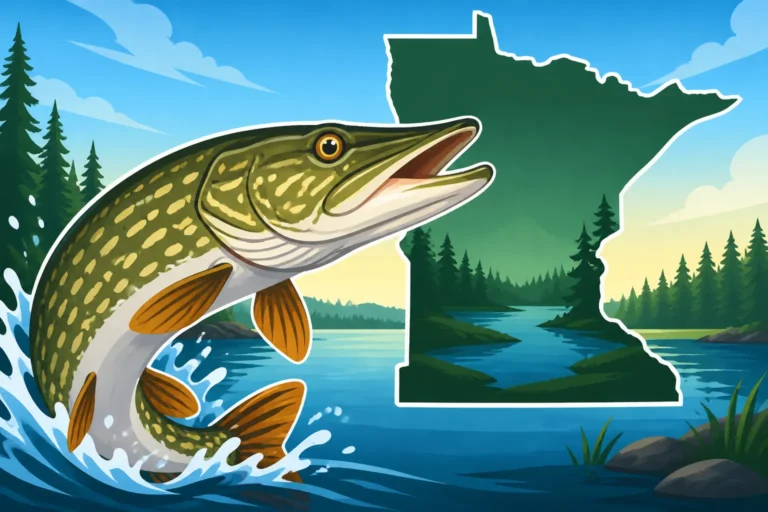
Northern Pike, often just called "pike" around here, are undeniably one of Minnesota's most aggressive and exciting freshwater fish. They put up a fantastic fight, and they're abundant in many of our beautiful lakes and rivers. Yet, despite their fighting spirit and widespread presence, they often get a bad rap when it comes to table fare. This reputation primarily stems from a few common misconceptions and one specific anatomical feature that can be a bit intimidating for the uninitiated angler.
The Infamous Y-Bones Explained
Let’s tackle the elephant in the room first: the "Y-bones." This is probably the number one reason most anglers hesitate to keep pike. Unlike many other fish with a simple rib cage, Northern Pike have an extra set of bones that fork out from the spine, resembling tiny "Y" shapes. These bones are a real challenge if you try to fillet a pike the same way you would a walleye or a bass, and biting into one can certainly ruin a meal. It's a legitimate concern that has led many to just release every pike they catch, assuming it's too much trouble to process.
However, these Y-bones are not insurmountable. They're located in the upper half of the fillet, closer to the head, and with a specific filleting technique, you can either remove them almost entirely or leave them in a separate strip that’s easy to discard after cooking. It's truly a skill that, once mastered, opens up a whole new world of delicious fish. Many experienced anglers in Minnesota swear by their method for processing pike, turning what seems like a daunting task into a simple routine. You might even find yourself looking forward to catching a few eaters once you know the trick!
Why Some Think Pike Taste "Fishy"
Another common complaint about Northern Pike is that their meat can taste "fishy" or muddy. While this can certainly be true for any freshwater fish if not handled correctly, it's particularly associated with pike due to their diet and habitat. Pike are apex predators, eating smaller fish, frogs, and sometimes even ducklings, and their strong digestive enzymes can sometimes impart a stronger flavor to their flesh. Additionally, fish from warmer, shallower waters or those caught during the peak of summer, when algae blooms are prevalent, tend to have a more pronounced flavor profile.
However, this "fishiness" is often greatly exaggerated or can be mitigated with proper handling and preparation. Pike from cleaner, colder lakes – like many in northern Minnesota – tend to have a much milder flavor. The season also plays a big role; pike caught through the ice during winter or in the cool waters of spring and fall are often praised for their exceptionally clean taste. Think about it, the colder water slows down their metabolism, resulting in firmer, cleaner-tasting flesh. This is similar to how many perceive other cool-water species.
What Does Northern Pike Taste Like?
When properly prepared, Northern Pike offers a firm, white, flaky meat with a mild, slightly sweet flavor. It's not as delicate as walleye, but it's far from the strong, oily taste of some other species like carp or even certain salmon. The texture is often compared to cod or even chicken by those who enjoy it regularly. It holds up well to various cooking methods, making it a versatile option in the kitchen.
Factors Influencing Flavor and Texture
The taste and texture of your pike dinner aren't just a roll of the dice; several factors play a significant role. Understanding these can help you select the best fish to keep and ensure a delicious outcome.
Size of the Fish
This is perhaps the most critical factor. When it comes to Northern Pike, smaller is almost always better for eating. We're talking about pike in the 22 to 30-inch range. These "hammer handles" are often overlooked, but they typically have more tender flesh and a less pronounced flavor than their larger, older counterparts. Trophy pike, those over 35 inches, tend to have tougher, gamier meat, and are also incredibly important for the fishery, so it’s generally recommended to practice Catch and Release Best Practices in Minnesota for these big ones anyway. Focusing on the smaller, abundant fish is a win-win: you get excellent table fare and help maintain a healthy population structure.
Water Quality and Temperature
As with any fish, the environment it lives in directly impacts its taste. Pike from clear, cold, well-oxygenated lakes and rivers will almost always taste better than those from murky, warm, or stagnant waters. Minnesota is blessed with thousands of pristine lakes, many of which are fantastic for catching great-tasting pike. Consider waters known for their clarity and cold-water species – chances are, their pike will be top-notch too. The colder the water, the firmer and milder the meat, making ice fishing for Northern Pike a fantastic time to harvest them for the table.
Immediate Post-Catch Care
This often-overlooked step is crucial for any fish you plan to eat, and pike are no exception. Get your pike on ice immediately after catching it. Don't just toss it in a livewell or leave it baking in the sun for hours. Rapid cooling helps to firm up the flesh, prevent spoilage, and significantly reduce any "fishy" taste. A quick bleed, by cutting a gill arch, can also improve flavor by allowing the blood to drain, which carries some of those stronger flavors. Treating your catch with respect from the moment it comes out of the water will pay dividends when it's time to cook.
Preparing Pike for the Plate
The journey from a feisty catch to a delectable meal involves proper handling and preparation. Don't let the Y-bones intimidate you; with a little practice, you'll be filleting pike like a pro.
Filleting Techniques to Conquer Y-Bones
This is where the magic happens. There are two primary methods for dealing with Y-bones: the "five-fillet method" and the "Y-bone removal cut." Both aim to separate the bony section from the boneless meat. For a detailed visual guide, you'll want to check out resources on How to Fillet a Northern Pike Remove Y-Bones, but here’s a quick overview of the popular five-fillet method:
- Standard Fillet Cuts: Start by making the usual cuts along the spine and behind the gill plate to separate the main fillet from the fish.
- Rib Removal: Carefully cut out the rib cage section from the belly portion of the fillet, just like you would with other fish.
- The Y-Bone Separation: Here’s the key. On the upper portion of the fillet, close to where it was attached to the spine, you'll feel the row of Y-bones. Make a cut above this bone line and another cut below it, running parallel to the spine, essentially creating a long, narrow strip of meat containing all the Y-bones. This strip can be discarded or used for stock.
- The Result: You'll be left with two beautiful, boneless "loin" strips from the back and a boneless "belly" strip from the underside of each side of the fish, totaling five boneless pieces (two back loins, two belly strips, and one small 'boneless' section from the shoulder) from the two sides.
It sounds more complicated than it is once you get the hang of it. Many anglers prefer this method because it guarantees boneless fillets, making for a much more enjoyable eating experience. It's a skill worth acquiring if you want to enjoy fresh pike.
Skinning and Brining for Optimal Flavor
Once you have your boneless fillets, skinning is usually the next step. Pike skin is thick and can be quite strong-flavored, so most recipes call for removing it. This is a straightforward process: lay the fillet skin-side down, make a small cut at the tail end to grasp the skin, and then use a sharp, flexible fillet knife to separate the meat from the skin, working your way towards the head.
Brining is another excellent step, especially if you're concerned about any residual "fishiness." A simple saltwater brine (1/4 cup salt per quart of cold water) for 30 minutes to an hour can draw out impurities and firm up the flesh even further, resulting in a cleaner, milder flavor. After brining, pat the fillets completely dry with paper towels before cooking.
Versatile Cooking Methods
Northern Pike's firm, white meat is incredibly versatile, lending itself to a wide range of cooking methods. Once you have those boneless fillets, the culinary possibilities are endless!
Here are some popular ways to prepare pike:
- Frying: This is a classic for a reason. Dredge fillets in seasoned flour, cornmeal, or a classic beer batter, and deep-fry or pan-fry until golden brown and flaky. The firm texture of pike holds up beautifully to frying, creating a satisfying crispy crust.
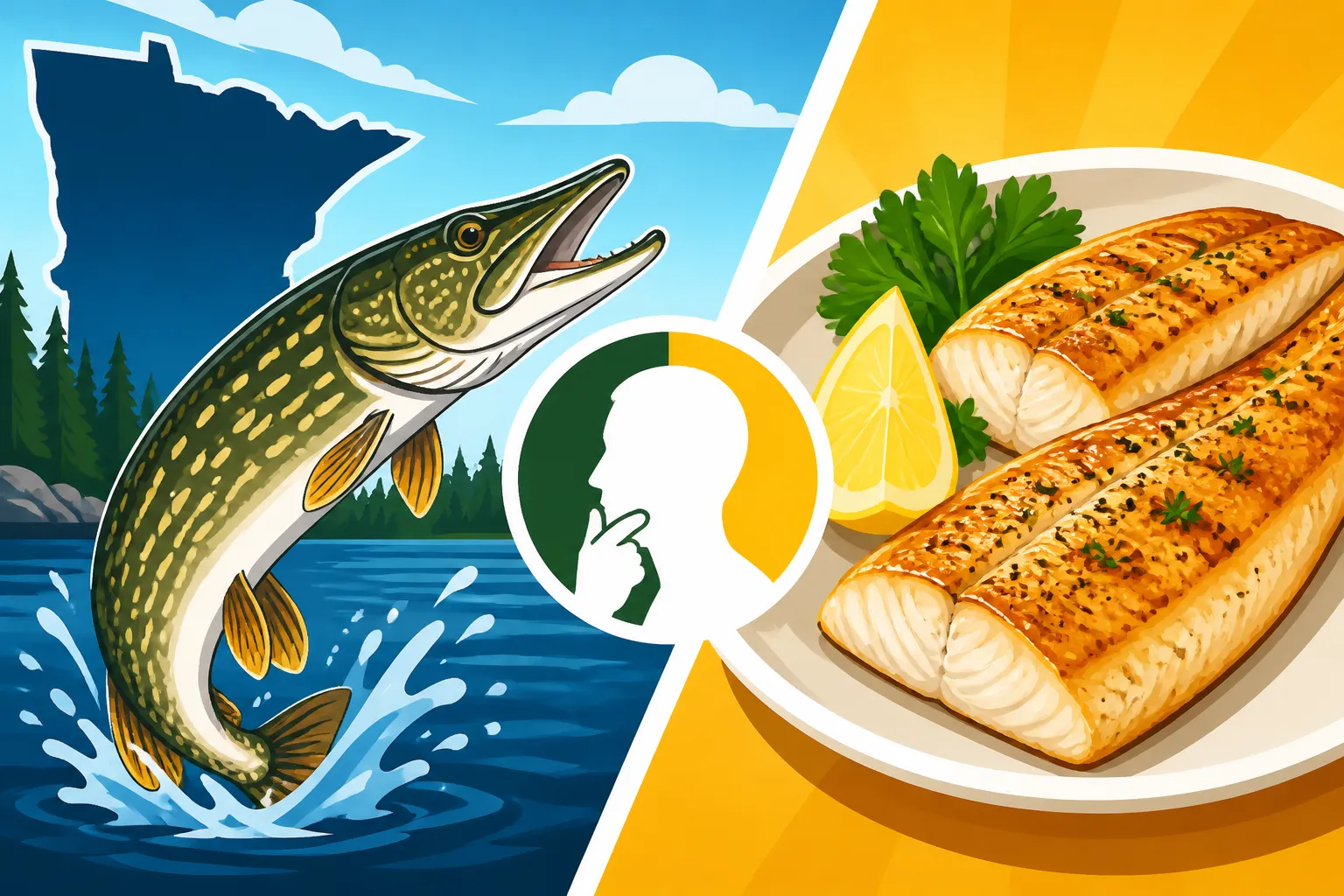
- Baking/Roasting: Pike fillets can be baked with herbs, lemon, butter, or even a cream sauce. Wrap them in foil with some veggies for an easy, healthy meal. This method highlights the mild flavor and flaky texture.
- Grilling: Marinate pike fillets in your favorite blend (lemon-dill, garlic-herb, or a light teriyaki) and grill over medium heat. Be sure to use a fish basket or foil to prevent sticking and breaking, as grilled fish can be delicate.
- Smoking: If you have a smoker, pike takes on a wonderful flavor when brined and then hot-smoked. This is a fantastic way to preserve and enjoy a larger batch of fish.
- Pike Patties/Cakes: For smaller pieces or if you prefer a different texture, cooked pike can be flaked and mixed with breadcrumbs, herbs, and binders to form patties or cakes, similar to crab cakes. Pan-fry them for a delicious appetizer or main course.
| Cooking Method | Best For | Flavor Profile | Tips for Success |
|---|---|---|---|
| Pan-Frying | Quick meals, crispy exterior | Crispy, savory, highlights natural mildness | Use a seasoned breading (cornmeal, flour mix). Don't overcrowd the pan. Cook until golden brown and flaky. |
| Deep-Frying | Fish & Chips, party food, consistent crisp | Rich, indulgent, excellent with tartar sauce | Use a light beer batter. Maintain oil temperature around 350-375°F (175-190°C). Fry in batches. |
| Baking/Roasting | Healthy option, easy cleanup, less oil | Mild, moist, infused with herbs/seasonings | Season well with lemon, garlic, butter, and fresh herbs. Bake at 375-400°F (190-200°C) until fish flakes easily. |
| Grilling | Outdoor cooking, smoky flavor, firm texture | Smoky, savory, can be slightly charred | Marinate briefly. Use a well-oiled fish basket or heavy-duty foil to prevent sticking and breaking. Don't overcook. |
| Smoking | Preserving, unique flavor, firm texture | Deeply smoky, savory, often slightly sweet | Brine fillets thoroughly before smoking. Use mild wood chips (apple, cherry). Smoke low and slow. |
| Pike Patties | Leftovers, appetizers, kids-friendly | Versatile, can be seasoned any way you like | Flake cooked pike. Mix with breadcrumbs, egg, mayo, and seasonings (e.g., Old Bay, dill). Pan-fry until golden. |
No matter your preferred cooking method, remember not to overcook the fish. Pike, like most white fish, cooks quickly. Overcooked fish becomes dry and tough, losing its appealing texture.
Enjoying Minnesota Pike
Northern Pike are not only an exciting sport fish but also a fantastic culinary resource right here in Minnesota. Don't let old wives' tales about bones or "fishiness" deter you from enjoying this abundant species.
Best Pike for the Table in Minnesota
When you're out on the water, targeting pike for dinner, focus on lakes known for their clean, cold waters. Many of the larger, deeper lakes across Northern Minnesota hold excellent populations of tasty pike. Lakes like Lake of the Woods, Leech Lake, and Lake Vermilion, while famous for their walleye and muskie, also produce fantastic eating pike. Even some of the smaller, clear-water lakes in the Brainerd Lakes Area or near Park Rapids can be goldmines.
Remember to prioritize those smaller "hammer handle" pike, generally 22-30 inches. Not only are they better eating, but harvesting these smaller, more abundant fish can actually benefit the overall health of the pike population in many lakes by reducing competition and allowing more fish to grow to larger sizes. This management strategy helps balance the ecosystem. If you're wondering about the rules for keeping these fish, make sure you're up to date on the Northern Pike Season & Limits in Minnesota which vary by zone.
Beyond the Fillet: Pike Roe and Cheeks
While the fillets are the star of the show, don't overlook other delicious parts of the pike! The cheeks, small meaty medallions found on either side of the fish's head, are considered a delicacy by many. They're boneless, tender, and incredibly flavorful – a true hidden gem. Pike roe (eggs) can also be harvested and prepared. While not as universally popular as caviar, it can be lightly salted and served with crackers or toast, offering a unique taste of the wild.
Ultimately, Northern Pike absolutely are good to eat. They offer a lean, white, versatile meat that can be incredibly satisfying. All it takes is a willingness to learn a specific filleting technique and a commitment to proper post-catch care. So next time you're out fishing in Minnesota and hook into a nice 25-inch pike, consider keeping it. You might just discover a new favorite for your dinner plate. For those interested in improving their overall angling skills for these toothy predators, learning How to Catch Northern Pike in Minnesota Step by Step can make a big difference in your success. They are truly one of the most fun fish to target, and knowing you can enjoy them for dinner only adds to the reward.
Disclaimer
Fishing regulations, including seasons, limits, and licensing requirements, can change. Always consult the most current Minnesota Department of Natural Resources (DNR) regulations before heading out on the water. This guide is for informational purposes only and should not be considered a substitute for official DNR publications.